



 Types of Art And Media Used
 2 -Dimensional Art • 2 -Dimensional art is any art that has length and width, but no depth. • Paintings, Drawings, Etchings, Scratchboard, Photography, Graphic Design work (ads, etc. )
 Drawing • Intimate form of art in that it is frequently the artist’s private note-taking process. • Sketching, doodling, Intricate drawing • Leonardo da Vinci created hundreds of sketches of paintings, sculptures, inventions, stories, mathematics, science, and more
 Materials • Pigment---powdered color material • Pigment is mixed with substances that enable it to adhere to the drawing surface. • Dry Media and Liquid Media are used in drawing
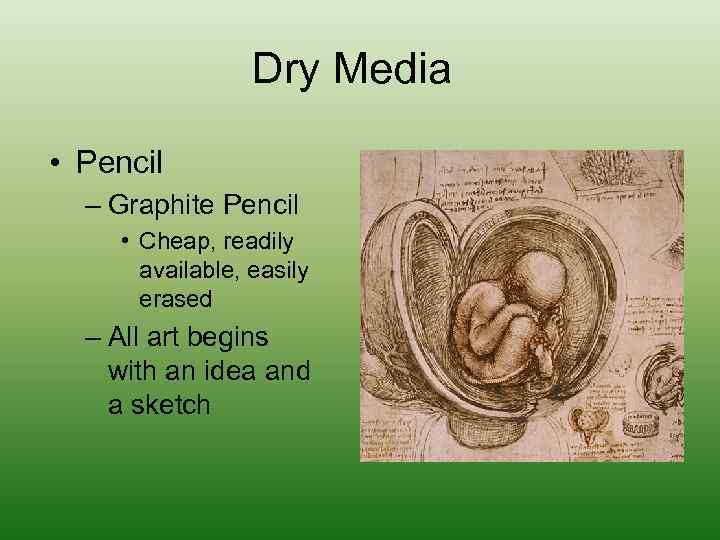 Dry Media • Pencil – Graphite Pencil • Cheap, readily available, easily erased – All art begins with an idea and a sketch
 Dry Media • Metalpoint – Not used a lot anymore (not forgiving in mistakes) – Process: thin wire of metal (usually silver) in a holding device scratches lines onto a drawing surface specially coated with paint. – Much like scratchboard. – Use thin, delicate lines with hatching and cross-hatching
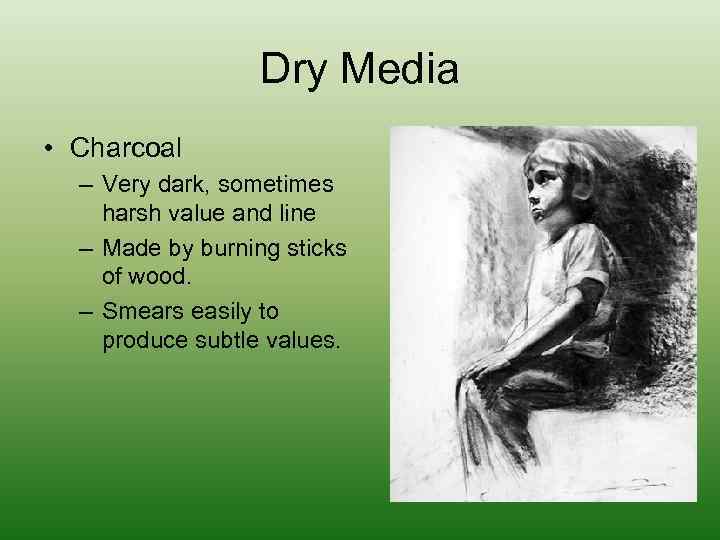 Dry Media • Charcoal – Very dark, sometimes harsh value and line – Made by burning sticks of wood. – Smears easily to produce subtle values.
 Dry Media • Chalk Pastels – Pigment and nonfat binders – Blend better and can be overlaid to produce shaded effects – Very messy and often require a sealant when finished (fixative or varnish).
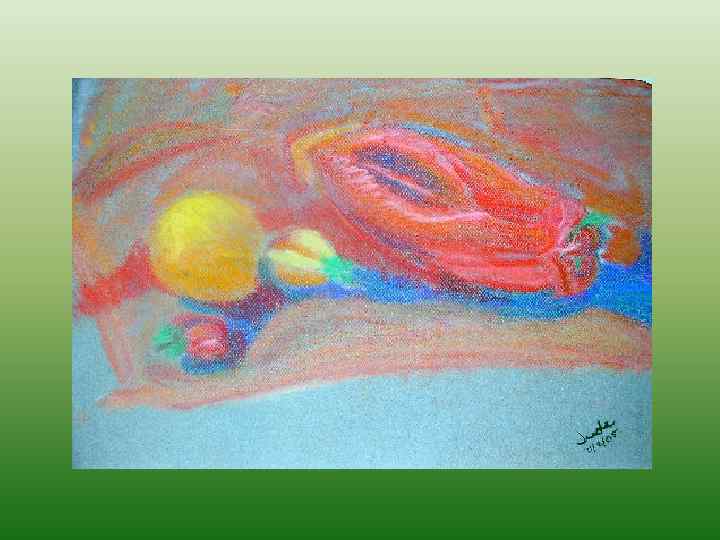
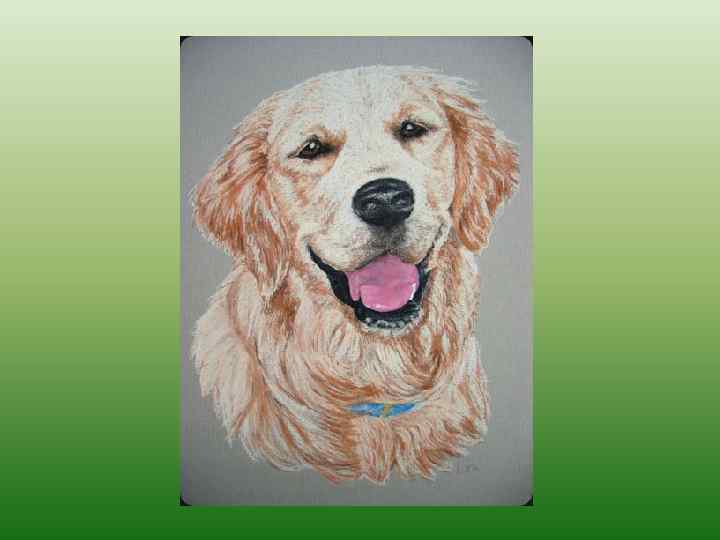
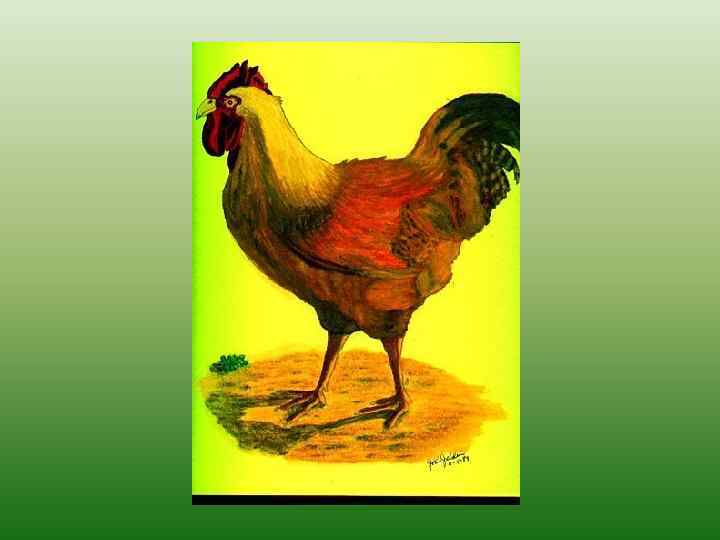
 Dry Media • Oil Pastels and Crayons – Pigment and fatty or greasy binders – Adhere better to the drawing paper – Much more difficult to blend – Wider variety of colors – Crayons can be wax crayons (kids use) or crayon used to draw on lithography stone, or conté crayon (a little greasier than chalk coming in red, black, and brown colors).
 Liquid Media • Pen and Ink – Can have variety of line width depending on tip of pen. – Also used for writing • Asian calligraphy artists – Favored by and readily available to Rembrandt • Made thousands of pen and ink sketches
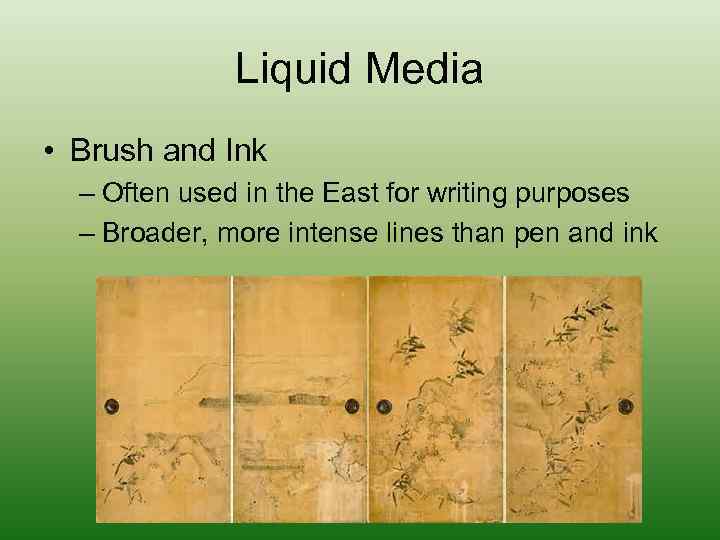 Liquid Media • Brush and Ink – Often used in the East for writing purposes – Broader, more intense lines than pen and ink
 Digital Drawing • Computer based drawing – Faster, easier drawing (can be erased and reworked easier) – Less realistic often times – More colors, brush and pen sizes, and drawing “canvas” available. – Can be saved forever – Paint program, Adobe Illustrator
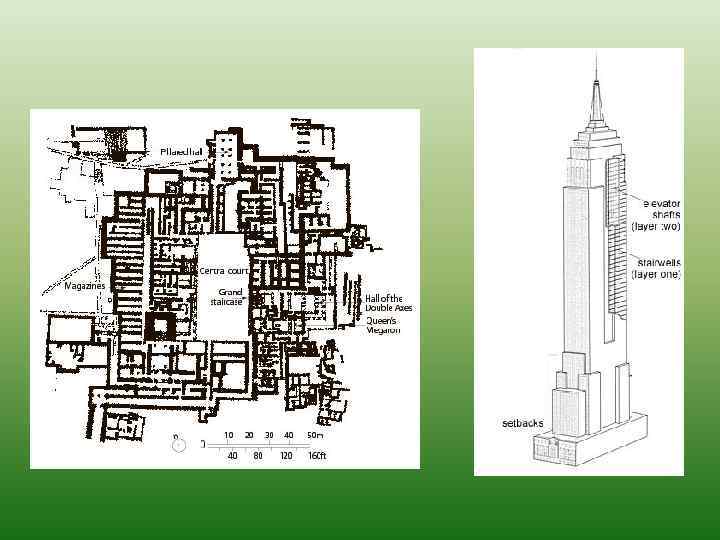
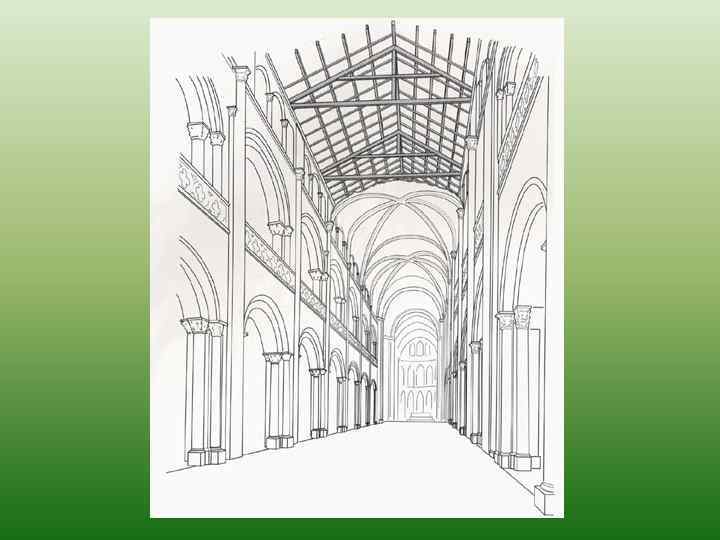
 Architecture & Engineering • Uses programs to create building and structure plans • Several different programs available – Auto. Cad (85% engineering firms use), Cad Pipe (draws ductwork in 3 -D), Pro-E (3 -D drawing for assembly of industrial and manufacturing—easy to modify), Micro. Station (often used by government—works with Auto. Cad program well)
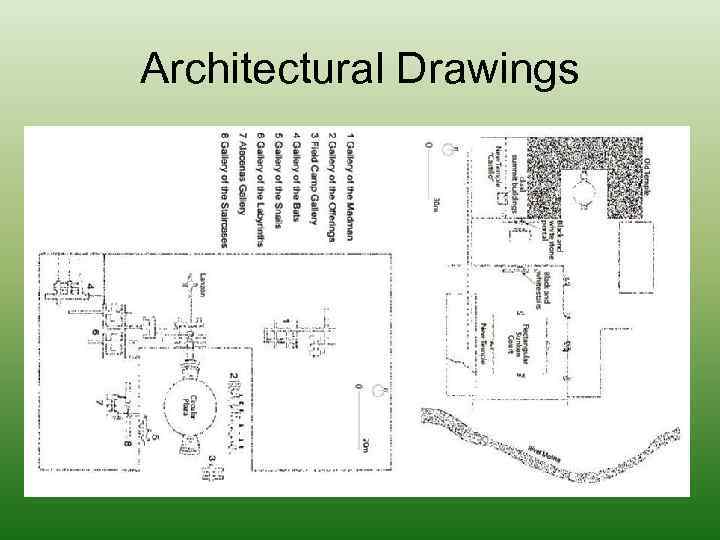 Architectural Drawings
 Painting • Most commonly associated with “art” – Uses full spectrum of colors – Framed to make them more exciting and give them an impression of being “precious” – Used in prehistoric days with cave paintings – Watercolor, tempera, acrylic, oil, gouache, impasto, fresco
 Materials • Made of pigment like drawing tools • Pigment is mixed with a vehicle (a liquid that holds the particles of pigment together without dissolving them) • Vehicle works as a binder to keep pigment on paper or canvas. • Support – the canvas, paper, wood panel, wall, or other surface that is painted on
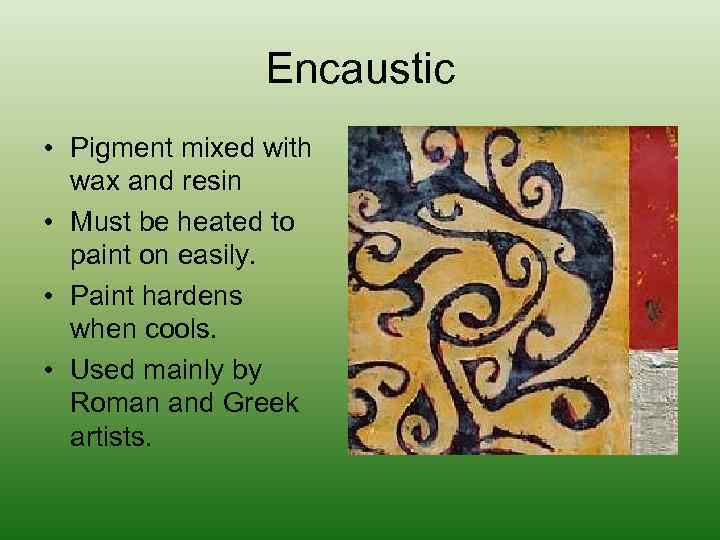 Encaustic • Pigment mixed with wax and resin • Must be heated to paint on easily. • Paint hardens when cools. • Used mainly by Roman and Greek artists.
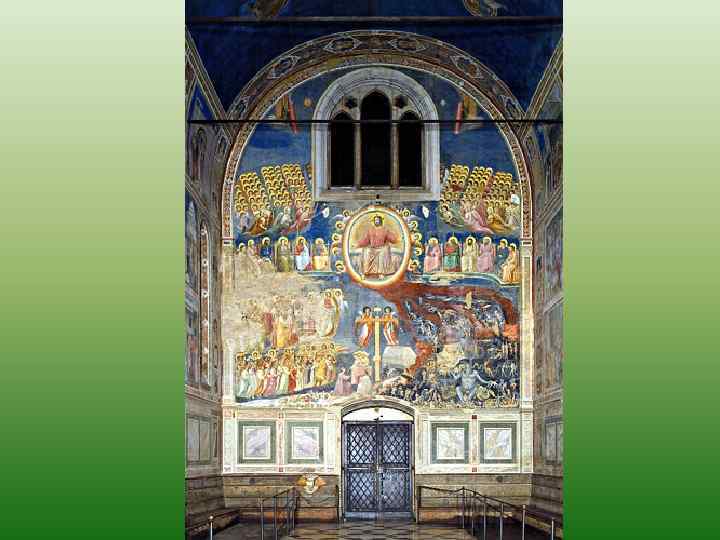
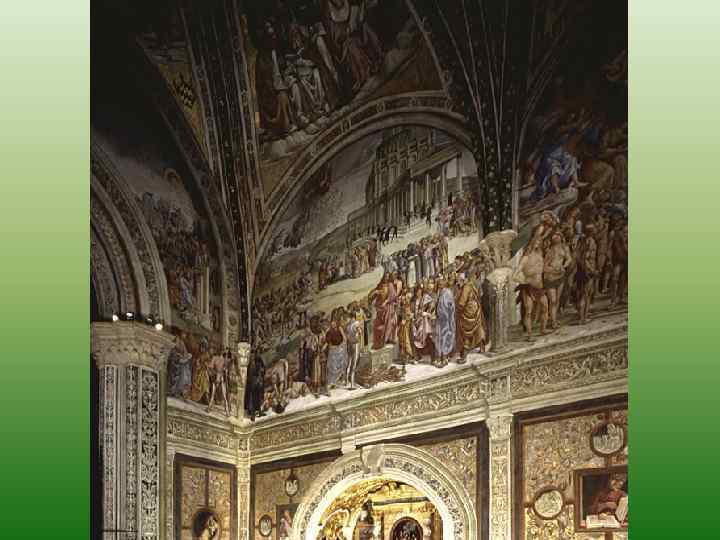
 Fresco • Pigments mixed with water and applied to a plaster support (usually wet also) • Wall-painting technique often used for large scale murals • Works are guided by a full sized dot drawing called a cartoon. • When ready to paint, the artist simply connects the dots.
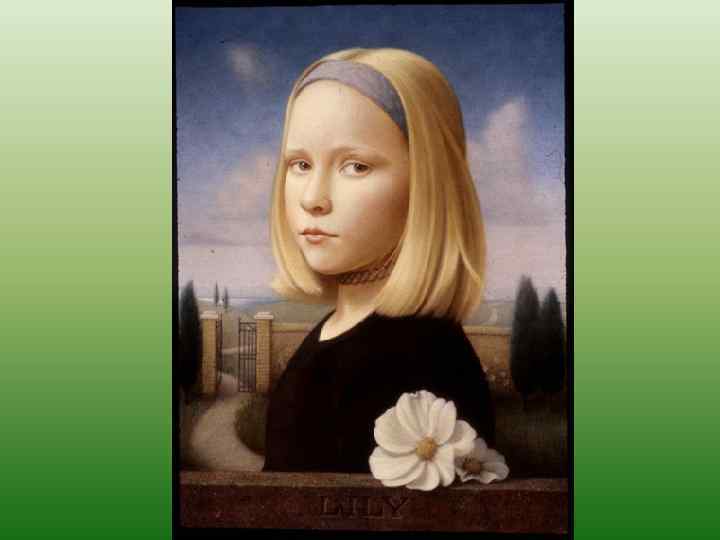
 Tempera • Made with water and pigment • Bright colors that last longer than oil paint • Can be mixed with egg yolk to make it thicker and not crack. • Tempera is often used to paint on wood panels with a base of gesso • Gesso – Base paint mixed with glue that helps paint stay on a support
 Oil Paint • Pigment mixed with oil—usually linseed. • First used on wooden panels and then graduated to flexible canvas. • Used on large, bold projects • Dries VERY slowly – Colors can be blended subtly and areas can be reworked easily – Sometimes takes weeks or months to dry – Paint can become “muddy” from mixing colors and paint too much
 Oil Paint • Alla Prima – Spontaneous painting approach (Italian for “all on the go”)
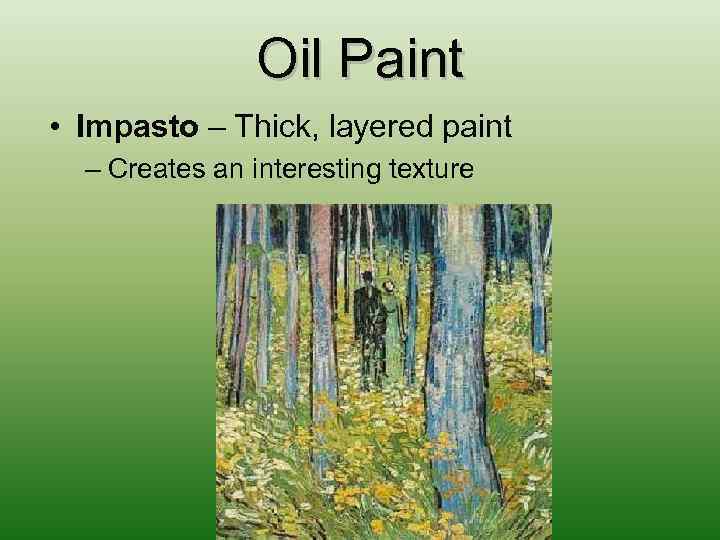 Oil Paint • Impasto – Thick, layered paint – Creates an interesting texture
 Watercolor • • • Pigment with water and gum arabic Mostly used on paper Mainly used for small, intimate works Transparency is the desired characteristic White of the paper serves as the white color – white paint not really needed. • Wash – translucent, watered down paint spread across the support.
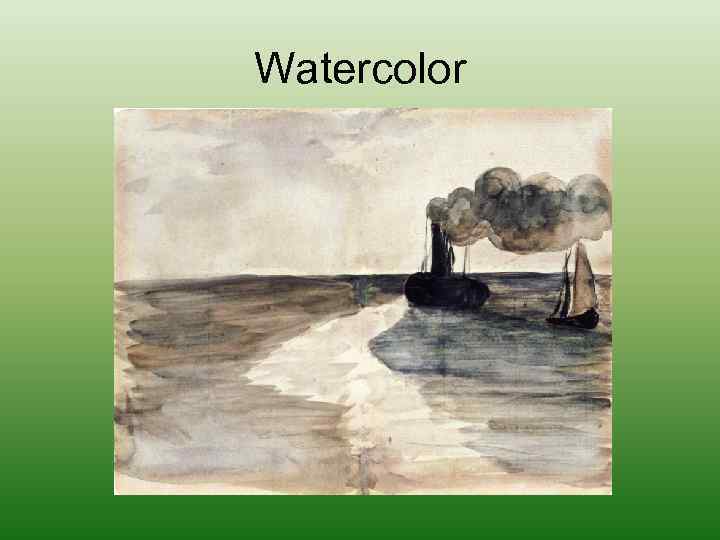 Watercolor
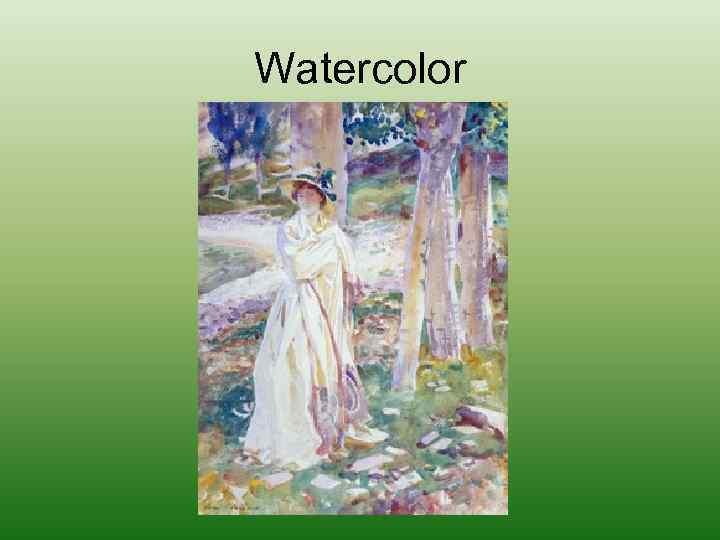 Watercolor
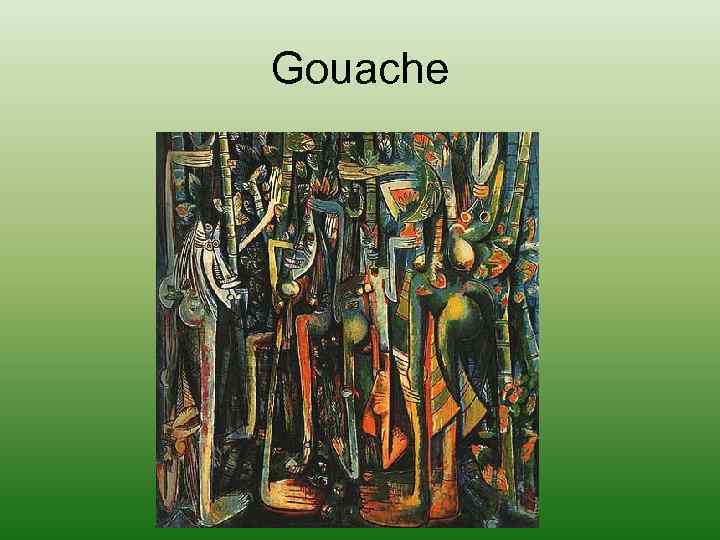
 Gouache • Watercolor with white inert pigment added • Inert pigment – pigment that becomes colorless in paint. – Allows colors to be completely opaque and will hide anything they are painted over. – Similar to poster paint • Dries very quickly and uniformly
 Gouache
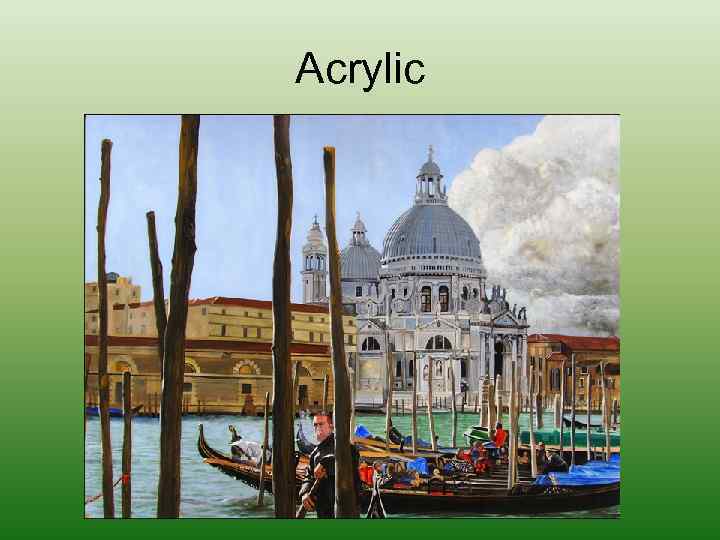
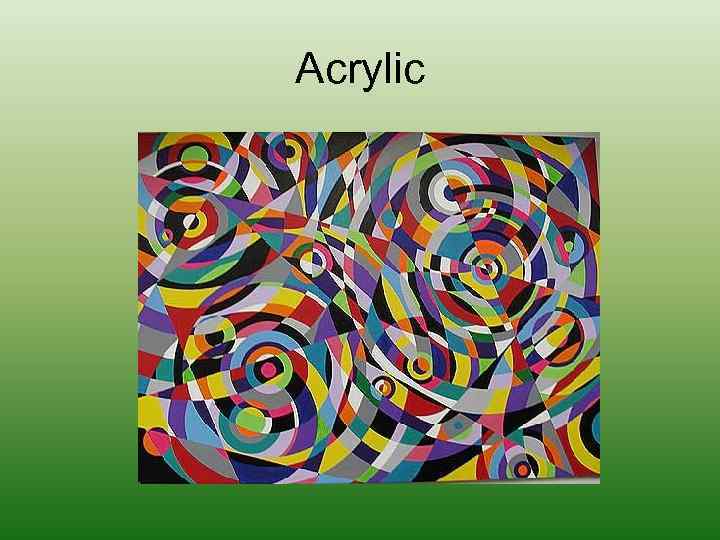
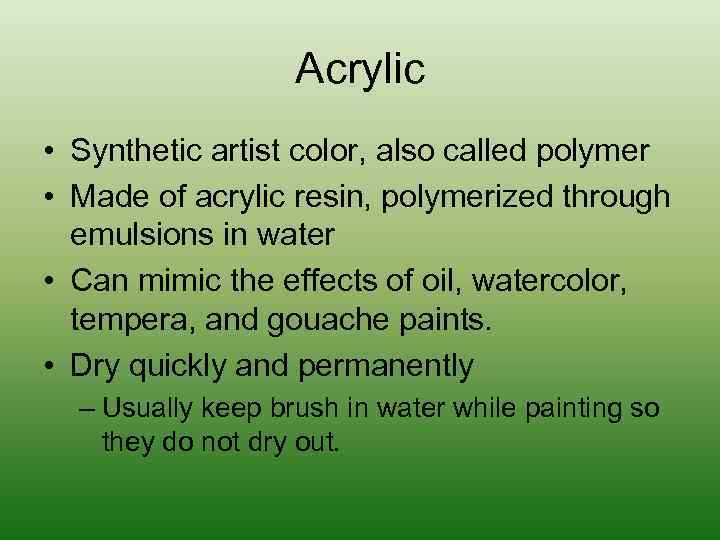 Acrylic • Synthetic artist color, also called polymer • Made of acrylic resin, polymerized through emulsions in water • Can mimic the effects of oil, watercolor, tempera, and gouache paints. • Dry quickly and permanently – Usually keep brush in water while painting so they do not dry out.
 Acrylic
 Acrylic
 Collage • French word that means “pasting” or “gluing” • Attaching actual objects to the surface of a support – Objects can be paper, cloth, or anything – Drawing or painting can be incorporated, also
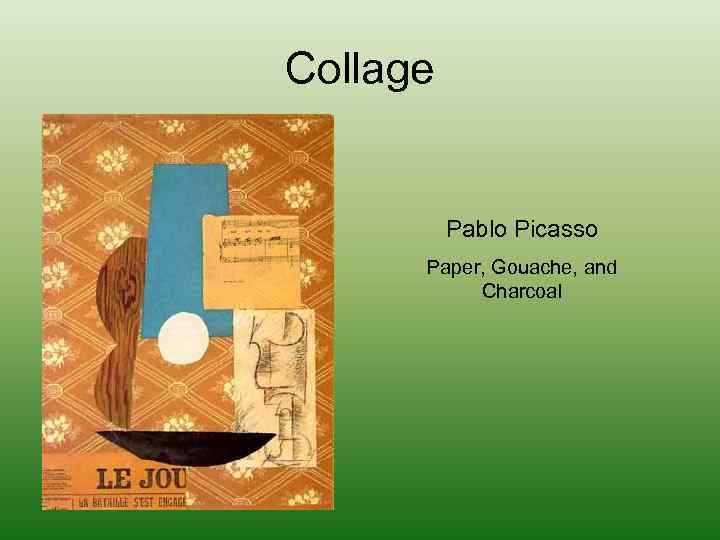 Collage Pablo Picasso Paper, Gouache, and Charcoal
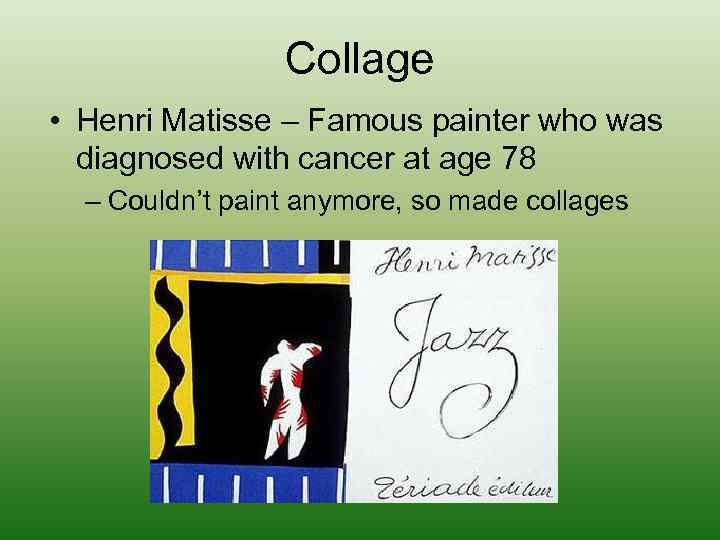 Collage • Henri Matisse – Famous painter who was diagnosed with cancer at age 78 – Couldn’t paint anymore, so made collages
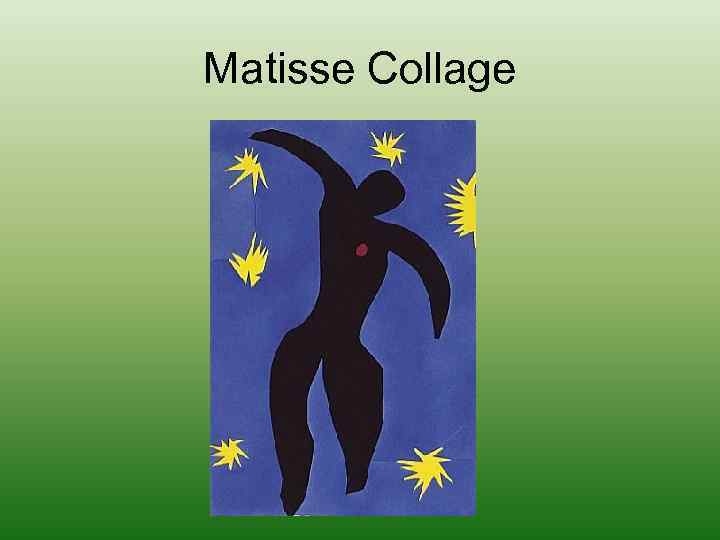 Matisse Collage