


 Скачать презентацию Tvorko M S Host defenses are composed
2b933990a53922bf4e26fcefb0ff0df3.ppt
- Количество слайдов: 63
 Tvorko M. S.
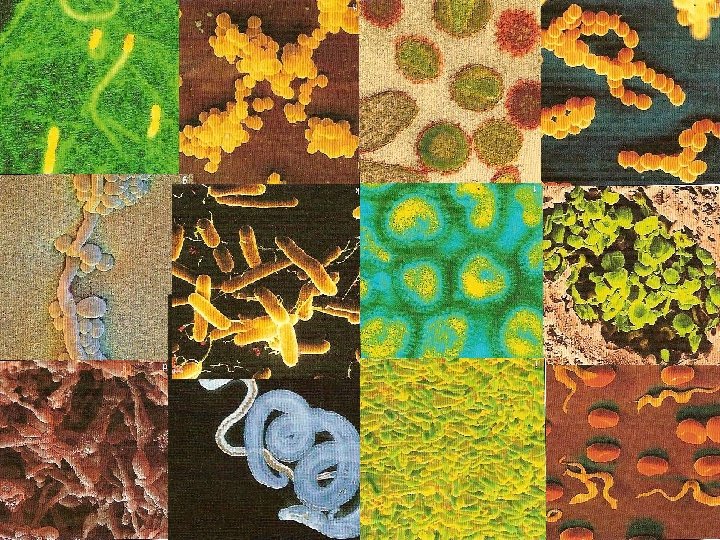
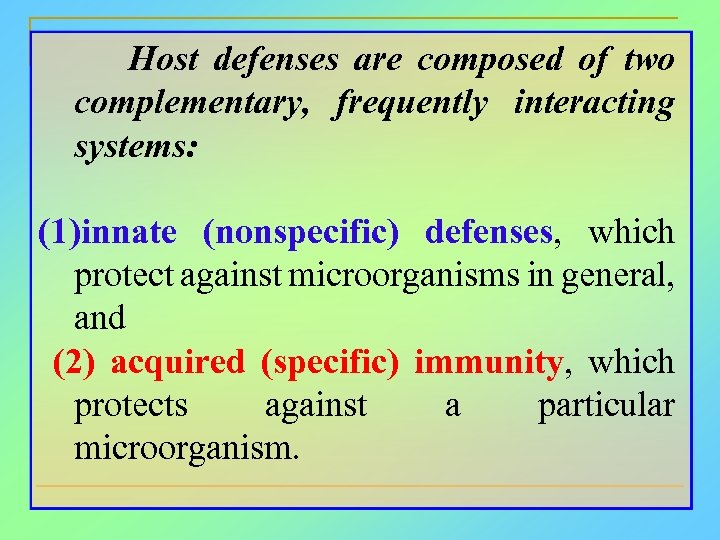 Host defenses are composed of two complementary, frequently interacting systems: (1)innate (nonspecific) defenses, which protect against microorganisms in general, and (2) acquired (specific) immunity, which protects against a particular microorganism.
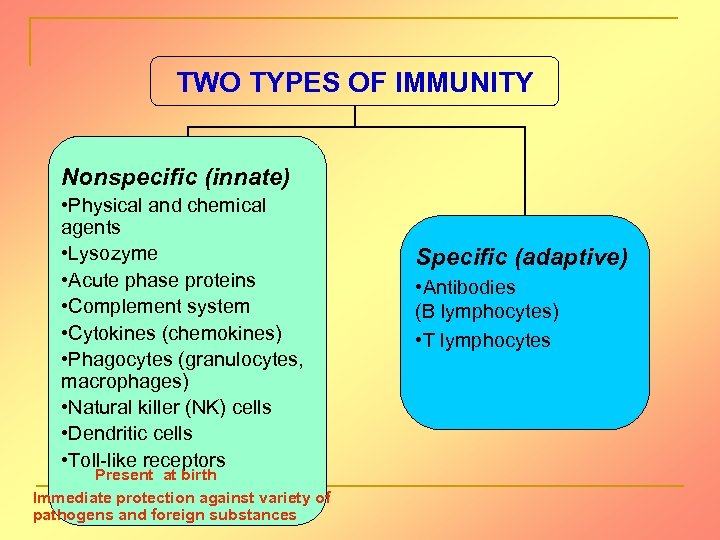 TWO TYPES OF IMMUNITY Nonspecific (innate) • Physical and chemical agents • Lysozyme • Acute phase proteins • Complement system • Cytokines (chemokines) • Phagocytes (granulocytes, macrophages) • Natural killer (NK) cells • Dendritic cells • Toll-like receptors Present at birth Immediate protection against variety of pathogens and foreign substances Specific (adaptive) • Antibodies (B lymphocytes) • T lymphocytes
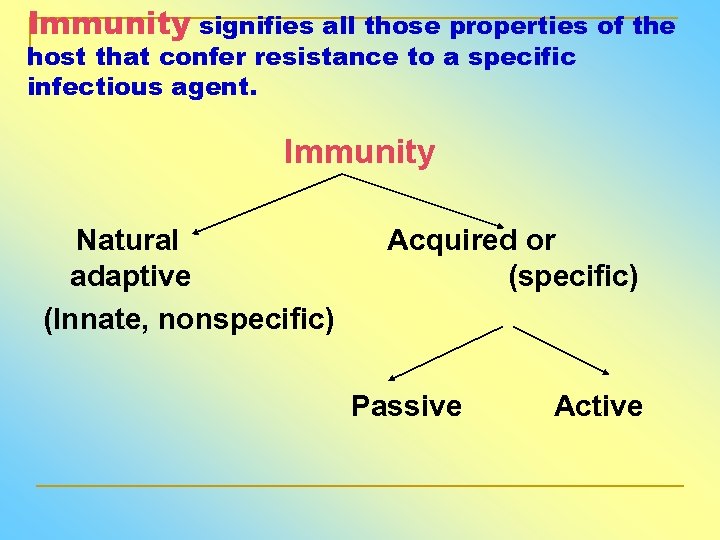 Immunity signifies all those properties of the host that confer resistance to a specific infectious agent. Immunity Natural Acquired or adaptive (specific) (Innate, nonspecific) Passive Active
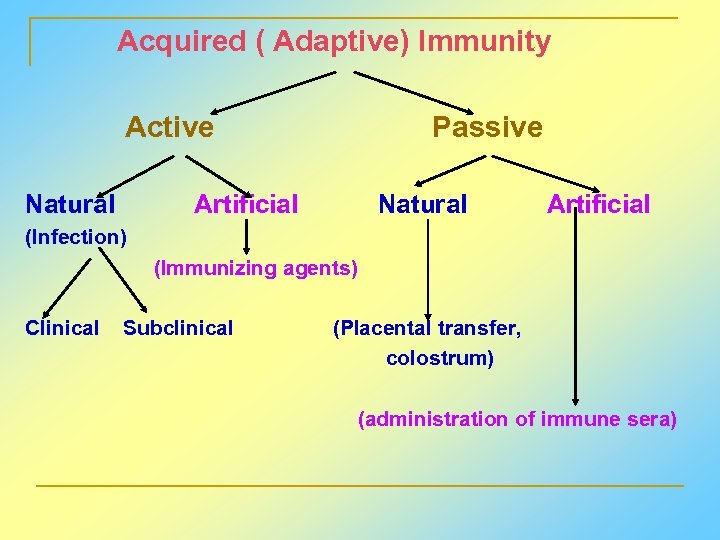 Acquired ( Adaptive) Immunity Active Passive Natural Artificial (Infection) (Immunizing agents) Clinical Subclinical (Placental transfer, colostrum) (administration of immune sera)
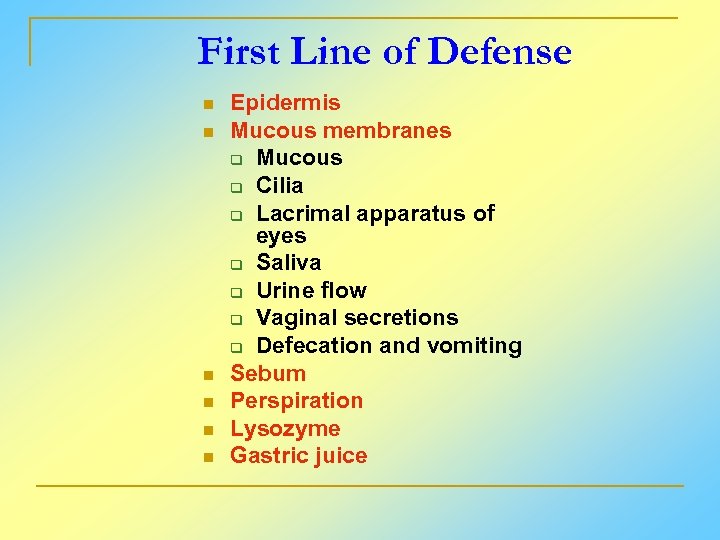 First Line of Defense n n n Epidermis Mucous membranes q Mucous q Cilia q Lacrimal apparatus of eyes q Saliva q Urine flow q Vaginal secretions q Defecation and vomiting Sebum Perspiration Lysozyme Gastric juice
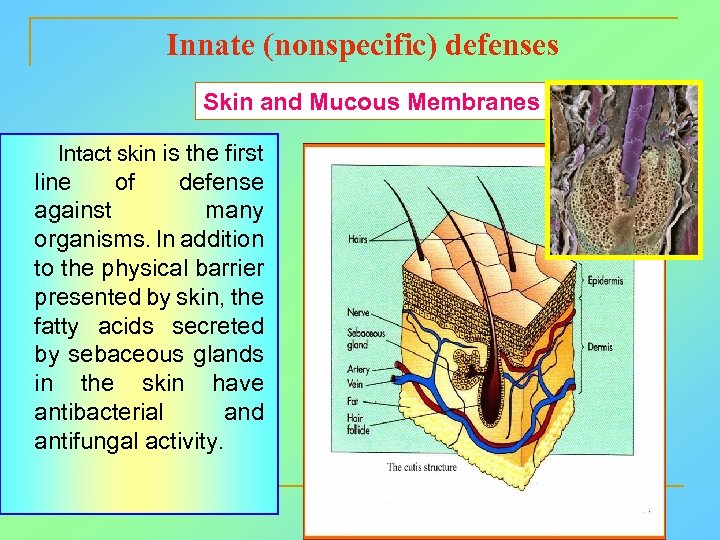 Innate (nonspecific) defenses Skin and Mucous Membranes Intact skin is the first line of defense against many organisms. In addition to the physical barrier presented by skin, the fatty acids secreted by sebaceous glands in the skin have antibacterial and antifungal activity.
 Mucous membranes n protective covering in intestine, lungs, eyes etc. , that resists penetration and traps many microbes n antimicrobial secretions q Lysozyme Lactoferrin: macrophages and PMNs, sequesters iron Lactoperoxidase: produces superoxide radicals q mucosal-associated lymphoid tissue (MALT) q q
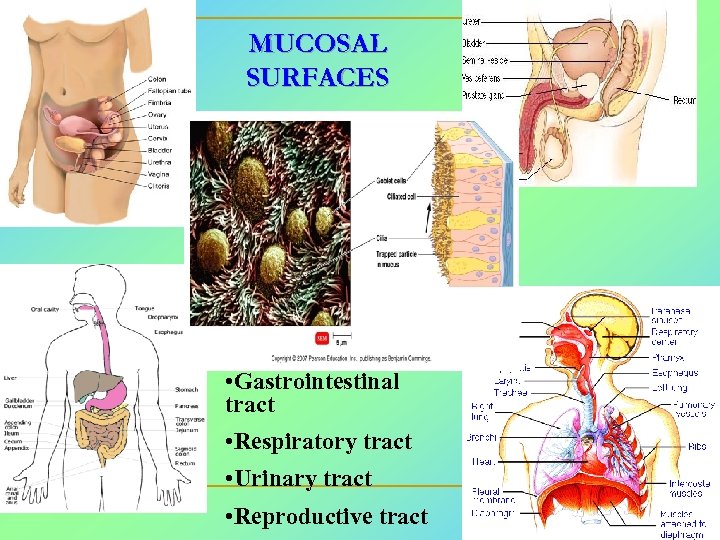 MUCOSAL SURFACES • Gastrointestinal tract • Respiratory tract • Urinary tract • Reproductive tract
 Respiratory System - The mucociliary blanket of the respiratory epithelium traps microorganisms less than 10㎛ diameter - The bronchial-Associated Lymphoid Tissue (BALT) Gastrointestinal Tract - In the stomach : lower p. H, enzymes - In the intestine : enzymes - In the large intestine : the normal microbiota ⇒ preventing the establishment of pahtogens ⇒ destory microorganisms
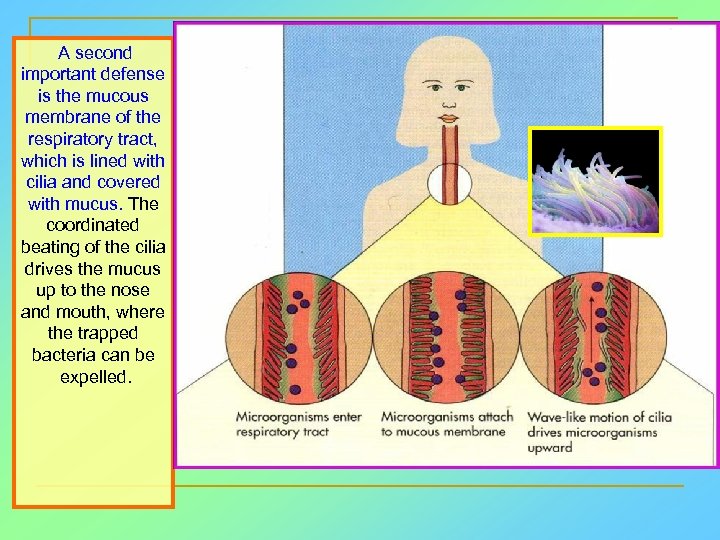 A second important defense is the mucous membrane of the respiratory tract, which is lined with cilia and covered with mucus. The coordinated beating of the cilia drives the mucus up to the nose and mouth, where the trapped bacteria can be expelled.
 Genitourinary Tract - Urine kills some bacteria due to its low p. H and the presence of urea and other metabolic end products The Eye - Tears contain large amount of lysozyme, lactoferrin and s. Ig. A
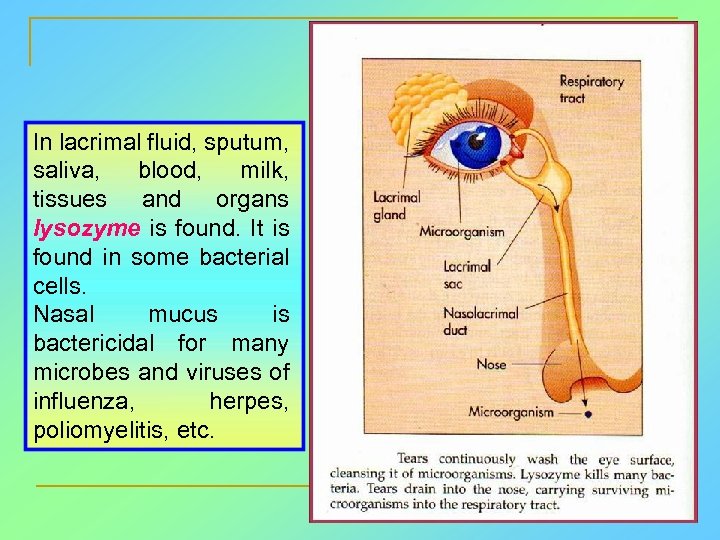 In lacrimal fluid, sputum, saliva, blood, milk, tissues and organs lysozyme is found. It is found in some bacterial cells. Nasal mucus is bactericidal for many microbes and viruses of influenza, herpes, poliomyelitis, etc.
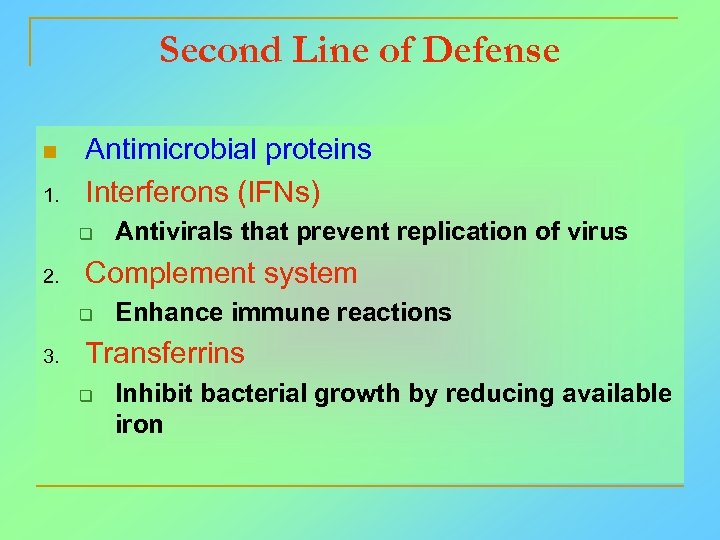 Second Line of Defense n 1. Antimicrobial proteins Interferons (IFNs) q 2. Complement system q 3. Antivirals that prevent replication of virus Enhance immune reactions Transferrins q Inhibit bacterial growth by reducing available iron
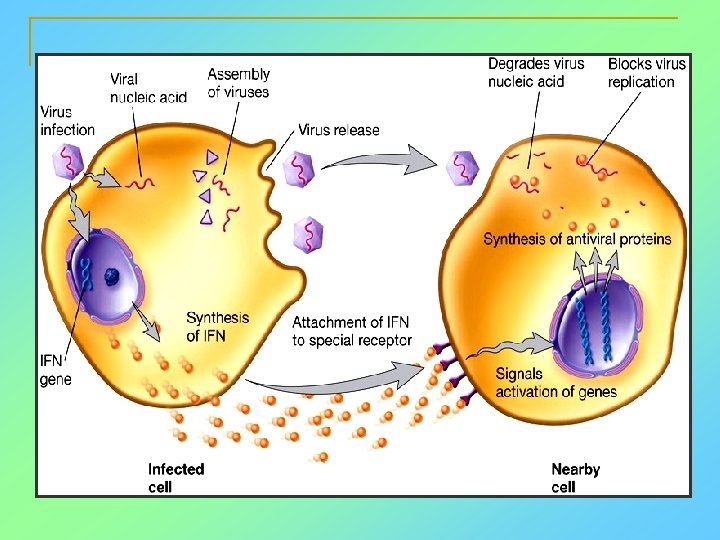
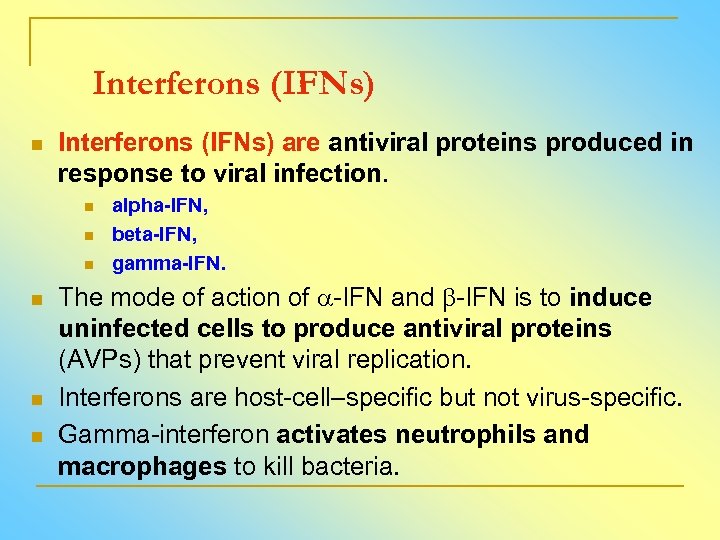 Interferons (IFNs) n Interferons (IFNs) are antiviral proteins produced in response to viral infection. n n n alpha-IFN, beta-IFN, gamma-IFN. The mode of action of -IFN and -IFN is to induce uninfected cells to produce antiviral proteins (AVPs) that prevent viral replication. Interferons are host-cell–specific but not virus-specific. Gamma-interferon activates neutrophils and macrophages to kill bacteria.
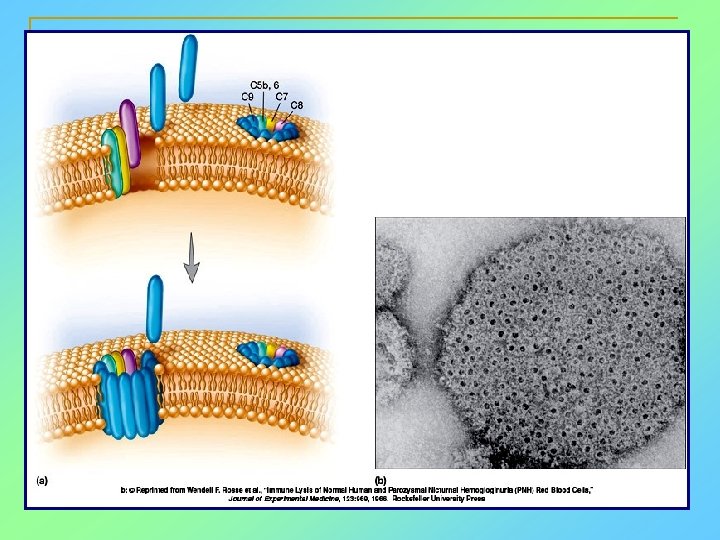
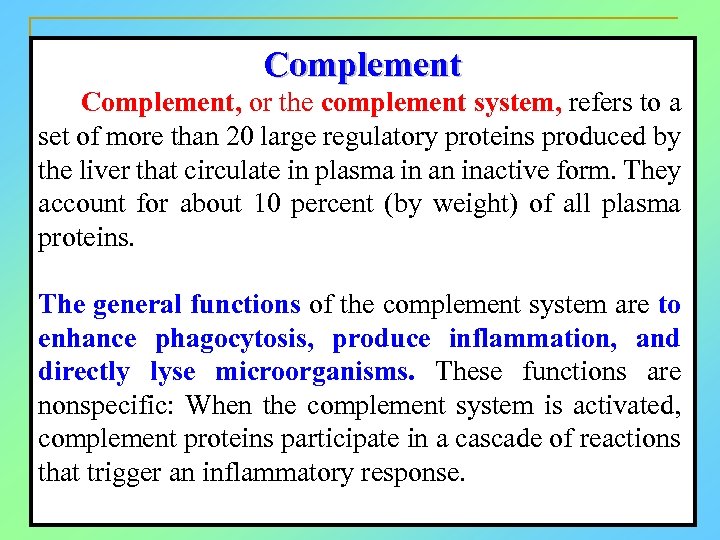 Complement, or the complement system, refers to a set of more than 20 large regulatory proteins produced by the liver that circulate in plasma in an inactive form. They account for about 10 percent (by weight) of all plasma proteins. The general functions of the complement system are to enhance phagocytosis, produce inflammation, and directly lyse microorganisms. These functions are nonspecific: When the complement system is activated, complement proteins participate in a cascade of reactions that trigger an inflammatory response.
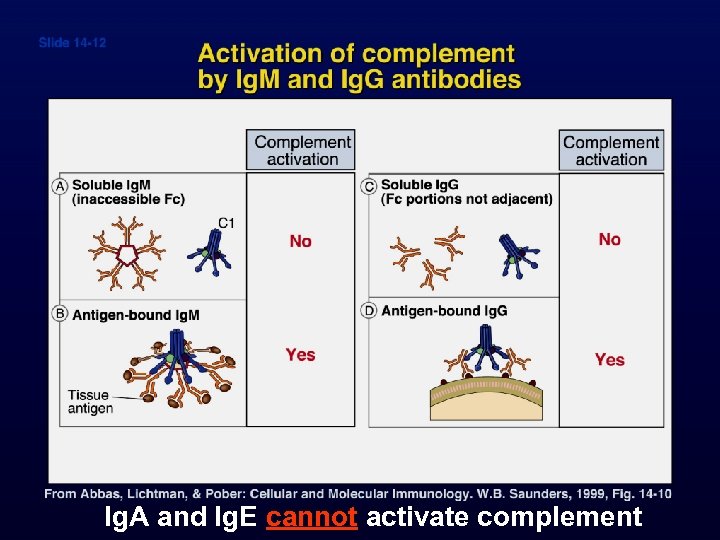 Ig. A and Ig. E cannot activate complement
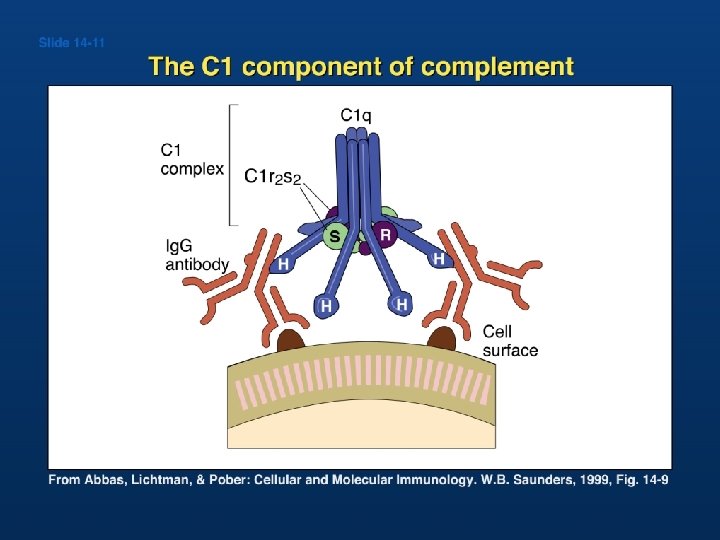
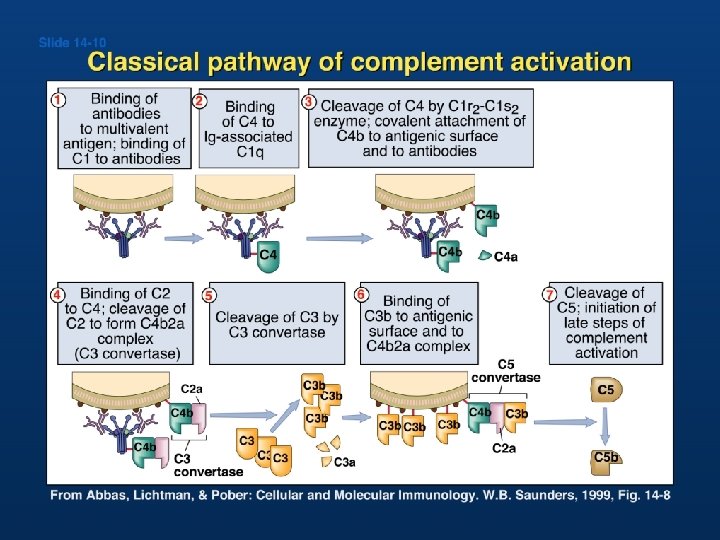
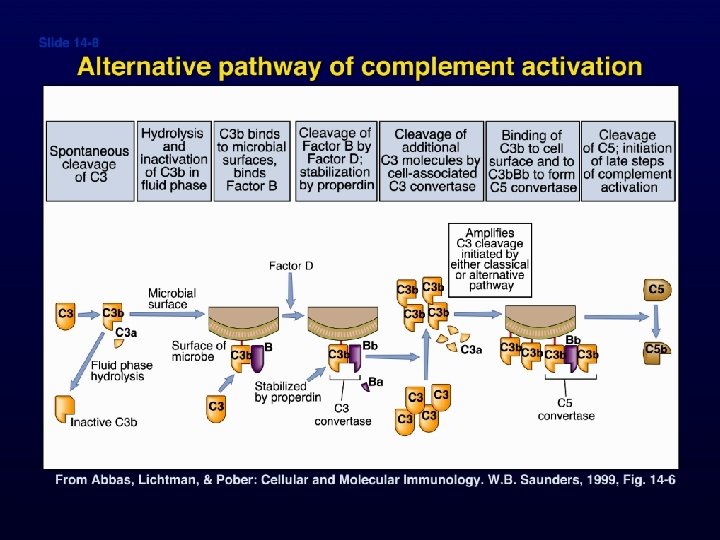
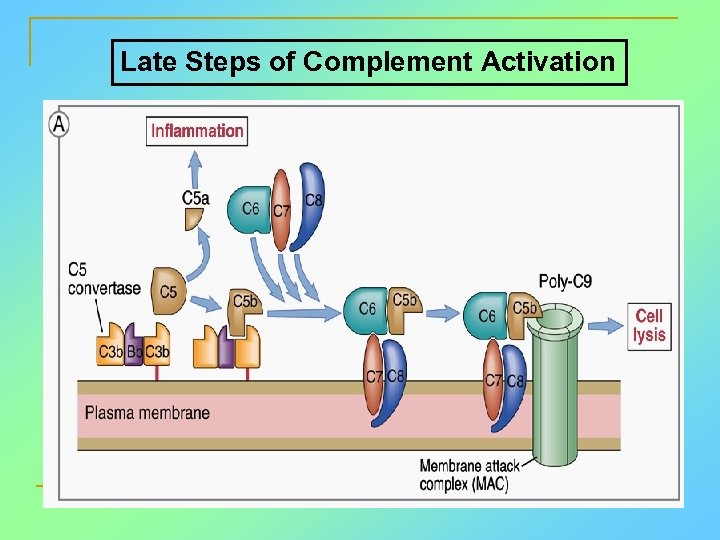 Late Steps of Complement Activation
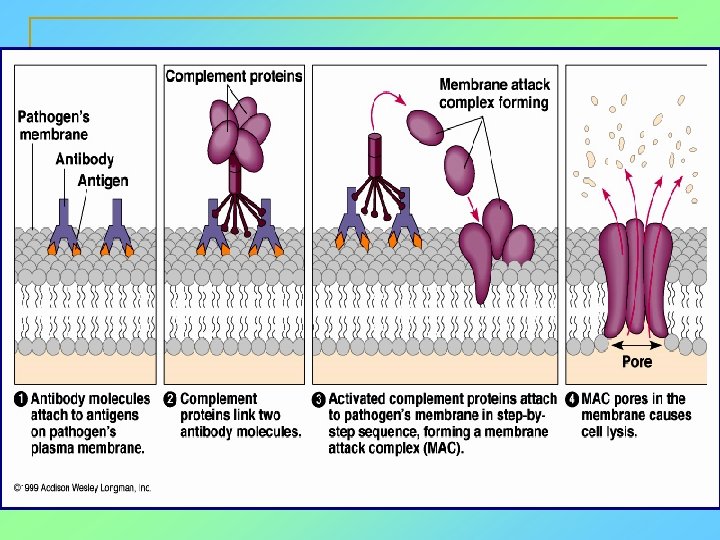 Cytolysis Caused by Membrane Attack Complex
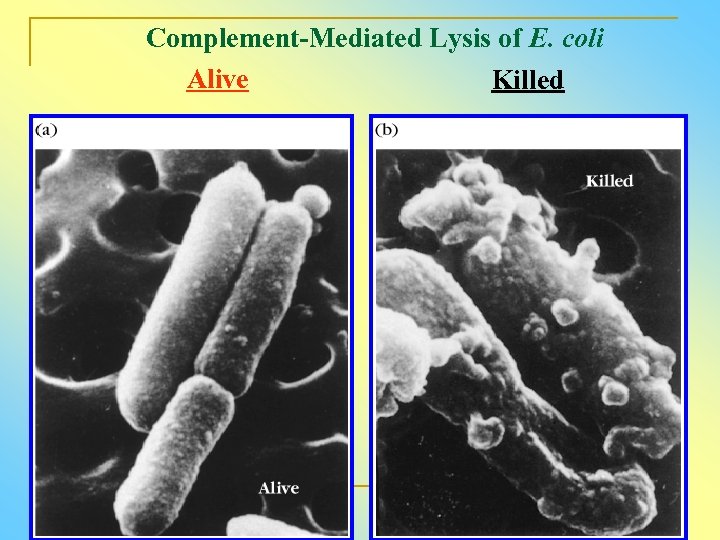 Complement-Mediated Lysis of E. coli Alive Killed
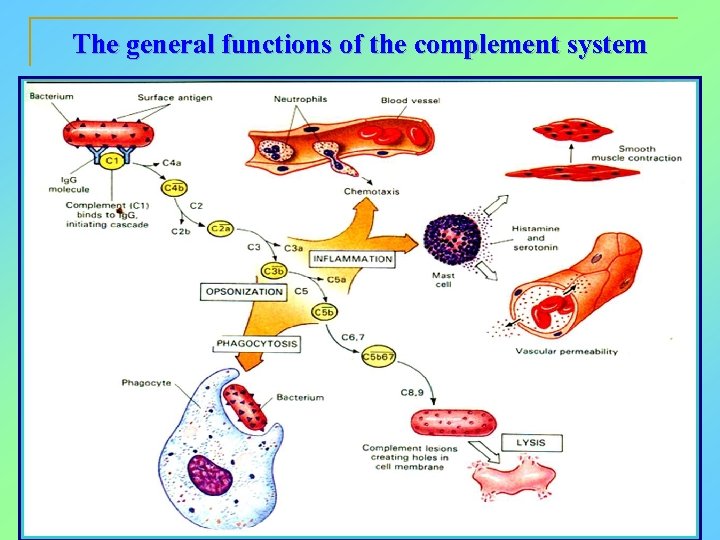 The general functions of the complement system
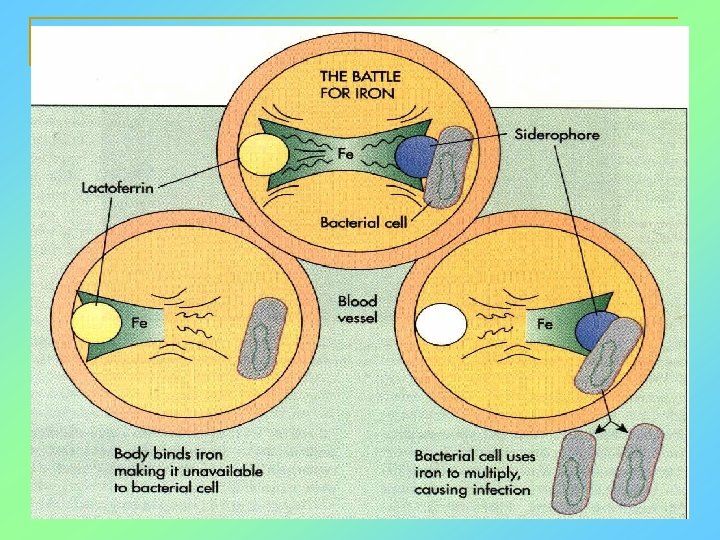
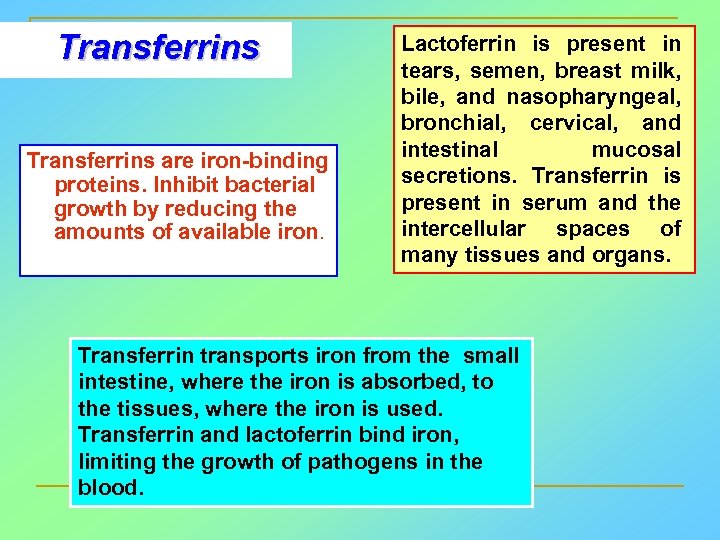 Transferrins are iron-binding proteins. Inhibit bacterial growth by reducing the amounts of available iron. Lactoferrin is present in tears, semen, breast milk, bile, and nasopharyngeal, bronchial, cervical, and intestinal mucosal secretions. Transferrin is present in serum and the intercellular spaces of many tissues and organs. Transferrin transports iron from the small intestine, where the iron is absorbed, to the tissues, where the iron is used. Transferrin and lactoferrin bind iron, limiting the growth of pathogens in the blood.
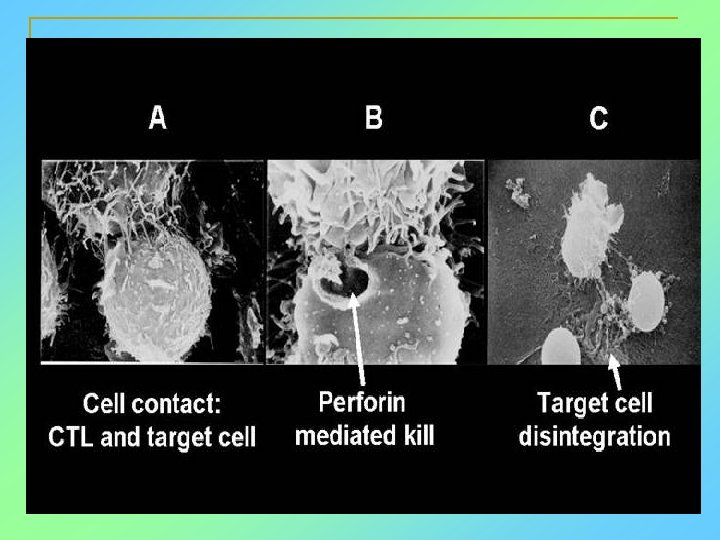
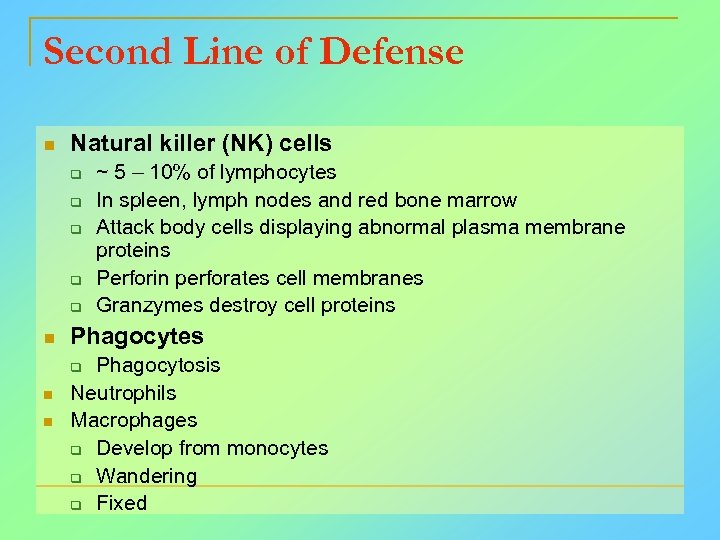 Second Line of Defense n Natural killer (NK) cells q q q n Phagocytes Phagocytosis Neutrophils Macrophages q Develop from monocytes q Wandering q Fixed q n n ~ 5 – 10% of lymphocytes In spleen, lymph nodes and red bone marrow Attack body cells displaying abnormal plasma membrane proteins Perforin perforates cell membranes Granzymes destroy cell proteins
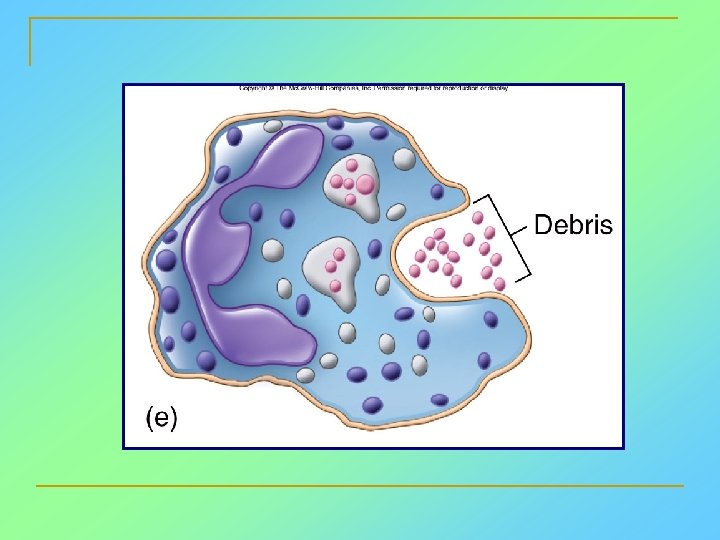
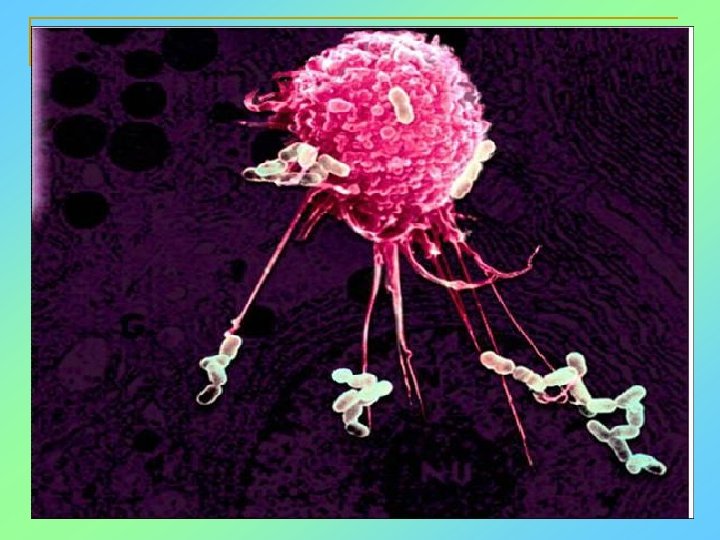
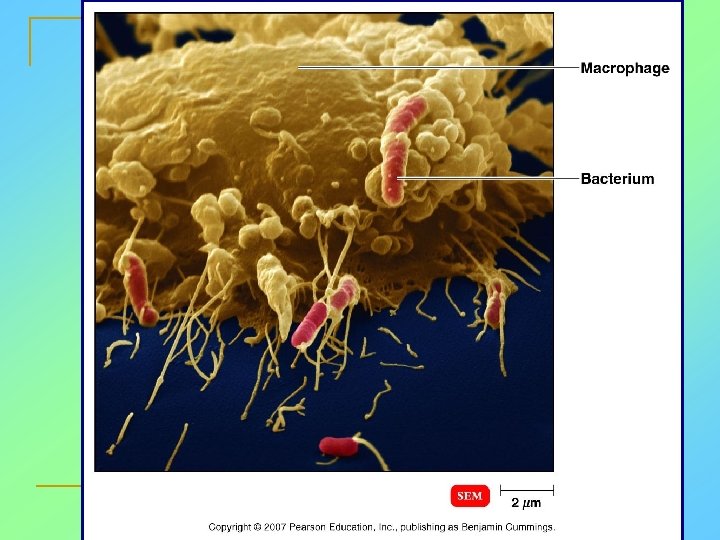
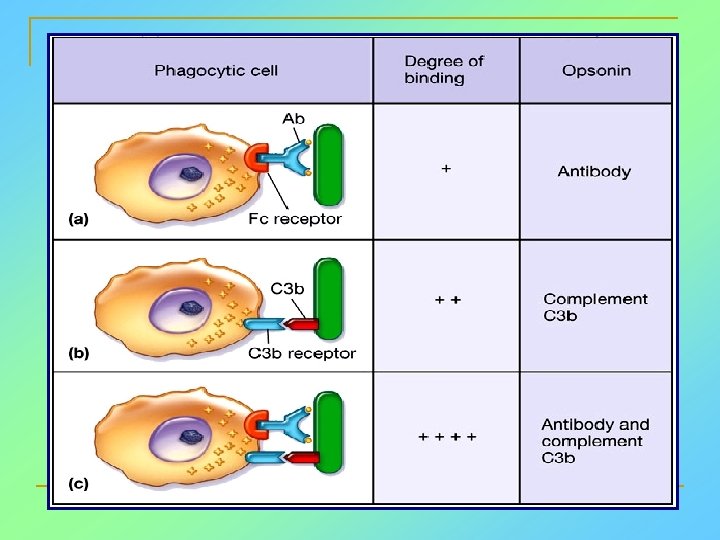
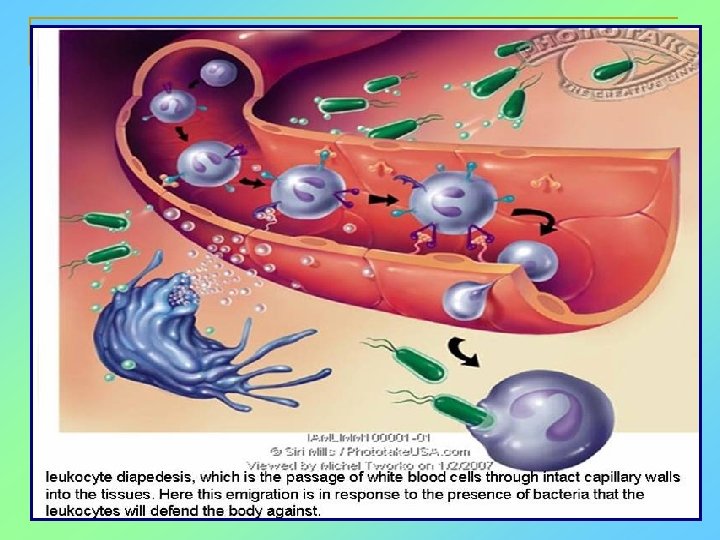
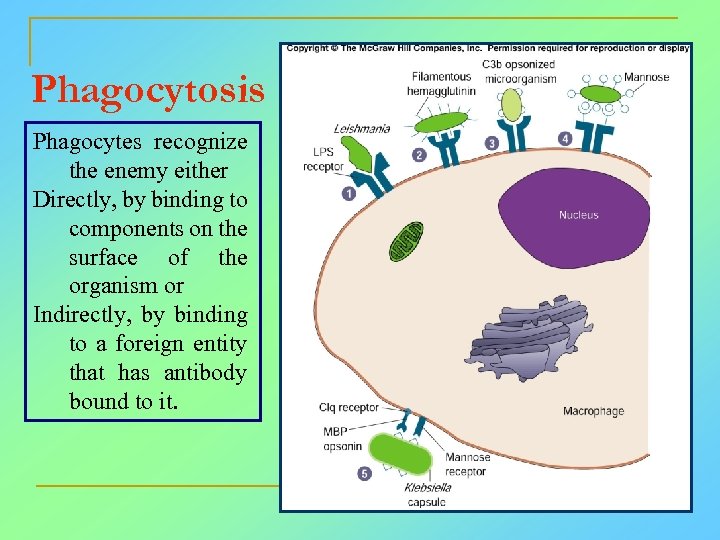 Phagocytosis Phagocytes recognize the enemy either Directly, by binding to components on the surface of the organism or Indirectly, by binding to a foreign entity that has antibody bound to it.
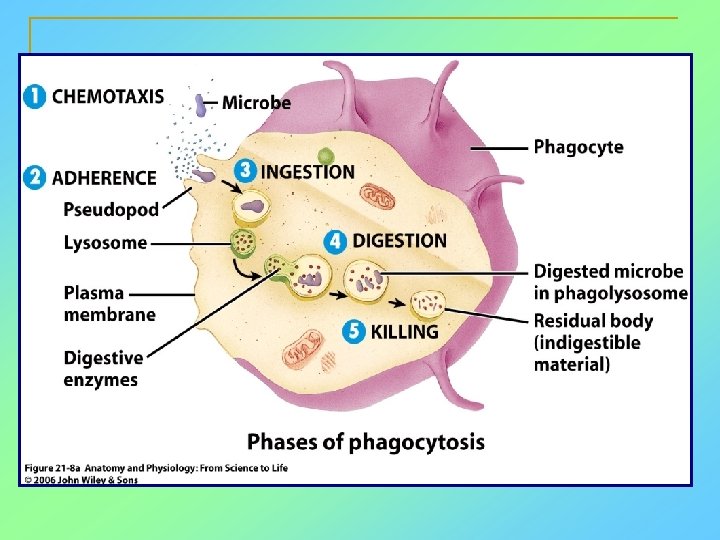 Figure 21. 8 a
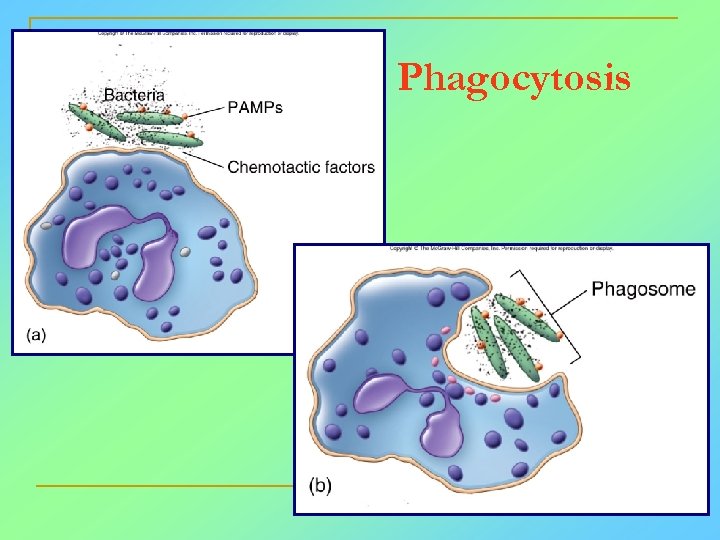 Phagocytosis
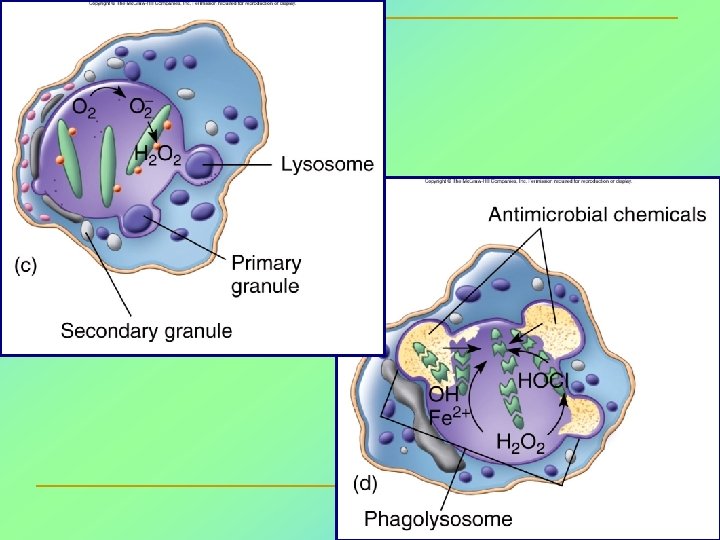
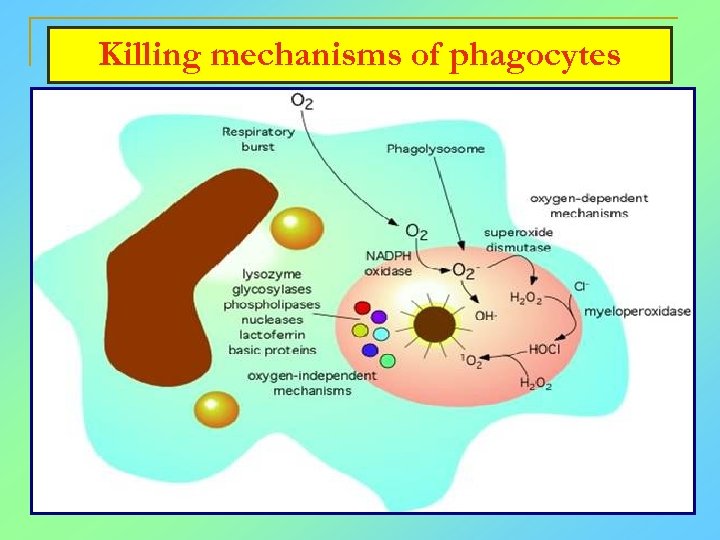 Killing mechanisms of phagocytes
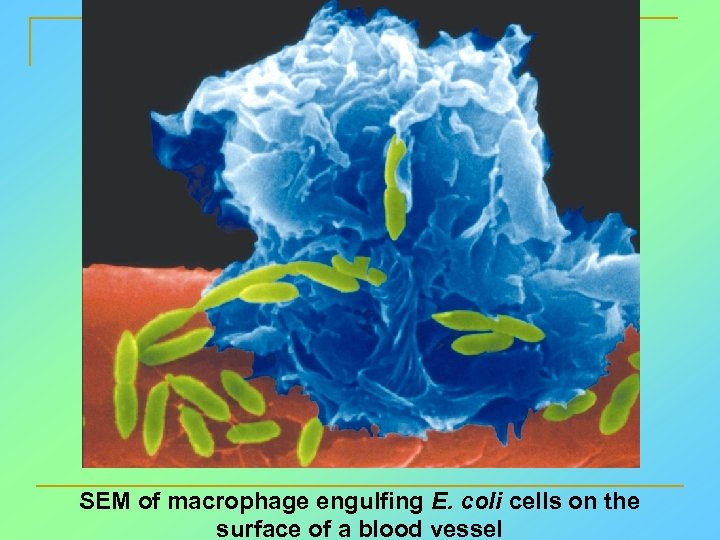 SEM of macrophage engulfing E. coli cells on the surface of a blood vessel
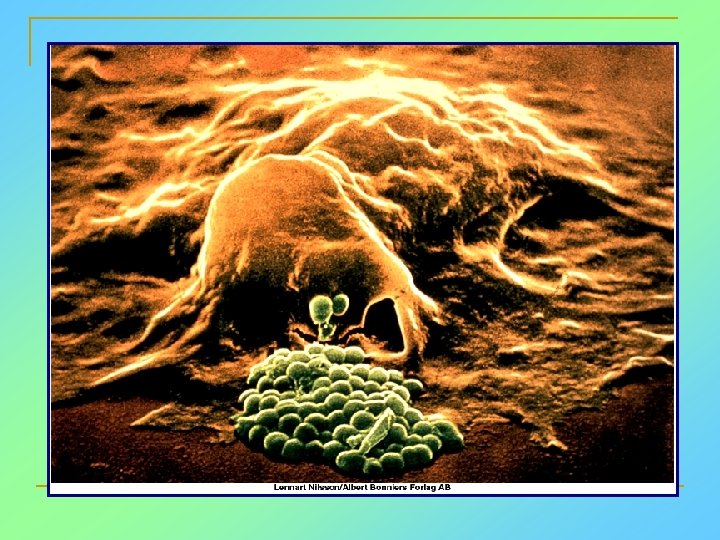
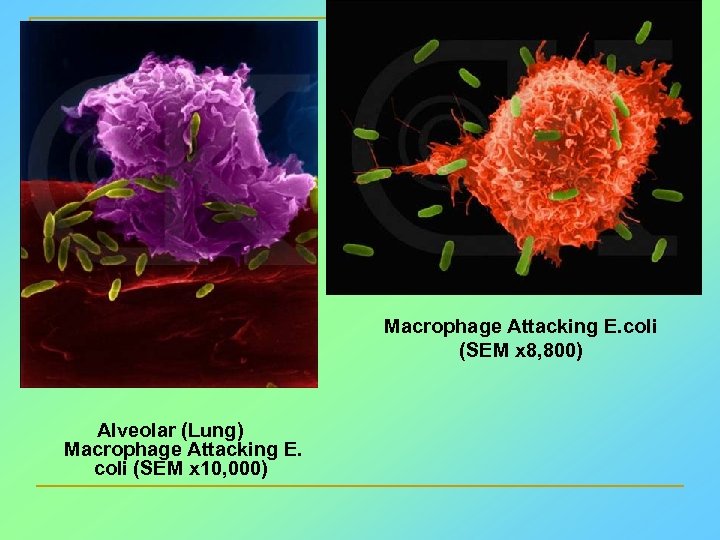 Macrophage Attacking E. coli (SEM x 8, 800) Alveolar (Lung) Macrophage Attacking E. coli (SEM x 10, 000)
 n Natural Killer Cells Recognize and Kill Abnormal Cells q NK cells are formed in the bone marrow, and migrate to: n tonsils n lymph nodes n spleen q When activated, they produce cytokines that trigger response by macrophages and other cells q Then they move into blood and lymph where they kill: n cancer cells n virus-infected cells
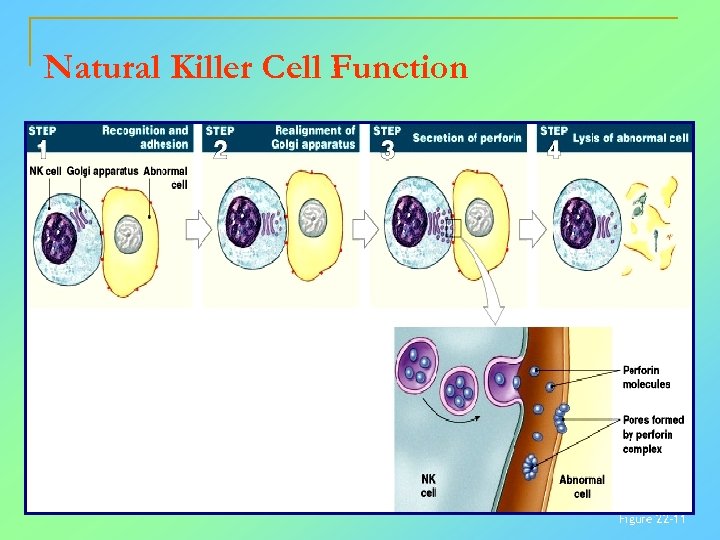 Natural Killer Cell Function Figure 22– 11
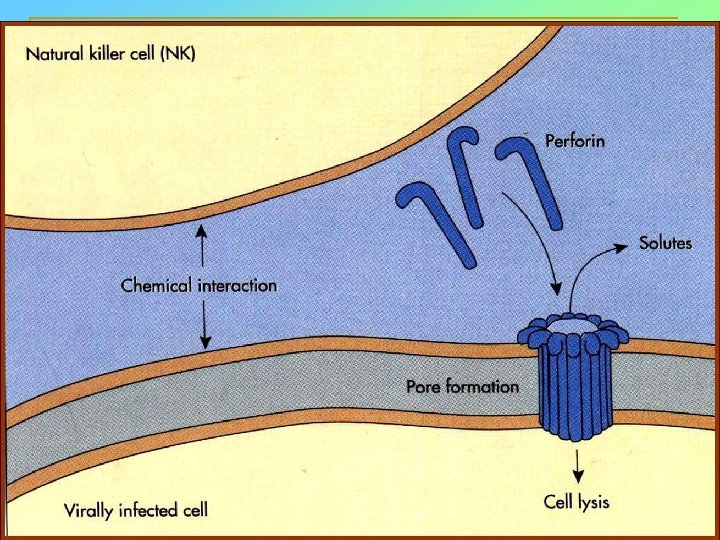
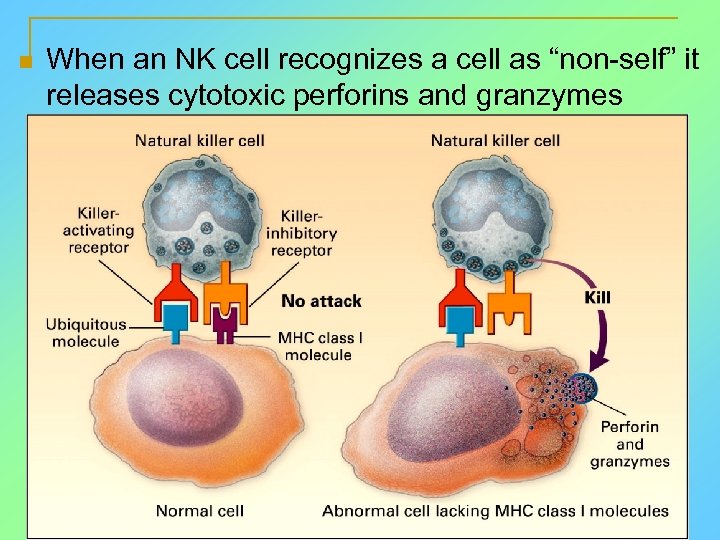 n When an NK cell recognizes a cell as “non-self” it releases cytotoxic perforins and granzymes
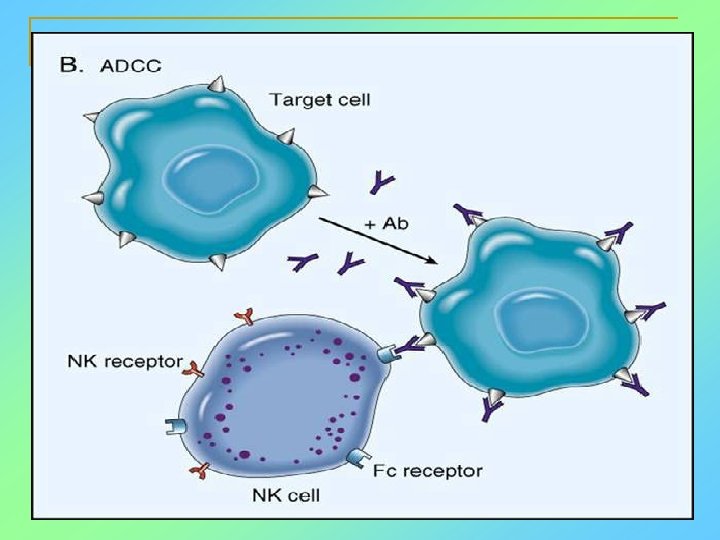
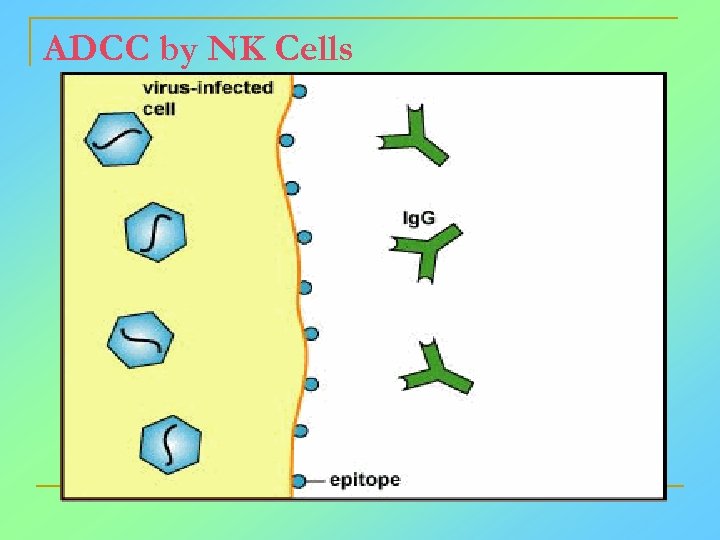 ADCC by NK Cells
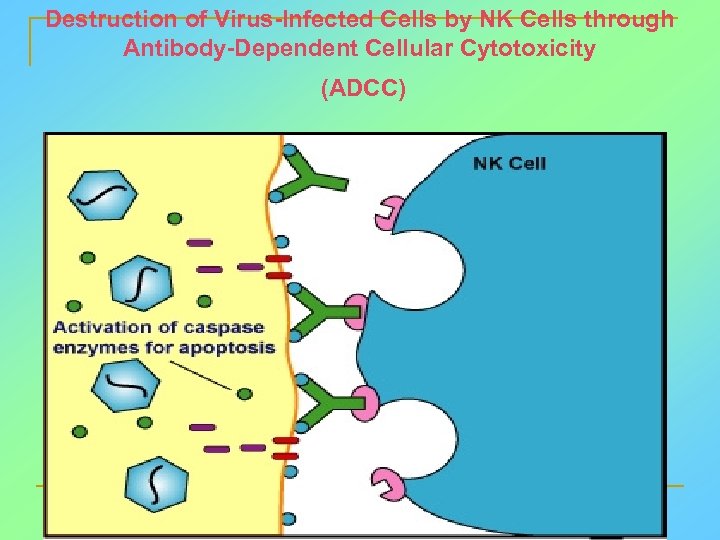 Destruction of Virus-Infected Cells by NK Cells through Antibody-Dependent Cellular Cytotoxicity (ADCC)
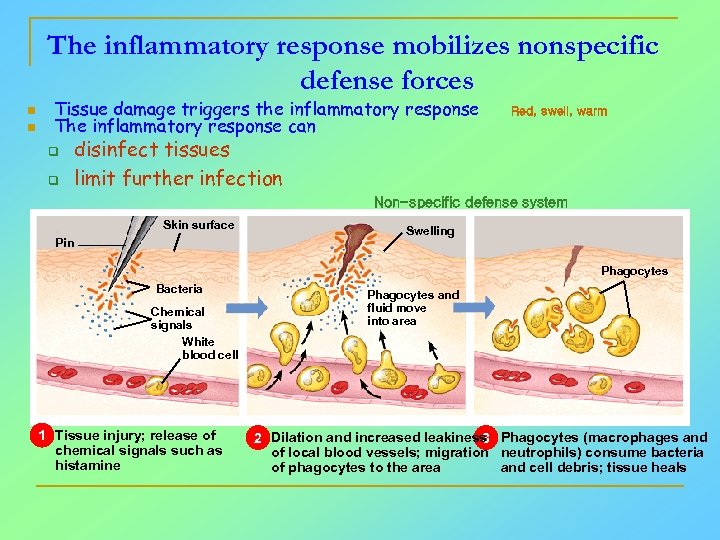 The inflammatory response mobilizes nonspecific defense forces n n Tissue damage triggers the inflammatory response The inflammatory response can q q Red, swell, warm disinfect tissues limit further infection Non-specific defense system Skin surface Pin Swelling Phagocytes Bacteria Chemical signals White blood cell 1 Tissue injury; release of chemical signals such as histamine Phagocytes and fluid move into area 2 Dilation and increased leakiness Phagocytes (macrophages and 3 of local blood vessels; migration neutrophils) consume bacteria of phagocytes to the area and cell debris; tissue heals
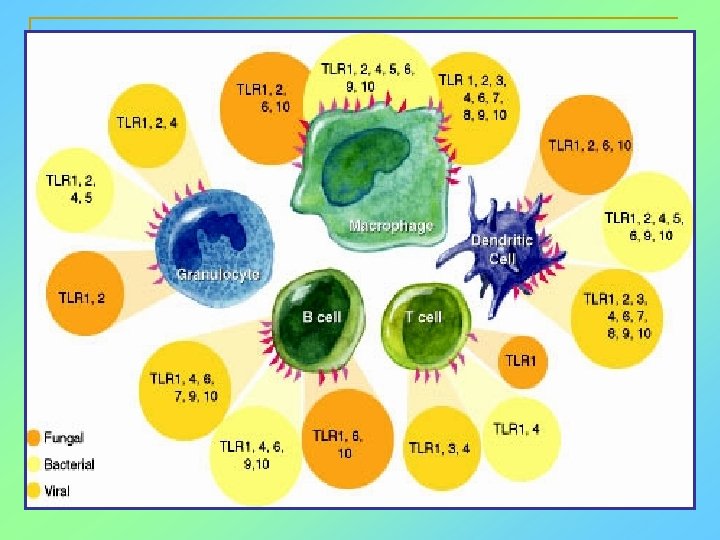
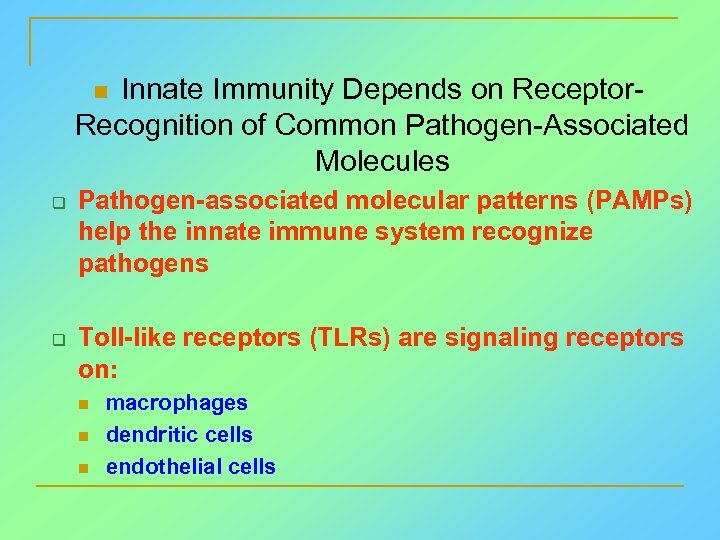 Innate Immunity Depends on Receptor. Recognition of Common Pathogen-Associated Molecules n q q Pathogen-associated molecular patterns (PAMPs) help the innate immune system recognize pathogens Toll-like receptors (TLRs) are signaling receptors on: n n n macrophages dendritic cells endothelial cells
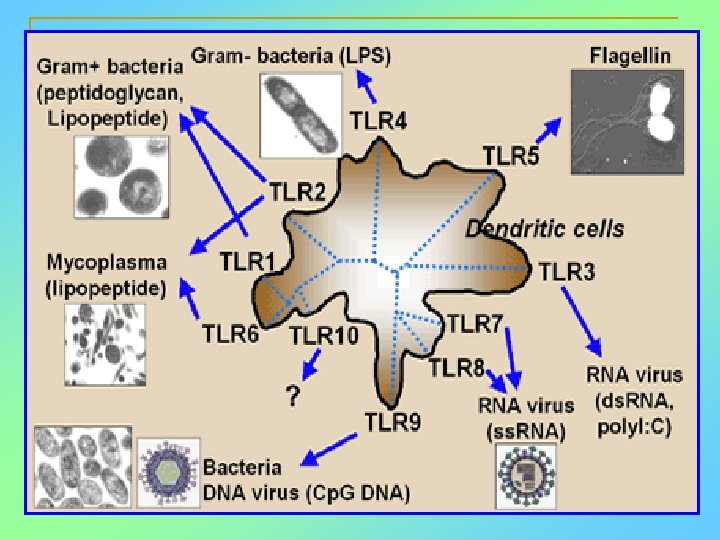
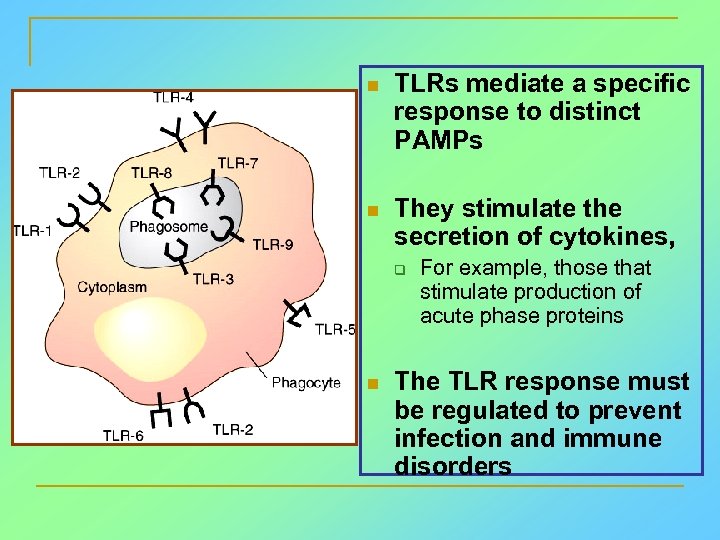 n TLRs mediate a specific response to distinct PAMPs n They stimulate the secretion of cytokines, q n For example, those that stimulate production of acute phase proteins The TLR response must be regulated to prevent infection and immune disorders
 Cytokines • “Cytokines” are soluble protein mediators secreted by immune cells (mostly) that act on other cells to regulate their activity; many are called “interleukins” (IL-1, IL-2, etc. ) • Cytokines have many functions, we’ll focus on a few central functions of a few key cytokines • A subfamily of cytokines primarily functions in directing migration of cells, these are called “chemotactic cytokines” or “chemokines”
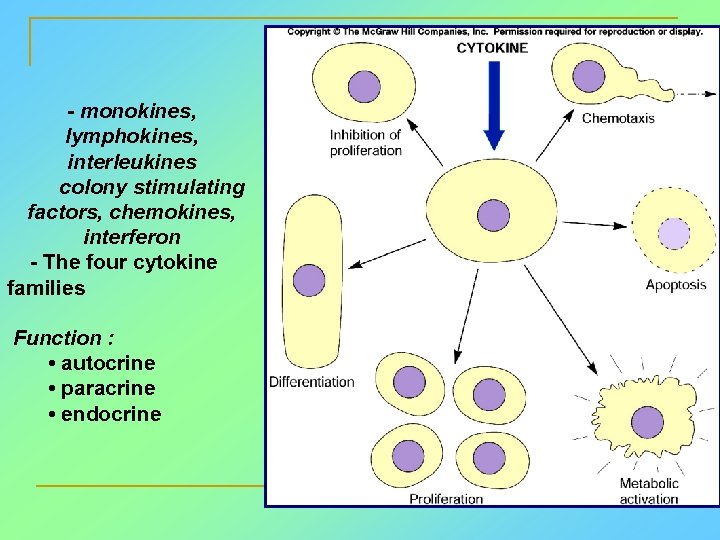 - monokines, lymphokines, interleukines colony stimulating factors, chemokines, interferon - The four cytokine families Function : • autocrine • paracrine • endocrine
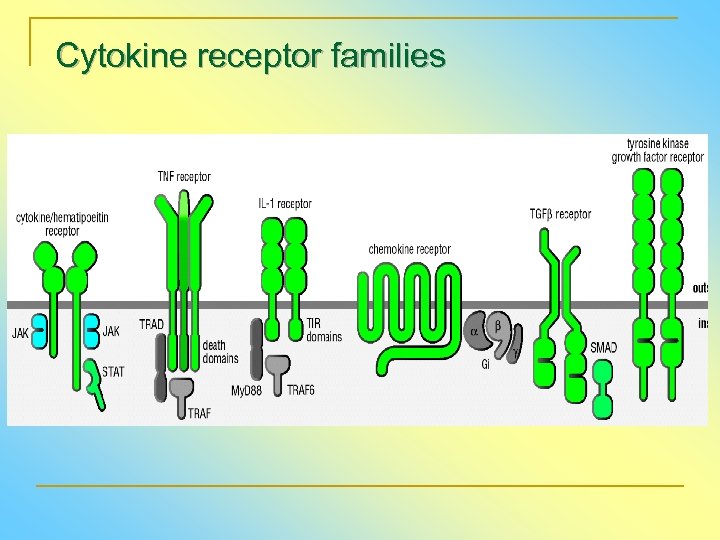 Cytokine receptor families
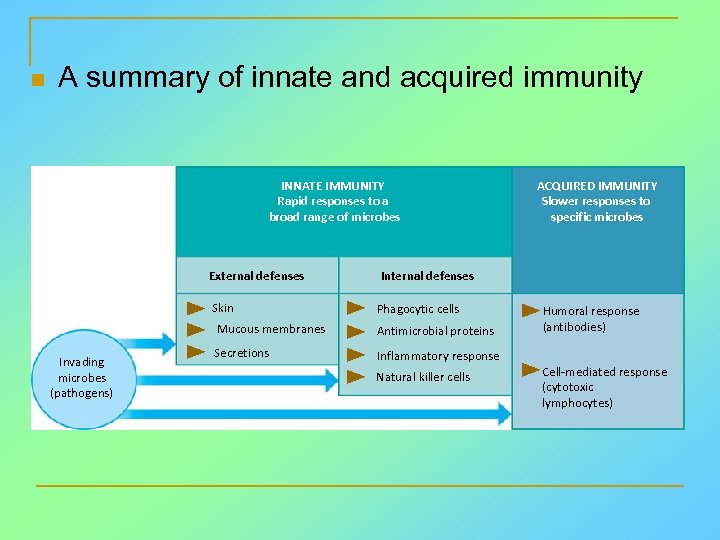 n A summary of innate and acquired immunity INNATE IMMUNITY Rapid responses to a broad range of microbes External defenses Internal defenses Skin Phagocytic cells Mucous membranes Invading microbes (pathogens) ACQUIRED IMMUNITY Slower responses to specific microbes Antimicrobial proteins Secretions Humoral response (antibodies) Inflammatory response Natural killer cells Cell-mediated response (cytotoxic lymphocytes)
 Break !