


 Скачать презентацию Turning a Negative into a Positive Janet Keauffling
e81ed1bf01282a11d9e160520df74bd3.ppt
- Количество слайдов: 37
 Turning a Negative into a Positive Janet Keauffling Nurse for Homeless & Vulnerable Adults
 Harm Minimisation Advice n How BBVs can be contracted n No “sharing” n Needle Exchange n Immunisation against HAV & HBV n Safe sex n Safer drug use
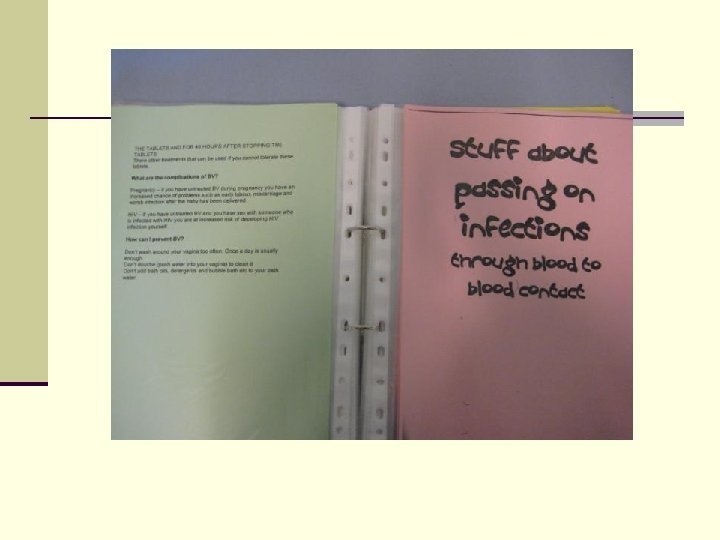
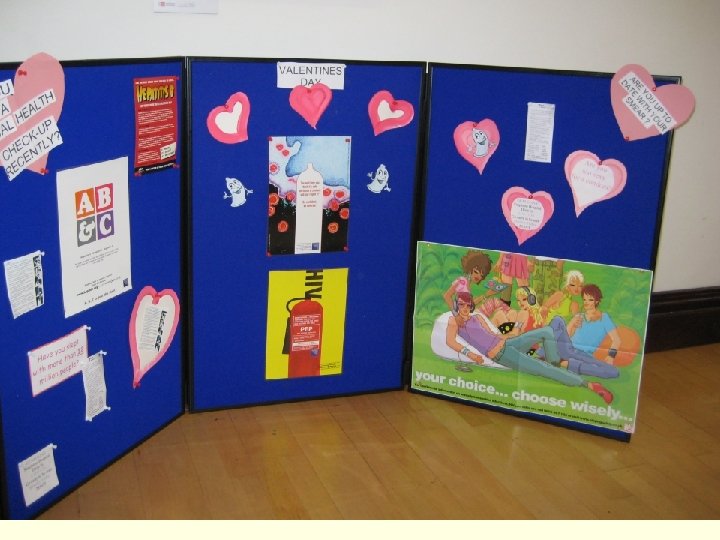
 How to deliver Harm Minimisation Advice n Tell ‘em n Written info to take away n Leaflets n Computer screen savers n DVDs n Keep telling ‘em n Pre & Post test discussions
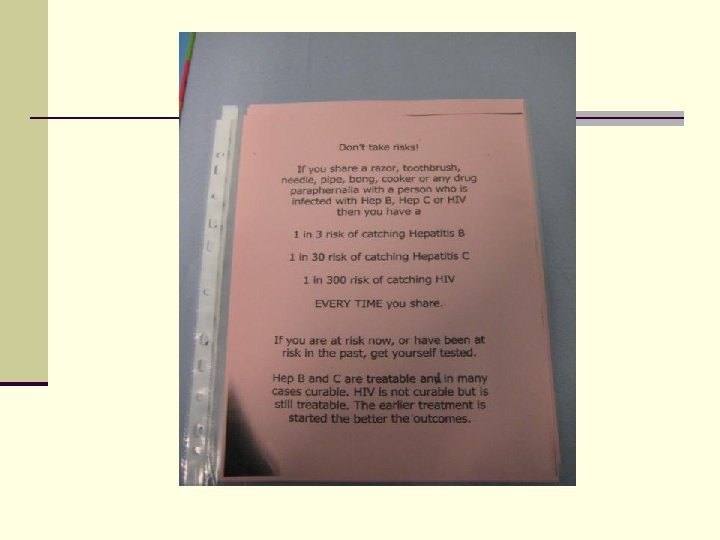
 How BBVs can be contracted n Transmission is through blood to blood contact n Sharing of any drug paraphernalia, razors & toothbrushes n 1 in 3 risk of contracting HBV n 1 in 30 risk of contracting HCV n 1 in 300 risk of contracting HIV n Low risk of transmission with sex n Can’t be contracted through sharing cups, cutlery, toilets and other household items
 No “sharing” n Pipes n Swabs n Flutes n Needles n Straws n Syringes n Bongs n water for injection n Filters n Razors n Cookers n Toothbrushes n Spoons
 Immunisation against HAV & HBV n There is no vaccine to protect people from Hepatitis C or HIV n There is an injection that can prevent both HAV & HBV n Immunisation against HAV & HBV is simple and can be provided by GPs, Practice Nurses, CDATs, GUM (ISH) etc.
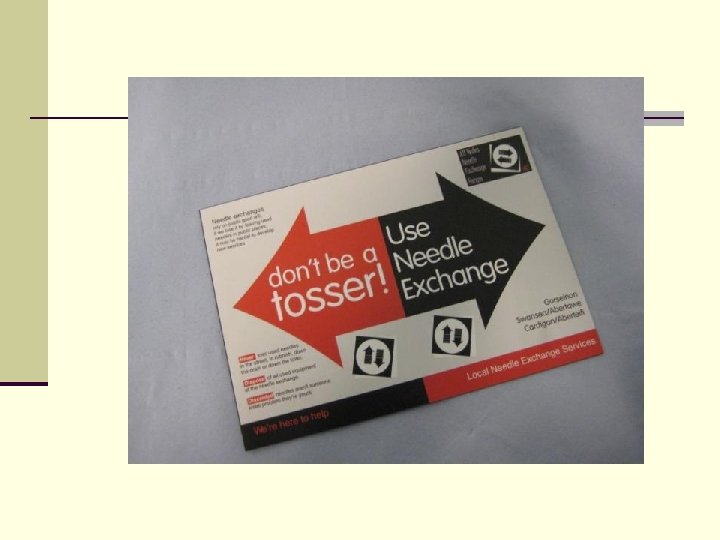
 Needle Exchange n Direct to nearest needle exchange n Never share any drug paraphernalia n Use clean works for every injection n Never toss used needles in the street, in rubbish, down the drain or down the toilet n Dispose of all used equipment at the NEX
 Safe Sex n Use condoms or clean all sex toys after every use n MSM sex is higher risk for BBVs n Menstrual loss
 Safer Drug Use n Move away from injecting n Reduce the frequency of injecting n Reduce the risks associated with injecting drug use through NEX, no “sharing” etc. n Refer for support, advice and help to stop if they want it
 Other Advice n Always use gloves to clean up any blood or body fluid spills n Cover cuts with a plaster n Clean up spills properly n Hepatitis C can survive outside the body for up to 7 days n Always use a local authority registered tattooist, acupuncturist, piercing shop – i. e. no “jail-house” tattoos etc.
 Pre-test Discussion n It provides an excellent opportunity to give harm minimisation advice as part of the pre-test “counselling” n You can give information whilst doing immunisations and blood tests
 Downside n Too much detailed information to give n Too little time n Test is just a “passport” to dealing with their lifestyle issues
 Post test advice Guidance says: n Re-test if any at risk behaviour in the past 3 - 6 months n Give prevention advice if lifestyle persists
 Positives n They may have had a scare and be prepared to listen n Their fears have been realised & they want help
 Negatives n They may be in a “rush to see someone” n Their fears have not been realised n Their fears have been realised but they can’t cope with the reality when they are faced with it
 Hepatitis C Positive Results n Immunisation n Safe sex n NEX n Strategies to move away from injecting n Reduce / stop alcohol n Stop smoking
 But… n They’ve just had a positive result and they can’t take any of it in
 2 Types of Negative Results 1. HCV antibody negative 2. HCV antibody positive – viral load negative (HCV antibody positive – PCR negative HCV antibody positive – PCR not detected)
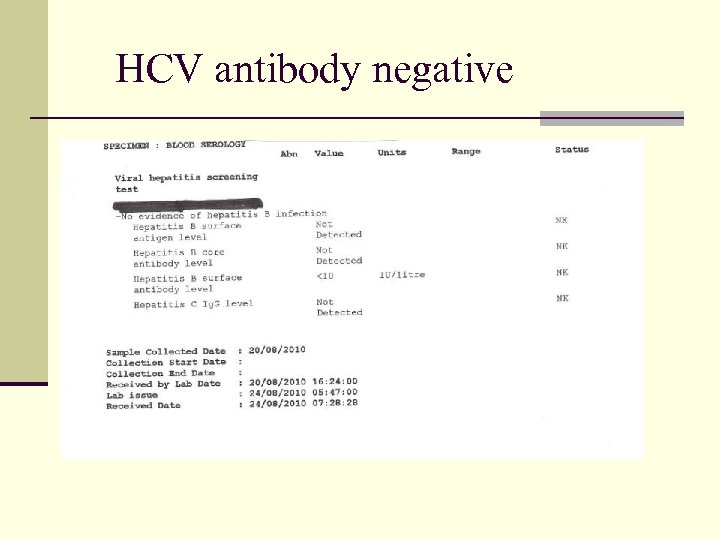 HCV antibody negative
 Beware the Negative Result! n May provide false reassurance n May use result as evidence to others n Badge of Honour n May think that if they’ve got away with it so far that their practises are safe
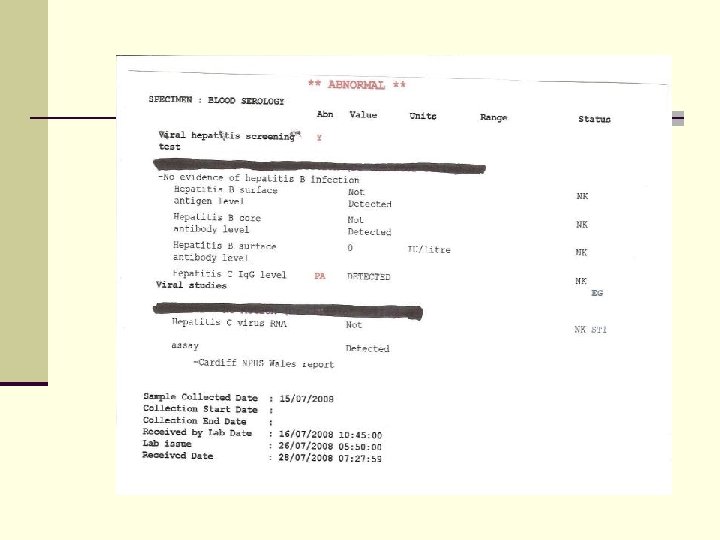
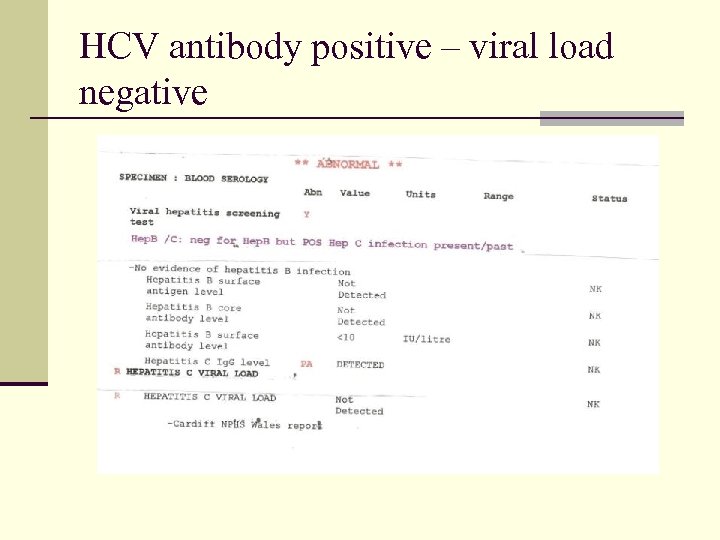 HCV antibody positive – viral load negative
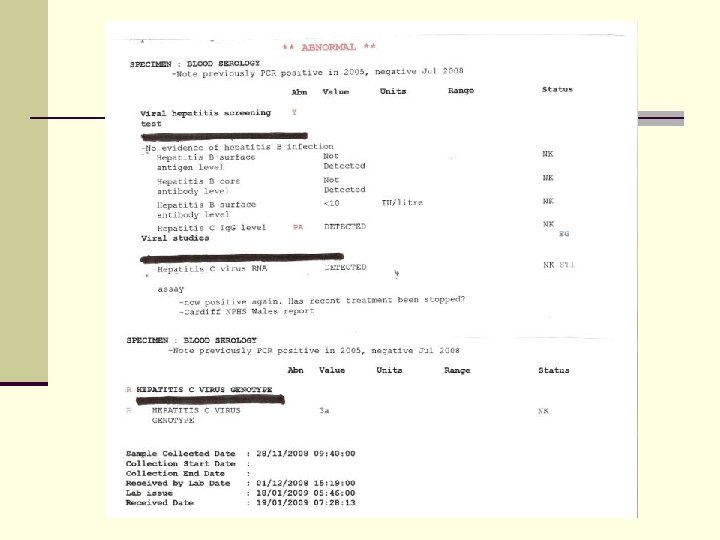
 HCV antibody positive – viral load negative n The patient has previously had HCV infection but has cleared the virus n The person will remain HCV antibody positive for the rest of their life even though they no longer have the infection n The person can still contract other HCV genotypes
 HCV antibody positive – viral load negative n If they have been treated for one HCV genotype with interferon & ribavirin they have no protection against that genotype and can still be re-infected n The viral load / PCR can become transiently negative during the acute phase so must be re-checked at 6 months
 Window Period n HCV antibodies can take up to 3 months to show themselves (DOH 2004; BBV Action Plan 2010) n (NB: RCGP says that the window period is 6 months)
 Reality Check n IDUs are busy people… n Try to assess what the patient / client already knows & build on that n If the patient / client has only got 5 minutes then testing can’t be done safely n But…don’t over-complicate things n Use time wisely to get the vital info over n Use leaflets, posters, other resources & your local NEX to inform
 Thank you for listening n Any questions?
 References n Hepatitis C - Essential information for professionals and guidance on testing, DOH 2004 n RCGP Guidance for the prevention, testing & management of hepatitis C in primary care, RCGP 2007 n Blood Borne Viral Hepatitis Action Plan for Wales 2010 -2015 n http: //www. library. nhs. uk/integrated. Search/vie w. Resource. aspx? res. ID=394438