 Скачать презентацию Tuesday September 22 Pg 26 RTW How did
b5b6b64134a09037cf49d69215373d4d.ppt
- Количество слайдов: 41



Tuesday, September 22 Pg. 26 RTW: How did the Polynesians contribute to oceanography? Objective: I will be able to explain the major contributions to oceanography Agenda: Turn in Fakebook Scientific Exploration Notes (pg. 25) Homework: Review for quiz on Friday and Unit 2 Test next week!
Scientific Explorations http: //dl. nfsa. gov. au/module/1318/
Pg. 26 Answer the following: “I had ambition not only to go farther than any man had been before, but as far as it was possible for a man to go. ” - James Cook How does this quote portray/describe James Cook’s personality? 2. Why do you think Britain chose James Cook to embark on this voyage? 3. Why do you think the British were so determined to discover the “Great Southern Continent”? 4. Why was the chronometer important in navigating? 1.
By the mid 18 th century quite a bit was known about the world’s geography but not much scientific information. Some questions: How deep is the sea? What causes the currents? What natural resources does the ocean contain?
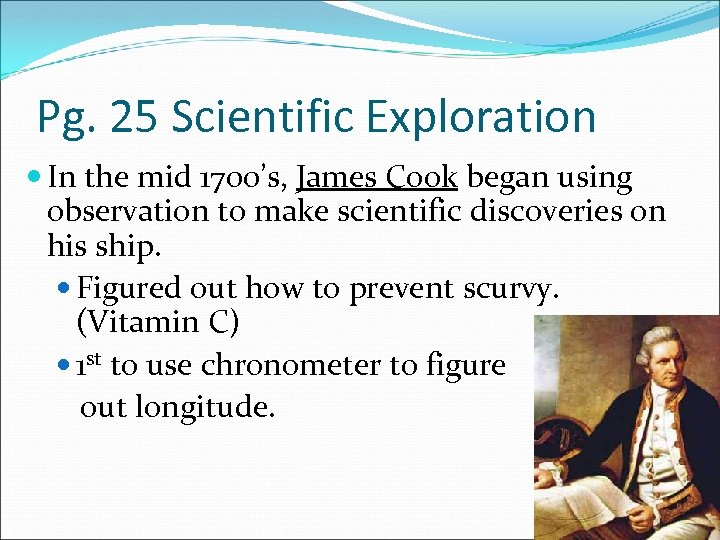
Pg. 25 Scientific Exploration In the mid 1700’s, James Cook began using observation to make scientific discoveries on his ship. Figured out how to prevent scurvy. (Vitamin C) 1 st to use chronometer to figure out longitude.
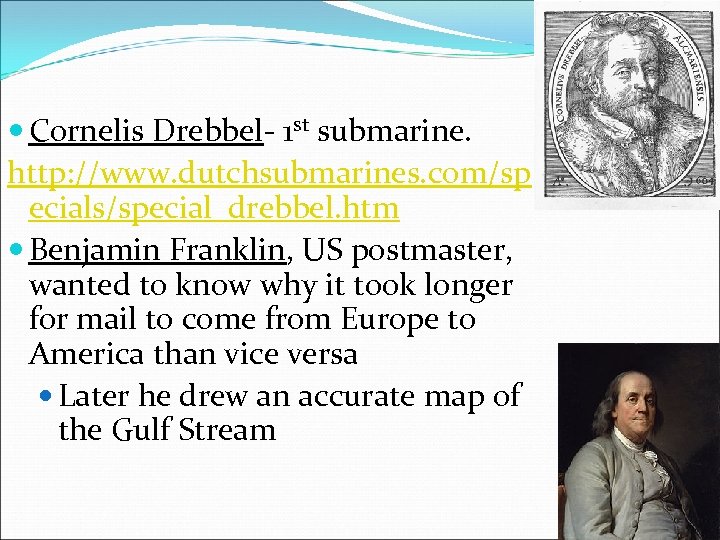
Cornelis Drebbel- 1 st submarine. http: //www. dutchsubmarines. com/sp ecials/special_drebbel. htm Benjamin Franklin, US postmaster, wanted to know why it took longer for mail to come from Europe to America than vice versa Later he drew an accurate map of the Gulf Stream
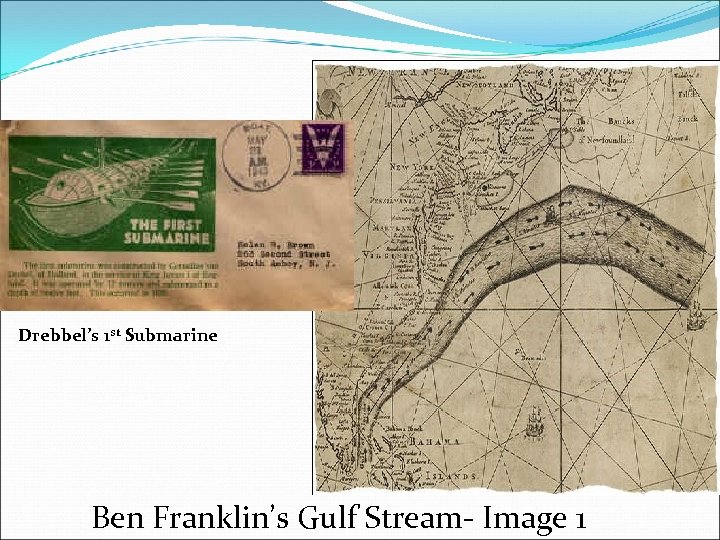
Drebbel’s 1 st Submarine Ben Franklin’s Gulf Stream- Image 1
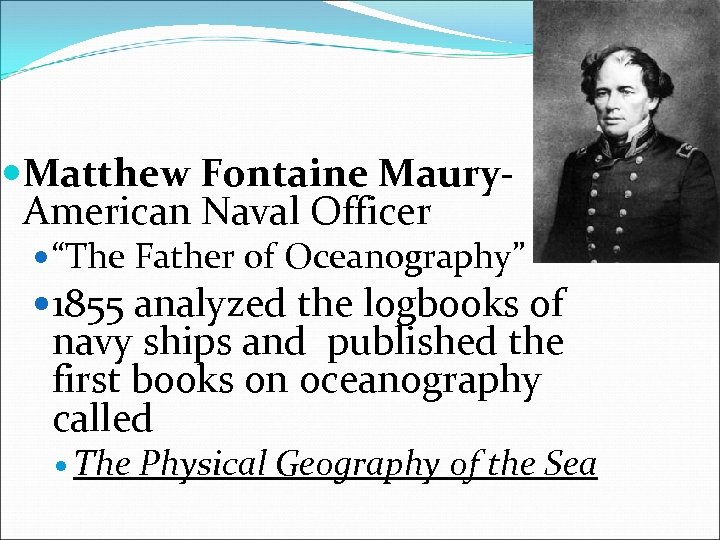
Matthew Fontaine Maury. American Naval Officer “The Father of Oceanography” 1855 analyzed the logbooks of navy ships and published the first books on oceanography called The Physical Geography of the Sea
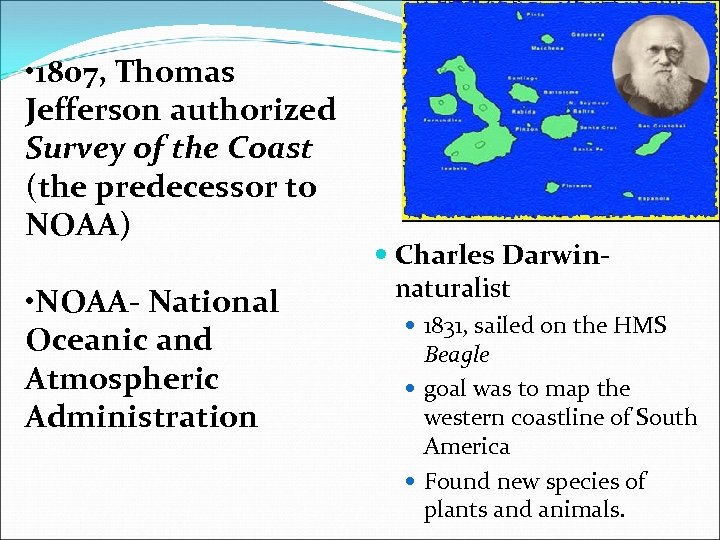
• 1807, Thomas Jefferson authorized Survey of the Coast (the predecessor to NOAA) • NOAA- National Oceanic and Atmospheric Administration Charles Darwinnaturalist 1831, sailed on the HMS Beagle goal was to map the western coastline of South America Found new species of plants and animals.
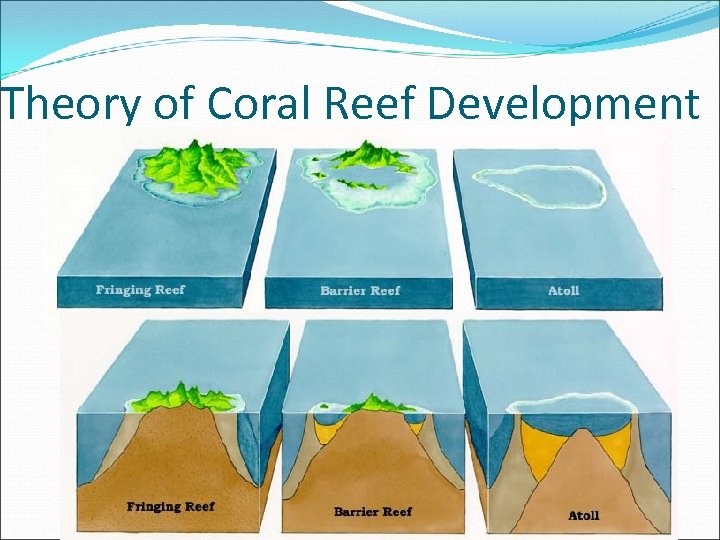
Theory of Coral Reef Development
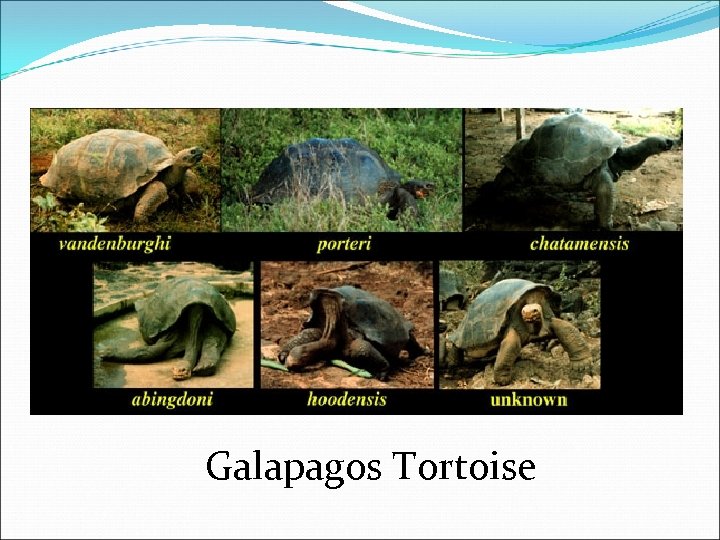
Galapagos Tortoise
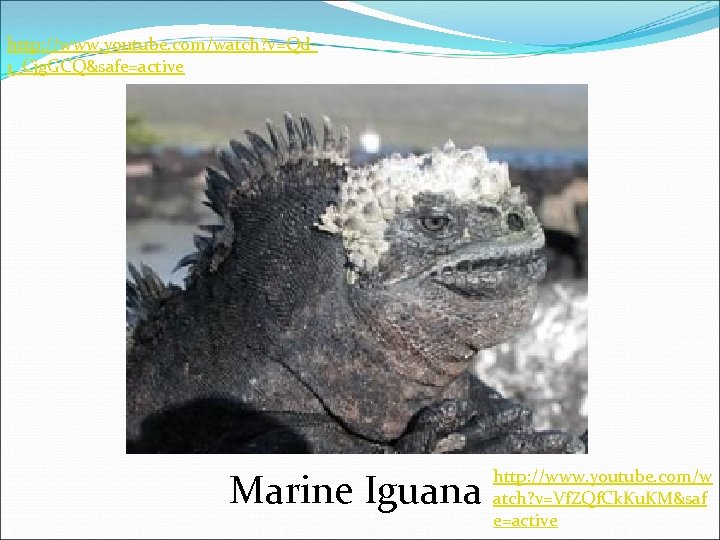
http: //www. youtube. com/watch? v=Qd 1_Cjg. GCQ&safe=active Marine Iguana http: //www. youtube. com/w atch? v=Vf. ZQf. Ck. Ku. KM&saf e=active
HMS Challenger- 1873 -1876 Led by Sir Charles Thompson Led the most successful ocean expedition devoted exclusively to scientific study Collected water, sediment, and temp data Identified more than 4700 new species of marine organisms Discovered the “Challenger Deep” in the Mariana’s trench. (over 35, 000 ft. deep)
S. T. A. R pg. 26 1. Who is the “father of physical oceanography”? 2. What did Benjamin Franklin hypothesize about what was happening to the mail between England America? 3. What did Thomas Jefferson authorize? 4. What was Charles Darwin’s goal? What did he also do? 5. Who discovered the “Challenger Deep”?
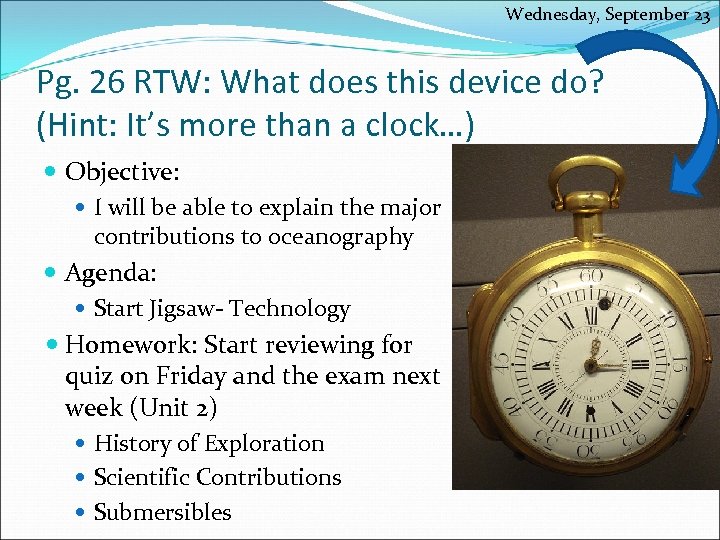
Wednesday, September 23 Pg. 26 RTW: What does this device do? (Hint: It’s more than a clock…) Objective: I will be able to explain the major contributions to oceanography Agenda: Start Jigsaw- Technology Homework: Start reviewing for quiz on Friday and the exam next week (Unit 2) History of Exploration Scientific Contributions Submersibles
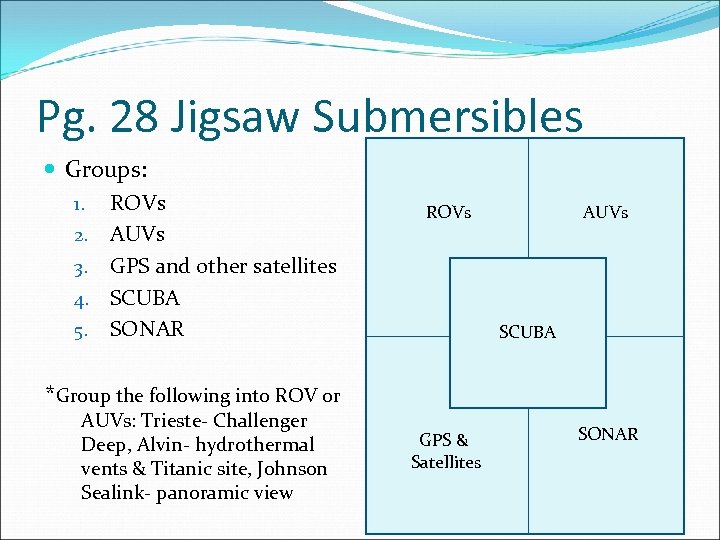
Pg. 28 Jigsaw Submersibles Groups: ROVs 2. AUVs 3. GPS and other satellites 4. SCUBA 5. SONAR 1. ROVs AUVs SCUBA *Group the following into ROV or AUVs: Trieste- Challenger Deep, Alvin- hydrothermal vents & Titanic site, Johnson Sealink- panoramic view GPS & Satellites SONAR
What to Cover What is this technology? (definition & short explanation) 2. When was it invented/established 3. How has it contributed to the study of the ocean? (research, findings, missions, etc. ) 4. Interesting facts 1. Who invented it? Future use? Misc.
Thursday, September 24 Did You Know? The Pacific Ocean is so big it could fit all of the Earth’s continents. The word pacific means peaceful. However, the Pacific Ocean is far from peaceful. Thousands of volcanoes rise up from the Pacific Ocean
Thursday, September 24 Pg. 26: Who discovered a cure for scurvy and what was the cure? Objective: I will be able to explain the major contributions to oceanography Agenda: Finish Jigsaw Homework: Start reviewing for quiz on Friday and the exam next week (Unit 2) History of Exploration Scientific Contributions Submersibles
Thursday, September 24 Jigsaw Submersibles Day 2 Now that you are an expert on your topic… We will be getting into new groups composed of representatives from #1 -5 (one person from AUVs, ROVs, GPS, SCUBA, & SONAR) In these groups you will: 1. 2. Explain what you found in your group, teaching them the material. Write notes about the other groups as they tell you what they found. Feel free to ask questions to each other to understand the concepts.
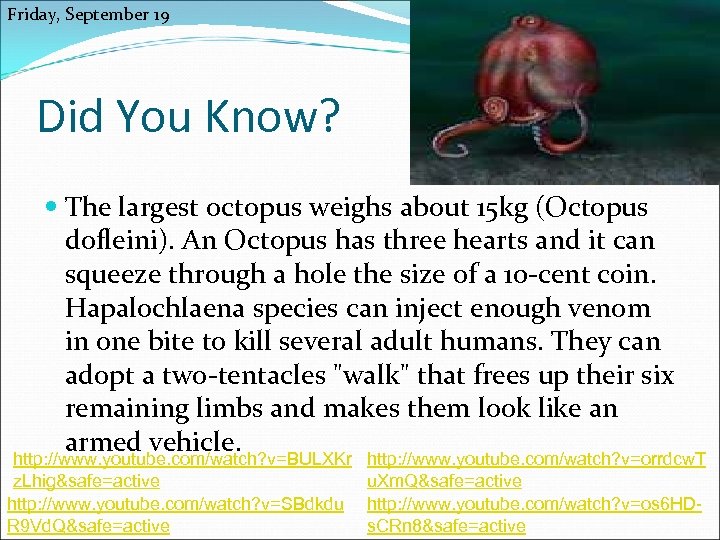
Friday, September 19 Did You Know? The largest octopus weighs about 15 kg (Octopus dofleini). An Octopus has three hearts and it can squeeze through a hole the size of a 10 -cent coin. Hapalochlaena species can inject enough venom in one bite to kill several adult humans. They can adopt a two-tentacles "walk" that frees up their six remaining limbs and makes them look like an armed vehicle. http: //www. youtube. com/watch? v=BULXKr z. Lhig&safe=active http: //www. youtube. com/watch? v=SBdkdu R 9 Vd. Q&safe=active http: //www. youtube. com/watch? v=orrdcw. T u. Xm. Q&safe=active http: //www. youtube. com/watch? v=os 6 HDs. CRn 8&safe=active
Friday, September 25 Grab clicker and review notes if needed Objective: I will be able to explain the major contributions to oceanography Agenda: Quiz- Oceanography Technology Dark and Luminous Homework: None
Technology Advancements in Marine Science Submersibles Pg. 33
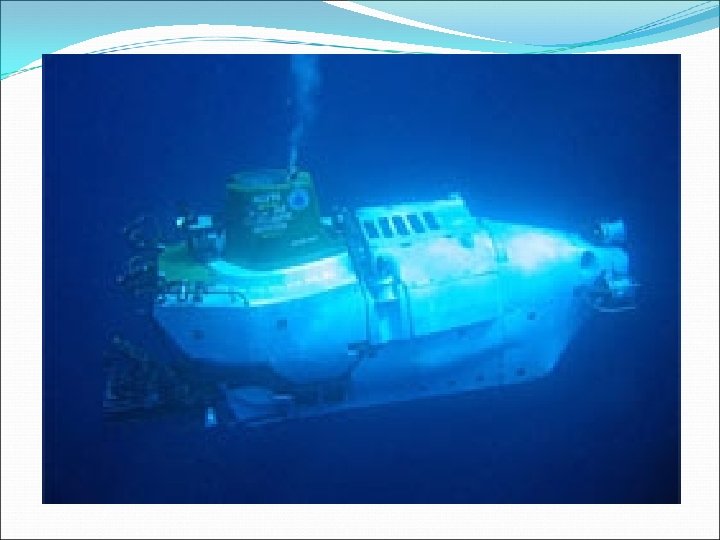
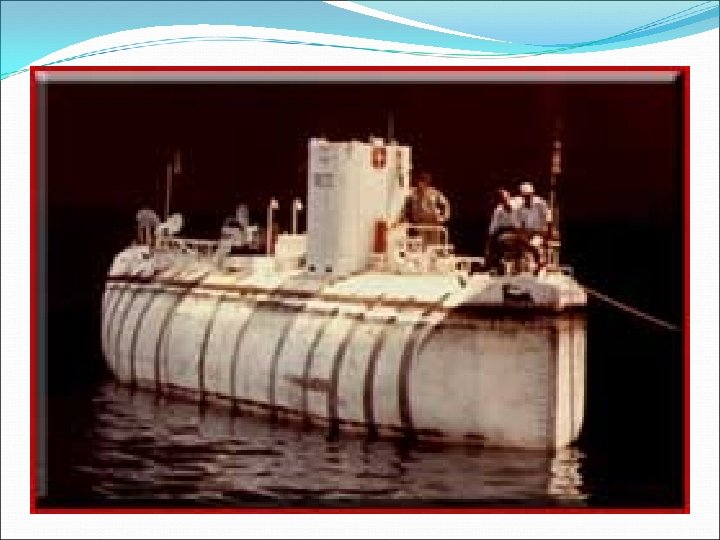
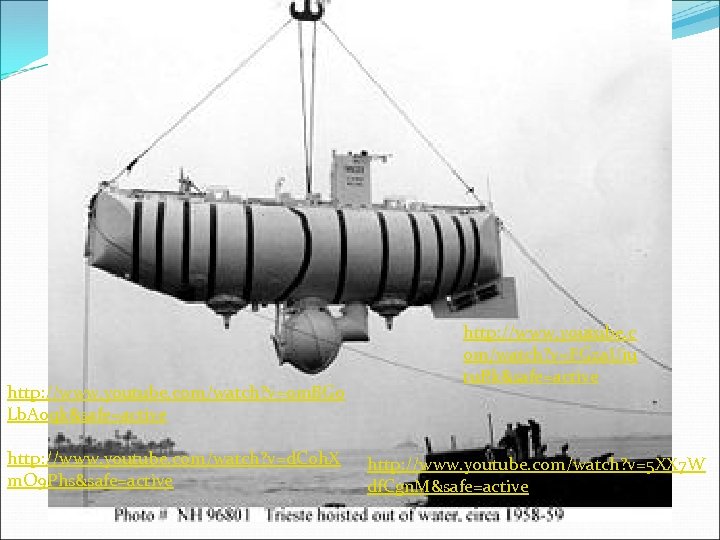
Diving Vessels Also called submersibles ROVs= Remotely Operated Vehicles (tethered) AUVs= Autonomous Underwater Vehicles (untethered) Bathysphere, allowed aquanauts to go to deeper Bathysphere depths Bathyscaphe is a steel un-tethered submersible that could be controlled. Deepest dive in history (1960). Alvin is a self-propelled machine with mechanical arms that can pick up specimens and can carry three humans
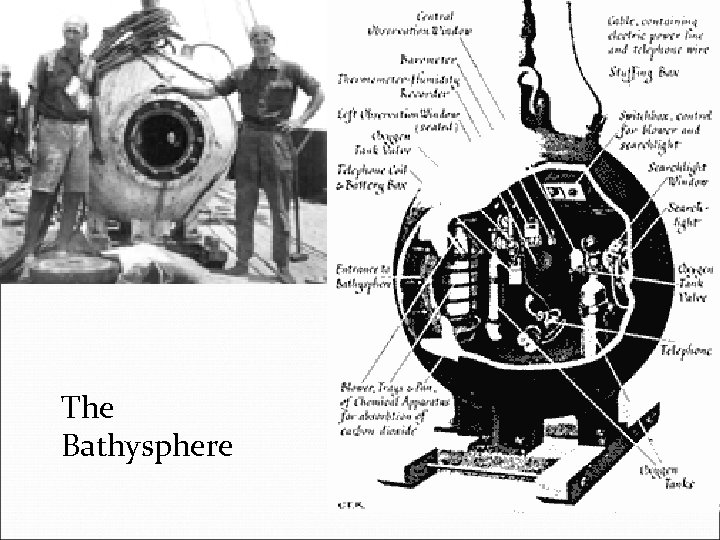
The Bathysphere
1880 to 1950 V. Walfrid Ekman – Figured out the Ekman Spirals and Ekman Layer Fridtjof Nansen – Made the Nansen Bottle. Now people could take samples of water from different depths of water. Beebe and Barton – First bathysphere to 4, 000 feet Steel sphere at the end of a long cable (tethered)
Marie Thorp and Bruce Heezen – made the first map of the ocean bottom and provided evidence for theory of Continental Drift. Auguste Piccard – First bathyscaphe to reach the bottom of the Mariana's Trench at 35, 800 feet.
http: //www. youtube. com/watch? v=0 m. BG 0 Lb. Aoqk&safe=active http: //www. youtube. com/watch? v=d. C 0 h. X m. O 9 Phs&safe=active http: //www. youtube. c om/watch? v=FGza. Uiu tu. Rk&safe=active http: //www. youtube. com/watch? v=5 XX 7 W df. Cgn. M&safe=active
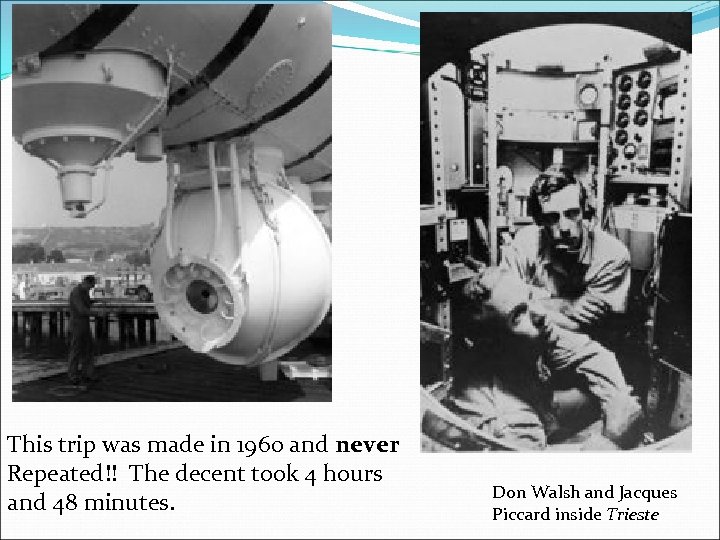
This trip was made in 1960 and never Repeated!! The decent took 4 hours and 48 minutes. Don Walsh and Jacques Piccard inside Trieste
The Meteor, a German ship, 25 months on Atlantic ocean using sonar Sonar- sound navigation ranging so na mapped the ocean floor revealing many different depths and features
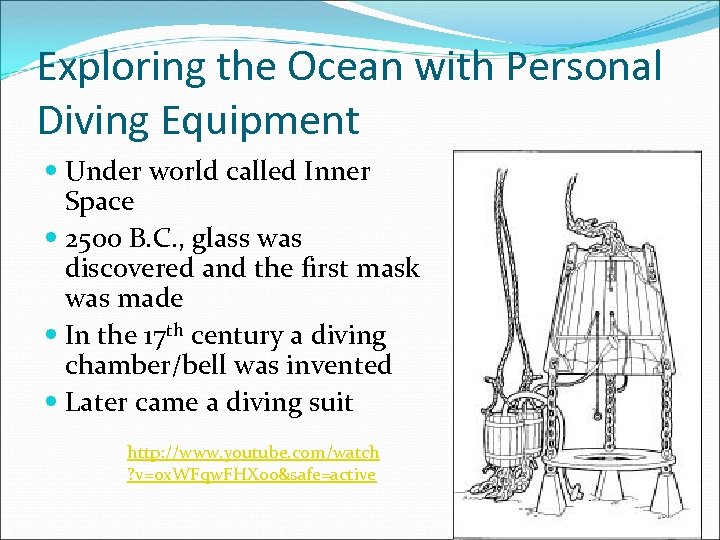
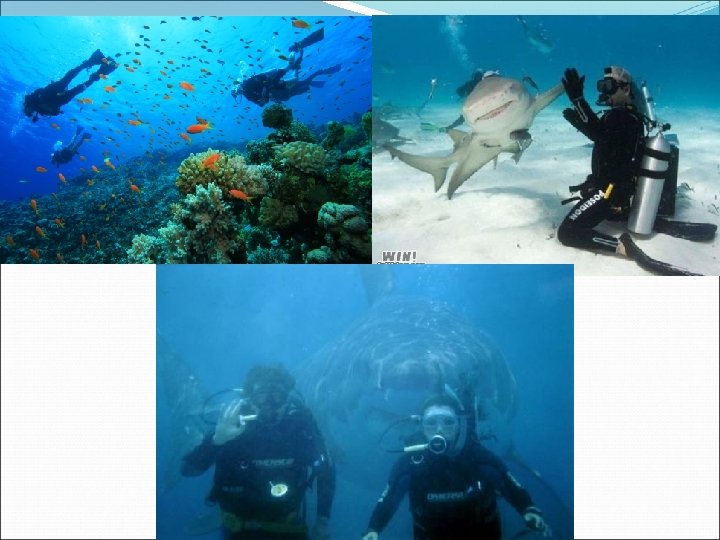
Exploring the Ocean with Personal Diving Equipment Under world called Inner Space 2500 B. C. , glass was discovered and the first mask was made In the 17 th century a diving chamber/bell was invented Later came a diving suit http: //www. youtube. com/watch ? v=ox. WFqw. FHXoo&safe=active
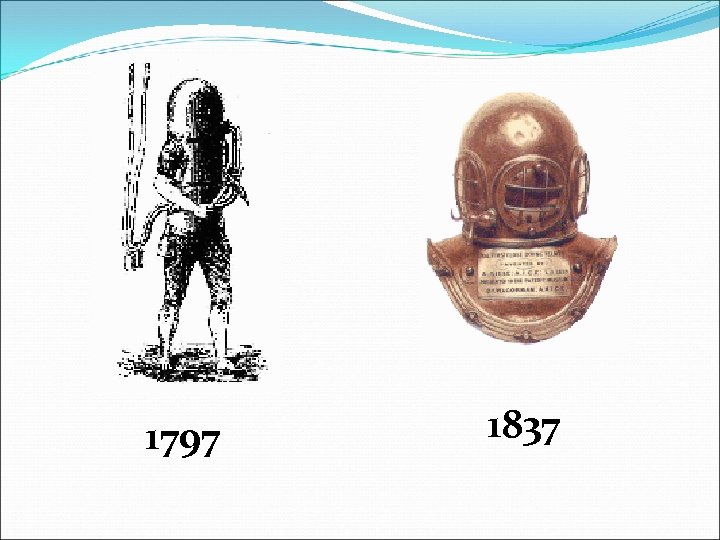
1797 1837
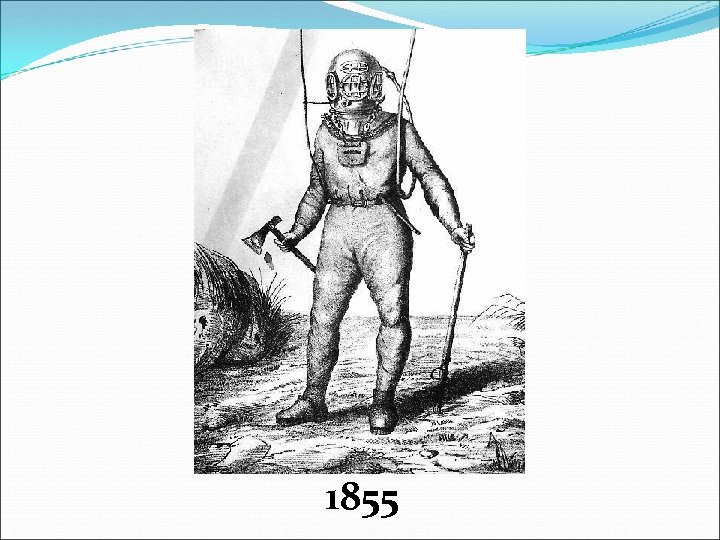
1855
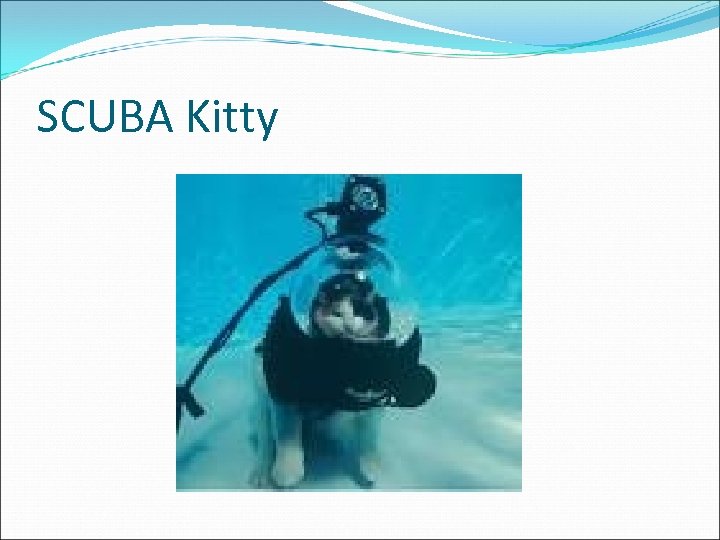
The Modern Scuba Tank 1943 - Jacques Cousteau and Emile Gagnan made final improvements A tank with compressed air was developed that was strapped on the diver’s back air breathed through a regulator marketed as the aqua-lung S. C. U. B. A- Self Contained Underwater Breathing Apparatus.
SCUBA Kitty
VOLUNTEER OPPORTUNITY! Who: Everyone can volunteer (parents, friends, siblings, grandmothers, etc. . ) What: Shoreline Restoration- planting mangroves and cord grass (wear clothes you don’t mind getting dirty) Where: 750 Field Manor Drive, Merritt Island (Field Manor House, near Cocoa) When: Saturday, September 26 th 9 am – 2 pm WHY? : Free hat, snacks, donuts, coffee, drinks, VOLUNTEER HOURS! If that wasn’t enough reason you get to hang out with your super cool teacher, Ms. Barker, meet UCF students and professors, and help Florida’s shoreline ecosystems!
Dark and Luminous Blue Pg. 34 Read the article and answer the questions on pg. 34 of your ISN Turn in the article and question handout when you are finished. (take them home to finish if you need to) Enjoy reading about the first deep ocean dive from the perspective of the first diver!
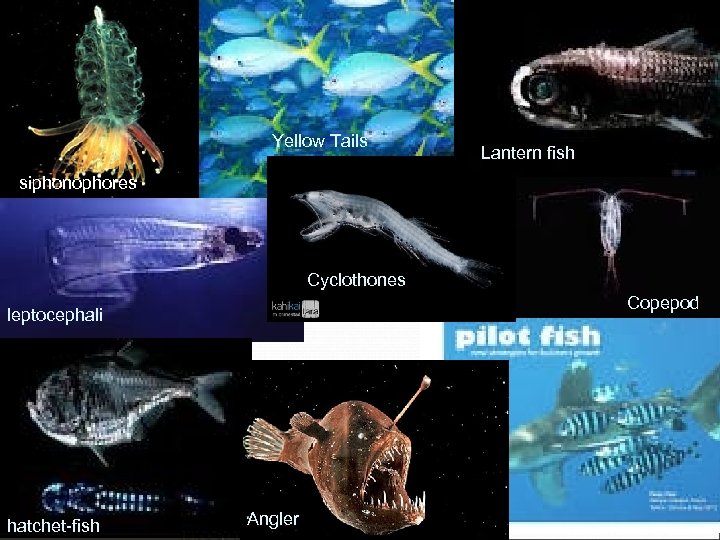
Yellow Tails Lantern fish siphonophores Cyclothones Copepod leptocephali hatchet-fish Angler
Скачать презентацию Tuesday September 22 Pg 26 RTW How did
b5b6b64134a09037cf49d69215373d4d.ppt