 Скачать презентацию Transmission Distribution Overview Real World Smart Grid
4109c825131a39d6b723a275091dbbb5.ppt
- Количество слайдов: 41



Transmission & Distribution Overview “Real World” Smart Grid Mel Gehrs – Systems Engineer November 9, 2009 © 2009 Silver Spring Networks | Company Confidential
Smart Grid Math? ? © 2009 Silver Spring Networks | Company Confidential 2
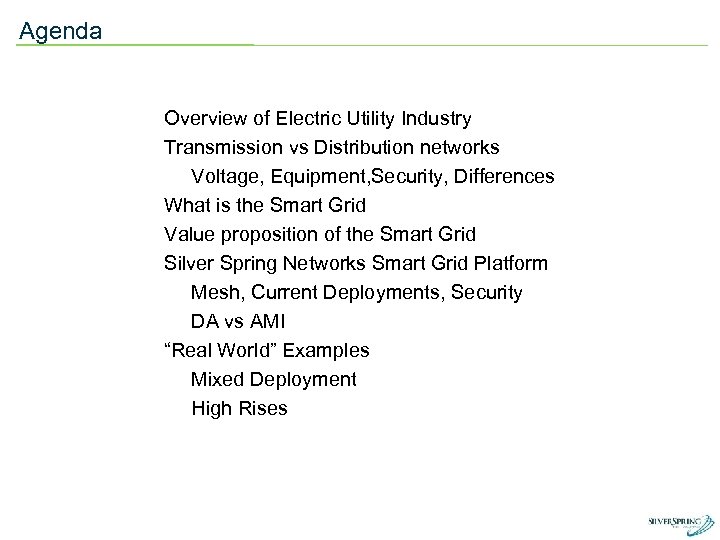
Agenda Overview of Electric Utility Industry Transmission vs Distribution networks Voltage, Equipment, Security, Differences What is the Smart Grid Value proposition of the Smart Grid Silver Spring Networks Smart Grid Platform Mesh, Current Deployments, Security DA vs AMI “Real World” Examples Mixed Deployment High Rises
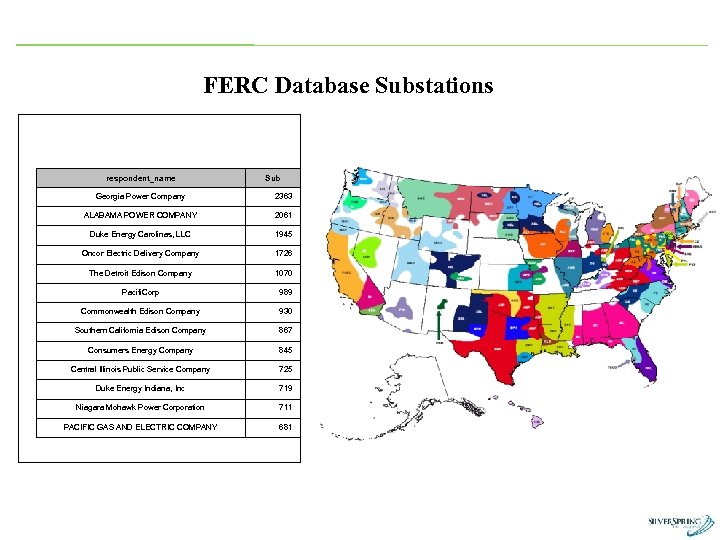
FERC Database Substations respondent_name Sub Georgia Power Company 2363 ALABAMA POWER COMPANY 2061 Duke Energy Carolinas, LLC 1945 Oncor Electric Delivery Company 1726 The Detroit Edison Company 1070 US Utilities Pacifi. Corp 989 Commonwealth Edison Company 930 Southern California Edison Company 867 Consumers Energy Company 845 Central Illinois Public Service Company 725 Duke Energy Indiana, Inc 719 Niagara Mohawk Power Corporation 711 PACIFIC GAS AND ELECTRIC COMPANY 681
Electrical Distribution 101 What is a Distribution Network? • 3 wires (3 phase) AC wires that feed homes, businesses • AC – 12 KV, 22 KV, 34 KV, 40 KV. . 765 KV(count the Bells) • Radiate out from a Transmission/Distribution substation • May terminate at another substation or be open ended • Mixture of overhead and underground • Laterals feed subdivisions and are typically fused • Transformed down (secondary voltage) 120/240, 480 volt for use in homes and businesses
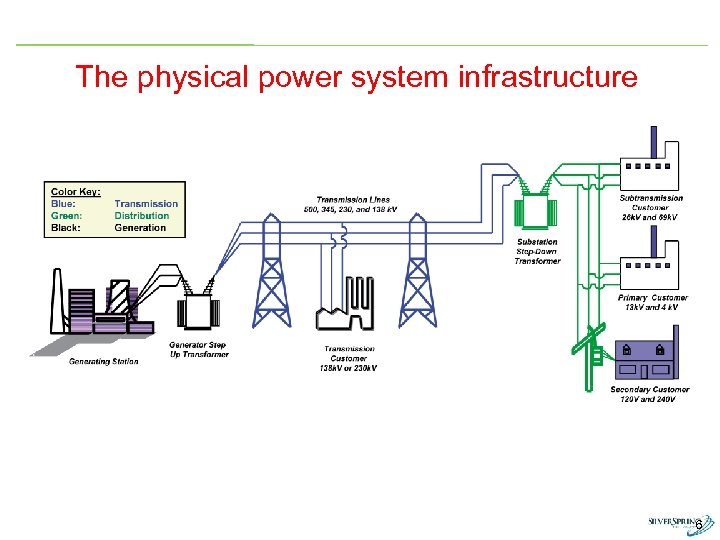
The physical power system infrastructure 6
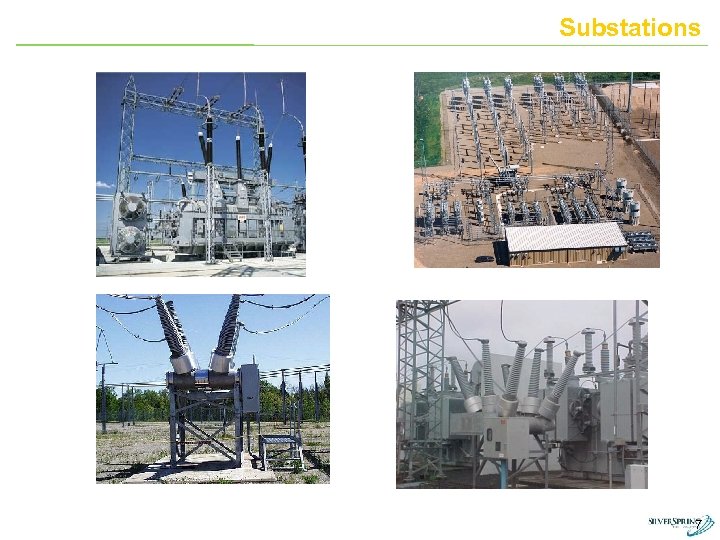
Substations 7
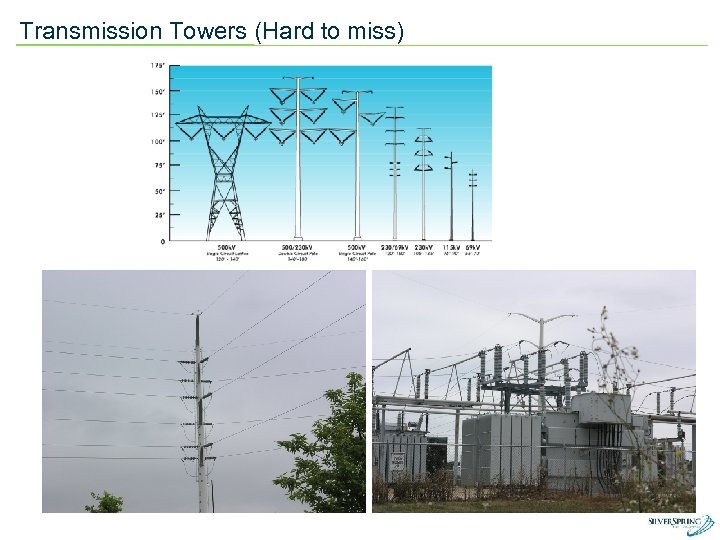
Transmission Towers (Hard to miss)
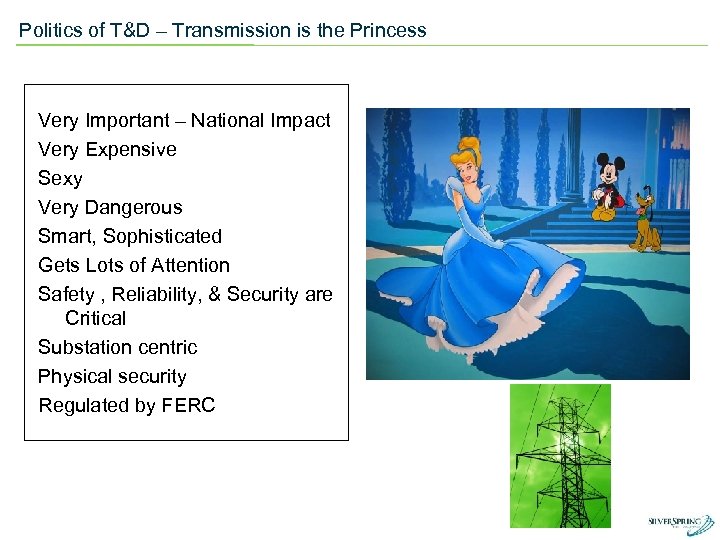
Politics of T&D – Transmission is the Princess Very Important – National Impact Very Expensive Sexy Very Dangerous Smart, Sophisticated Gets Lots of Attention Safety , Reliability, & Security are Critical Substation centric Physical security Regulated by FERC
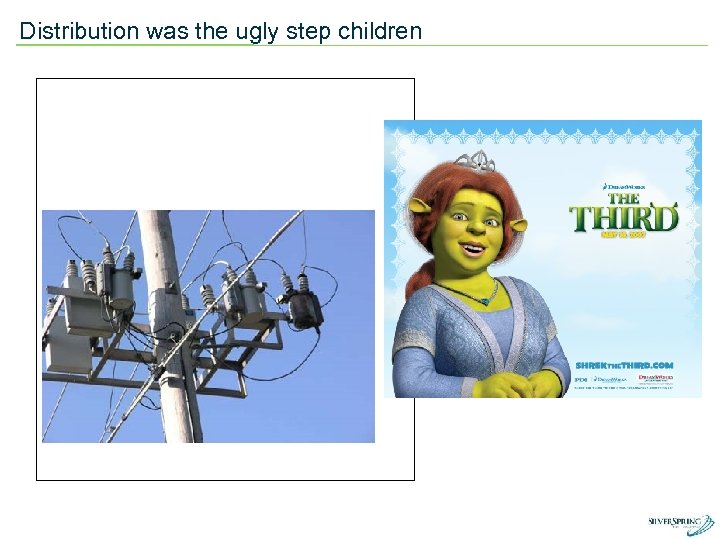
Distribution was the ugly step children Functional -not very pretty Dumb, OVERSIZED Lots of parts/pieces Deployment everywhere
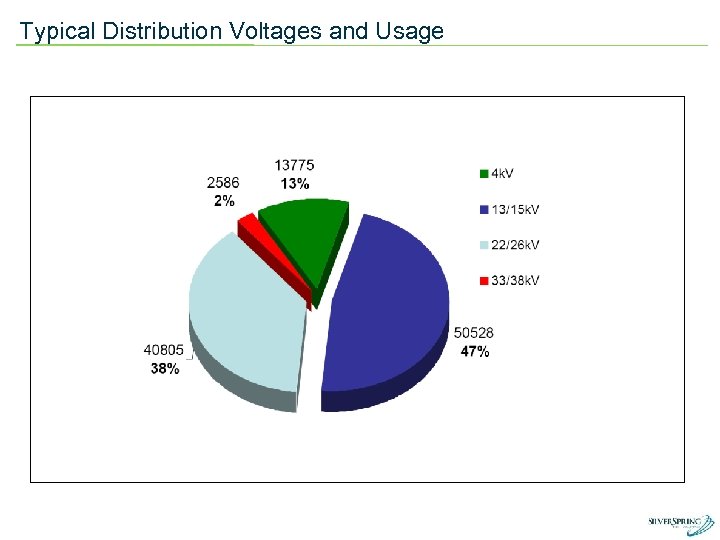
Typical Distribution Voltages and Usage Voltage Distribution
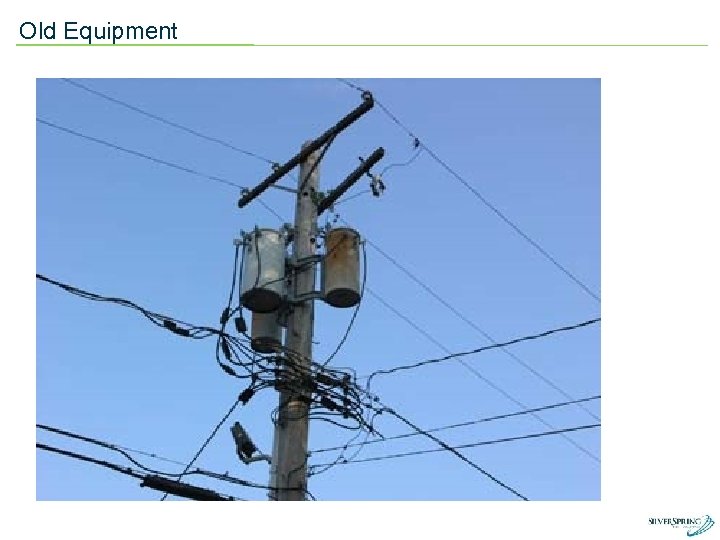
Old Equipment
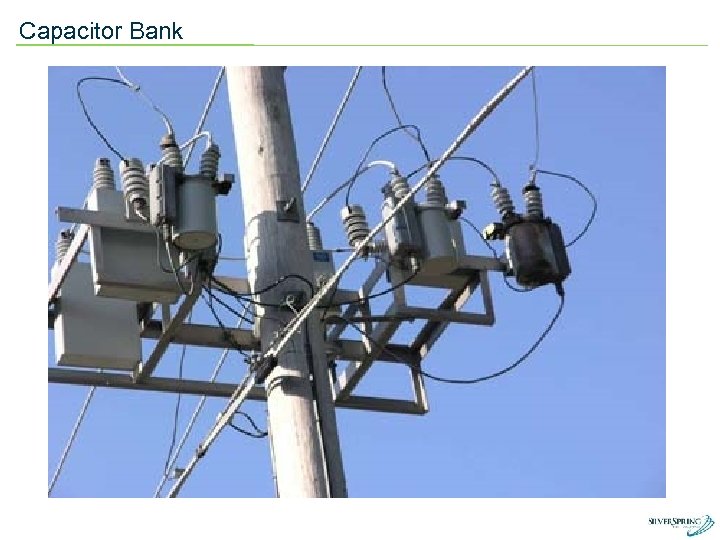
Capacitor Bank
Protection systems What happens when a short circuit (fault) occurs? i. e. suppose your kid sticks a two-pronged fork in the outlet of your house! The fault must be detected quickly. The fault must be isolated quickly. 14
How do things trip? Fuses detect abnormal conditions in lines and trip by melting a wire element. Must be replaced. Relays detect abnormal conditions through sensors and send signals to tell the circuit breakers to “trip”. Settings can be changed. Circuit breakers open up lines. Can be reused. Can also be remotely “tripped”. 15
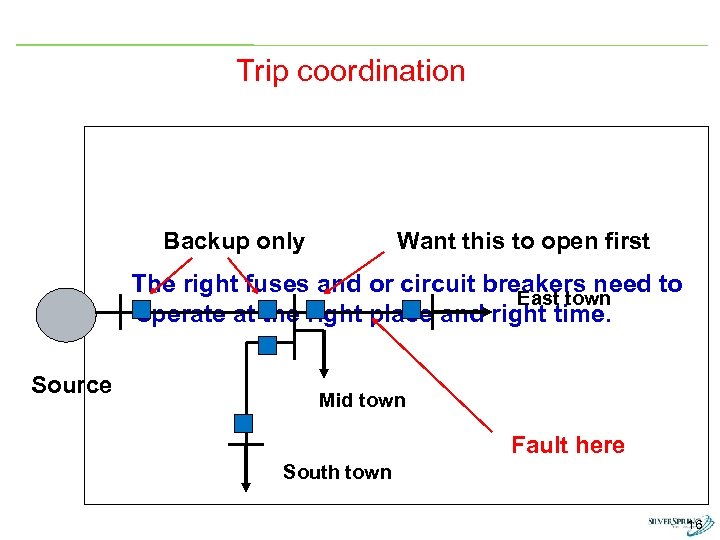
Trip coordination Backup only Want this to open first The right fuses and or circuit breakers need to East town operate at the right place and right time. Source Mid town Fault here South town 16
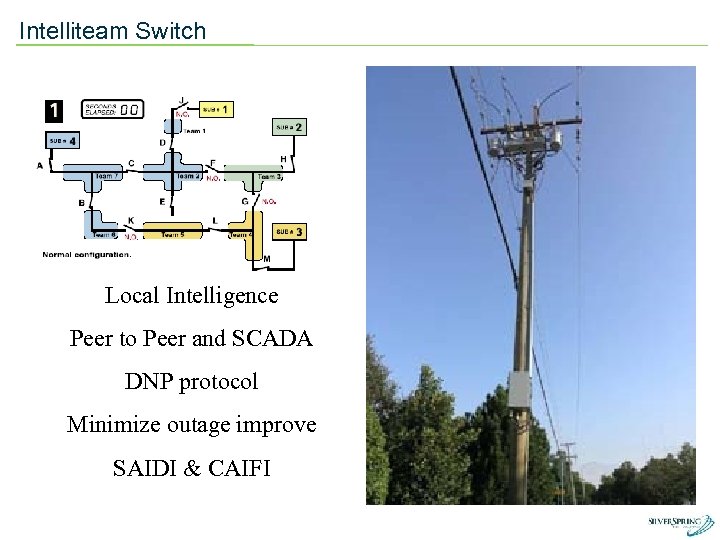
Intelliteam Switch Local Intelligence Peer to Peer and SCADA DNP protocol Minimize outage improve SAIDI & CAIFI
Transmission vs Distribution Voltage • Transmission >69 KV Device Quantities • Transmission - 10’s of Thousands • Distribution – 10’s of Millions Device Costs • Transmission – Thousands to Millions of $$$ • Distribution – UNDER A BUCK! (<$100 meter) Bandwidth • Transmission – High Speed (syncrophasers) fiber ->substations • Distribution – Low speed – EVERYWHERE Protocols • Transmission – DNP 3, IEC 61950, IEEE 1344 • Distribution – DNP 3 Regulation • Transmission – Federally Regulated (FERC) • Distribution – Self Regulated (NERC)
Business Model – Distribution “Smart Grid” Improved Reliability • Outage detection/notification (off and on) • Asset Management - Improved Monitoring/Status • Smart Switching/Sectionalizers • Fault Detection Improved Efficiencies • Capacitor control (VAR management) • Asset Management – Improved Monitoring/Status • Distributed Generation – Monitoring/Billing • Remote Disconnect, Pre. Pay, Load Limiting • Theft Detection
Distribution “Smart Grid” Communications Technologies • Wires to every meter? ? – Remember - Millions of devices & low cost – Infrastructure Metric - $/home passed • RF – Radio Frequency – Licensed » Expensive – Auction. Public Carriers – Spread Spectrum » Good Interference Rejection, lower power 1 watt, FCC support for abuse – Power Line Carrier » Requires low voltage transformer bridge
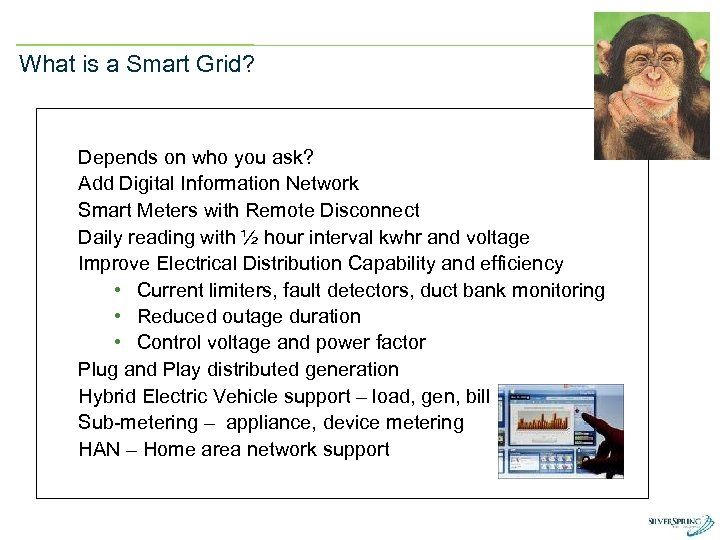
What is a Smart Grid? Depends on who you ask? Add Digital Information Network Smart Meters with Remote Disconnect Daily reading with ½ hour interval kwhr and voltage Improve Electrical Distribution Capability and efficiency • Current limiters, fault detectors, duct bank monitoring • Reduced outage duration • Control voltage and power factor Plug and Play distributed generation Hybrid Electric Vehicle support – load, gen, bill Sub-metering – appliance, device metering HAN – Home area network support
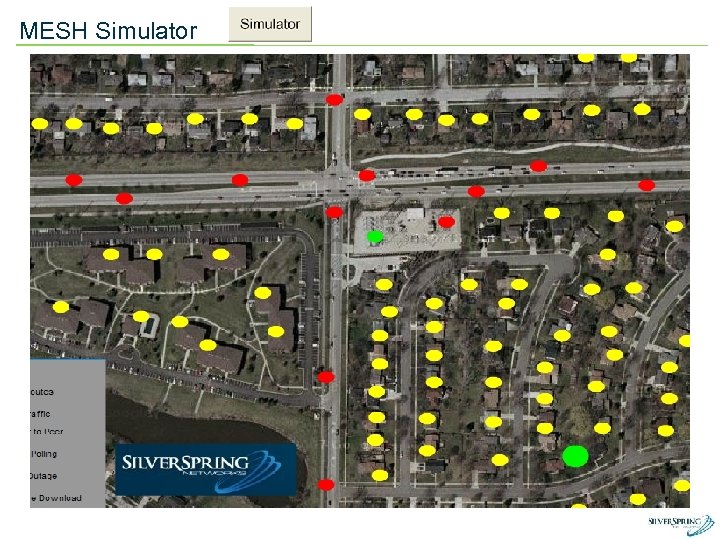
MESH Simulator
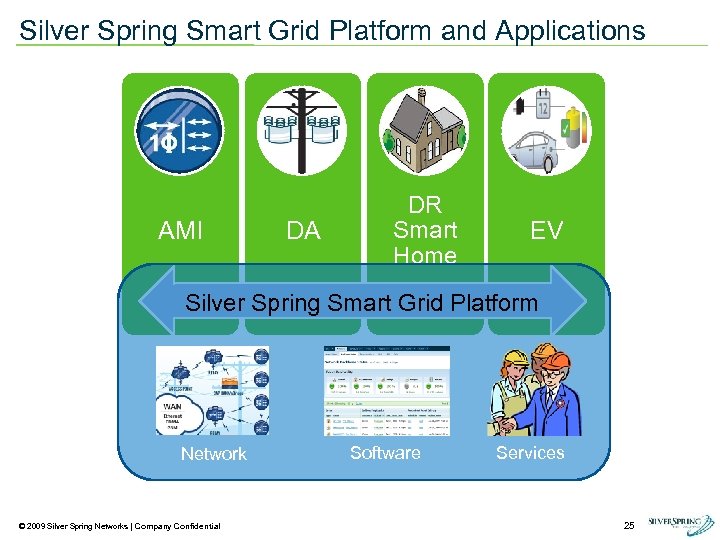
Silver Spring Smart Grid Platform and Applications AMI DA DR Smart Home EV Silver Spring Smart Grid Platform Network © 2009 Silver Spring Networks | Company Confidential Software Services 25
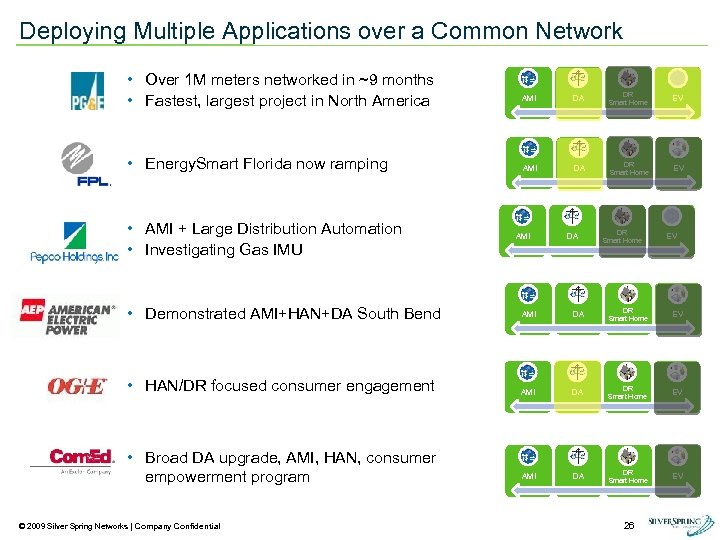
Deploying Multiple Applications over a Common Network • Over 1 M meters networked in ~9 months • Fastest, largest project in North America • Energy. Smart Florida now ramping • AMI + Large Distribution Automation • Investigating Gas IMU AMI DA DR Smart Home EV • Demonstrated AMI+HAN+DA South Bend AMI DA DR Smart Home EV • HAN/DR focused consumer engagement AMI DA DR Smart Home EV • Broad DA upgrade, AMI, HAN, consumer empowerment program © 2009 Silver Spring Networks | Company Confidential 26
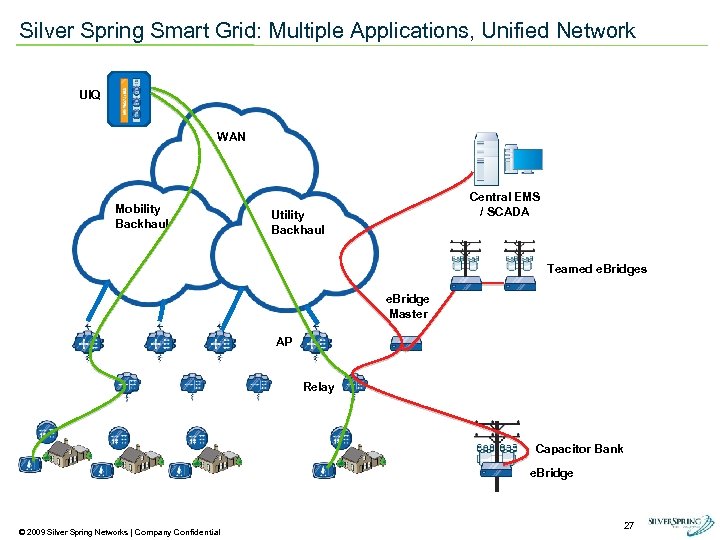
Silver Spring Smart Grid: Multiple Applications, Unified Network UIQ WAN Mobility Backhaul Central EMS / SCADA Utility Backhaul Teamed e. Bridges e. Bridge Master AP Relay Capacitor Bank e. Bridge © 2009 Silver Spring Networks | Company Confidential 27
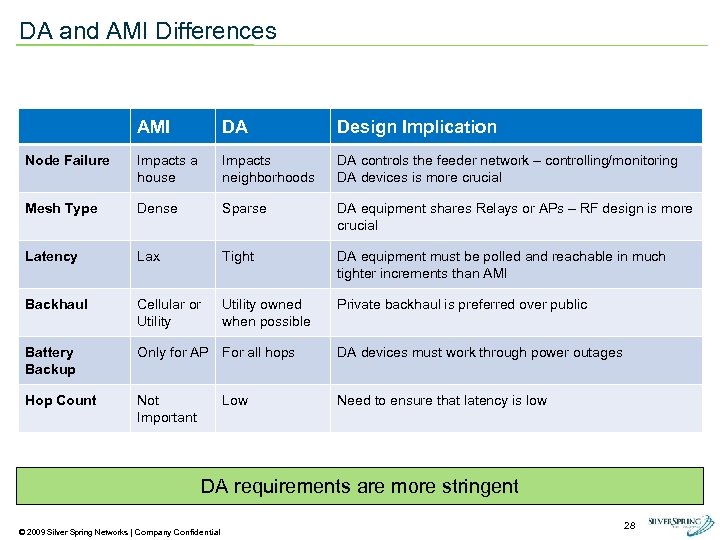
DA and AMI Differences AMI DA Design Implication Node Failure Impacts a house Impacts neighborhoods DA controls the feeder network – controlling/monitoring DA devices is more crucial Mesh Type Dense Sparse DA equipment shares Relays or APs – RF design is more crucial Latency Lax Tight DA equipment must be polled and reachable in much tighter increments than AMI Backhaul Cellular or Utility owned when possible Private backhaul is preferred over public Battery Backup Only for AP For all hops DA devices must work through power outages Hop Count Not Important Need to ensure that latency is low Low DA requirements are more stringent © 2009 Silver Spring Networks | Company Confidential 28
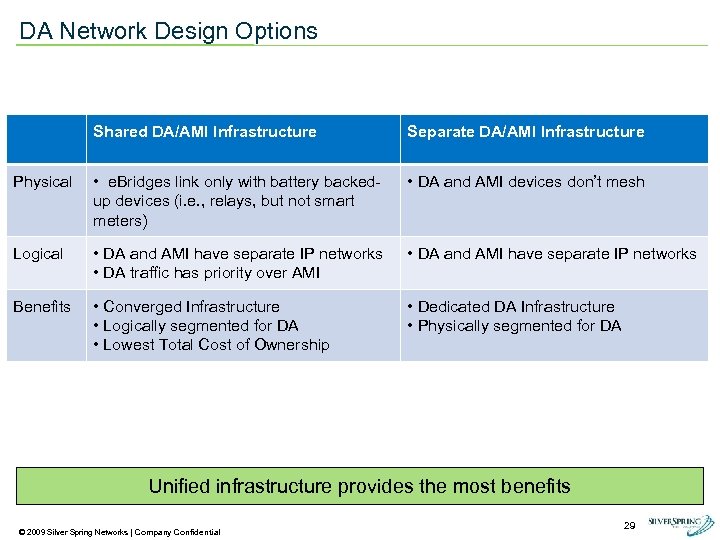
DA Network Design Options Shared DA/AMI Infrastructure Separate DA/AMI Infrastructure Physical • e. Bridges link only with battery backedup devices (i. e. , relays, but not smart meters) • DA and AMI devices don’t mesh Logical • DA and AMI have separate IP networks • DA traffic has priority over AMI • DA and AMI have separate IP networks Benefits • Converged Infrastructure • Logically segmented for DA • Lowest Total Cost of Ownership • Dedicated DA Infrastructure • Physically segmented for DA Unified infrastructure provides the most benefits © 2009 Silver Spring Networks | Company Confidential 29
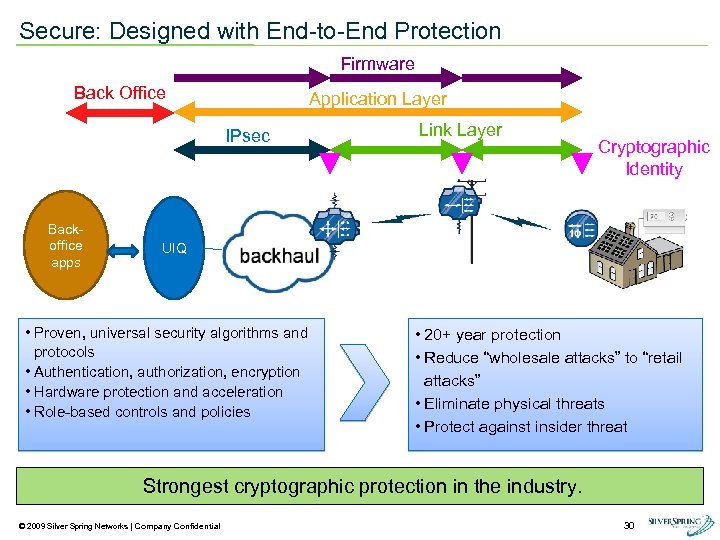
Secure: Designed with End-to-End Protection Firmware Back Office Application Layer IPsec Backoffice apps Link Layer Cryptographic Identity UIQ • Proven, universal security algorithms and protocols • Authentication, authorization, encryption • Hardware protection and acceleration • Role-based controls and policies • 20+ year protection • Reduce “wholesale attacks” to “retail attacks” • Eliminate physical threats • Protect against insider threat Strongest cryptographic protection in the industry. © 2009 Silver Spring Networks | Company Confidential 30
DA Overview © 2009 Silver Spring Networks | Company Confidential
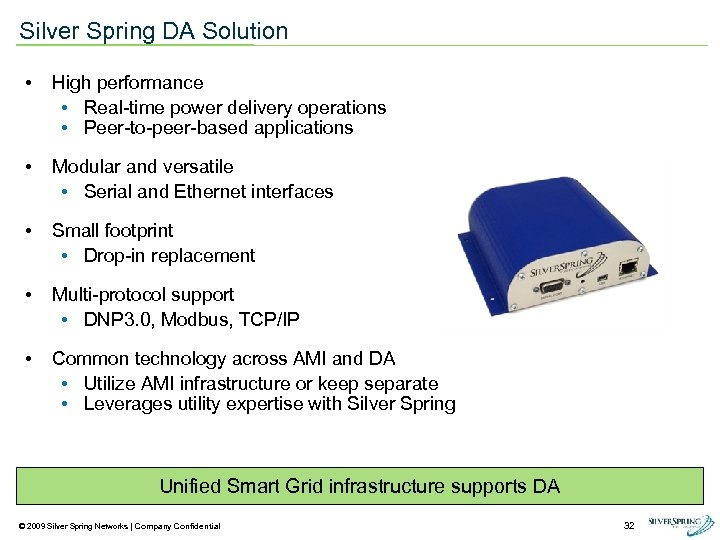
Silver Spring DA Solution • High performance • Real-time power delivery operations • Peer-to-peer-based applications • Modular and versatile • Serial and Ethernet interfaces • Small footprint • Drop-in replacement • Multi-protocol support • DNP 3. 0, Modbus, TCP/IP • Common technology across AMI and DA • Utilize AMI infrastructure or keep separate • Leverages utility expertise with Silver Spring Unified Smart Grid infrastructure supports DA © 2009 Silver Spring Networks | Company Confidential 32
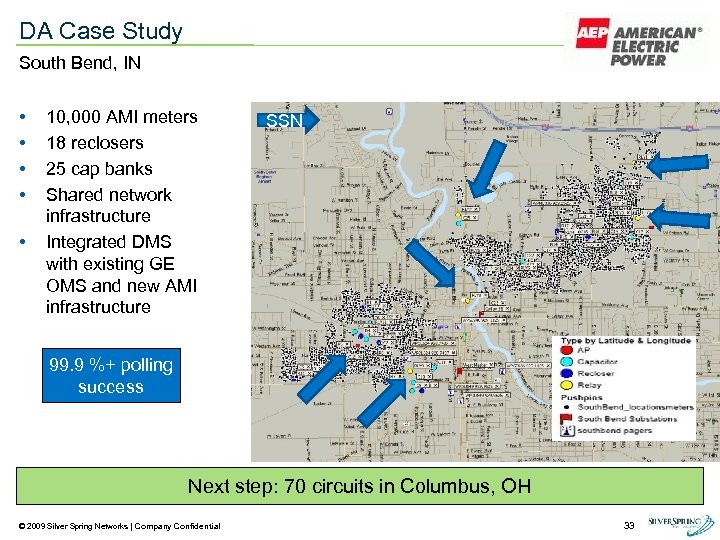
DA Case Study South Bend, IN • • • 10, 000 AMI meters 18 reclosers 25 cap banks Shared network infrastructure Integrated DMS with existing GE OMS and new AMI infrastructure SSN 99. 9 %+ polling success Next step: 70 circuits in Columbus, OH © 2009 Silver Spring Networks | Company Confidential 33
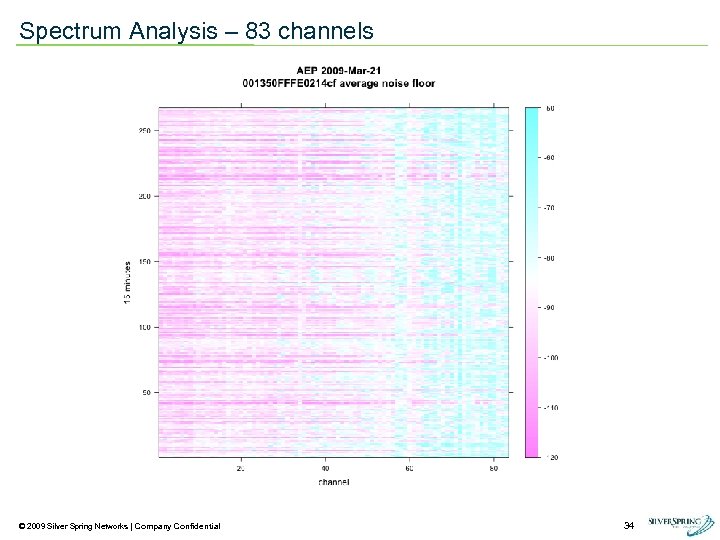
Spectrum Analysis – 83 channels © 2009 Silver Spring Networks | Company Confidential 34
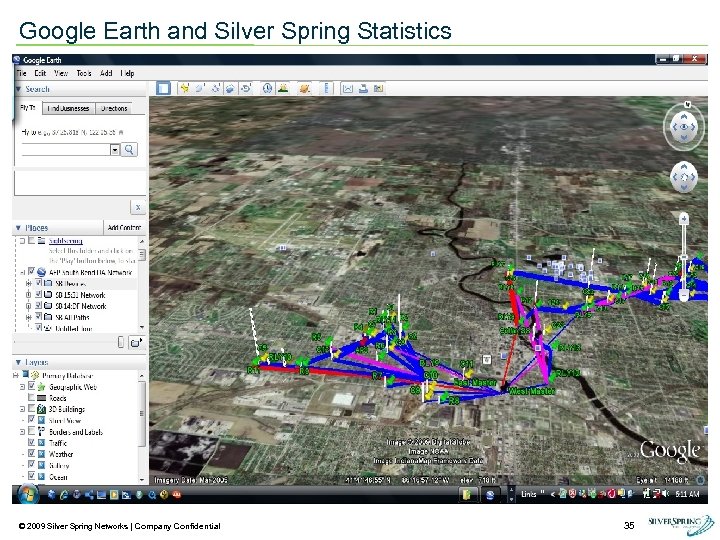
Google Earth and Silver Spring Statistics © 2009 Silver Spring Networks | Company Confidential 35
36
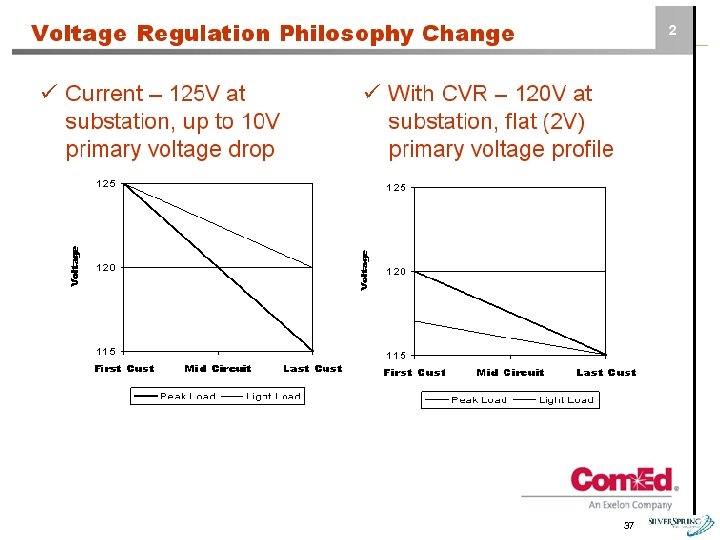
37
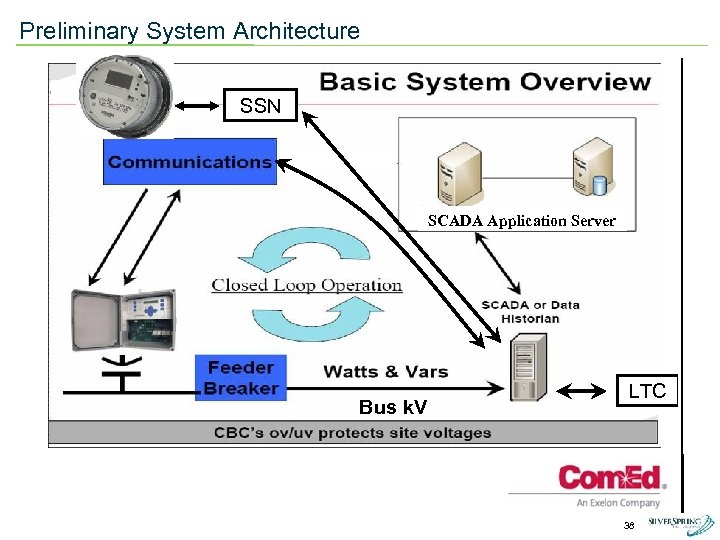
Preliminary System Architecture SSN SCADA Application Server Bus k. V LTC 38
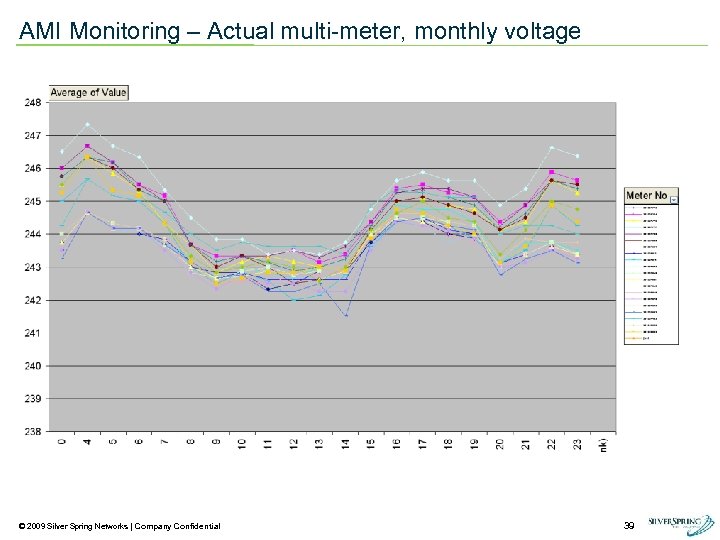
AMI Monitoring – Actual multi-meter, monthly voltage © 2009 Silver Spring Networks | Company Confidential 39
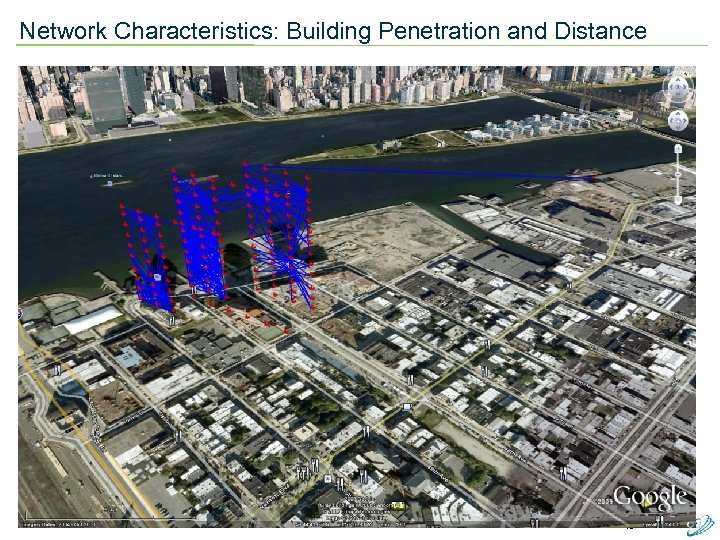
Network Characteristics: Building Penetration and Distance 40
Thank you for your time © 2009 Silver Spring Networks | Company Confidential
Скачать презентацию Transmission Distribution Overview Real World Smart Grid
4109c825131a39d6b723a275091dbbb5.ppt