 Скачать презентацию Today we will learning more about democracy and
c59d4f1fe3174a83ceca701f7f693b38.ppt
- Количество слайдов: 12



Today we will learning more about democracy and how it works.
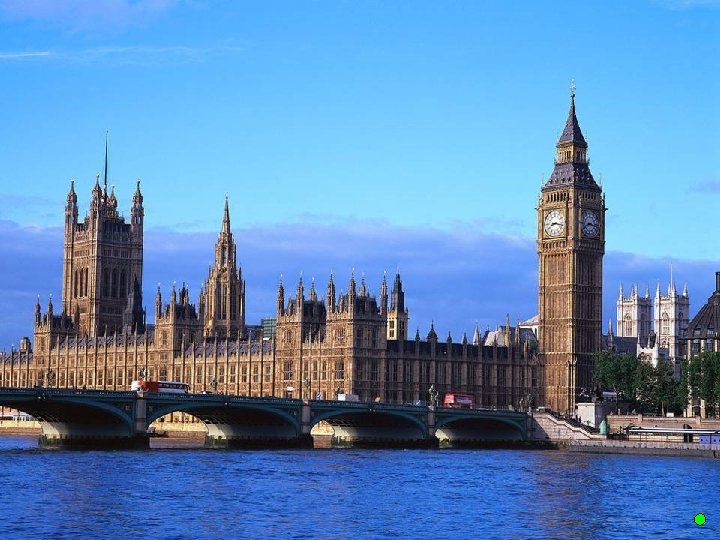
Britain is divided into 646 areas called constituencies. The MPs who have been elected to serve the people in each constituency ‘sit’ in the House of Commons (our national parliament).
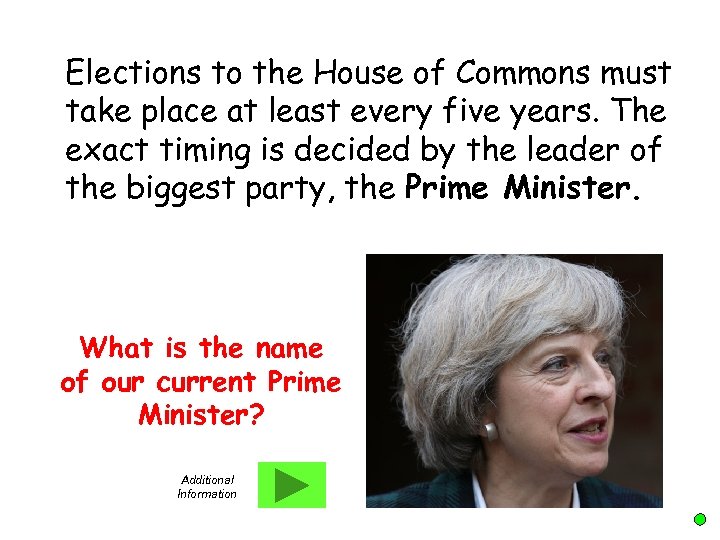
Elections to the House of Commons must take place at least every five years. The exact timing is decided by the leader of the biggest party, the Prime Minister. What is the name of our current Prime Minister? Additional Information
People must be 18 or over in order to take part in an election. Do you think this is the right age for young people to be able to vote? Why? If not, at what age do you think people should be allowed to vote? Additional Information
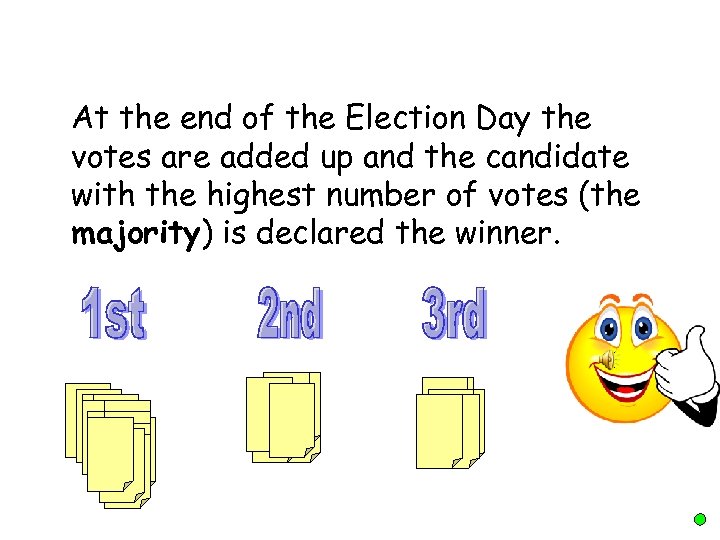
At the end of the Election Day the votes are added up and the candidate with the highest number of votes (the majority) is declared the winner.
The person we elect for our central government is called a Member of Parliament (or M. P. for short).
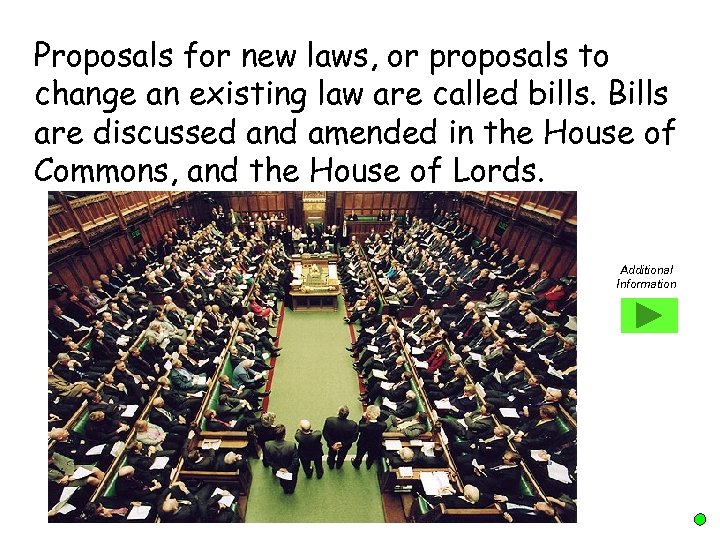
Proposals for new laws, or proposals to change an existing law are called bills. Bills are discussed and amended in the House of Commons, and the House of Lords. Additional Information
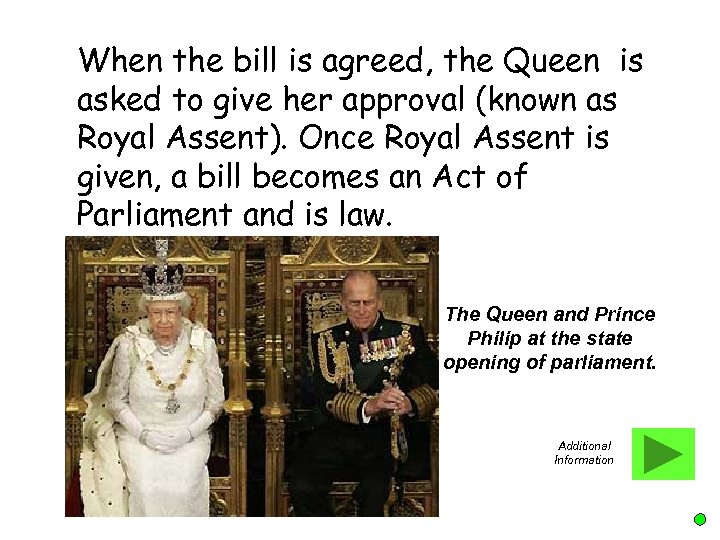
When the bill is agreed, the Queen is asked to give her approval (known as Royal Assent). Once Royal Assent is given, a bill becomes an Act of Parliament and is law. The Queen and Prince Philip at the state opening of parliament. Additional Information
The results of our election! The crazy party The caring party The fairness party
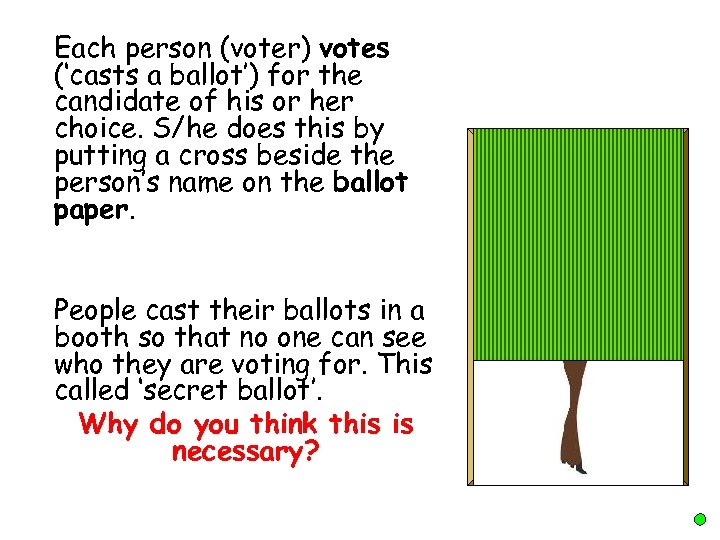
Each person (voter) votes (‘casts a ballot’) for the candidate of his or her choice. S/he does this by putting a cross beside the person’s name on the ballot paper. People cast their ballots in a booth so that no one can see who they are voting for. This called ‘secret ballot’. Why do you think this is necessary?
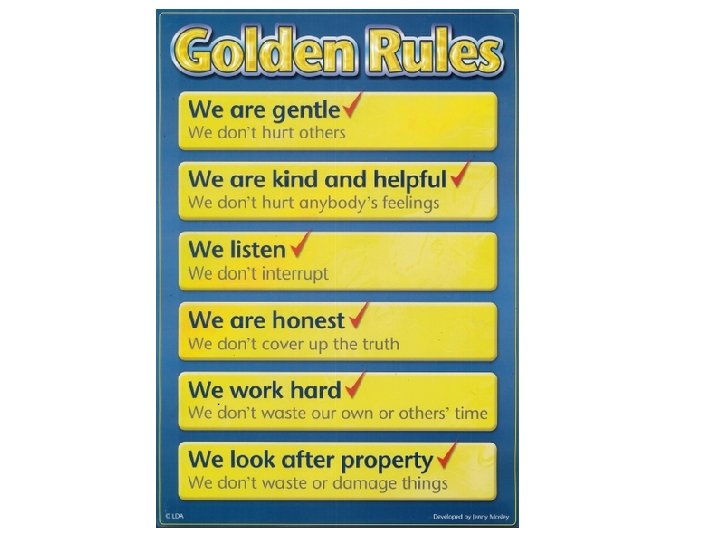
We have some proposals for a change an existing laws in our school. . . A new golden rule for our school
Скачать презентацию Today we will learning more about democracy and
c59d4f1fe3174a83ceca701f7f693b38.ppt