 Скачать презентацию Today Especially vulnerable populations ØChildren
1f8942402807db85656c652f481394e9.ppt
- Количество слайдов: 24



• • Today Especially vulnerable populations ØChildren 4 faces of hunger ØStarvation/Famine ØMalnutrition/Undernutrition ØMicro-nutrient deficiencies ØNutrition-depleting illnesses Time trajectories of hunger Geographies of hunger © T. M. Whitmore
• • • Especially vulnerable populations I Increased likelihood of malnutrition and more serious consequences Women in general due to cultural traditions that privilege food to males Pregnant women ØPoor nutrition low birth weight babies § Developmental problems for baby physically and mentally § Reduced resistance to diseases § Less able to breast feed ( less resistance for the baby as well) © T. M. Whitmore
• • Especially vulnerable populations II Lactating women ØPoor nutrition seldom greatly interferes with ability to produce milk ØBut, poor nutrition does deplete the mother's body of necessary nutrients ØIf nutrition is not better between end of lactation and next pregnancy spiral down to chronic anemia etc. Elderly ØAbility to fend off infections is reduced with great age and malnutrition hurts that as well © T. M. Whitmore
• Especially vulnerable populations III Children ØMalnutrition in infants and children very problematic if timing coincides with critical growth processes § Up to age 5 risk is greatest ØEspecially at weaning age (approx 2 yrs) ØDue to impure water used to make weaning foods (not sufficiently boiled due to lack of fuel) and general low hygiene => § Kids die from diarrheal diseases and dehydration and malnutrition ØWeaning foods are typically not nutrient© T. M. Whitmore rich enough (e. g. , maize gruels)

• Four Faces of Hunger I I. Starvation/Famine ØWidespread to complete lack of protein/calorie nutrition ØA small percentage of global hunger – perhaps 1% at risk annually ØLeads to increased mortality (usually to infectious diseases not starvation per se) ØGreat social disruption => increased problems with diseases and access to food ØIn any famine not all starve – the well off can buy food -- thus NOT usually only a simple shortage © T. M. Whitmore
• Four Faces of Hunger II II. Malnutrition/Undernutrition ØSeasonal or periodic P/C under-nutrition ØMost serious effects on kids and special needs adults (pregnant and lactating women, the elderly) Ø measures of malnutrition in children § Stunting - stature too short for age/sex (adjusted for local norms) => chronic § Wasting – weight too light for age/sex (adjusted for local norms) => acute © T. M. Whitmore
• Four Faces of Hunger III. Micro-nutrient deficiencies Ø Vitamin and mineral shortages • ØSometimes called “hidden hunger” IV. Nutrition-depleting illnesses ØSecondary malnutrition ØMost common nutrient depleting diseases are infant/weanling diarrheas – 5 million deaths annually world wide © T. M. Whitmore
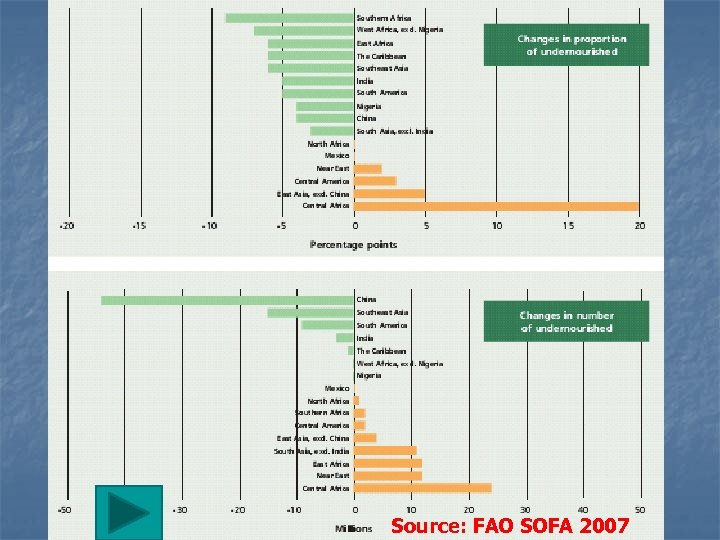
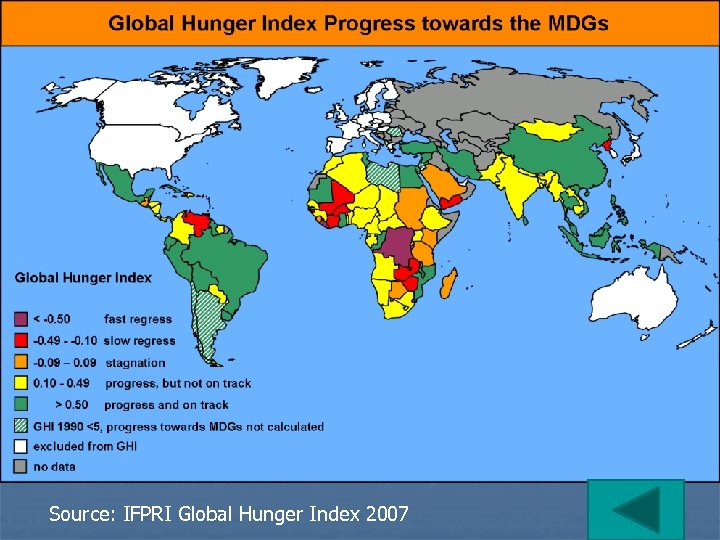
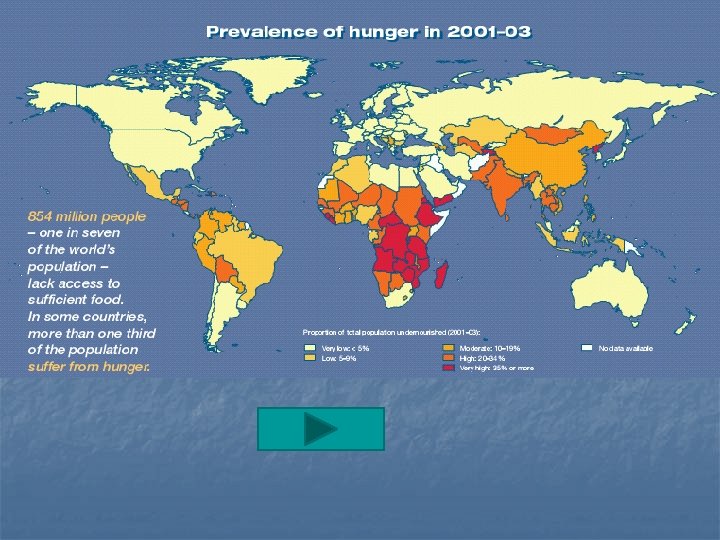
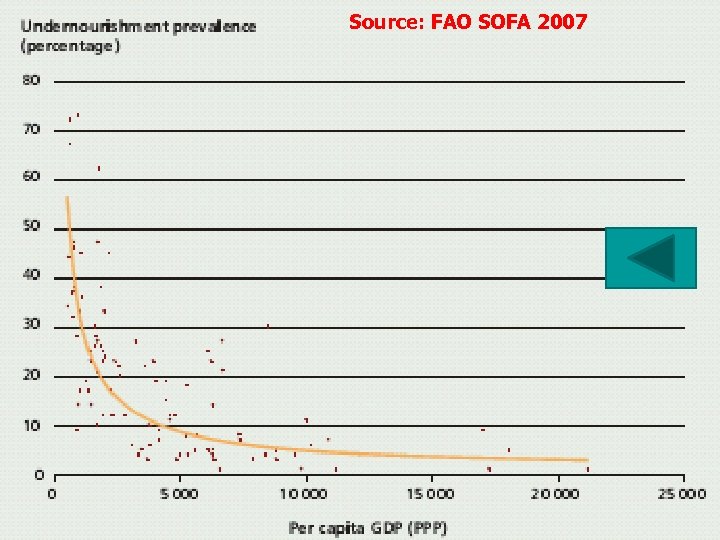
• • • Global Hunger Global situation late 1990 s Data drawn from FAO’s SOFA report 2007 http: //www. fao. org/docrep/010/a 1200 e 00. htm The International Food Policy Research Institute: http: //www. ifpri. org/media/20071012 GHI. asp The concept of “food security” © T. M. Whitmore
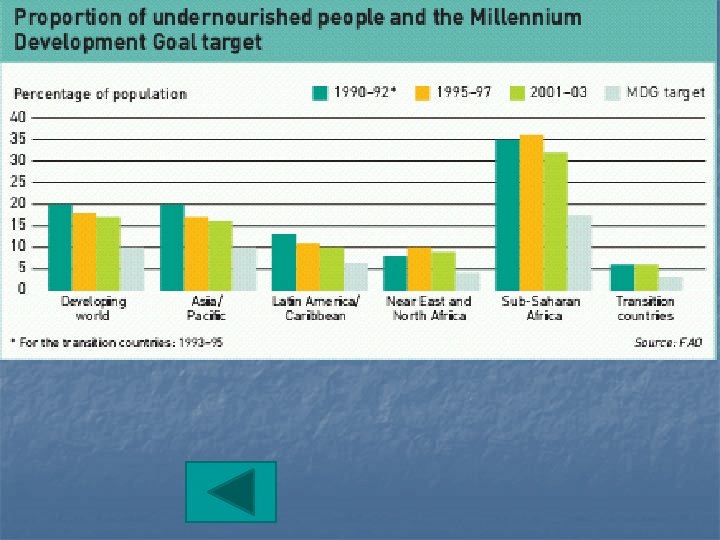
• • Global Trajectories of Hunger I Proportions undernourished (or food insecure) ØLate 1970 s ~ 28% ØLate 1990 s ~17% ØThus, some real progress ØMillennium Development Goals and not met Micro-nutrient deficiencies ØIron: 40% of global south ØIodine: 12% of global south ØVitamin A: 14% of kids in global south © T. M. Whitmore
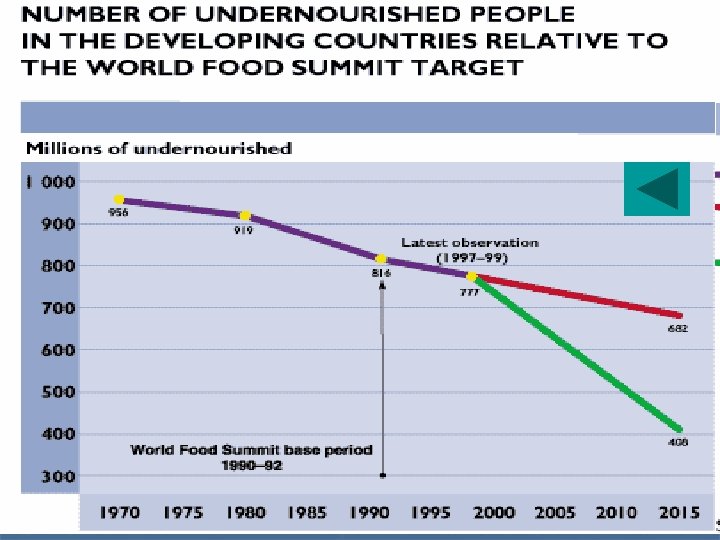
Global Trajectories of Hunger II • • • Absolute numbers undernourished (or food insecure) Ø 1970 s ~ 900 m; 2000 ~ > 800 m Ø=> decrease of ~ 100 m in absolute numbers (but smaller %) Children 1993 ~ 200 m; now ~ 175 m World food summit target (MDG) in 2015 => 400 m ØCurrent trajectory => 475 -500 m by 2015 ØProgress in some places, regression in others © T. M. Whitmore
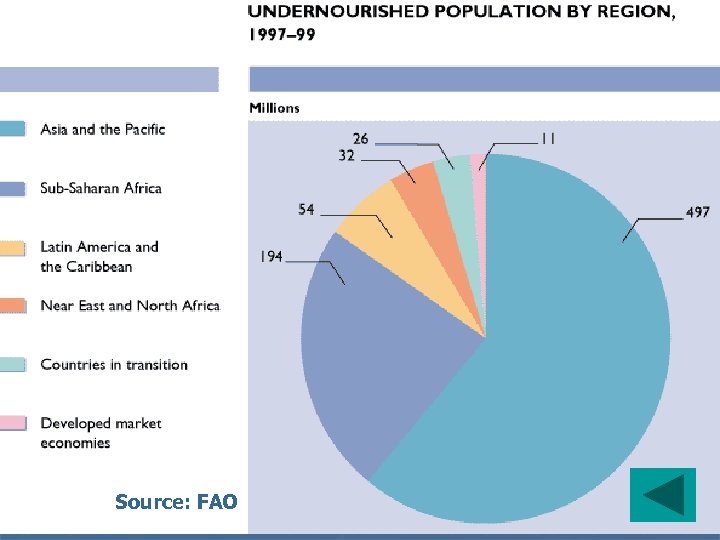
• • Regional differences malnourished or food insecure Global South (i. e. , the global poor) ØSub-Saharan Africa ØE. Asia, SE Asia, & Pacific ØSouth Asia ØLatin America & Caribbean ØNear East & N. Africa Developed Economies (mostly N America) © T. M. Whitmore
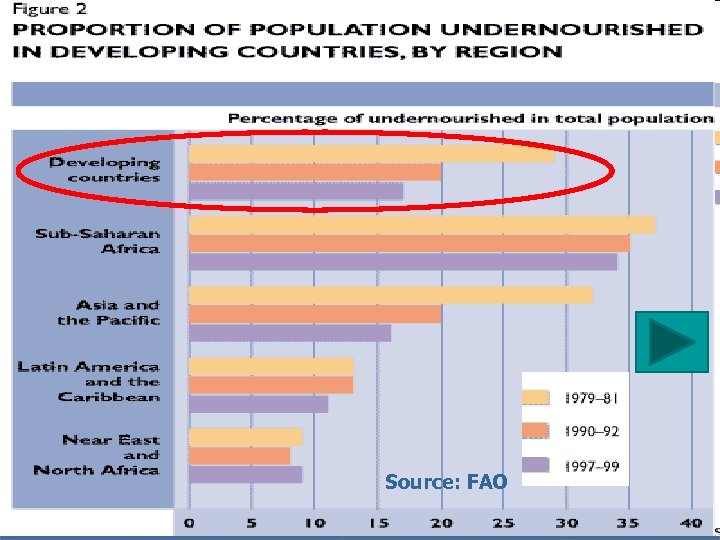
Source: FAO
Source: FAO
Number of malnourished children, 1993, 2010, and 2020 Source: IFPRI IMPACT simulations.
Source: FAO SOFA 2007
Source: IFPRI Global Hunger Index 2007
Source: FAO SOFA 2007
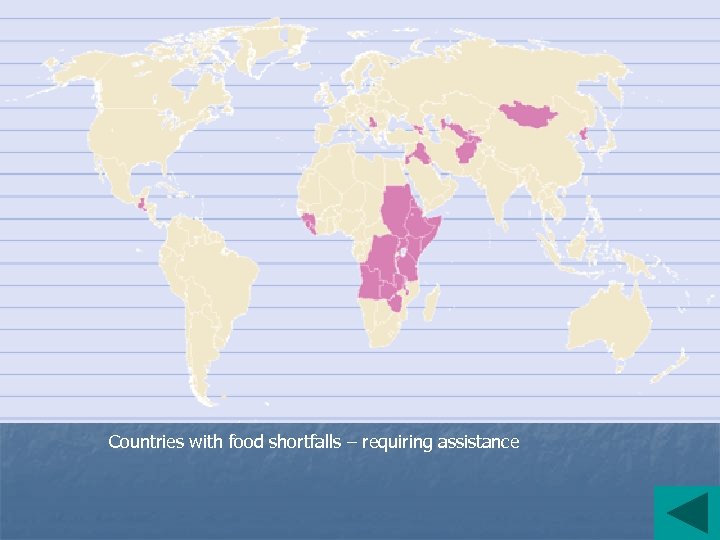
Countries with food shortfalls – requiring assistance
Скачать презентацию Today Especially vulnerable populations ØChildren
1f8942402807db85656c652f481394e9.ppt