


 Скачать презентацию To Epidural or not That is the question
2e846f965f6263ea6c6f44d1639936c8.ppt
- Количество слайдов: 25
 To Epidural or not…That is the question? ? Ashley Rigby Brittney Bunnell Heather Lee Erika Highstead
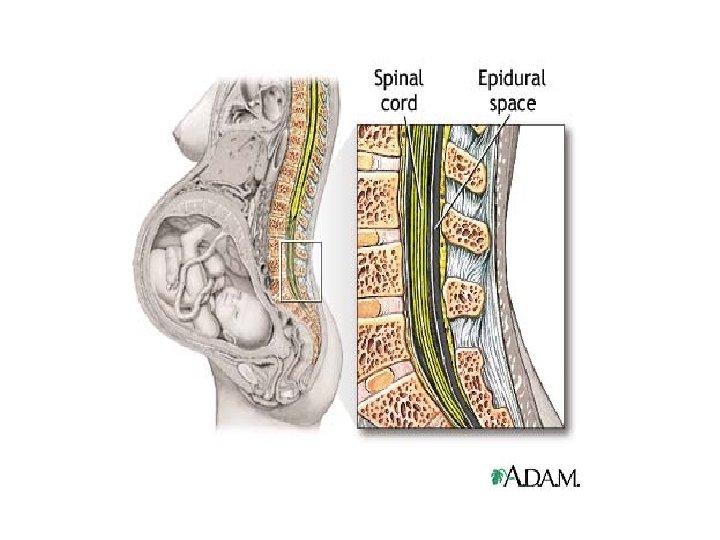
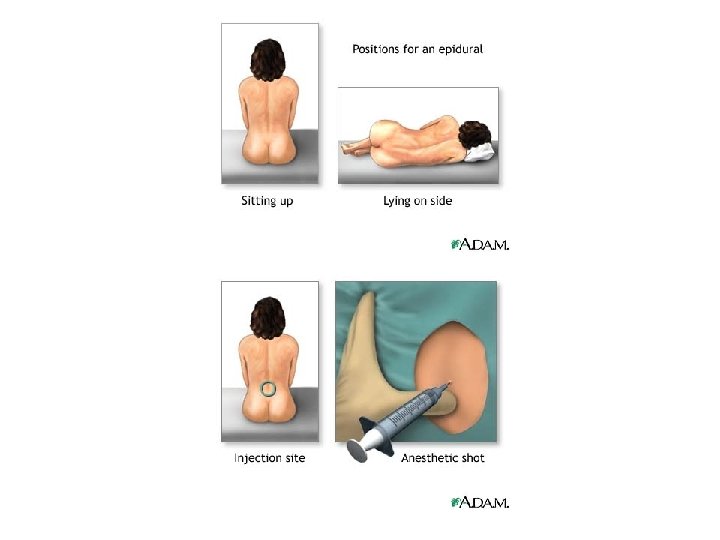
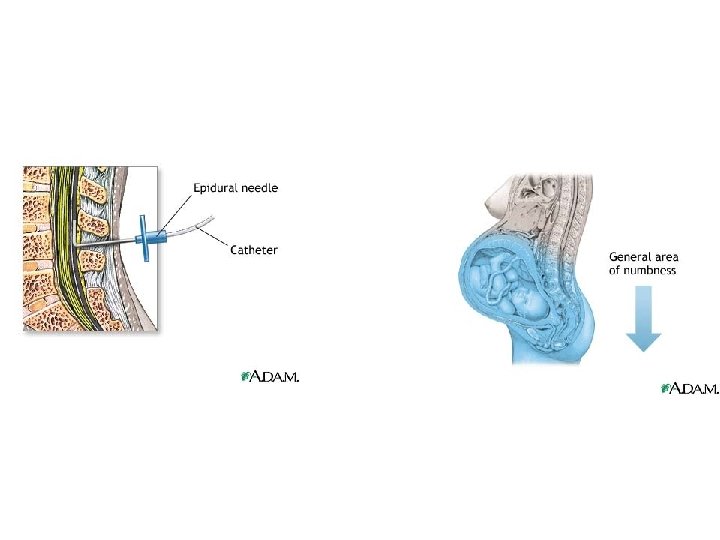
 Lumbar Block Overview ü Involves injection of a local anesthetic agent into the epidural space ü Space between the dura mater and ligamentum flavum ü Assessed through lumbar area
 Block the Pain ü Technique most often is a continuous block ü Start of Active Labor through the episiotomy repair ü Pain Relief is achieved in 85% of women ü 12% experience partial relief ü 3% no pain relief
 Cultural Factors. France ü Epidural during labor is suppose to be available to all women ü 8, 233 low risk women were selected ü 2, 720 ü 37% decided not to have one ü 43. 9% labor occured to quickly ü 3. 3% medical contraindications ü 2. 8% anesthesiologist not available
 Cultural Factors- U. S. ü Medicaid Woman of Georgia ü 29, 833 Met Criteria ü 15, 936 (53. 4%) Chose to have epidural
 Cultural Factors- U. S. ü Racial and Ethnic Comparisons ü African Americans 49. 5% ü Hispanic: 35. 5% ü Asian: 48. 1% ü White (non-hispanic) 59. 6% ü Race/ethnicity a significant predictor of epidural analgesia
 Signs and Symptoms ü Some women come into labor with the intention of having a natural labor but the pain can be too much and they can change their mind ü The main sign or symptom to give an epidural is pain
 Effects of epidural on Laboring mother: ü Hypotension: this can cause decreased blood flow to the fetus ü Fever over 100. 4 ü Decreased mobility, inability to urinate ü Nausea/ vomiting ü Pruritus ü Sedation and Drowsiness ü 3 rd and 4 th Degree lacerations
 Effects of Epidural on Fetus during labor ü Fetal Malposition ü Fetal Heart rate abnormalities üTachycardia or bradycardia ü Late or variable decelerations ü Meconium stained fluid
 Effects of progress of labor/effects on mode of delivery ü Increased use of ptocin ü Decreased rate of dilation ü Diminished ability to push ü Longer labor over all ü Reduced chance of spontaneous vaginal delivery ü Instrumental vaginal delivery
 Effects on maternal postpartum ü Urinary retention/incontinence ü The following are rare but serious: üMeningitis üPostdural puncture seizures üCardiorespiratory arrest üVertigo
 Effects on newborn ü Increase in hyperbilirubinemia ü There are studies that show there is a relationship between the success of breastfeeding right after delivery and whether the mother was given an epidural or not.
 Toxic affect of Epidural ü Toxic effects due to anesthetic overdose primarily effect the Central Nervous System and Cardiovascular System. The nervous system is more susceptible to toxicity; therefore, will be the first to show signs followed by the cardiovascular. ü CNS: Tinnitus, Dizziness, Seizures, Abnormal Taste ü CVS: Bradycardia (no adrenaline in drug), tachycardia (if there is adrenaline), arrythmias, Bupivacaine is considered to be the most cardiotoxic
 Impact on Nursing Care: ü Rise in elective C-sections because of "pain free delivery" ü Higher risk patient? ü potential complications ülonger labor üFHR
 Impact on Nursing Care: Nurses work load increases slightly: ü acts as advocate to correct information ü monitoring of V/S and FHR ü risk for Hypotension----preloading ü Temporary changes in bowel elimination and placement of catheter ü Administering single doses, or "topping it off” ü another site for possible infection ü monitoring for side effects
 Impact on nursing care: ü Nursing care benefits ü Mom's in less, or no pain = less call light use and uncomfortableness ü makes transitioning through labor and being able to save energy for the delivery and recovery ü Easier to make a connection and help the mom get through labor
 Interventions/ Treatment ü Pre-Epidural ü IV Fluids ü Education ü Advocate ü Vitals ü Assess Labor Progress ü Check Lab Values ü Answer any questions
 Interventions/ Treatment ü During Epidural insertion: üPositioning üSupport üHelp woman with breathing technique üAlert anesthesiologist when contractions occur üMonitor maternal and fetal vital signs
 Interventions/ Treatment ü Post-epidural üAssist patient into position üMonitor maternal blood pressure ü 1: 1 nurse- patient care üIndwelling catheter üMonitor temperature üConstantly communicate
 Implications on Nursing Practice ü Effects on Breastfeeding? ü Are the side affects worth it? ü Pain being “unatural” ü Effects during labor- injuries?
 References • Durham, J. (2003). Side effect of epidurals: a summary of recent research data. International Journal of Childbirth Education, 18(3), 11 -17. • Davidson, M. R. , London, M. L. , Ladewig, P. A. (2008). Maternal-Newborn Nursing and Women’s Health Across the Lifespan. Pearson Education, Inc. Upper Saddle River, New Jersey.
 • Goodfellow, C. F. (1983). Oxytocin in Epidural Analgesia. British Journal of Obstetrics and Gynecology, 90, 214 -219. • Rust G, Nembhard W, Nichols M, et al (2004). Racial and ethnic disparities in the provision of epidural analgesia to Georgia Medicaid beneficiaries during labor and delivery. American Journal of Obstetrics and Gynecology, 191 (2), 456 -462. • Le Ray C, Goffinet F, Palot M, et al (2008). Factors Associated with the choice of Delivery without Epidural Analgesia in Women at Low Risk in France. Birth, 35(3), 171 -178.