


 Скачать презентацию Thunder Lecture III Fudan University 04 2006
24fcd37509f9fc1a17c3be680bc6db4c.ppt
- Количество слайдов: 80
 Thunder Lecture III
 Fudan University 04. 2006 Nano-Bionik Micro- and Nanotechnology in Nature Ingo Rechenberg Shanghai Institute for Advanced Studies
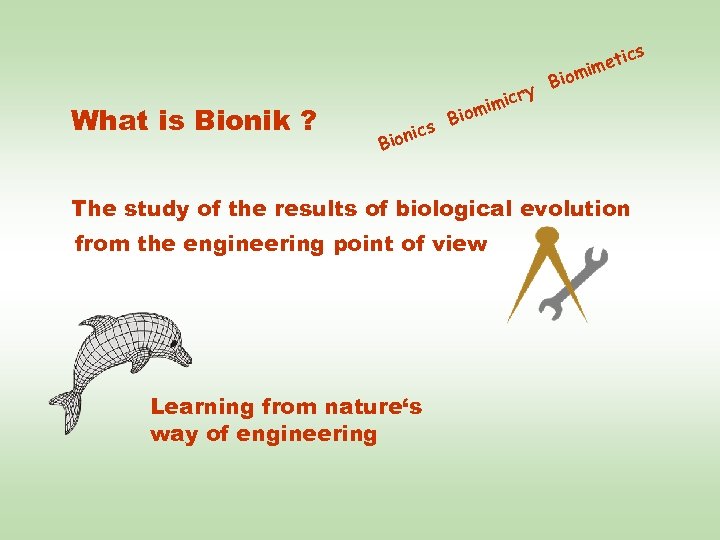 s etic m omi What is Bionik ? s ic Bion i y B r imic Biom The study of the results of biological evolution from the engineering point of view Learning from nature‘s way of engineering
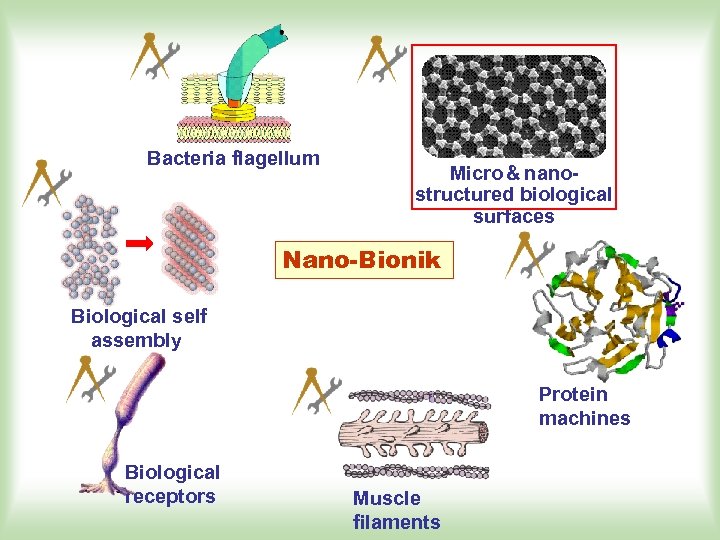 Bacteria flagellum Micro & nanostructured biological surfaces Nano-Bionik Biological self assembly Protein machines Biological receptors Muscle filaments
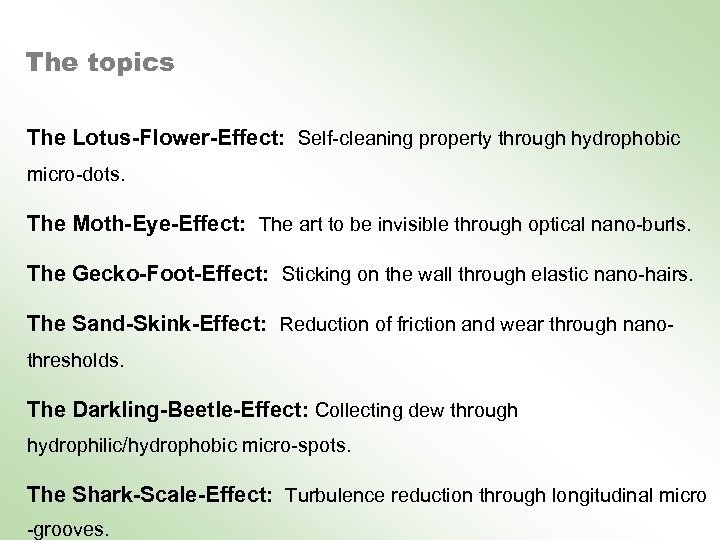 The topics The Lotus-Flower-Effect: Self-cleaning property through hydrophobic micro-dots. The Moth-Eye-Effect: The art to be invisible through optical nano-burls. The Gecko-Foot-Effect: Sticking on the wall through elastic nano-hairs. The Sand-Skink-Effect: Reduction of friction and wear through nanothresholds. The Darkling-Beetle-Effect: Collecting dew through hydrophilic/hydrophobic micro-spots. The Shark-Scale-Effect: Turbulence reduction through longitudinal micro -grooves.
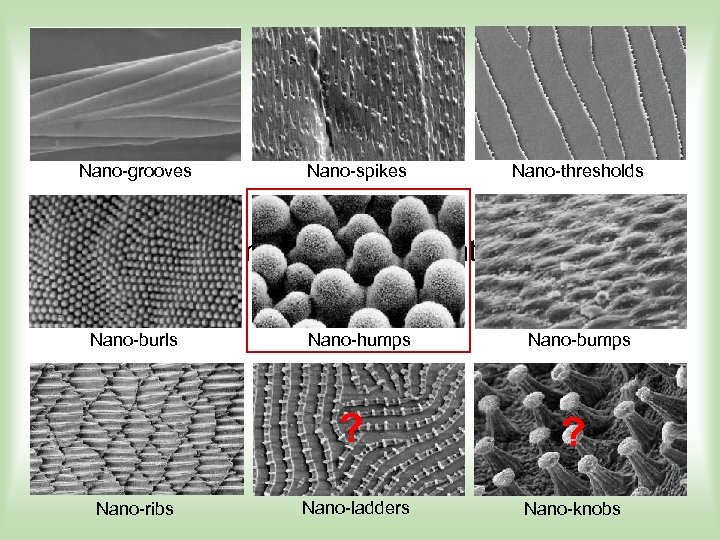 Nano-grooves Nano-spikes Nano-thresholds Nano-patterns in nature Nano-burls Nano-humps Nano-bumps ? Nano-ribs ? Nano-ladders Nano-knobs
 The sacred Lotus flower is a symbol of purity in Asian religions. The Lotus-Flower-Effect
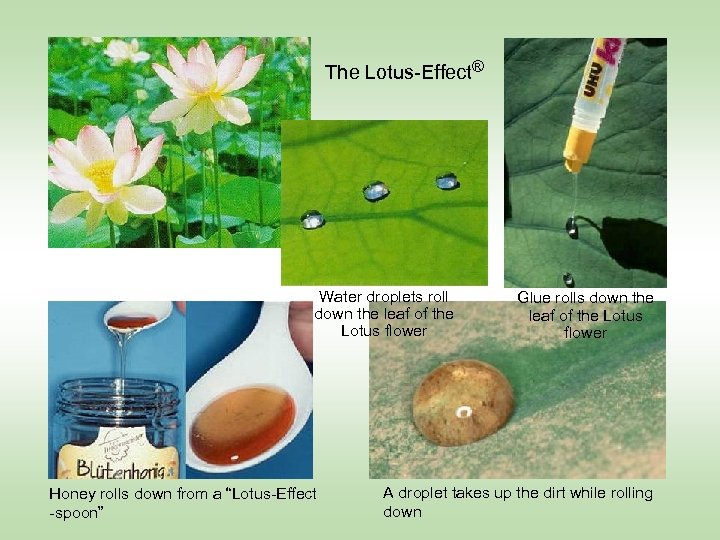 The Lotus-Effect® Water droplets roll down the leaf of the Lotus flower Honey rolls down from a “Lotus-Effect -spoon” Glue rolls down the leaf of the Lotus flower A droplet takes up the dirt while rolling down
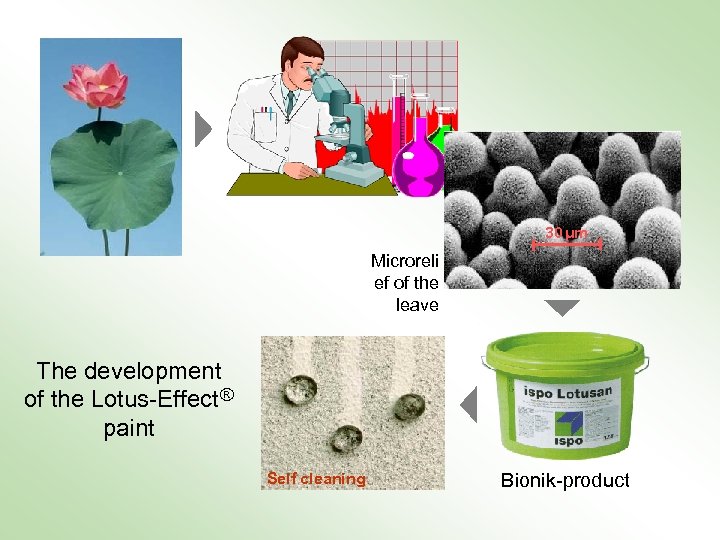 30 μm Microreli ef of the leave The development of the Lotus-Effect ® paint Self cleaning Bionik-product
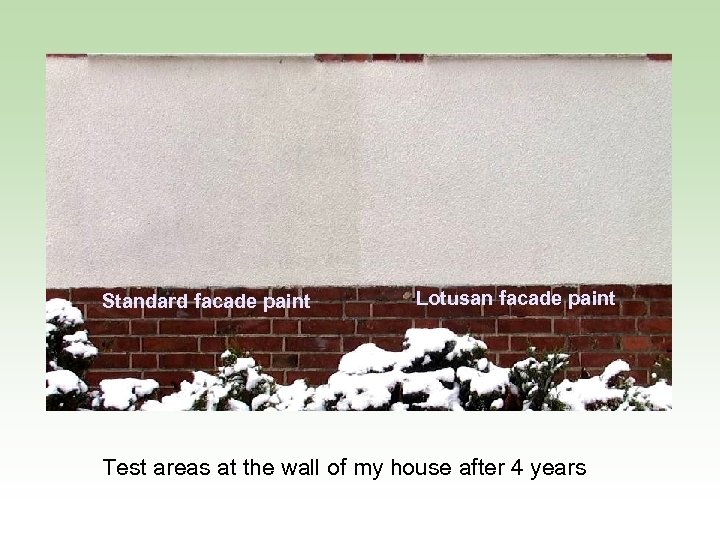 Standard facade paint Lotusan facade paint Test areas at the wall of my house after 4 years
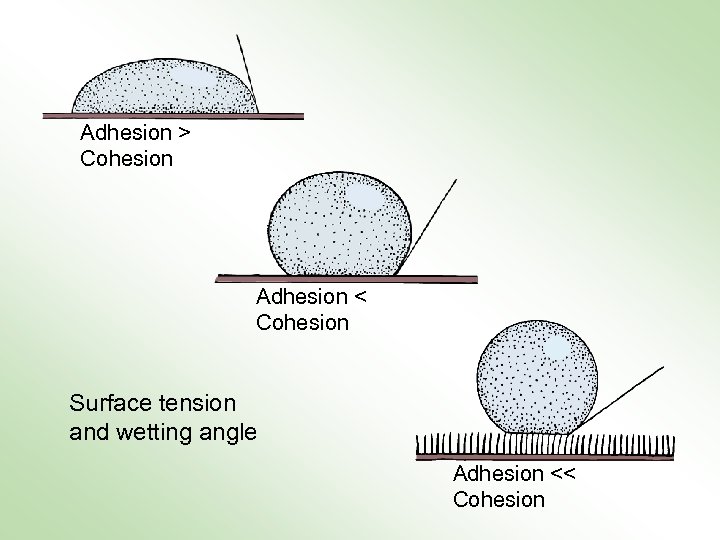 Adhesion > Cohesion Adhesion < Cohesion Surface tension and wetting angle Adhesion << Cohesion
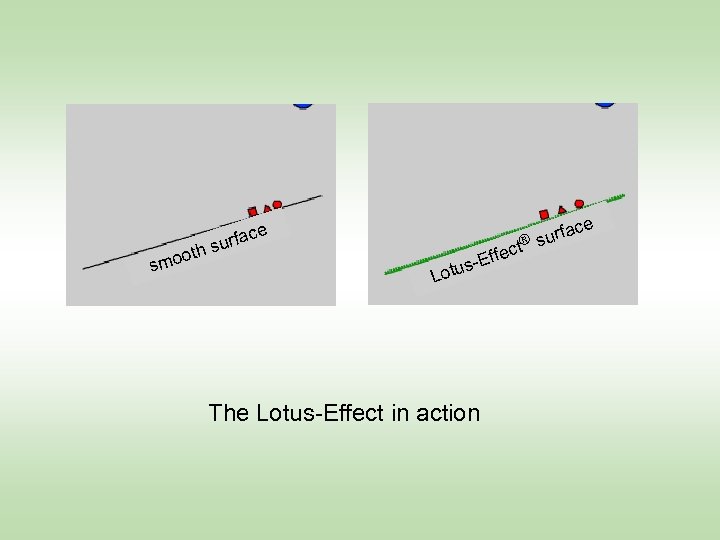 th moo s s ce fa ® sur ct Effe s- ce urfa Lotu The Lotus-Effect in action
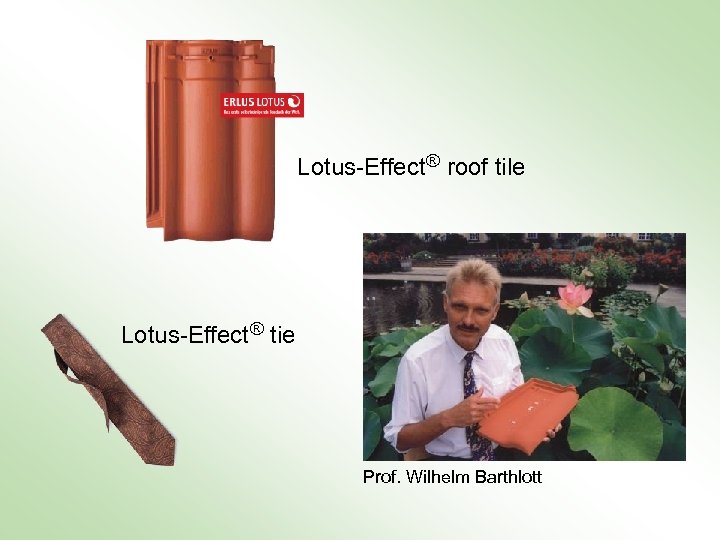 Lotus-Effect ® roof tile Lotus-Effect ® tie Prof. Wilhelm Barthlott
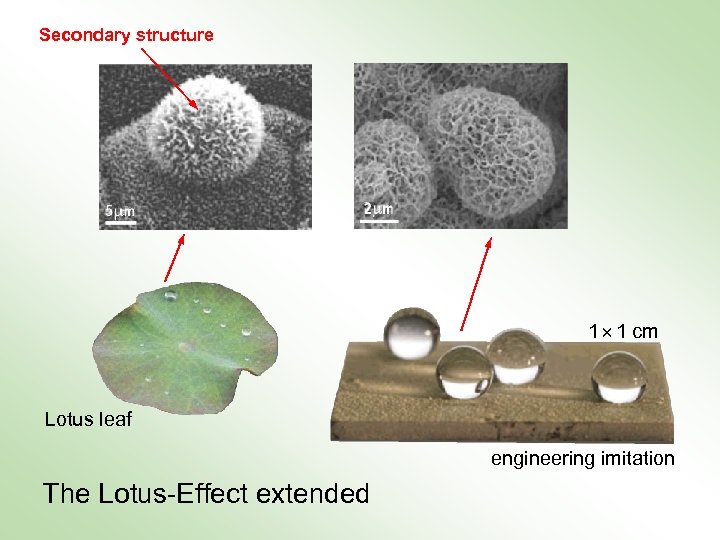 Secondary structure 1 × 1 cm Lotus leaf engineering imitation The Lotus-Effect extended
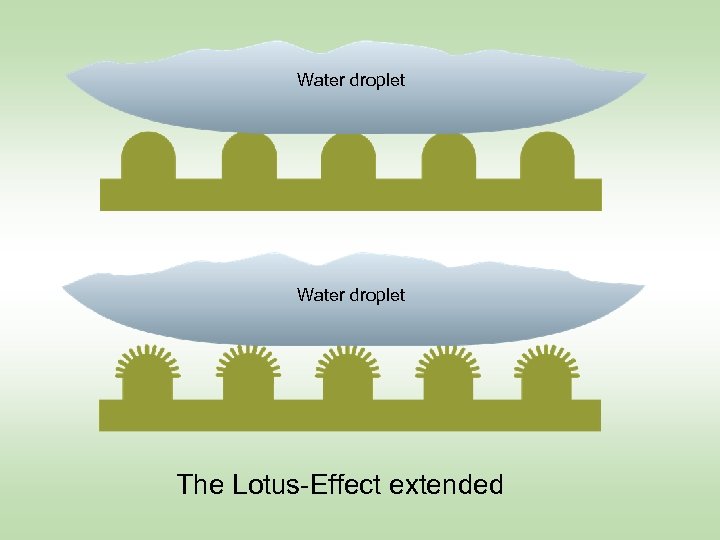 Water droplet The Lotus-Effect extended
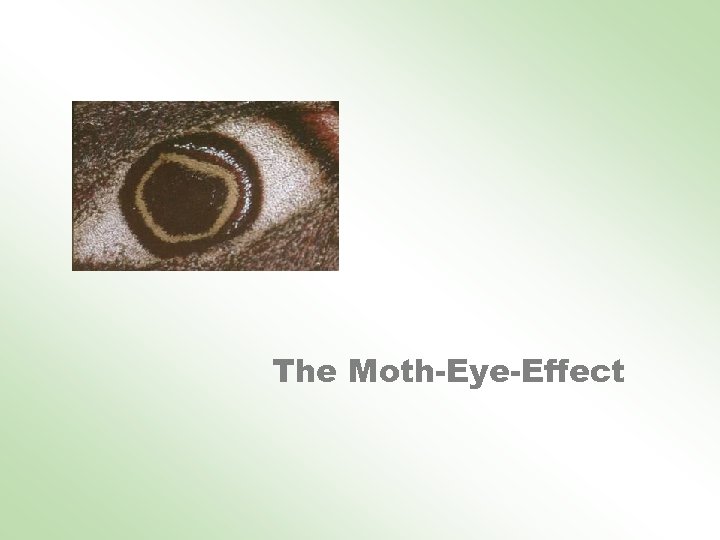 The Moth-Eye-Effect
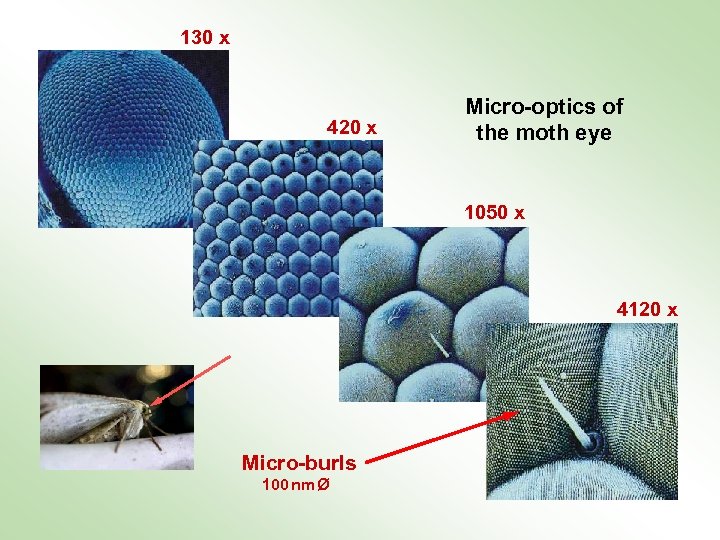 130 x 420 x Micro-optics of the moth eye 1050 x 4120 x Micro-burls 100 nm Ø
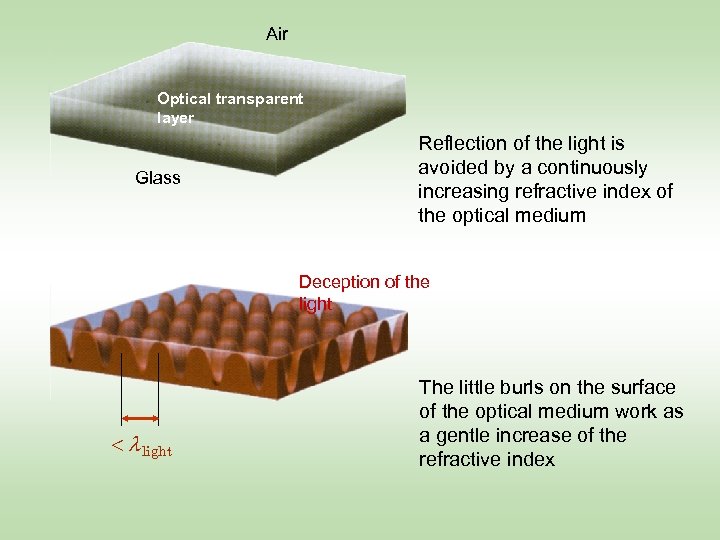 Air Optical transparent layer Glass Reflection of the light is avoided by a continuously increasing refractive index of the optical medium Deception of the light < l light The little burls on the surface of the optical medium work as a gentle increase of the refractive index
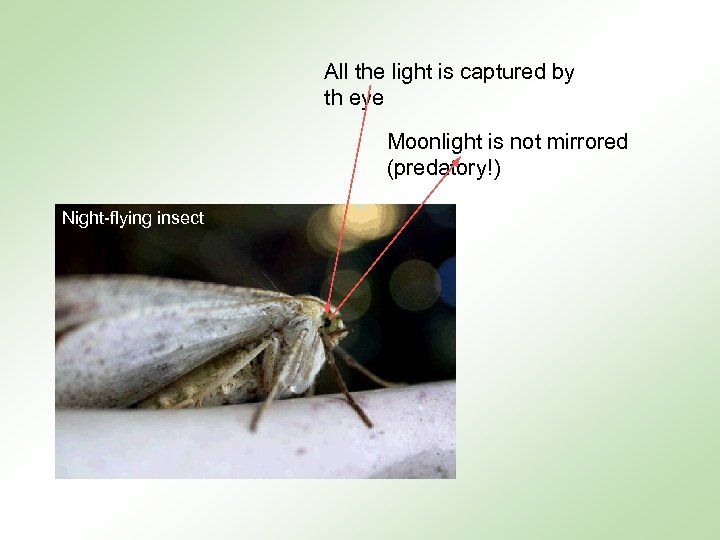 All the light is captured by th eye Moonlight is not mirrored (predatory!) Night-flying insect
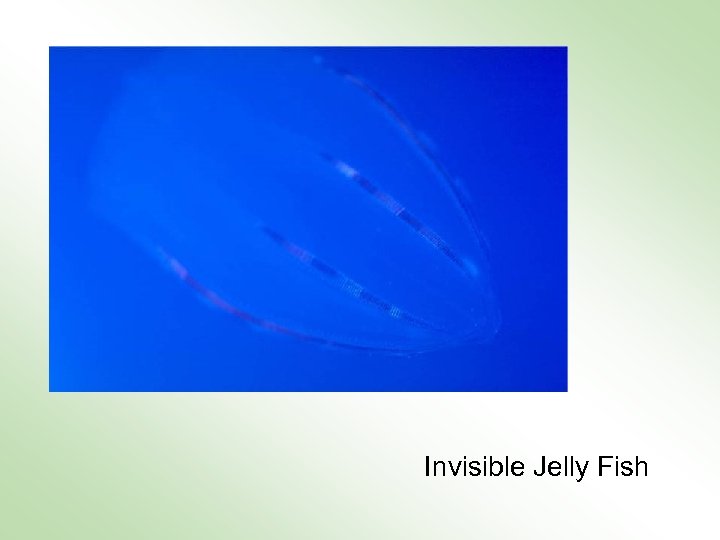 Invisible Jelly Fish
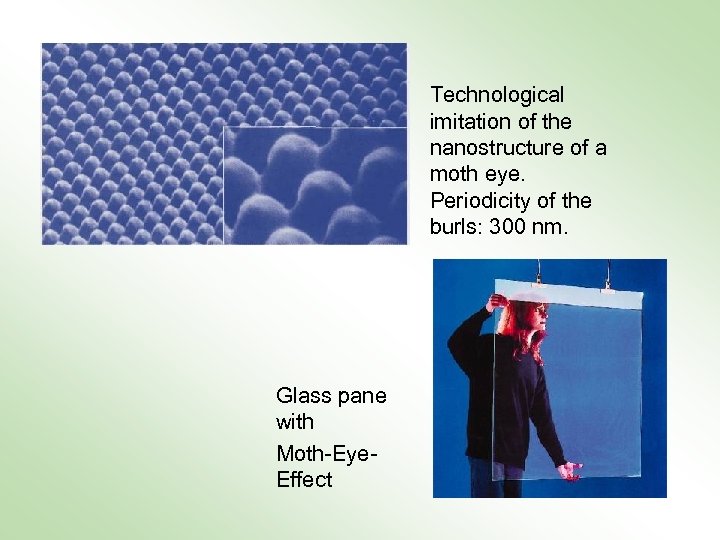 Technological imitation of the nanostructure of a moth eye. Periodicity of the burls: 300 nm. Glass pane with Moth-Eye. Effect
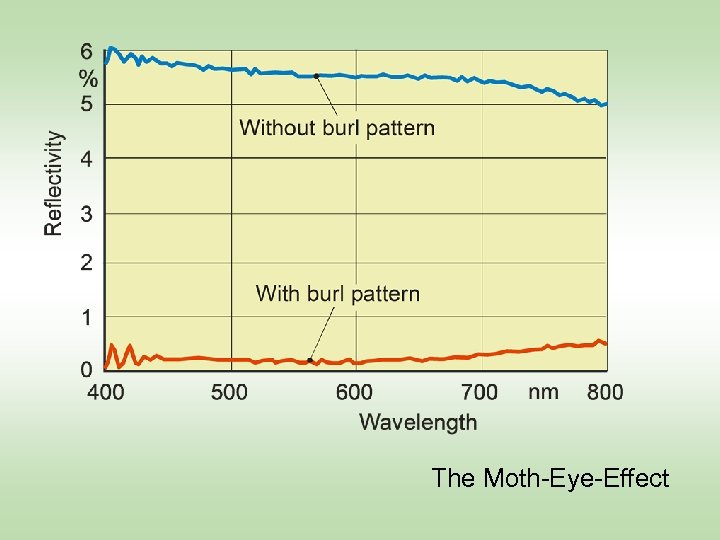 The Moth-Eye-Effect
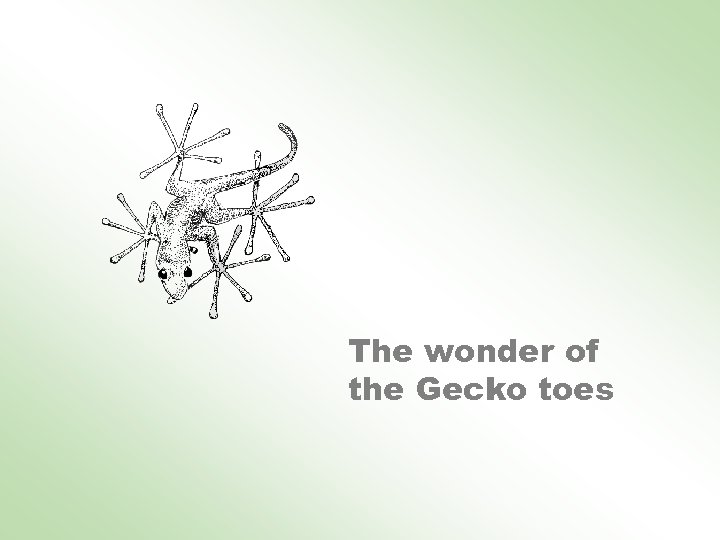 The wonder of the Gecko toes
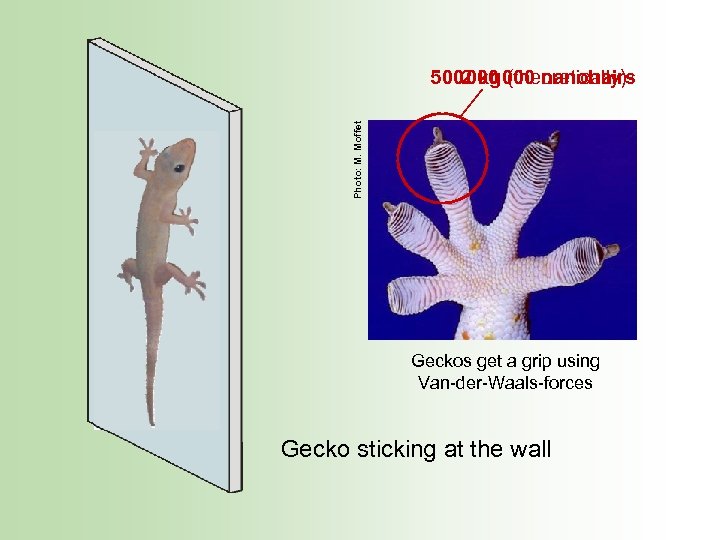 Photo: M. Moffet 5002 kg (theoretically) 000 nanohairs Geckos get a grip using Van-der-Waals-forces Gecko sticking at the wall
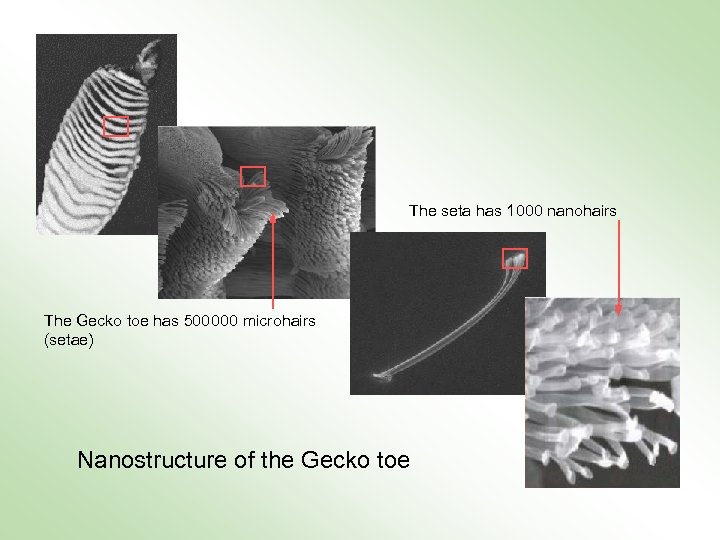 The seta has 1 000 nanohairs The Gecko toe has 500 000 microhairs (setae) Nanostructure of the Gecko toe
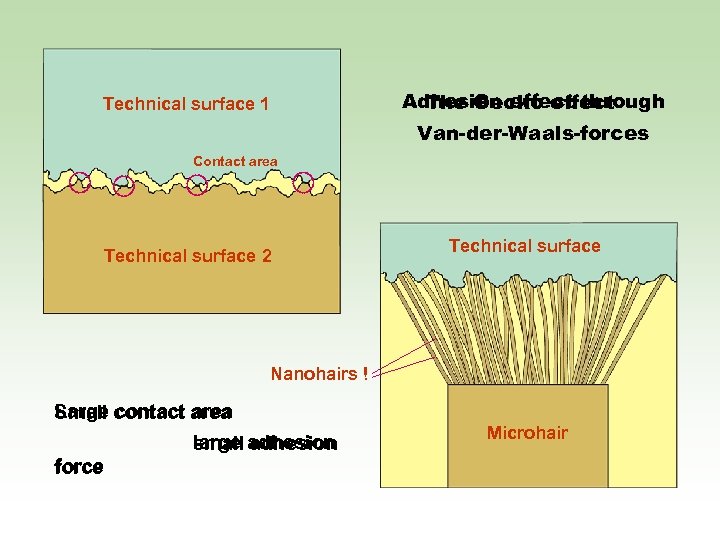 Technical surface 1 Adhesion effect through The Gecko effect Van-der-Waals-forces Contact area Technical surface 2 Technical surface Nanohairs ! Large Small contact area large adhesion small adhesion force Microhair
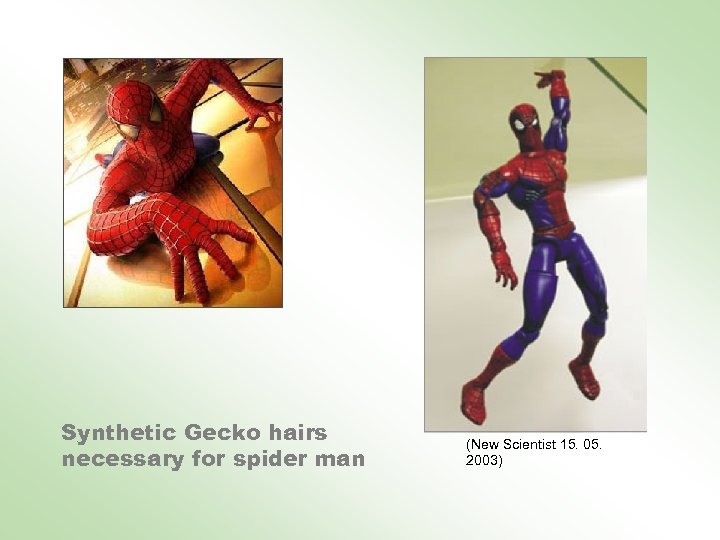 Synthetic Gecko hairs necessary for spider man (New Scientist 15. 05. 2003)
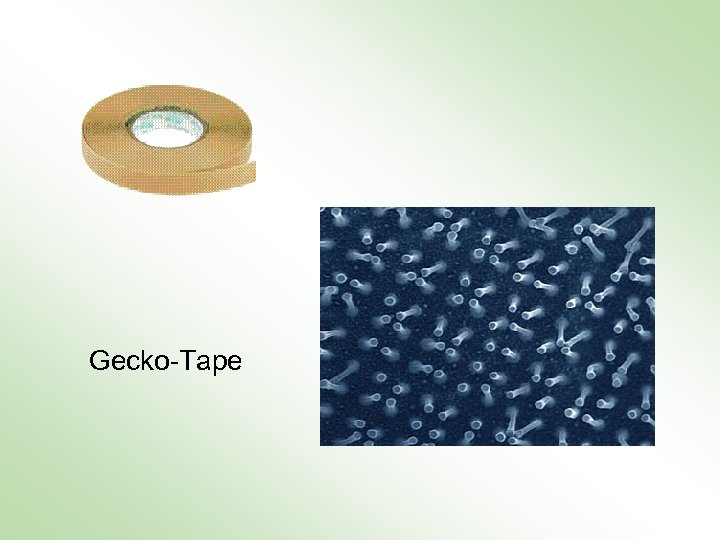 Gecko-Tape
 ? The Sandfish lives in the Sahara desert The Sandfish-Effect
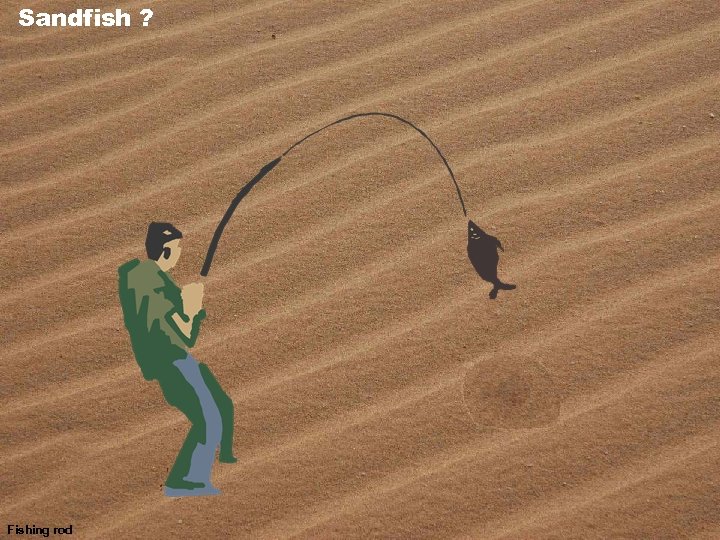 Sandfish ? Fishing rod
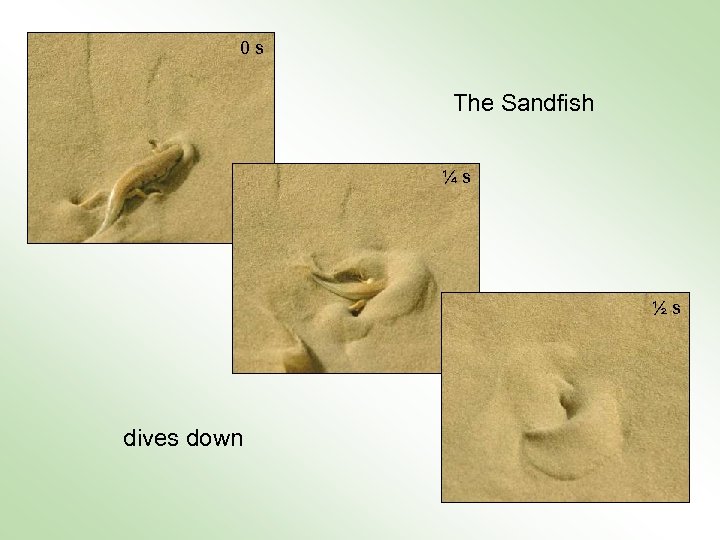 0 s The Sandfish ¼ s ½ s dives down
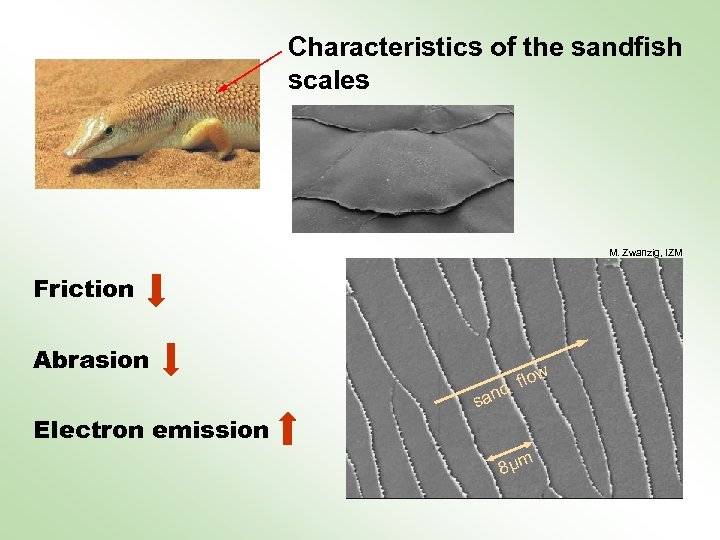 Characteristics of the sandfish scales M. Zwanzig, IZM Friction Abrasion Electron emission w flo d san 8µm
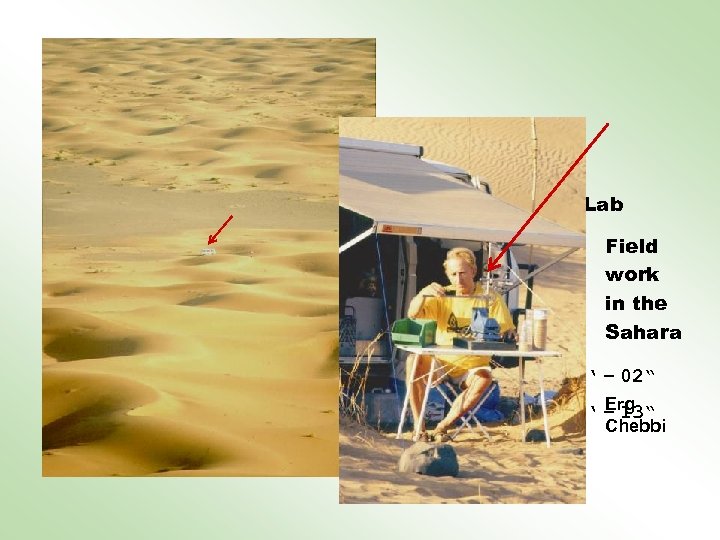 My Sahara Lab GPS: Field work in the Sahara N 31° - 15‘ – 02“ Erg W 03° - 59‘ – 13“ Chebbi
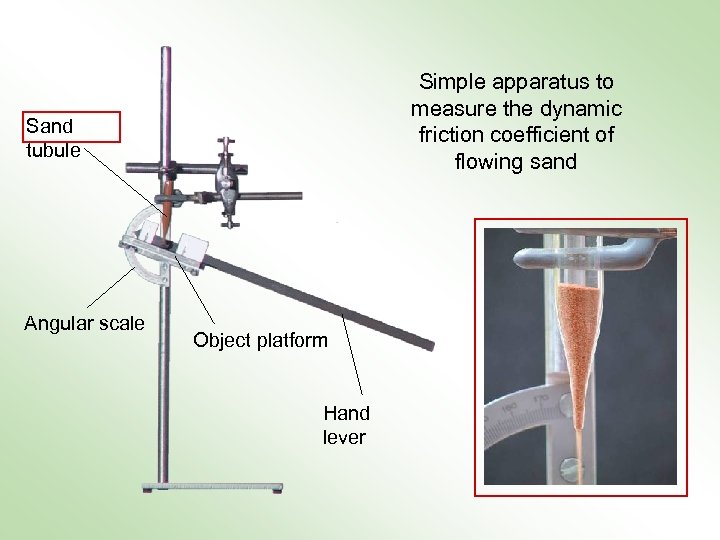 Simple apparatus to measure the dynamic friction coefficient of flowing sand Sand tubule Angular scale Object platform Hand lever
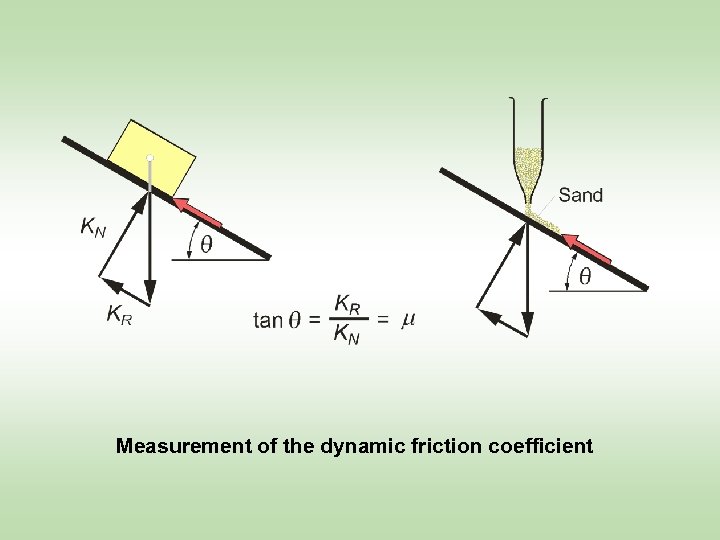 Measurement of the dynamic friction coefficient
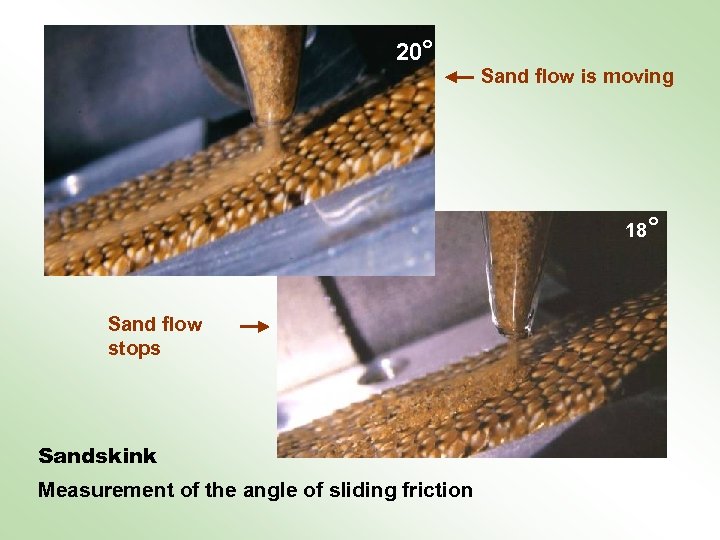 20° Sand flow is moving 18° Sand flow stops Sandskink Measurement of the angle of sliding friction
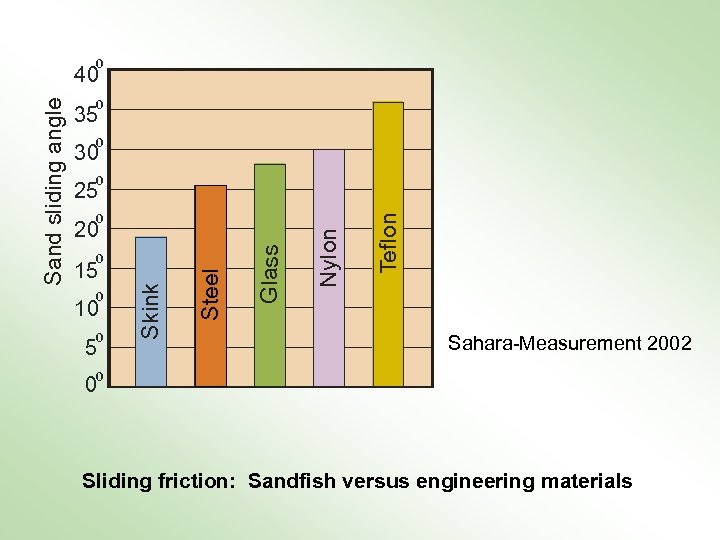 0 0 35 0 30 0 15 0 10 0 5 Steel 0 Glass 20 Nylon 0 Teflon 25 Skink Sand sliding angle 40 Sahara-Measurement 2002 0 0 Sliding friction: Sandfish versus engineering materials
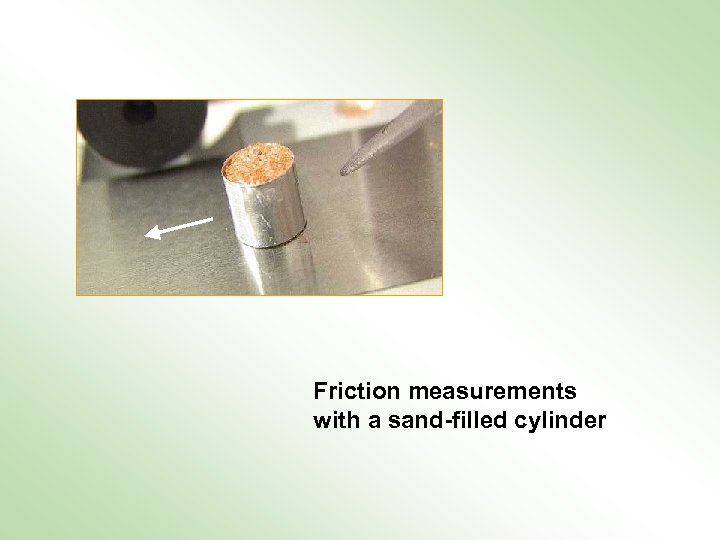 Friction measurements with a sand-filled cylinder
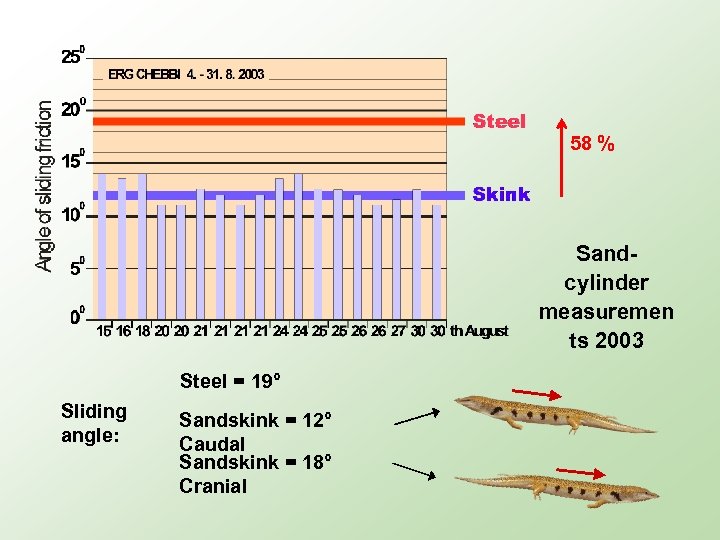 58 % Sandcylinder measuremen ts 2003 Steel = 19° Sliding angle: Sandskink = 12° Caudal Sandskink = 18° Cranial
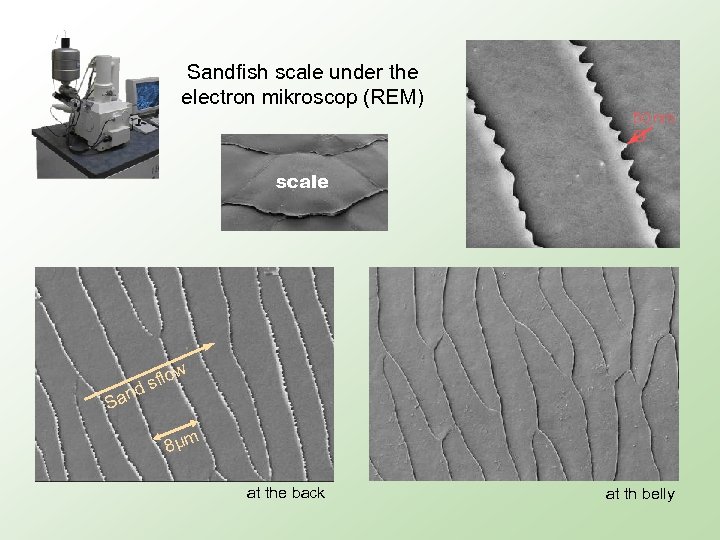 Sandfish scale under the electron mikroscop (REM) 50 nm Ø scale ow sfl nd Sa 8µm at the back at th belly
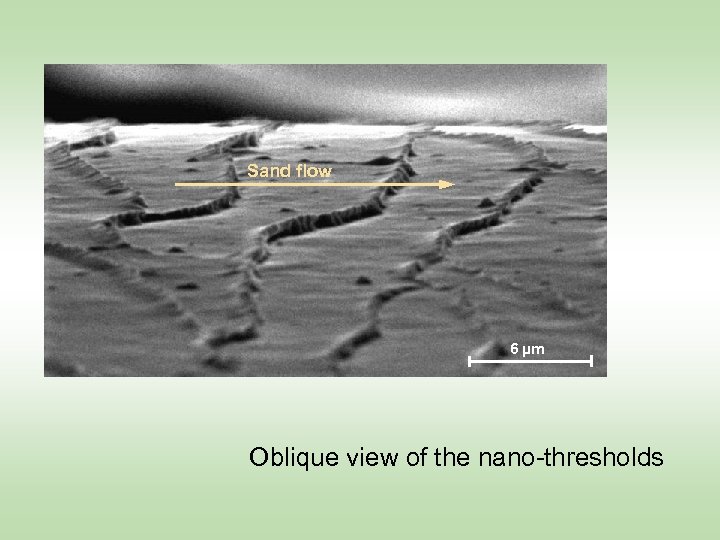 Sand flow 6 µm Oblique view of the nano-thresholds
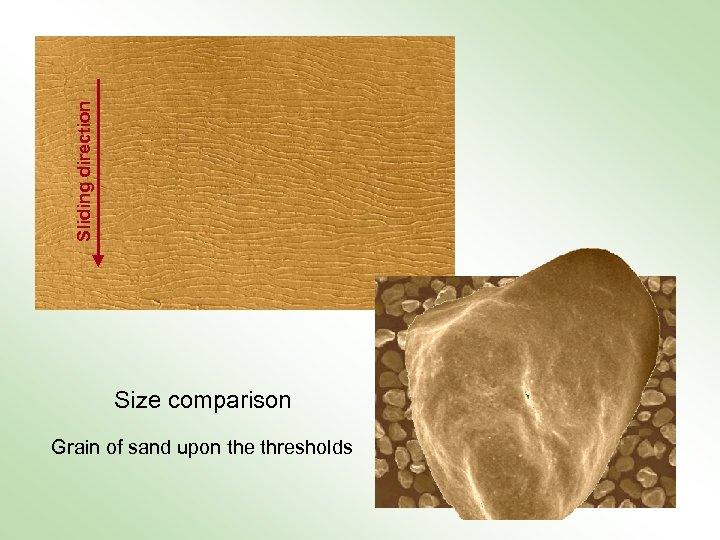 Sliding direction Size comparison Grain of sand upon the thresholds
 Abrasion of the sandfish scales
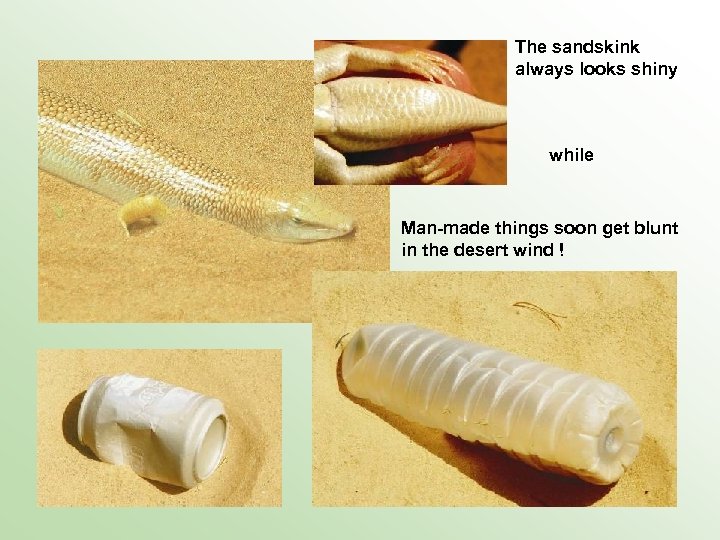 The sandskink always looks shiny while Man-made things soon get blunt in the desert wind ! The resistance to abrasion
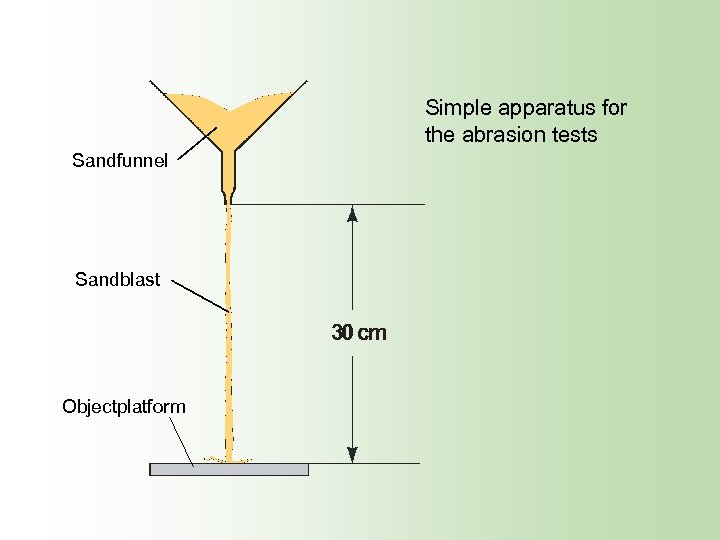 Simple apparatus for the abrasion tests Sandfunnel Sandblast Objectplatform
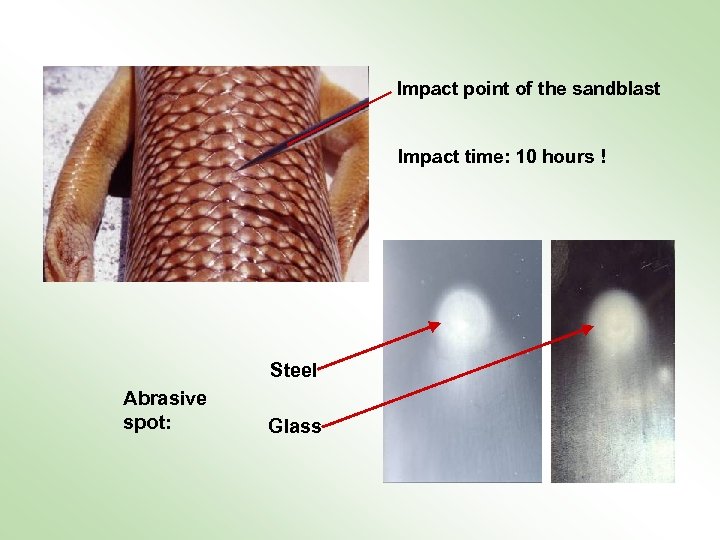 Impact point of the sandblast Impact time: 10 hours ! Steel Abrasive spot: Glass
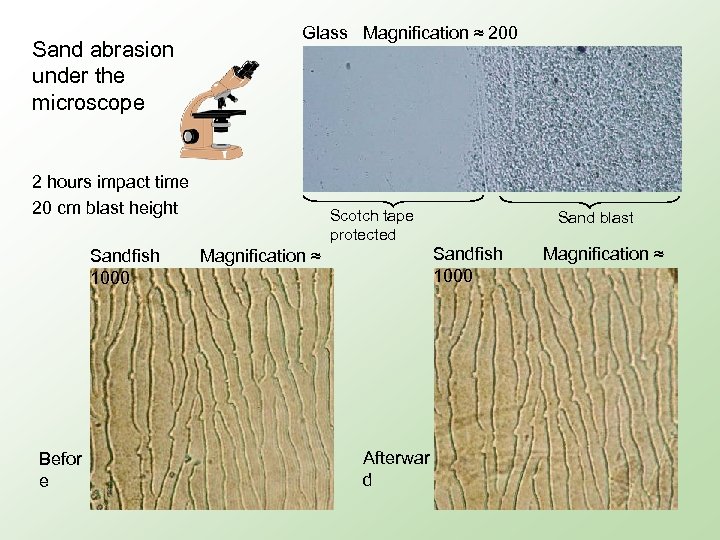 Sand abrasion under the microscope Glass Magnification ≈ 200 2 hours impact time 20 cm blast height Scotch tape protected Sandfish Magnification ≈ 1000 Befor e Sand blast Afterwar d
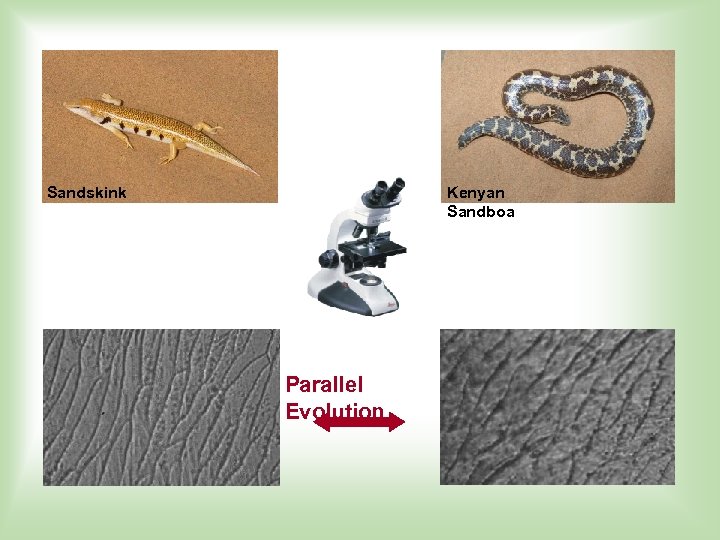 Kenyan Sandboa Sandskink Parallel Evolution
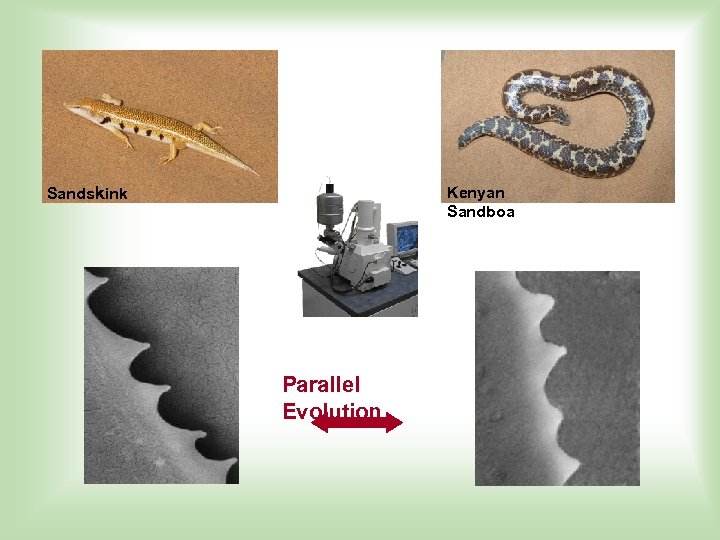 Sandskink Kenyan Sandboa Parallel Evolution
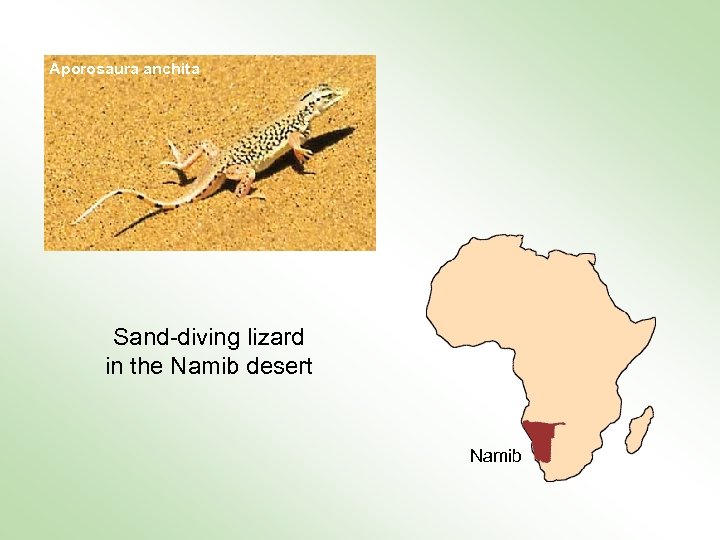 Aporosaura anchita Sand-diving lizard in the Namib desert Namib
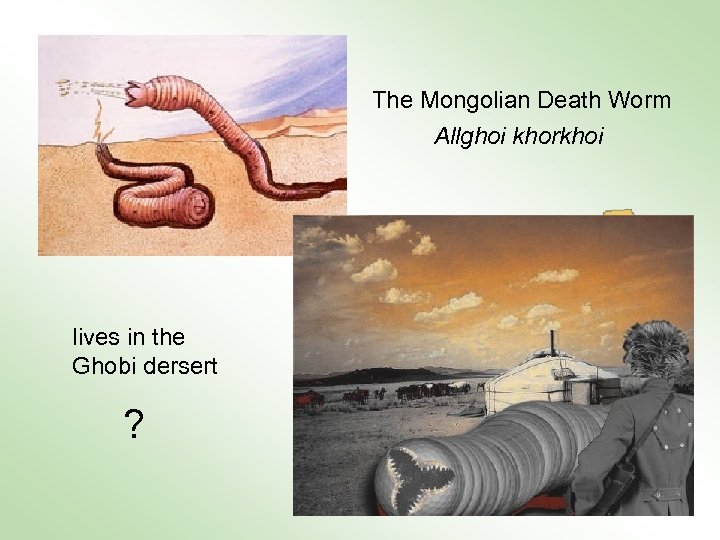 The Mongolian Death Worm Allghoi khorkhoi Ghobi lives in the Ghobi dersert ?
 Electrical charging in a sand storm
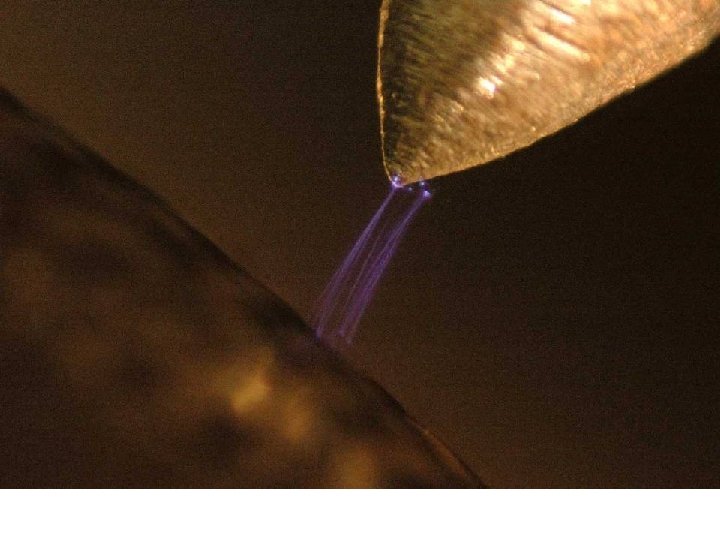 Night photo Exposure time 20 s Discharge spark on the back of the sandskink after a sand storm
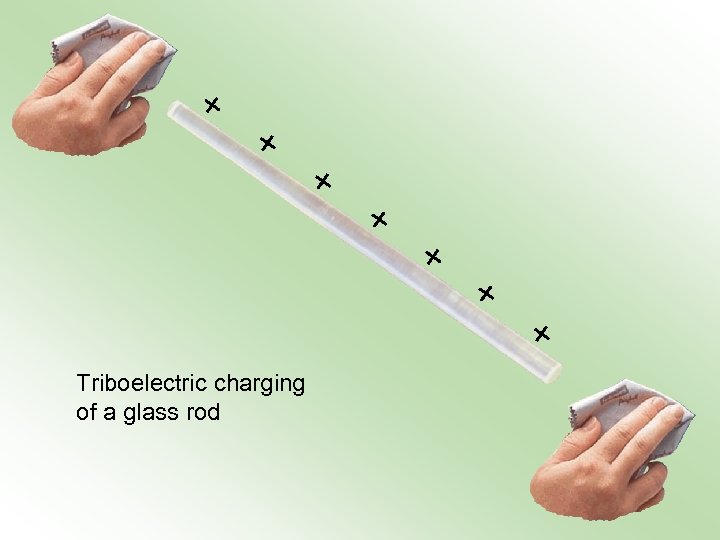 Triboelectric charging of a glass rod
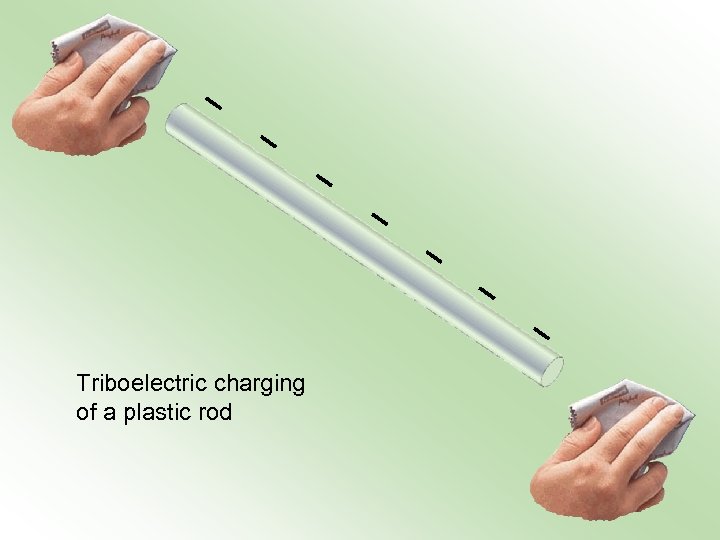 Triboelectric charging of a plastic rod
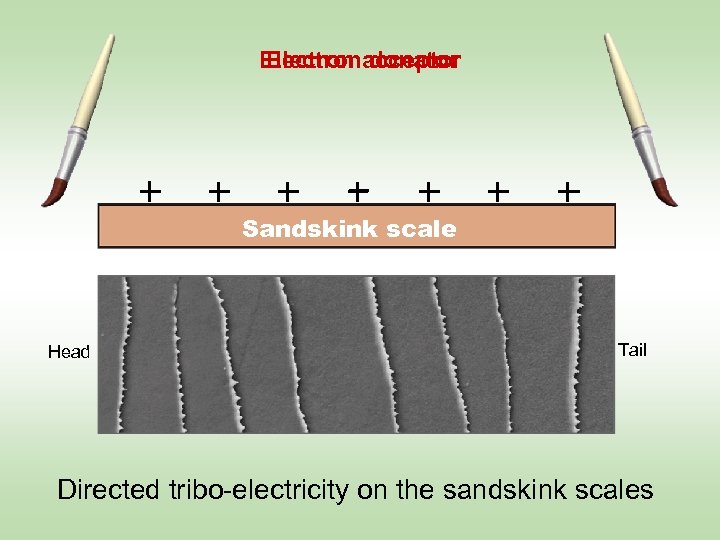 Electron acceptor Electron donator Sandskink scale Head Tail Directed tribo-electricity on the sandskink scales
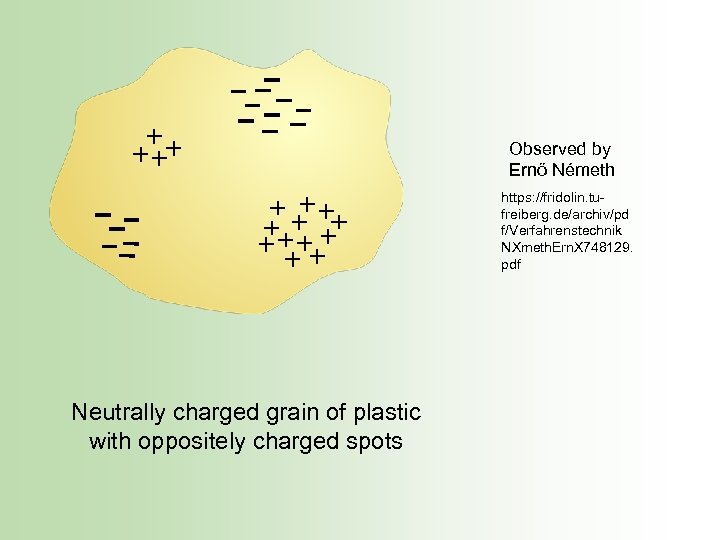 Observed by Ernő Németh https: //fridolin. tufreiberg. de/archiv/pd f/Verfahrenstechnik NXmeth. Ern. X 748129. pdf Neutrally charged grain of plastic with oppositely charged spots
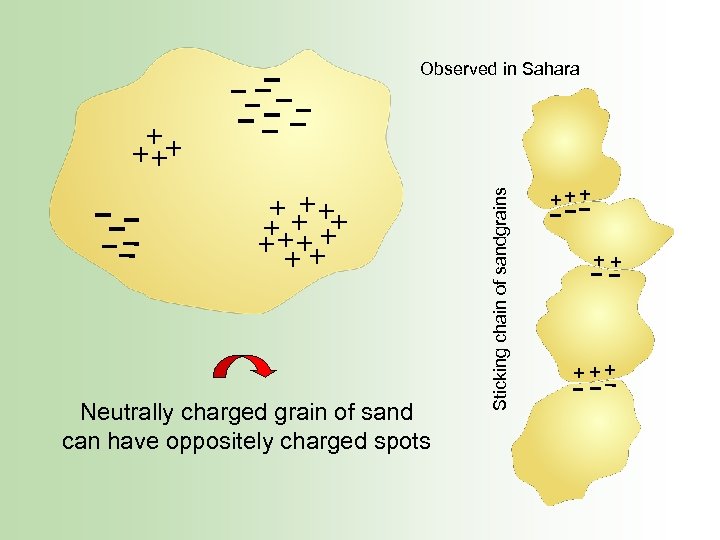 Neutrally charged grain of sand can have oppositely charged spots Sticking chain of sandgrains Observed in Sahara
 Hypothesis: The directed triboelectric experiment indicates the ease of an electron exchange from and to the Sandfish skin Electric levitation hypothesis
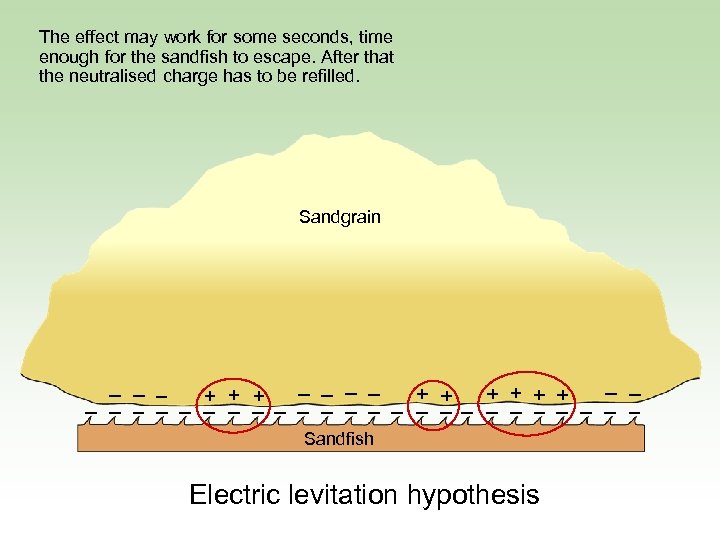 The effect may work for some seconds, time enough for the sandfish to escape. After that the neutralised charge has to be refilled. Sandgrain Sandfish Electric levitation hypothesis
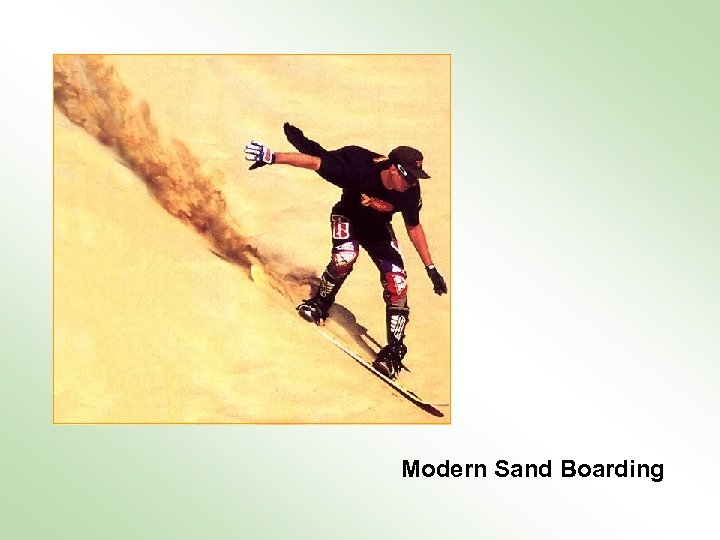 Modern Sand Boarding
 The Darkling-Beetle-Effect
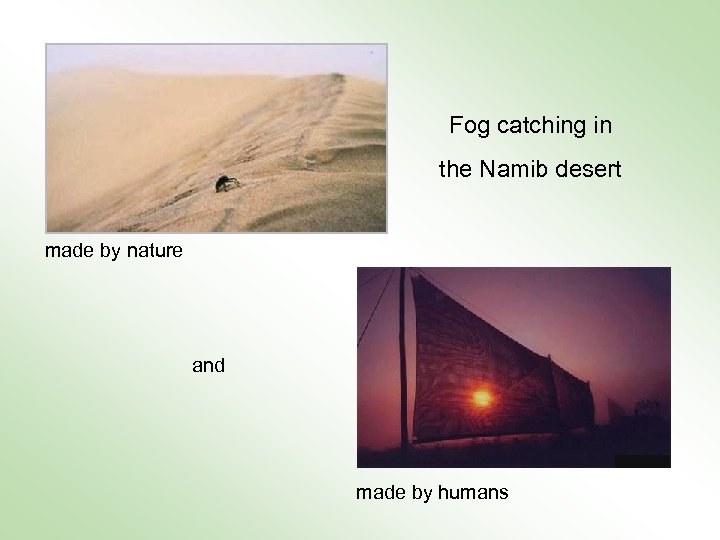 Fog catching in the Namib desert made by nature and made by humans
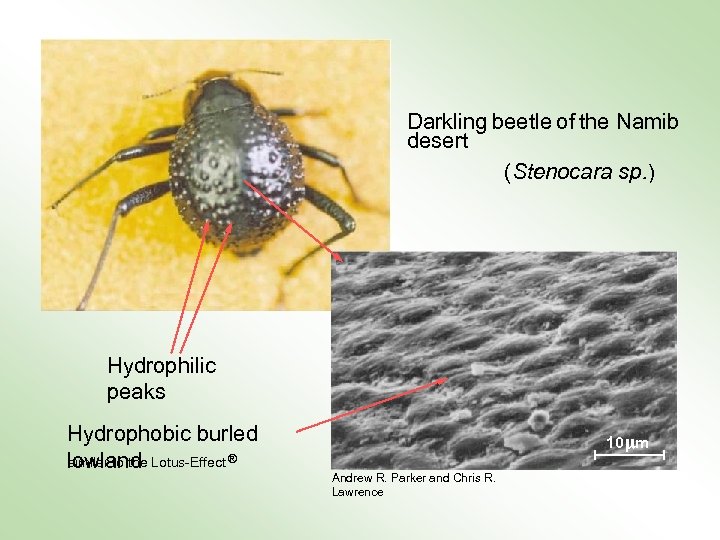 Darkling beetle of the Namib desert (Stenocara sp. ) Hydrophilic peaks Hydrophobic burled similar to the Lotus-Effect ® lowland 10 mm Andrew R. Parker and Chris R. Lawrence
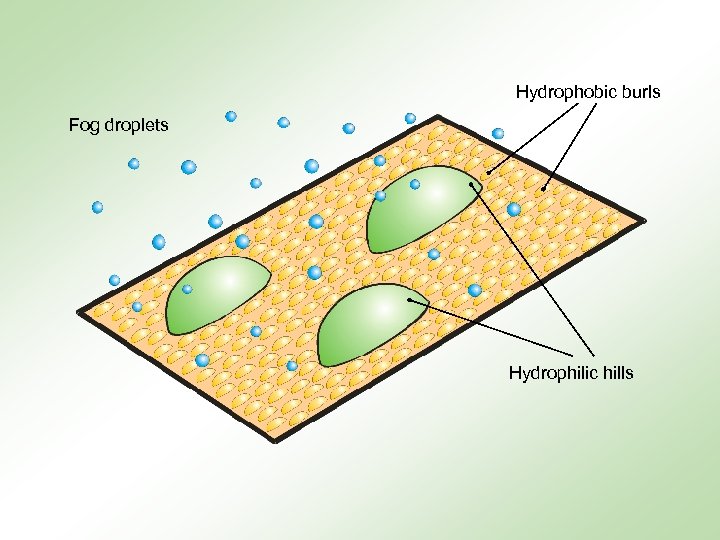 Hydrophobic burls Fog droplets Hydrophilic hills
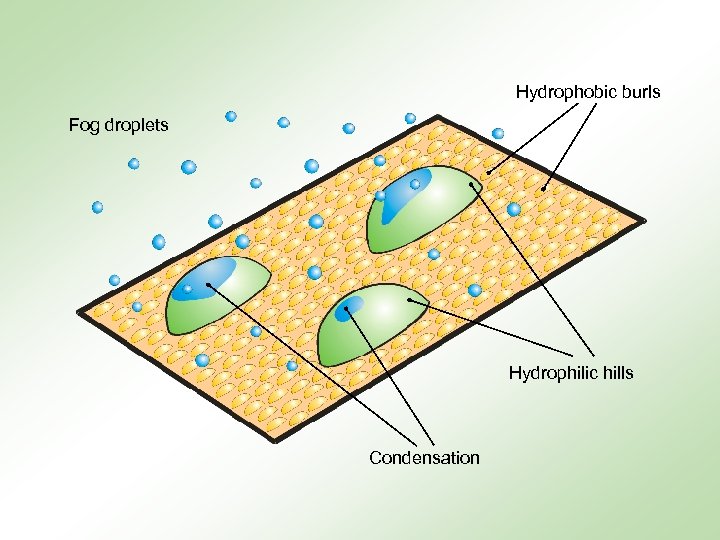 Hydrophobic burls Fog droplets Hydrophilic hills Condensation
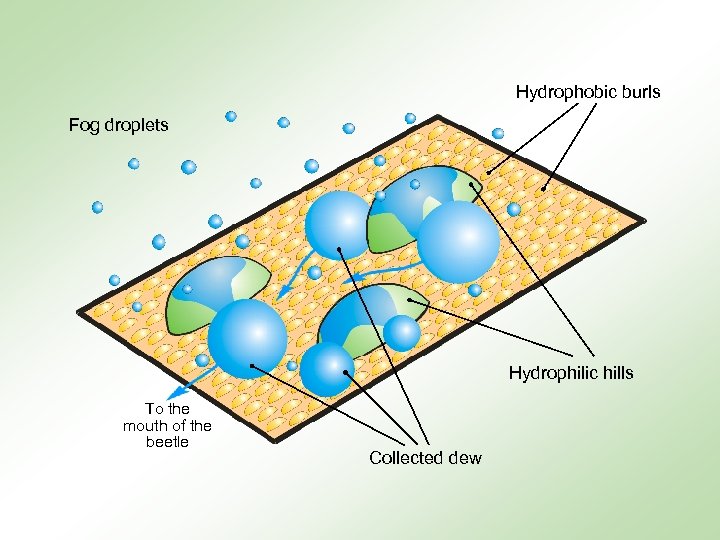 Hydrophobic burls Fog droplets Hydrophilic hills To the mouth of the beetle Collected dew
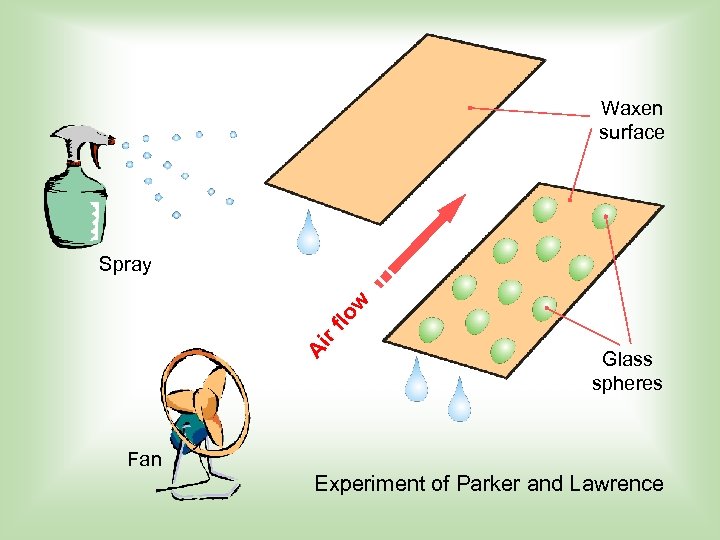 Waxen surface Ai rf lo w Spray Glass spheres Fan Experiment of Parker and Lawrence
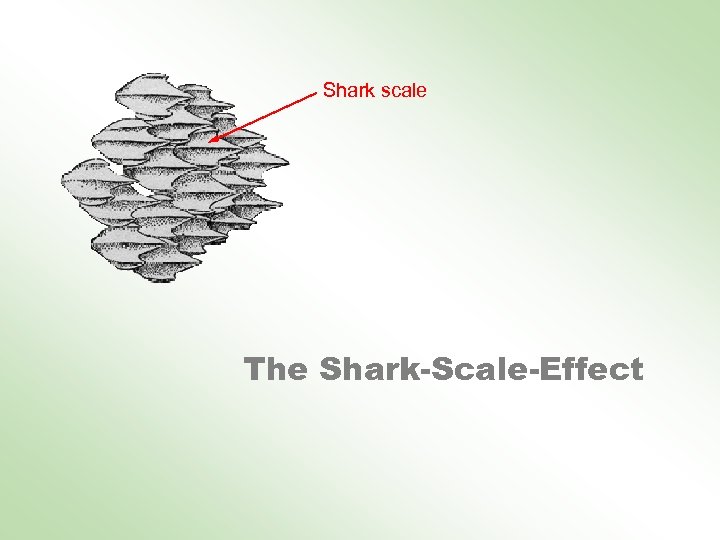 Shark scale The Shark-Scale-Effect
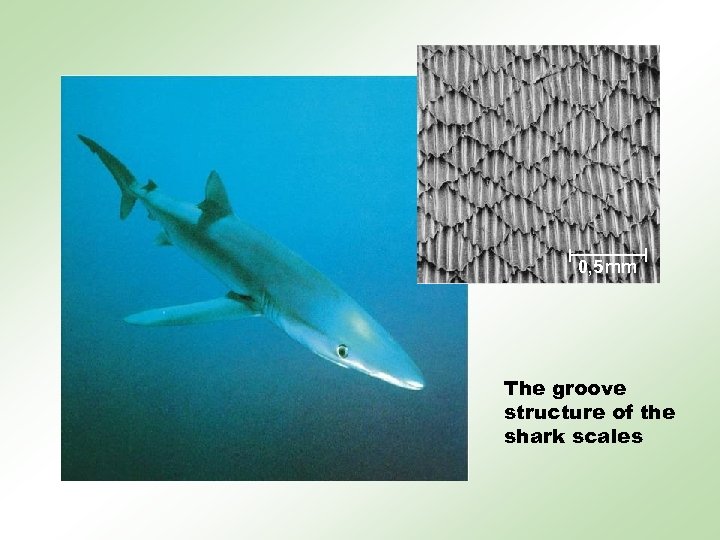 0, 5 mm The groove structure of the shark scales
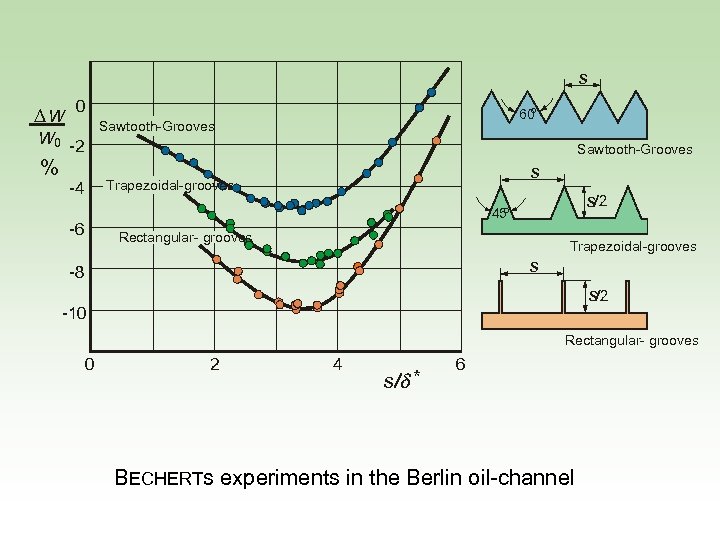 s DW W 0 % 0 o 60 Sawtooth-Grooves -2 Sawtooth-Grooves s Trapezoidal-grooves -4 s 2 o 45 -6 Rectangular- grooves Trapezoidal-grooves s -8 s 2 -10 Rectangular- grooves 0 2 4 s * 6 BECHERTs experiments in the Berlin oil-channel
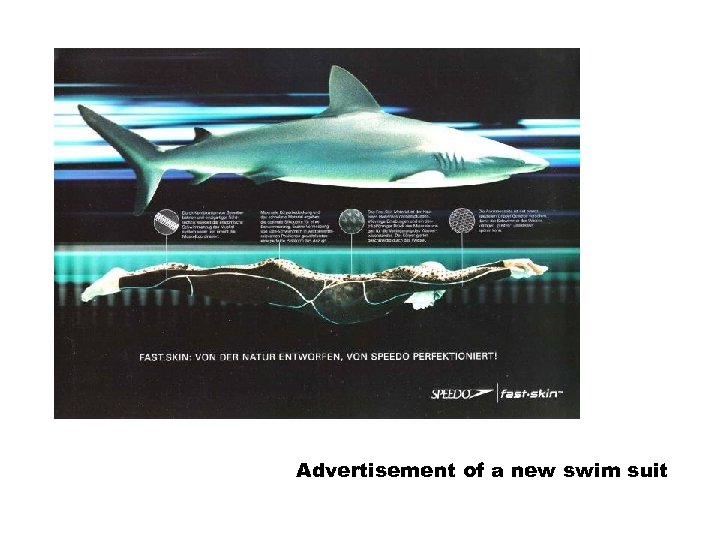 Advertisement of a new swim suit
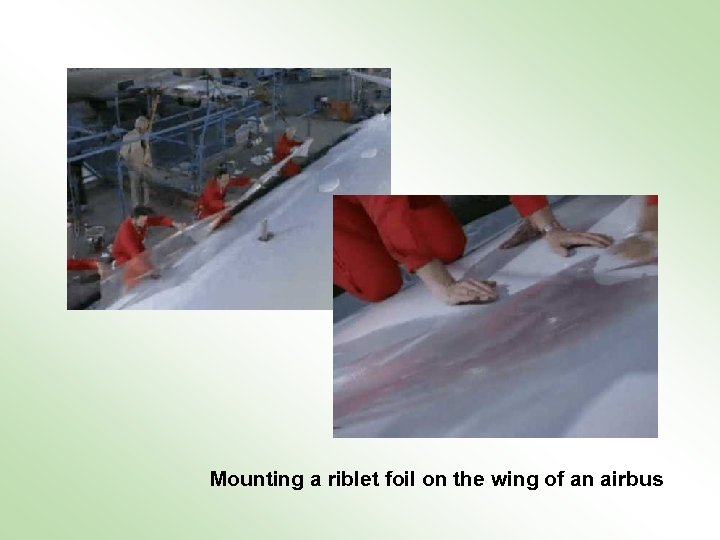 Mounting a riblet foil on the wing of an airbus
 The Water-Strider-Effect
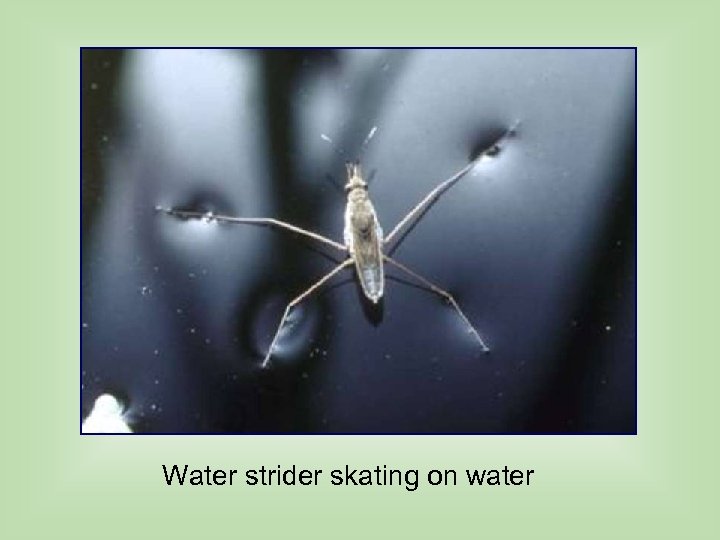 Water strider skating on water
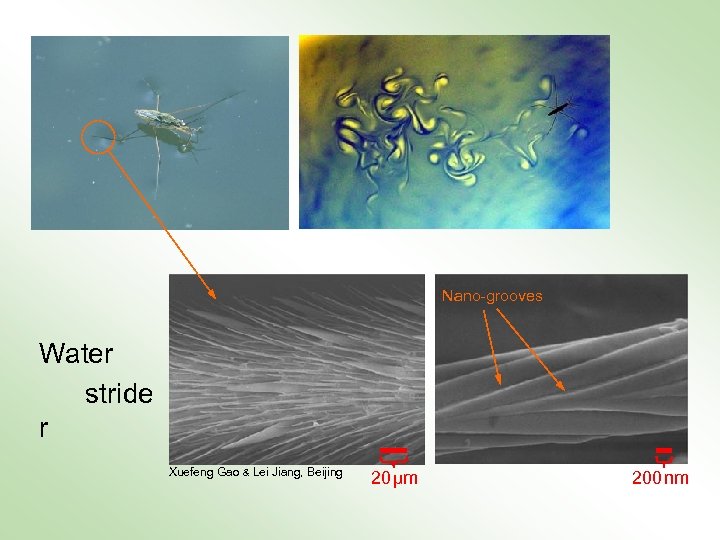 Nano-grooves Water stride r Xuefeng Gao & Lei Jiang, Beijing 20 μm 200 nm
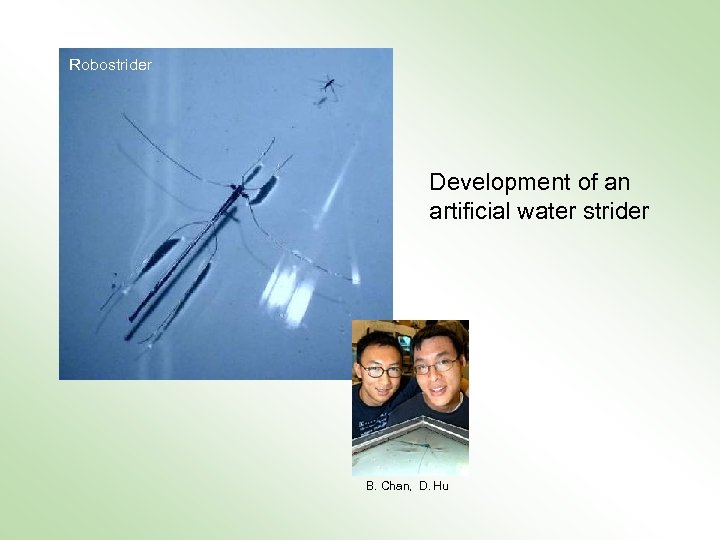 Robostrider Development of an artificial water strider B. Chan, D. Hu
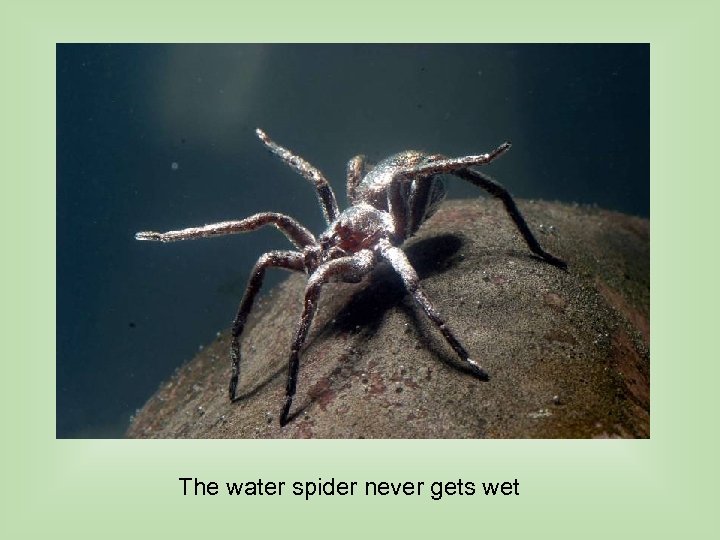 The water spider never gets wet
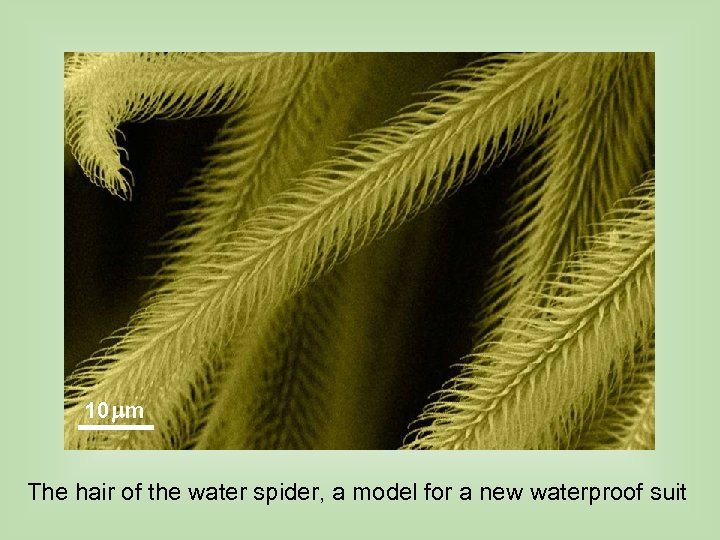 10 mm The hair of the water spider, a model for a new waterproof suit
 Thank for your attention www. bionik. tu-berlin. de