 Скачать презентацию Thought barriers to understanding rheumatic diseases Halsted Holman
184f2cbfe90c4abe621f86e1e9bc9063.ppt
- Количество слайдов: 55



Thought barriers to understanding rheumatic diseases: Halsted Holman revisited Hasan Yazıcı University of Istanbul Disclosers: none
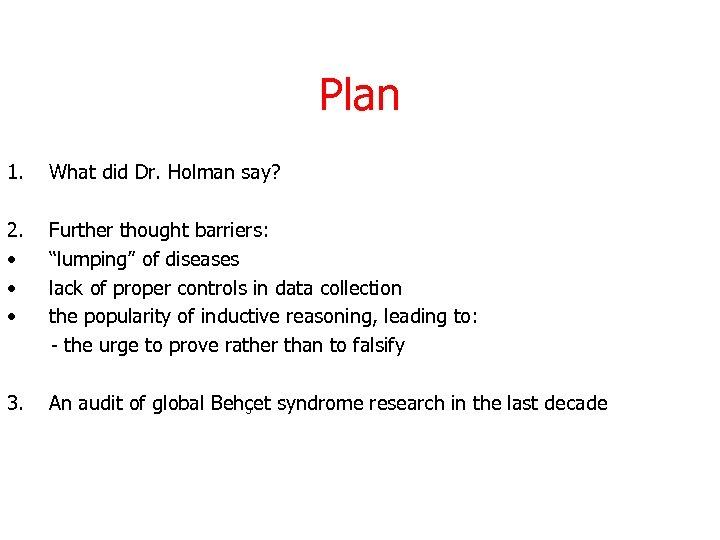
Plan 1. What did Dr. Holman say? 2. • • • Further thought barriers: “lumping” of diseases lack of proper controls in data collection the popularity of inductive reasoning, leading to: - the urge to prove rather than to falsify 3. An audit of global Behçet syndrome research in the last decade
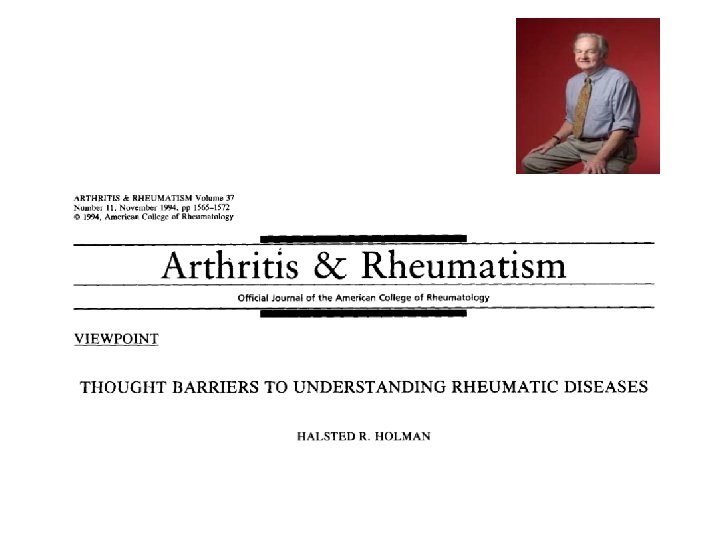
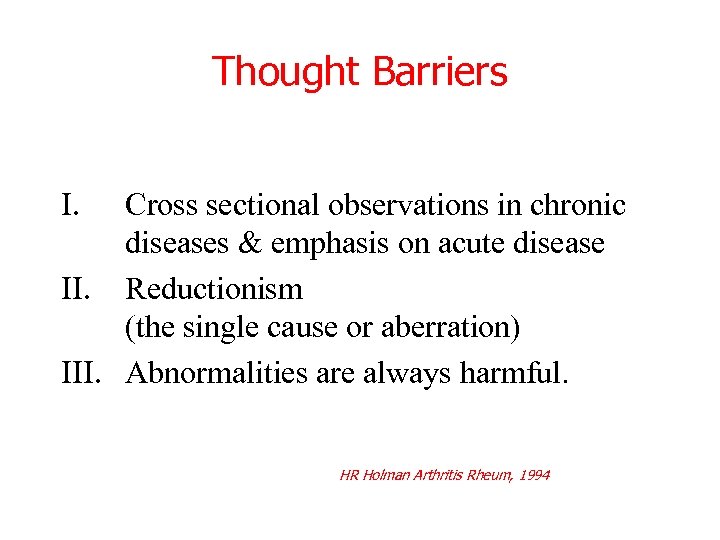
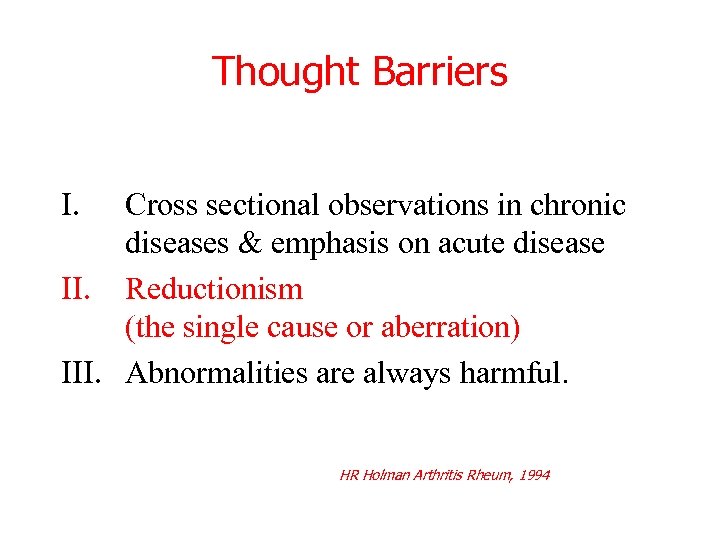
Thought Barriers I. Cross sectional observations in chronic diseases & emphasis on acute disease II. Reductionism (the single cause or aberration) III. Abnormalities are always harmful. HR Holman Arthritis Rheum, 1994
Thought Barriers I. Cross sectional observations in chronic diseases & emphasis on acute disease II. Reductionism (the single cause or aberration) III. Abnormalities are always harmful. HR Holman Arthritis Rheum, 1994
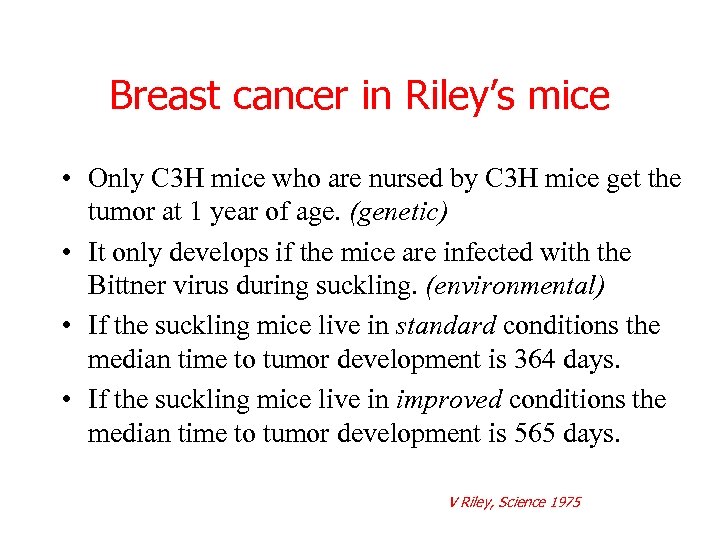
Breast cancer in Riley’s mice • Only C 3 H mice who are nursed by C 3 H mice get the tumor at 1 year of age. (genetic) • It only develops if the mice are infected with the Bittner virus during suckling. (environmental) • If the suckling mice live in standard conditions the median time to tumor development is 364 days. • If the suckling mice live in improved conditions the median time to tumor development is 565 days. V Riley, Science 1975
Thought Barriers I. Cross sectional observations in chronic diseases & emphasis on acute disease II. Reductionism (the single cause or aberration) III. Abnormalities are always harmful. HR Holman Arthritis Rheum, 1994
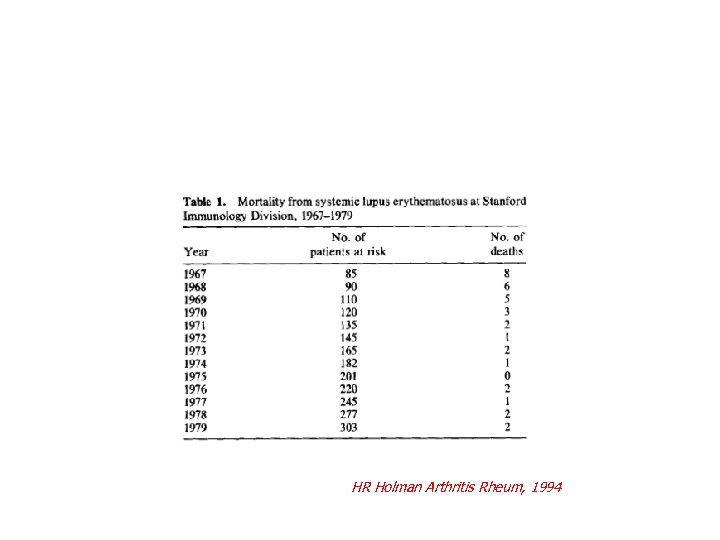
HR Holman Arthritis Rheum, 1994
Further Issues • • What maintains chronicity? Target organ variability Inter and intra patient disease severity Discordance between clinical and laboratory findings • Variation in age of onset in “genetic” disease • Variation in response to therapy • How does the disease go away?
Additional thought barriers • Lumping • Lack of attention to the proper control groups • Inductive reasoning leading to the urge to prove, not to falsify
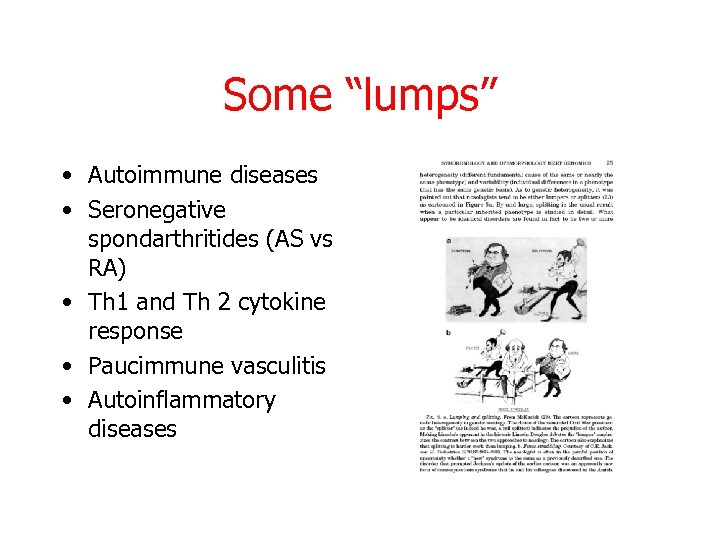
Some “lumps” • Autoimmune diseases • Seronegative spondarthritides (AS vs RA) • Th 1 and Th 2 cytokine response • Paucimmune vasculitis • Autoinflammatory diseases
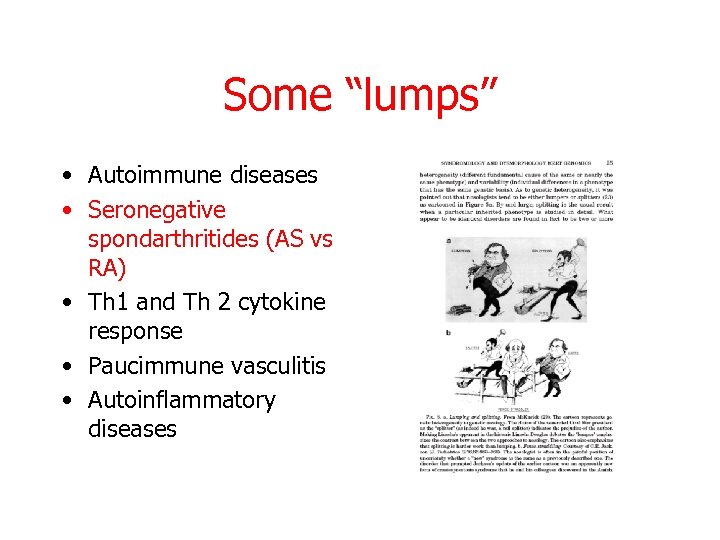
Some “lumps” • Autoimmune diseases • Seronegative spondarthritides (AS vs RA) • Th 1 and Th 2 cytokine response • Paucimmune vasculitis • Autoinflammatory diseases
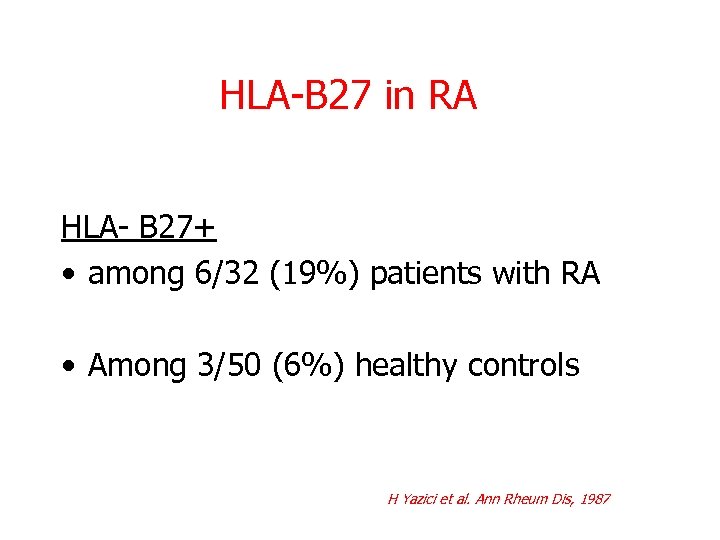
HLA-B 27 in RA HLA- B 27+ • among 6/32 (19%) patients with RA • Among 3/50 (6%) healthy controls H Yazici et al. Ann Rheum Dis, 1987
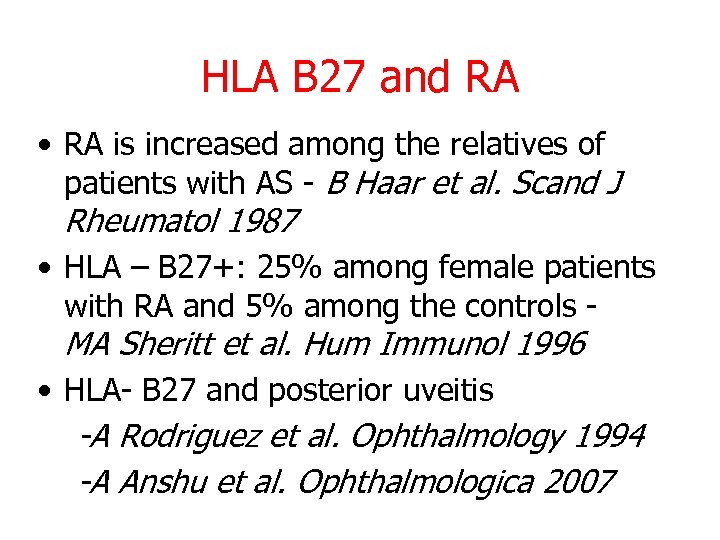
HLA B 27 and RA • RA is increased among the relatives of patients with AS - B Haar et al. Scand J Rheumatol 1987 • HLA – B 27+: 25% among female patients with RA and 5% among the controls MA Sheritt et al. Hum Immunol 1996 • HLA- B 27 and posterior uveitis -A Rodriguez et al. Ophthalmology 1994 -A Anshu et al. Ophthalmologica 2007
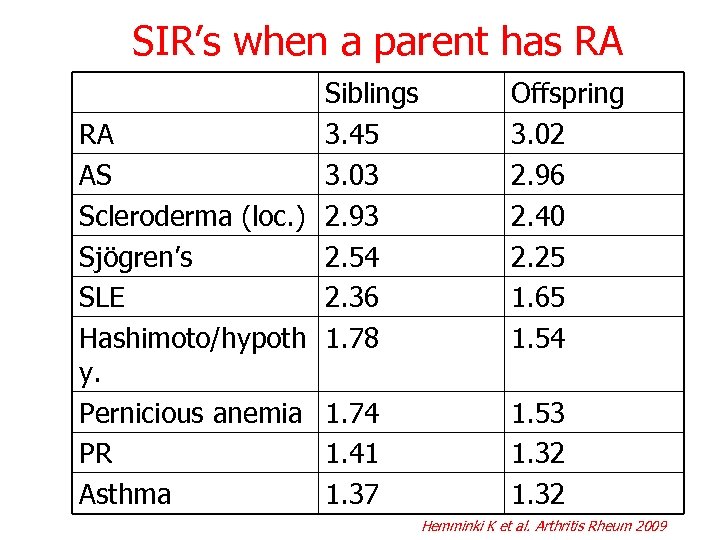
SIR’s when a parent has RA Siblings RA 3. 45 AS 3. 03 Scleroderma (loc. ) 2. 93 Sjögren’s 2. 54 SLE 2. 36 Hashimoto/hypoth 1. 78 y. Pernicious anemia 1. 74 PR 1. 41 Asthma 1. 37 Offspring 3. 02 2. 96 2. 40 2. 25 1. 65 1. 54 1. 53 1. 32 Hemminki K et al. Arthritis Rheum 2009
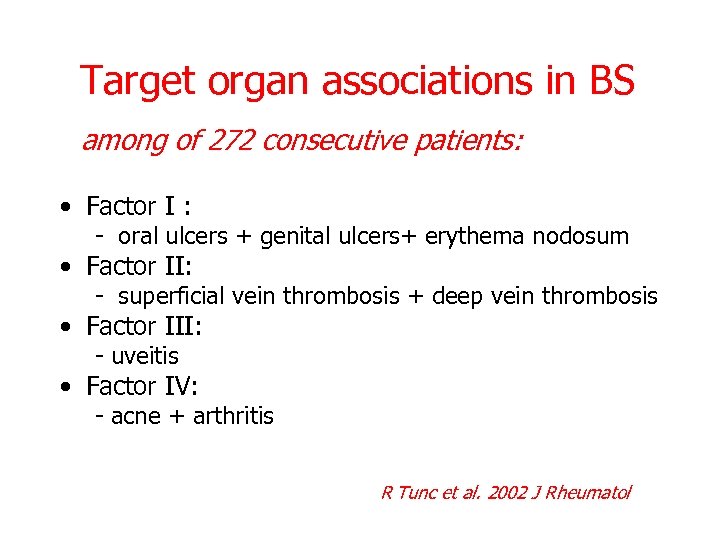
Target organ associations in BS among of 272 consecutive patients: • Factor I : - oral ulcers + genital ulcers+ erythema nodosum • Factor II: - superficial vein thrombosis + deep vein thrombosis • Factor III: - uveitis • Factor IV: - acne + arthritis R Tunc et al. 2002 J Rheumatol
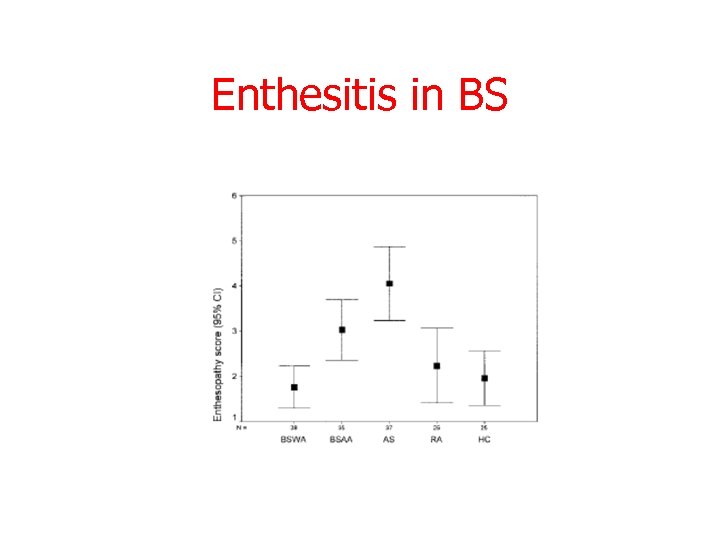
Enthesitis in BS
G Hatemi et al. Arthritis Rheum, in print
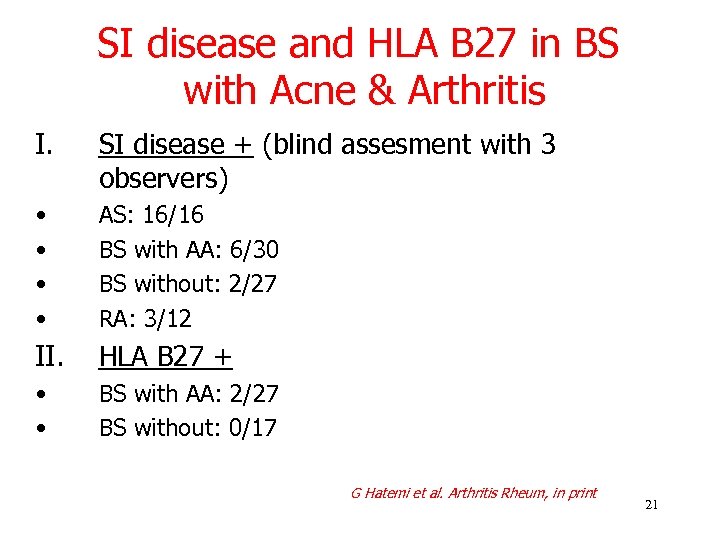
SI disease and HLA B 27 in BS with Acne & Arthritis I. SI disease + (blind assesment with 3 observers) • • AS: 16/16 BS with AA: 6/30 BS without: 2/27 RA: 3/12 II. HLA B 27 + • • BS with AA: 2/27 BS without: 0/17 G Hatemi et al. Arthritis Rheum, in print 21
Fact or Myth • Behçet’s syndrome is an autoinflammatory condition.
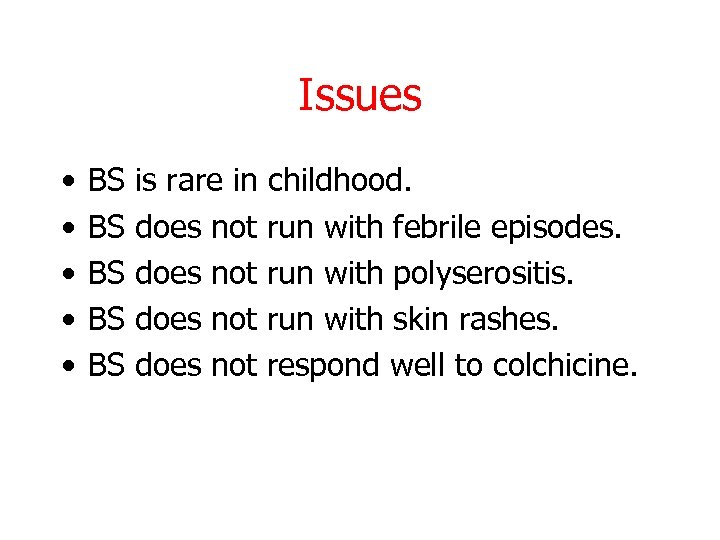
Issues • • • BS BS BS is rare in childhood. does not run with febrile episodes. does not run with polyserositis. does not run with skin rashes. does not respond well to colchicine.
Web resources for rare autoinflammatory diseases: towards a common patient registry I Touitou et al. Rheumatology , 2009
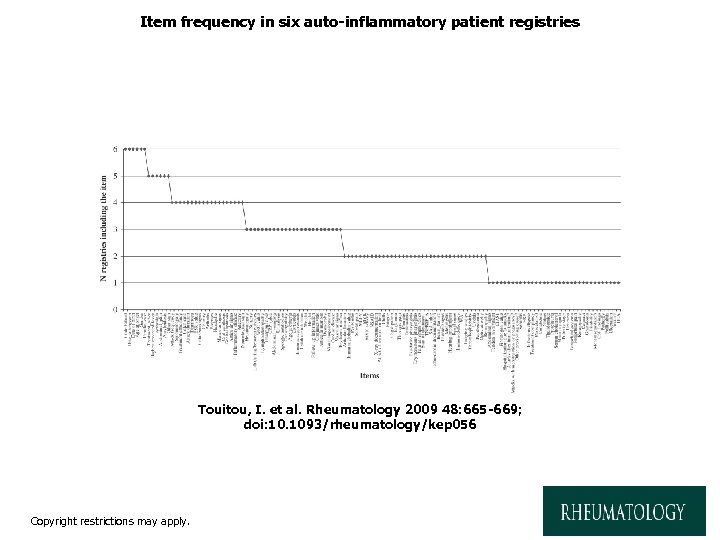
Item frequency in six auto-inflammatory patient registries Touitou, I. et al. Rheumatology 2009 48: 665 -669; doi: 10. 1093/rheumatology/kep 056 Copyright restrictions may apply.
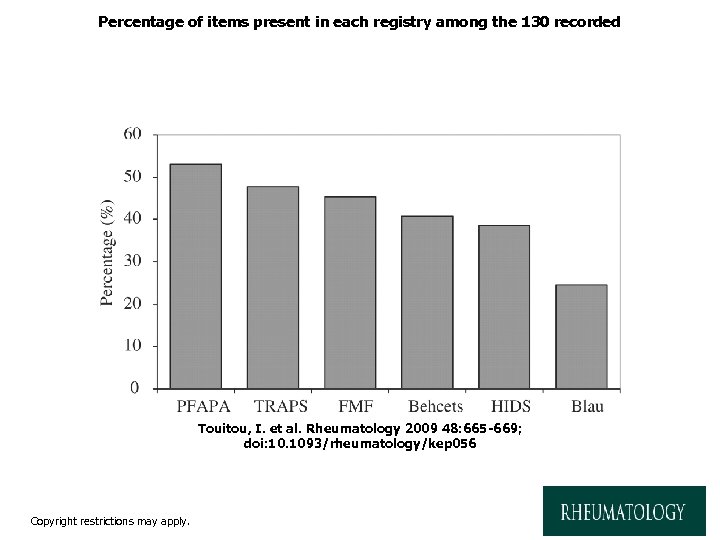
Percentage of items present in each registry among the 130 recorded Touitou, I. et al. Rheumatology 2009 48: 665 -669; doi: 10. 1093/rheumatology/kep 056 Copyright restrictions may apply.
Additional thought barriers • Lumping • Lack of attention to the proper control groups • Inductive reasoning leading to the urge to prove, not to falsify
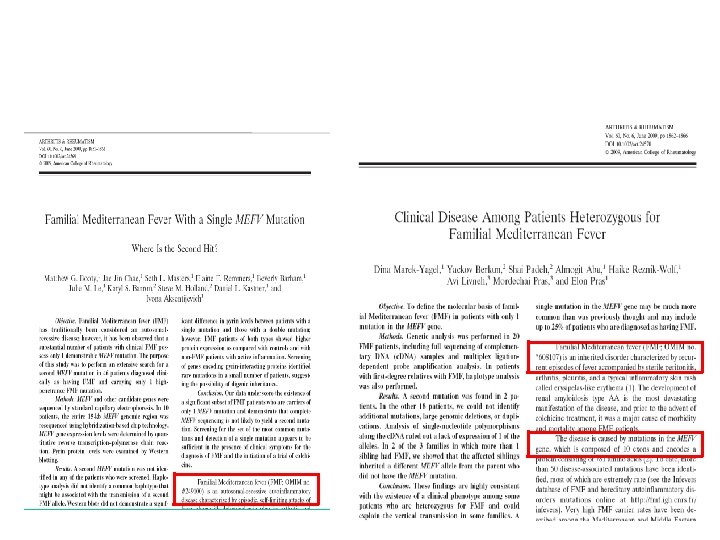
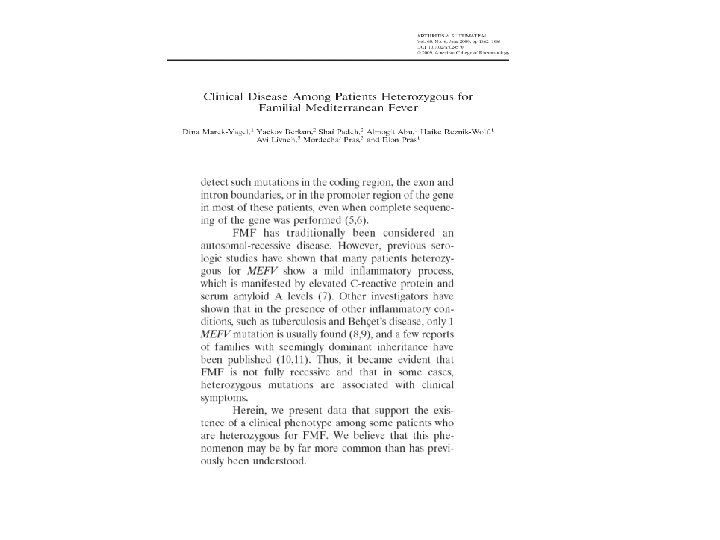
What is FMF? • “FMF is an automasal recessive disease caused by mutations in the MEFV gene. ” J Irrep Res 1998 -
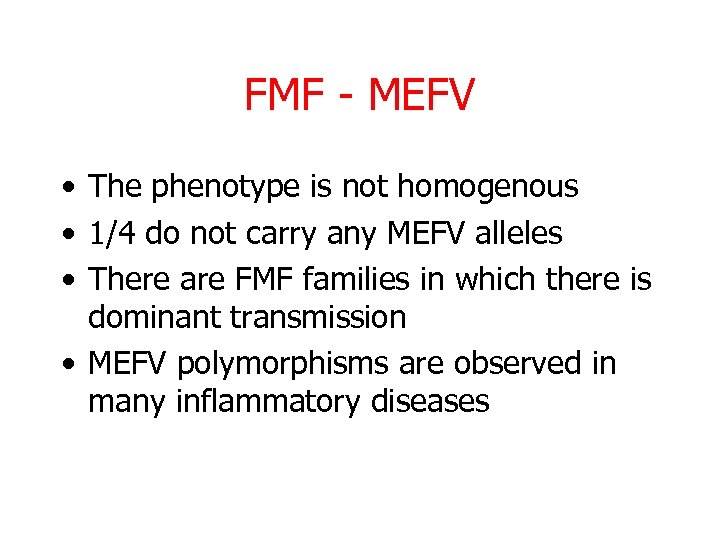
FMF - MEFV • The phenotype is not homogenous • 1/4 do not carry any MEFV alleles • There are FMF families in which there is dominant transmission • MEFV polymorphisms are observed in many inflammatory diseases
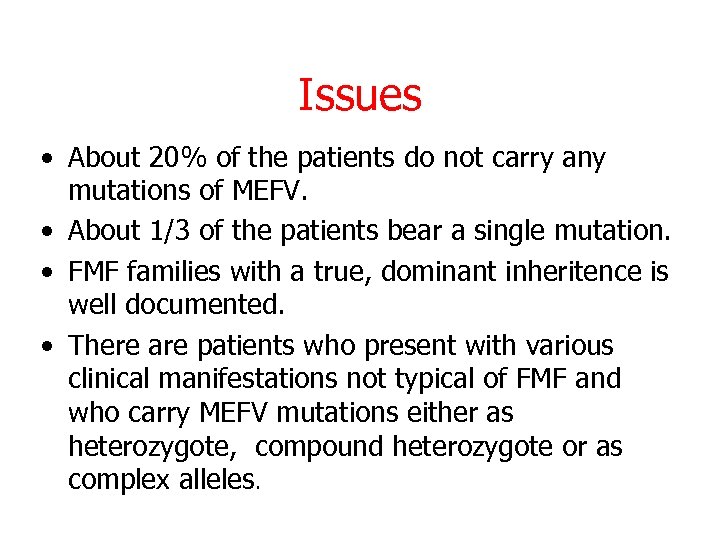
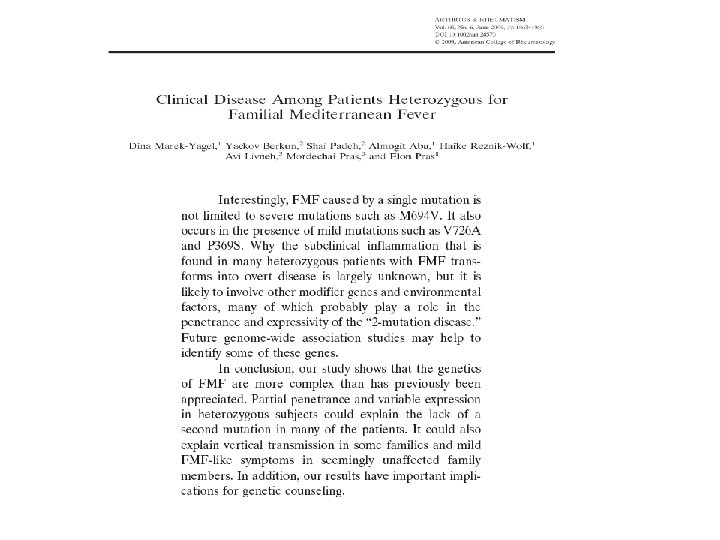
Issues • About 20% of the patients do not carry any mutations of MEFV. • About 1/3 of the patients bear a single mutation. • FMF families with a true, dominant inheritence is well documented. • There are patients who present with various clinical manifestations not typical of FMF and who carry MEFV mutations either as heterozygote, compound heterozygote or as complex alleles.
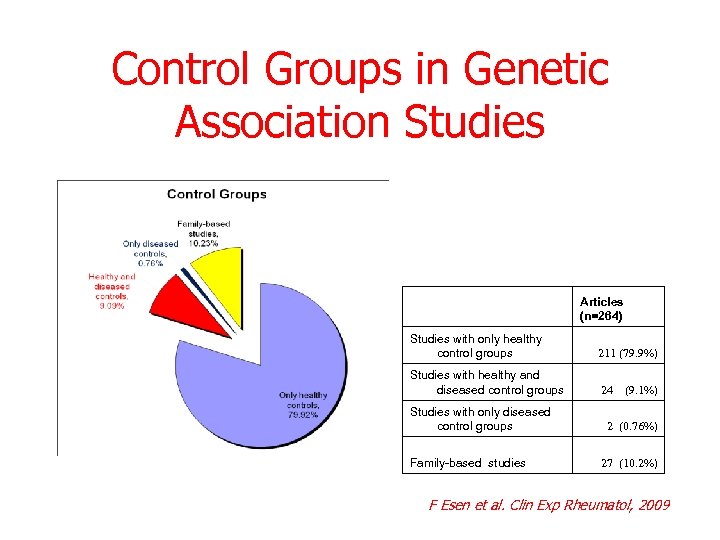
Control Groups in Genetic Association Studies Articles (n=264) Studies with only healthy control groups 211 (79. 9%) Studies with healthy and diseased control groups 24 Studies with only diseased control groups Family-based studies (9. 1%) 2 (0. 76%) 27 (10. 2%) F Esen et al. Clin Exp Rheumatol, 2009
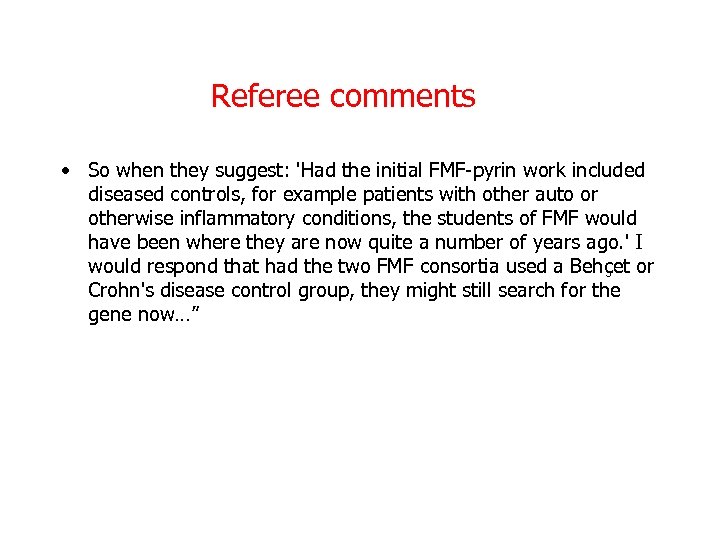
Referee comments • So when they suggest: 'Had the initial FMF-pyrin work included diseased controls, for example patients with other auto or otherwise inflammatory conditions, the students of FMF would have been where they are now quite a number of years ago. ' I would respond that had the two FMF consortia used a Behçet or Crohn's disease control group, they might still search for the gene now…”

Additional thought barriers • Lumping • Lack of attention to the proper control groups • Inductive reasoning leading to the urge to prove, not to falsify
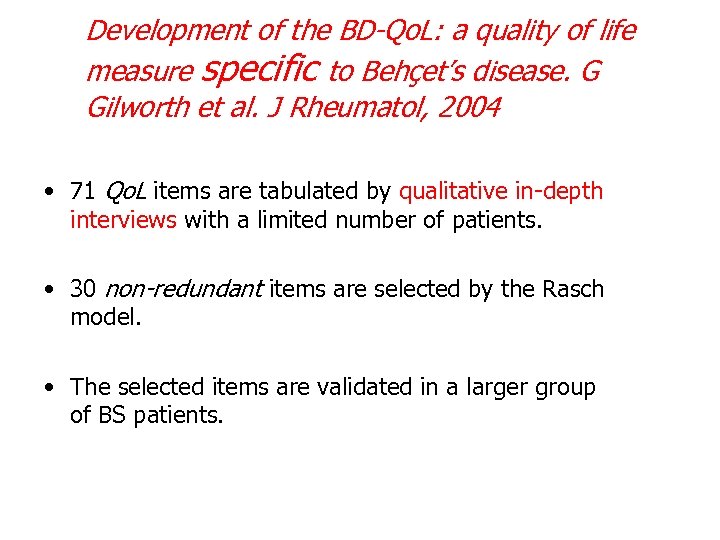
Development of the BD-Qo. L: a quality of life measure specific to Behçet’s disease. G Gilworth et al. J Rheumatol, 2004 • 71 Qo. L items are tabulated by qualitative in-depth interviews with a limited number of patients. • 30 non-redundant items are selected by the Rasch model. • The selected items are validated in a larger group of BS patients.
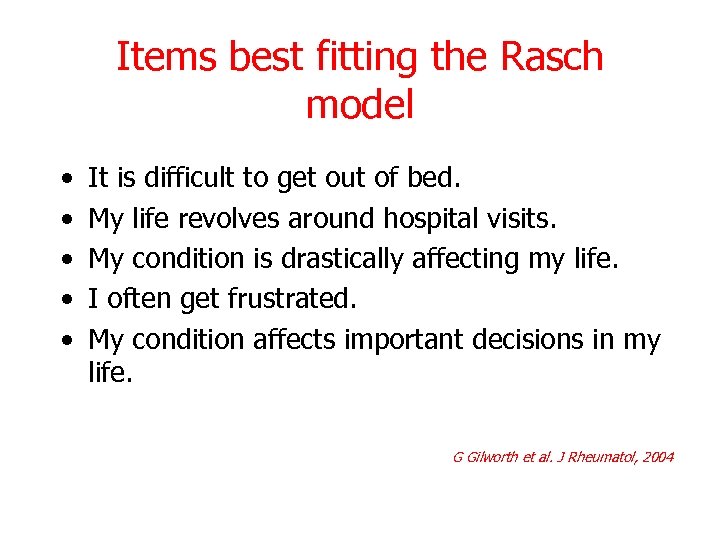
Items best fitting the Rasch model • • • It is difficult to get out of bed. My life revolves around hospital visits. My condition is drastically affecting my life. I often get frustrated. My condition affects important decisions in my life. G Gilworth et al. J Rheumatol, 2004
Issues • No specificity data • Responsive to change? • The actual questions are not available.
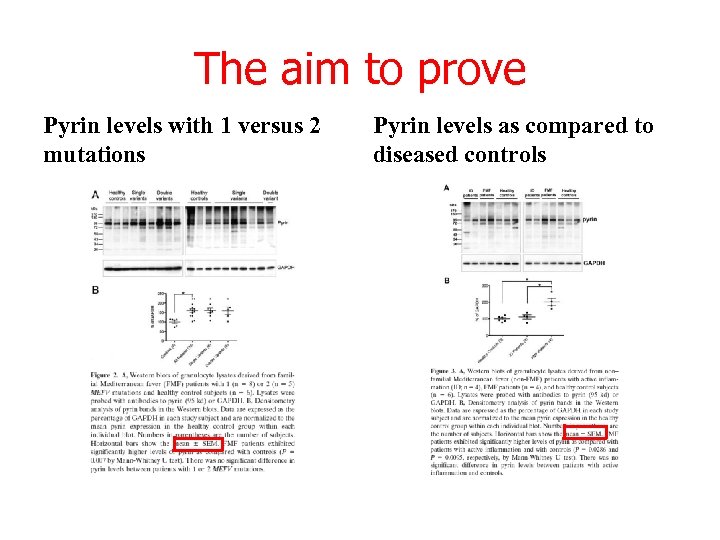
The aim to prove Pyrin levels with 1 versus 2 mutations Pyrin levels as compared to diseased controls
An Audit of Behçet’s Syndrome Research: A 10 -year Survey F. Esen 1, E. K. Schimmel 2, H. Yazıcı 1, Y. Yazıcı 3 1. İstanbul University, Cerrahpaşa Medical School, Department of Medicine, Division of Rheumatology 2. University of Missisipi Medical Center 42 3. New York University School of Medicine, NYU Hospital for Joint Diseases
![Methods (1) • Pub. Med Search: (Behcet) and (“Journal Name”[Jour]) Limits: published in the](https://present5.com/presentation/184f2cbfe90c4abe621f86e1e9bc9063/image-43.jpg "Methods (1) • Pub. Med Search: (Behcet) and (“Journal Name”[Jour]) Limits: published in the")
Methods (1) • Pub. Med Search: (Behcet) and (“Journal Name”[Jour]) Limits: published in the last 10 years, English, Date: 21. 01. 2009 • Search was repeated 60 times for articles in the 15 highest impact factor Rheumatology, Ophthalmology, Dermatology and Medicine Journals.
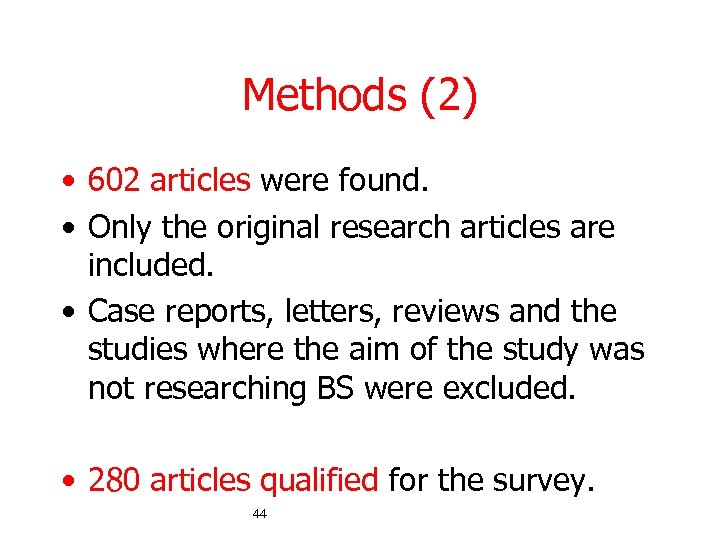
Methods (2) • 602 articles were found. • Only the original research articles are included. • Case reports, letters, reviews and the studies where the aim of the study was not researching BS were excluded. • 280 articles qualified for the survey. 44
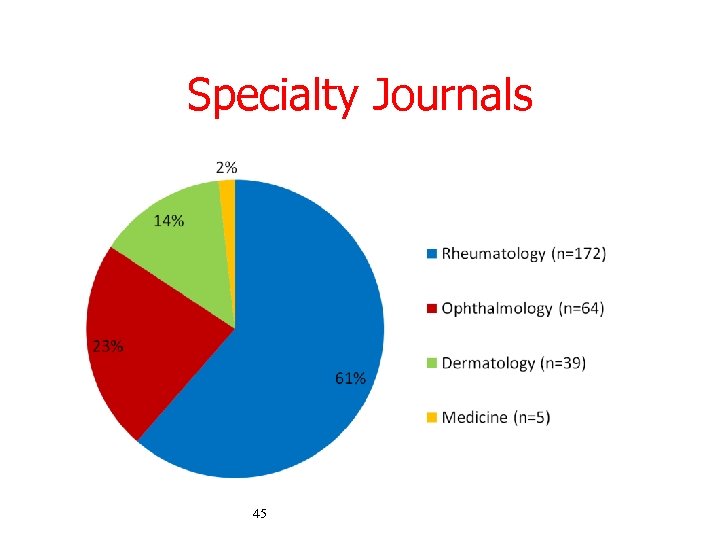
Specialty Journals 45
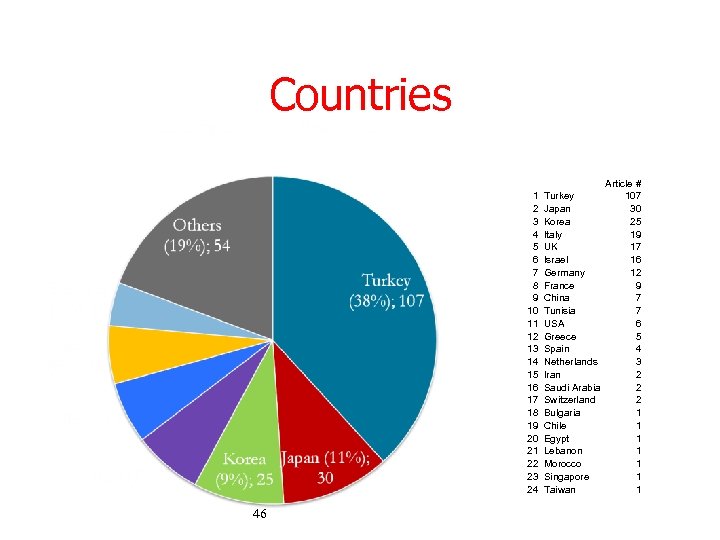
Countries 1 2 3 4 5 6 7 8 9 10 11 12 13 14 15 16 17 18 19 20 21 22 23 24 46 Turkey Japan Korea Italy UK Israel Germany France China Tunisia USA Greece Spain Netherlands Iran Saudi Arabia Switzerland Bulgaria Chile Egypt Lebanon Morocco Singapore Taiwan Article # 107 30 25 19 17 16 12 9 7 7 6 5 4 3 2 2 2 1 1 1 1
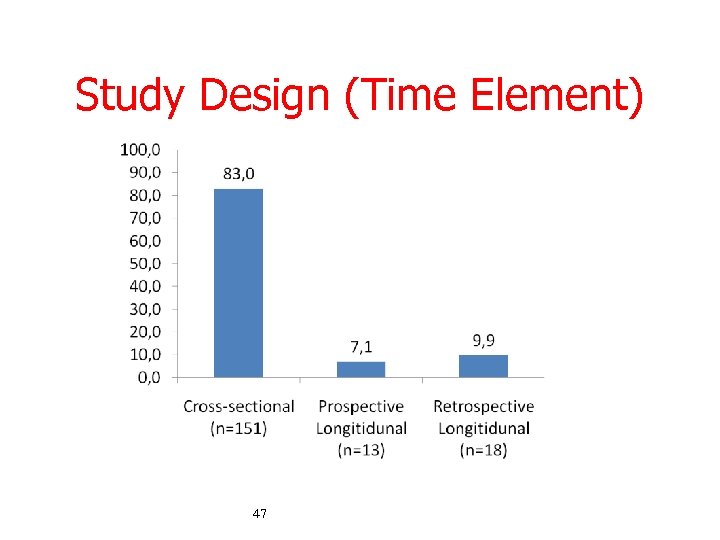
Study Design (Time Element) 47
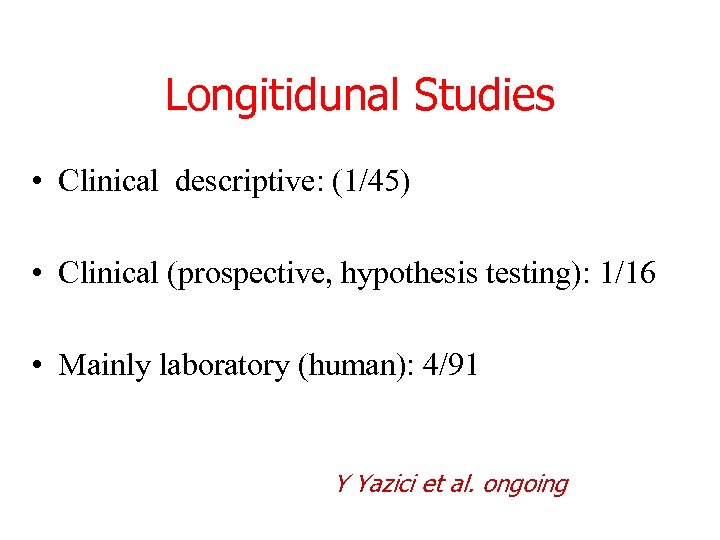
Longitidunal Studies • Clinical descriptive: (1/45) • Clinical (prospective, hypothesis testing): 1/16 • Mainly laboratory (human): 4/91 Y Yazici et al. ongoing
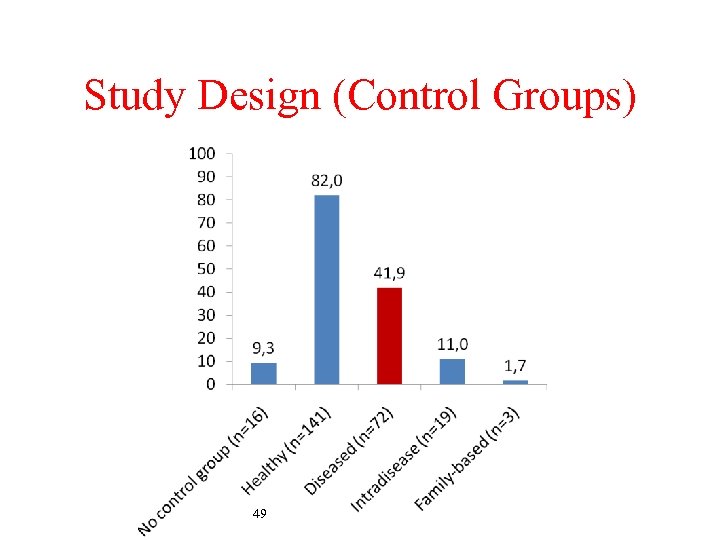
Study Design (Control Groups) 49
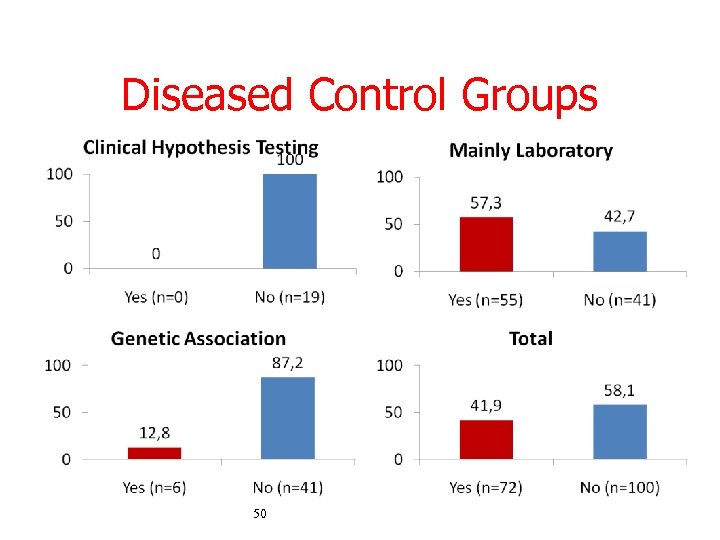
Diseased Control Groups 50
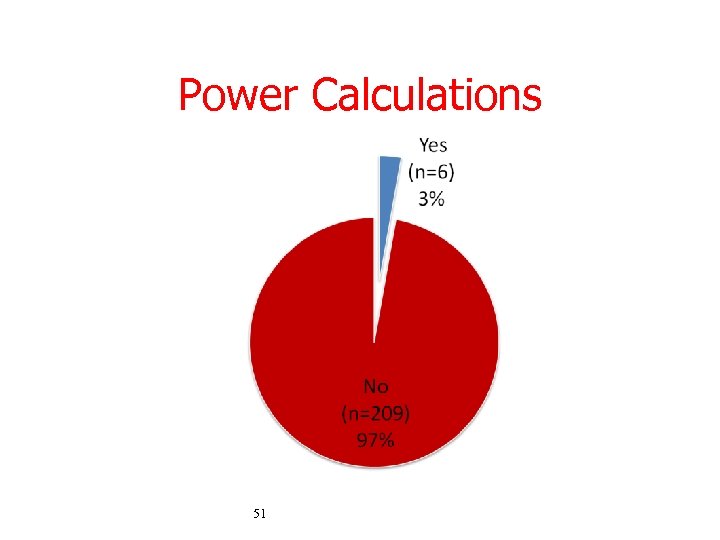
Power Calculations 51
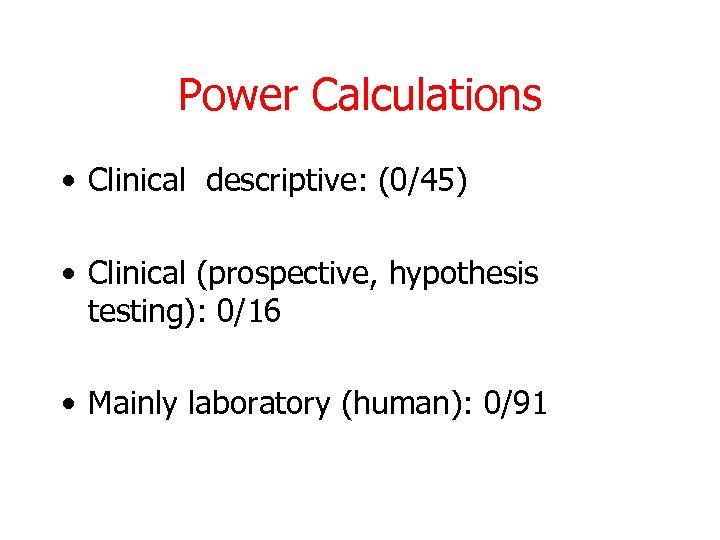
Power Calculations • Clinical descriptive: (0/45) • Clinical (prospective, hypothesis testing): 0/16 • Mainly laboratory (human): 0/91
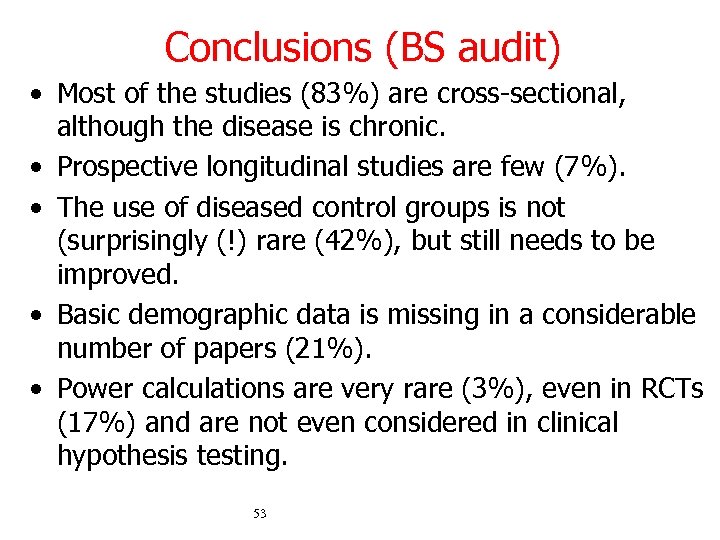
Conclusions (BS audit) • Most of the studies (83%) are cross-sectional, although the disease is chronic. • Prospective longitudinal studies are few (7%). • The use of diseased control groups is not (surprisingly (!) rare (42%), but still needs to be improved. • Basic demographic data is missing in a considerable number of papers (21%). • Power calculations are very rare (3%), even in RCTs (17%) and are not even considered in clinical hypothesis testing. 53
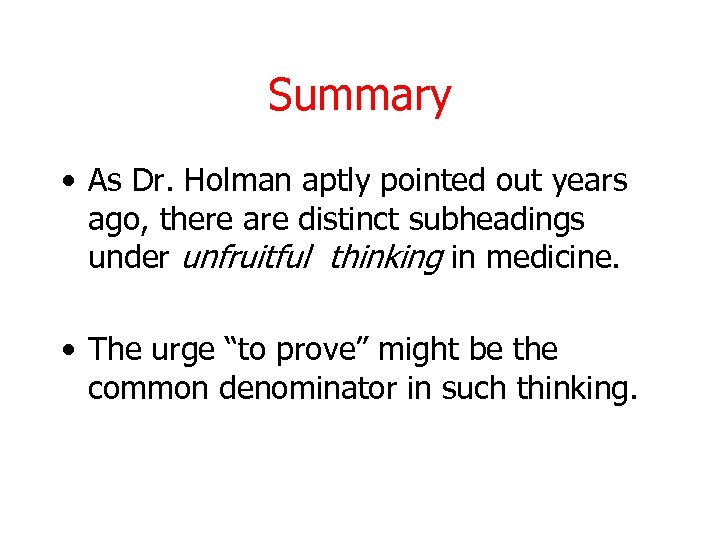
Summary • As Dr. Holman aptly pointed out years ago, there are distinct subheadings under unfruitful thinking in medicine. • The urge “to prove” might be the common denominator in such thinking.

“Meanwhile much of our society at large is busy revisiting the days of the Inquisition v Galileo. The wars of religion are back, superstition threatens our schools, and Bible -thumpers preach that Darwin got it wrong. Our modern heritage of reason, formed in the Enlightenment, is becoming eclipsed by what a cynic might call the Endarkenment. ” G. Weismann in Galileo’s Gout, 2007
Скачать презентацию Thought barriers to understanding rheumatic diseases Halsted Holman
184f2cbfe90c4abe621f86e1e9bc9063.ppt