Скачать презентацию this ppt presentation has 187 slides some with
e23cc6abe4c4729ef11673e578b8016a.ppt
- Количество слайдов: 187
 this ppt presentation has 187 slides, some with notes. It is much more than my short presentation. It includes sections on identification, degradation, conservation and storage and display. It is meant as an aide memoire as many of the slides are to support discussions. Should you need any help or further explanation please email me on cjw@smile-plastics. co. uk Please accept that this ppt presentation is my copyright. I am normally happy to visit collections which may include plastics materials and to give advice on identification and associated guidance. Please understand that I do not have any organisation to fund these visits so I shall have to make a charge for this service. Compared to the risks associated with degrading collections, this charge should be considered an investment! Colin Williamson, Mansion House, Ford, Shrewsbury, SY 5 9 LZ cjw@smile-plastics. co. uk
 Plastics Colin Williamson
 Plastics materials Colin Williamson
 Plastics materials production techniques Colin Williamson
 Plastics materials production techniques identification Colin Williamson
 all you ever wanted to know about plastics
 all you ever wanted to know about plastics in 3 x 20 minutes
 all you ever wanted to know about plastics in 3 x 20 minutes + questions +discussion
 only 2 types of plastic thermosetting
 only 2 types of plastic thermosetting thermoplastic
 thermosets moulded whilst soft and hot ‘set’ demoulded hot once heated and ‘cured’ won’t melt again generally compression moulded
 thermosets Bois Durci rubber & vulcanite phenol formaldehyde - Bakelite urea formaldehyde - Bandalasta GRP – glass fibre reinforced polyester epoxies – adhesives polyurethane
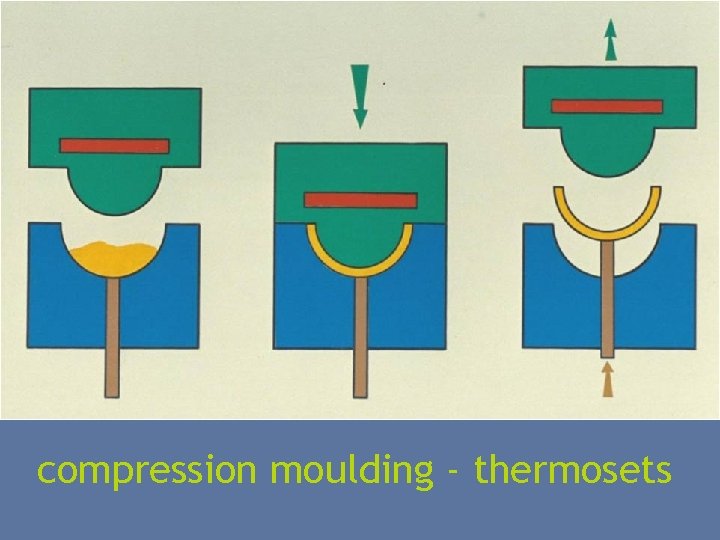 compression moulding - thermosets
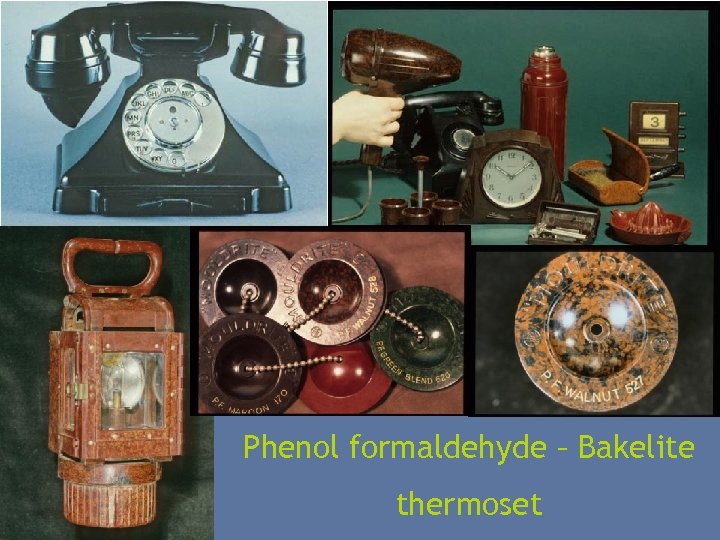 Phenol formaldehyde – Bakelite thermoset
 thermoplastics melted to form shape cooled to set in mould can be re-melted
 thermoplastics injection mould film blow bottle blow extrude calendar rotomould compression mould combination
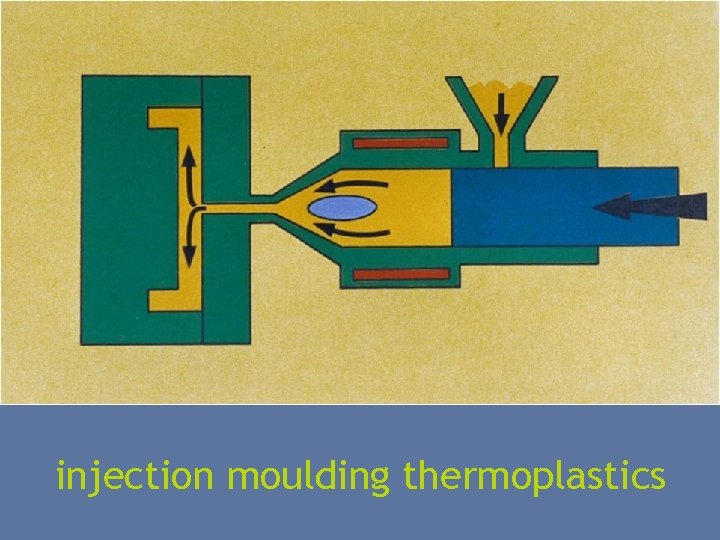 injection moulding thermoplastics
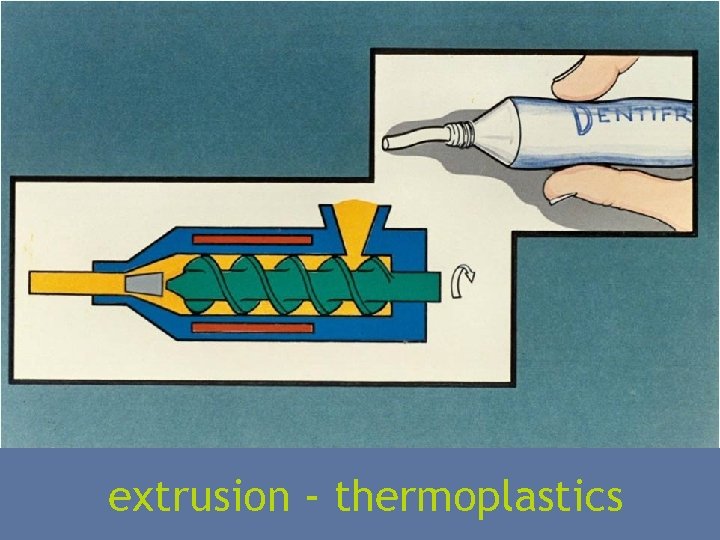 extrusion - thermoplastics
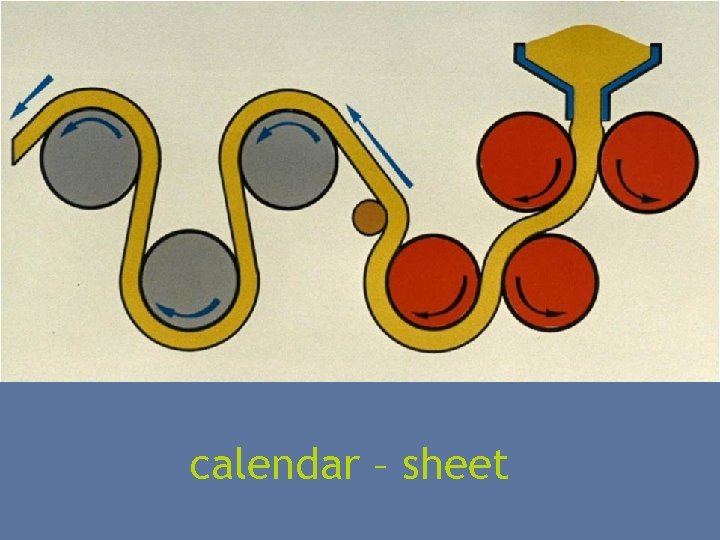 calendar – sheet
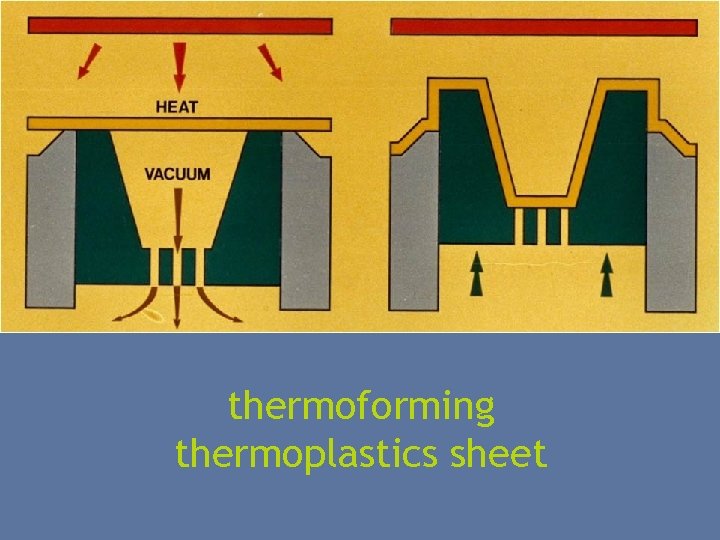 thermoforming thermoplastics sheet
 thermoplastic materials cellulose esters – Celluloid, CA polyethylene - polythene polypropylene polystyrene – also expanded, HIPS & ABS pvc – flexible or rigid PMMA – acrylic (Perspex)- sheet polycarbonate polyamide – nylon etc. , etc.
 Identification
 Identification education thirst for knowledge
 Identification education thirst for knowledge conservation
 Identification non-destructive non-invasive
 Identification appearance dating - style & design
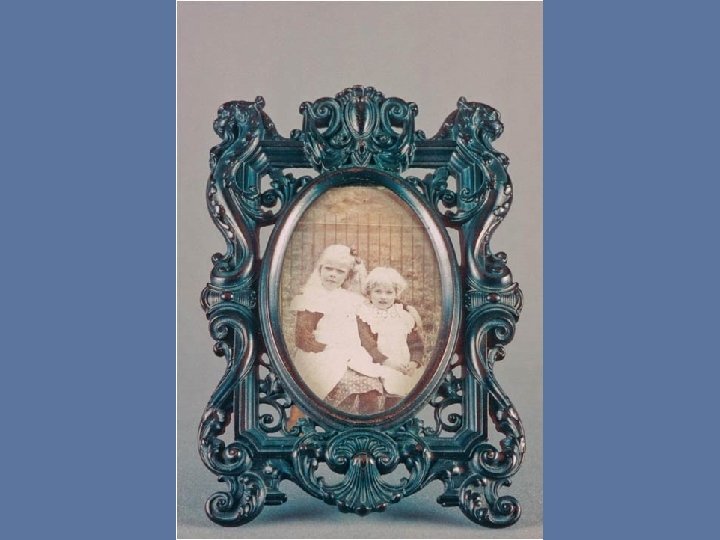
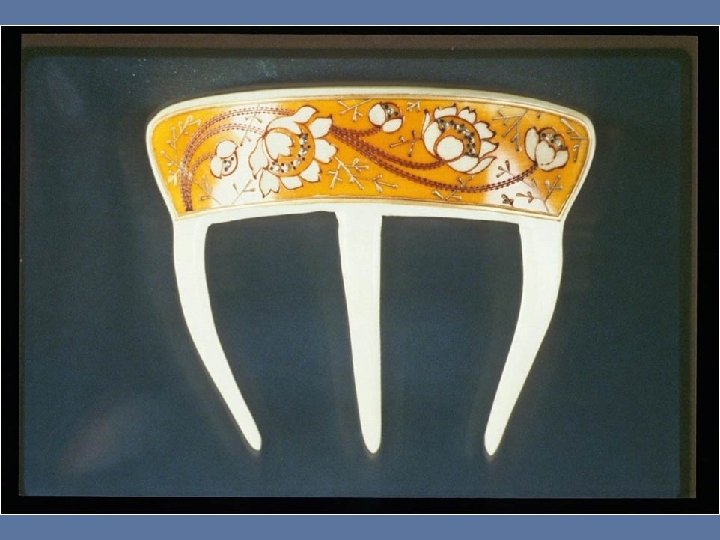
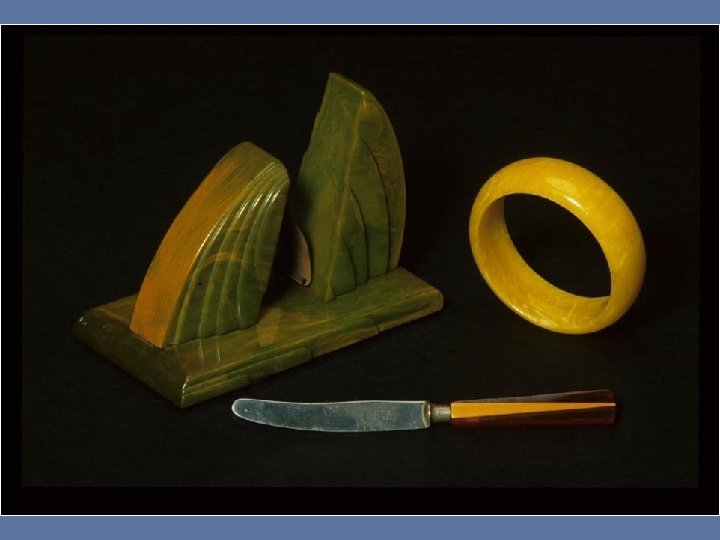
 Identification appearance dating – trade marks, patents
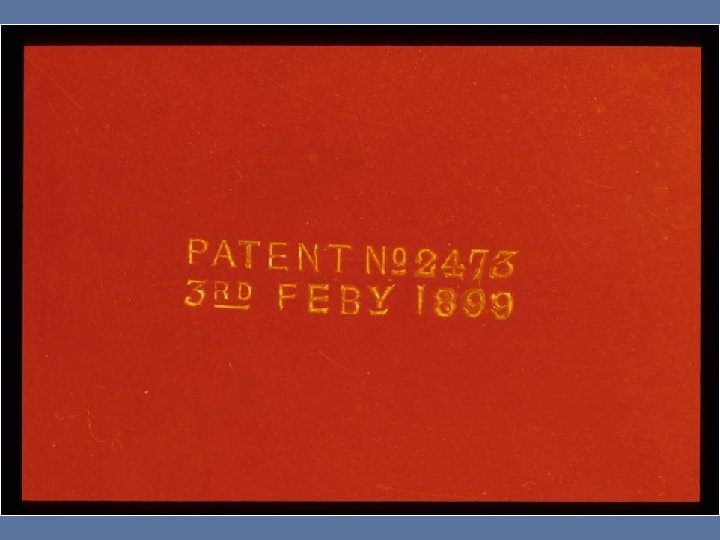
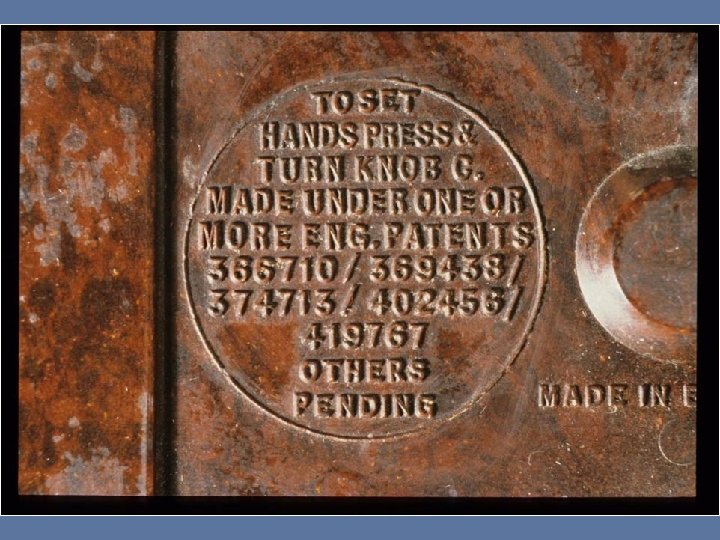
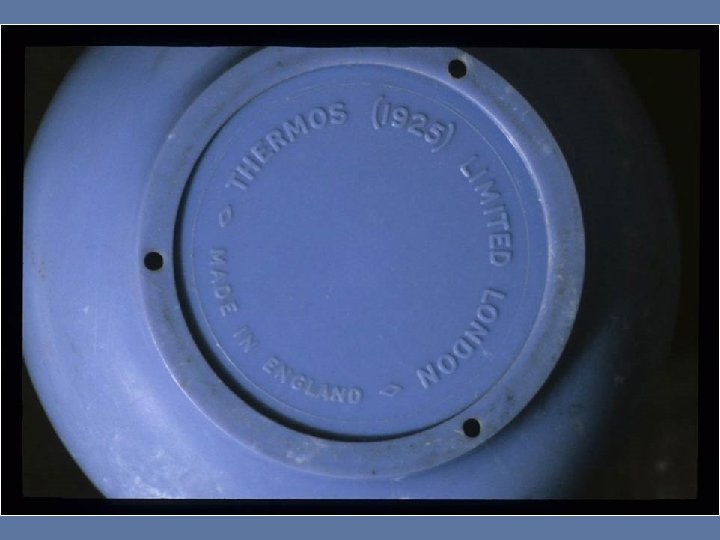
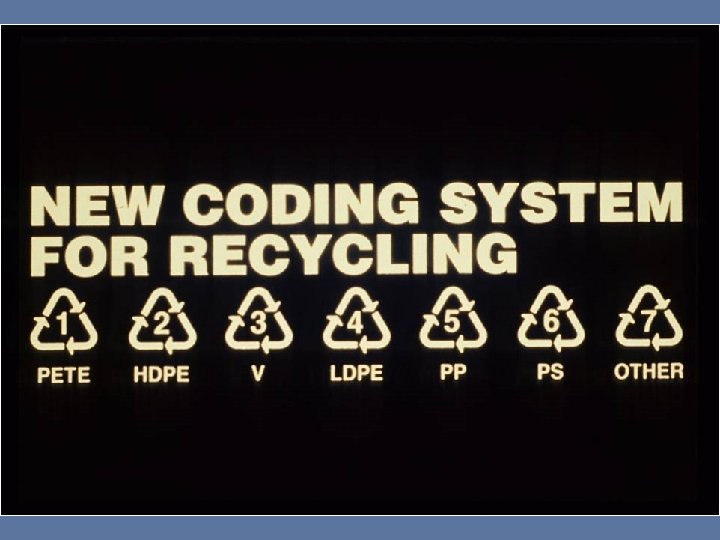
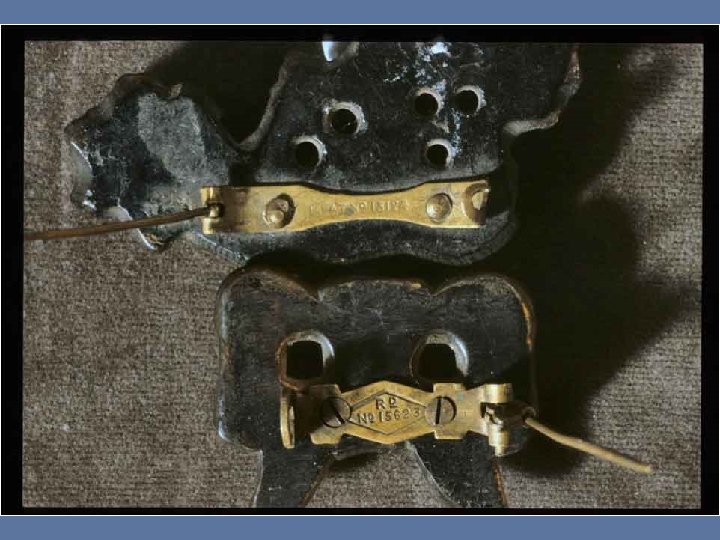
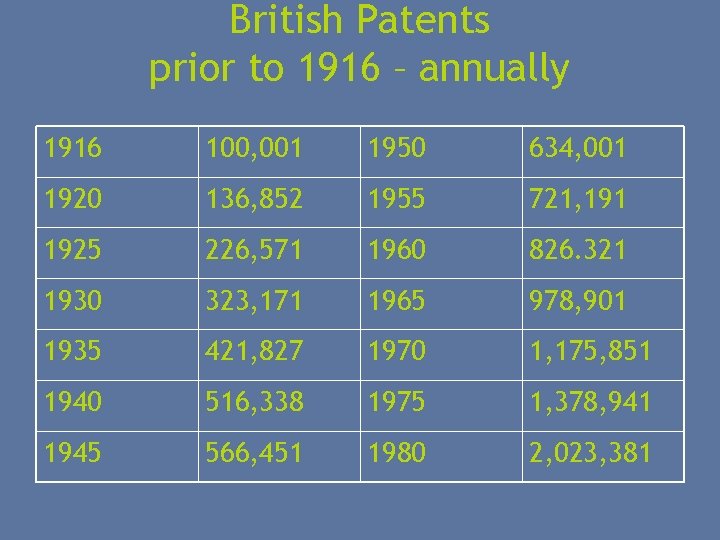 British Patents prior to 1916 – annually 1916 100, 001 1950 634, 001 1920 136, 852 1955 721, 191 1925 226, 571 1960 826. 321 1930 323, 171 1965 978, 901 1935 421, 827 1970 1, 175, 851 1940 516, 338 1975 1, 378, 941 1945 566, 451 1980 2, 023, 381
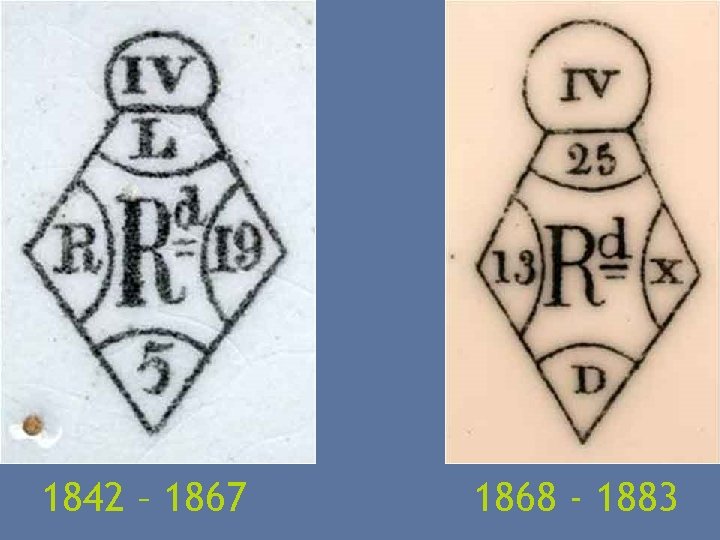 1842 – 1867 1868 - 1883
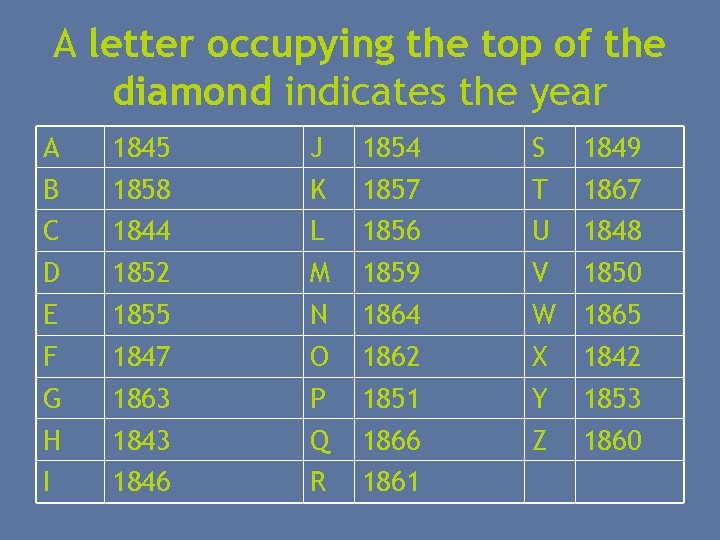 A letter occupying the top of the diamond indicates the year A B C D E F G H I 1845 1858 1844 1852 1855 1847 1863 1846 J K L M N O P Q R 1854 1857 1856 1859 1864 1862 1851 1866 1861 S T U V W X Y Z 1849 1867 1848 1850 1865 1842 1853 1860
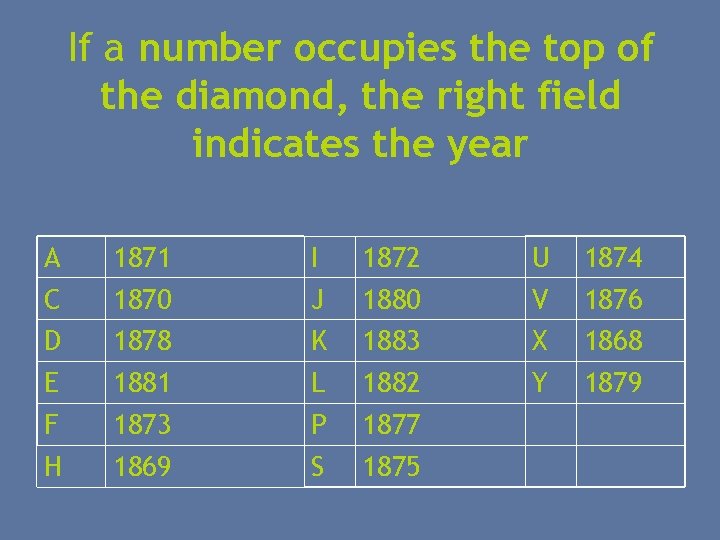 If a number occupies the top of the diamond, the right field indicates the year A C D E F H 1871 1870 1878 1881 1873 1869 I J K L P S 1872 1880 1883 1882 1877 1875 U V X Y 1874 1876 1868 1879
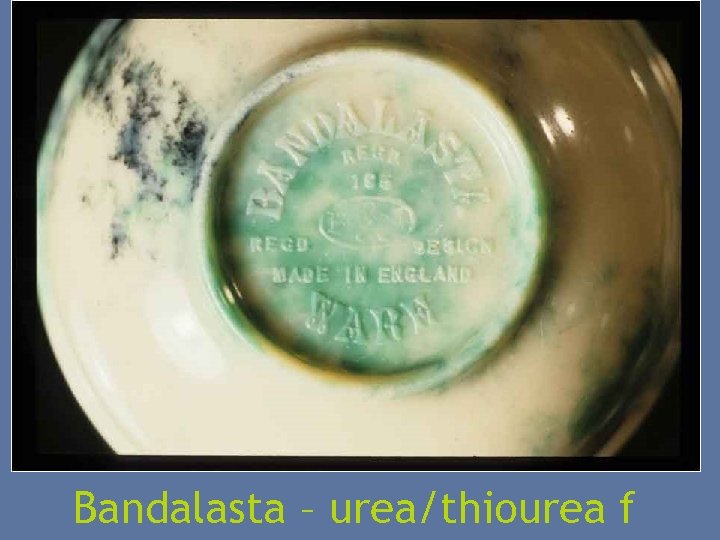 Bandalasta – urea/thiourea f
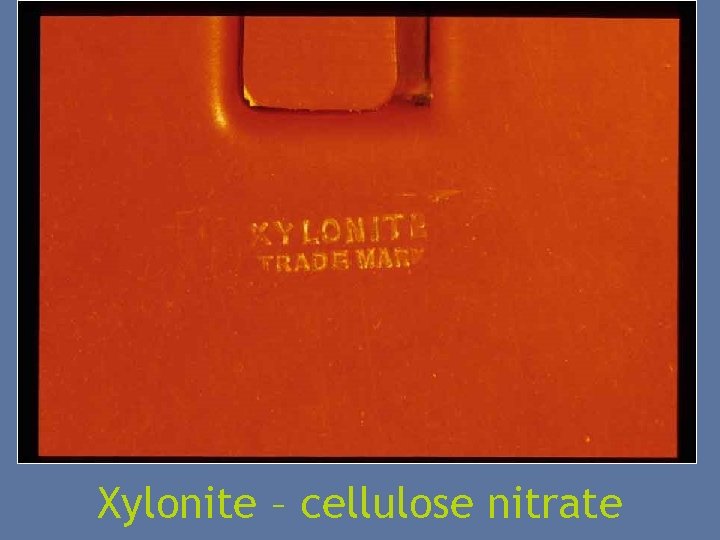 Xylonite – cellulose nitrate
 Identification appearance colour and transparency
 Transparent (i. e. glass clear) as thick solids (>2 mm) PMMA – acrylic, Perspex, Plexiglas polystyrene polycarbonate cast phenolic – normally tinted polyester cellulose esters silicones, polyurethane
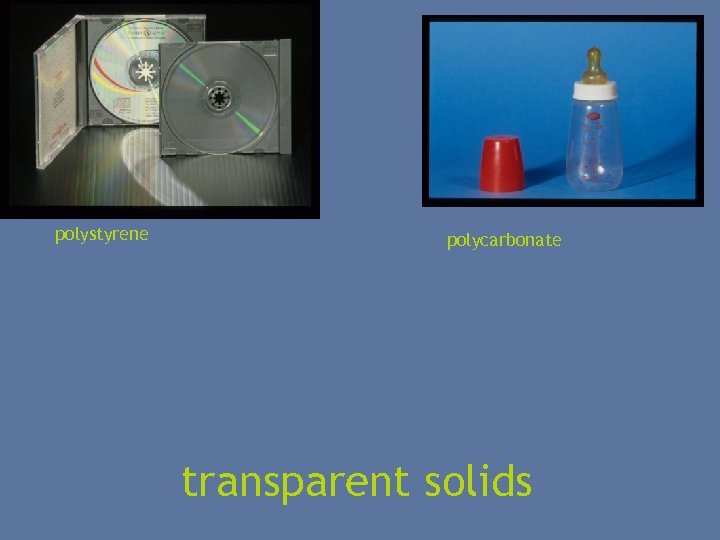 polystyrene polycarbonate transparent solids
 Transparent (i. e. glass clear) as thin film or sheet as solid + PVC both rigid and flexible polypropylene regenerated cellulose (Cellophane) polyethylene PET (polyethylene terephthalate)
 Only opaque (at best, translucent) phenol + urea formaldehyde – moulded gutta percha vulcanite Bois Durci + most compositions bitumen + cold moulded compositions composites, including GRP ABS foams
 Colour phenol formaldehyde – Bakelite – dark cast pf – shades of amber pigment or compound wood or cloth fillers
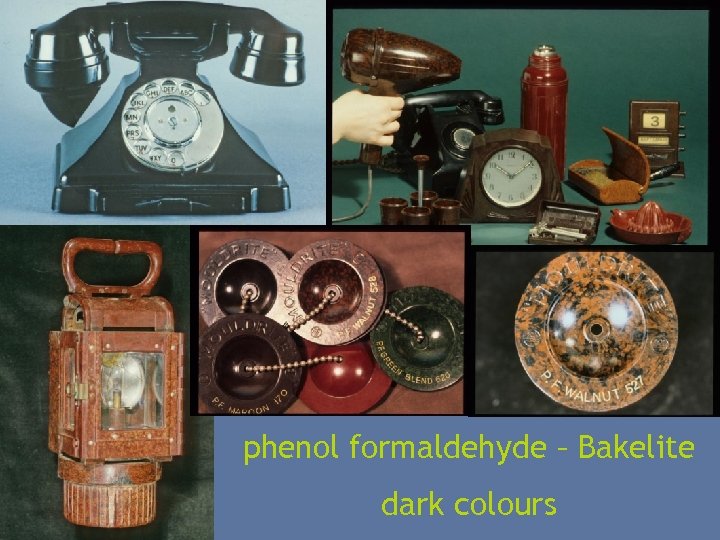 phenol formaldehyde – Bakelite dark colours
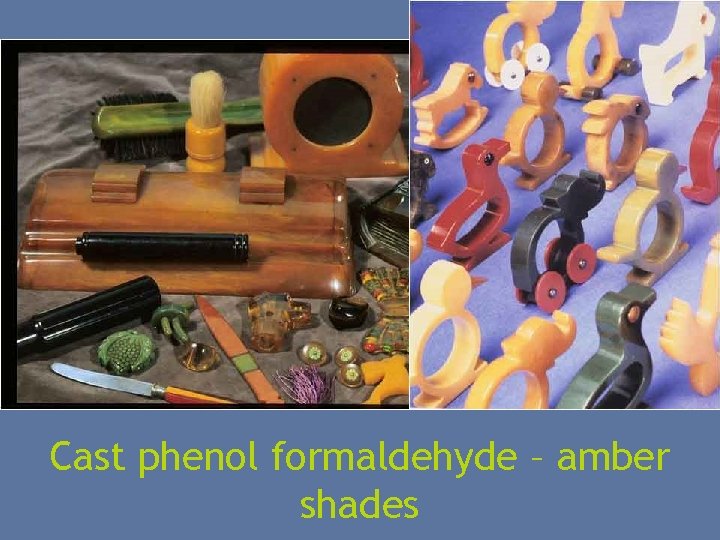 Cast phenol formaldehyde – amber shades
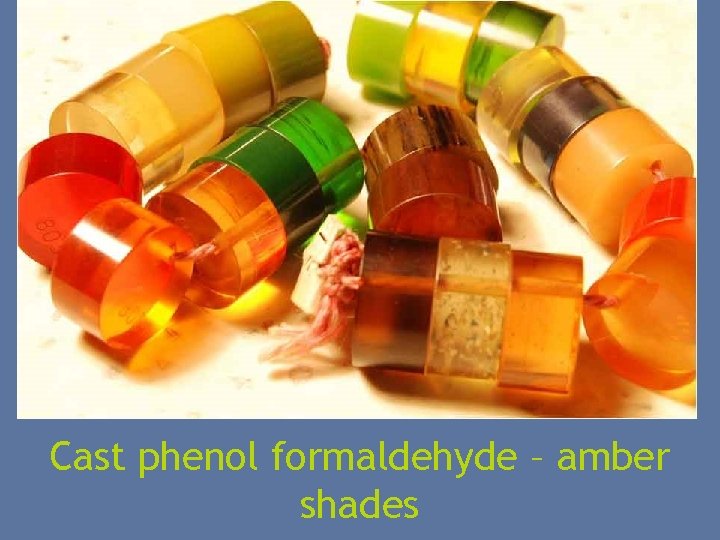 Cast phenol formaldehyde – amber shades
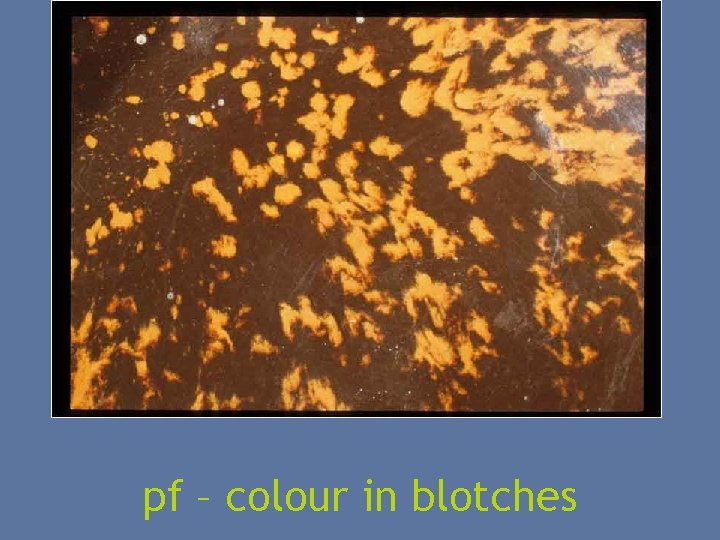 pf – colour in blotches
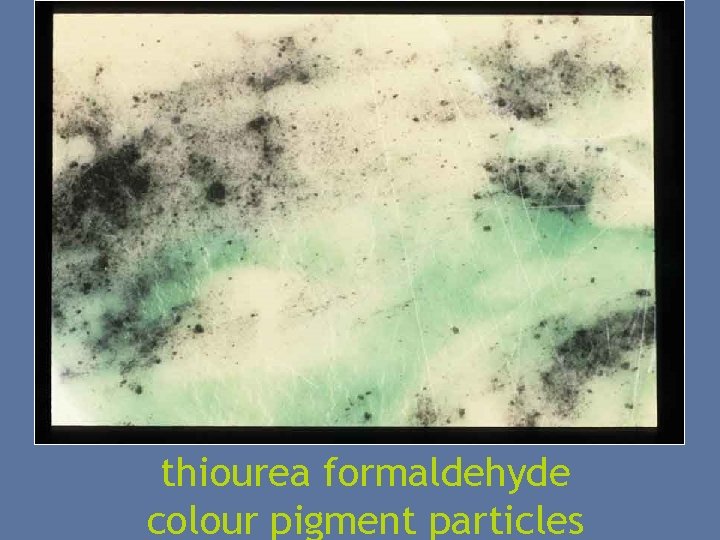 thiourea formaldehyde colour pigment particles
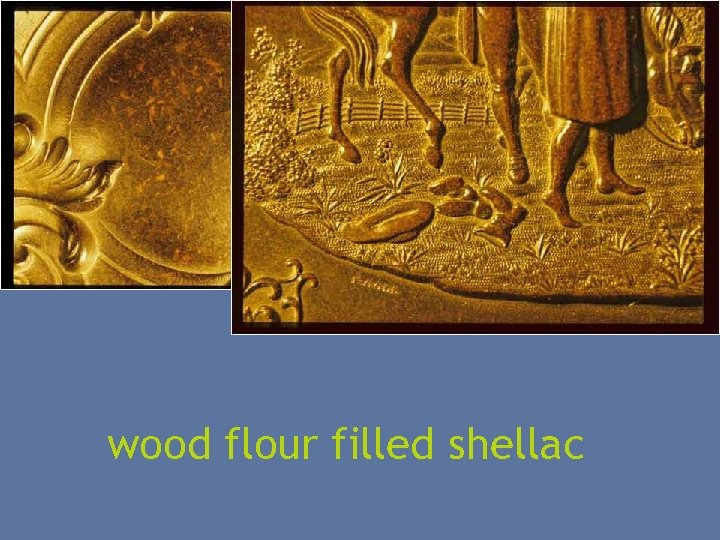 wood flour filled shellac
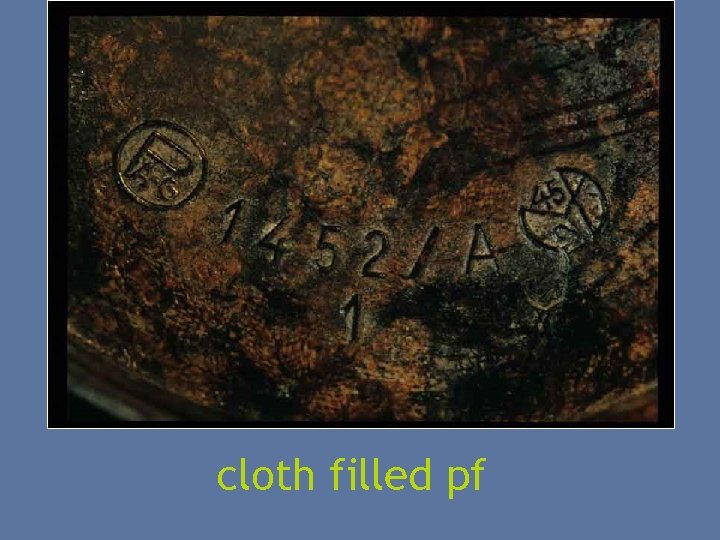 cloth filled pf
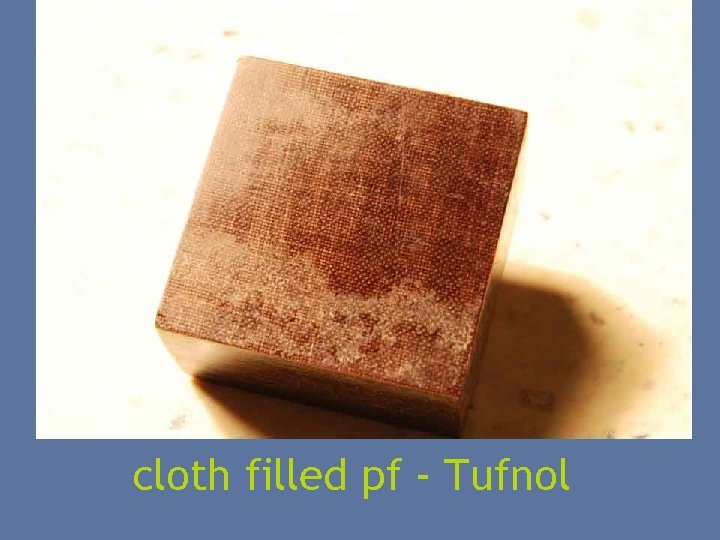 cloth filled pf - Tufnol
 Identification appearance surface finish
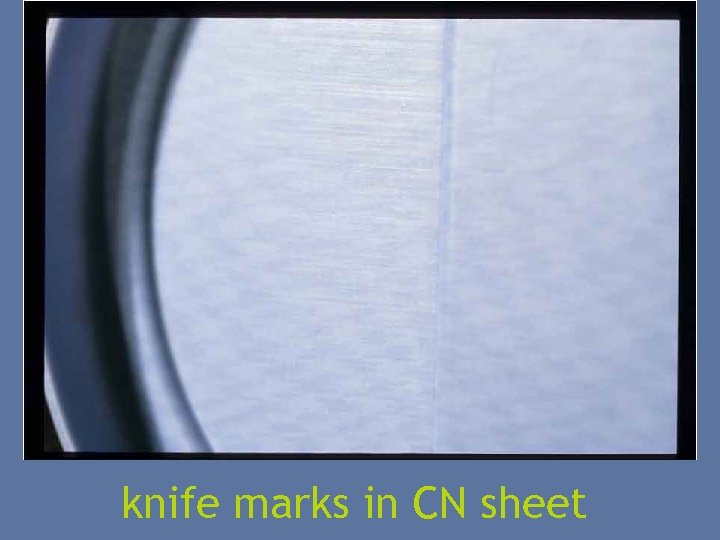 knife marks in CN sheet
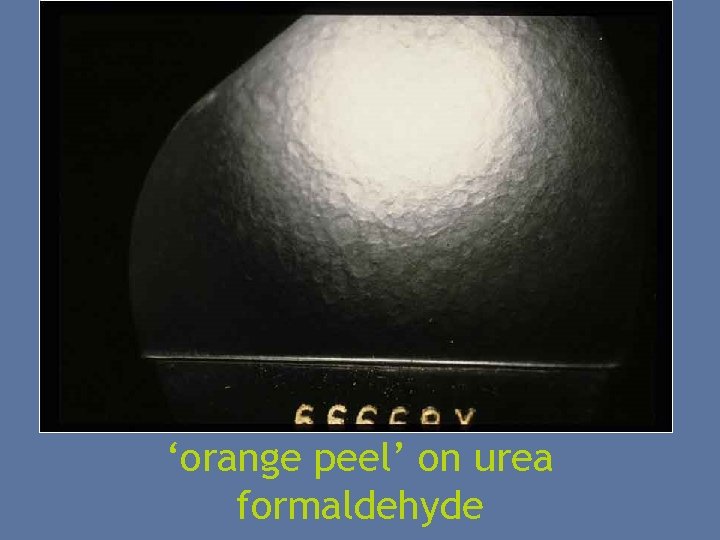 ‘orange peel’ on urea formaldehyde
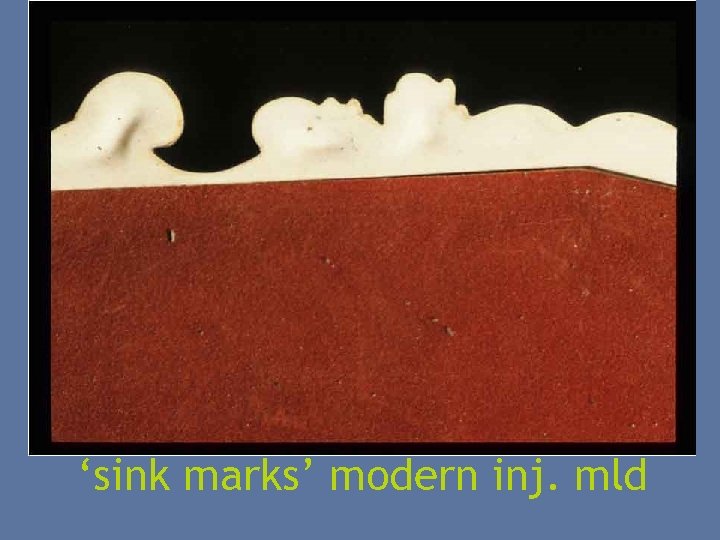 ‘sink marks’ modern inj. mld
 Identification appearance degradation
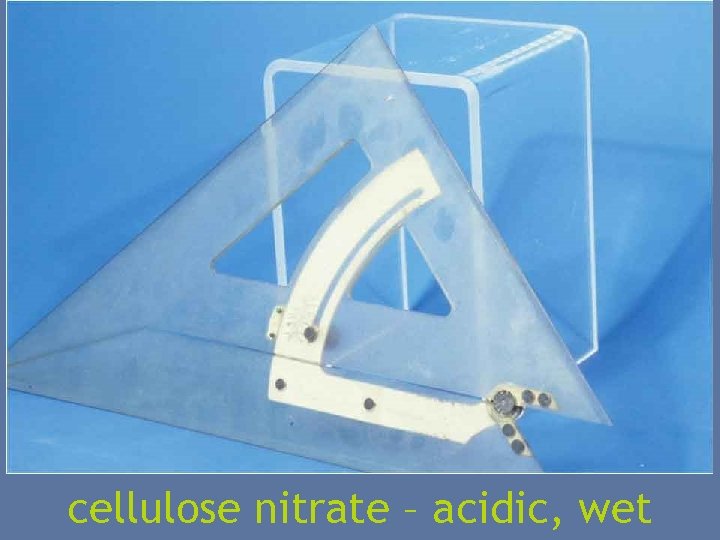 cellulose nitrate – acidic, wet
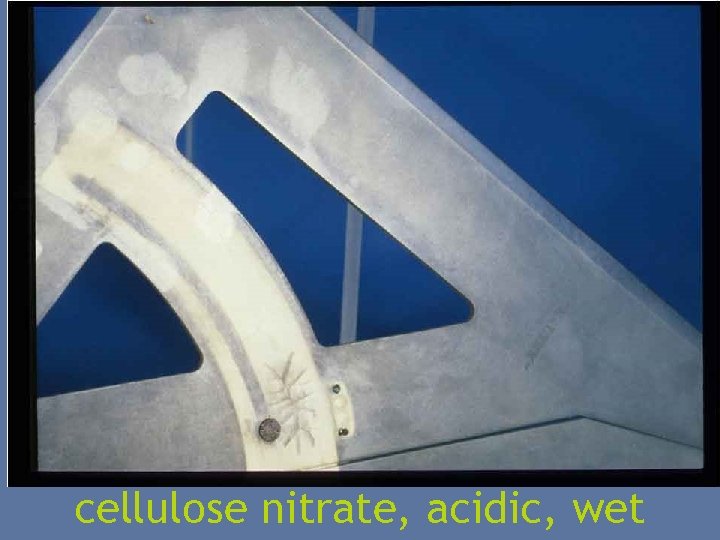 cellulose nitrate, acidic, wet
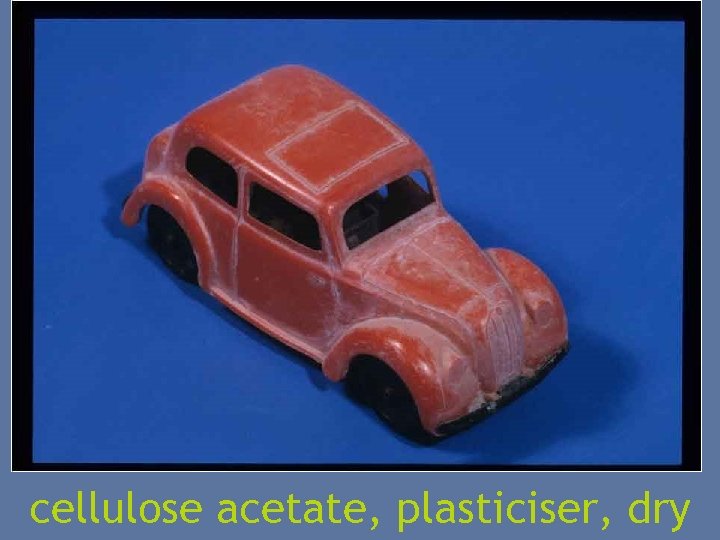 cellulose acetate, plasticiser, dry
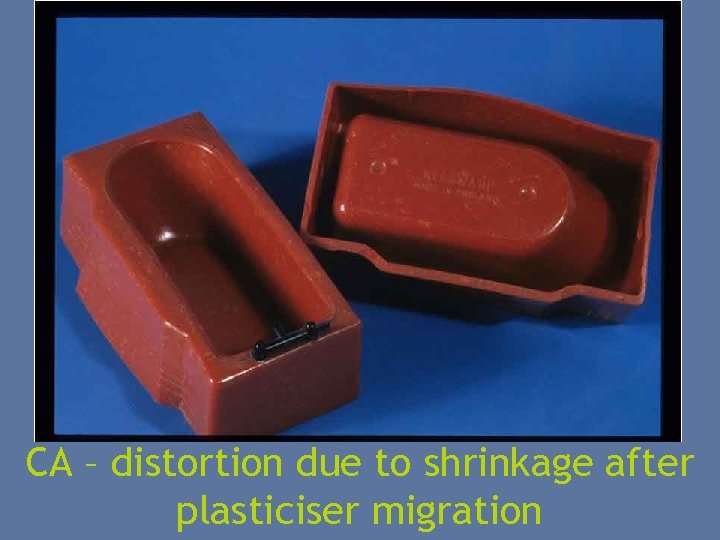 CA – distortion due to shrinkage after plasticiser migration
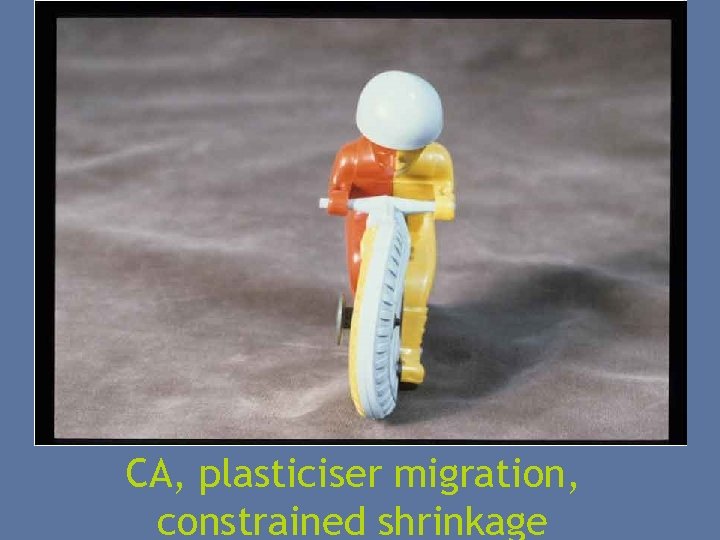 CA, plasticiser migration, constrained shrinkage
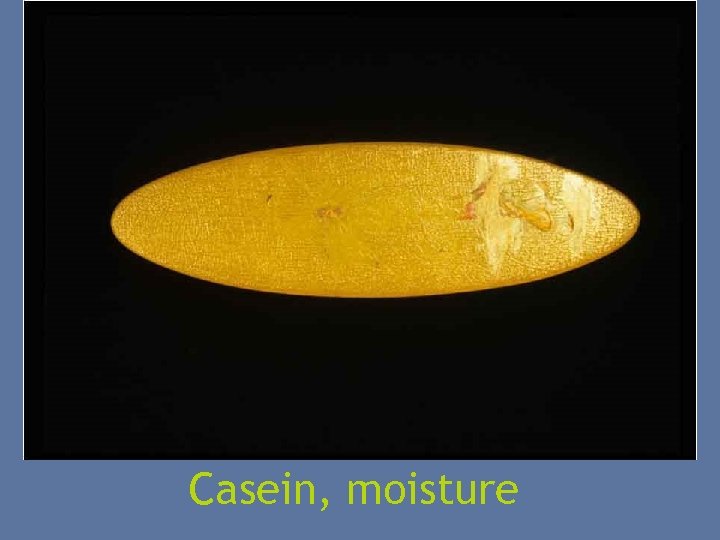 Casein, moisture
 Identification appearance function
 Identification appearance production method
 Thermoformed sheet cellulose nitrate – very common pre 1950 casein – very limited bending polystyrene – very common post 1950 u. PVC – very common post 1950 PMMA – Perspex , common post 1950 many other modern materials can be post formed from sheet
 Blow moulded polyethylene – eg detergent bottles PET – eg fizzy drink bottles also u. PVC, polypropylene, polycarbonate
 Rotation Moulded polyethylene, e. g. canoes, road cones plasticised pvc, e. g. footballs, dolls also nylon and polycarbonate
 Injection moulded most thermoplastics except casein and cellulose nitrate thermosets after 1960
 Compression moulded almost all plastics materials but commercially not viable for modern thermoplastics. typical of thermosets
 Casting polyester (especially embedding resins) PMMA (especially embedding resins) cast Phenolic polyurethane foam, e. g. shoes
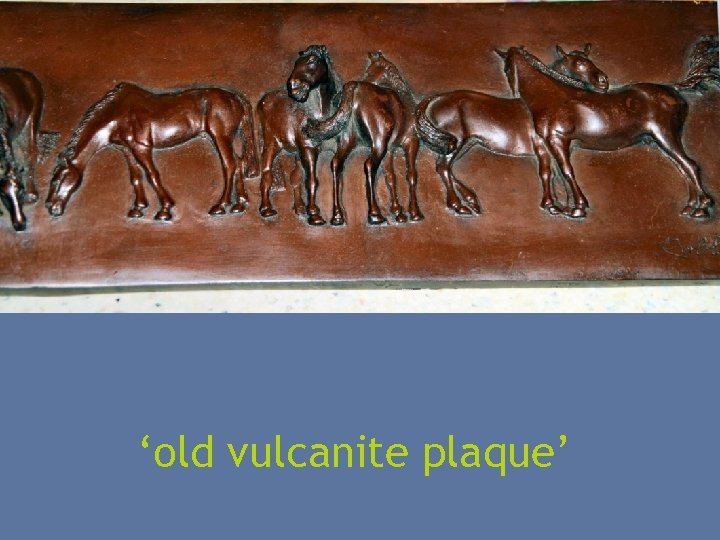 ‘old vulcanite plaque’
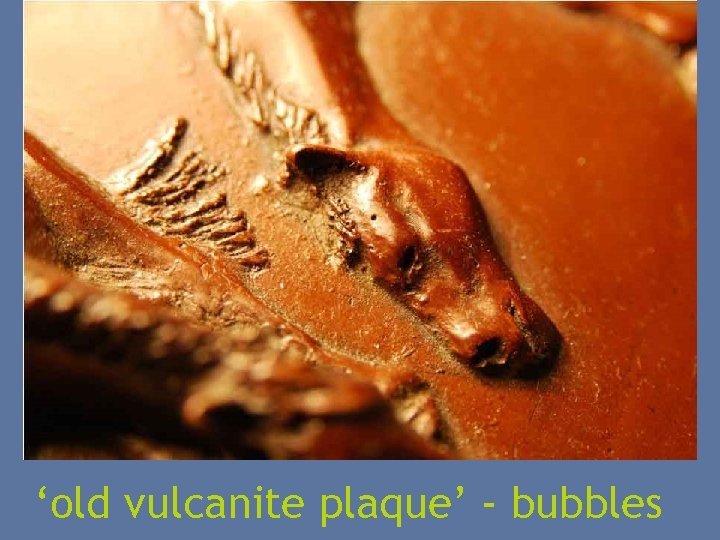 ‘old vulcanite plaque’ - bubbles
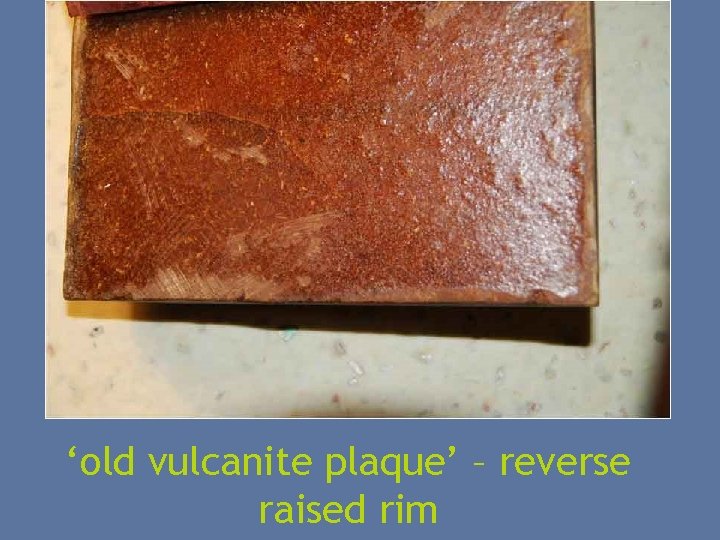 ‘old vulcanite plaque’ – reverse raised rim
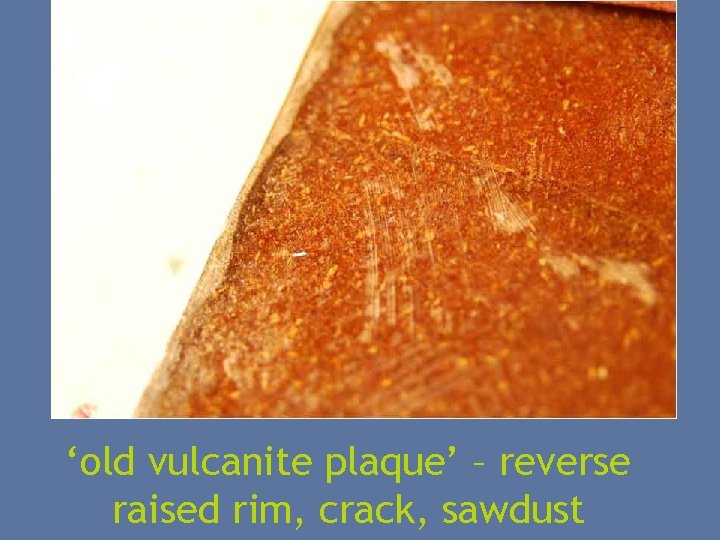 ‘old vulcanite plaque’ – reverse raised rim, crack, sawdust
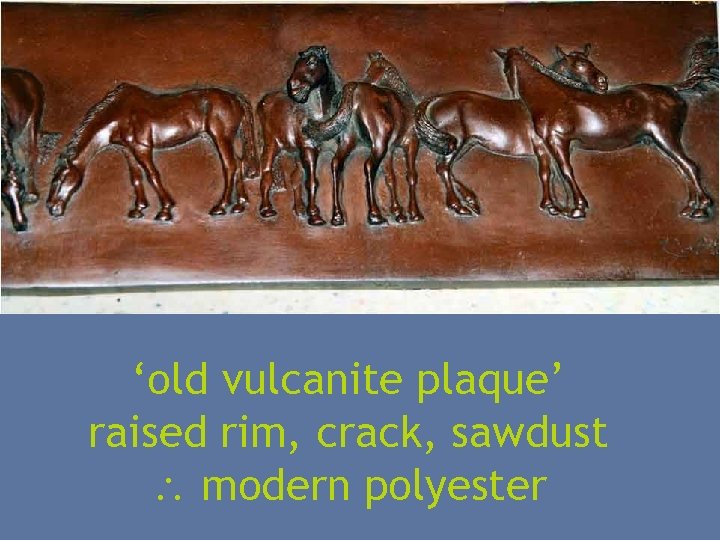 ‘old vulcanite plaque’ raised rim, crack, sawdust modern polyester
 extrusion most thermoplastics parallel marks along the long axis film and sheet rod and profile fibres
 Identification physical properties
 hardness some plastics are softer than a finger nail polyethylene polypropylene gutta percha (except very old) plasticised pvc polyurethane rubber
 smell phenol sulphur camphor vinegar waxy cast phenolic vulcanite cellulose nitrate cellulose acetate (degrading) polyethylene
 Identification physical properties specific gravity solvents heat & fumes odours melting point analytical methods e. g. FTIR
 Identification - Dating Pre 1840 Compositions wax, resins, shellac, gums, glue, drying oils Papier Maché Hoof and Horn Tortoiseshell Amber 1840 – 1880 More compositions, especially shellac based Gutta percha Bois Durci Vulcanite
 Identification - Dating 1880 – 1900 Cellulose nitrate Compositions decrease 1900 – 1920 Cellulose nitrate increases Cellulose acetate Casein Bitumen
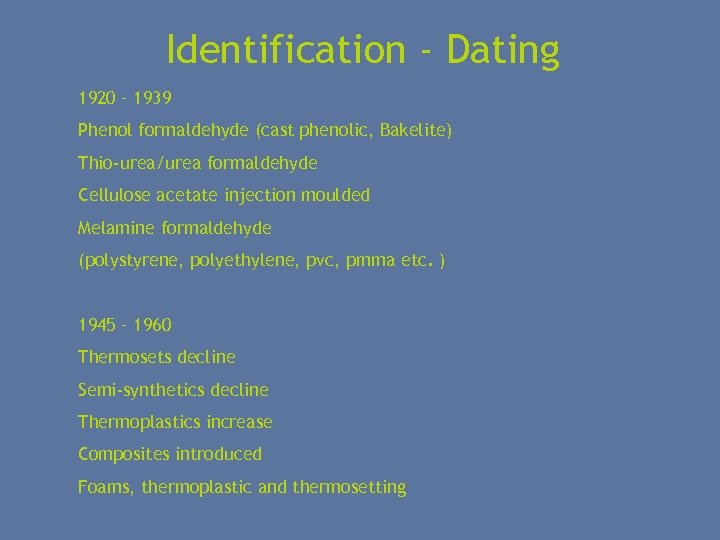 Identification - Dating 1920 – 1939 Phenol formaldehyde (cast phenolic, Bakelite) Thio-urea/urea formaldehyde Cellulose acetate injection moulded Melamine formaldehyde (polystyrene, polyethylene, pvc, pmma etc. ) 1945 – 1960 Thermosets decline Semi-synthetics decline Thermoplastics increase Composites introduced Foams, thermoplastic and thermosetting
 why identify ?
 why identify ? to identify potential problems
 why identify ? to identify potential problems to identify problem materials
 problem materials cellulose nitrate – Celluloid cellulose acetate pvc polyurethane foams
 questions
 questions there’s no such thing as a stupid question
 questions there’s no such thing as a stupid question only stupid answers

 Degradation surface bloom distortion splitting colour change embrittlement crazing
 Degradation surface bloom distortion splitting colour change embrittlement crazing
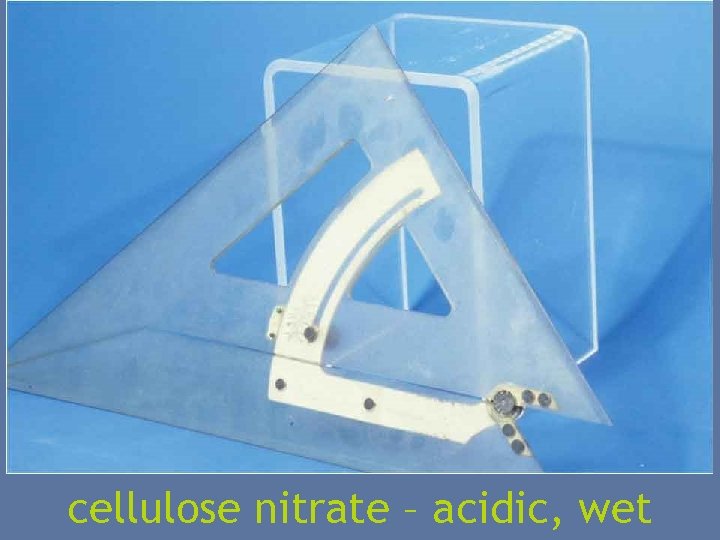 cellulose nitrate – acidic, wet
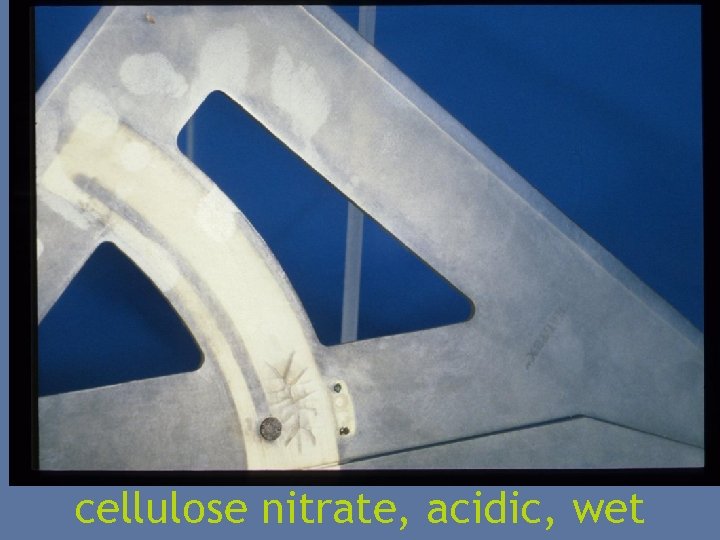 cellulose nitrate, acidic, wet
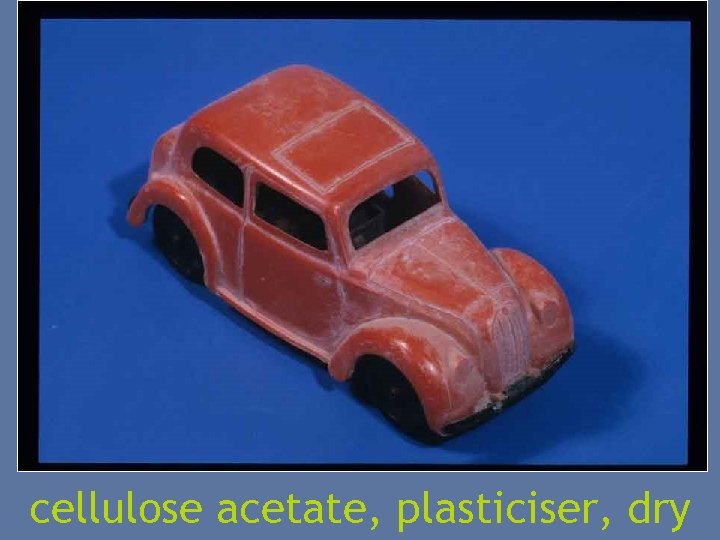 cellulose acetate, plasticiser, dry
 Degradation surface bloom distortion splitting colour change embrittlement crazing
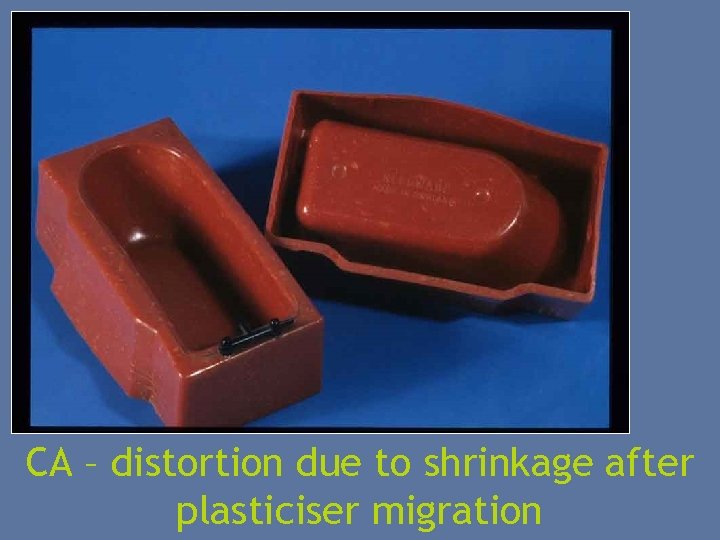 CA – distortion due to shrinkage after plasticiser migration
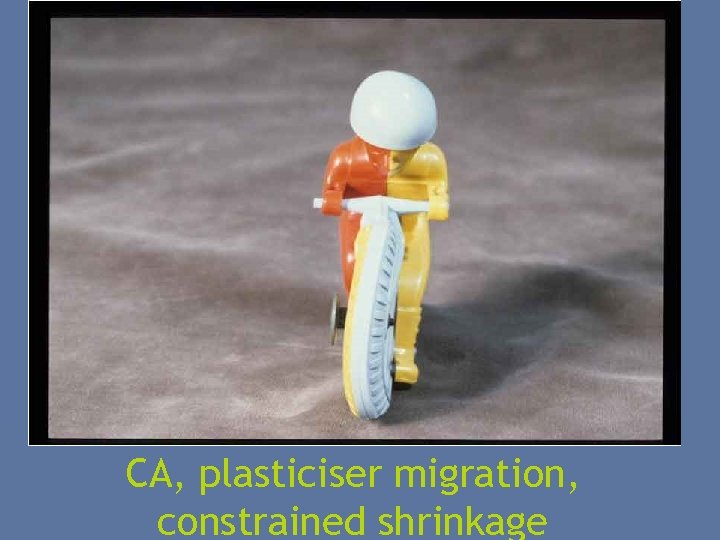 CA, plasticiser migration, constrained shrinkage
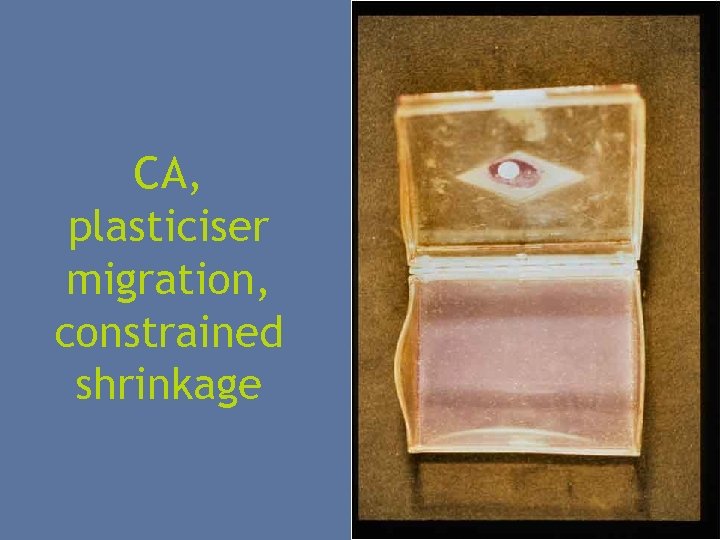 CA, plasticiser migration, constrained shrinkage
 Degradation surface bloom distortion splitting colour change embrittlement crazing
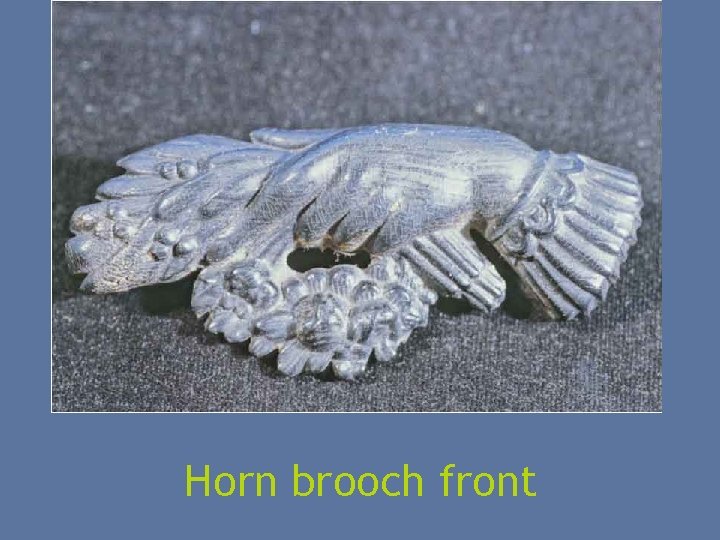 Horn brooch front
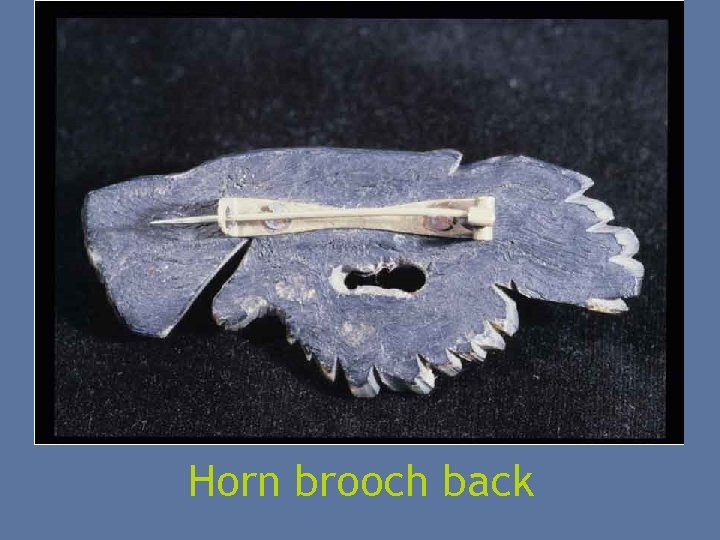 Horn brooch back
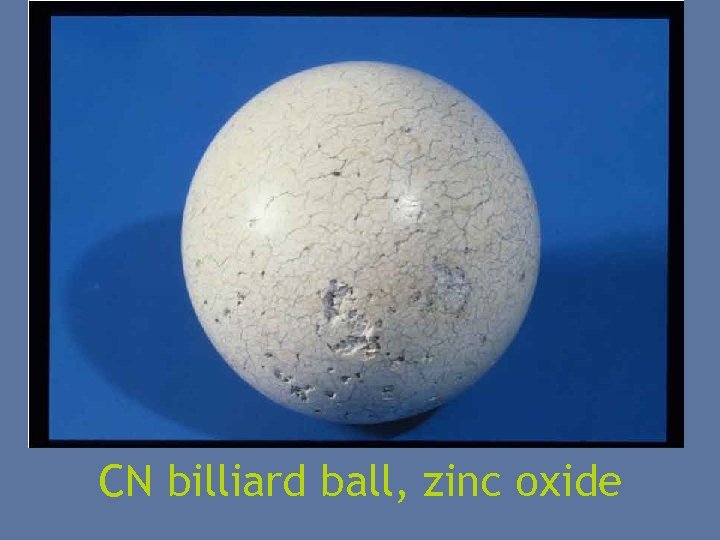 CN billiard ball, zinc oxide
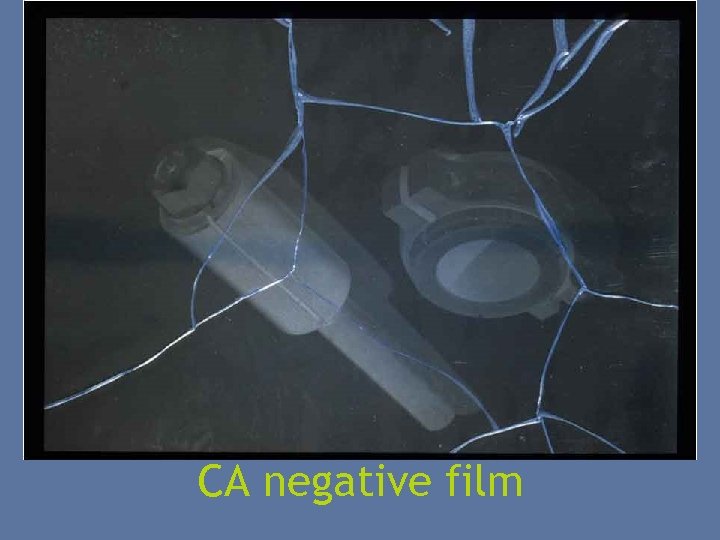 CA negative film
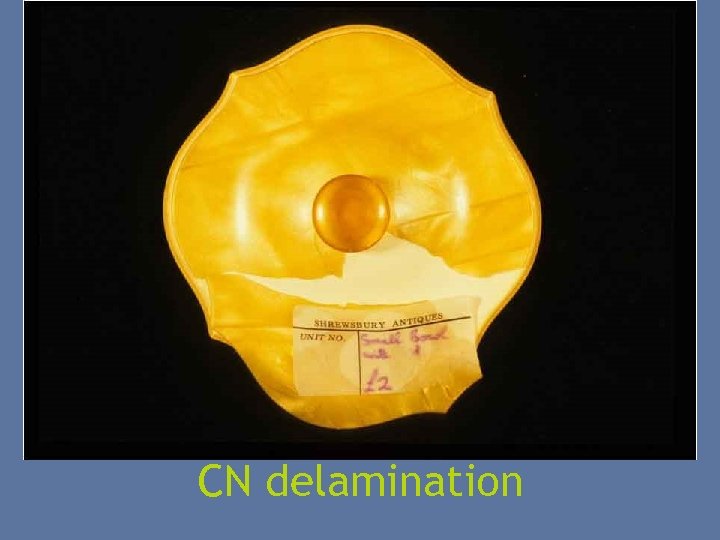 CN delamination
 Degradation surface bloom distortion splitting colour change embrittlement crazing
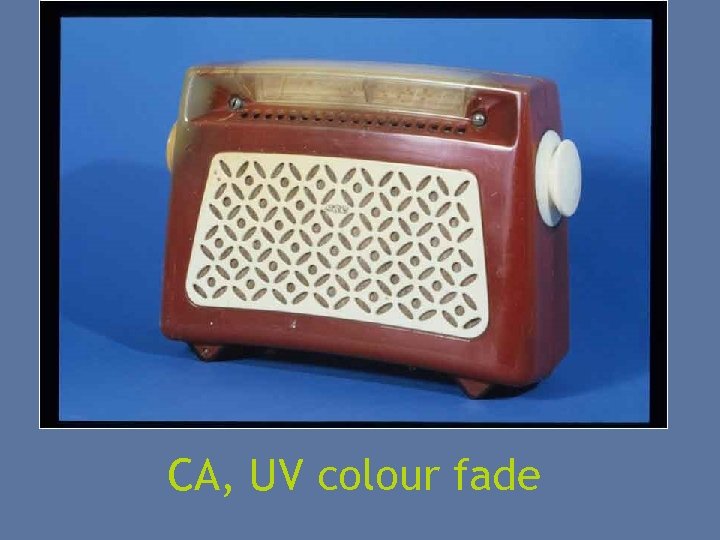 CA, UV colour fade
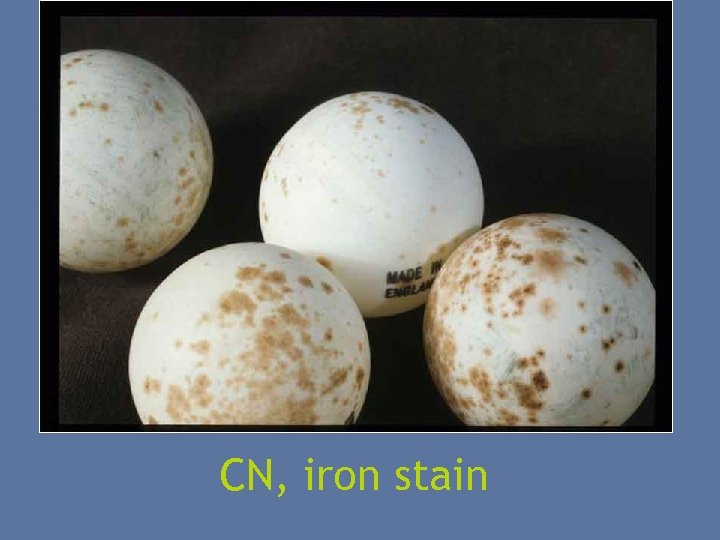 CN, iron stain
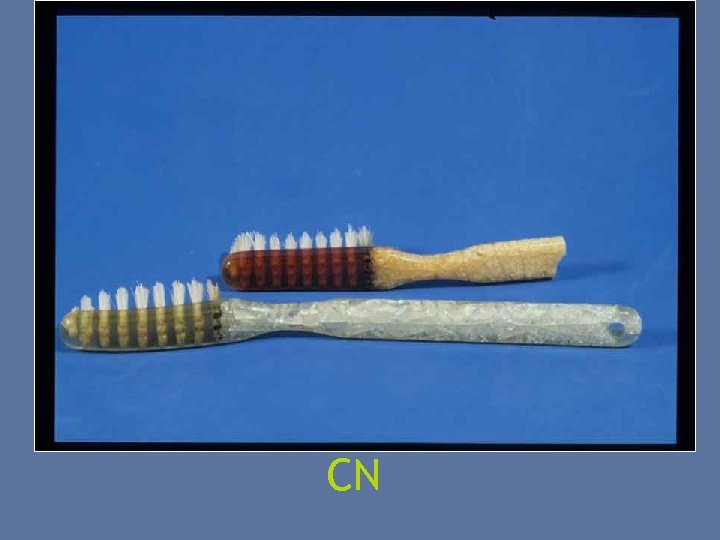 CN
CN
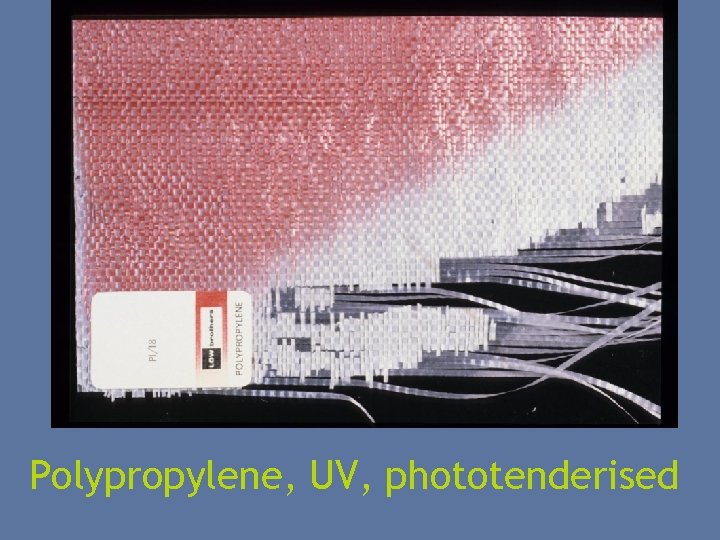 Polypropylene, UV, phototenderised
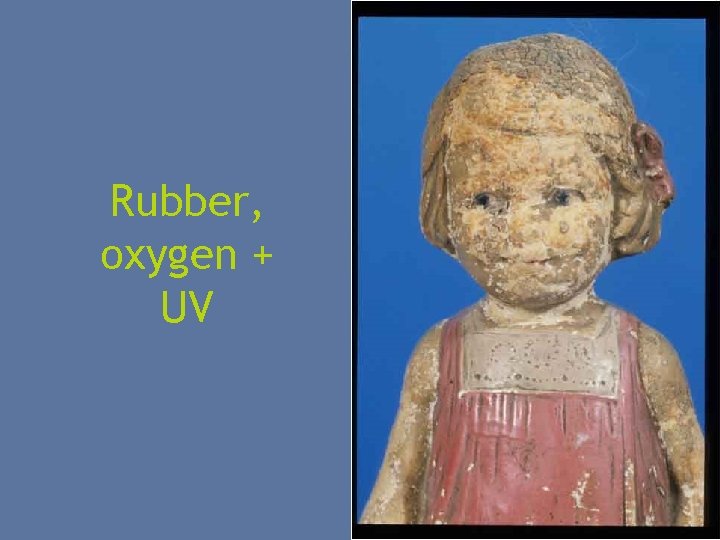 Rubber, oxygen + UV
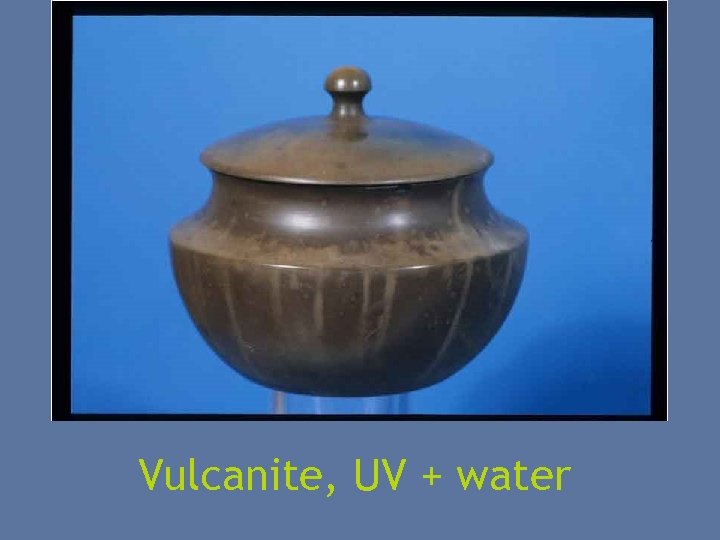 Vulcanite, UV + water
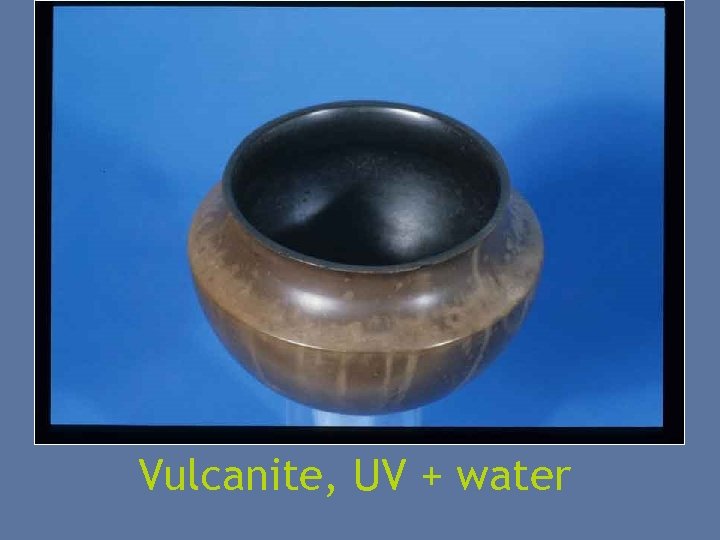 Vulcanite, UV + water
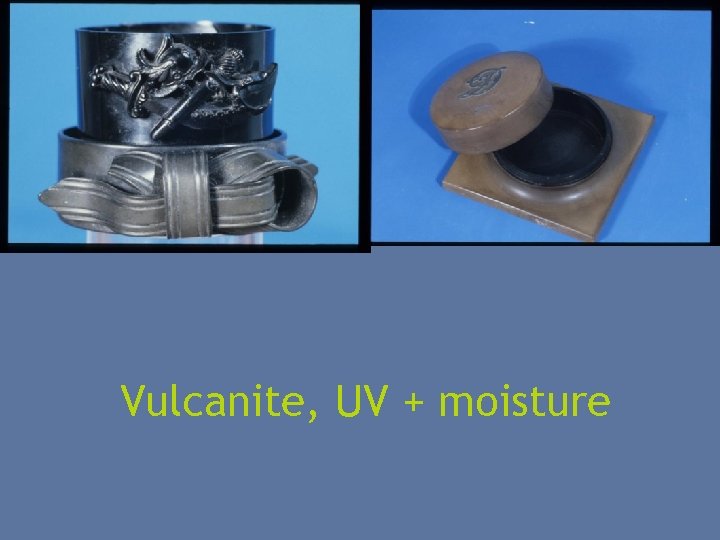 Vulcanite, UV + moisture
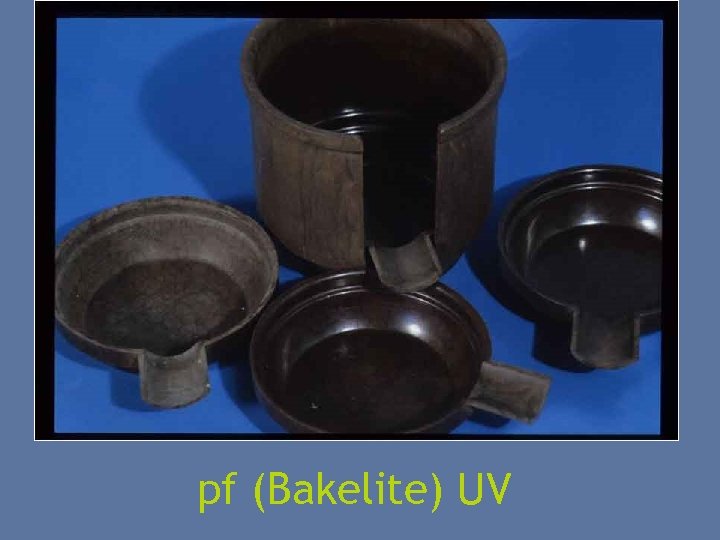 pf (Bakelite) UV
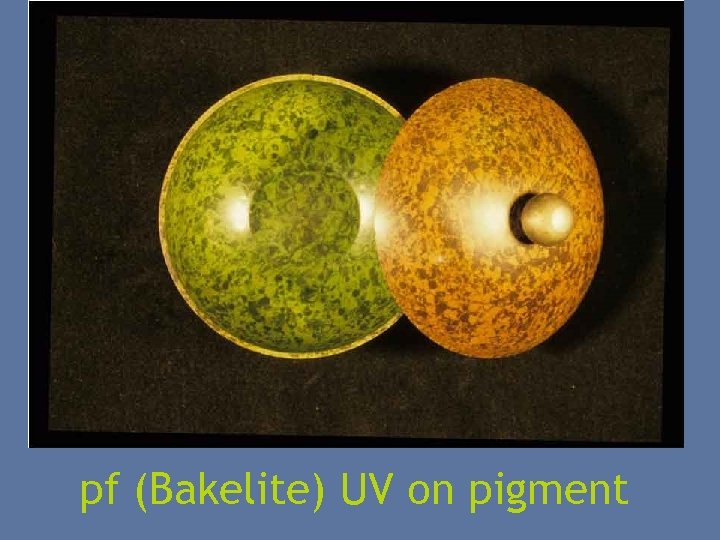 pf (Bakelite) UV on pigment
 Degradation surface bloom distortion splitting colour change embrittlement crazing
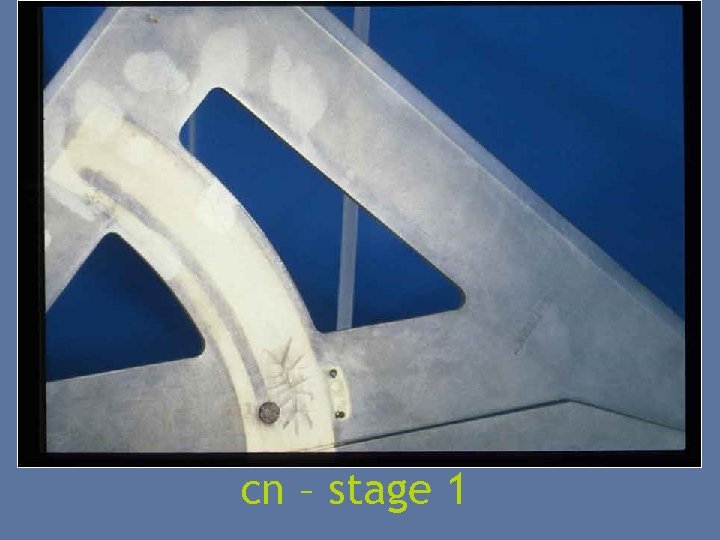 cn – stage 1
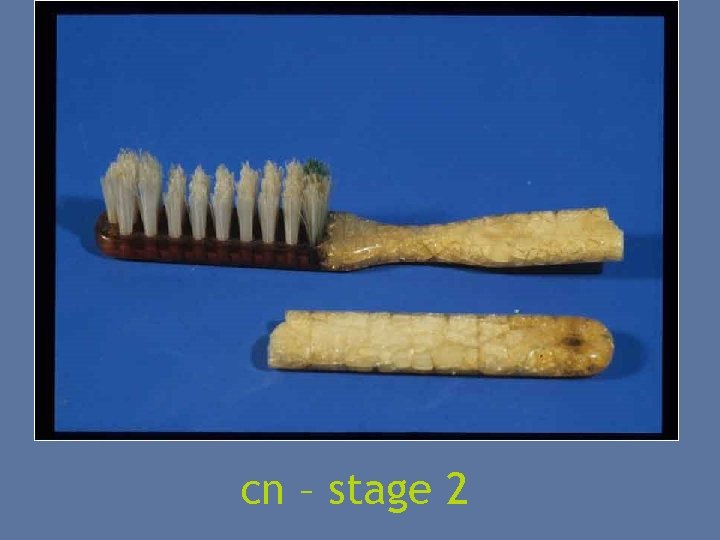
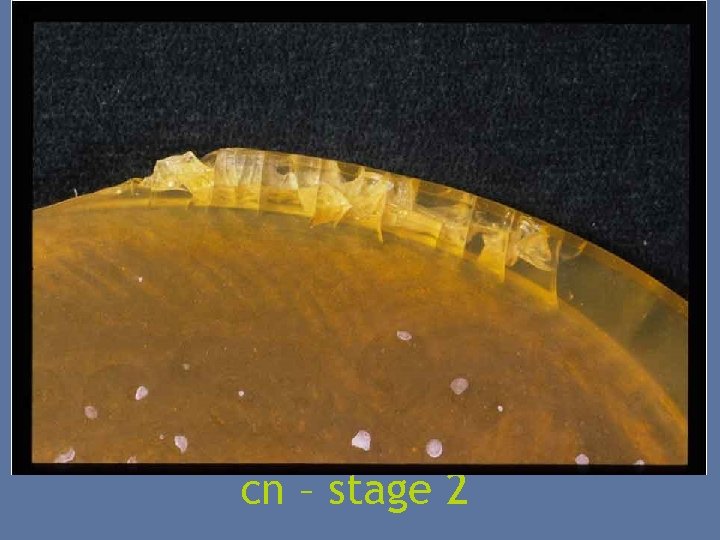
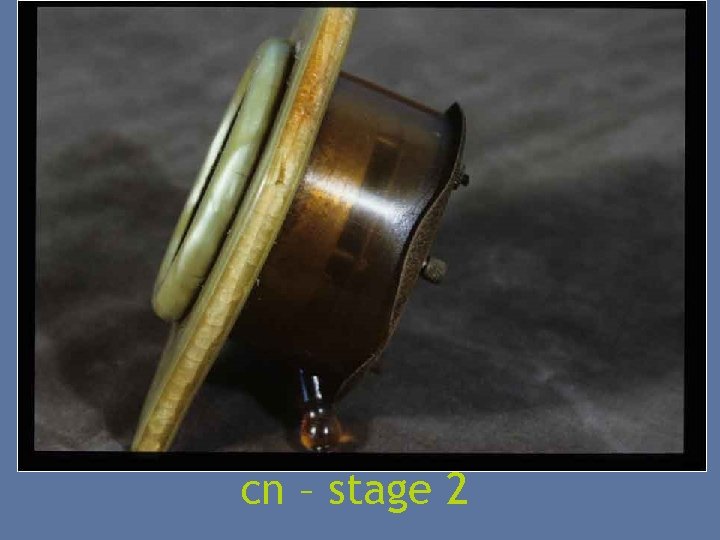 cn – stage 2
 cn – stage 2
 cn – stage 2
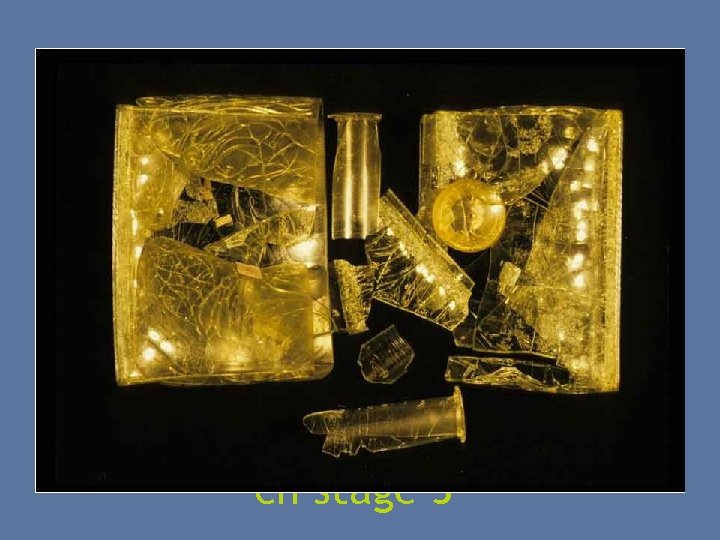 cn stage 3
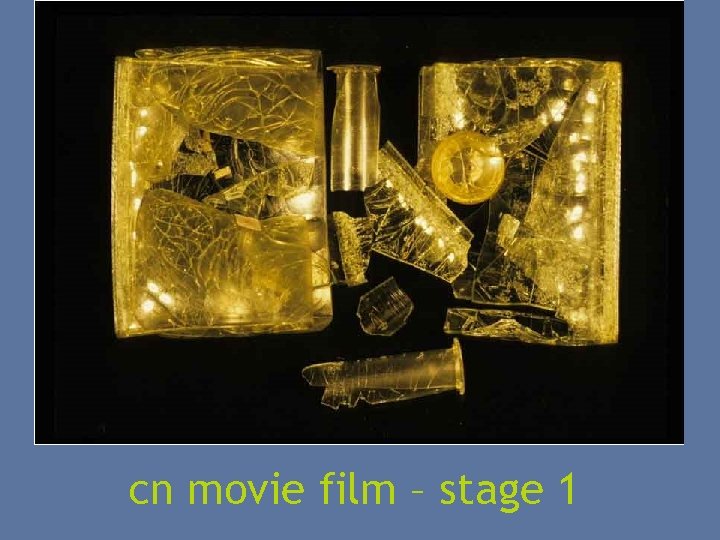 cn movie film – stage 1
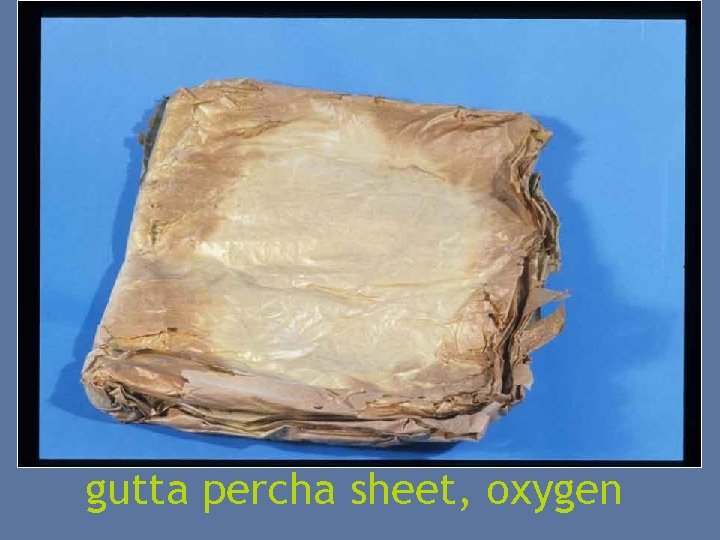 gutta percha sheet, oxygen
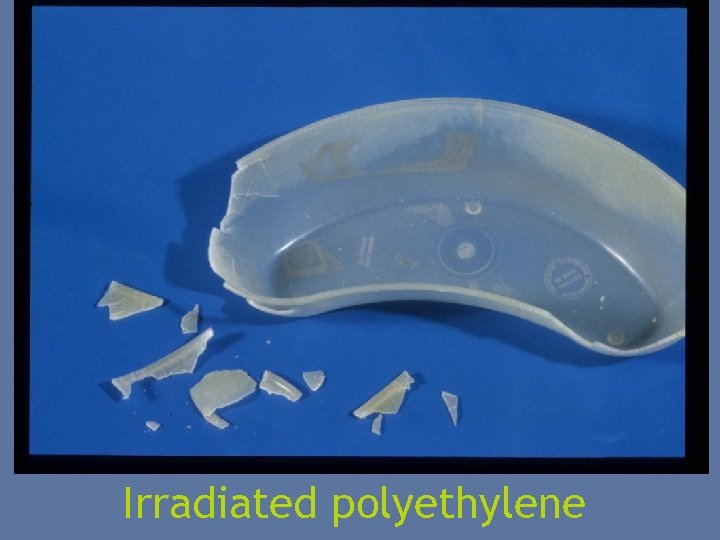 Irradiated polyethylene
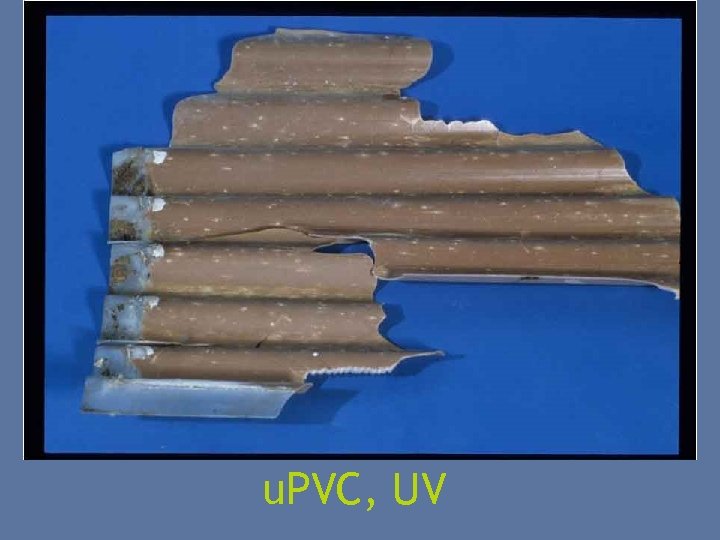 u. PVC, UV
 Degradation surface bloom distortion splitting colour change embrittlement crazing
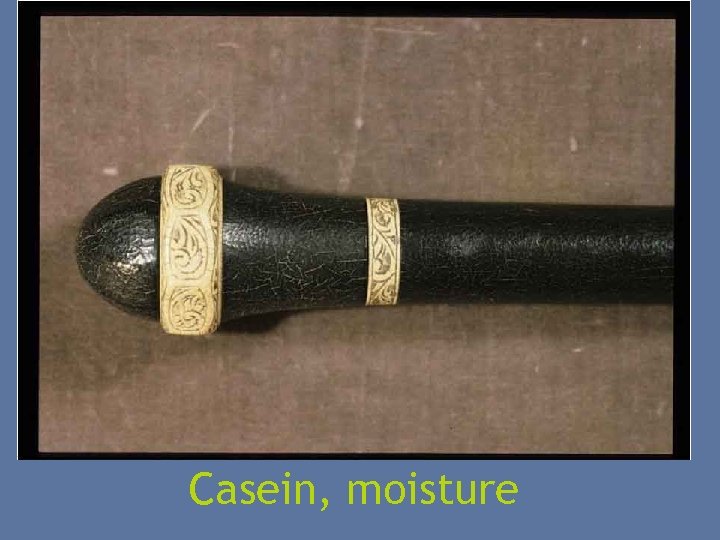 Casein, moisture
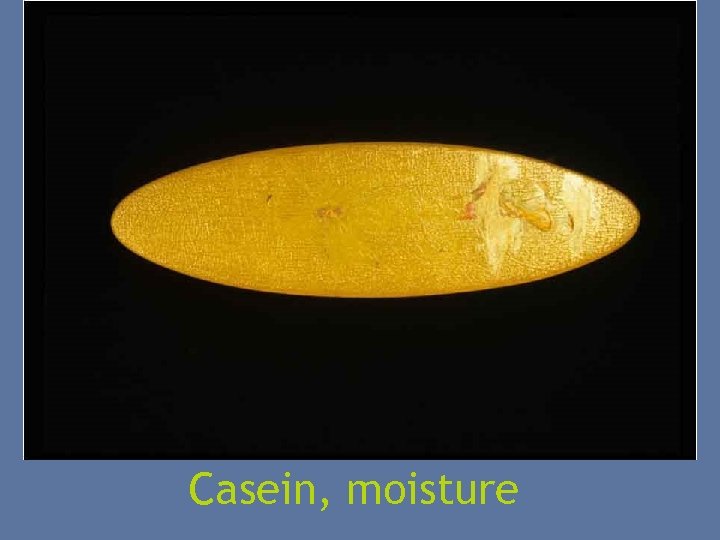 Casein, moisture
 Degradation surface bloom distortion splitting colour change embrittlement crazing weeping
 Degradation Weeping – typically CA plasticiser loss
 Stability of Plastics
 Cellulose Nitrate (Celluloid) hydrolysis Nitrogen oxides off gas Nitrous and nitric acids
 Cellulose Nitrate (Celluloid) off gassing - corrosion moist haze acidic surface cuboid cracking movie film dry deepfreeze
 Cellulose Acetate hydrolysis acetic acid - vinegar plasticiser migration
 Cellulose Acetate smell of vinegar weeping dry plasticiser on surface distortion blisters
 PVC originally unstable but UV and ΔH stabilisers added plasticiser migration rigid – darkens & embrittles flexible – stiffens/liquefies
 Polyurethanes unstable as foam as high surface area and O 2 exposure darken, powder, crumbling
 Other polymers all UV sensitive transparent worse than opaque amorphous (e. g. PMMA, P’s, Polycarb) – solvent sensitivity

 Caring basic considerations storage inc. passive cons. cleaning handling degradation indicators display
 Caring basic considerations storage inc. passive cons. cleaning handling degradation indicators display
 Basic considerations identify the material before acquisition
 Basic considerations identify the material before acquisition only acquire non-degrading items
 Basic considerations identify the material before acquisition only acquire non-degrading items physical damage better than chemical
 Basic considerations identify the material before acquisition only acquire non-degrading items physical damage better than chemical exposure stress, labels, paint, adhesive
 Caring basic considerations storage inc. passive cons. cleaning handling degradation indicators display
 storage no sunlight, heat, & damp no lights in stores 30 -50% RH <5 o C < 30% slows degradation
 storage no sunlight, heat, & damp no enclosed wrappings allow off gassing except for passive conservation
 storage no sunlight, heat, & damp no enclosed wrappings acid free tissue
 storage no sunlight, heat, & damp no enclosed wrappings acid free tissue not touching other items
 storage not touching other items plasticiser migration degradation bi-products colour bleed
 storage no sunlight, heat, & damp no enclosed wrappings acid free tissue not touching other items supported
 storage supported stress sculpted bed cushion strongest points open framework check materials (cf display)
 storage no sunlight, heat, & damp no enclosed wrappings acid free tissue not touching other items supported indicators
 storage indicators cresol paper cresol string
 storage no sunlight, heat, & damp no enclosed wrappings acid free tissue not touching other items supported indicators passive conservation
 storage passive conservation scavengers activated charcoal – poss CN CA Zeolites – ok CA film long term Ageless – ok for rubber NOT CN CA
 storage no sunlight, heat, & damp no enclosed wrappings acid free tissue not touching other items supported indicators passive conservation gloves
 storage gloves lint free - snagging non-absorbent (acids)
 Caring basic considerations storage inc. passive cons. cleaning
 Caring cleaning advisable for conservation but curatorial ?
 Caring cleaning water (sparingly) generally safe BUT
 water generally safe BUT not immersion ? surface dyed casein not vulcanite not foam not degrading CN
 Caring cleaning olive oil ok for sticky labels BUT beware ESC
 Caring cleaning wax polish ?
 Caring basic considerations storage inc. passive cons. cleaning handling degradation indicators display
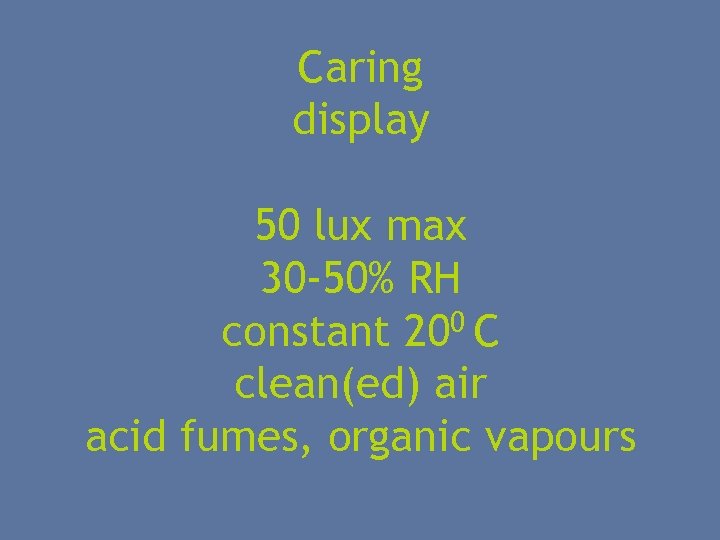 Caring display 50 lux max 30 -50% RH constant 200 C clean(ed) air acid fumes, organic vapours
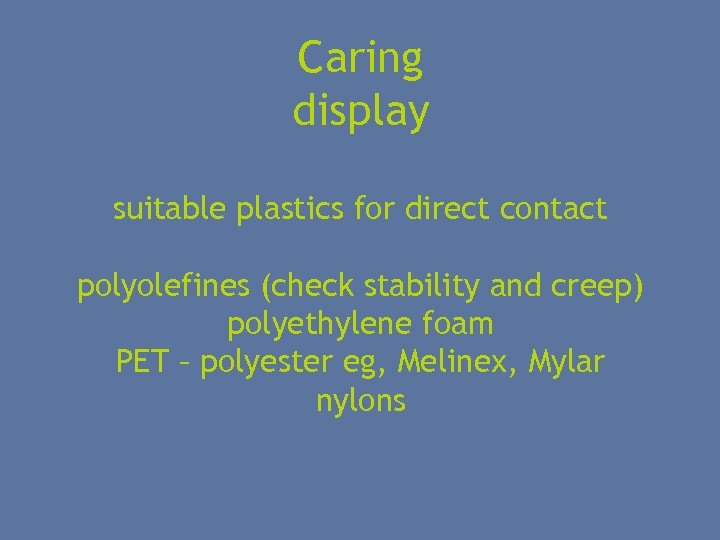 Caring display suitable plastics for direct contact polyolefines (check stability and creep) polyethylene foam PET – polyester eg, Melinex, Mylar nylons
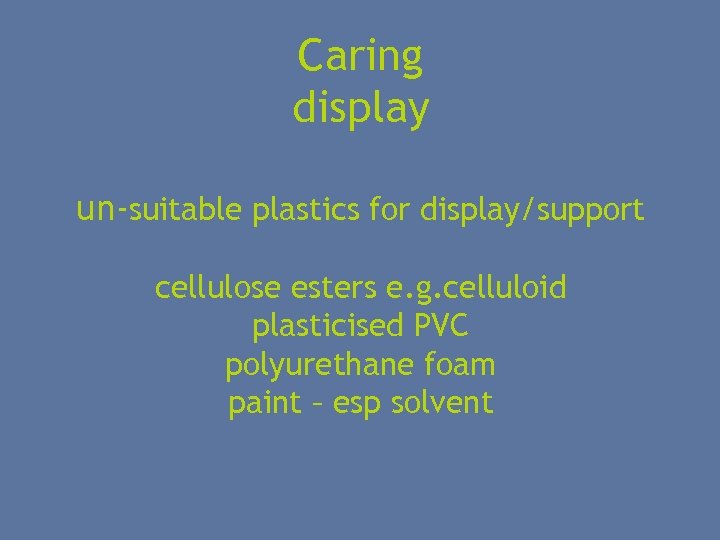 Caring display un-suitable plastics for display/support cellulose esters e. g. celluloid plasticised PVC polyurethane foam paint – esp solvent
 So, you’ve got plastics in the collection ? ? ?
 So, you’ve got plastics in the collection ? ? ? What to do
 Survey identify materials
 Survey identify materials identify degradation
 Survey identify materials identify degradation determine risk
 Category A – High Risk Degradation started Likely to affect other materials
 Category A – High Risk Degradation started Likely to affect other materials Cellulose Nitrate – ‘celluloid disease’ Attacked metals, wrapping
 Category A – High Risk Actively degrading –record and discard -active conservation -isolate No active degradation –storage -6 monthly inspection -indicators -active conservation -cleaning
 Category B – Medium Risk Likely to degrade but products of degradation inoffensive
 Polyurethane Foam Store in reduced O 2 environment Ageless no light
 PVC Unplasticised – UV sensitive Plasticised (flexible) Plasticiser loss -embrittlement Eventually liquifies