


 Скачать презентацию There is a large existing amount of data
bc96d83f0be4911826b17c6ea20d7b2e.ppt
- Количество слайдов: 36





 There is a large existing amount of data collected under the Abilene Observatory program. Some of it is available publicly through some of the links listed in this presentation. However there is some data due to its size or format, such as a stream of Net. Flow data, that can only be available upon request. To gain access to this data please contact abilene@internet. edu

 The Abilene Observatory has reserved space for researchers to deploy equipment in the Abilene Observatory Rack. The first step in deploying a co-location project is to submit a proposal to abilene@internet 2. edu

 Participation is open to all members (university, corporate, or affiliates) of the Internet 2 project and is based on competitive proposals Proposal information at: http: //abilene. internet 2. edu/observatory/proposal-process. html





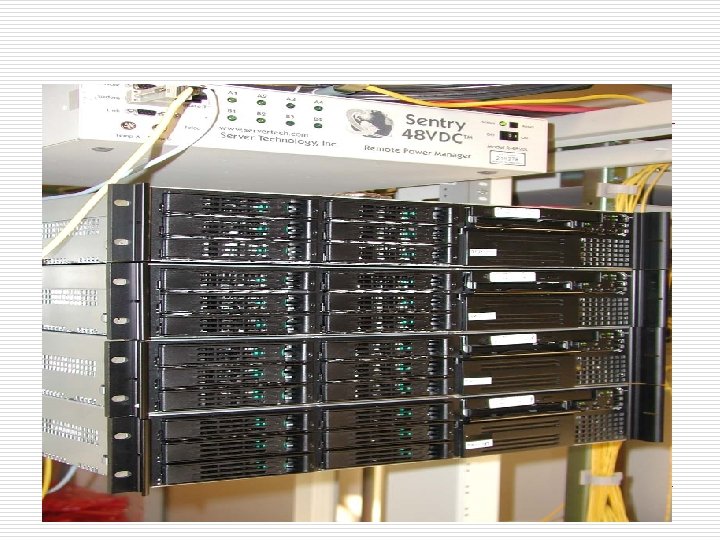
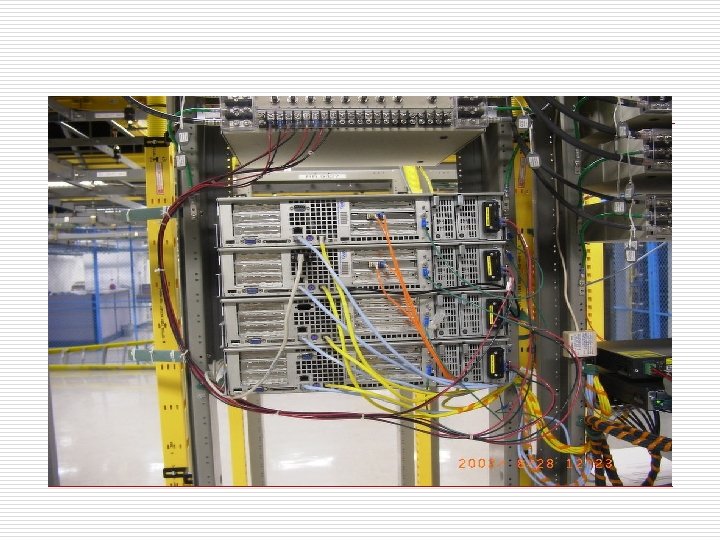


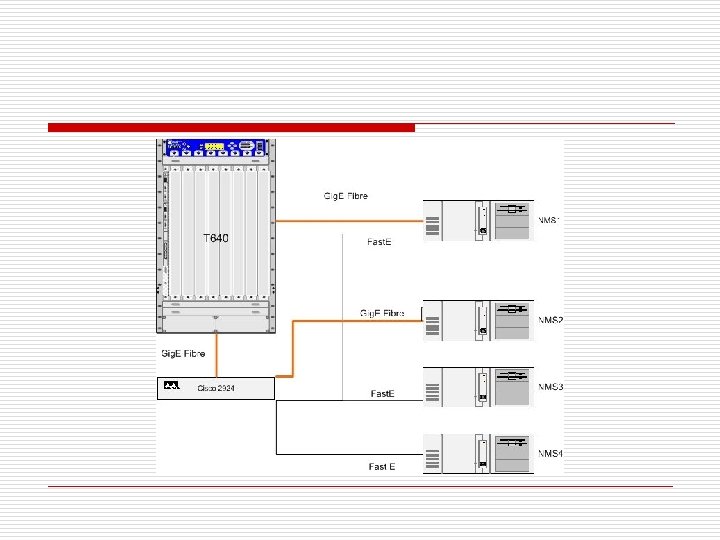

 The state of the NMS machines are closely monitored. Nagios/Alert. Mon monitor and display alerts if any machine or service is down Ganglia Cluster Toolkit is used for system (load, mem, disk usage, etc. . ) monitoring






 Owamp tests one-way latency between all NMS 4 machines using both IPv 4 and IOv 6. NMS 4 are synchronized with Praecis Ct CDMA Clocks connected to each NMS 4 machine. Data is collected from each machine and processed in a centralized database.



 The Internet 2 Detective users the Observatory framework. A modified echo server and IPerf server is used to provide the connectivity and performance information to each client. More information is available at: http: //detective. internet 2. edu


 The applications and administration of the Abilene Observatory is the work of a large group of people: Jeff Boote, Eric Boyd , Prasad Calyam, Mark Fullmer, Chris Heermann, Russ Hobby, John Moore, Bob Riddle, Dan Pritts, Stanislav Shalunov, Richard Summerhill, Matt Zekauskas and the entire Abilene NOC