


 Скачать презентацию Therapeutic Cardiac Ultrasound Graham Gardner M D Division
c6922f1899c748a964a7869e7877ad9b.ppt
- Количество слайдов: 35
 Therapeutic Cardiac Ultrasound Graham Gardner, M. D. Division of Cardiology Beth Israel Deaconess Medical Center Harvard Medical School February 2 nd, 2005
 Introduction • • Novel Mechanisms for Drug Delivery using Ultrasound Advantages and Disadvantages of Cardiac Ultrasound Specific Applications – Drug Delivery – Gene Delivery • Future Directions
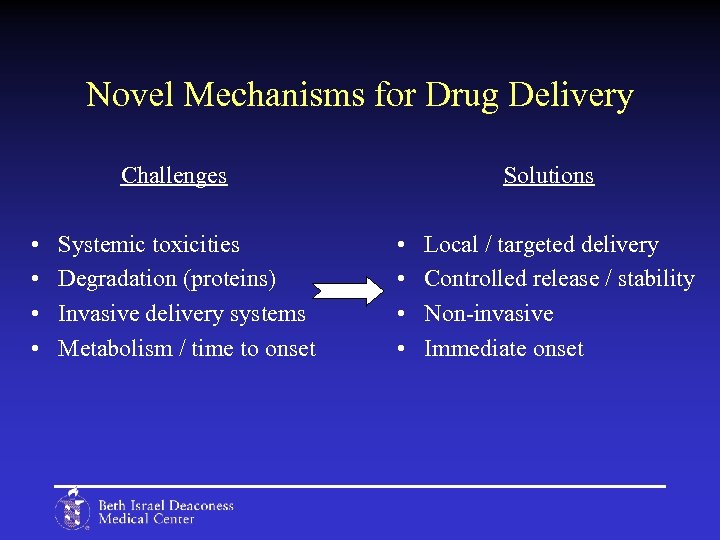 Novel Mechanisms for Drug Delivery Challenges • • Systemic toxicities Degradation (proteins) Invasive delivery systems Metabolism / time to onset Solutions • • Local / targeted delivery Controlled release / stability Non-invasive Immediate onset
 Novel Mechanisms for Drug Delivery Innovations – – Nanotechnology Controlled-release devices and preparations Marriage of pharmaceutical compounds with medical devices Ultrasound-enabling
 Cardiac Ultrasound Principles • Creation of microspheres • Incorporation of drugs (and possibly ligands) within the microspheres • Distribution of drug-containing microspheres through the vascular system • Delivery of the drugs to target organs via ultrasound
 Microsphere Constituents • Gas – Air: dissolution in blood is < 1 sec – Perflurocarbons • Low propensity to diffuse remains in the bubble • Low concentration of saturation in blood prolonged survival • Shell – Albumin: flexible and binds to injured endothelium – Acrylates: inflexible and require ultrasound destruction – Polymers: custom-designed
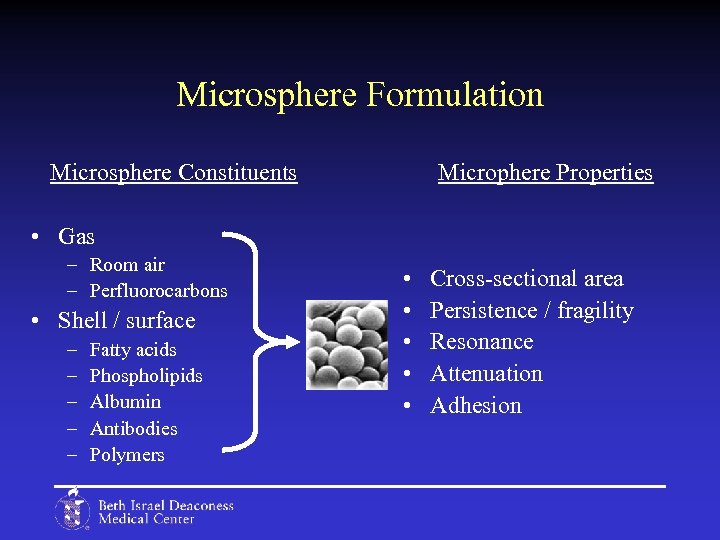 Microsphere Formulation Microsphere Constituents Microphere Properties • Gas – Room air – Perfluorocarbons • Shell / surface – – – Fatty acids Phospholipids Albumin Antibodies Polymers • • • Cross-sectional area Persistence / fragility Resonance Attenuation Adhesion
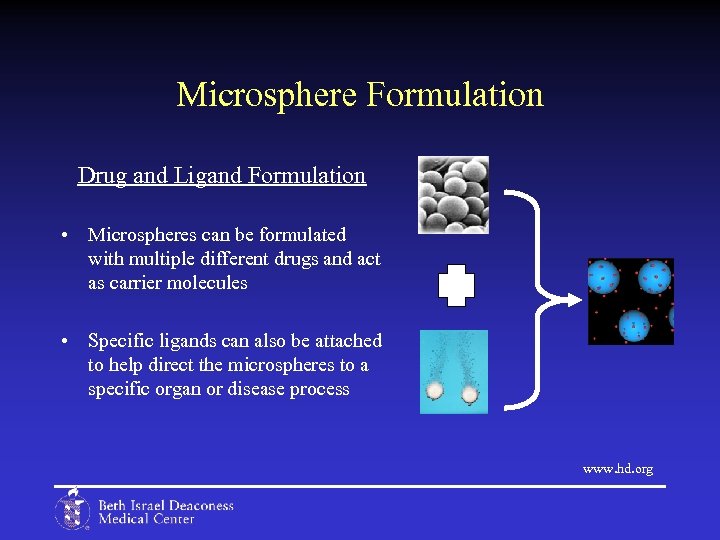 Microsphere Formulation Drug and Ligand Formulation • Microspheres can be formulated with multiple different drugs and act as carrier molecules • Specific ligands can also be attached to help direct the microspheres to a specific organ or disease process www. hd. org
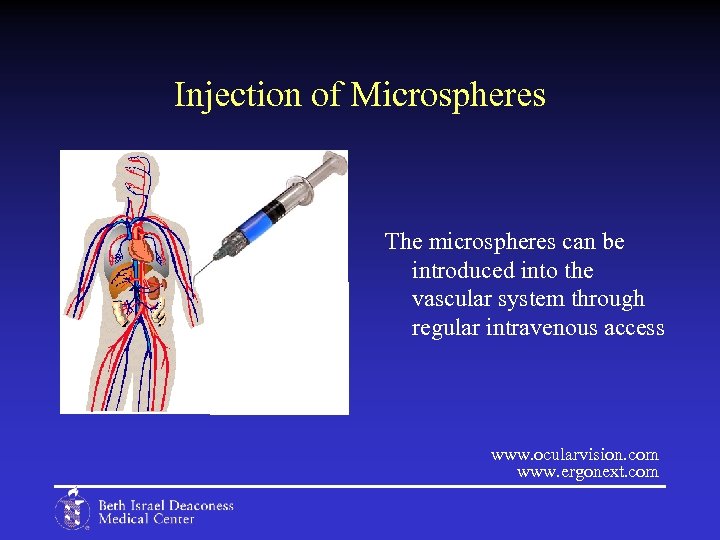 Injection of Microspheres The microspheres can be introduced into the vascular system through regular intravenous access www. ocularvision. com www. ergonext. com
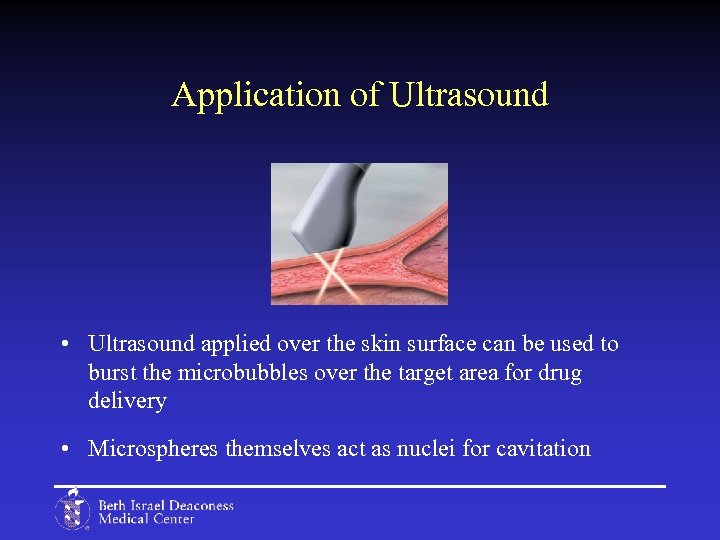 Application of Ultrasound • Ultrasound applied over the skin surface can be used to burst the microbubbles over the target area for drug delivery • Microspheres themselves act as nuclei for cavitation
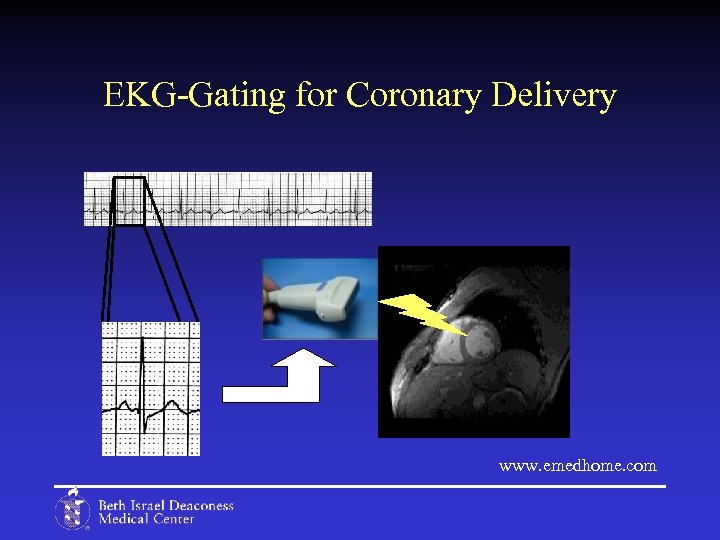 EKG-Gating for Coronary Delivery www. emedhome. com
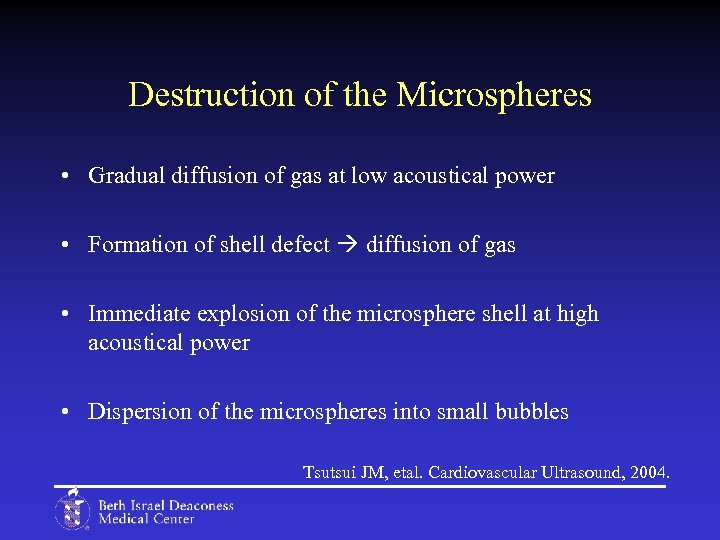 Destruction of the Microspheres • Gradual diffusion of gas at low acoustical power • Formation of shell defect diffusion of gas • Immediate explosion of the microsphere shell at high acoustical power • Dispersion of the microspheres into small bubbles Tsutsui JM, etal. Cardiovascular Ultrasound, 2004.
 Additional Effects of Ultrasound • Creation of extravasation points in skeletal muscle capillaries (micro-fractures) – Microvessels with diameter < 7 um – Dependent upon ultrasound pulse interval (optimal approx 5 sec) • Formation of pores in cellular membranes – Best with lower Hz / higher wavelength • Physical disruption of clot Tsutsui JM, etal. Cardiovascular Ultrasound, 2004.
 Advantages of Ultrasound • Local or targeted delivery • Minimize systemic circulation and drug levels • Delivery of “difficult” compounds – Proteins – Systemically toxic compounds • Non-invasive • Ultrasound facilitation of drug delivery – Microvessel fractures – Clot dissolution – Disruption of lipid cellular membranes
 Disadvantages of Ultrasound • “Packaging” requirements – Limitation of total amount • Cost • Safety considerations – PVCs – Disruption of the microvasculature – Allergy to microsphere preparations or constituents
 Specific Applications • Drug Delivery – – Thrombolysis Myocarditis Angiogenesis Restenosis • Gene Delivery – Cellular transfection
 Specific Applications • Drug Delivery – – Thrombolysis Myocarditis Angiogenesis Restenosis • Gene Delivery – Cellular transfection
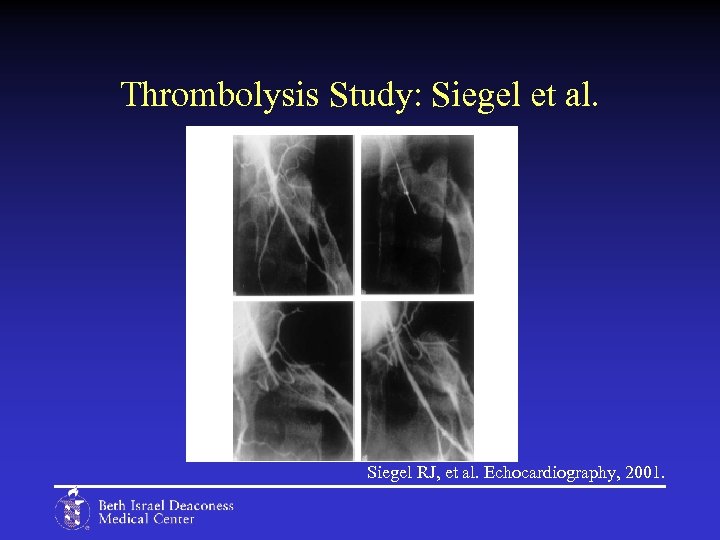
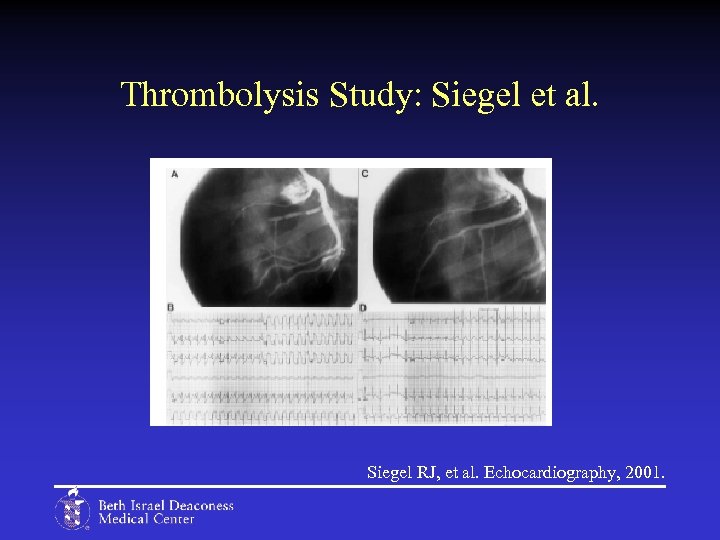
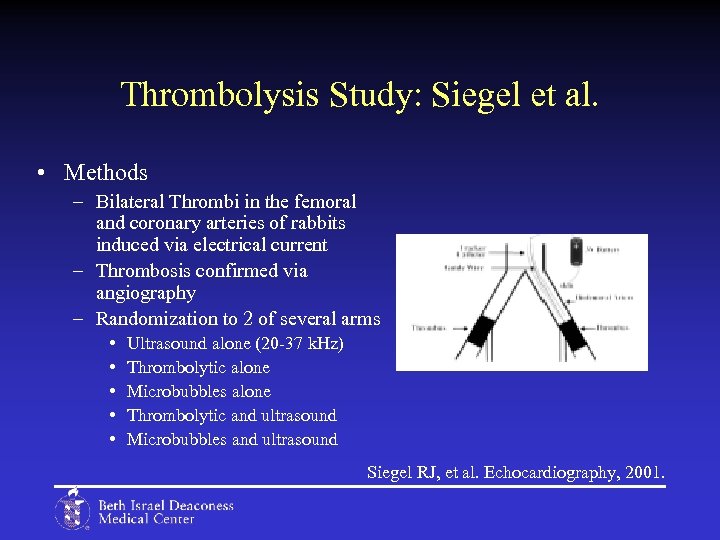 Thrombolysis Study: Siegel et al. • Methods – Bilateral Thrombi in the femoral and coronary arteries of rabbits induced via electrical current – Thrombosis confirmed via angiography – Randomization to 2 of several arms • • • Ultrasound alone (20 -37 k. Hz) Thrombolytic alone Microbubbles alone Thrombolytic and ultrasound Microbubbles and ultrasound Siegel RJ, et al. Echocardiography, 2001.
 Thrombolysis Study: Siegel et al. Siegel RJ, et al. Echocardiography, 2001.
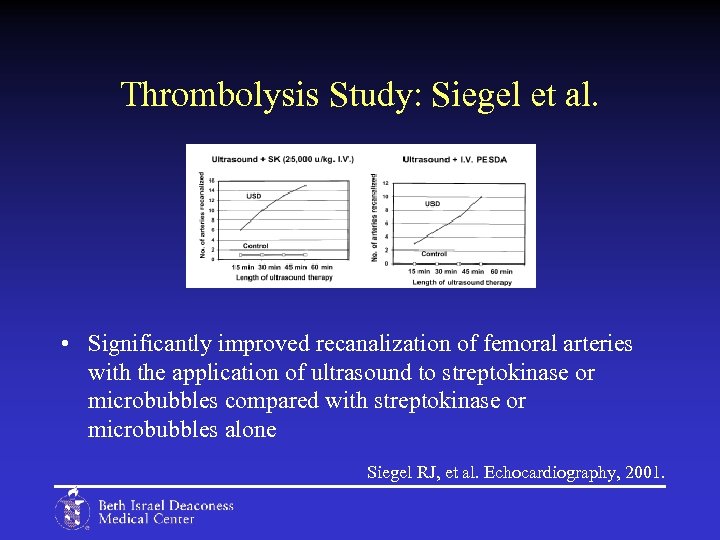 Thrombolysis Study: Siegel et al. • Significantly improved recanalization of femoral arteries with the application of ultrasound to streptokinase or microbubbles compared with streptokinase or microbubbles alone Siegel RJ, et al. Echocardiography, 2001.
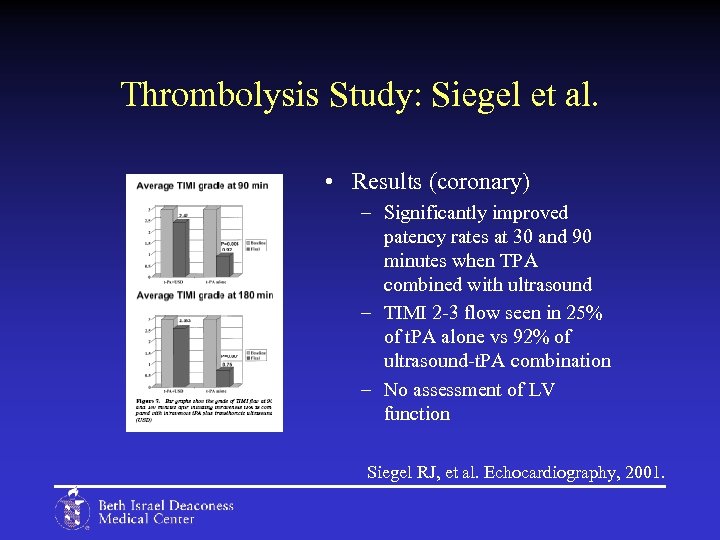 Thrombolysis Study: Siegel et al. • Results (coronary) – Significantly improved patency rates at 30 and 90 minutes when TPA combined with ultrasound – TIMI 2 -3 flow seen in 25% of t. PA alone vs 92% of ultrasound-t. PA combination – No assessment of LV function Siegel RJ, et al. Echocardiography, 2001.
 Thrombolysis Study: Siegel et al. Siegel RJ, et al. Echocardiography, 2001.
 Specific Applications • Drug Delivery – – Thrombolysis Myocarditis Angiogenesis Restenosis • Gene Delivery – Cellular transfection
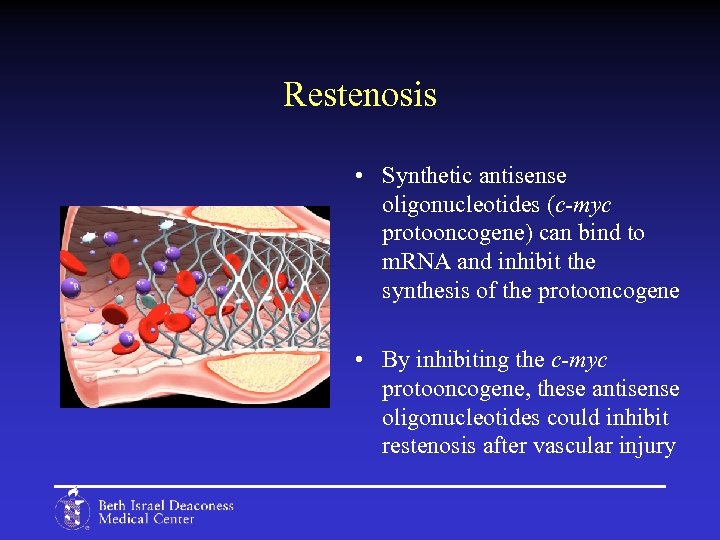 Restenosis • Synthetic antisense oligonucleotides (c-myc protooncogene) can bind to m. RNA and inhibit the synthesis of the protooncogene • By inhibiting the c-myc protooncogene, these antisense oligonucleotides could inhibit restenosis after vascular injury
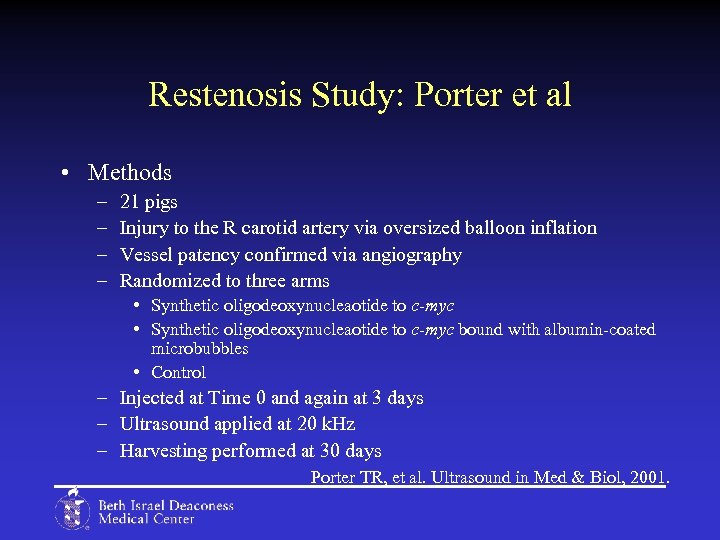 Restenosis Study: Porter et al • Methods – – 21 pigs Injury to the R carotid artery via oversized balloon inflation Vessel patency confirmed via angiography Randomized to three arms • Synthetic oligodeoxynucleaotide to c-myc bound with albumin-coated microbubbles • Control – Injected at Time 0 and again at 3 days – Ultrasound applied at 20 k. Hz – Harvesting performed at 30 days Porter TR, et al. Ultrasound in Med & Biol, 2001.
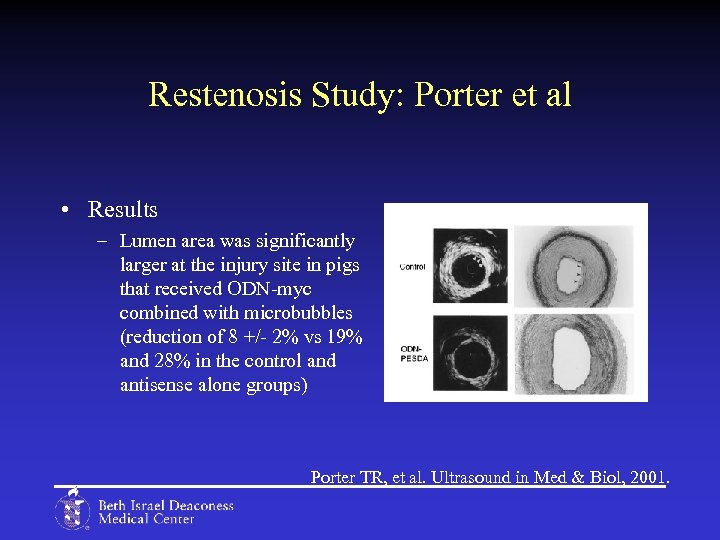 Restenosis Study: Porter et al • Results – Lumen area was significantly larger at the injury site in pigs that received ODN-myc combined with microbubbles (reduction of 8 +/- 2% vs 19% and 28% in the control and antisense alone groups) Porter TR, et al. Ultrasound in Med & Biol, 2001.
 Specific Applications • Drug Delivery – – Thrombolysis Myocarditis Angiogenesis Restenosis • Gene Delivery – Cellular transfection
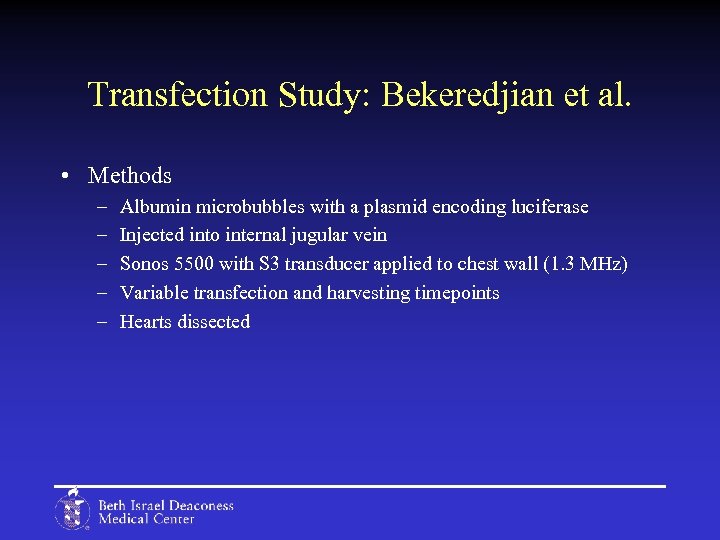 Transfection Study: Bekeredjian et al. • Methods – – – Albumin microbubbles with a plasmid encoding luciferase Injected into internal jugular vein Sonos 5500 with S 3 transducer applied to chest wall (1. 3 MHz) Variable transfection and harvesting timepoints Hearts dissected
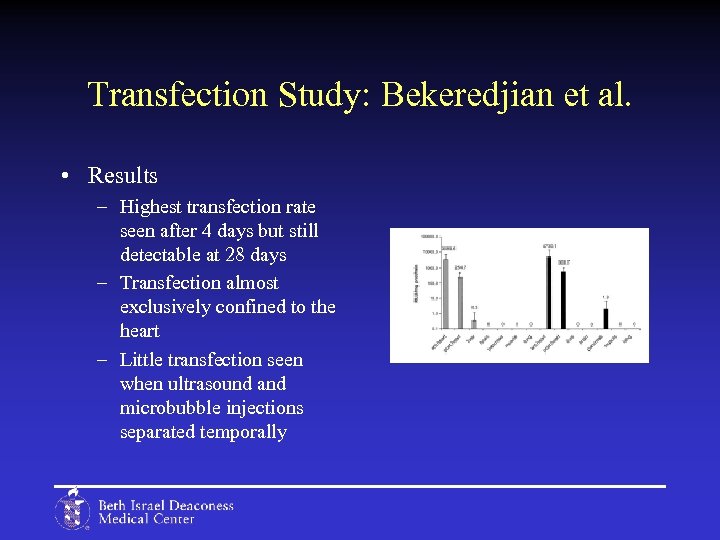 Transfection Study: Bekeredjian et al. • Results – Highest transfection rate seen after 4 days but still detectable at 28 days – Transfection almost exclusively confined to the heart – Little transfection seen when ultrasound and microbubble injections separated temporally
 Transfection Study: Shohet et al. • Methods – Perfluoropropane-filled albumin microbubbles – Attached to adenovirus containing c. DNA for E coli β-galactosidase gene – Rats divided into 6 groups • • • Echocardiographic destruction of microbubbles without gene Echocardiographic destruction of microbubbles with gene Microbubbles with gene only Gene alone Echocardiography with gene alone Echocardiographic destriction of microbubbles without gene followed by the infusion of gene alone
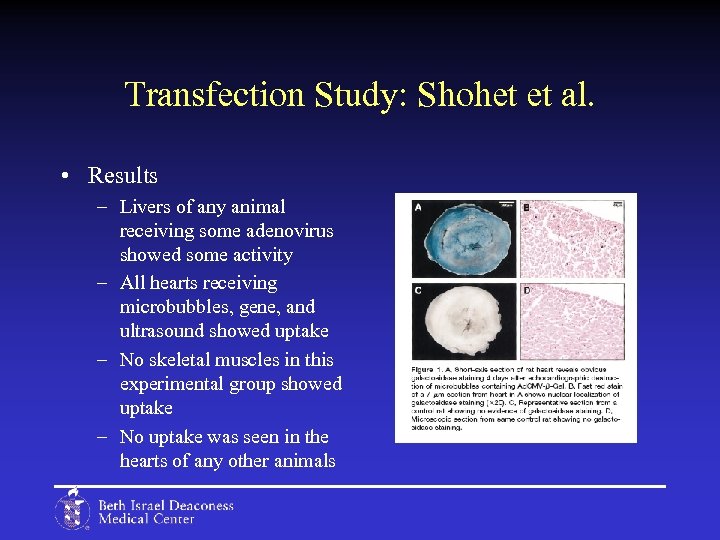 Transfection Study: Shohet et al. • Results – Livers of any animal receiving some adenovirus showed some activity – All hearts receiving microbubbles, gene, and ultrasound showed uptake – No skeletal muscles in this experimental group showed uptake – No uptake was seen in the hearts of any other animals
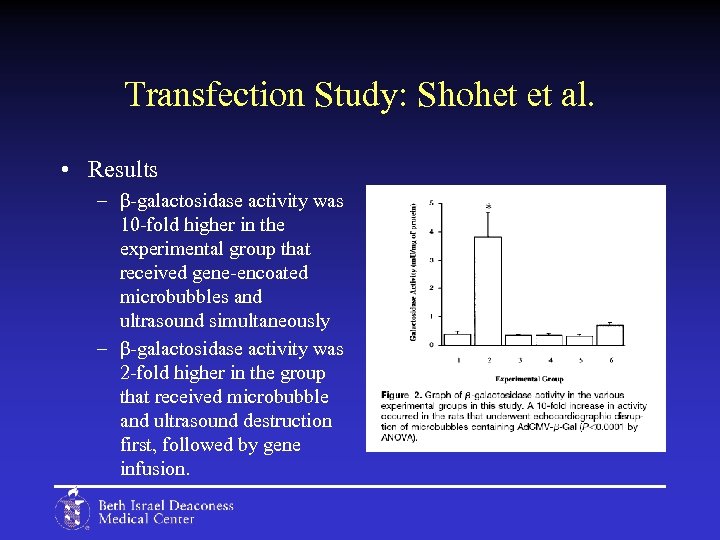 Transfection Study: Shohet et al. • Results – β-galactosidase activity was 10 -fold higher in the experimental group that received gene-encoated microbubbles and ultrasound simultaneously – β-galactosidase activity was 2 -fold higher in the group that received microbubble and ultrasound destruction first, followed by gene infusion.
 Future Directions • Application to other disease processes – Oncology • Delivery of chemotherapy • Delivery of anti-angiogenesis factors – – Musculoskeletal (arthritis) GI Endocrine (insulin delivery for diabetes) Transdermal drug delivery
 Future Directions • Cardiology Applications – Angiogenesis • Delivery of VEGF – Enhanced imaging • Ischemic myocardium – Arrhythmia management • Combination of monitoring and therapy
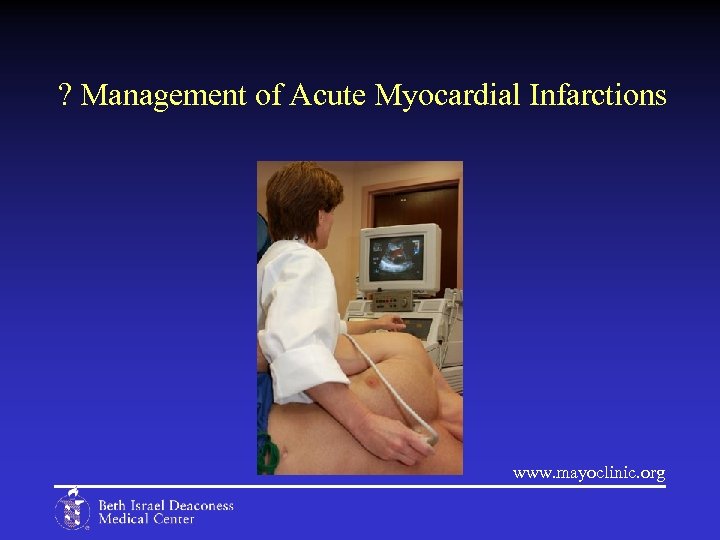 ? Management of Acute Myocardial Infarctions www. mayoclinic. org