


 Скачать презентацию Theories of International Relations n n n Realism
b24a81a54b83f17f4acac749925a41dd.ppt
- Количество слайдов: 30
 Theories of International Relations n n n Realism Idealism (Liberalism) Constructivism
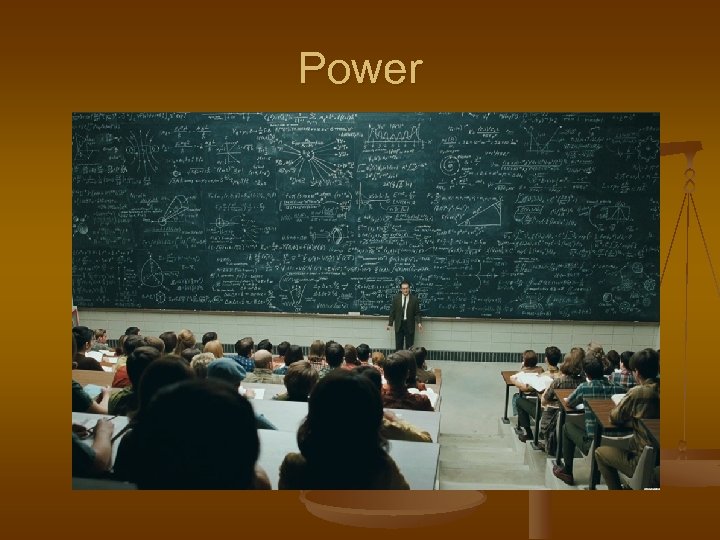
 Realism I n n Power: the ability to influence others Irrelevance of morality and ethics and law n n n Kellogg-Briand Pact (1928) Irrelevance of domestic political systems Why is power the only thing that matters? Human nature n Anarchic world: no rules n
 Realism II n n All nations are self-reliant To preserve peace use Balance of Power US vs. USSR in Cold War n US—China—Japan in East Asia n n Unipolarity cannot last n Nations will balance against US power
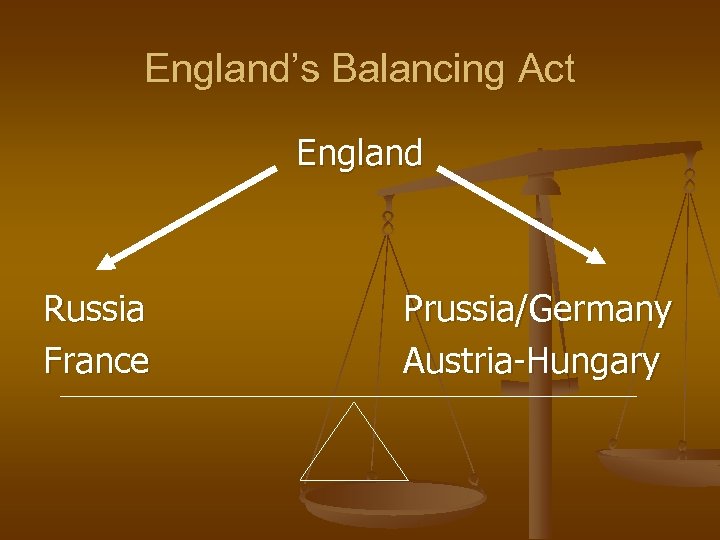 England’s Balancing Act England Russia France Prussia/Germany Austria-Hungary
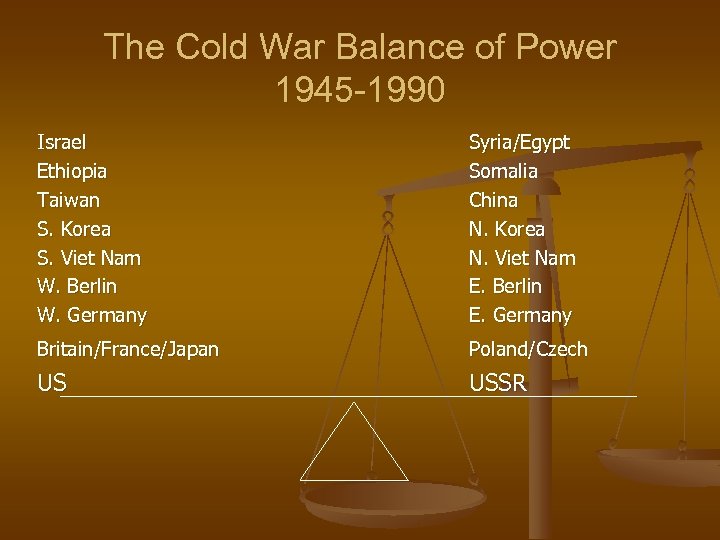 The Cold War Balance of Power 1945 -1990 Israel Ethiopia Taiwan S. Korea S. Viet Nam W. Berlin W. Germany Syria/Egypt Somalia China N. Korea N. Viet Nam E. Berlin E. Germany Britain/France/Japan Poland/Czech US USSR
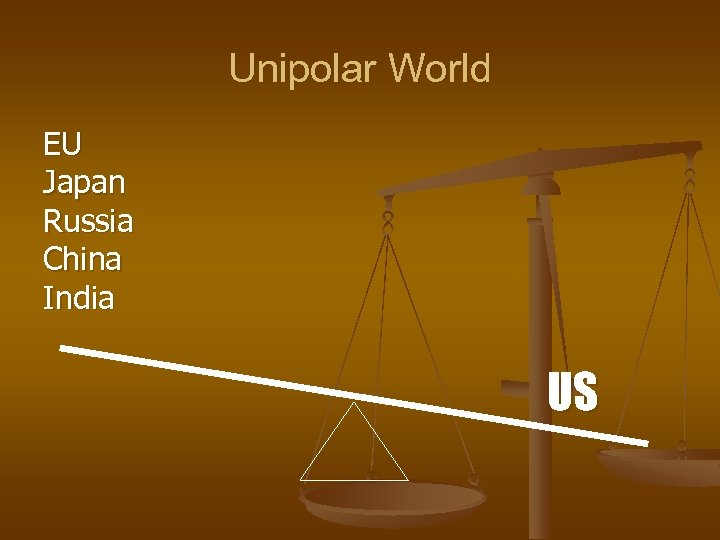 Unipolar World EU Japan Russia China India US
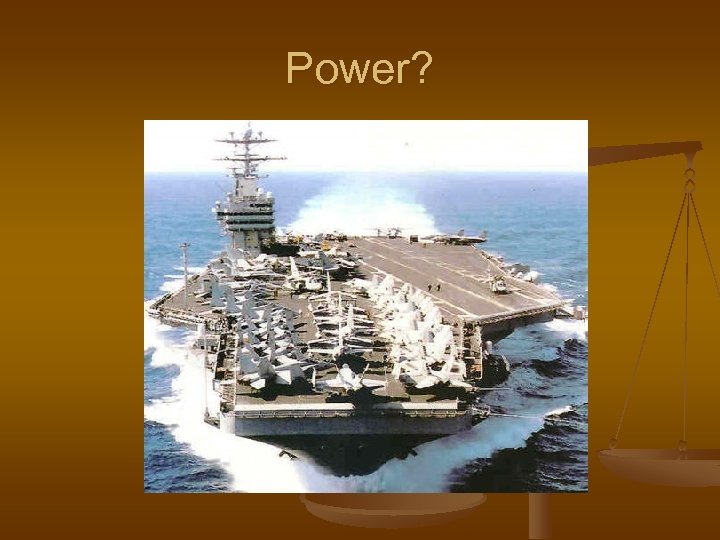 Power?
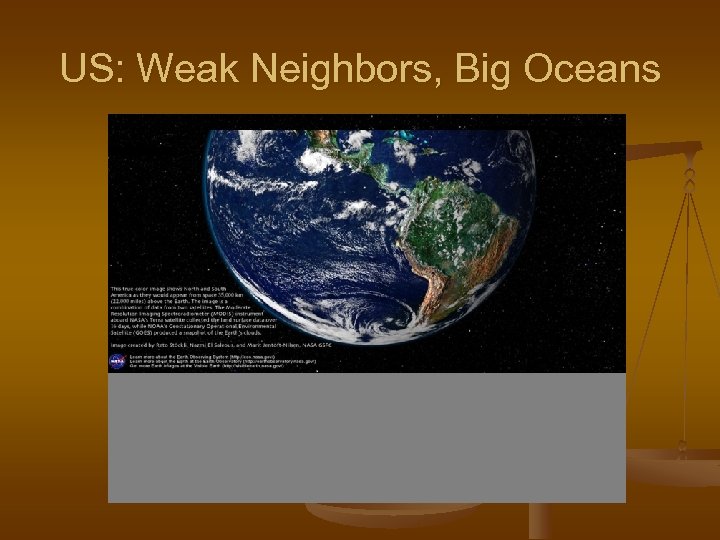 US: Weak Neighbors, Big Oceans
 Power
Power
 Power?
 Power: Information
 Power: Political Unity/Stability
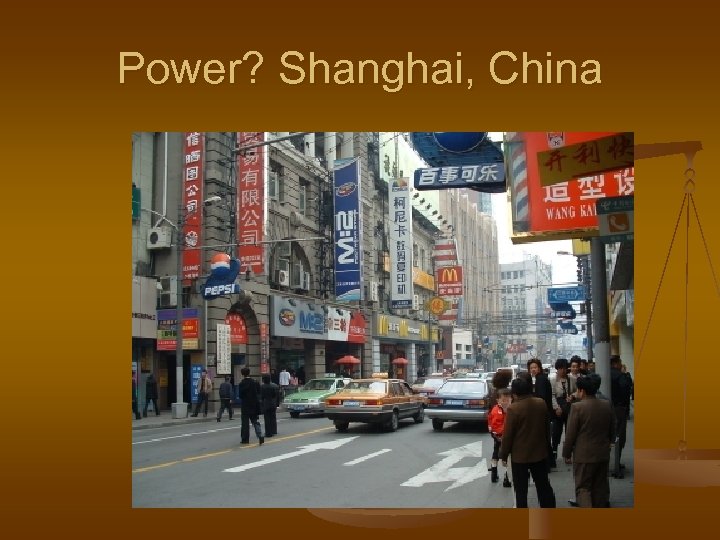 Power? Shanghai, China
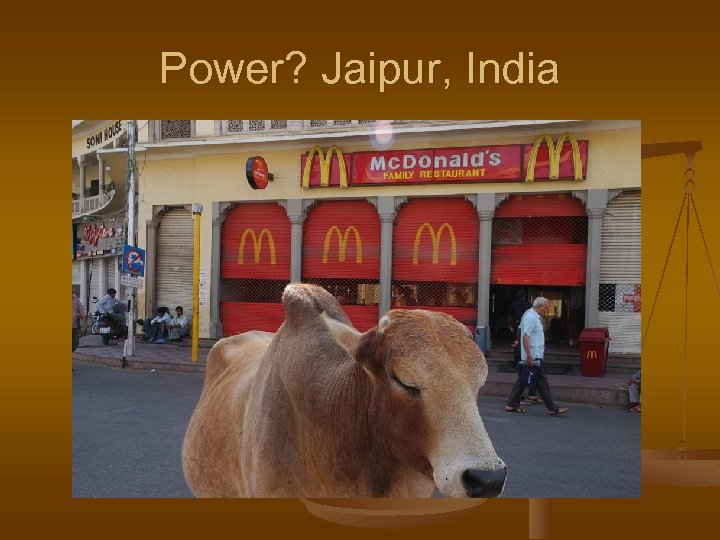 Power? Jaipur, India
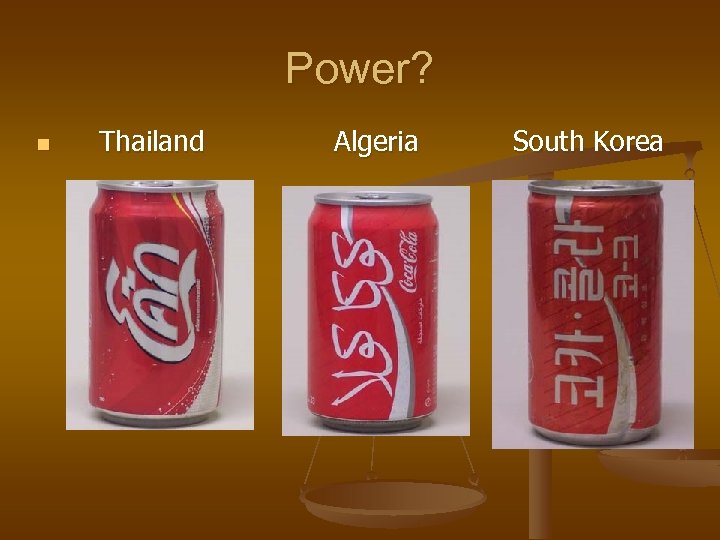 Power? n Thailand Algeria South Korea
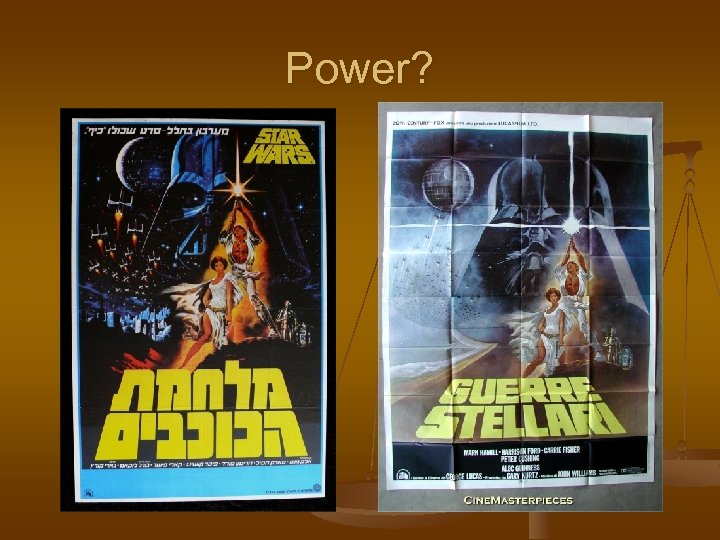 Power?
 Idealism/Liberalism I n n n Power is not the only thing that matters States have common interests and common values Trade is the key common interest
 Idealism/Liberalism II n n n Global Marketplace Interdependence Desire for rules Desire for predictability and stability International system is based on laws (Treaties) and institutions (UN, WTO) International law
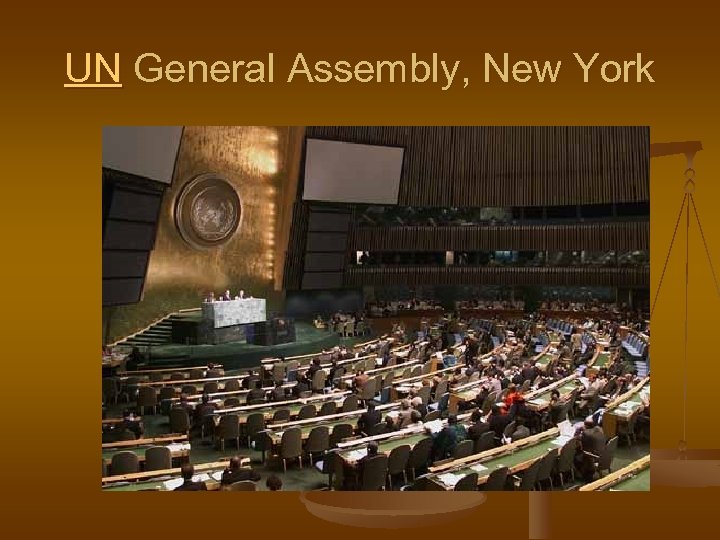 UN General Assembly, New York
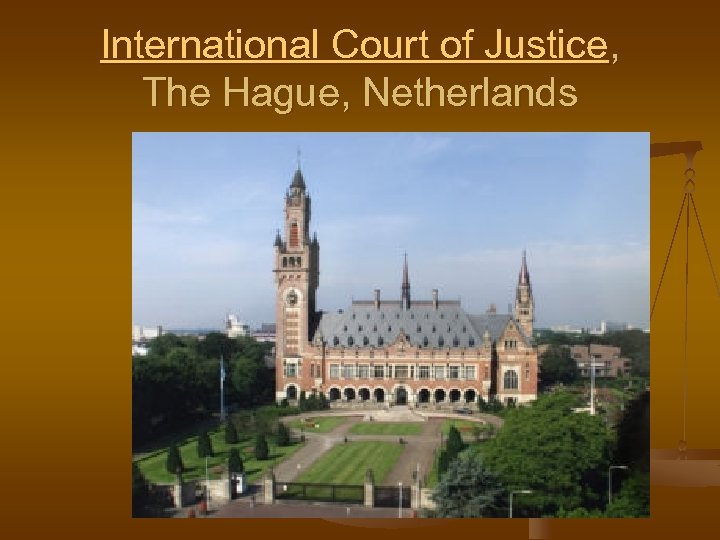 International Court of Justice, The Hague, Netherlands
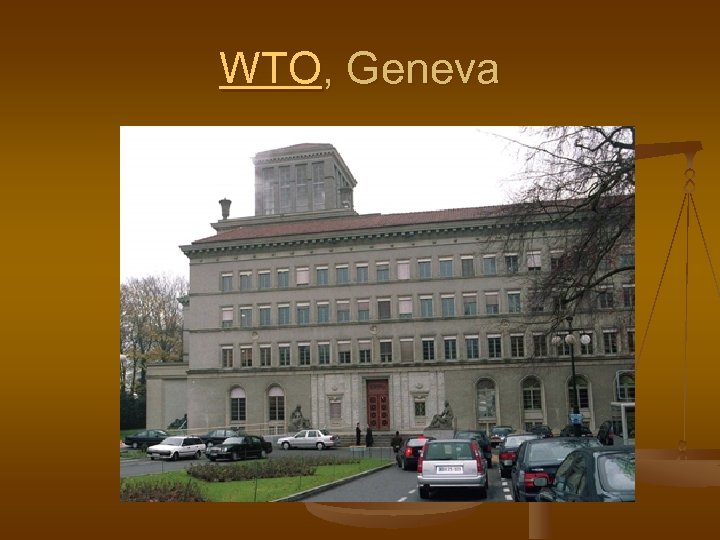 WTO, Geneva
 International Law n n Sovereignty Voluntary Choosing cooperation over rivalry Multilateral Treaties Depository
 Constructivism I n n n Nation-states are not all alike Political culture shapes foreign policy Form of government shapes foreign policy History shapes foreign policy Domestic political trends and debates shape foreign policy
 Constructivism II n n n States have identity State identity influences the way states interact with each other Examples: China sensitivity to any policies of other states that threaten its unity and sovereignty n US desire to transform the world n
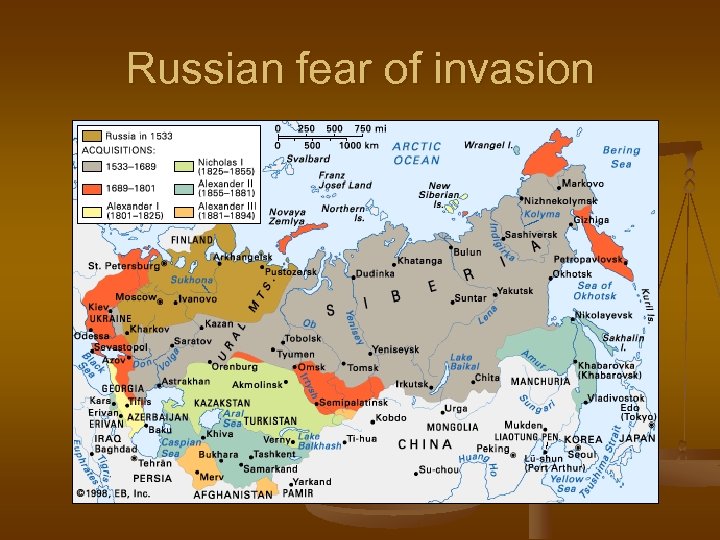 Russian fear of invasion
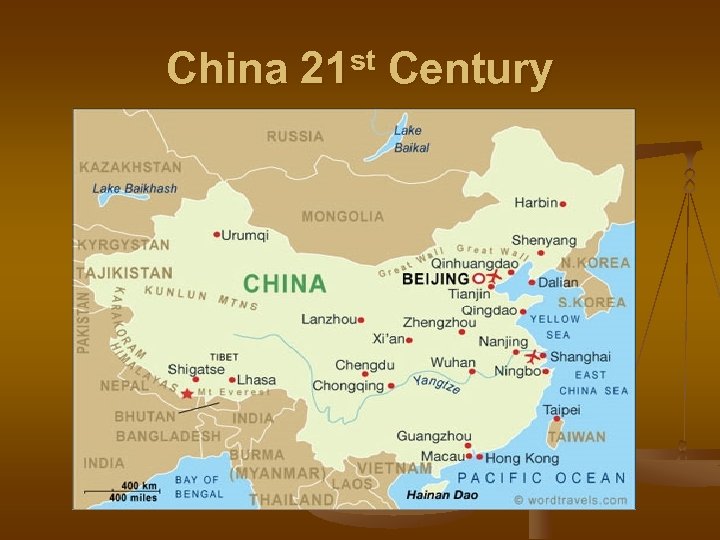 China 21 st Century
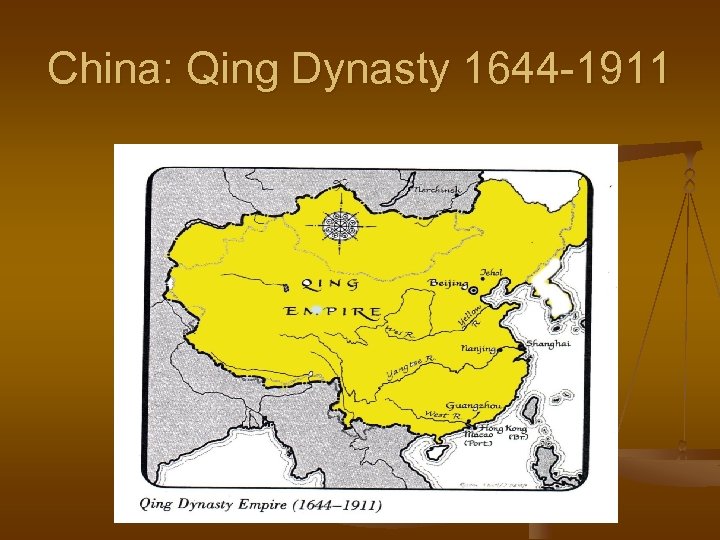 China: Qing Dynasty 1644 -1911
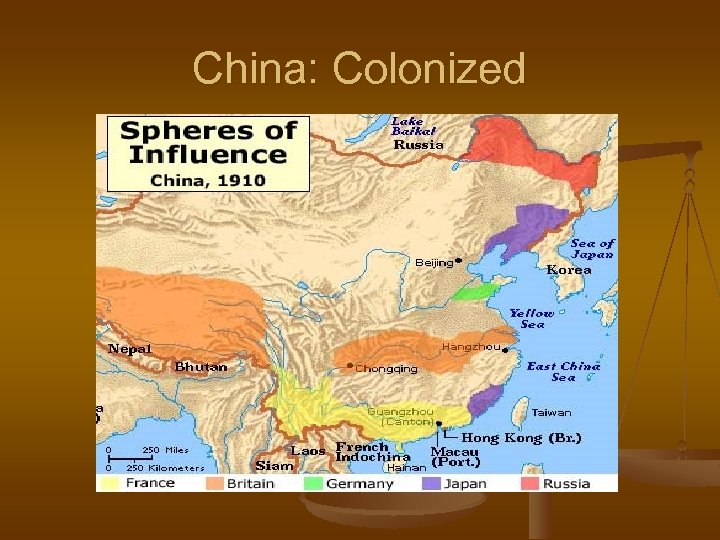 China: Colonized
 US: Woodrow Wilson, 1917 n “The world must be made safe for democracy. Its peace must be planted upon the tested foundations of political liberty. We have no selfish ends to serve. We desire no conquest, no dominion. We seek no indemnities for ourselves, no material compensation for the sacrifices we shall freely make. We are but one of the champions of the rights of mankind. We shall be satisfied when those rights have been made as secure as the faith and the freedom of nations can make them. “
 US: GW Bush, 2005 n “And we have declared our own intention: America will stand with the allies of freedom to support democratic movements in the Middle East and beyond, with the ultimate goal of ending tyranny in our world. “