 Скачать презентацию The View from 93 000 Miles Carol Blevins
bbada9f4cd9214e348281eee774cda75.ppt
- Количество слайдов: 39




The View from 93, 000 Miles Carol Blevins Ormay, MA Principal, Director of Business Development Brian Turner, PE Electrical Engineer

About Us Top 60 MEP Consulting Engineering firm Established in 1968 Specializing in energy efficient design
Recognized Expertise Greenbuild, Toronto Eight Annual Government Building Energy Efficient Technology Workshop, Chicago Net Zero Energy Conference, Savannah SAME Association for the Advancement of Sustainability in Higher Education (AASHE), Indianapolis Council of Educational Facilities Planners International (CEFPI), Washington, DC School Building Expo, Pittsburgh American Society of Heating, Refrigerating and Air-Conditioning Engineers’ (ASHRAE) Net Zero Conference, San Francisco Building Industry Consulting Service International Annual Conference (BICSI), Las Vegas ASHRAE’s High Performance Schools Conference. Atlanta Midwest Healthcare Engineers, Indianapolis Lightfair International in Philadelphia Greening the Heartland (USGBC Regional Conference), Cincinnati

National Experience
Why the view from 93, 000 miles?
Learning Objectives To discover how public school districts are implementing Net Zero Energy principles To learn how energy efficiency is integrated into the curriculum To explore the various types of solar PV options
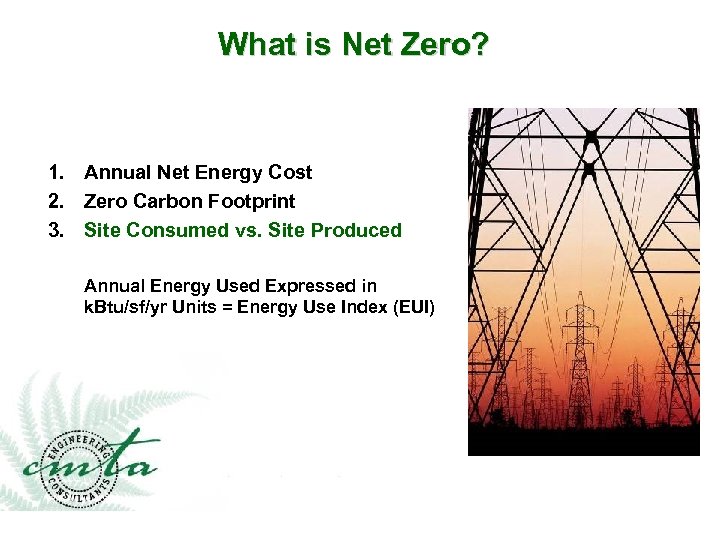
What is Net Zero? 1. Annual Net Energy Cost 2. Zero Carbon Footprint 3. Site Consumed vs. Site Produced Annual Energy Used Expressed in k. Btu/sf/yr Units = Energy Use Index (EUI)
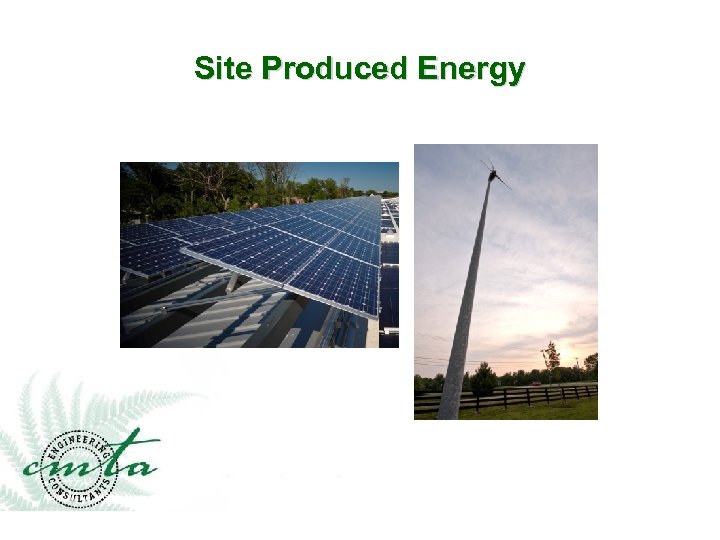
Site Produced Energy
Net Zero – Our Philosophy 1. Exhaustive study of building’s energy use. 2. Set an annual energy consumption goal to create a financial model. 3. Discuss Green Power Generation.
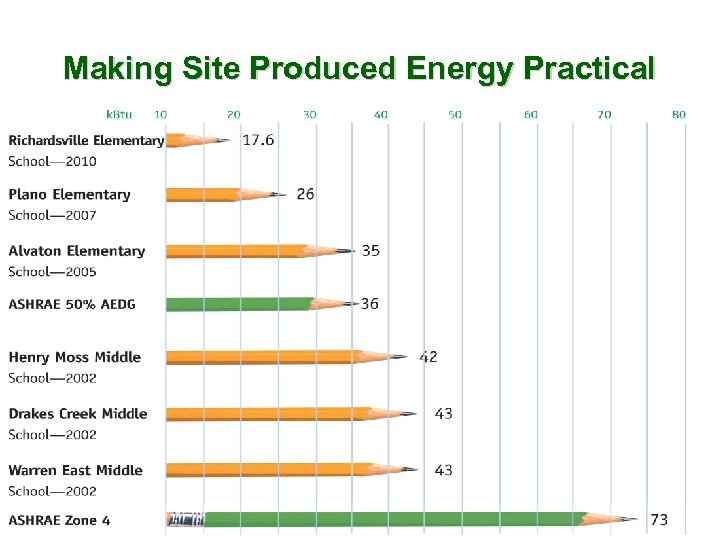
Making Site Produced Energy Practical
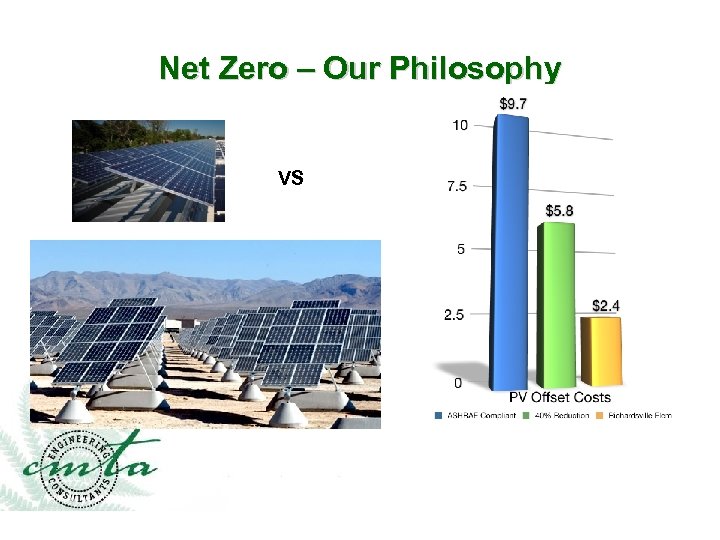
Net Zero – Our Philosophy VS
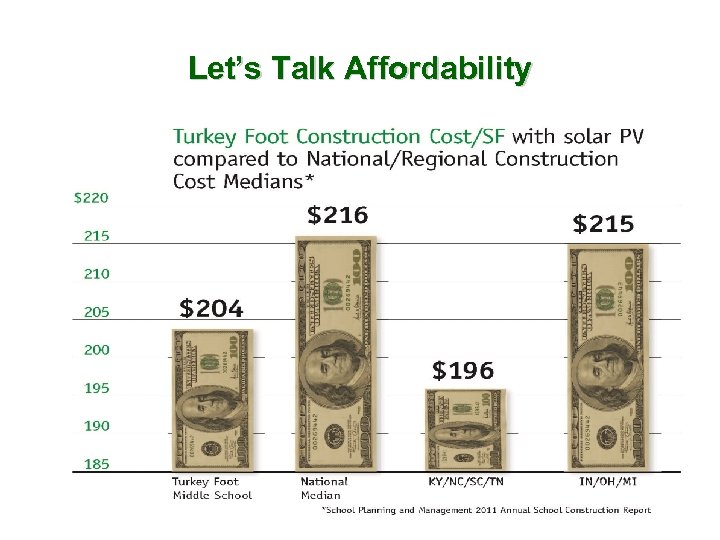
Let’s Talk Affordability
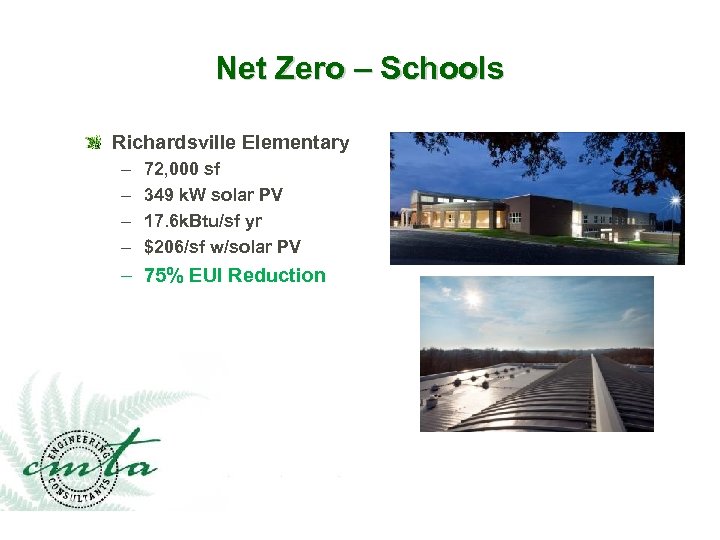
Net Zero – Schools Richardsville Elementary – – 72, 000 sf 349 k. W solar PV 17. 6 k. Btu/sf yr $206/sf w/solar PV – 75% EUI Reduction
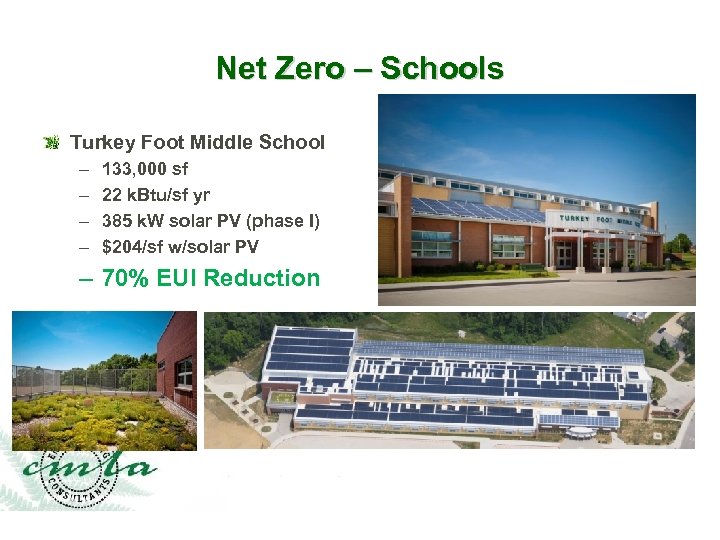
Net Zero – Schools Turkey Foot Middle School – – 133, 000 sf 22 k. Btu/sf yr 385 k. W solar PV (phase I) $204/sf w/solar PV – 70% EUI Reduction

Integrating Buildings Into the Curriculum
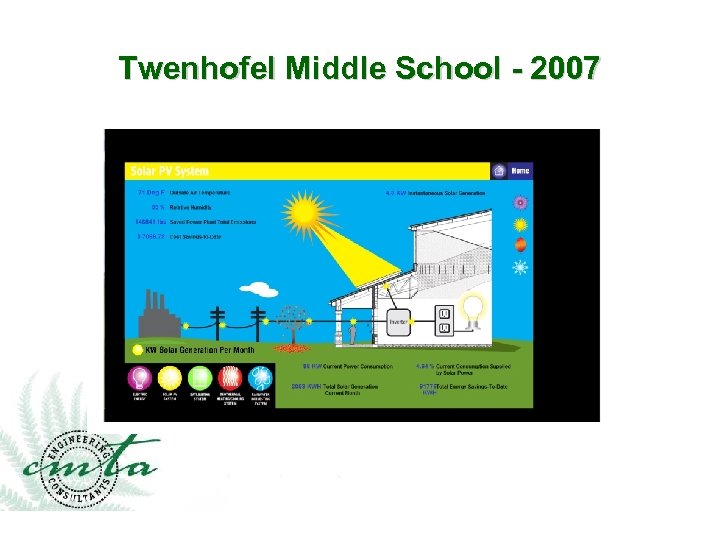
Twenhofel Middle School - 2007
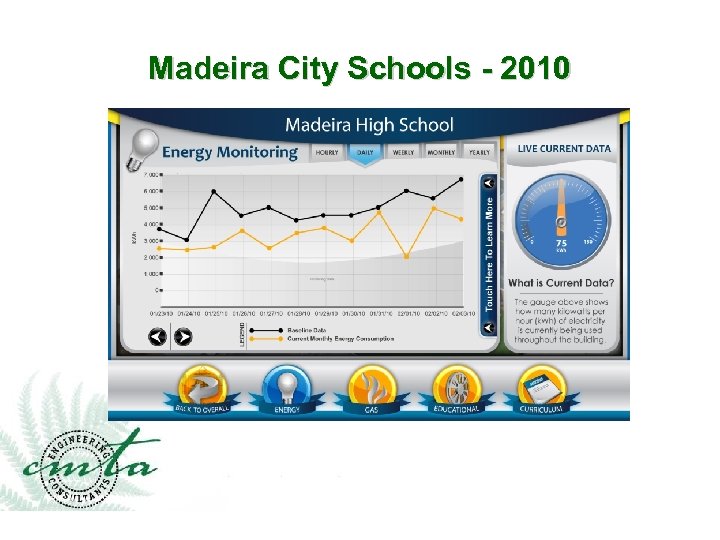
Madeira City Schools - 2010
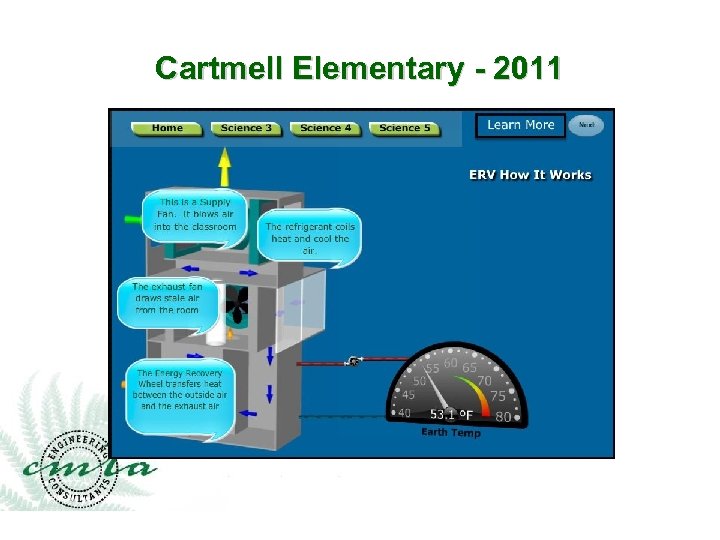
Cartmell Elementary - 2011
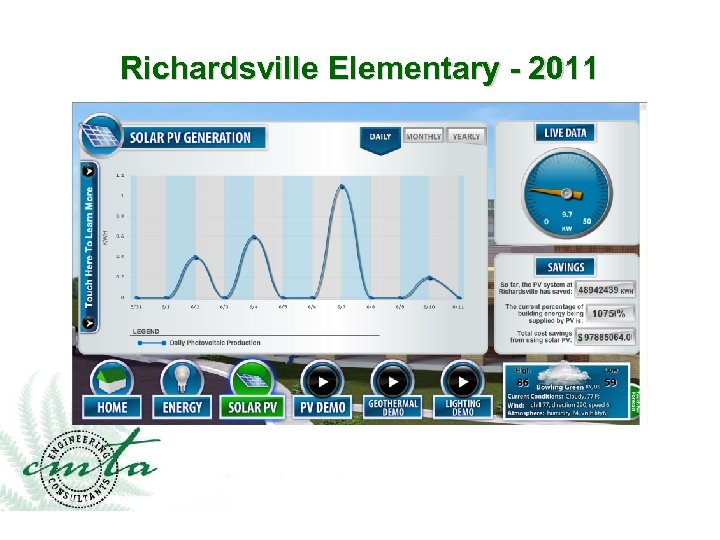
Richardsville Elementary - 2011
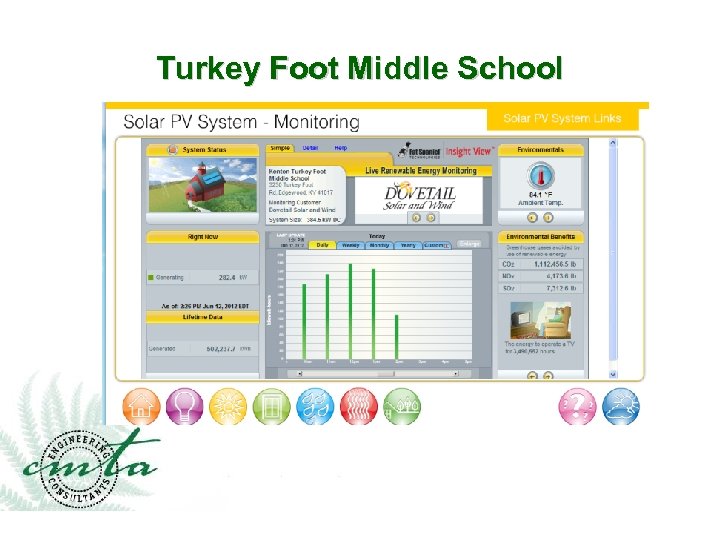
Turkey Foot Middle School

Designing Turkey Foot Middle School

Designing Turkey Foot Middle School

Designing Turkey Foot Middle School
Turkey Foot Middle School - STEM Below are some of the questions students are currently researching about our Photovoltaic System (Solar Panels). – – – When is the peak solar electric output during a day? Is solar electric output effected by the outside temperature? How does the solar output change due to angle of the sun? Does humidity effect solar panel output? How does the sun's irradiance correlate to the electrical output of solar panels? Students compare lab data with outside roof and weather data to see if what occurs in their classroom experiment also occurred outside on the roof top PV system. Students then make a prediction for Kwh output for our school's PV system 3 days in the future by using their experimental data and the lab / roof data they analyzed. http: //www. middlematters. com/9. html

Turkey Foot Middle School - Tour http: //www. youtube. com/watch? v=oj. Eqeve. HCyc&nor edirect=1

Solar PV – What’s New?
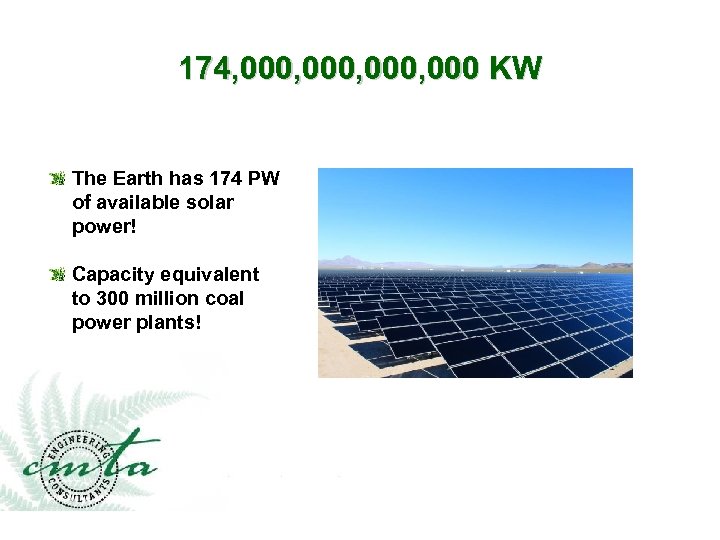
174, 000, 000 KW The Earth has 174 PW of available solar power! Capacity equivalent to 300 million coal power plants!
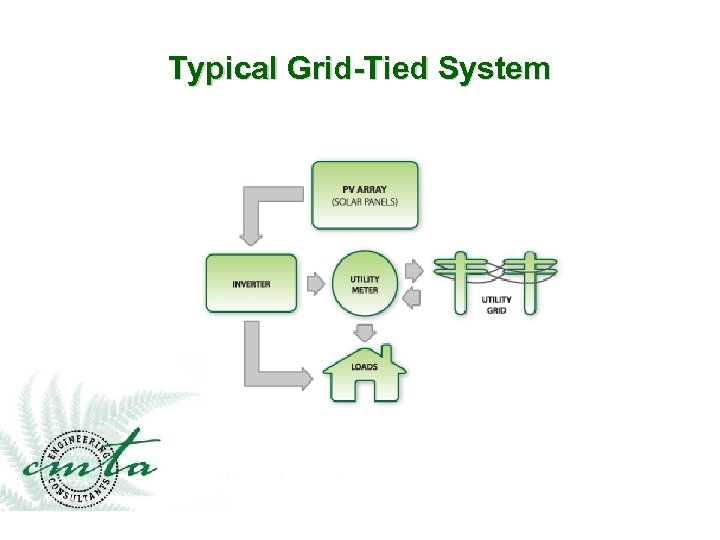
Typical Grid-Tied System
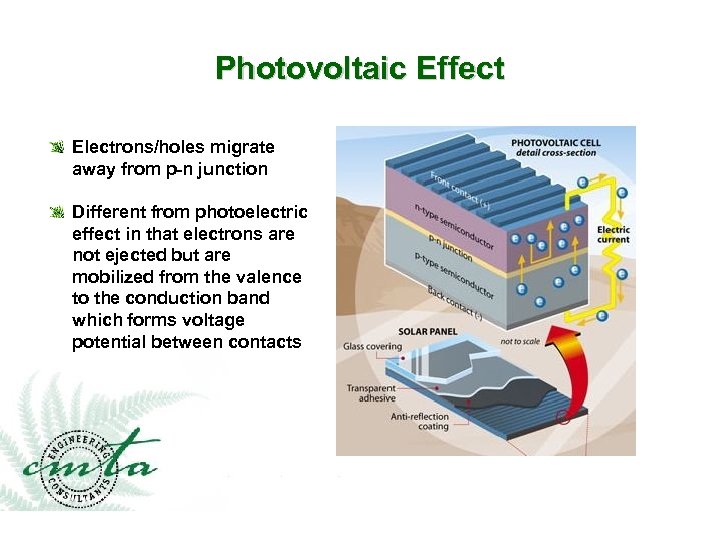
Photovoltaic Effect Electrons/holes migrate away from p-n junction Different from photoelectric effect in that electrons are not ejected but are mobilized from the valence to the conduction band which forms voltage potential between contacts
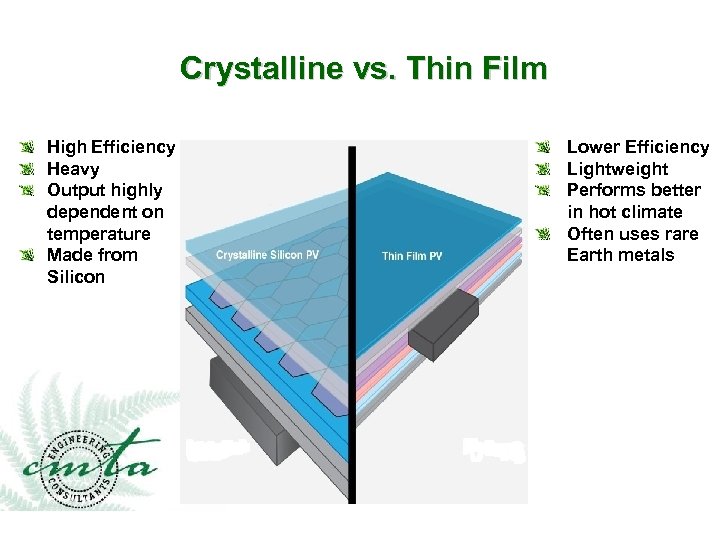
Crystalline vs. Thin Film High Efficiency Heavy Output highly dependent on temperature Made from Silicon Lower Efficiency Lightweight Performs better in hot climate Often uses rare Earth metals
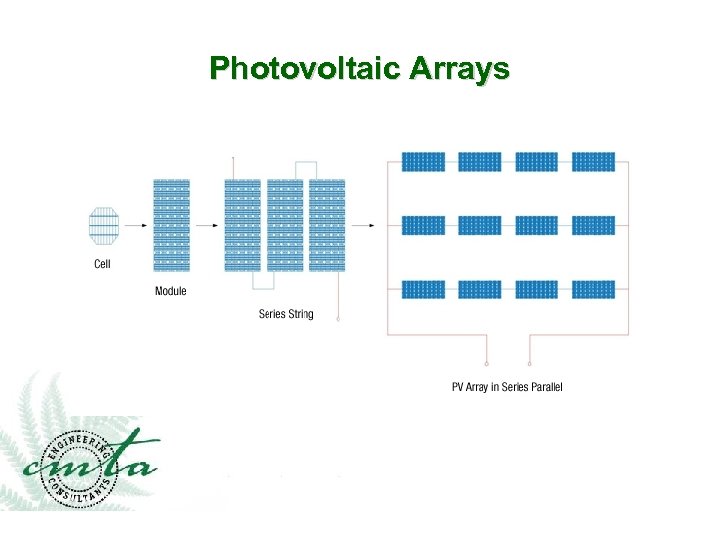
Photovoltaic Arrays
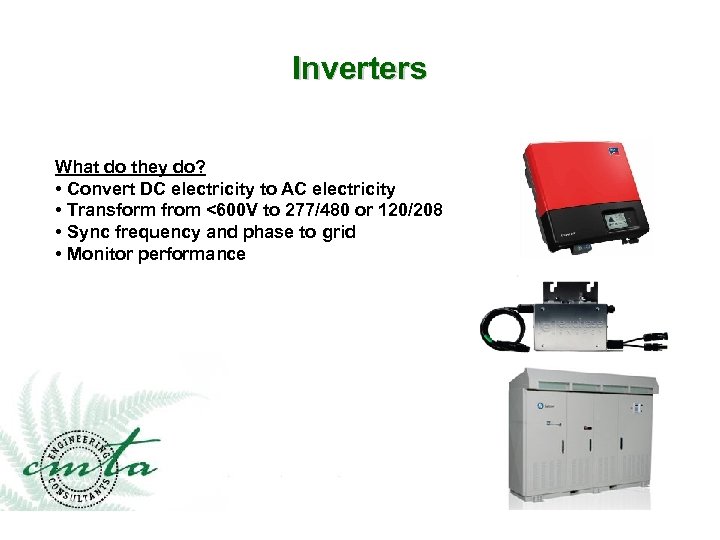
Inverters What do they do? • Convert DC electricity to AC electricity • Transform from <600 V to 277/480 or 120/208 • Sync frequency and phase to grid • Monitor performance
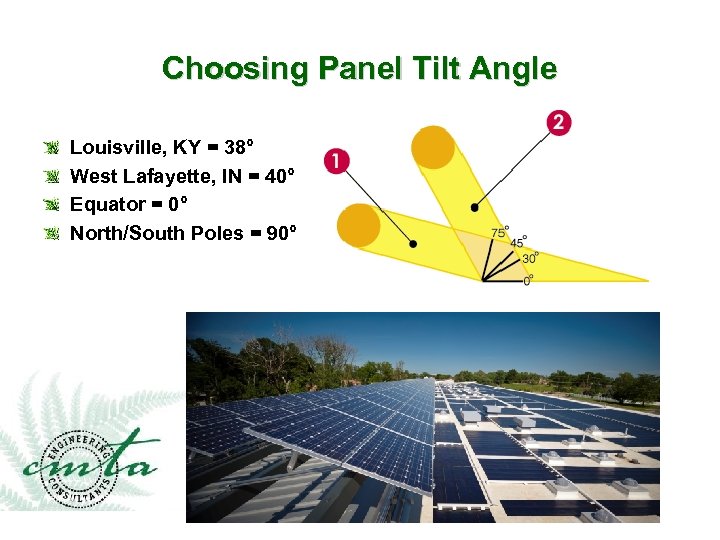
Choosing Panel Tilt Angle Louisville, KY = 38° West Lafayette, IN = 40° Equator = 0° North/South Poles = 90°
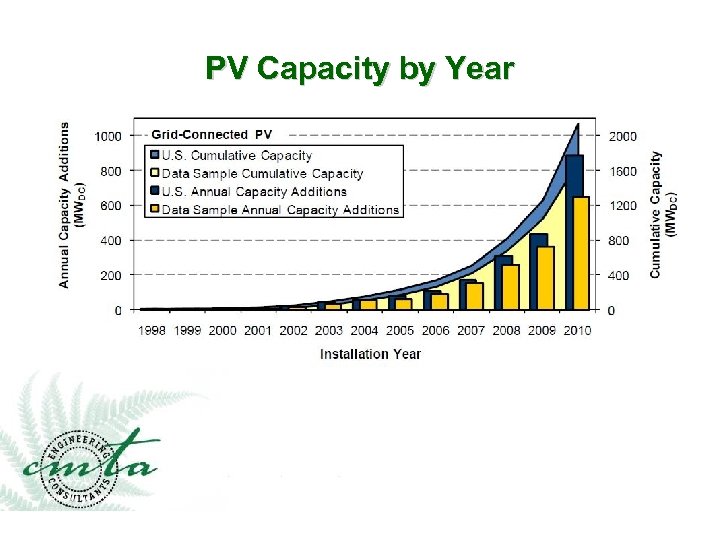
PV Capacity by Year
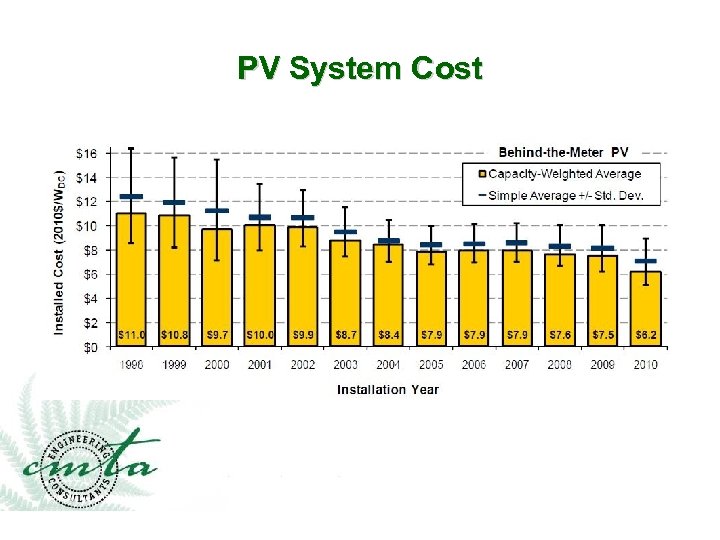
PV System Cost

Future Trends
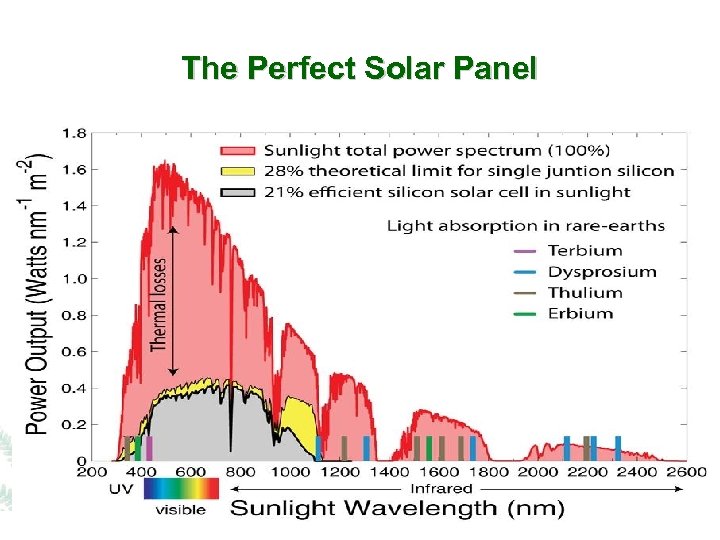
The Perfect Solar Panel
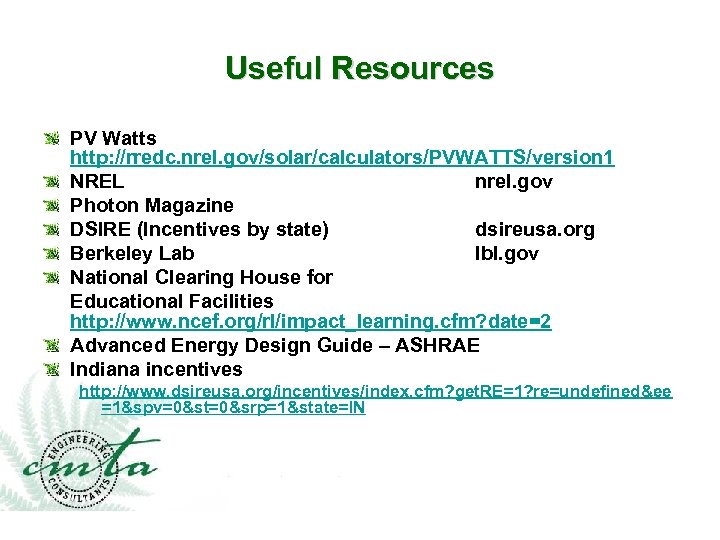
Useful Resources PV Watts http: //rredc. nrel. gov/solar/calculators/PVWATTS/version 1 NREL nrel. gov Photon Magazine DSIRE (Incentives by state) dsireusa. org Berkeley Lab lbl. gov National Clearing House for Educational Facilities http: //www. ncef. org/rl/impact_learning. cfm? date=2 Advanced Energy Design Guide – ASHRAE Indiana incentives http: //www. dsireusa. org/incentives/index. cfm? get. RE=1? re=undefined&ee =1&spv=0&st=0&srp=1&state=IN

Questions? www. cmtaegrs. com carol@cmtaegrs. com bturner@cmtaegrs. com 502 -326 -3085
Скачать презентацию The View from 93 000 Miles Carol Blevins
bbada9f4cd9214e348281eee774cda75.ppt