


 Скачать презентацию The Threat of Chemical Weapons Tokyo 1995
1ab1f163d1dcbb1f9a989531040af002.ppt
- Количество слайдов: 28
 The Threat of Chemical Weapons
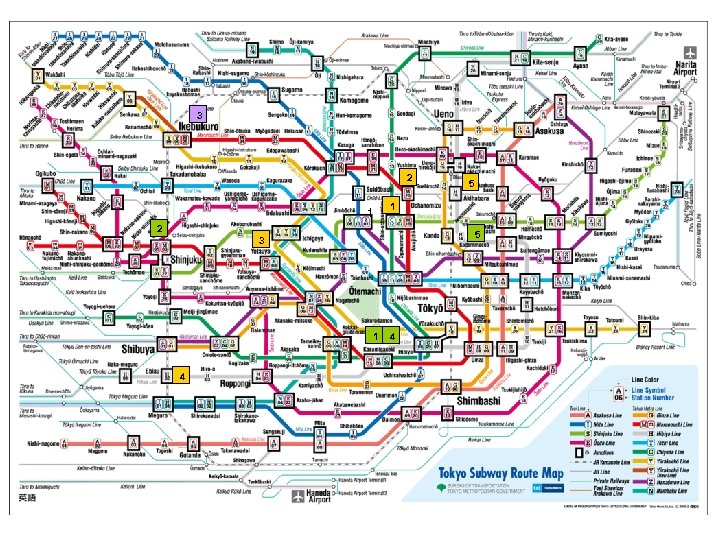
 Tokyo 1995 - Aum Shinrikyo • 27 June 1994 – Aum Shinrikyo sect released sarin in the central Japanese city of Matsumoto in response to a court case. Killed 7 and harmed 200. Role of Aum Shinrikyo not recognised at the time. • 20 March 1995 - Aum members released sarin in a co-ordinated attack on five trains in the Tokyo subway system, killing 12 commuters, seriously injuring 54, and affecting 980 more. More than 5000 presented themselves to hospital during the day. • 5 May 1995 - burning paper bag discovered in a toilet in Shinjuku station in Tokyo, the busiest station in the world. Revealed to be a hydrogen cyanide device “which, had it not been extinguished in time, would have released enough gas into the ventilation system to kill 20, 000 commuters”.
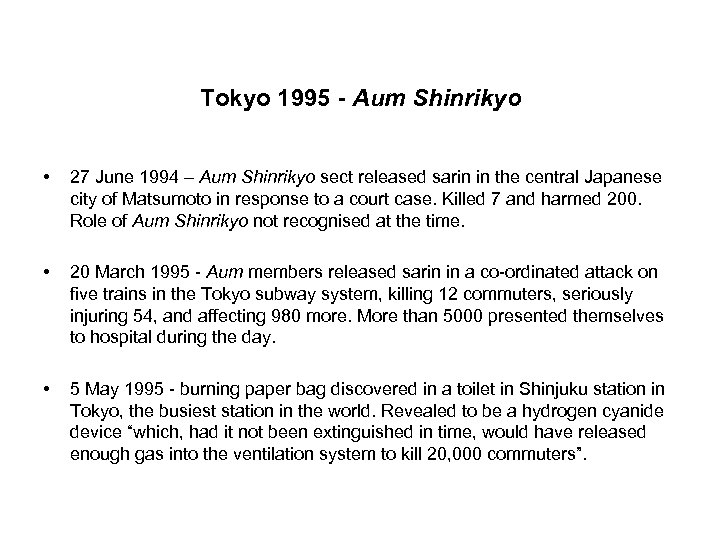
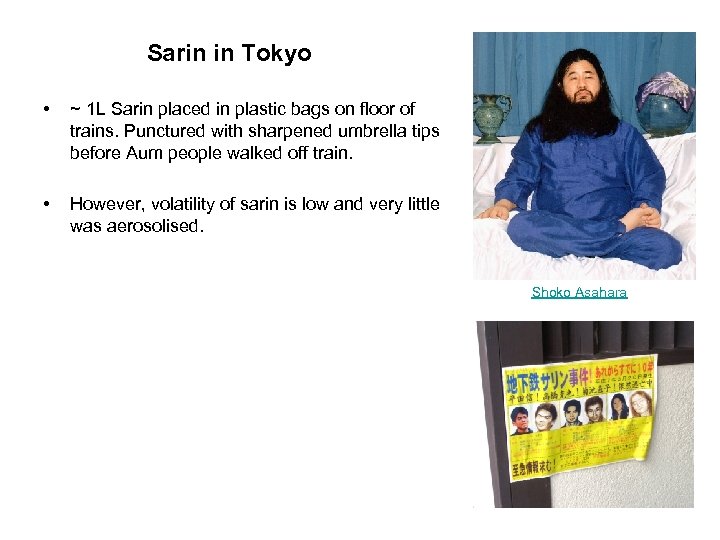 Sarin in Tokyo • ~ 1 L Sarin placed in plastic bags on floor of trains. Punctured with sharpened umbrella tips before Aum people walked off train. • However, volatility of sarin is low and very little was aerosolised. Shoko Asahara
 3 2 1 1 2 5 3 1 4 5 4
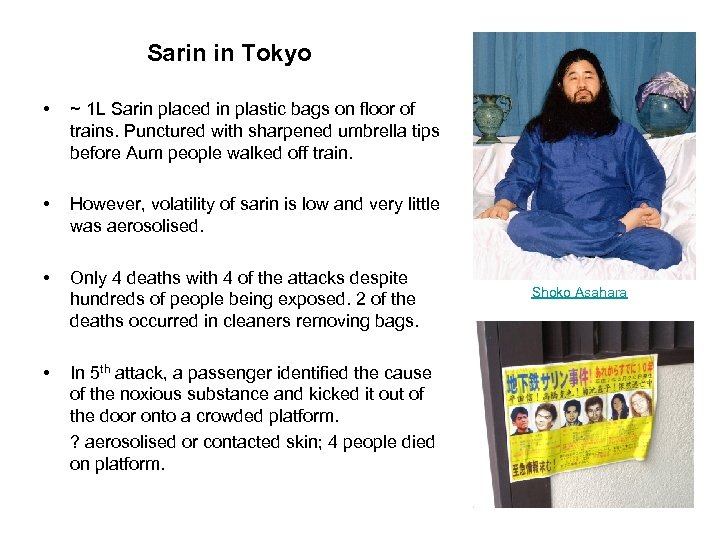 Sarin in Tokyo • ~ 1 L Sarin placed in plastic bags on floor of trains. Punctured with sharpened umbrella tips before Aum people walked off train. • However, volatility of sarin is low and very little was aerosolised. • Only 4 deaths with 4 of the attacks despite hundreds of people being exposed. 2 of the deaths occurred in cleaners removing bags. • In 5 th attack, a passenger identified the cause of the noxious substance and kicked it out of the door onto a crowded platform. ? aerosolised or contacted skin; 4 people died on platform. Shoko Asahara
 Chemical weapon attacks on civilians • In 1995, the world was poorly prepared for chemical weapon attacks on civilian populations. This was despite the 1988 attack on the Iraqi kurdish village of Halabja which killed ~5, 000 of the town’s 50, 000 civilian population. • The trains in Tokyo were attacked over about 30 mins. Some of the contaminated trains kept running for hours, further affecting commuters. • It took hours for the fact that it was a chemical attack to be recognised and then even longer to recognise the causative agent. • Hopefully, we are much better prepared in the UK today. . .
 Edinburgh - one lovely summer’s night • 03. 00 in A&E. Late shift has just gone home. Pretty quiet. • Red phone goes off. Incident in a disco in town – small explosion, some smoke. Scores of people down quickly. Maybe 60, 70 people. • Paramedics have arrived on scene but people are already heading to hospital in private vehicles. They should be with you soon. • Hmmmmmm…… • Do we know what to do, or what chemical it might be, if this has been a chemical attack?
 The first car arrives outside … • Three people apparently unconscious. One very agitated sweaty driver. Other cars approaching. • Should the injured come into A&E or be treated outside. . . ? • You start running through in your head all that you know about chemical weapons ……
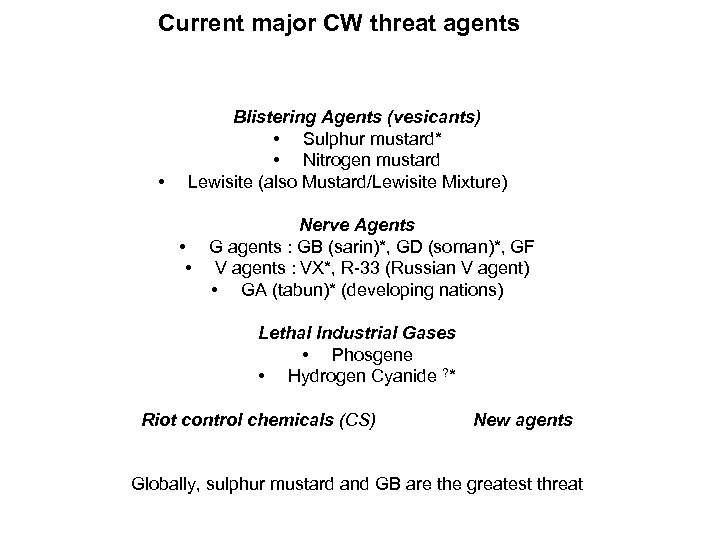 Current major CW threat agents • Blistering Agents (vesicants) • Sulphur mustard* • Nitrogen mustard Lewisite (also Mustard/Lewisite Mixture) Nerve Agents • G agents : GB (sarin)*, GD (soman)*, GF • V agents : VX*, R-33 (Russian V agent) • GA (tabun)* (developing nations) Lethal Industrial Gases • Phosgene • Hydrogen Cyanide ? * Riot control chemicals (CS) New agents Globally, sulphur mustard and GB are the greatest threat
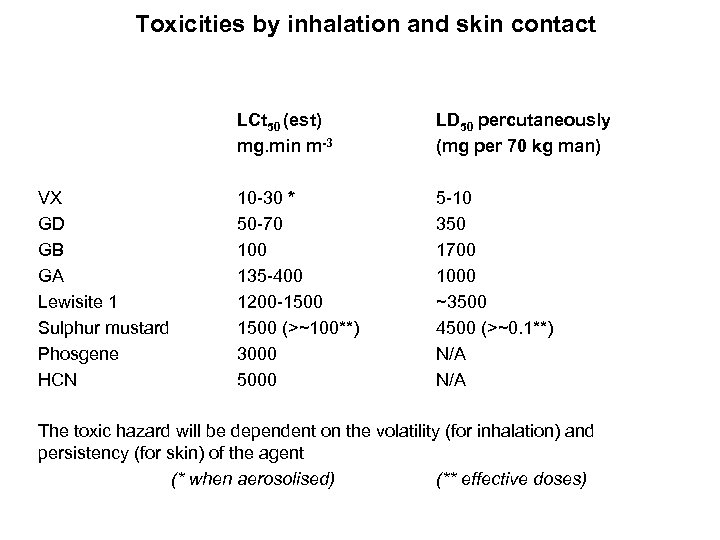 Toxicities by inhalation and skin contact LCt 50 (est) mg. min m-3 VX GD GB GA Lewisite 1 Sulphur mustard Phosgene HCN LD 50 percutaneously (mg per 70 kg man) 10 -30 * 50 -70 100 135 -400 1200 -1500 (>~100**) 3000 5 -10 350 1700 1000 ~3500 4500 (>~0. 1**) N/A The toxic hazard will be dependent on the volatility (for inhalation) and persistency (for skin) of the agent (* when aerosolised) (** effective doses)
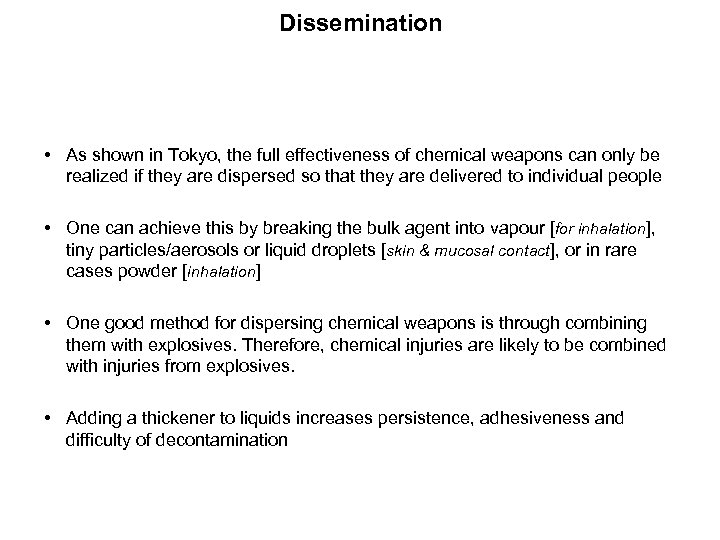 Dissemination • As shown in Tokyo, the full effectiveness of chemical weapons can only be realized if they are dispersed so that they are delivered to individual people • One can achieve this by breaking the bulk agent into vapour [for inhalation], tiny particles/aerosols or liquid droplets [skin & mucosal contact], or in rare cases powder [inhalation] • One good method for dispersing chemical weapons is through combining them with explosives. Therefore, chemical injuries are likely to be combined with injuries from explosives. • Adding a thickener to liquids increases persistence, adhesiveness and difficulty of decontamination
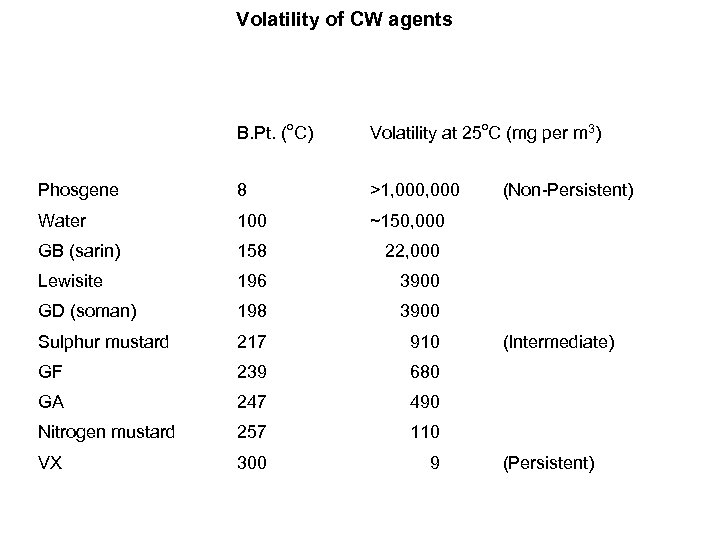 Volatility of CW agents B. Pt. (o. C) Volatility at 25 o. C (mg per m 3) Phosgene 8 >1, 000 Water 100 ~150, 000 GB (sarin) 158 22, 000 Lewisite 196 3900 GD (soman) 198 3900 Sulphur mustard 217 910 GF 239 680 GA 247 490 Nitrogen mustard 257 110 VX 300 9 (Non-Persistent) (Intermediate) (Persistent)
 Approach to diagnosis • Could this be cyanide? Rapid onset of symptoms after inhalational exposure Circulatory collapse, seizures, respiratory arrest Normal secretions, pupils. No fasciculation ** High lactate >10 mmol/L **
 Hydrogen cyanide – chemical asphyxiant • Colorless, highly flammable gas or highly volatile bluish-white liquid. Odor of almonds but some cannot smell it. Gas lighter than air, so disperses quickly. • Inhibits cytochrome oxidase. • High [-CN] = immediate tachypnoea, gasping, then seizures, cardiovascular collapse. More moderate [-CN] = dizziness, headache, agitation, confusion. Coma, seizures if prolonged. • Rapid decontamination of liquid CN essential. • High flow oxygen, supportive care; measure blood lactate. • Specific antidote: dicobalt edetate or Na nitrite + thiosulphate. Not required if the patient is breathing normally and fully conscious five minutes after removal from source. Cyanide unlikely if lactate normal.
 Approach to diagnosis • Could this be cyanide? • Could this be an organophosphorus nerve agent? Rapid onset of symptoms after inhalational exposure Collapse, seizures, respiratory difficulty & arrest Excessive secretions & sweat, miosis. Maybe fasciculations. But slower onset after skin exposure (eg VX) Localised fasciculations at site of skin exposure
 Organophosphorus nerve agents • Colorless to brown fluids at room temp. Some have fruity odour. Variable volatility –> spray and aerosol. Vapours heavier than air. • Highly toxic; inhibit acetylcholinesterase. Single drop on skin can kill. • Cause cholinergic syndrome – respiratory failure (loss of central drive, NMJ dysfunction, direct lung effects), cardiovascular shock, seizures. Sweat, secretions, miosis, fasciculations. Poor vision. • Rapid decontamination of liquid nerve agent essential. High flow oxygen, suction, airway support/intubation. • Urgent use of specific antidotes: atropine (antimuscarinic), pralidoxime (ACh. E reactivator), diazepam. • **Beware nosocomial contamination**
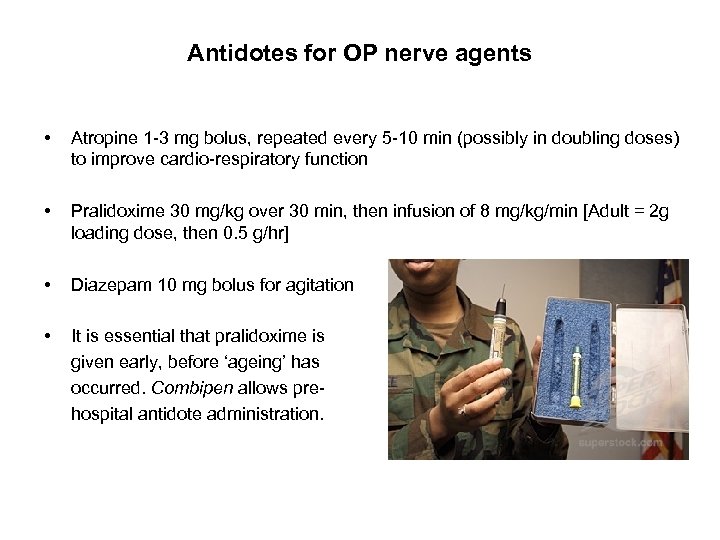 Antidotes for OP nerve agents • Atropine 1 -3 mg bolus, repeated every 5 -10 min (possibly in doubling doses) to improve cardio-respiratory function • Pralidoxime 30 mg/kg over 30 min, then infusion of 8 mg/kg/min [Adult = 2 g loading dose, then 0. 5 g/hr] • Diazepam 10 mg bolus for agitation • It is essential that pralidoxime is given early, before ‘ageing’ has occurred. Combipen allows prehospital antidote administration.
 Approach to diagnosis • • Could this be cyanide? Could this be an organophosphorus nerve agent? • Could this be Lewisite? Rapid onset of burns and blistering within minutes of exposure Blepharospasm, tearing eyes Cough, burning throat pain
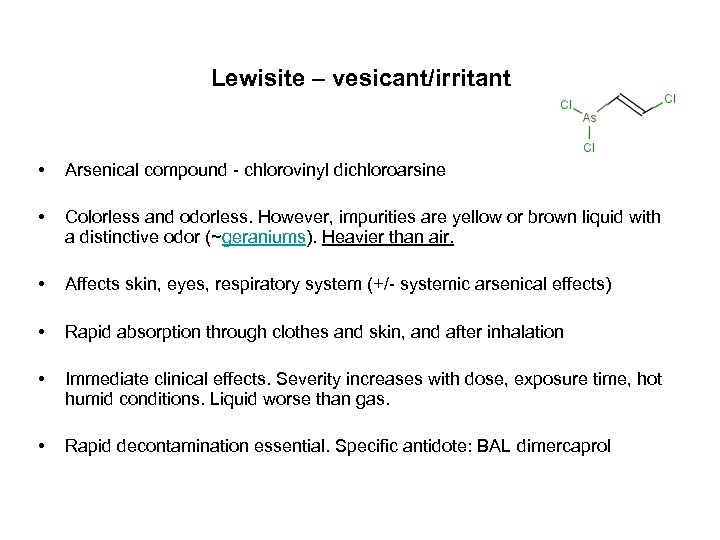 Lewisite – vesicant/irritant • Arsenical compound - chlorovinyl dichloroarsine • Colorless and odorless. However, impurities are yellow or brown liquid with a distinctive odor (~geraniums). Heavier than air. • Affects skin, eyes, respiratory system (+/- systemic arsenical effects) • Rapid absorption through clothes and skin, and after inhalation • Immediate clinical effects. Severity increases with dose, exposure time, hot humid conditions. Liquid worse than gas. • Rapid decontamination essential. Specific antidote: BAL dimercaprol
 Approach to diagnosis • • • Could this be cyanide? Could this be an organophosphorus nerve agent? Could this be Lewisite? • Could this be mustard? Burns and blistering, tearing eyes, cough and throat pain usually begin 2 -12 hrs after exposure
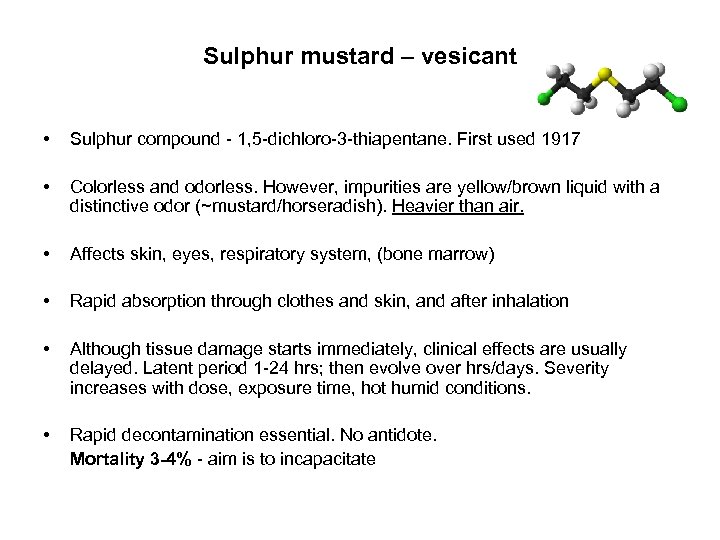 Sulphur mustard – vesicant • Sulphur compound - 1, 5 -dichloro-3 -thiapentane. First used 1917 • Colorless and odorless. However, impurities are yellow/brown liquid with a distinctive odor (~mustard/horseradish). Heavier than air. • Affects skin, eyes, respiratory system, (bone marrow) • Rapid absorption through clothes and skin, and after inhalation • Although tissue damage starts immediately, clinical effects are usually delayed. Latent period 1 -24 hrs; then evolve over hrs/days. Severity increases with dose, exposure time, hot humid conditions. • Rapid decontamination essential. No antidote. Mortality 3 -4% - aim is to incapacitate
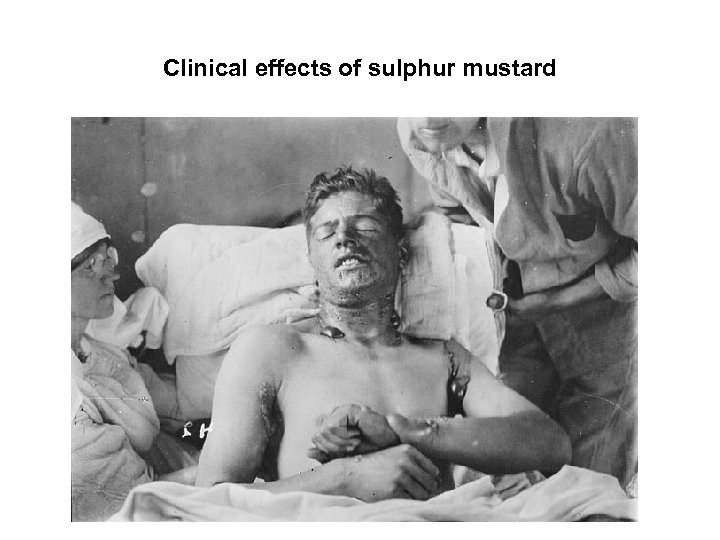 Clinical effects of sulphur mustard
 Approach to diagnosis • • Could this be cyanide? Could this be an organophosphorus nerve agent? Could this be Lewisite? Could this be mustard? • Could this be phosgene? Immediate onset of eye and skin irritation Rapid or delayed respiratory symptoms (dyspnoea, laryngospasm) Nausea, chest pain, hypotension
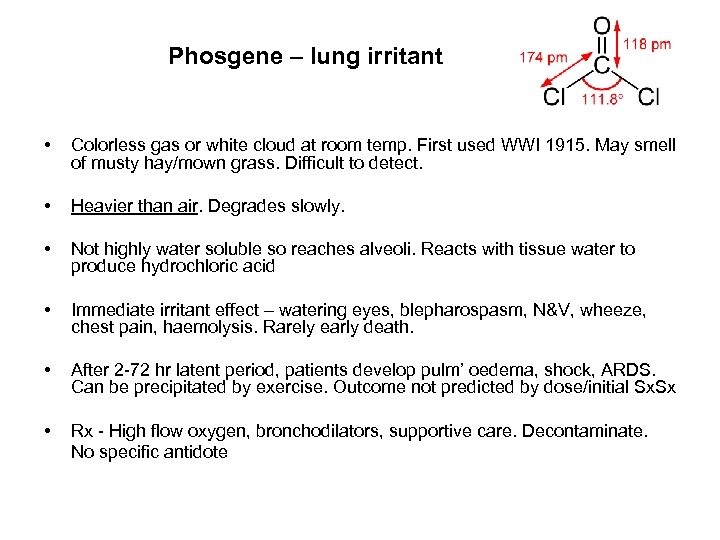 Phosgene – lung irritant • Colorless gas or white cloud at room temp. First used WWI 1915. May smell of musty hay/mown grass. Difficult to detect. • Heavier than air. Degrades slowly. • Not highly water soluble so reaches alveoli. Reacts with tissue water to produce hydrochloric acid • Immediate irritant effect – watering eyes, blepharospasm, N&V, wheeze, chest pain, haemolysis. Rarely early death. • After 2 -72 hr latent period, patients develop pulm’ oedema, shock, ARDS. Can be precipitated by exercise. Outcome not predicted by dose/initial Sx. Sx • Rx - High flow oxygen, bronchodilators, supportive care. Decontaminate. No specific antidote
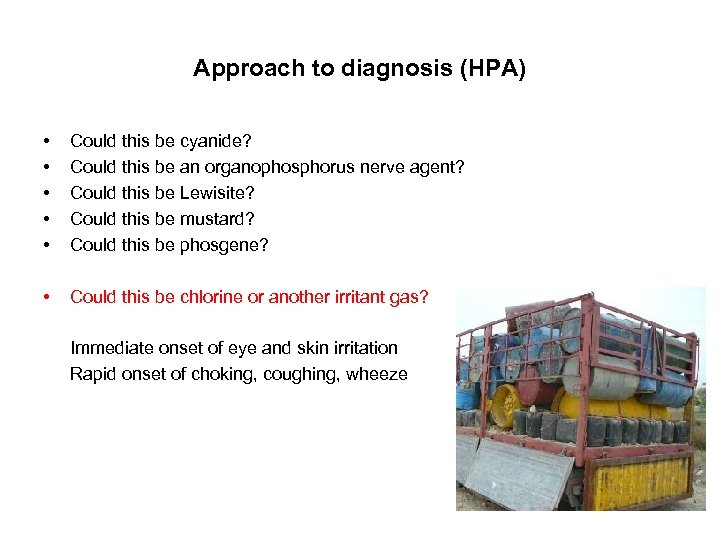 Approach to diagnosis (HPA) • • • Could this be cyanide? Could this be an organophosphorus nerve agent? Could this be Lewisite? Could this be mustard? Could this be phosgene? • Could this be chlorine or another irritant gas? Immediate onset of eye and skin irritation Rapid onset of choking, coughing, wheeze
 Chlorine – lung irritant • Green-yellow gas or clear amber fluid. First used WWI 1915. Smells of bleach/swimming pools. Highly reactive, explosive. Easily detected. • Heavier than air. Degrades slowly. • Highly water soluble - most effects in upper airway. Alveolar effects less common. With tissue water, produces hydrochloric & hypochlorous acids • Immediate upper airway irritant effect – coughing, choking, wheeze, dyspnoea, N&V. With large exposures, acidosis. Chemical pneumonitis, pulmonary oedema, ARDS may be delayed. • Stinging eyes, blepharospasm, erythema. Frostbite after contact with compressed liquid gas. • Rx - High flow oxygen, bronchodilators, supportive care. Decontaminate. No specific antidote
 Organophosphorus pesticides as weapons • Important but little discussed. Freely available and cheap to buy • Toxic - 3500 mg of methyl parathion might kill a 70 kg adult by dermal exposure, cf 1700 mg for sarin. Very low volatility: chlorpyrifos 3 m. Pa Low risk of nosocomial contamination or explosive dispersion Smelly but this is likely due to solvents coformulants Solvents much more volatile: toluene 3 k. Pa (6 log difference) • Likely weapon use would be via contaminated water or food, as occurs throughout south Asia on a regular basis. • Contaminated flour in bread - hundreds of patients with no links appearing at multiple hospitals
 Threat of chemical weapons • ? Not likely but, if a chemical weapon is used, things will move fast. You and the department will need to be up to speed. • The scenario was very loosely based on a CS explosion that occurred in a UK disco, bringing many people to A&E • Immediate chemical problems are cyanide and the nerve agents. Patients will die within minutes. Patients who make it to hospital are likely to be survivors or the worried well. • Mustard and Lewisite will kill few people but cause major chaos and overload medical facilities • Chlorine [and phosgene] are unlikely to kill many people but they will again cause chaos.