



 The theatre is a spectacular form of art that represents a synthesis of various arts : literature, music, dance, singing, fine arts and others and has its own specifics: reflection of reality, conflicts, characters, and their interpretation and evaluation, the approval of certain ideas going on here through dramatic action, the main bearer is actor. The concept of "theatre" includes various types: drama theatre, Opera, ballet, puppet, theatre, pantomime and other At all times theatre was an art collective; in the modern theatre in the creation of the performance, the actors and Director (conductor, choreographer), involved the artist-designer, composer, choreographer, as well as props, costume designers, makeup artists, stagehands, lighting. The development of theatre has always been inseparable from the development of society and the state of culture in General, specifics of social development were related to its rise or decline, the prevalence of those in theater or other artistic trends and its role in the spiritual life of the country.
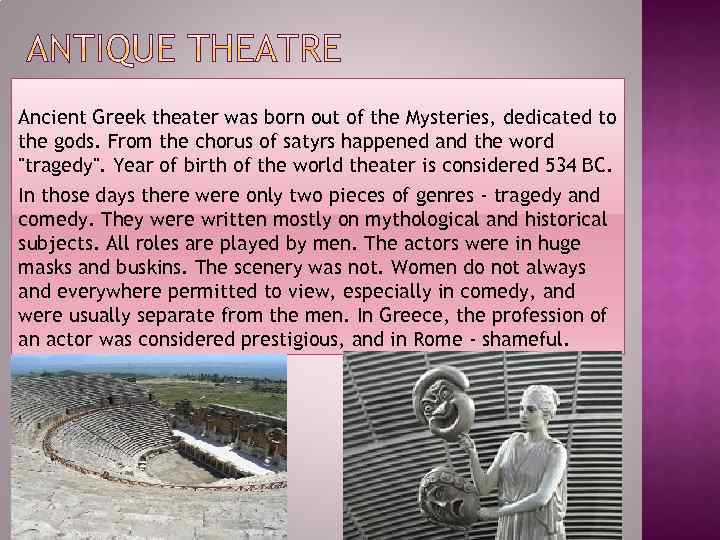 Ancient Greek theater was born out of the Mysteries, dedicated tо the gods. From the chorus of satyrs happened and the word "tragedy". Year of birth of the world theater is considered 534 BC. In those days there were only two pieces of genres - tragedy and comedy. They were written mostly on mythological and historical subjects. All roles are played by men. The actors were in huge masks and buskins. The scenery was not. Women do not always and everywhere permitted to view, especially in comedy, and were usually separate from the men. In Greece, the profession of an actor was considered prestigious, and in Rome - shameful.
 After the fall of the Roman Empire, the ancient theater was forgotten: the early ideologues of Christianity condemned acting, and not only the actors, musicians, and all have a passion for theater were excluded from the Christian community. Gradually, the liturgical drama became more efficient, more meaningful, filled with psychological experiences; trend towards a realistic interpretation of the Gospel stories and images reflected in the design ideas and props, counter to the objectives of the church service, and in 1210 the liturgical drama was expelled from the church - further performances were given on the porch, which allowed them to participate in not only clergy, and townspeople.
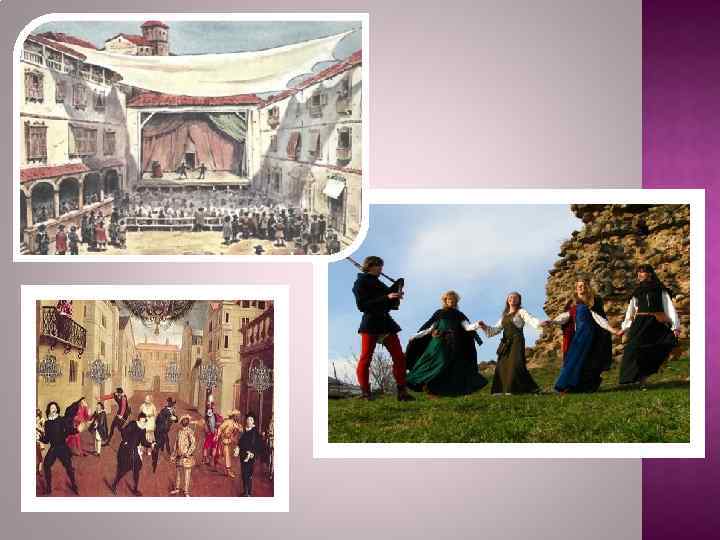
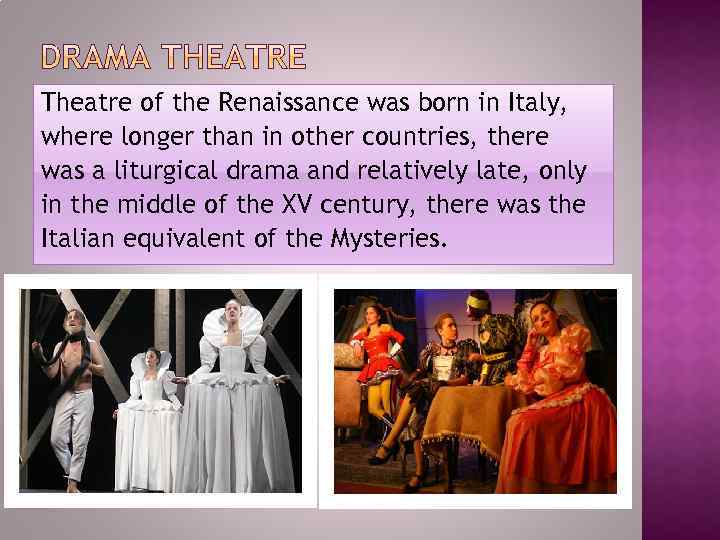 Theatre of the Renaissance was born in Italy, where longer than in other countries, there was a liturgical drama and relatively late, only in the middle of the XV century, there was the Italian equivalent of the Mysteries.
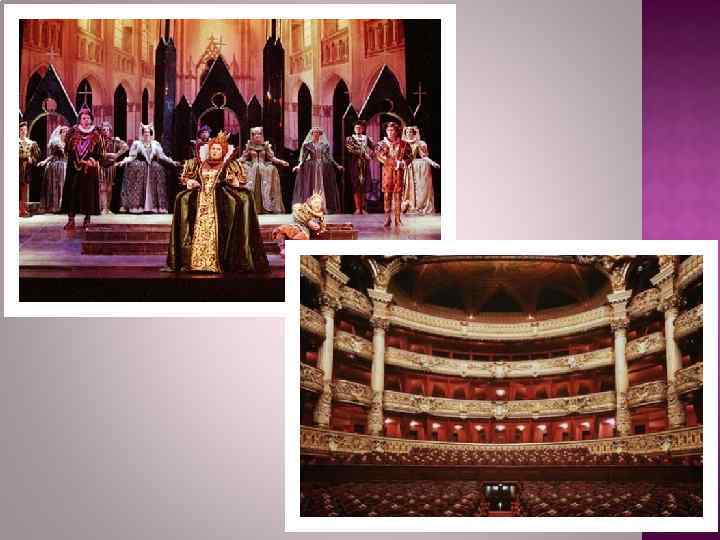
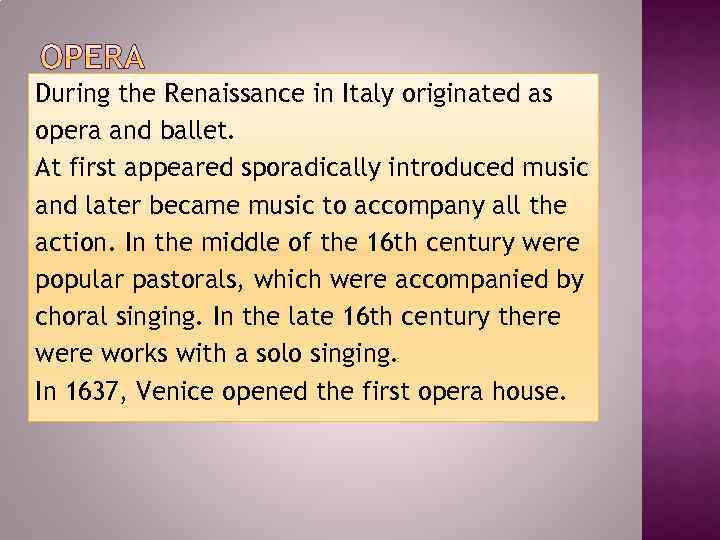 During the Renaissance in Italy originated as opera and ballet. At first appeared sporadically introduced music and later became music to accompany all the action. In the middle of the 16 th century were popular pastorals, which were accompanied by choral singing. In the late 16 th century there works with a solo singing. In 1637, Venice opened the first opera house.
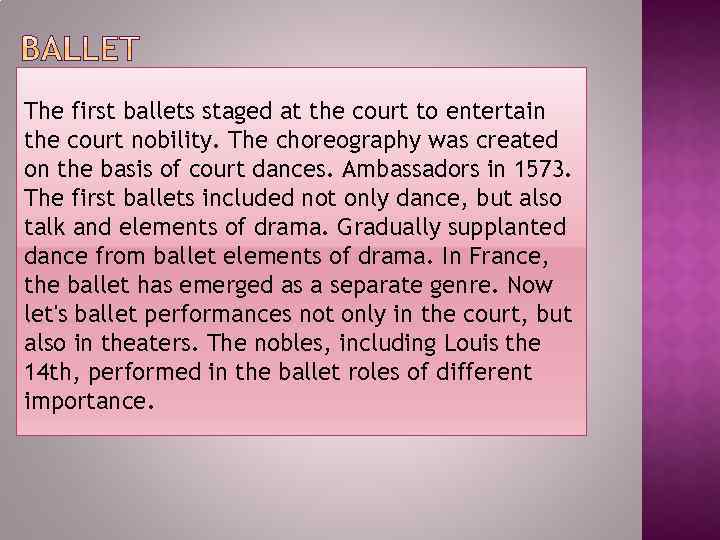 The first ballets staged at the court to entertain the court nobility. The choreography was created on the basis of court dances. Ambassadors in 1573. The first ballets included not only dance, but also talk and elements of drama. Gradually supplanted dance from ballet elements of drama. In France, the ballet has emerged as a separate genre. Now let's ballet performances not only in the court, but also in theaters. The nobles, including Louis the 14 th, performed in the ballet roles of different importance.
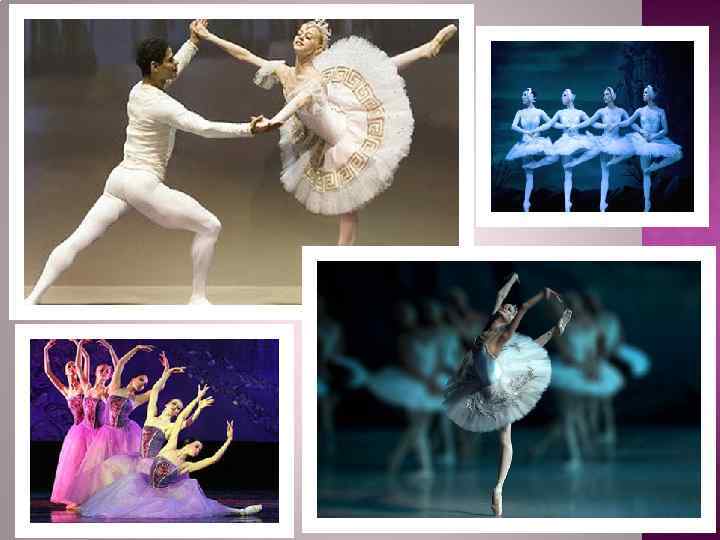
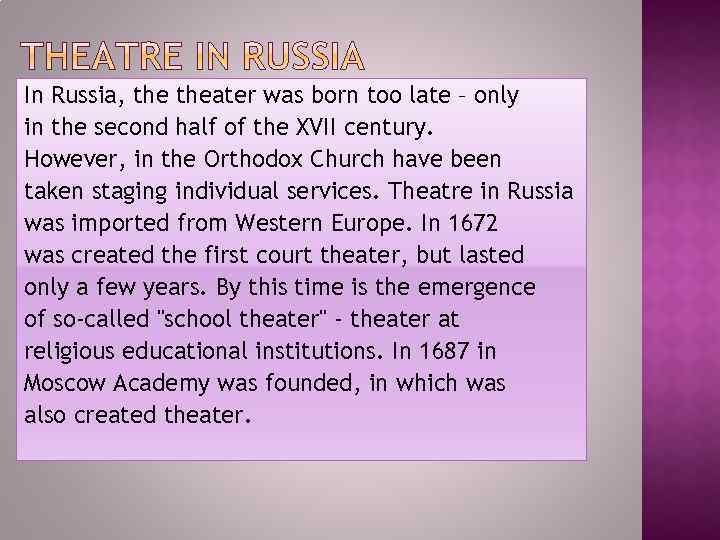 In Russia, theater was born too late – only in the second half of the XVII century. However, in the Orthodox Church have been taken staging individual services. Theatre in Russia was imported from Western Europe. In 1672 was created the first court theater, but lasted only a few years. By this time is the emergence of so-called "school theater" - theater at religious educational institutions. In 1687 in Moscow Academy was founded, in which was also created theater.
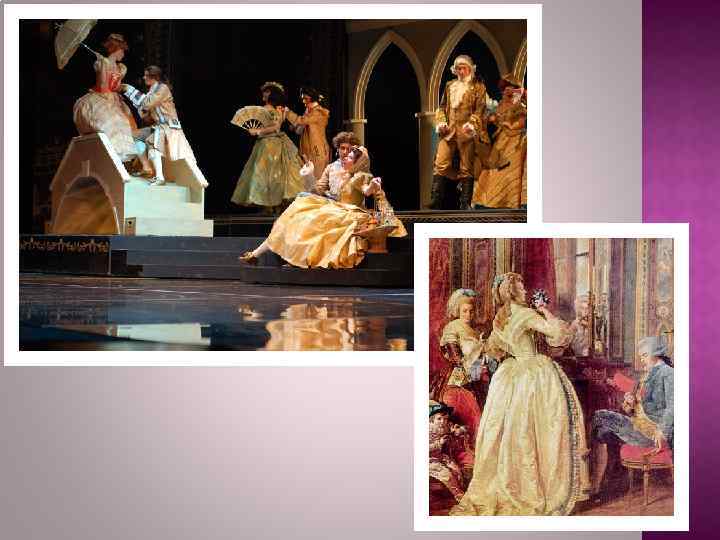
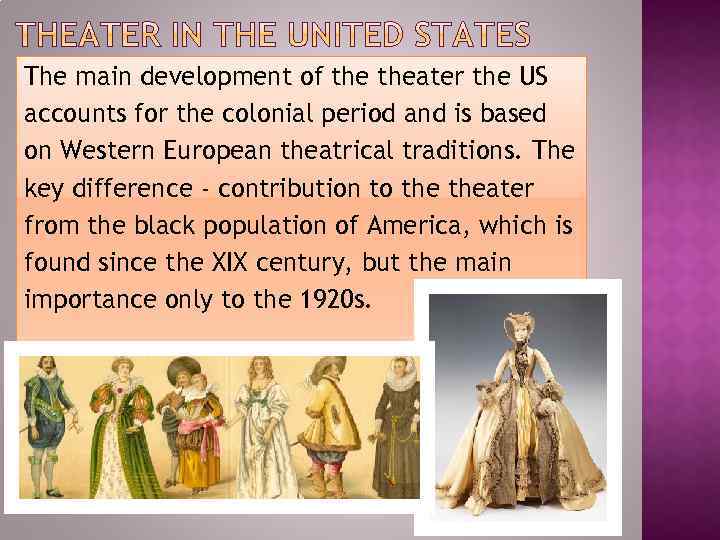 The main development of theater the US accounts for the colonial period and is based on Western European theatrical traditions. The key difference - contribution to theater from the black population of America, which is found since the XIX century, but the main importance only to the 1920 s.
 Drama Theatre, unlike other types of performing arts, performance in drama is based on a literary work - drama or scenario of improvisation. Opera - a synthetic form of theatrical art in which dramatic action is closely merged with the vocal and orchestral music; often present in the opera and dance. Ballet - kind of performing arts; performance, the content of which is embodied in the musical and choreographic images Puppet Theatre Puppet theater is one of the varieties of puppetry art form, which includes cartoons and animated cartoon animation is not cinema, pop art of puppetry and puppet art television program. Pantomime - the art of creating an artistic image through facial expressions and sculpture of the human body, without the use of words. Pantomime originated in ancient Greece, where it was part of the repertoire of mimes. In ancient Rome, has become a full-fledged theatrical genre.