


 Скачать презентацию The Super Heroes Journey Storytelling in Marvel Ultimate
f09909c06b2759709852fb9de9be43b3.ppt
- Количество слайдов: 67
 The Super Heroes’ Journey Storytelling in Marvel: Ultimate Alliance 2 Evan Skolnick – Lead Writer evan@vvisions. com Jonathan Mintz – Narrative Designer jmintz@vvisions. com
 Introduction How is being a game writer different from being a writer for other fictionbased media? And what the heck is a “Narrative Designer”?
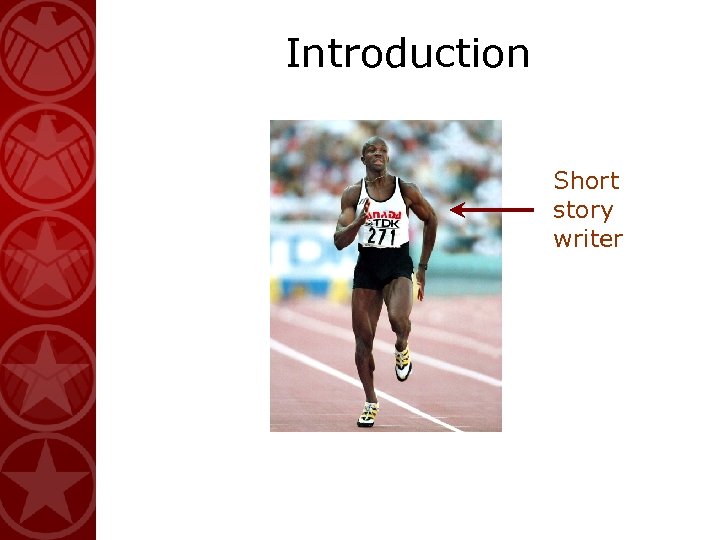 Introduction Short story writer
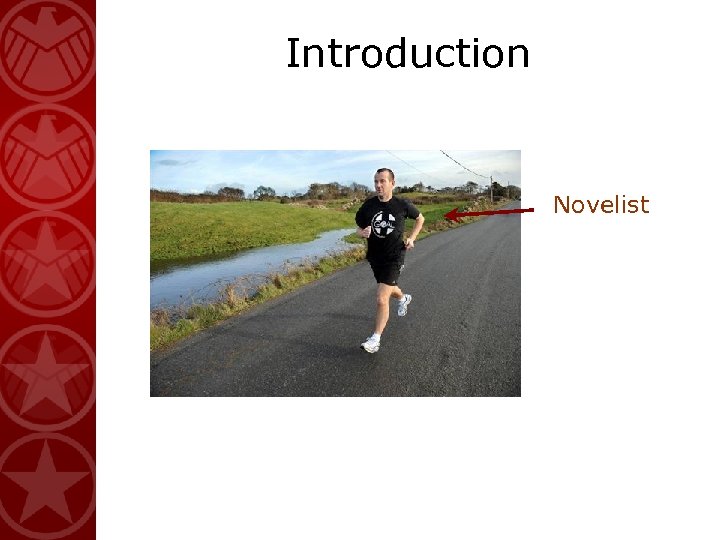 Introduction Novelist
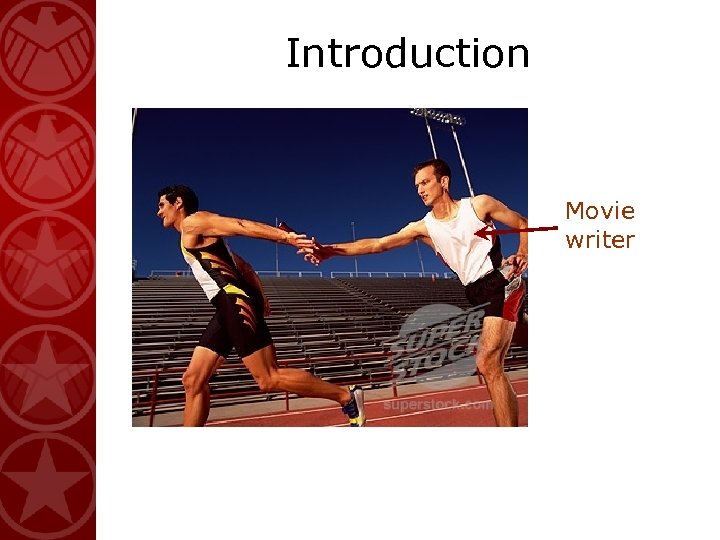 Introduction Movie writer
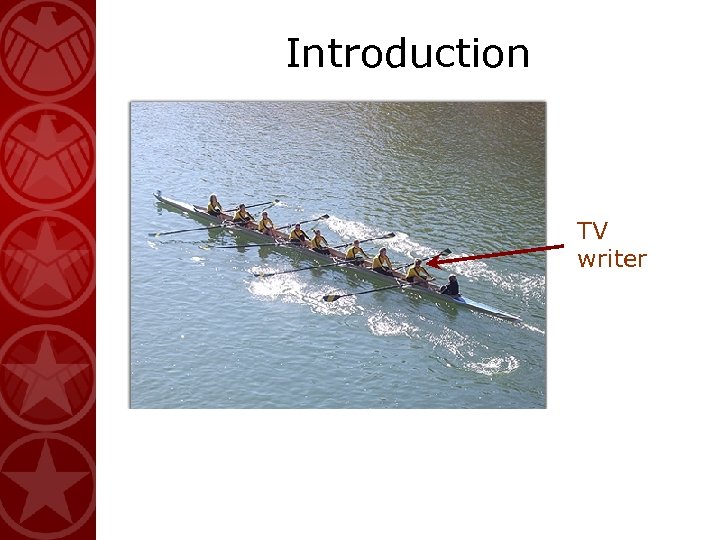 Introduction TV writer
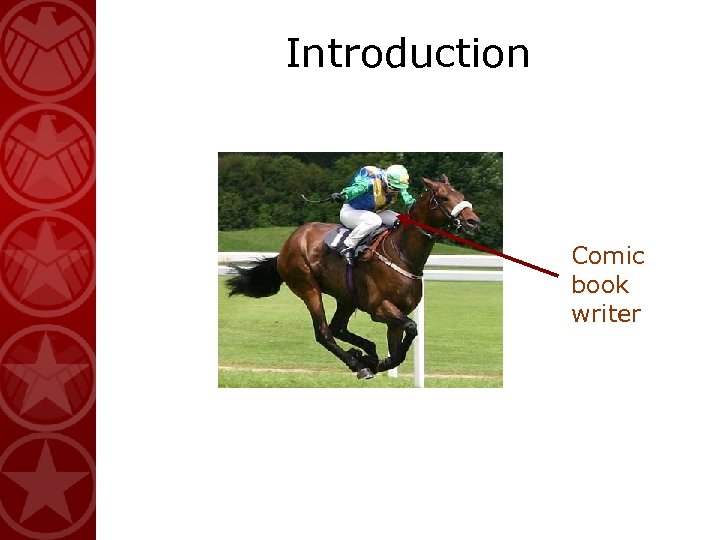 Introduction Comic book writer
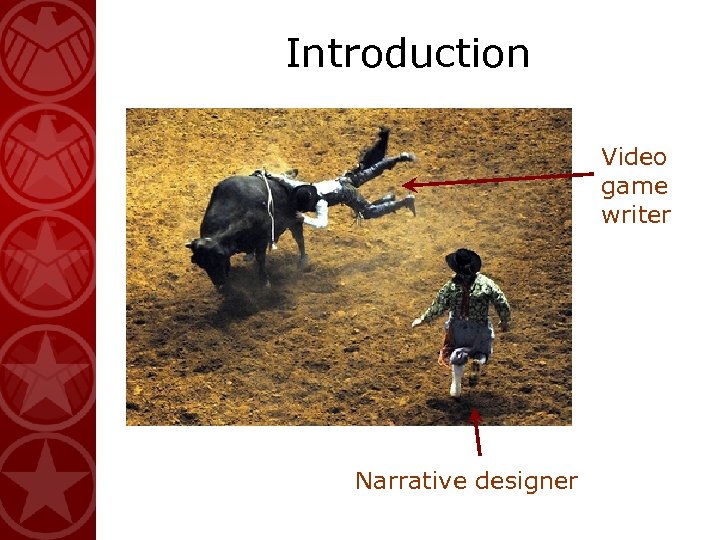 Introduction Video game writer Narrative designer
 Introduction Evan Skolnick Former Marvel Comics editor/writer Over 8 years in game development Producer: Ultimate Spider-Man GBA Over the Hedge DS Guitar Hero III Wii Marvel: Ultimate Alliance Wii, PSP Narrative/Writing: Ultimate Spider-Man GBA Spy Muppets GBA, PC Over the Hedge DS Transformers DS Spider-Man 3 Wii, PS 2 Jonathan Mintz Over 5 years of game design experience Writer: Spider-Man 3 Wii, PS 2 Tony Hawk’s Downhill Jam DS Lead Designer: Mixed Messages DSi Ultimate Spider-Man GBA Madagascar DS, GBA
 Action RPG sequel to Marvel: Ultimate Alliance Development team size: ~120 onsite Development time: ~ 2. 5 years Narrative team: Full-time onsite Lead Writer Full-time onsite Narrative Designer Full-time onsite Junior Writer/Narrative Designer 2 offsite contract writers Narrative scope: In-Game ~15, 000 lines of in-game dialogue (~8, 000 VO) Cutscenes Approx. 55 minutes total Combination of pre-rendered (outsourced) and engine-driven (in-house)
 Act I Adaptation
 Building on Success What narrative elements worked best in MUA 1? Story beats that always served the core gameplay mechanic Epic tale to sustain lengthy play time Steeped in Marvel characters, locations, and lore Nods to deep character history, such as override conversations Wide variety of character personalities/voices Fan service at every turn!
 Building on Success MUA 2 planned improvements and changes Bring tone up to date with modern comics and gaming audience Use narrative devices to honor and reward player choices Provide cohesive narrative for all types of players
 Building on Success Bring tone up to date with modern comics and gaming audience Shades of grey, not black-and-white Story drives locations, not vice versa Less fantastic, more grounded Explore current, relevant issues Human story with dynamic characters More realistic writing and VO Employ more complex narrative tools to provide storytelling depth Foreshadowing, planting, flashbacks. . .
 Building on Success Use narrative devices to honor and reward player choices Meaningful, morality-based choices within game Civil War Optional missions, more player agency Conversation choices tied to character development Character choices matter in both game and story Keep all dialogue in-character
 Building on Success Provide cohesive narrative for all types of players Please skippers, dabblers, and explorers Satisfying critical path content with opportunities for more depth Identify and preserve story backbone even as development necessitates game content changes Modern presentation to keep all players engaged (e. g. full VO)
 “War” Planning Where did the Civil War really start? Going back to “Secret War” allowed a true Act One buildup to Civil War
 “War” Planning Secret War Written by Brian Michael Bendis Dr. Doom is gone, but Latveria is still causing trouble Funding super-powered criminals to foment terror in the U. S. Nick Fury and S. H. I. E. L. D. get hard evidence against Latveria’s Prime Minister, Lucia von Bardas Von Bardas was effectively placed in power by U. S. President refuses to have Fury take action; will handle diplomatically Fury calls in favors from super hero friends, leads secret strike on Latverian operation Mysterious agent Daisy Johnson destroys Castle Doom
 “War” Planning Secret War One year later, von Bardas revealed as having survived as a horrific cyborg Cyborg von Bardas leads terror attack on NYC with cybernetically-chained super-villains Heroes avert total disaster, but damage is done Fury ousted as leader of S. H. I. E. L. D.
 “War” Planning Road to Civil War Written by Mark Millar et al. Increasing public mistrust of super heroes New Warriors team of teen heroes launch reality TV show Mr. Fantastic calculates major global turmoil is ahead Iron Man speaks before Congress against proposed hero registration New Warriors inadvertently allow super-villain to explode in Stamford, CT, killing hundreds of bystanders, including children, on TV Congress passes Superhuman Registration Act Captain America refuses to register, goes underground Iron Man and Mr. Fantastic support SRA and promise to deal with Cap
 “War” Planning Civil War Written by Mark Millar et al. Captain America leads Anti-Registration movement Iron Man, Mr. Fantastic and S. H. I. E. L. D. attempt to enforce SRA and shatter the Anti-Reg movement
 “War” Planning Secret War Civil War Gradual transition from black-and-white of MUA 1 to grey of MUA 2 Flashbacks with only partial revelations Heroes question goals but still complete their mission True nature of what players have done not revealed until later
 Test of Character(s) Strict Adaptation vs. Gameplay Removed Daisy Johnson character Put onus directly on players to “push the button” Force complicity and evoke guilt
 Test of Character(s) Strict Adaptation vs. Gameplay Civil War allegiance could have split player roster in half Hulk and Thor were not in Civil War Gameplay and player choice trumped all these considerations Dossiers used to explain details of these variations to the hardcore fanbase, but well off the critical path
 Test of Character(s) Creating a cast of characters that worked within our limits Shift to higher-rez graphics had major story impact No assets from previous game used All characters had to be made from scratch Limited overall numbers Fringe benefit: same models used for ingame and cutscenes
 Test of Character(s) Creating a cast of characters that worked within our limits Solution: pool of NPCs Could serve as friends on one side of the war, and enemies on the other (and vice versa) Characters that could change allegiance mid-game would do double- or even triple -duty
 Test of Character(s) Keeping it balanced Diligently avoided playing one side as good and other as bad MUA 1 had “The Masters of Evil” In this story, no one thinks they’re evil. . . everyone believes they’re right
 Test of Character(s) Polite conversation Wanted to do fully-voiced conversations but impossible for 24 playable characters Schedule Budget Disc space Considered several options before settling on NPC VO and player text choices Higher-rez models this time would allow for close-ups and lip-sync during convos and EDCs (Engine-Driven Cutscenes)
 Test of Character(s) Polite conversation Wanted to honor player conversation choices with 3 kinds of rewards: Narrative (different NPC verbal reactions) Systemic (Boosts based on attitude choices) Branching (story divergence) Ultimately accomplished 2 of 3 (almost no branching based on convo choices)
 Test of Character(s) Polite conversation Personality variant text New feature Hulk always sound like Hulk! Not feasible to write 24+ versions of every player character convo line Adapted “personalities” concept from our Spider-Man 3 pedestrians VO system Organized PCs into ~8 personalities NPC lines remain the same, but player text lines vary Trickiest part: making sure all lines flow back into locked NPC VO response Opportunities to add new meaning
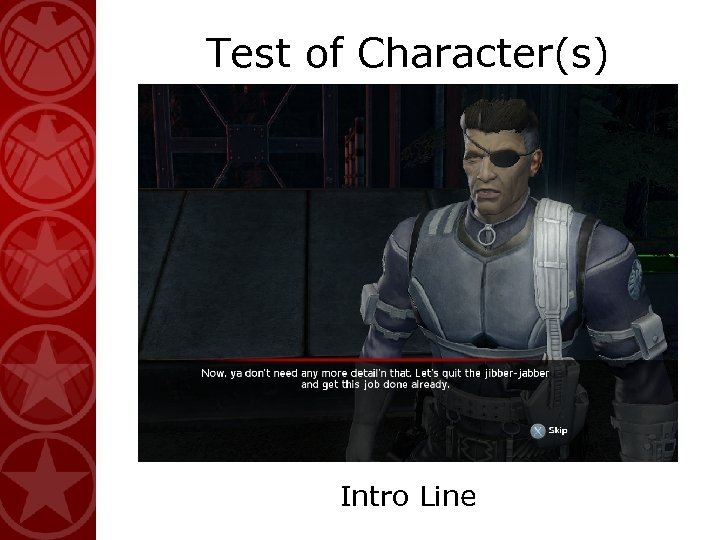 Test of Character(s) Intro Line
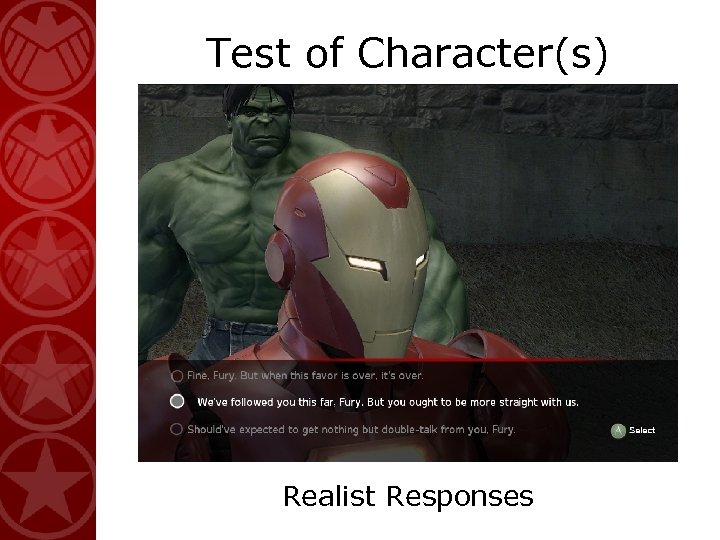 Test of Character(s) Realist Responses
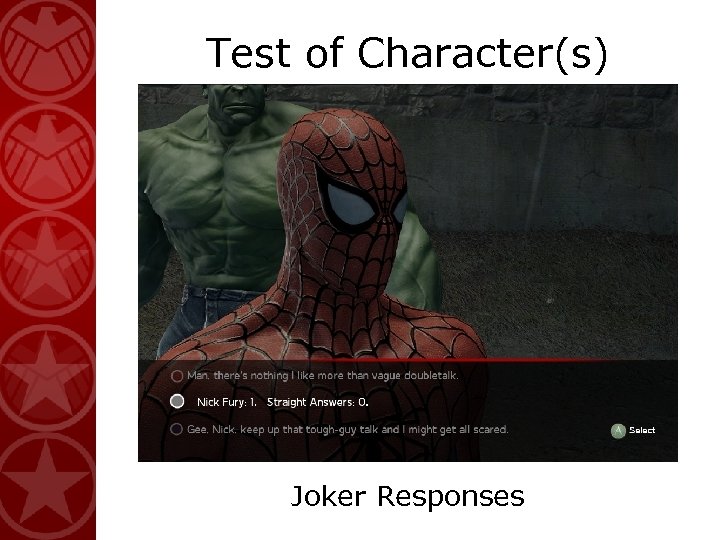 Test of Character(s) Joker Responses
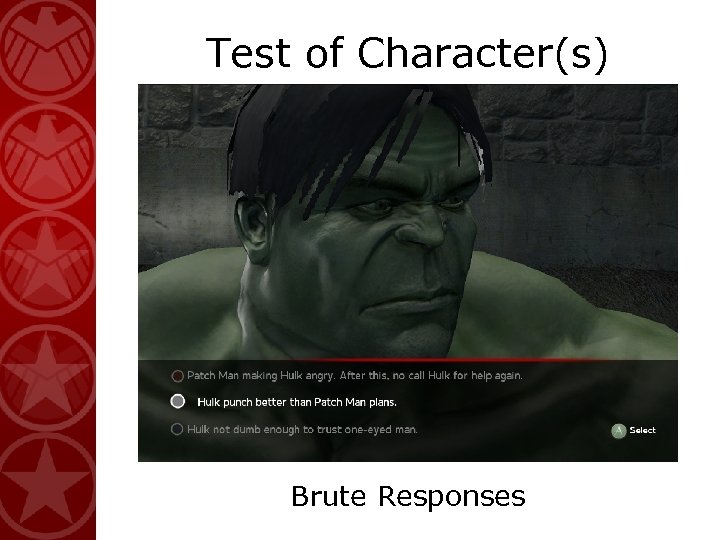 Test of Character(s) Brute Responses
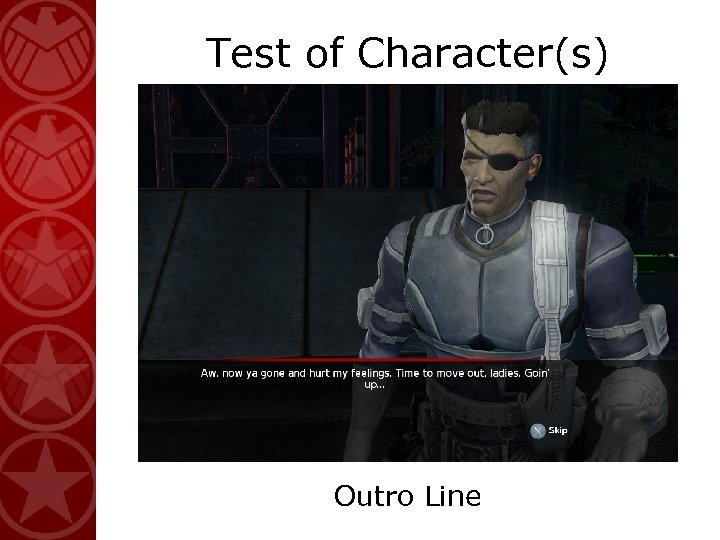 Test of Character(s) Outro Line
 Test of Character(s) Polite conversation Personality variant text Some categories were tougher to write than others Renegade always wanted to sound like Wolverine, but had to work for Cage, Penance and Thing too We didn’t support persistence of attitude (e. g. NPCs won’t remember if you’re being a jerk all the time) Number of permutations would take us out of scope
 Test of Character(s) Polite conversation For key moments, fully-voiced conversations (but no branching) Attitude system for in-game boosts Pro- and Anti- variants for certain scripted VO moments and convos
 Act II Execution
 Narrative Team Structure
 Narrative Team Structure
 Narrative Team Structure
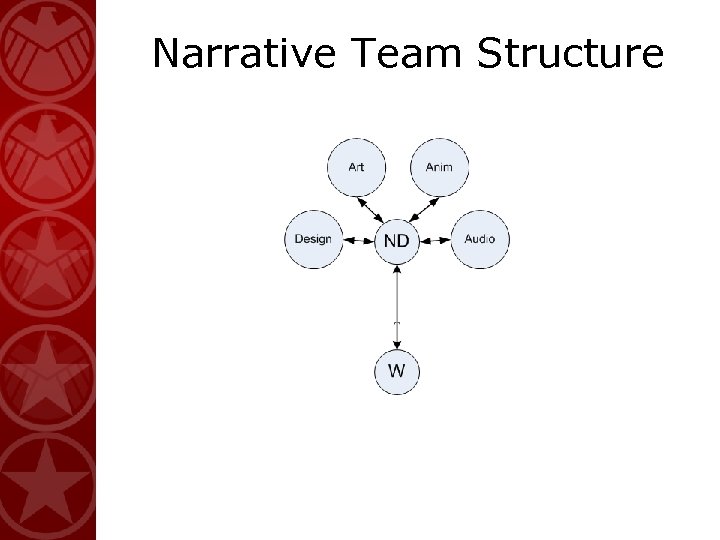
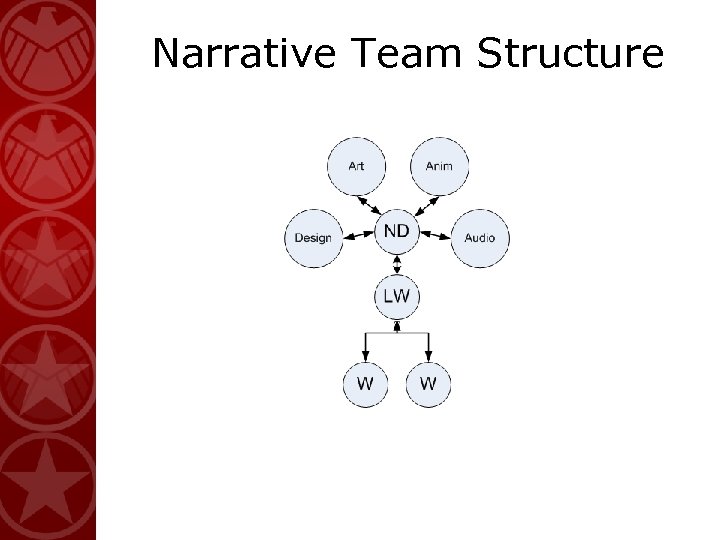
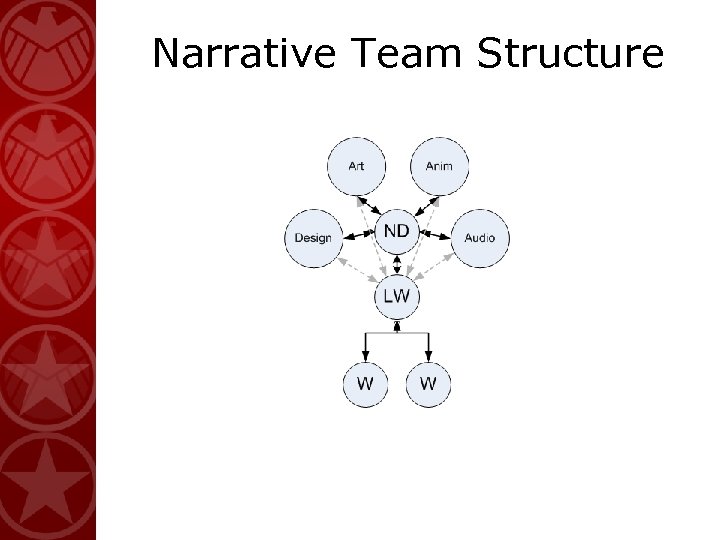
 Narrative Team Structure Full-time, onsite Narrative Designer and Lead Writer Roles/responsibilities Both: Collaborate on overall plot with Game Director Concept and plan narrative delivery methods Work with mission designers to plan out in-game story beats Patch into VO sessions to provide context and add’l direction Collaborate on narrative reactions to game design changes
 Narrative Team Structure Narrative Designer Serve as narrative champion among rest of team Work with Game Director to concept mission flow & concepts Work w/tools team to set up narrative templates & pipelines Work w/mission designers to plan specifics of narrative content Write first draft mission dialogue and set up its data Prepare VO recording scripts Manage Junior Narrative Designer Implement core narrative content into game Coordinate production of text content: dossiers, trivia, loading screens, tutorials, achievements/trophies. . . Keep Lead Writer in the loop on day-to-day changes that could affect storytelling Support EDC team on story issues and VO needs Support audio team with VO integration
 Narrative Team Structure Lead Writer Set and watchdog narrative tone Write all cutscenes (pre-rendered and in-engine) Write all conversations (sometimes over ND’s drafts) Write all in-game scripted VO (over ND’s drafts) Provide feedback on storyboards, cutscenes, briefings, audio, marketing materials, etc. Participate in VO casting process Select VO takes for nearly all lines Organize and submit narrative materials for licensor approvals Identify, contact and manage contract writers Edit/polish all narrative content; provide unified voice Weigh in on big-picture narrative issues Serve as on-staff stand-in for licensor
 Narrative Team Structure Advantages of this setup Narrative Designer, not having to write as much, can stay on top of day-to-day developments Lead Writer, not having to constantly attend meetings, is generally free to actually write ND can call in LW at any time for: Big-ticket items/decisions Moral support (strength in numbers) Easy for game writers to get trampled by other team members When necessary, two narrative champions instead of just one
 Narrative Team Structure Advantages of this setup Side-by-side walkthroughs of in-progress missions possible as needed LW can ask ND stupid questions at almost any time Close collaboration possible as needed Onsite LW will catch narrative bugs that most others will miss Possible for both ND and LW to patch into VO recording sessions
 Narrative Team Structure Disadvantages of this setup Sometimes other team members didn’t know whom on Narrative Team to consult Important to clearly communicate roles to rest of team Reduce “go ask your father” situations Occasionally decisions get rushed by Narrative team members without proper consultation with each other Need to deal with this gracefully If roles not clearly defined, differentiated and respected, major problems could occur
 Narrative Team Structure Other narrative roles (esp. offsite) Keep critical narrative path content inhouse Farm out items that: Aren’t crucial Won’t be affected by game design changes Could be cut entirely
 Narrative Team Structure Other narrative roles (esp. offsite) In-house Main story plot and structure Cutscenes Briefings/Debriefings Core conversations Mission VO Potential to outsource Quips Flavor text (a la Personality Variant text) Lore items (audio logs, dossiers, trivia games, etc. )
 Tools & Tech Writers often low on tools priority list On MUA 2, simple tools utilized for organizing narrative and VO content Narrative Scope Tracking spreadsheet Writing workbooks Document = data Build tools that allow writers to add content in a format the game can exploit VO database Text-to-speech
 Tools & Tech Writing Workbook Excel tool for planning, writing, and exporting narrative content Structured for three audiences: Mission Designer reviews flow of content Lead Writer edits & updates content Narrative Designer exports content into game Workbook pipeline Step Step 1: 2: 3: 4: 5: Written by ND, reviewed with Mission Des. Editorial pass by Lead Writer Imported into game w/text to speech by ND Triggers updated by Mission Designer Final VO recorded, replaces text to speech
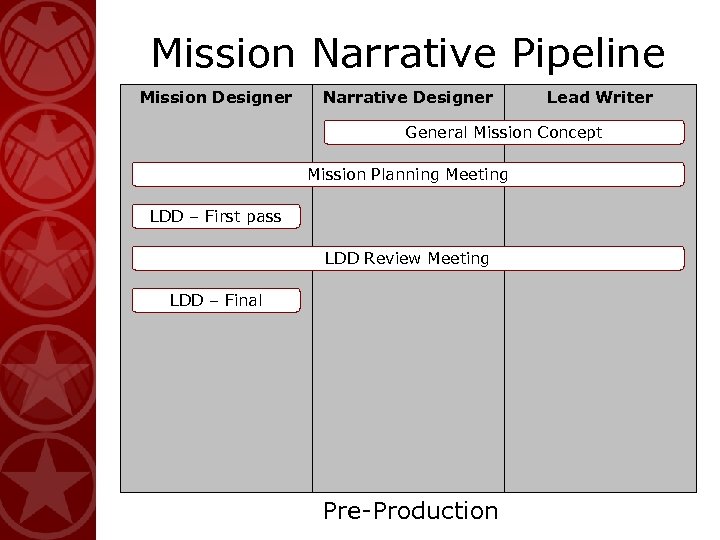 Mission Narrative Pipeline Mission Designer Narrative Designer Lead Writer General Mission Concept Mission Planning Meeting LDD – First pass LDD Review Meeting LDD – Final Pre-Production
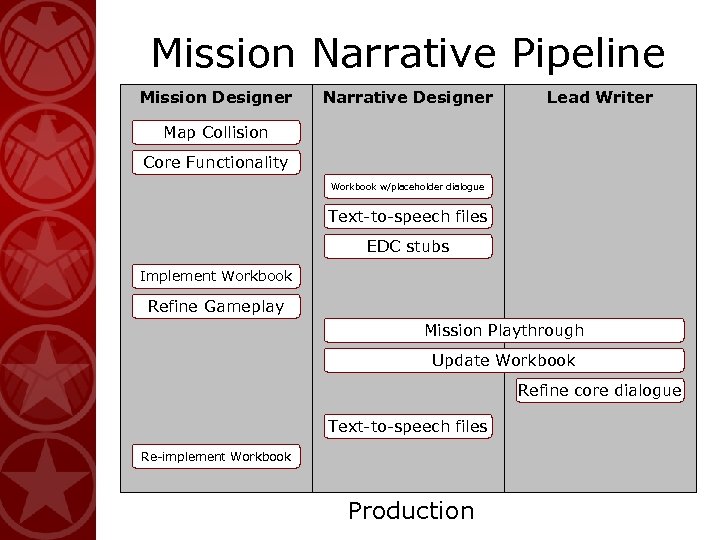 Mission Narrative Pipeline Mission Designer Narrative Designer Lead Writer Map Collision Core Functionality Workbook w/placeholder dialogue Text-to-speech files EDC stubs Implement Workbook Refine Gameplay Mission Playthrough Update Workbook Refine core dialogue Text-to-speech files Re-implement Workbook Production
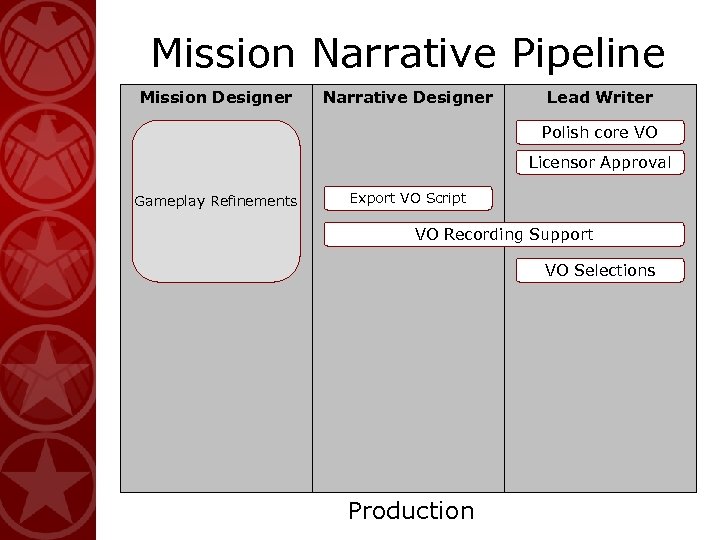 Mission Narrative Pipeline Mission Designer Narrative Designer Lead Writer Polish core VO Licensor Approval Gameplay Refinements Export VO Script VO Recording Support VO Selections Production
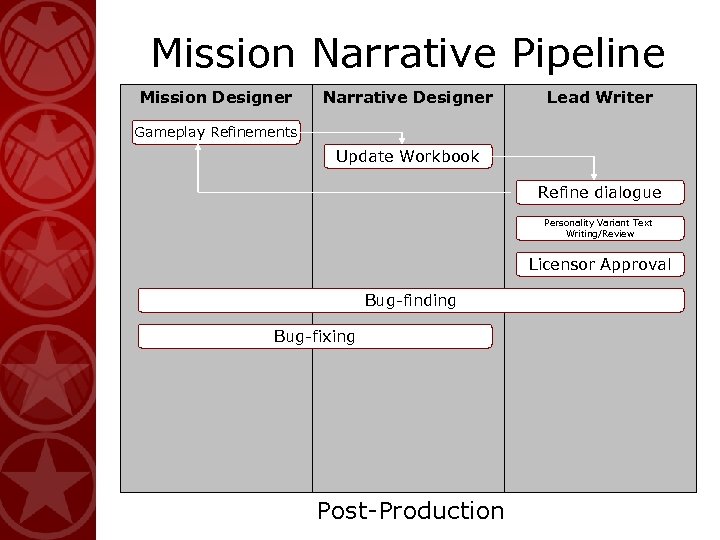 Mission Narrative Pipeline Mission Designer Narrative Designer Lead Writer Gameplay Refinements Update Workbook Refine dialogue Personality Variant Text Writing/Review Licensor Approval Bug-finding Bug-fixing Post-Production
 Embracing Change No game writing plan survives contact with the dev team MUA 1 model Five-act structure Two acts completely expendable, to be developed last MUA 2 model Four-act structure Individual missions prioritized, act structure preserved if cuts made
 Embracing Change In reality, all possible cuts were made, and then some Cutscenes reduced as well Narrative gaps between missions increased to the breaking point Needed to have other devices pull more weight Briefings/debriefings Audio objects EDCs
 Mission Iteration Tools EDC stubs Chatter placeholders Conversation placeholders Finding the right amount of placeholder content to support the gameplay while still allowing for revision Designed Civil War missions to involve players in determining the outcome of similar setups E. g. Cable’s rebel hideout – Players either successfully defend it, or successfully invade it
 Act III Evaluation
 How did we do? Bring tone up to date with modern comics and gaming audience Use narrative devices to honor and reward player choices Provide cohesive narrative for all types of players
 How did we do? Bring tone up to date with modern comics and gaming audience Largely accomplished At times writing didn’t account for presentation limitations Example: Player characters in EDCs Caused some unintentional hokiness
 How did we do? Use narrative devices to honor and reward player choices Largely accomplished Did not deliver many events in which player choice drives narrative in different direction However, the signature narrative choice (Civil War affiliation) received a lot of love and should be memorable
 How did we do? Provide cohesive narrative for all types of players Accomplished (in our opinion) Audience response will be the final arbiter here
 What else did we learn? Dramatize the story to entire team early and often Attempted this regularly but we could have done better Vital to get entire design, art and animation teams on board with desired tone
 What else did we learn? Close communication between Narrative and internal Cutscene teams is essential EDC pipeline came together late and coordination was tricky Not always clear who had final call on content, audio etc. Cinematics Director role would probably have been very beneficial
 What else did we learn? Excel has its limits Our massive VO database pushed Excel to the breaking point High-powered database program would probably have fared better
 What else did we learn? Onsite Narrative Designer + Onsite Lead Writer is a good model Most studios not prepared for a Biowaresized investment in narrative staffing Others fail by only bringing in contract writers on, often too late to help with story structure problems Our Narrative team structure and staffing plan positioned us to deliver high-quality, well-integrated content