Скачать презентацию The status of Indian science and Measures to
26a726680ff502fbda2fef4576762251.ppt
- Количество слайдов: 56
 The status of Indian science and Measures to improve it K. R. Sreenivasan
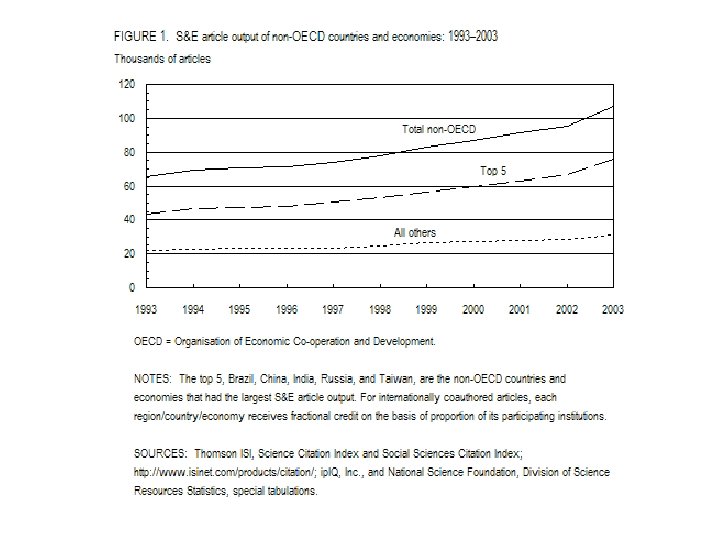
 The first concern • • 1973, 8 th place in scientific output 2000, 15 th place (13 th place in 2007) Many articles A. Arunachalam, “Is science in India on the decline? ”, Curr. Sci. 83, 107 (2002) “India’s scientists agonize over fall in publication rate”, Nature 419, 100 (2002) G. Prathap, “Indian science slows down: The decline of open-ended research”, Curr. Sci. 86, 768 (2004) “Indian science is in decline, says prime minister”, Nature 445, 134 (2007) Figure 1
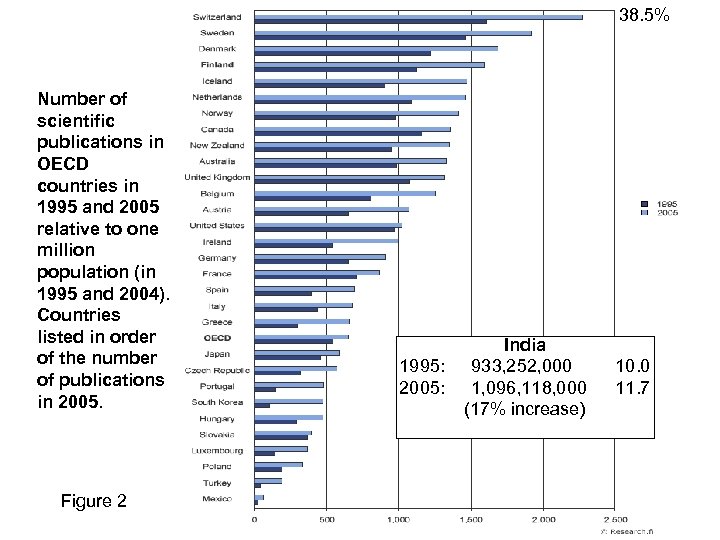 38. 5% Number of scientific publications in OECD countries in 1995 and 2005 relative to one million population (in 1995 and 2004). Countries listed in order of the number of publications in 2005. Figure 2 India 1995: 933, 252, 000 2005: 1, 096, 118, 000 (17% increase) 10. 0 11. 7
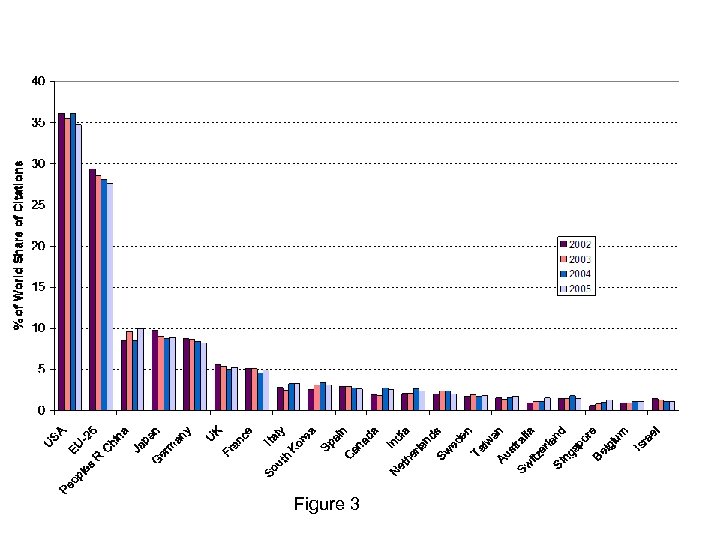 Figure 3
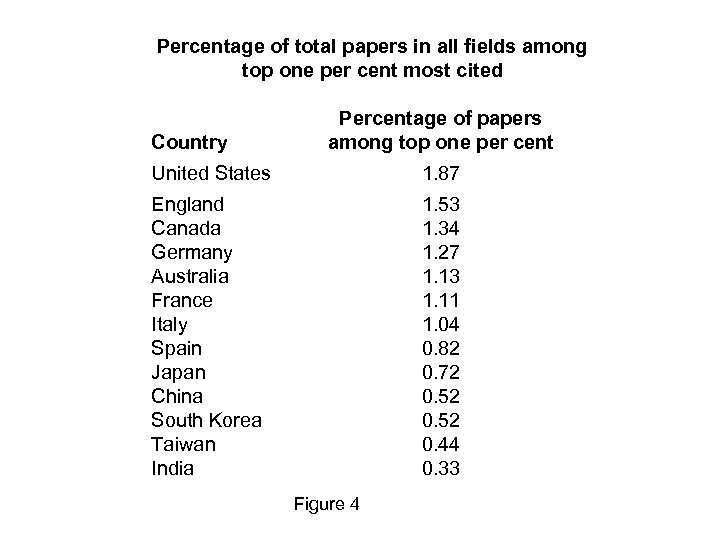 Percentage of total papers in all fields among top one per cent most cited Country Percentage of papers among top one per cent United States 1. 87 England Canada Germany Australia France Italy Spain Japan China South Korea Taiwan India 1. 53 1. 34 1. 27 1. 13 1. 11 1. 04 0. 82 0. 72 0. 52 0. 44 0. 33 Figure 4
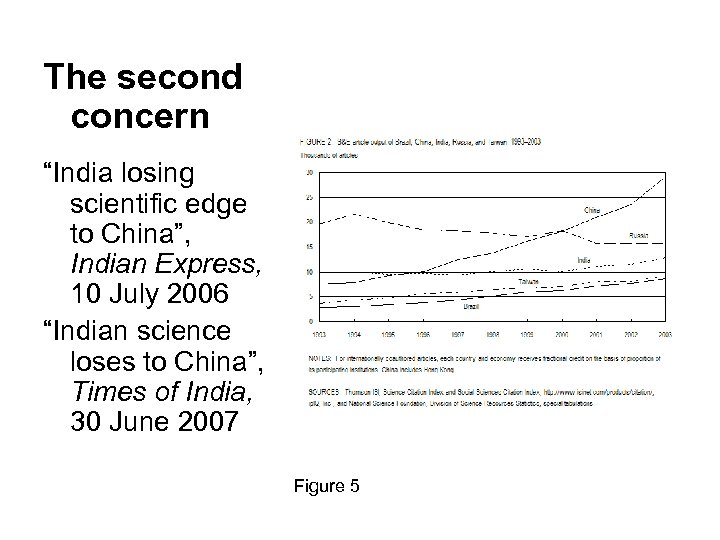 The second concern “India losing scientific edge to China”, Indian Express, 10 July 2006 “Indian science loses to China”, Times of India, 30 June 2007 Figure 5
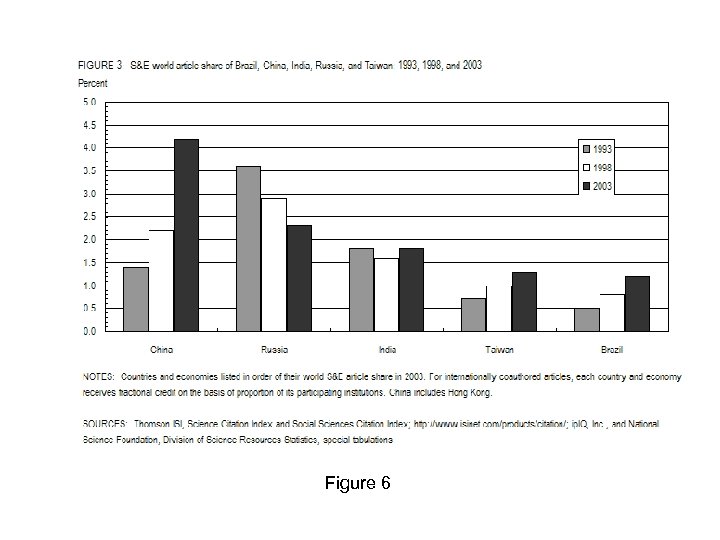 Figure 6
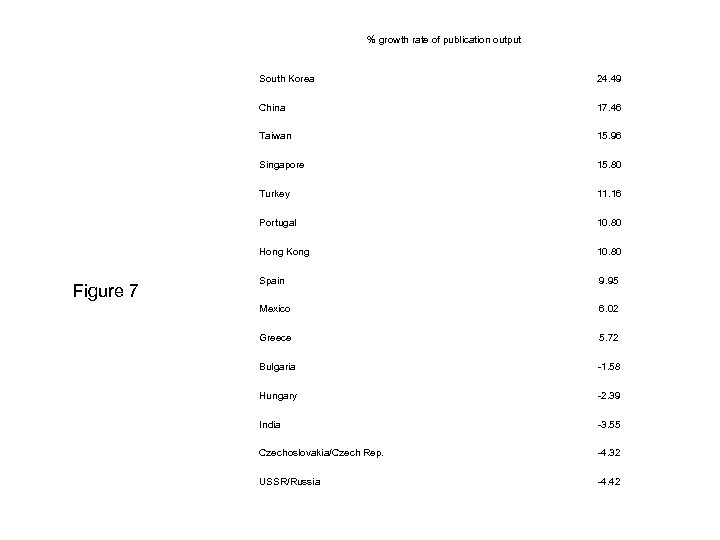 % growth rate of publication output South Korea 24. 49 China 17. 46 Taiwan 15. 96 Singapore 15. 80 Turkey 11. 16 Portugal 10. 80 Hong Kong 10. 80 Spain 9. 95 Mexico 6. 02 Greece 5. 72 Bulgaria -1. 58 Hungary -2. 39 India -3. 55 Czechoslovakia/Czech Rep. -4. 32 USSR/Russia -4. 42 Figure 7
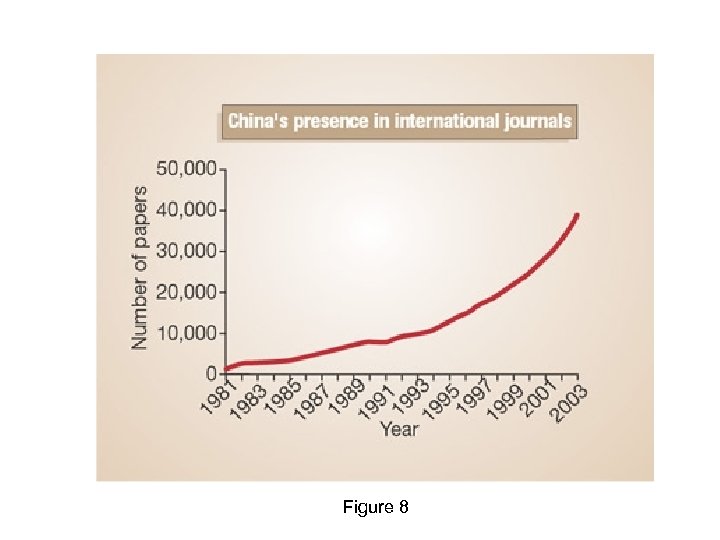 Figure 8
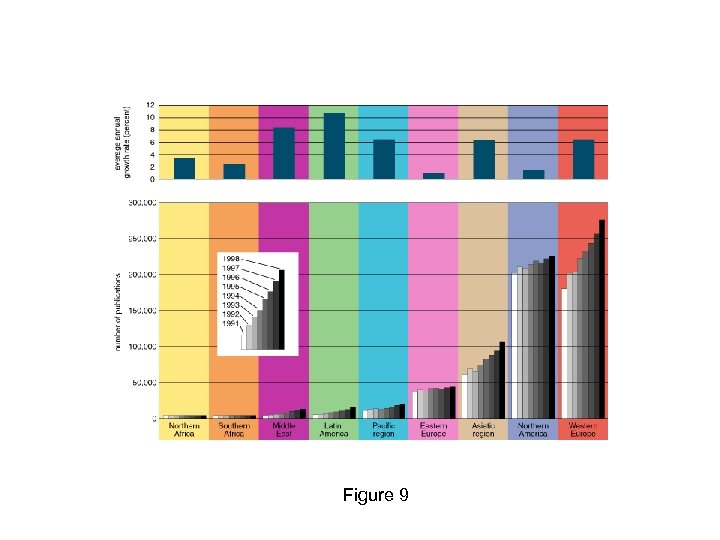 Figure 9
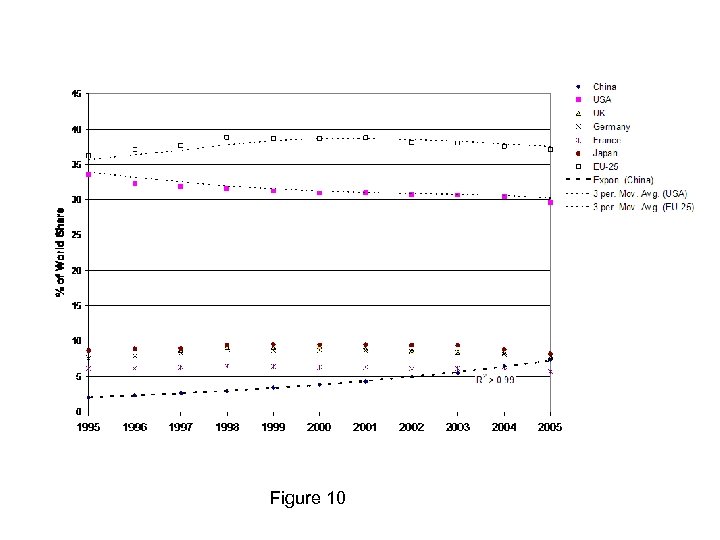 Figure 10
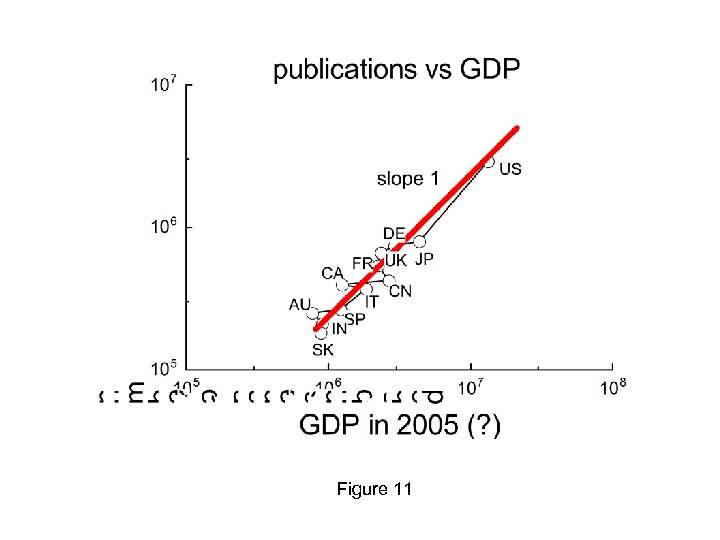 Figure 11
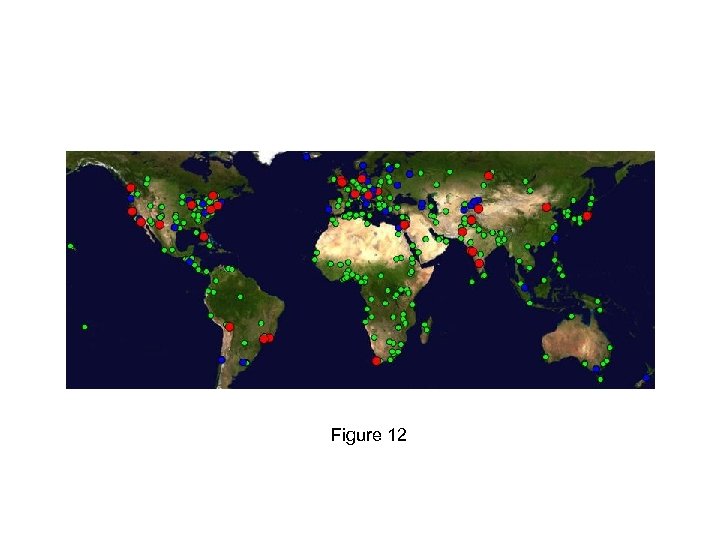 Figure 12
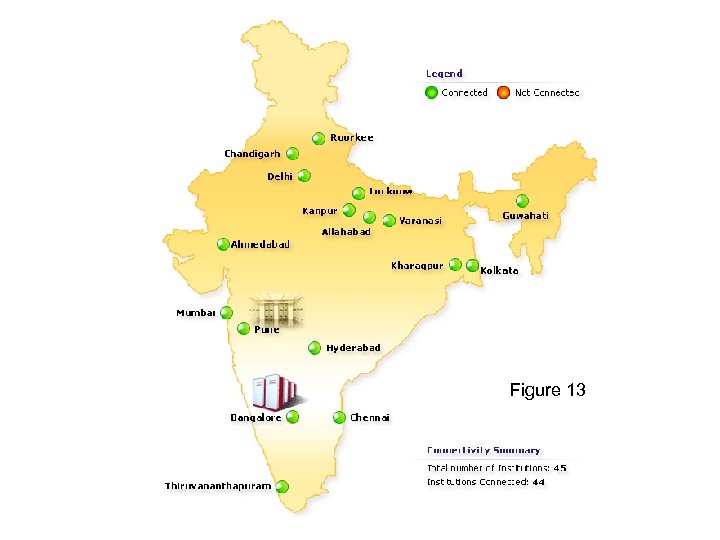 Figure 13
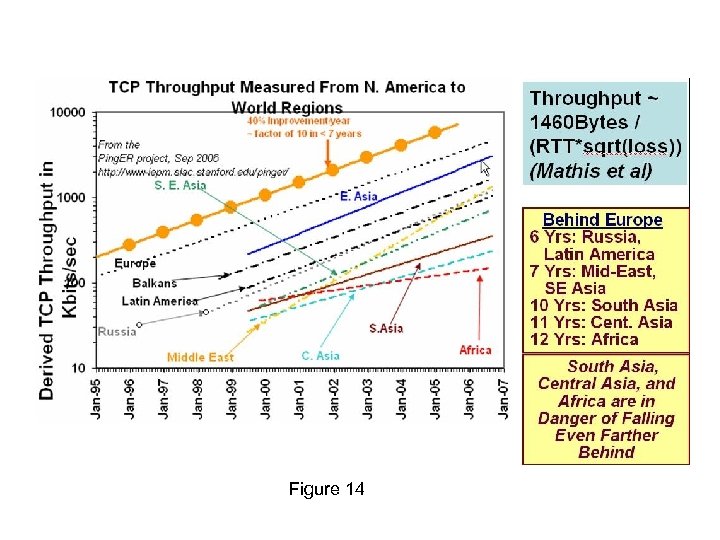 Figure 14
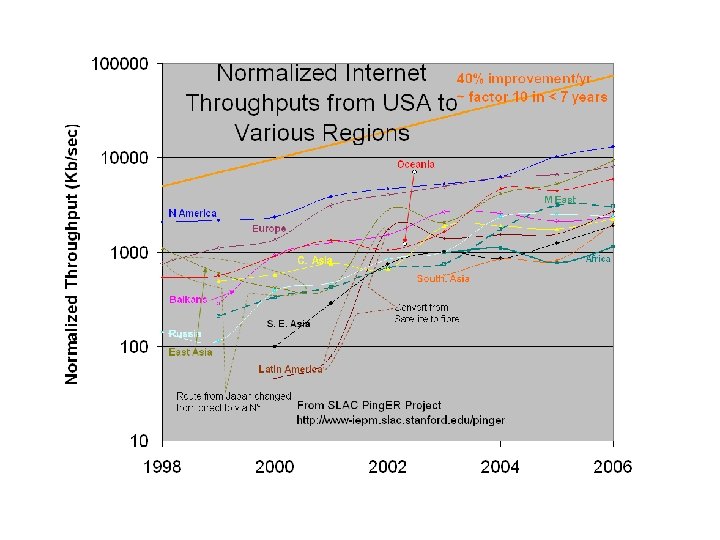
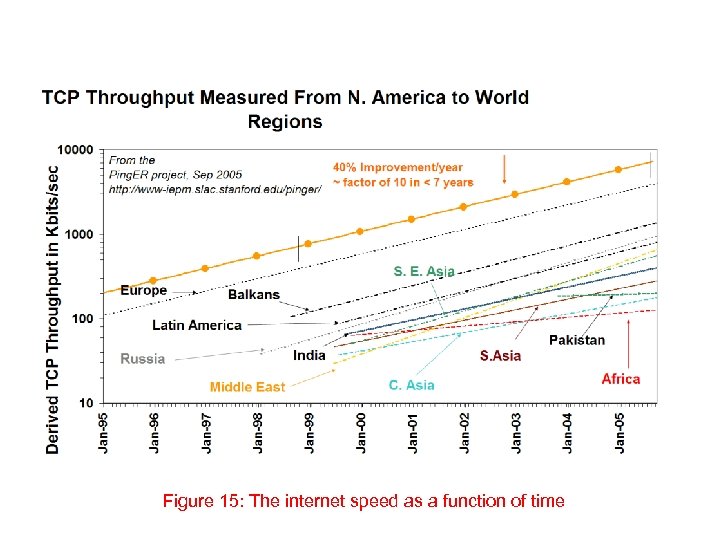 Figure 15: The internet speed as a function of time
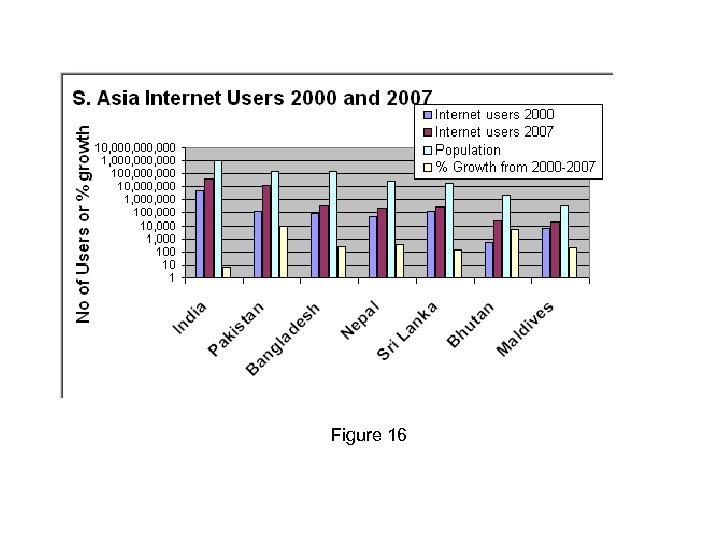 Figure 16
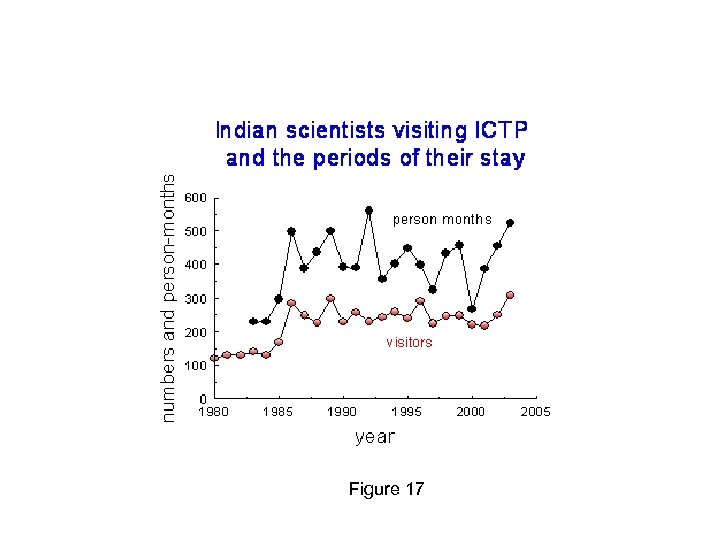 Figure 17
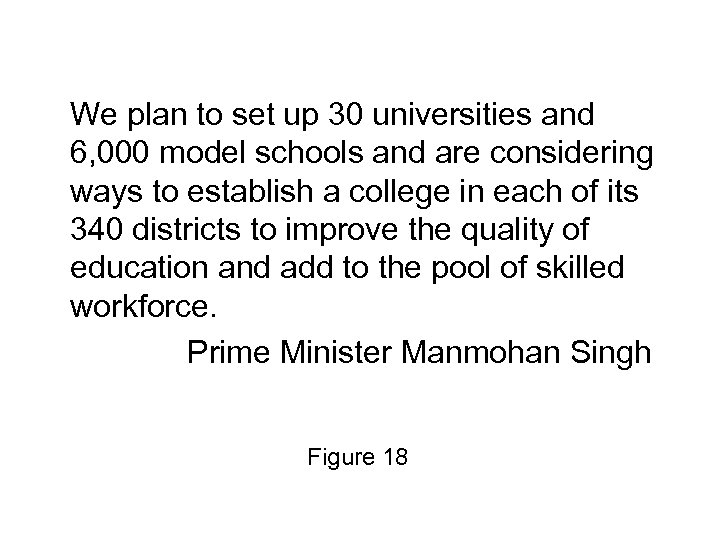 We plan to set up 30 universities and 6, 000 model schools and are considering ways to establish a college in each of its 340 districts to improve the quality of education and add to the pool of skilled workforce. Prime Minister Manmohan Singh Figure 18
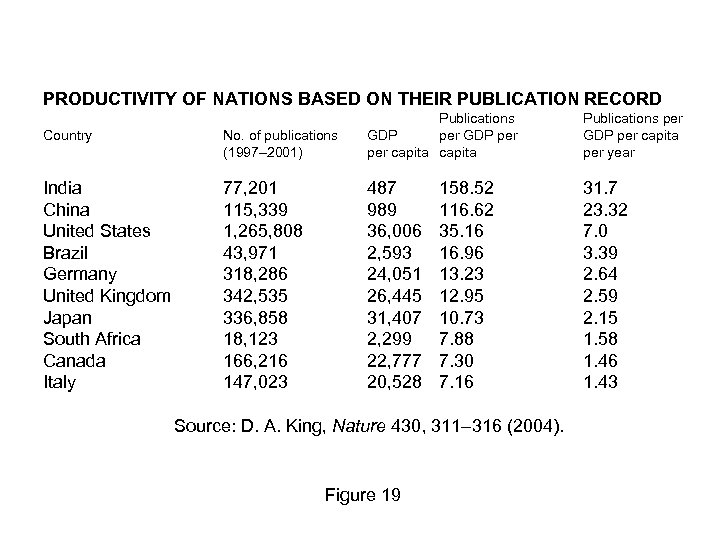 PRODUCTIVITY OF NATIONS BASED ON THEIR PUBLICATION RECORD Country No. of publications (1997– 2001) Publications GDP per per capita India China United States Brazil Germany United Kingdom Japan South Africa Canada Italy 77, 201 115, 339 1, 265, 808 43, 971 318, 286 342, 535 336, 858 18, 123 166, 216 147, 023 487 989 36, 006 2, 593 24, 051 26, 445 31, 407 2, 299 22, 777 20, 528 158. 52 116. 62 35. 16 16. 96 13. 23 12. 95 10. 73 7. 88 7. 30 7. 16 Source: D. A. King, Nature 430, 311– 316 (2004). Figure 19 Publications per GDP per capita per year 31. 7 23. 32 7. 0 3. 39 2. 64 2. 59 2. 15 1. 58 1. 46 1. 43
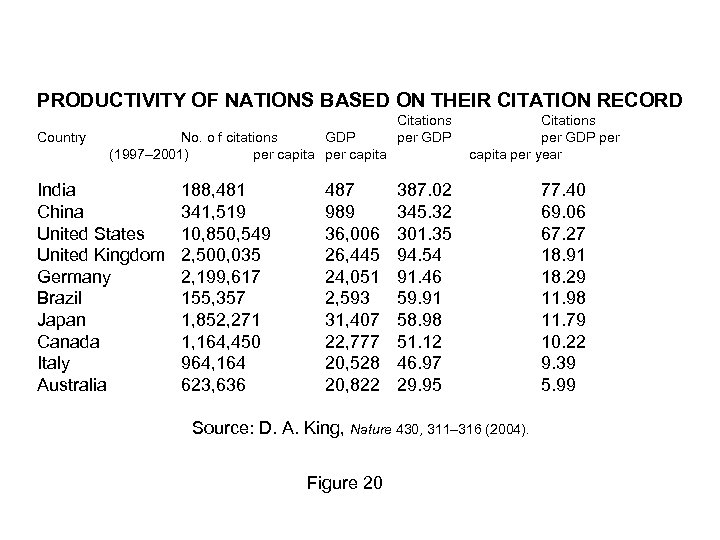 PRODUCTIVITY OF NATIONS BASED ON THEIR CITATION RECORD Country No. o f citations GDP (1997– 2001) per capita India China United States United Kingdom Germany Brazil Japan Canada Italy Australia 188, 481 341, 519 10, 850, 549 2, 500, 035 2, 199, 617 155, 357 1, 852, 271 1, 164, 450 964, 164 623, 636 487 989 36, 006 26, 445 24, 051 2, 593 31, 407 22, 777 20, 528 20, 822 Citations per GDP per capita per year 387. 02 345. 32 301. 35 94. 54 91. 46 59. 91 58. 98 51. 12 46. 97 29. 95 Source: D. A. King, Nature 430, 311– 316 (2004). Figure 20 77. 40 69. 06 67. 27 18. 91 18. 29 11. 98 11. 79 10. 22 9. 39 5. 99
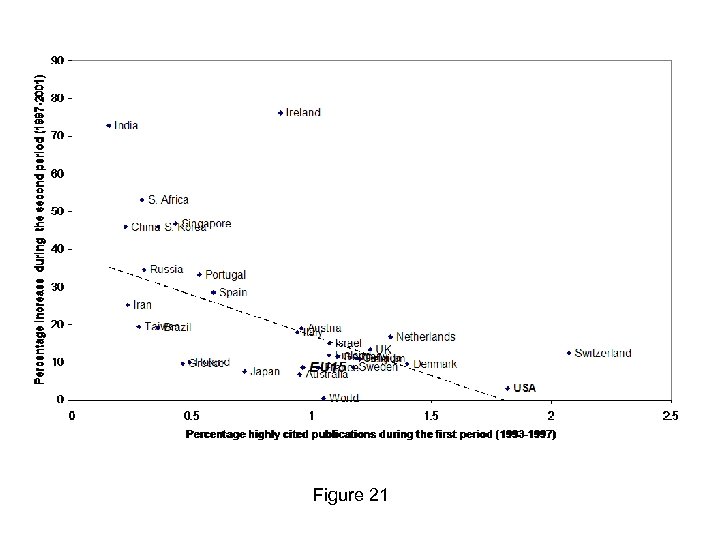 Figure 21
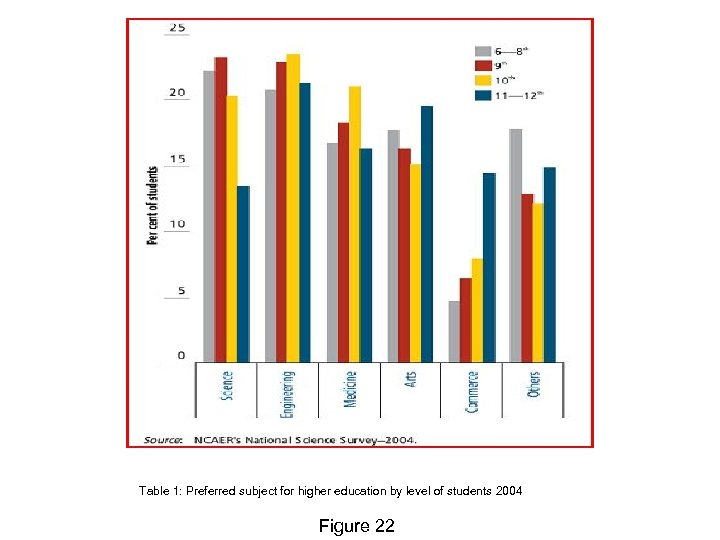 Table 1: Preferred subject for higher education by level of students 2004 Figure 22
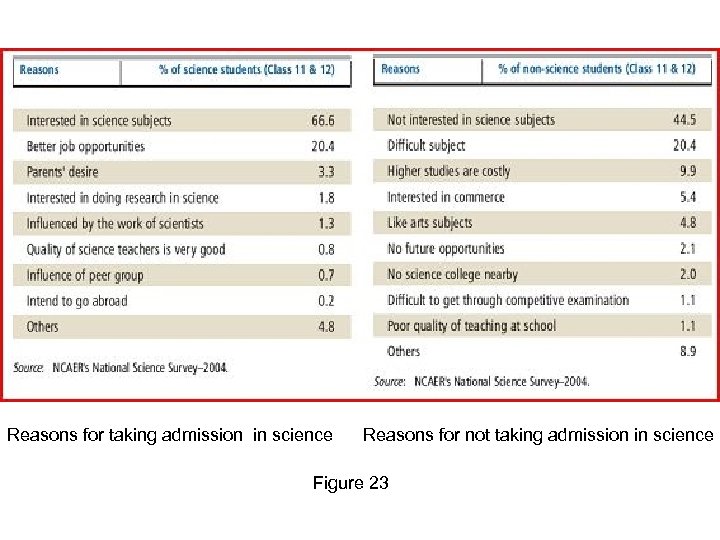 Reasons for taking admission in science Reasons for not taking admission in science Figure 23
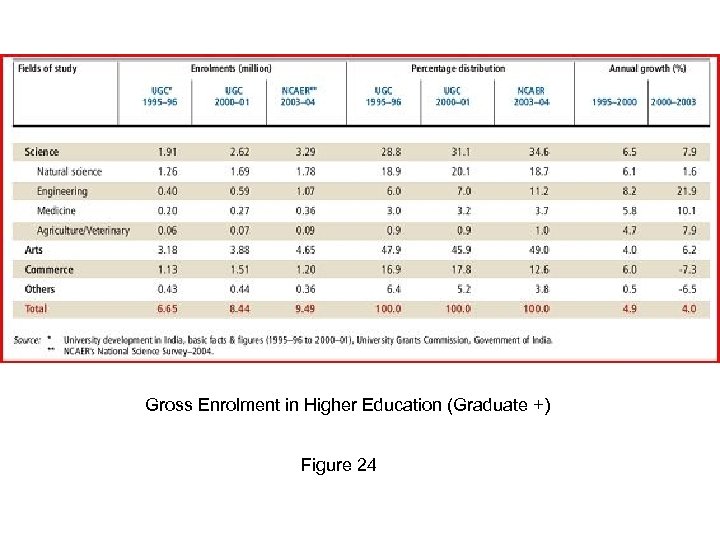 Gross Enrolment in Higher Education (Graduate +) Figure 24
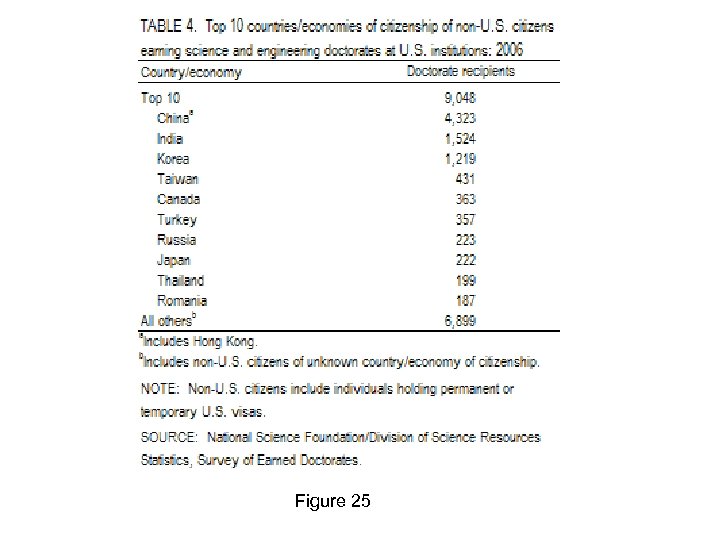 Figure 25
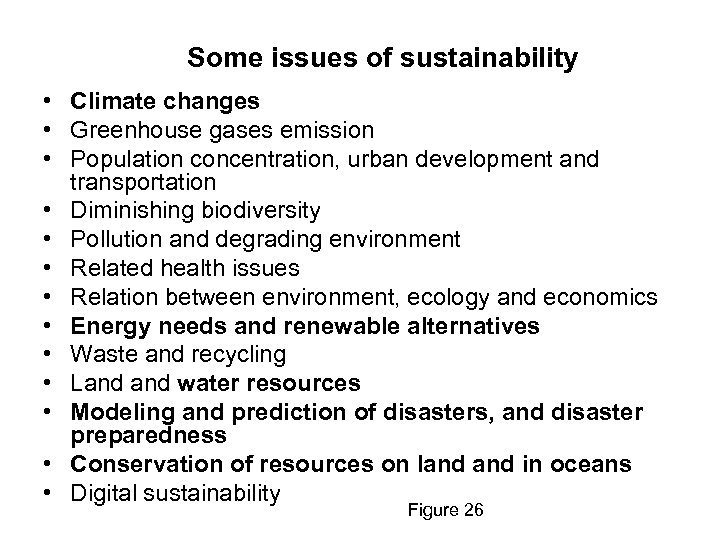 Some issues of sustainability • Climate changes • Greenhouse gases emission • Population concentration, urban development and transportation • Diminishing biodiversity • Pollution and degrading environment • Related health issues • Relation between environment, ecology and economics • Energy needs and renewable alternatives • Waste and recycling • Land water resources • Modeling and prediction of disasters, and disaster preparedness • Conservation of resources on land in oceans • Digital sustainability Figure 26
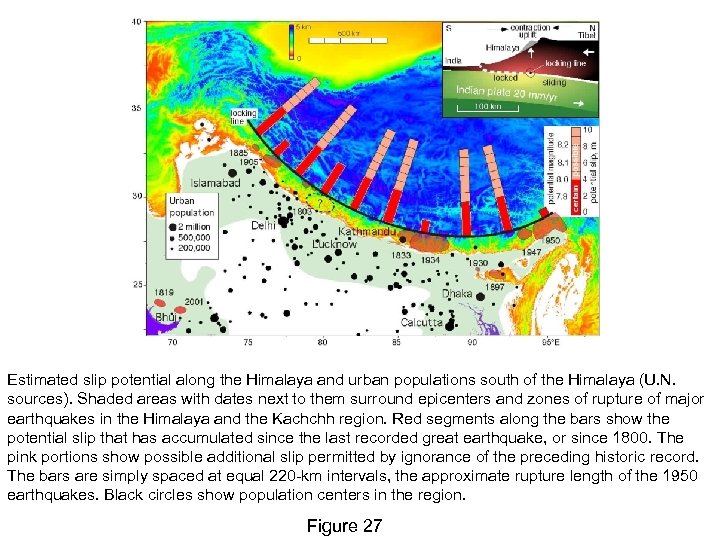 Estimated slip potential along the Himalaya and urban populations south of the Himalaya (U. N. sources). Shaded areas with dates next to them surround epicenters and zones of rupture of major earthquakes in the Himalaya and the Kachchh region. Red segments along the bars show the potential slip that has accumulated since the last recorded great earthquake, or since 1800. The pink portions show possible additional slip permitted by ignorance of the preceding historic record. The bars are simply spaced at equal 220 -km intervals, the approximate rupture length of the 1950 earthquakes. Black circles show population centers in the region. Figure 27
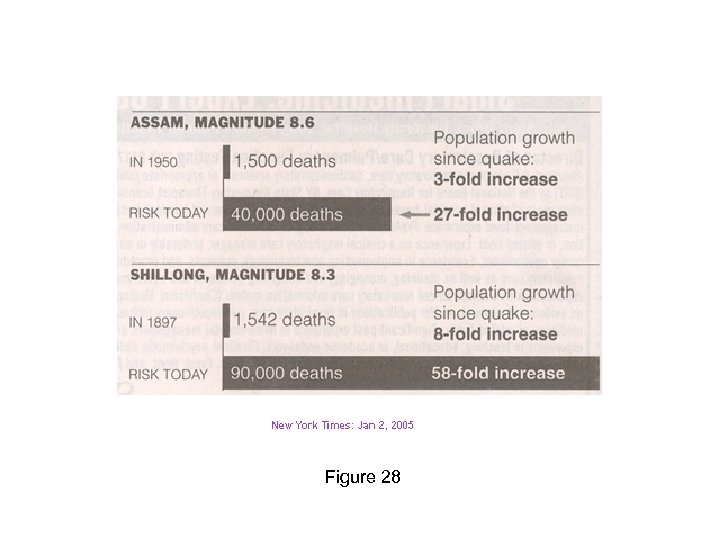 Figure 28
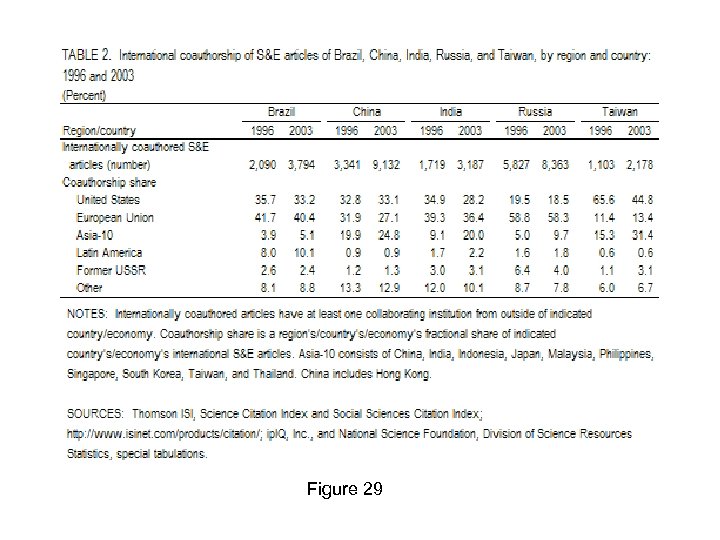 Figure 29
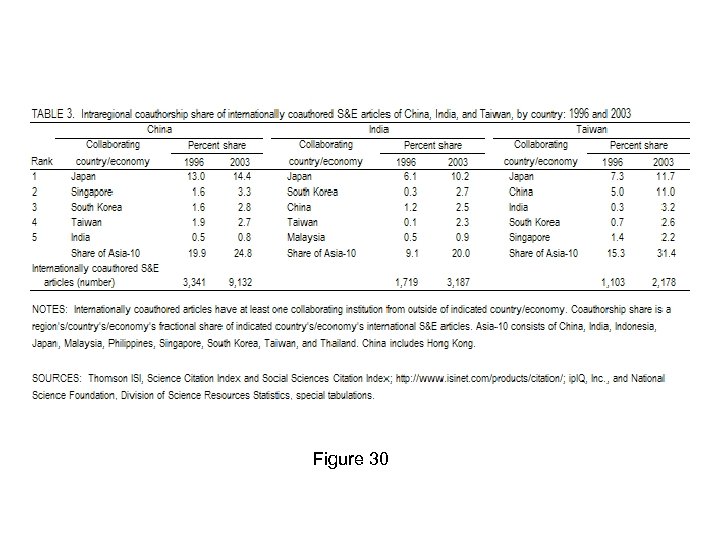 Figure 30
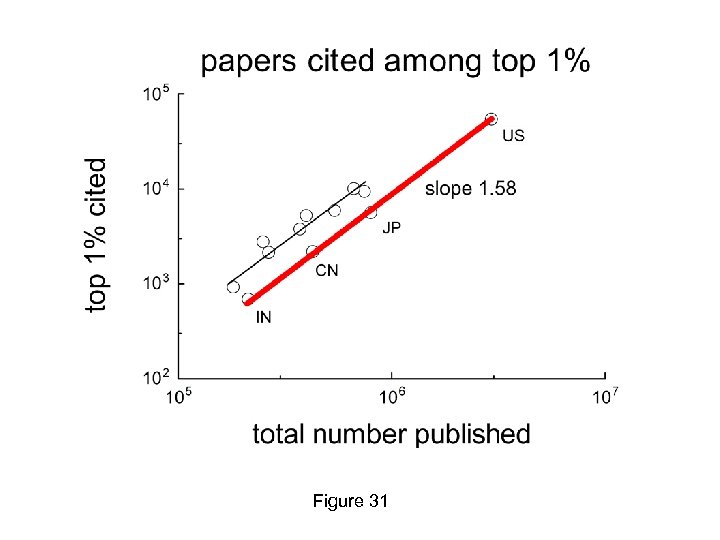 Figure 31
 The end
 Science of sustainability
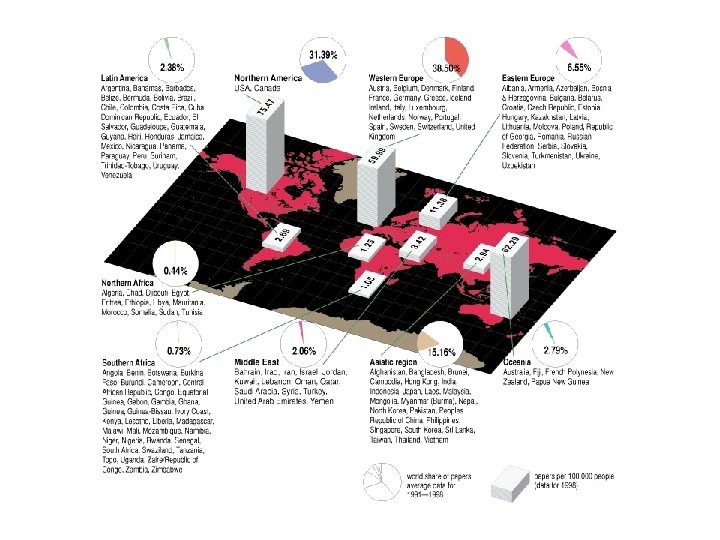
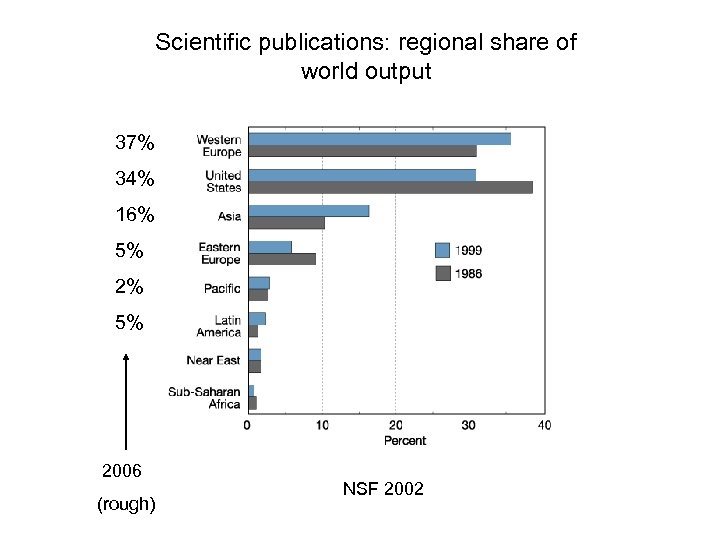 Scientific publications: regional share of world output 37% 34% 16% 5% 2% 5% 2006 (rough) NSF 2002
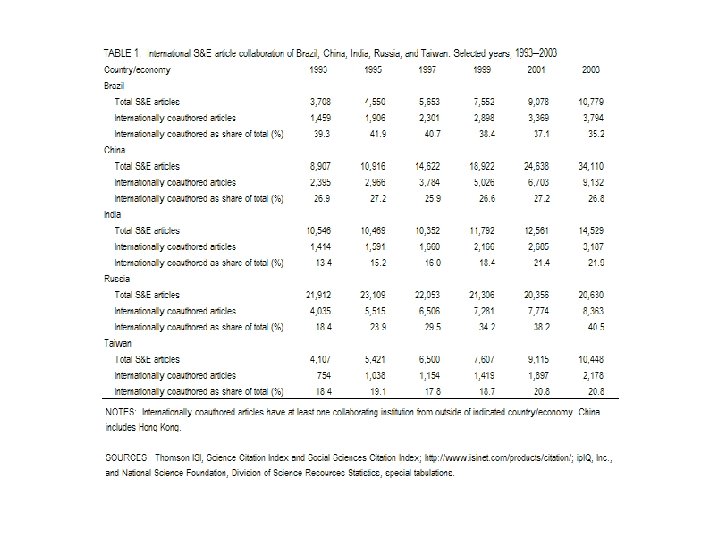
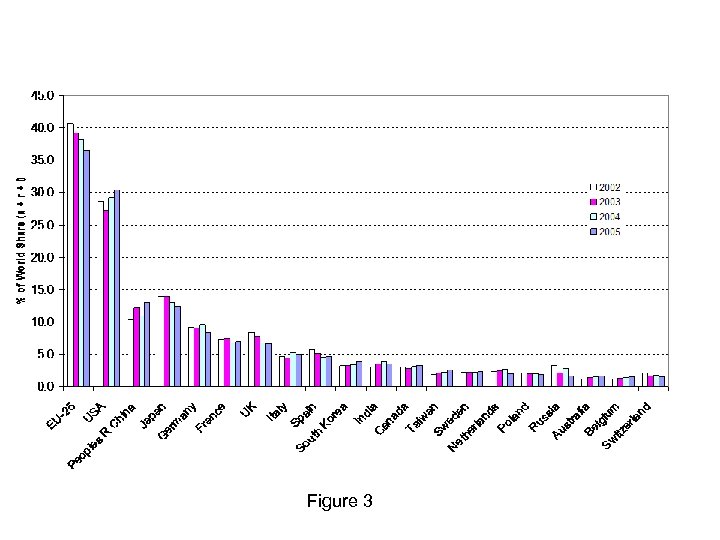 Figure 3
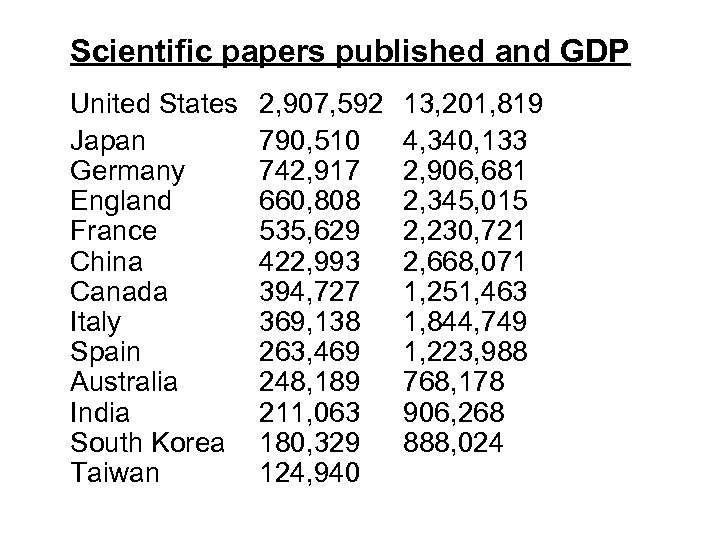 Scientific papers published and GDP United States Japan Germany England France China Canada Italy Spain Australia India South Korea Taiwan 2, 907, 592 790, 510 742, 917 660, 808 535, 629 422, 993 394, 727 369, 138 263, 469 248, 189 211, 063 180, 329 124, 940 13, 201, 819 4, 340, 133 2, 906, 681 2, 345, 015 2, 230, 721 2, 668, 071 1, 251, 463 1, 844, 749 1, 223, 988 768, 178 906, 268 888, 024
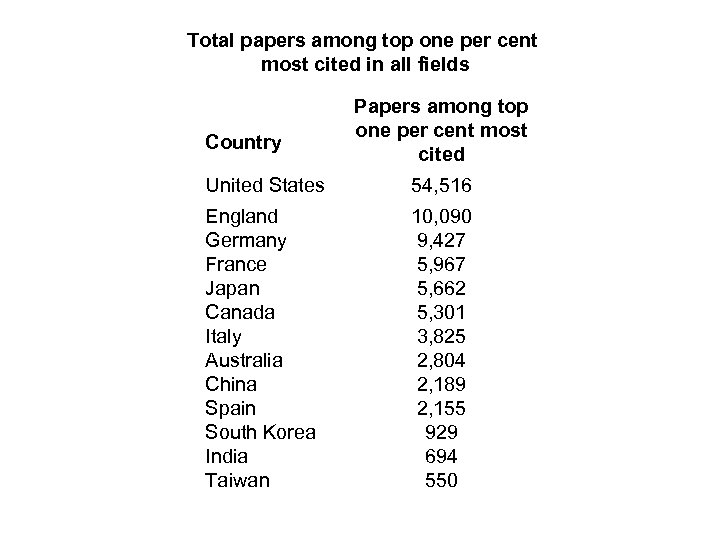 Total papers among top one per cent most cited in all fields Country Papers among top one per cent most cited United States 54, 516 England Germany France Japan Canada Italy Australia China Spain South Korea India Taiwan 10, 090 9, 427 5, 967 5, 662 5, 301 3, 825 2, 804 2, 189 2, 155 929 694 550
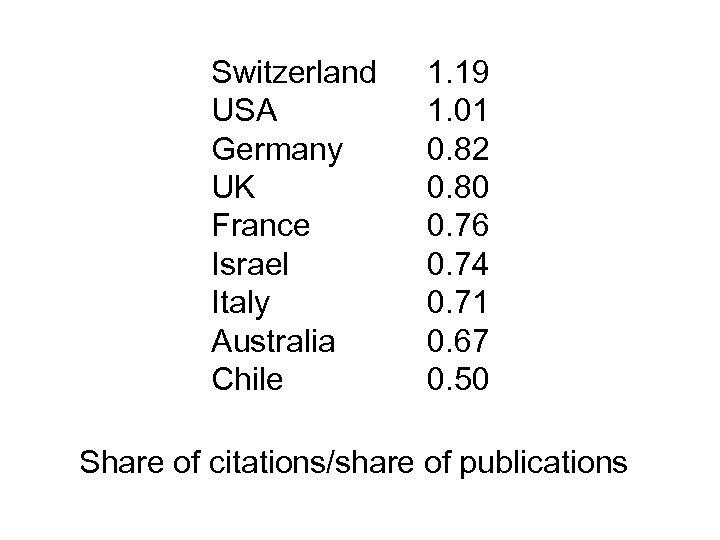 Switzerland USA Germany UK France Israel Italy Australia Chile 1. 19 1. 01 0. 82 0. 80 0. 76 0. 74 0. 71 0. 67 0. 50 Share of citations/share of publications
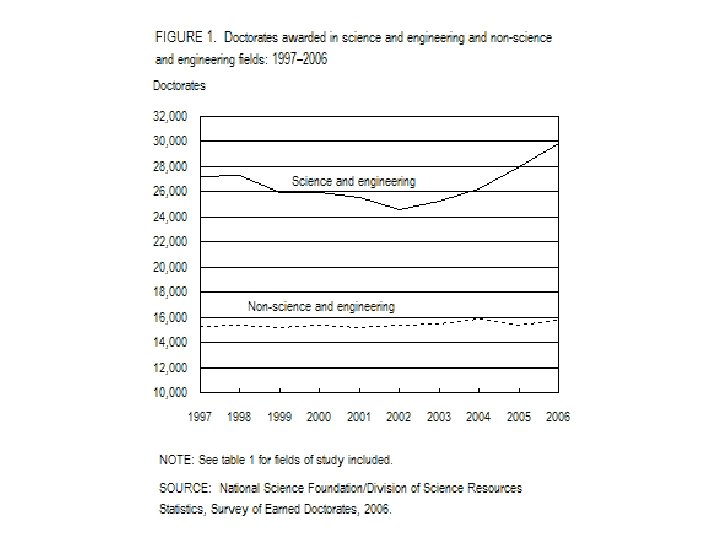
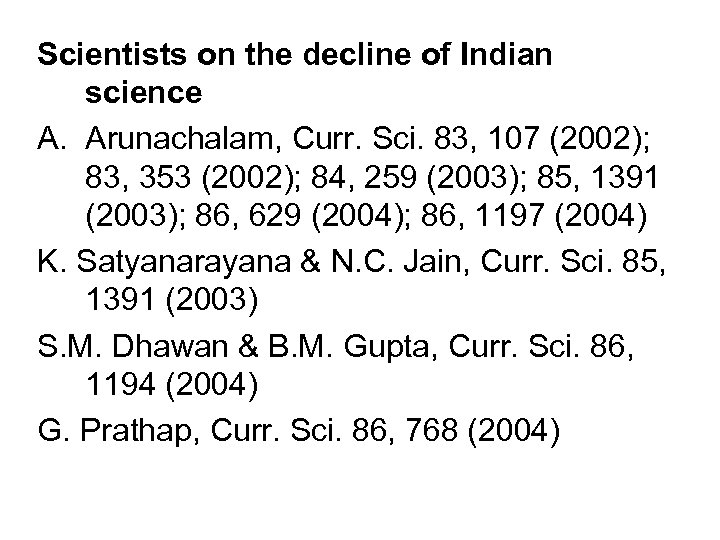 Scientists on the decline of Indian science A. Arunachalam, Curr. Sci. 83, 107 (2002); 83, 353 (2002); 84, 259 (2003); 85, 1391 (2003); 86, 629 (2004); 86, 1197 (2004) K. Satyanarayana & N. C. Jain, Curr. Sci. 85, 1391 (2003) S. M. Dhawan & B. M. Gupta, Curr. Sci. 86, 1194 (2004) G. Prathap, Curr. Sci. 86, 768 (2004)
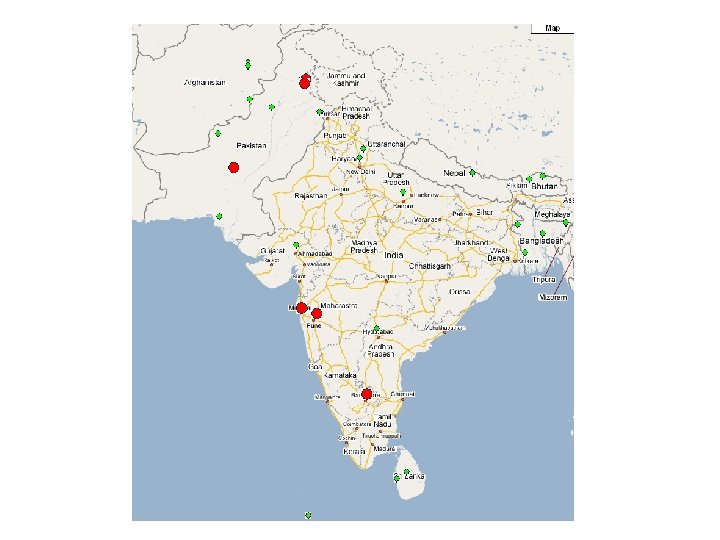
 One or more great earthquakes may be overdue in a large section of the Himalayan region. India and southern Tibet are moving towards each other by two meters a century. The strain is not deforming the rock much but is accumulating instead. Up to 50 million people could be at risk across Bangladesh, Bhutan, India, Nepal and Pakistan. Five major earthquakes have struck India in the last decade but according to geologists the worst may be yet to come. Earthquakes of magnitudes between 8. 1 and 8. 3 may occur.
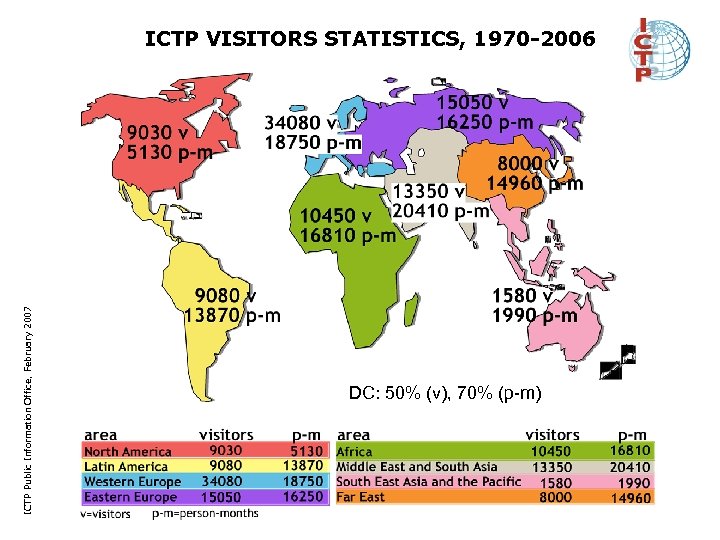 ICTP Public Information Office, February 2007 ICTP VISITORS STATISTICS, 1970 -2006 DC: 50% (v), 70% (p-m)
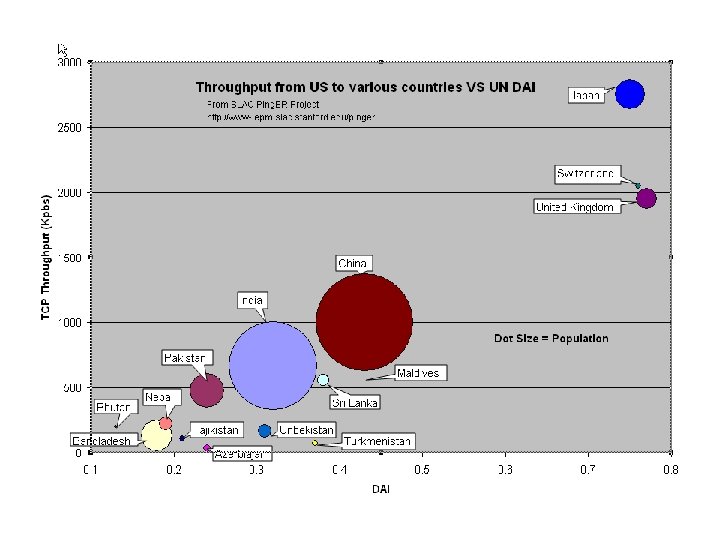
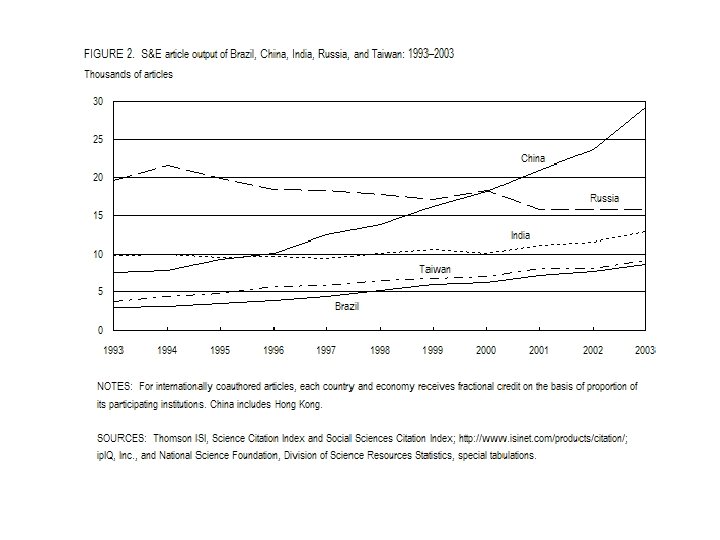
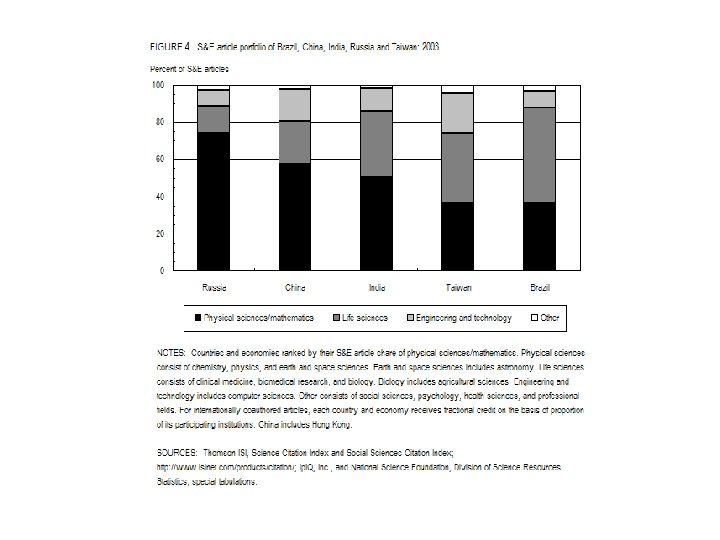
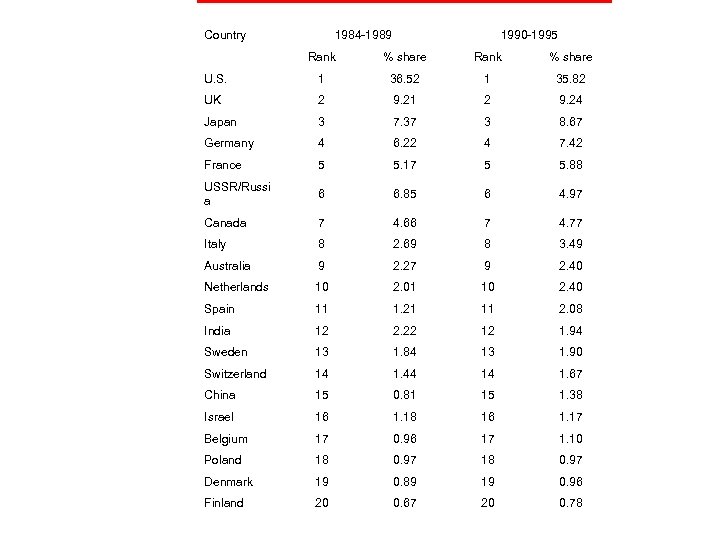 Country 1984 -1989 1990 -1995 Rank % share U. S. 1 36. 52 1 35. 82 UK 2 9. 21 2 9. 24 Japan 3 7. 37 3 8. 67 Germany 4 6. 22 4 7. 42 France 5 5. 17 5 5. 88 USSR/Russi a 6 6. 85 6 4. 97 Canada 7 4. 66 7 4. 77 Italy 8 2. 69 8 3. 49 Australia 9 2. 27 9 2. 40 Netherlands 10 2. 01 10 2. 40 Spain 11 1. 21 11 2. 08 India 12 2. 22 1. 94 Sweden 13 1. 84 13 1. 90 Switzerland 14 1. 44 1. 67 China 15 0. 81 15 1. 38 Israel 16 1. 18 16 1. 17 Belgium 17 0. 96 17 1. 10 Poland 18 0. 97 Denmark 19 0. 89 19 0. 96 Finland 20 0. 67 20 0. 78