


 Скачать презентацию The Science of Quantitative DNA Mixture Interpretation SWGDAM
ab9da31ae5f01ba6a4a0c6e621021217.ppt
- Количество слайдов: 36
 The Science of Quantitative DNA Mixture Interpretation SWGDAM Meeting January, 2011 Fredericksburg, VA Mark W Perlin, Ph. D, MD, Ph. D Cybergenetics, Pittsburgh, PA Cybergenetics © 2003 -2011
 True. Allele® Casework • quantitative computer interpretation • statistical search of probability model • preserves all identification information • objectively infer genotype, then match • any number of mixture contributors • stutter, imbalance, degraded DNA • calculates uncertainty of every peak • created in 1999, now in version 25 • used on 100, 000 evidence samples • available as product, service or both
 Question 1 What advancements have been made in your casework software that would make the software eligible to be a casework expert system?
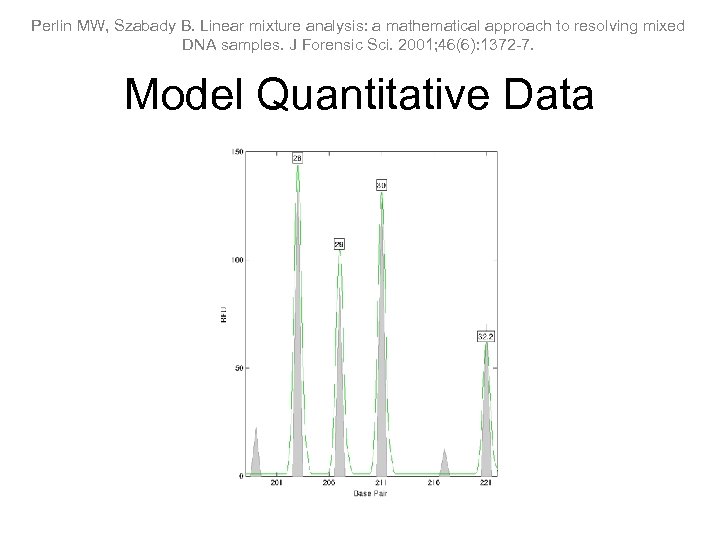 Perlin MW, Szabady B. Linear mixture analysis: a mathematical approach to resolving mixed DNA samples. J Forensic Sci. 2001; 46(6): 1372 -7. Model Quantitative Data
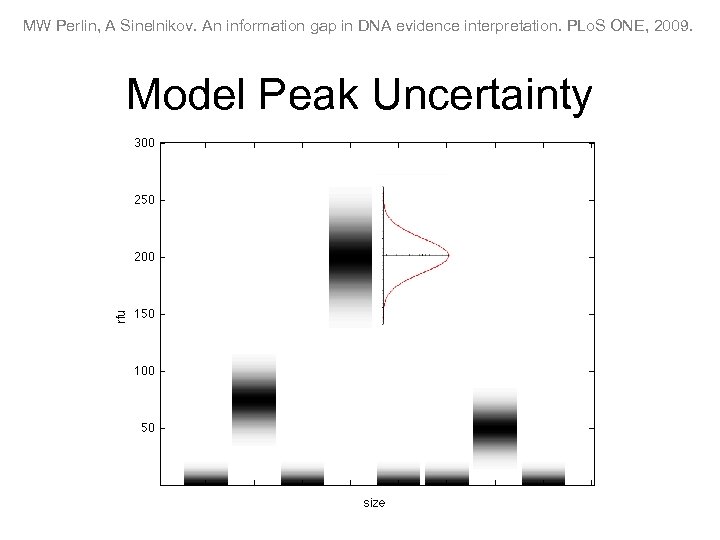 MW Perlin, A Sinelnikov. An information gap in DNA evidence interpretation. PLo. S ONE, 2009. Model Peak Uncertainty
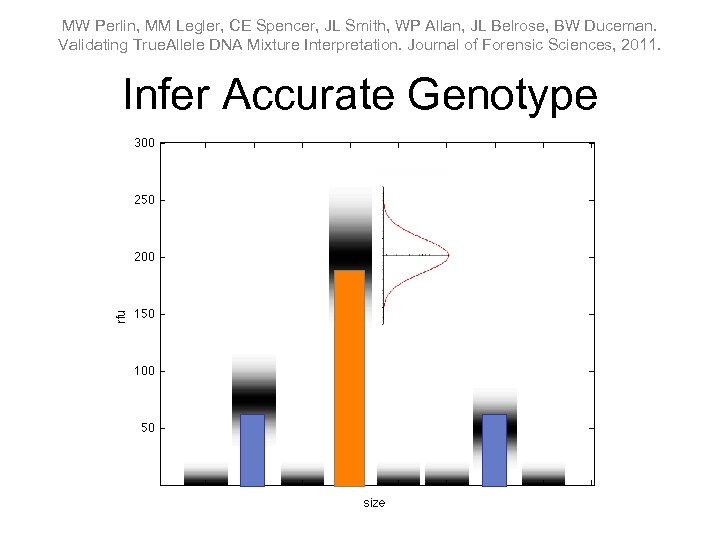 MW Perlin, MM Legler, CE Spencer, JL Smith, WP Allan, JL Belrose, BW Duceman. Validating True. Allele DNA Mixture Interpretation. Journal of Forensic Sciences, 2011. Infer Accurate Genotype
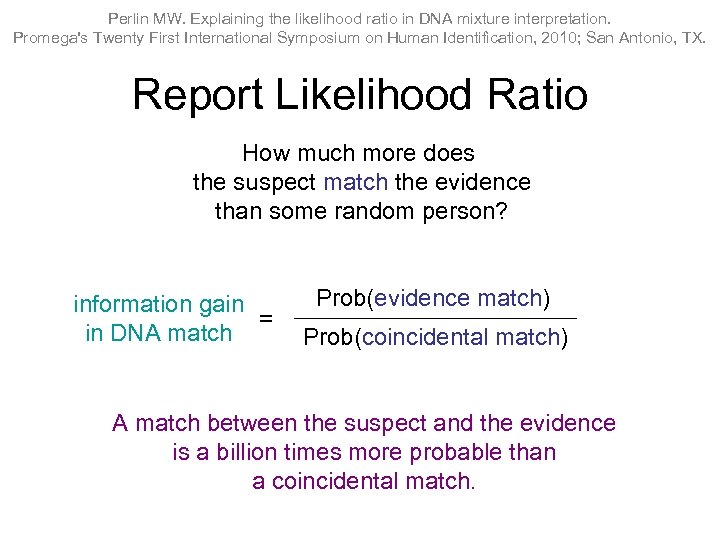 Perlin MW. Explaining the likelihood ratio in DNA mixture interpretation. Promega's Twenty First International Symposium on Human Identification, 2010; San Antonio, TX. Report Likelihood Ratio How much more does the suspect match the evidence than some random person? information gain = in DNA match Prob(evidence match) Prob(coincidental match) A match between the suspect and the evidence is a billion times more probable than a coincidental match.
 Question 2 Are there issues that are still being addressed prior to releasing to laboratories for this consideration?
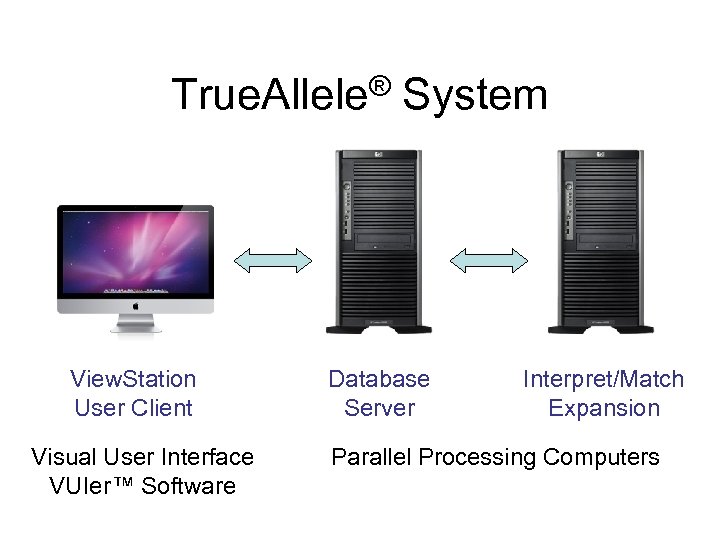 True. Allele® System View. Station User Client Visual User Interface VUIer™ Software Database Server Interpret/Match Expansion Parallel Processing Computers
 Cybergenetics Support • process planning • science education • software training • user documentation • data assessment • validation services • ongoing meetings • project management • workflow integration • testifying support
 Question 3 Why can it be relied upon as a casework expert system?
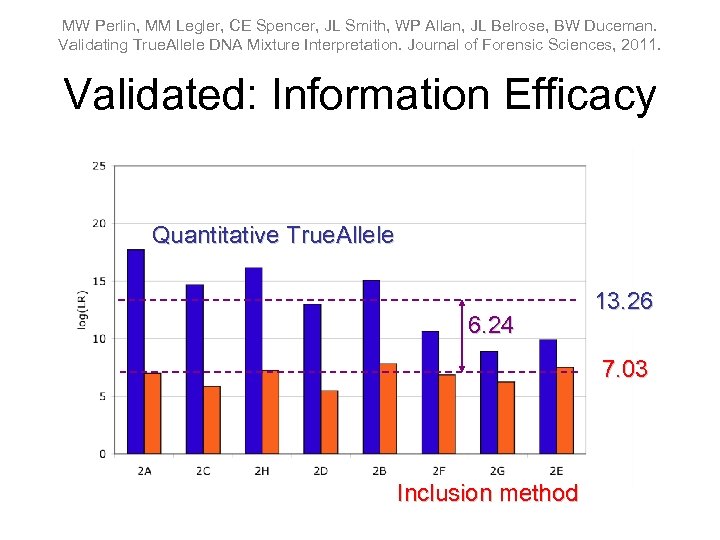 MW Perlin, MM Legler, CE Spencer, JL Smith, WP Allan, JL Belrose, BW Duceman. Validating True. Allele DNA Mixture Interpretation. Journal of Forensic Sciences, 2011. Validated: Information Efficacy Quantitative True. Allele 6. 24 13. 26 7. 03 Inclusion method
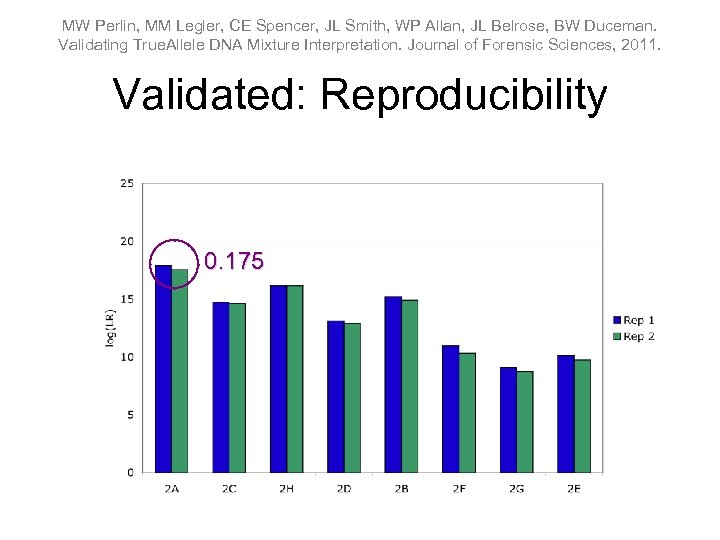 MW Perlin, MM Legler, CE Spencer, JL Smith, WP Allan, JL Belrose, BW Duceman. Validating True. Allele DNA Mixture Interpretation. Journal of Forensic Sciences, 2011. Validated: Reproducibility 0. 175
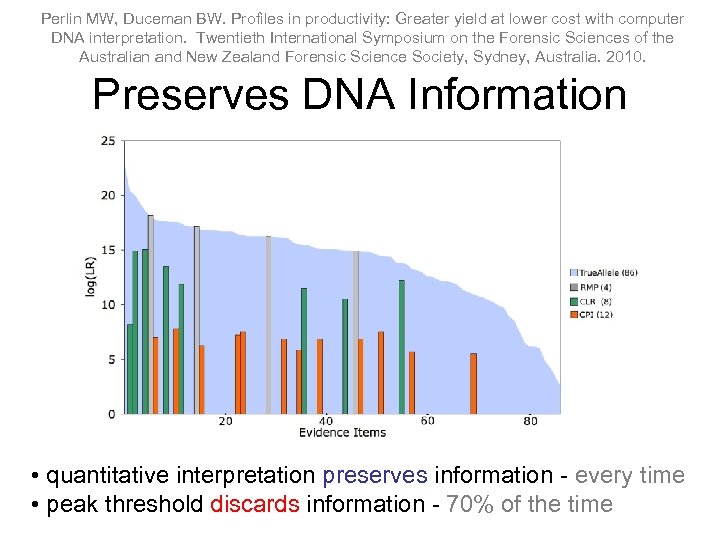 Perlin MW, Duceman BW. Profiles in productivity: Greater yield at lower cost with computer DNA interpretation. Twentieth International Symposium on the Forensic Sciences of the Australian and New Zealand Forensic Science Society, Sydney, Australia. 2010. Preserves DNA Information • quantitative interpretation preserves information - every time • peak threshold discards information - 70% of the time
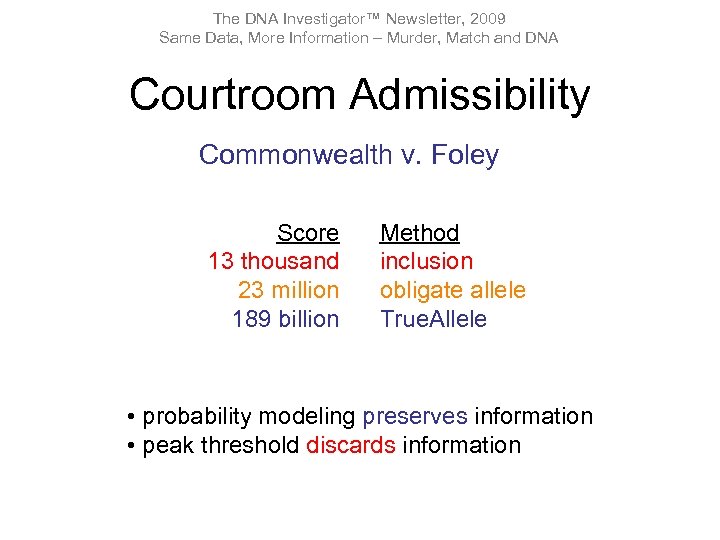 The DNA Investigator™ Newsletter, 2009 Same Data, More Information – Murder, Match and DNA Courtroom Admissibility Commonwealth v. Foley Score 13 thousand 23 million 189 billion Method inclusion obligate allele True. Allele • probability modeling preserves information • peak threshold discards information
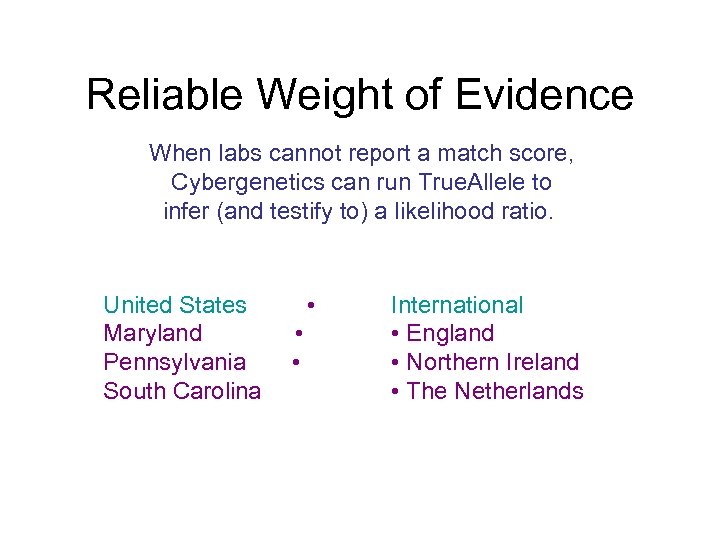 Reliable Weight of Evidence When labs cannot report a match score, Cybergenetics can run True. Allele to infer (and testify to) a likelihood ratio. United States • Maryland • Pennsylvania • South Carolina International • England • Northern Ireland • The Netherlands
 Question 4 Specifically, how are mixtures addressed?
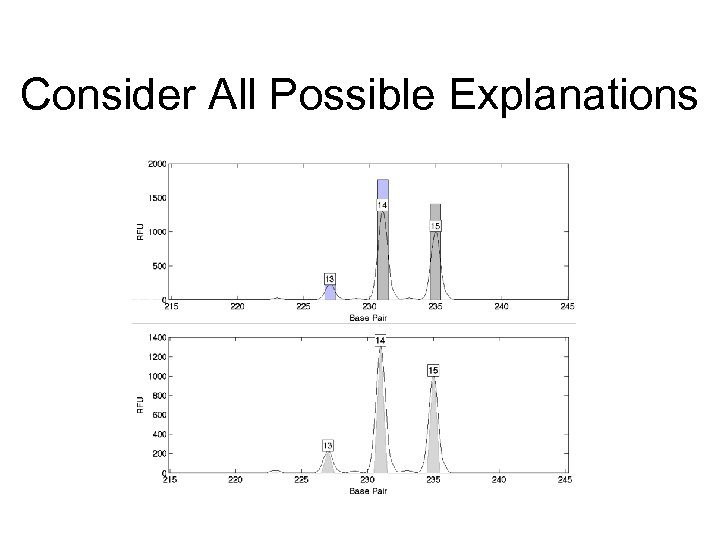 Consider All Possible Explanations
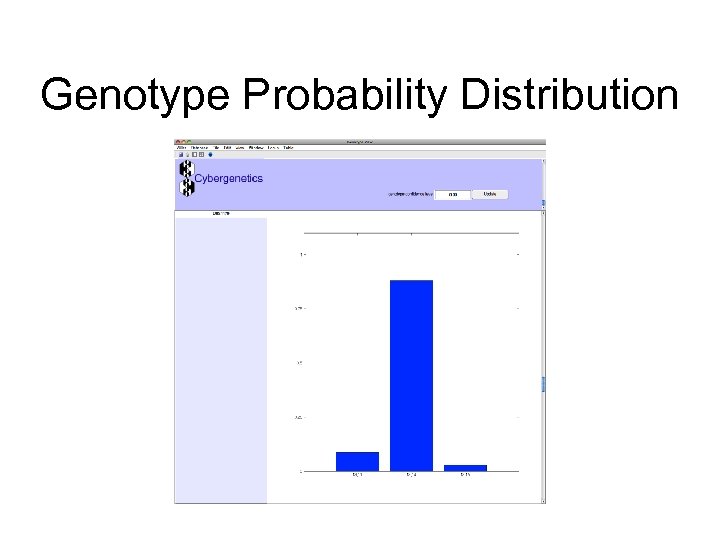 Genotype Probability Distribution
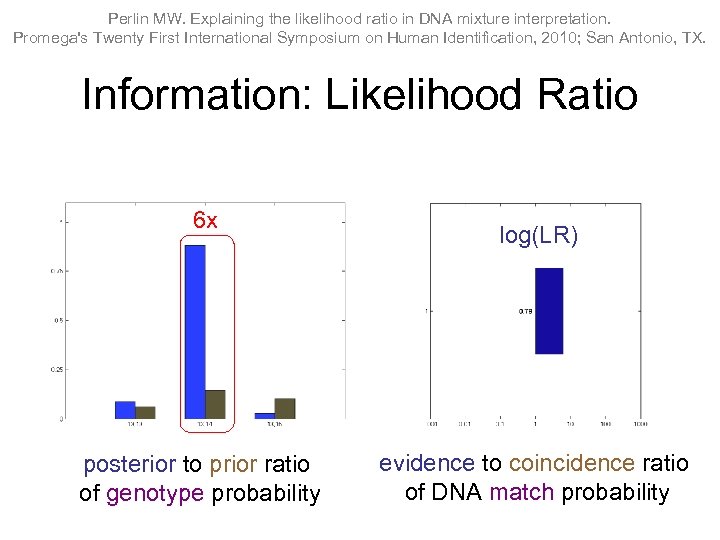 Perlin MW. Explaining the likelihood ratio in DNA mixture interpretation. Promega's Twenty First International Symposium on Human Identification, 2010; San Antonio, TX. Information: Likelihood Ratio 6 x posterior to prior ratio of genotype probability log(LR) evidence to coincidence ratio of DNA match probability
 Question 5 How are peak height differences addressed in terms of degradation vs. mixture?
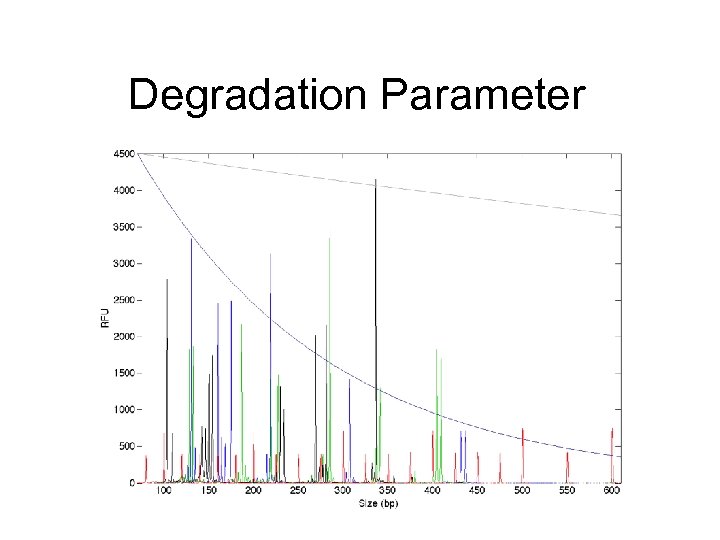 Degradation Parameter
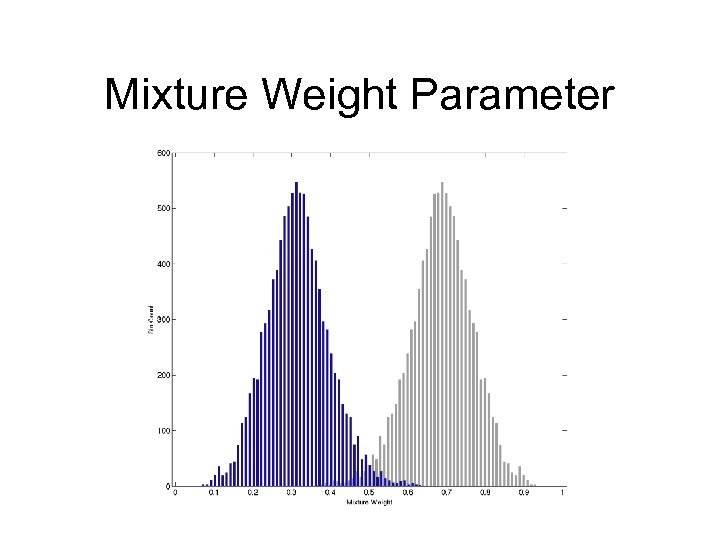 Mixture Weight Parameter
 Question A Why don't thresholds work?
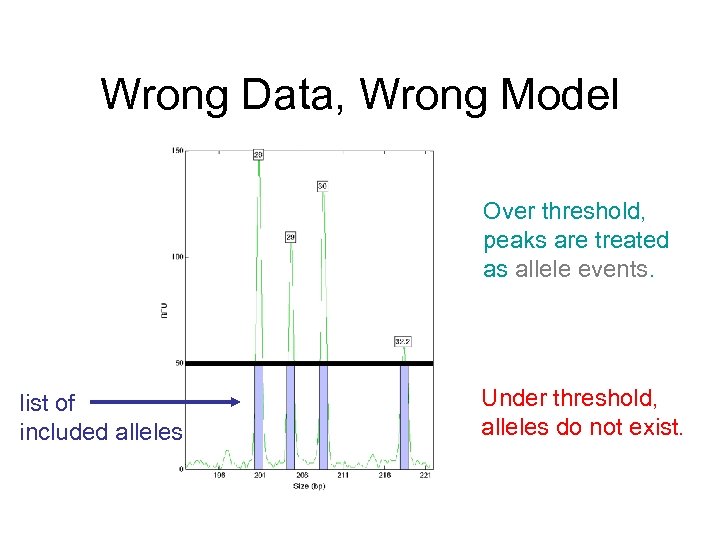 Wrong Data, Wrong Model Over threshold, peaks are treated as allele events. list of included alleles Under threshold, alleles do not exist.
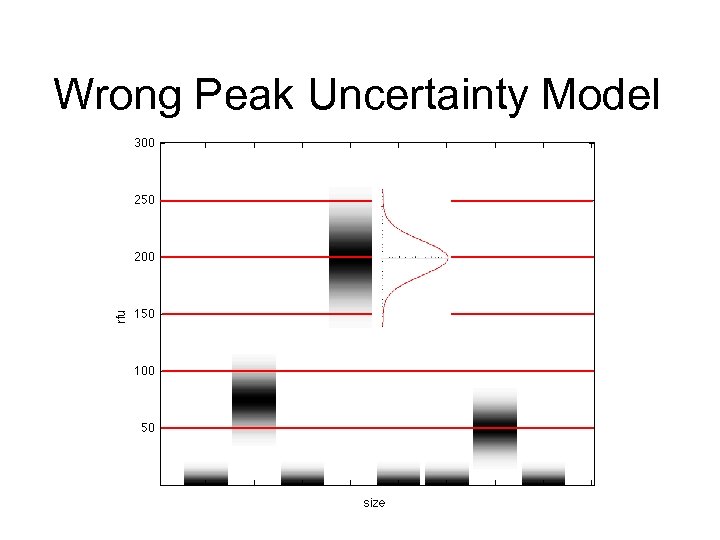 Wrong Peak Uncertainty Model
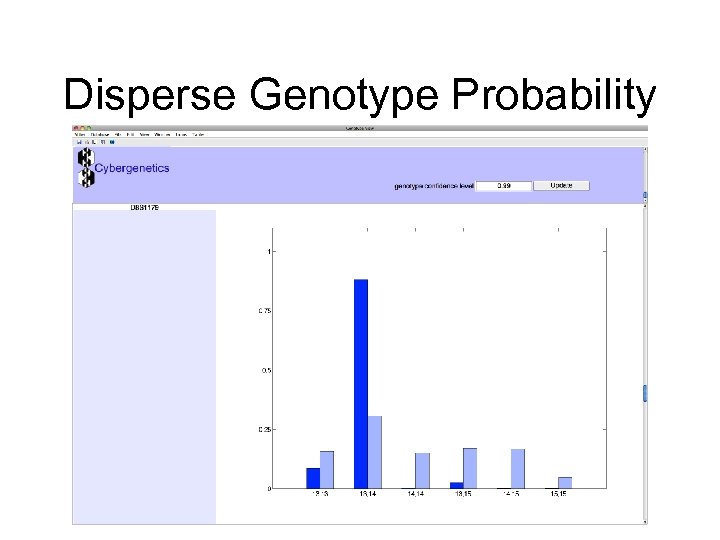 Disperse Genotype Probability
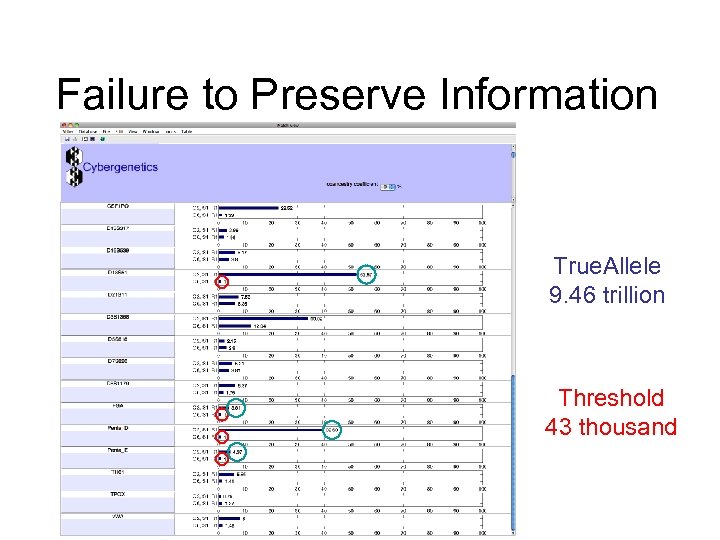 Failure to Preserve Information True. Allele 9. 46 trillion Threshold 43 thousand
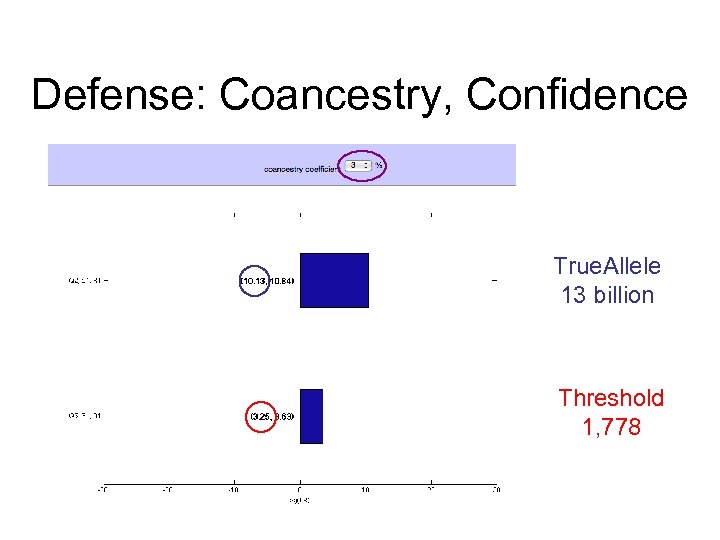 Defense: Coancestry, Confidence True. Allele 13 billion Threshold 1, 778
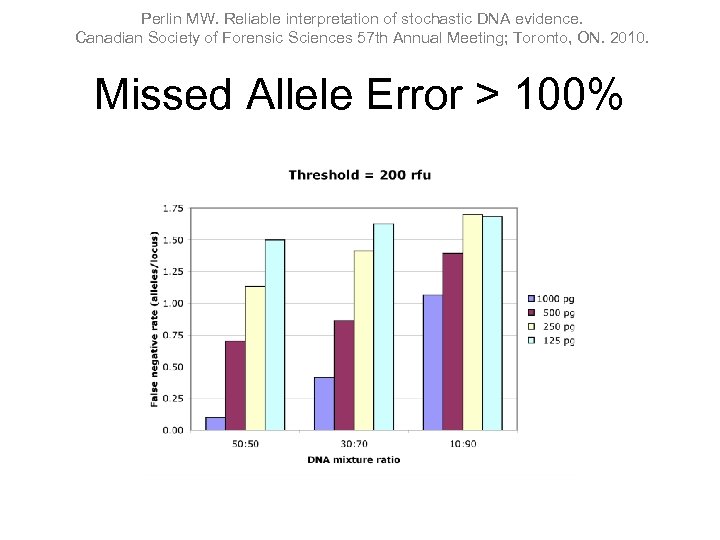 Perlin MW. Reliable interpretation of stochastic DNA evidence. Canadian Society of Forensic Sciences 57 th Annual Meeting; Toronto, ON. 2010. Missed Allele Error > 100%
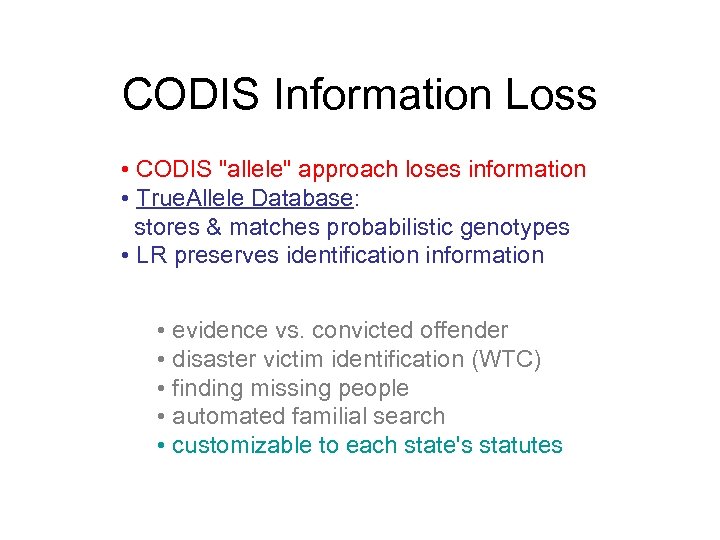 CODIS Information Loss • CODIS "allele" approach loses information • True. Allele Database: stores & matches probabilistic genotypes • LR preserves identification information • evidence vs. convicted offender • disaster victim identification (WTC) • finding missing people • automated familial search • customizable to each state's statutes
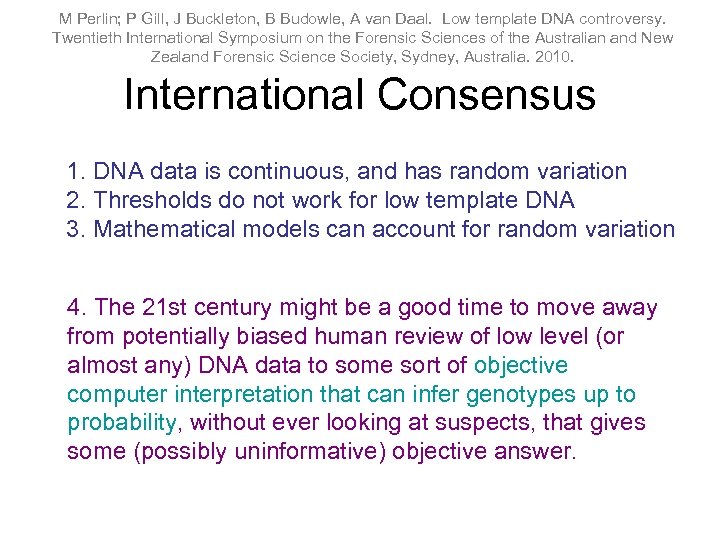 M Perlin; P Gill, J Buckleton, B Budowle, A van Daal. Low template DNA controversy. Twentieth International Symposium on the Forensic Sciences of the Australian and New Zealand Forensic Science Society, Sydney, Australia. 2010. International Consensus 1. DNA data is continuous, and has random variation 2. Thresholds do not work for low template DNA 3. Mathematical models can account for random variation 4. The 21 st century might be a good time to move away from potentially biased human review of low level (or almost any) DNA data to some sort of objective computer interpretation that can infer genotypes up to probability, without ever looking at suspects, that gives some (possibly uninformative) objective answer.
 Question B How can I learn more about scientific DNA mixture interpretation that uses all the quantitative data?
 Cybergenetics Resources The science of quantitative DNA mixture interpretation www. cybgen. com/information • Courses for scientists and lawyers • Presentations handouts, movies, transcripts • Publications abstracts, manuscripts
 Cybergenetics True. Allele Services If you see it, we can solve it™ 1. Have some interesting test case mixtures? Send the data to Cybergenetics, and we will report back True. Allele results via webinar. 2. Have an important case that needs an answer? Inform your police or prosecutor about True. Allele. 3. Not ready to replace human review in your lab? Complement your own work on challenging cases. True. Allele interpretation, reporting and testifying.
 Conclusions • quantitative DNA mixture interpretion preserves identification information • thresholds discard information • validated, courtroom-tested system • True. Allele is available today • (A) lab-wide system implementation • (B) forensic intepretation services can complement existing methods http: //www. cybgen. com/information perlin@cybgen. com