Скачать презентацию The Role of Packaging in the Sale of
6b774829e06ddca9e8e758368fe7d8f4.ppt
- Количество слайдов: 37
 The Role of Packaging in the Sale of FMCG Products Submitted by: Aamir Anees Munshi Roll No. : 46 TYBMS Semester V 2014 -2015 Project Guide: Ms. Laju Sharma
 Statement of the Problem This study will primarily investigate consumer behaviour towards packaging of FMCG products.
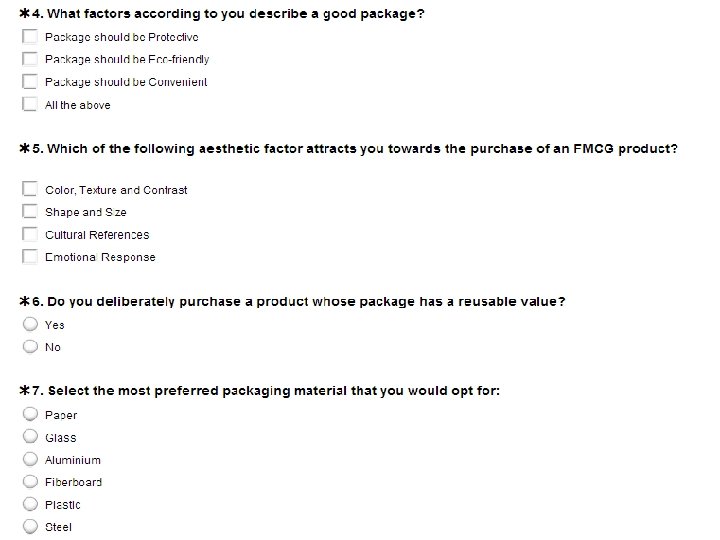
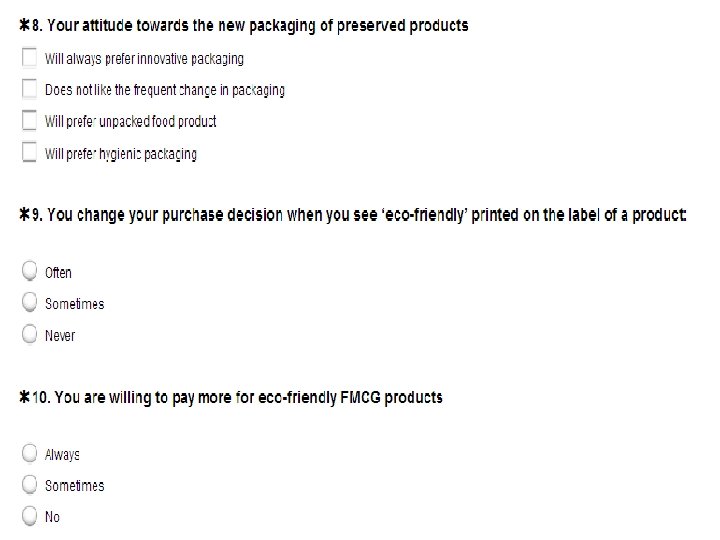
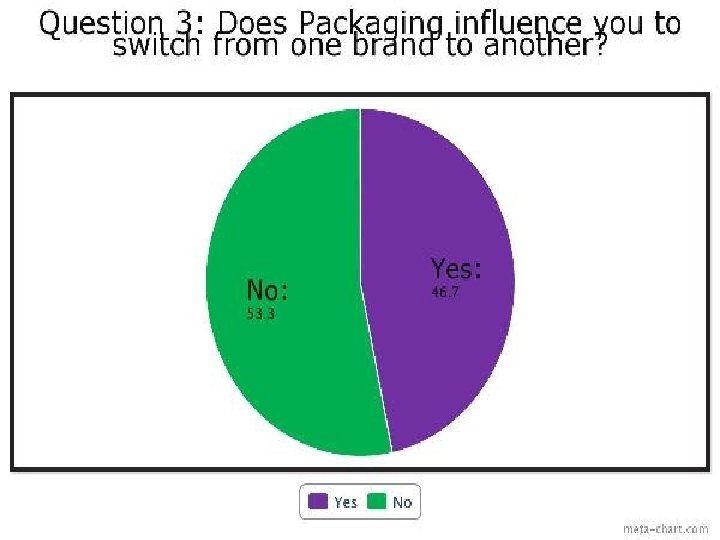
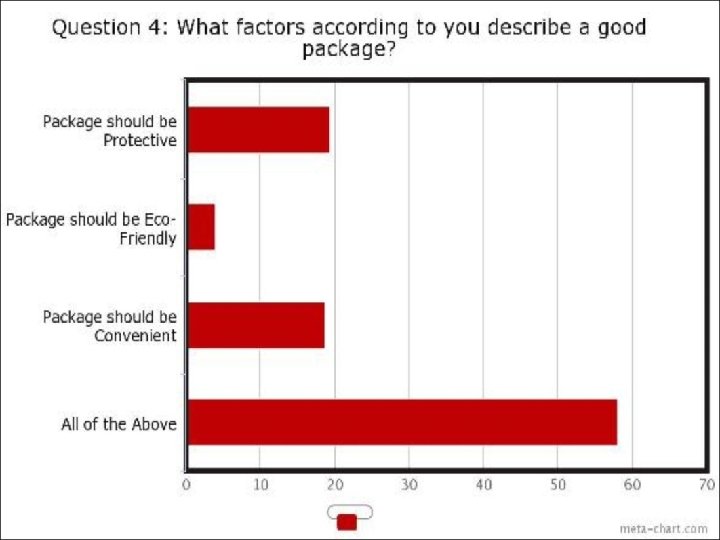
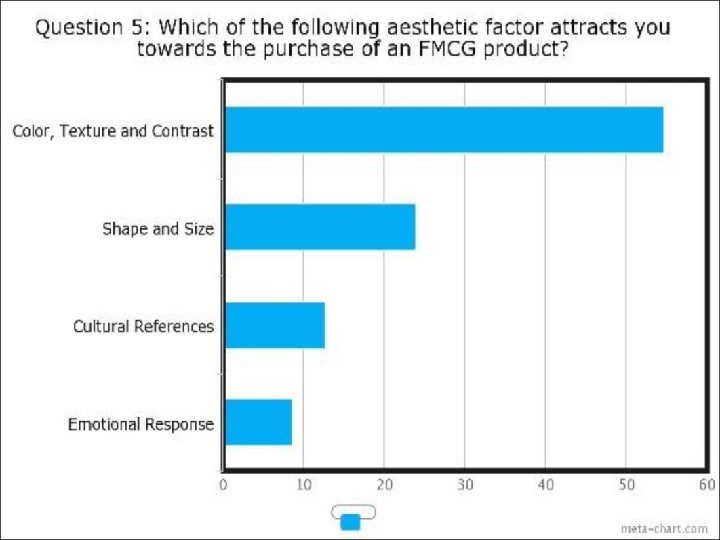
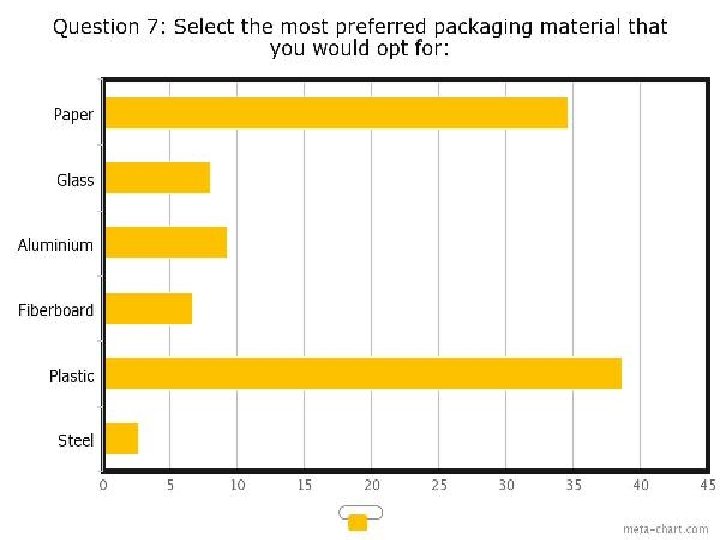
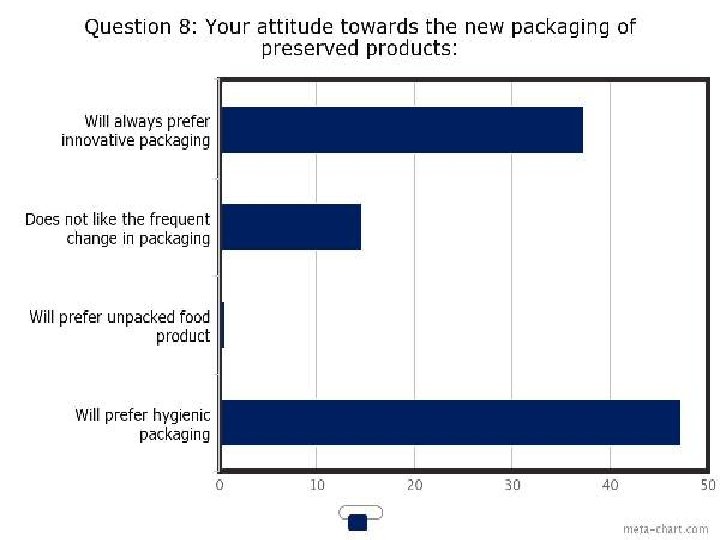
 Objectives of the Study 1. To find out if Packaging influences a consumer to shift from one brand to another 2. To find out what factors comprise of a good package 3. To find out which aesthetic factor attracts the consumer towards the purchase of an FMCG product 4. To find out whether the reusability of a package influences a consumer to buy an FMCG product 5. To find out the most preferred packaging material a consumer would opt for 6. To find out the attitude of consumer towards changes in packaging of preserved foods 7. To find out the impact of an 'eco-friendly' package on the consumer
 Hypothesis for the Study 1. Packaging does not influence a consumer to shift from one brand to another 2. The consumer considers 'convenience' as the only factor which describes a good package 3. 'Color, texture and contrast' is not an important aesthetic factor that attracts consumers towards the purchase of an FMCG product 4. The reusable value of a package does not influence the purchase of an FMCG product 5. Plastic is the most preferred packaging material in the 21 st century 6. Consumers will prefer innovative packaging each time in case of preserved products 7. Consumers are not willing to pay more for eco-friendly products
 Research Methodology – Methods & Tools Research Methods: • Primary Research • Secondary Research Data Collection Methods: • Quantitative Data – Surveys • Qualitative Data Collection
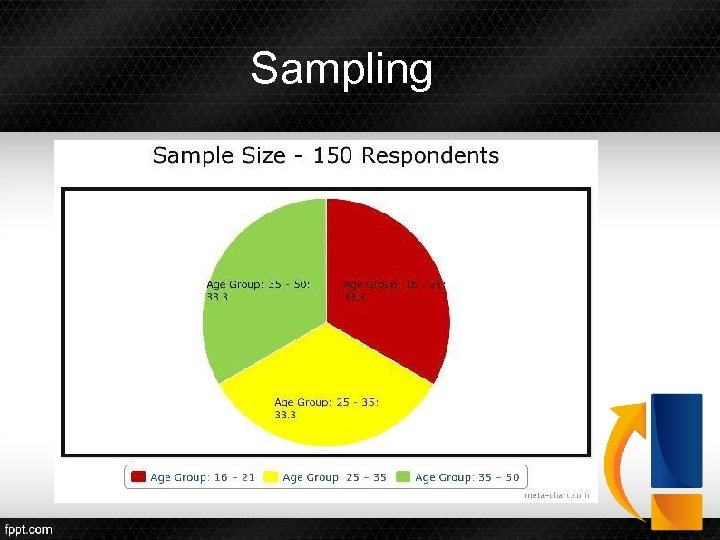 Sampling
 Limitations of the Study 1. The paucity of time and resources was the major constraint. 2. The sample size was limited. 3. The sample was taken from the population residing in Mumbai only. Thus the results are not applicable to the whole of India. 4. Non co-operation of some respondents has also affected the research results. 5. Being an opinion survey, a lot of subjectivity is involved in the study. 6. The possibility of respondents being biased cannot be ruled out. 7. The limited knowledge of the respondents regarding the topic may hamper the true conclusion of the study.
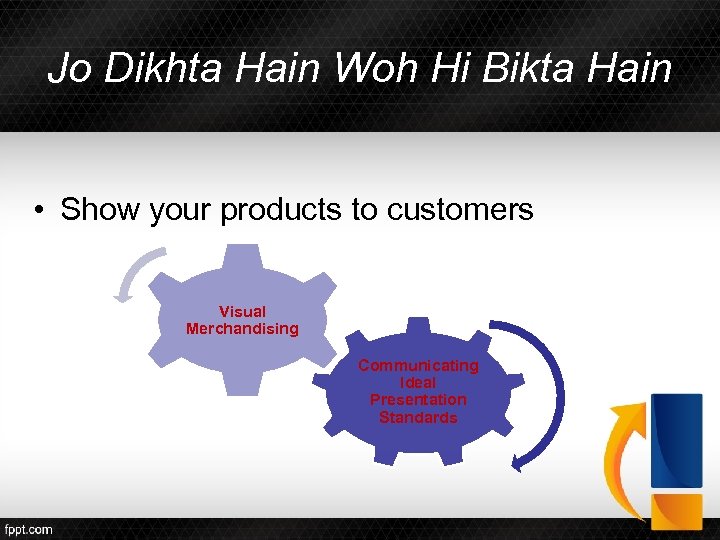 Jo Dikhta Hain Woh Hi Bikta Hain • Show your products to customers Visual Merchandising Communicating Ideal Presentation Standards
 Introduction to Packaging • Packaging is the science, art and technology of enclosing or protecting products for distribution, storage, sale, and use. • Packaging also refers to the process of design, evaluation, and production of packages.
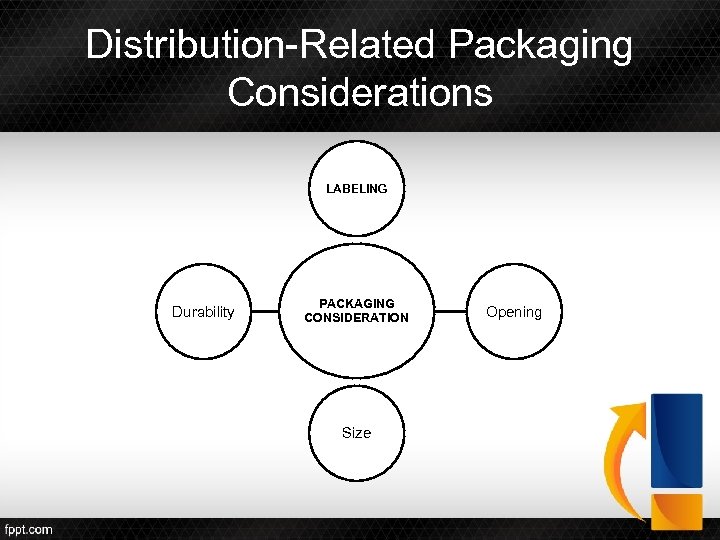 Distribution-Related Packaging Considerations LABELING Durability PACKAGING CONSIDERATION Size Opening
 Overview of Packaging Industry • Annual turnover of Indian packaging industry will touch $ 32 billion by 2025 from the present $ 24. 6 billion • In the world scenario, the total turnover of packaging industry is about $ 550 billion where Indian share is about $ 24. 6 billion per annum • The annual growth rate of this sector is about 15% per annum
 Packaging Types 1. 2. 3. 4. 5. 6. 7. Paper and Carton Packaging Film Packaging Foam Packaging Textile Packaging Plastic Boxes and Containers Packaging Systems Other Types – Polypropylene, Polyethylene
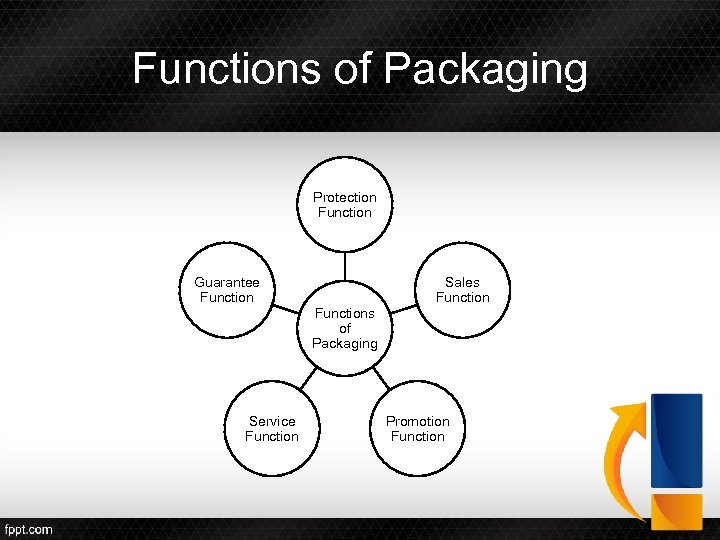 Functions of Packaging Protection Function Guarantee Function Service Functions of Packaging Sales Function Promotion Function
 Packaging and Marketing • • • Is it new and innovative? Is it fulfilling a need? Is it easy to use and convenient? Is it a good value? Does it make the consumer happy? Does it inspire consumer trust and loyalty? Is it safe and secure? Does it compel you to want to know more? How does your product stack up in solving a consumer want or need? • Would your package make someone desire to take a closer look?
 Packaging and Marketing Sales Brand Identity & Differentiation Company Image Branding Packaging & Marketing Slogans Packaging Tools Packaging
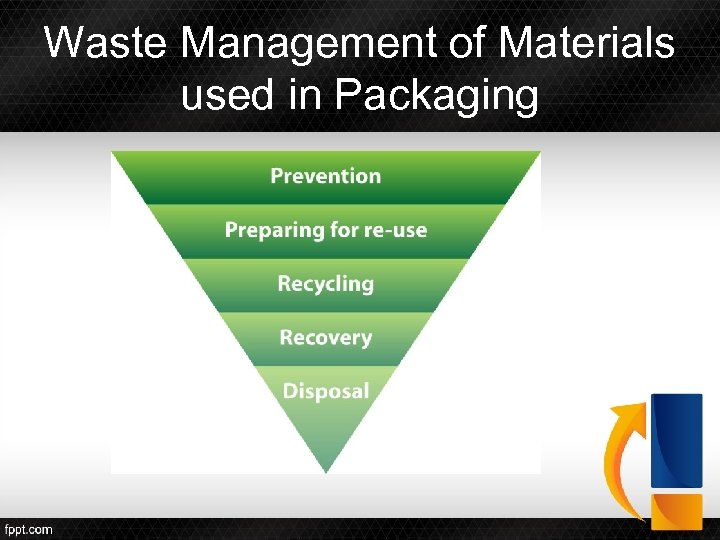 Waste Management of Materials used in Packaging
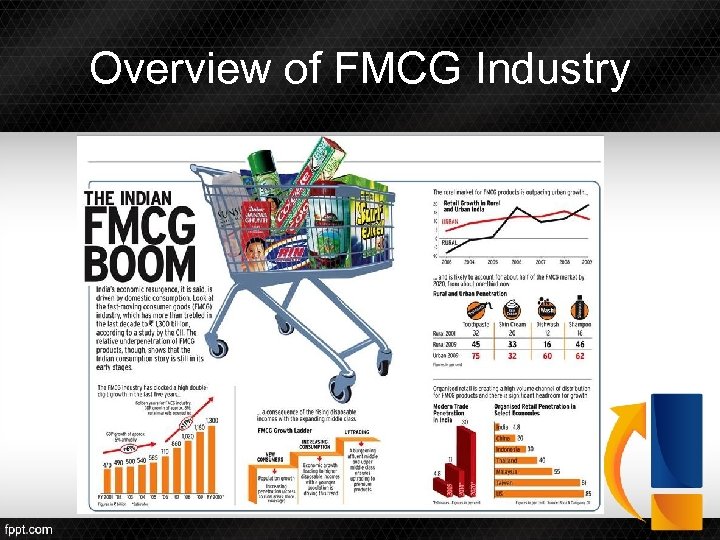 Overview of FMCG Industry
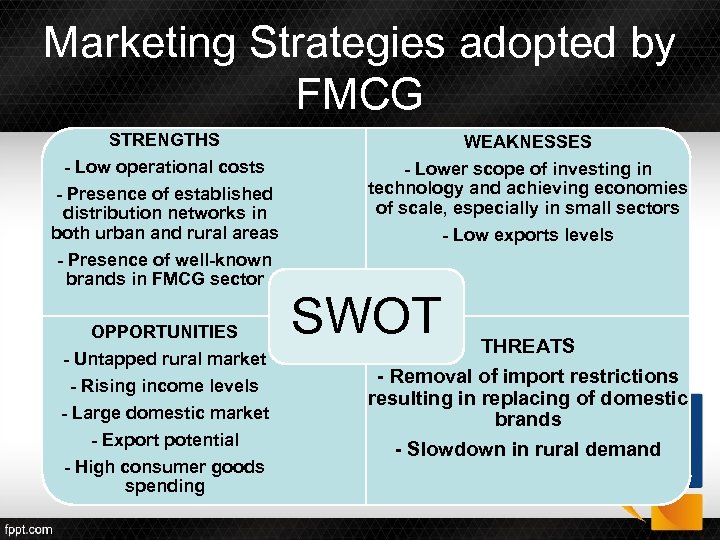 Marketing Strategies adopted by FMCG STRENGTHS WEAKNESSES - Low operational costs - Presence of established distribution networks in both urban and rural areas - Presence of well-known brands in FMCG sector - Lower scope of investing in technology and achieving economies of scale, especially in small sectors - Low exports levels OPPORTUNITIES - Untapped rural market - Rising income levels - Large domestic market - Export potential - High consumer goods spending SWOT THREATS - Removal of import restrictions resulting in replacing of domestic brands - Slowdown in rural demand
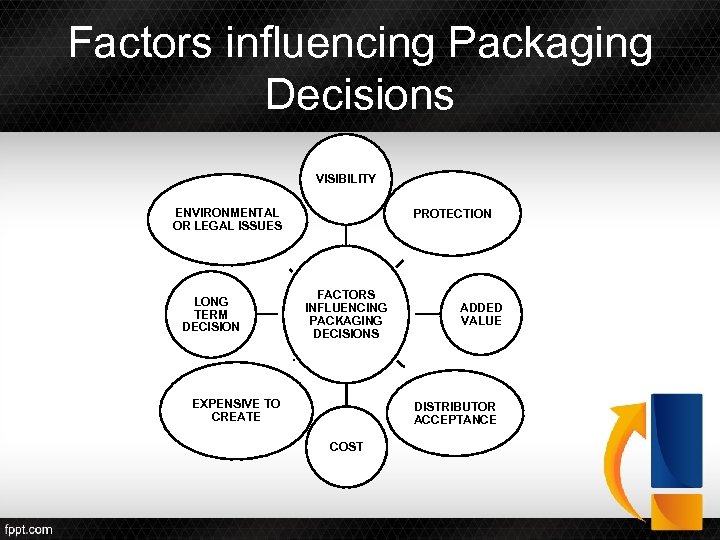 Factors influencing Packaging Decisions VISIBILITY ENVIRONMENTAL OR LEGAL ISSUES LONG TERM DECISION PROTECTION FACTORS INFLUENCING PACKAGING DECISIONS EXPENSIVE TO CREATE ADDED VALUE DISTRIBUTOR ACCEPTANCE COST
 RESEARCH FINDINGS AND ANALYSIS OF DATA
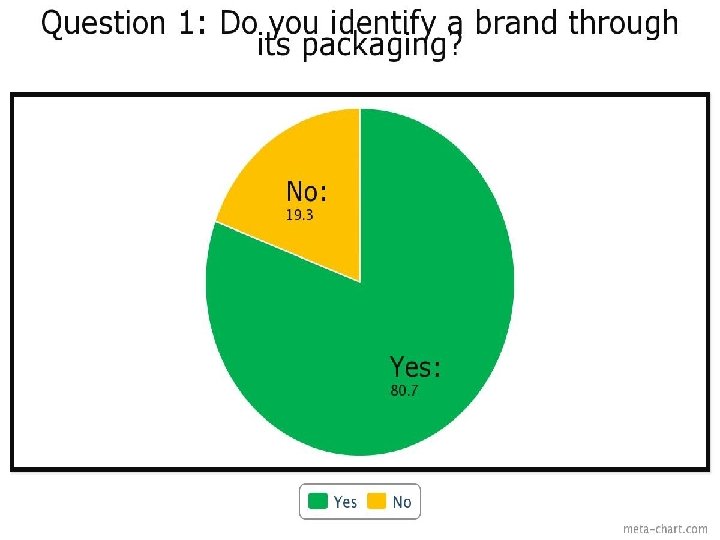
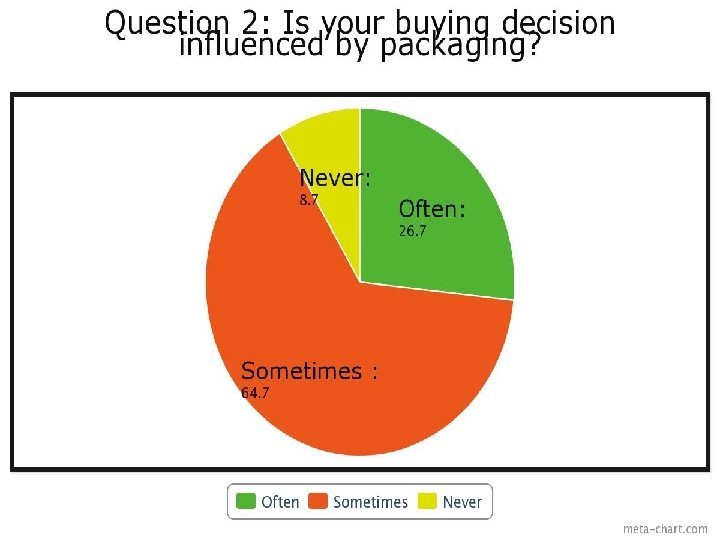
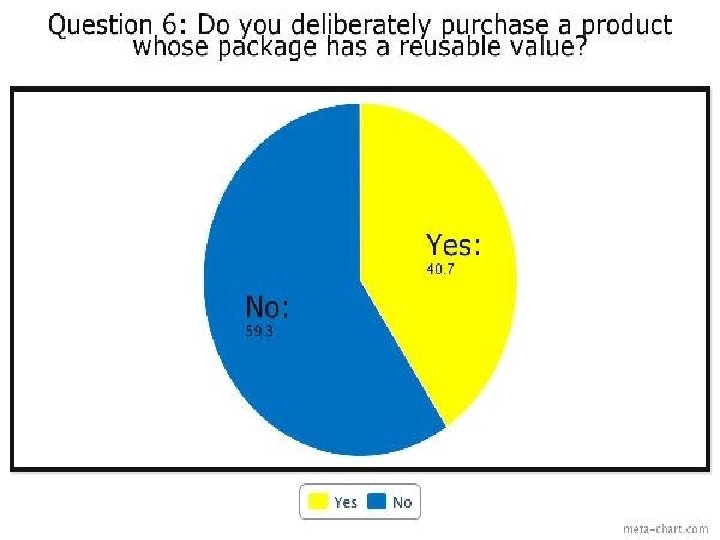
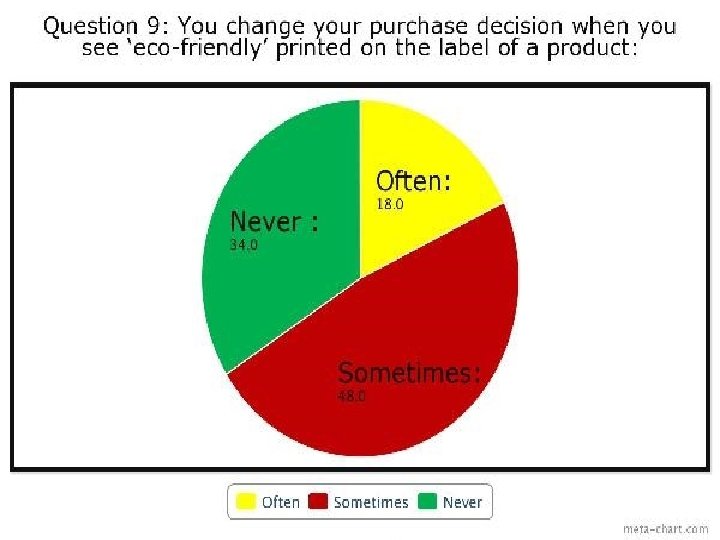
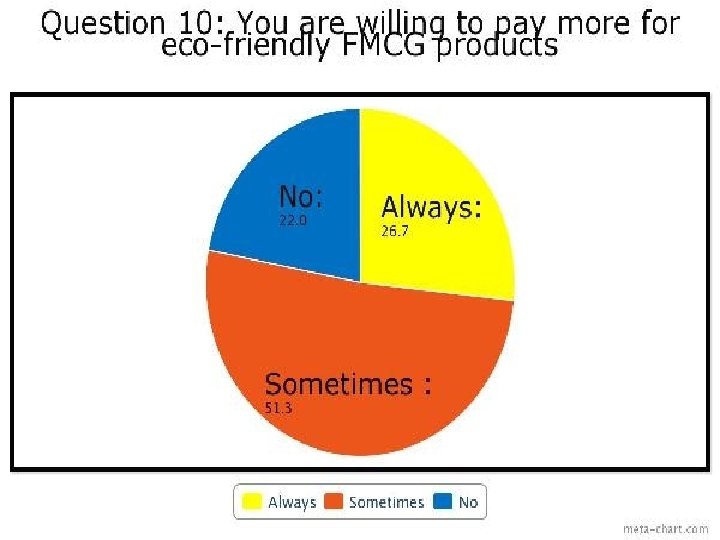
 Recommendations • Product packaging is valuable for brand equity, product differentiation, market segmentation, new product introduction, pricing, promotion etc • People identify a brand through its packaging • Customer prefers a package which has a reusable value • The ‘eco-friendly’ label has an immense value and must be highlighted while promoting the product in the market
 Conclusion • Packaging is rightly called an art • Packaging is a tool to form good relationship between Retailers and Food Manufacturers
 Bibliography • Rita Kuvykaite, Aiste Dovaliene, Laura Navickiene "Impact Of Package Elements On Consumer's Purchase Decision" Journal Of Economics And Management 2009. • Pinya Silayoi, Mark Speece "Packaging And Purchase Decision" Journal Of British Food 2004. • Robert L Underwood, Noreen M Klien, Raymond R Burke "Packaging Communication: Attentional Effects Of Product Imagery" Journal Of Product And Brand Management 2001. • Olga Ampuero, Natalia Vila "Consumer Perceptions Of Product Packaging" Journal Of Consumer Marketing 2006.
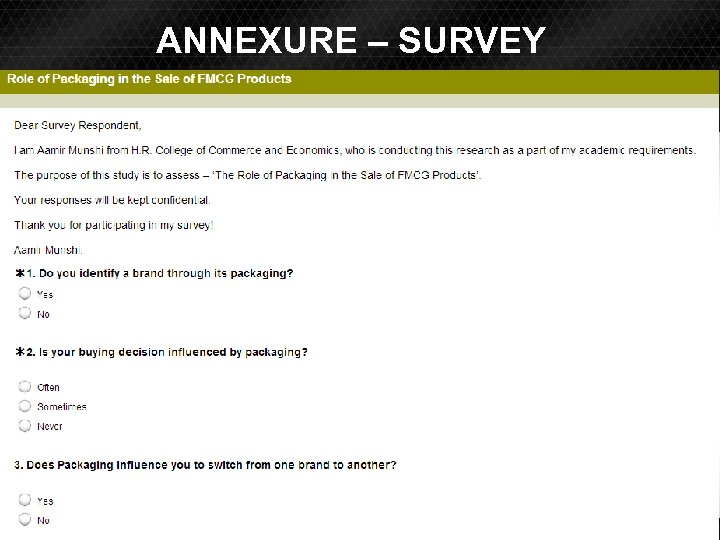 ANNEXURE – SURVEY