


 Скачать презентацию The Roaring 20 s America withdraws from world
f1917cf5f43f22019ba1f22f71aefc53.ppt
- Количество слайдов: 70
 The Roaring 20 s America withdraws from world power back to isolationism.
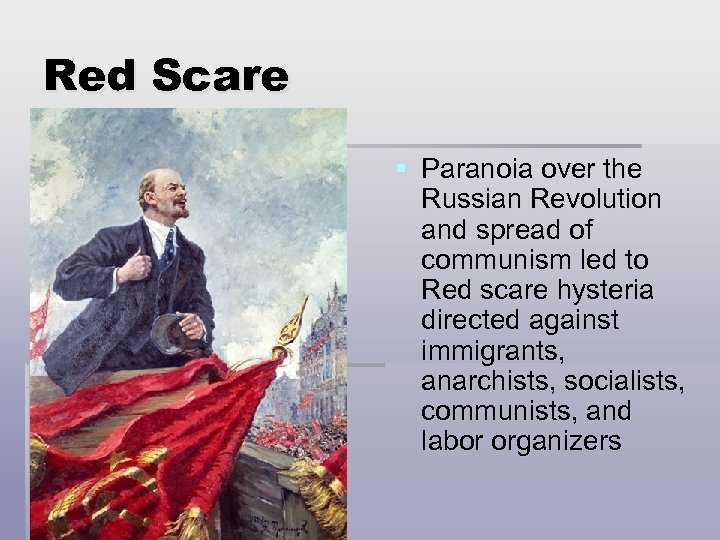 Red Scare § Paranoia over the Russian Revolution and spread of communism led to Red scare hysteria directed against immigrants, anarchists, socialists, communists, and labor organizers
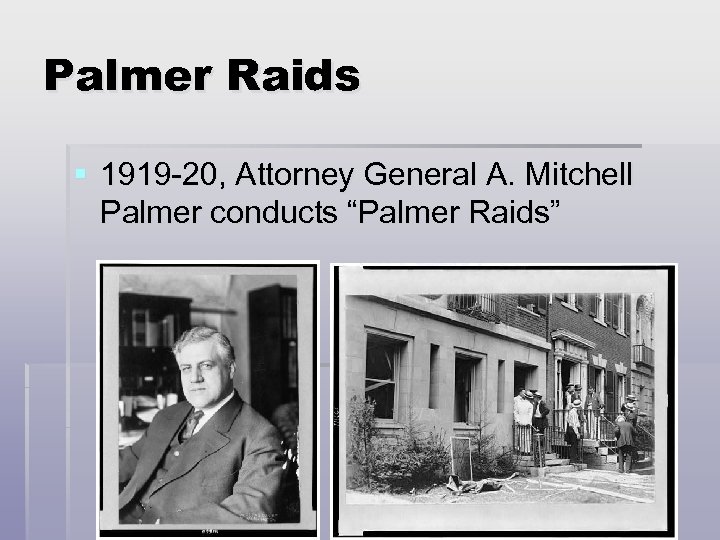 Palmer Raids § 1919 -20, Attorney General A. Mitchell Palmer conducts “Palmer Raids”
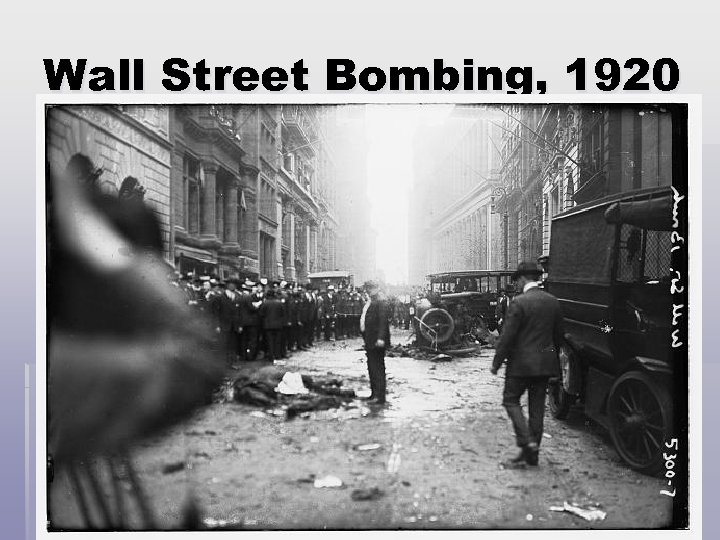 Wall Street Bombing, 1920
 Palmer Raids
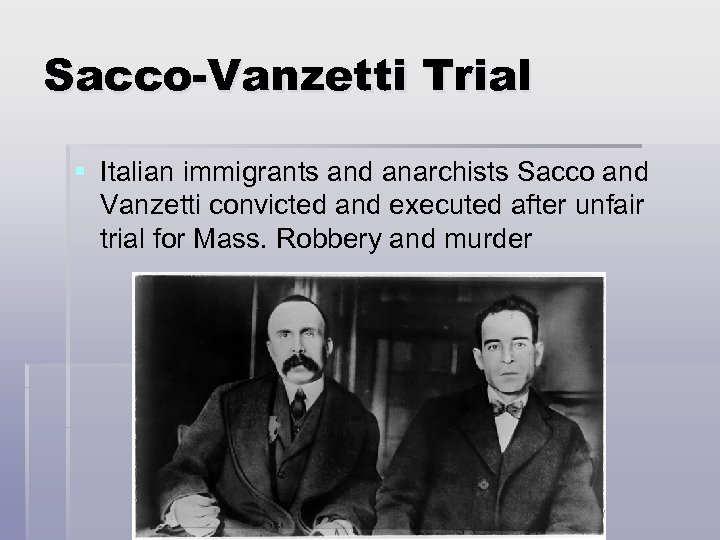 Sacco-Vanzetti Trial § Italian immigrants and anarchists Sacco and Vanzetti convicted and executed after unfair trial for Mass. Robbery and murder
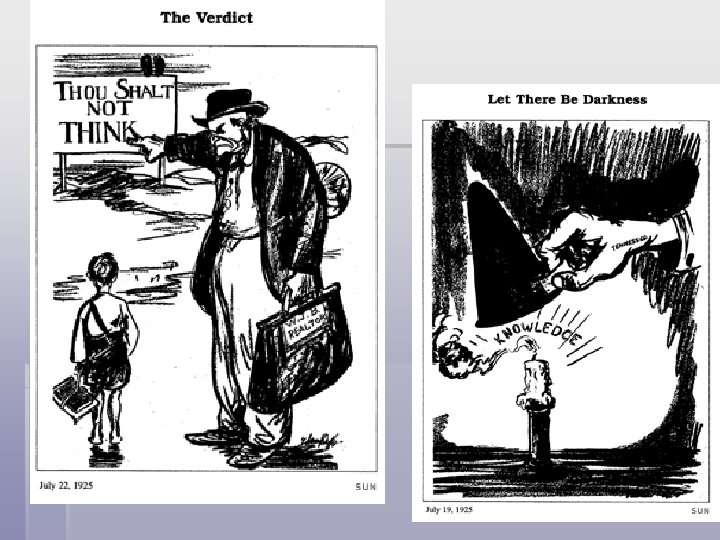
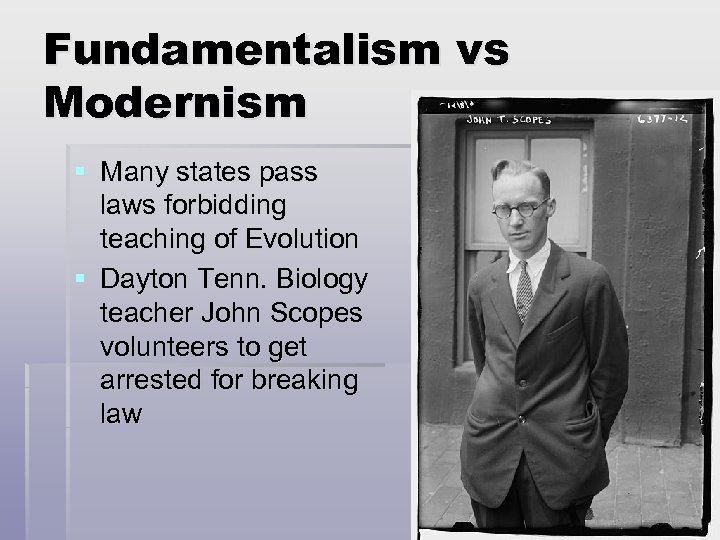 Fundamentalism vs Modernism § Many states pass laws forbidding teaching of Evolution § Dayton Tenn. Biology teacher John Scopes volunteers to get arrested for breaking law
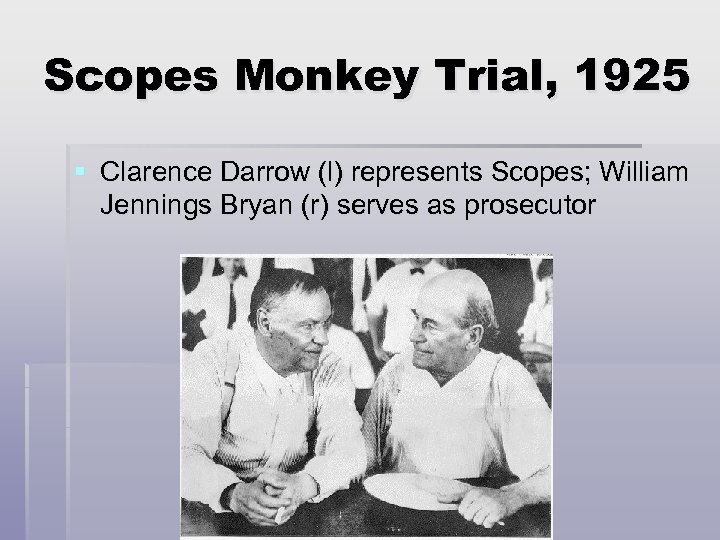 Scopes Monkey Trial, 1925 § Clarence Darrow (l) represents Scopes; William Jennings Bryan (r) serves as prosecutor
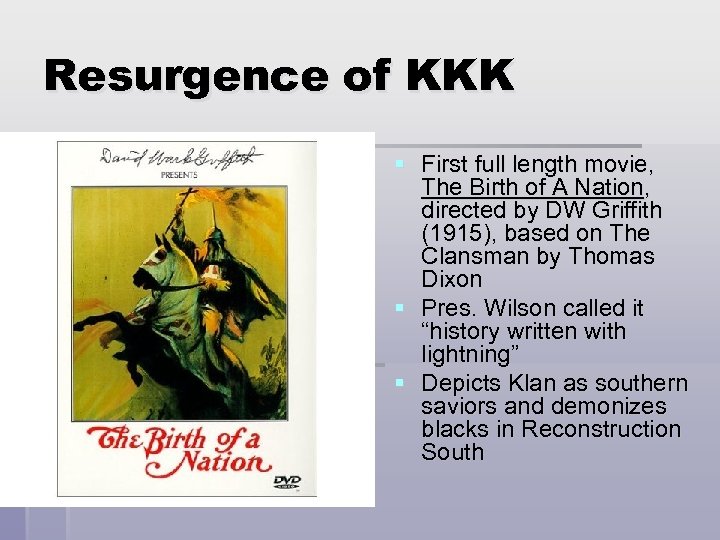 Resurgence of KKK § First full length movie, The Birth of A Nation, directed by DW Griffith (1915), based on The Clansman by Thomas Dixon § Pres. Wilson called it “history written with lightning” § Depicts Klan as southern saviors and demonizes blacks in Reconstruction South
 Birth of a Nation
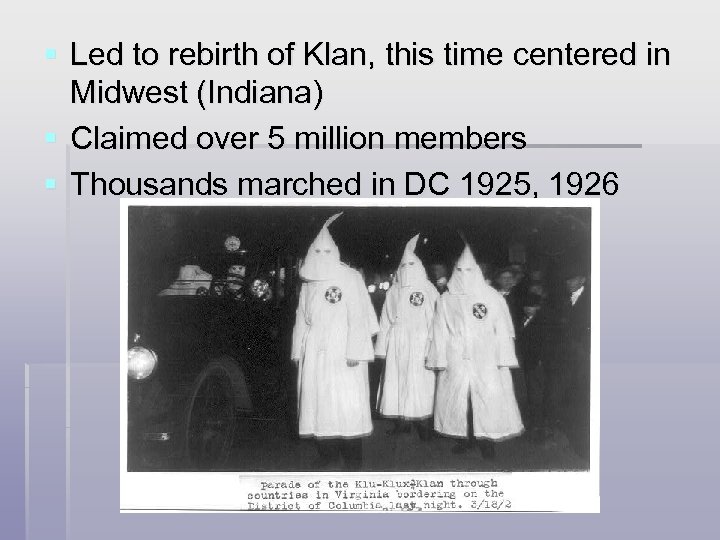 § Led to rebirth of Klan, this time centered in Midwest (Indiana) § Claimed over 5 million members § Thousands marched in DC 1925, 1926
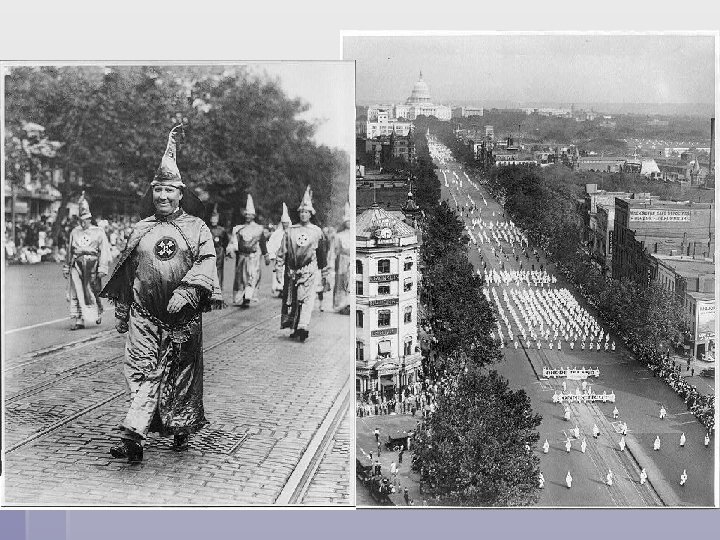
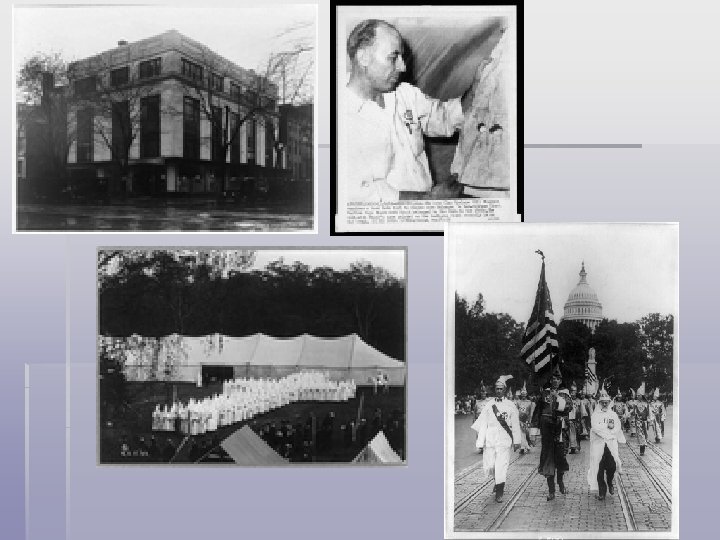
 KKK March Washington
 Nativism Leads to Immigration Restrictions § Immigration Law 1924 --- totally excluded Asians and put strict quotas on southern and eastern Europeans, favoring Northern and Western immigrants
 Prohibition § Most of country “dry” before WWI; WWI spurred movement § 18 th amendment (1919 -1933) outlawed sale, manufacture and transport of alcohol; enforced by Volstead Act § Repealed by 21 st in 1933
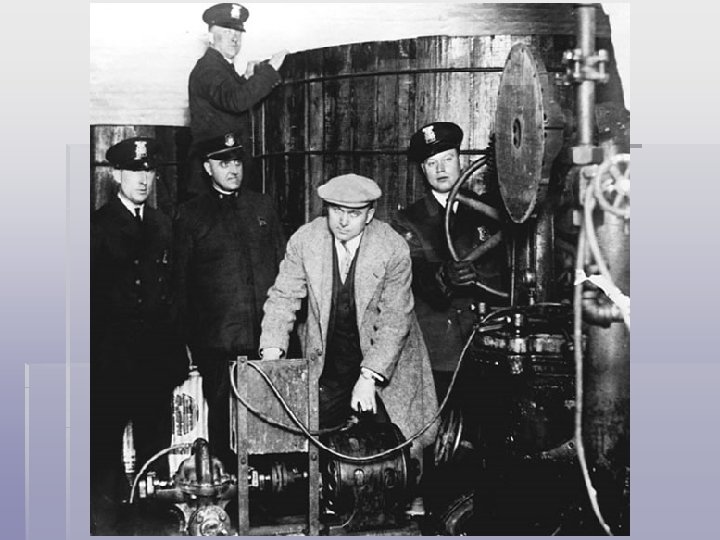
 Speakeasies
 Prohibition Quotations § “Prohibition permitted the Protestant countryside to coerce the newer Americans in the city. One “dry” asserted: ‘Our nation can only be saved by turning the pure stream of country sentiment and township morals to flush out the cesspools of cities and so save civilization from pollution. ”
 § “ ‘The government which stands against the founder of Christianity cannot survive, ’ declared Senator Walsh of Massachusetts. ” § “The satirical essayist H. L. Mencken claimed that Prohibition had caused suffering comparable only to that of the Black Death and the Thirty Years War. ” § “The wet city is trying to impose its will on the dry country. The wet North on the dry South!”
 § “If the Christian vote did not go to the polls, ‘we shall see our towns and villages rum-ridden in the near future and a whole generation of our children destroyed. ’” § “Twice a week, he (Harding) sought to banish care by inviting his friends to the White House for poker parties. Liquor flowed freely at these affairs, for the President --- like many other Americans --- did not take prohibition seriously. The ‘drys’ got after him, however, and he finally confined his drinking to the family bedrooms. ”
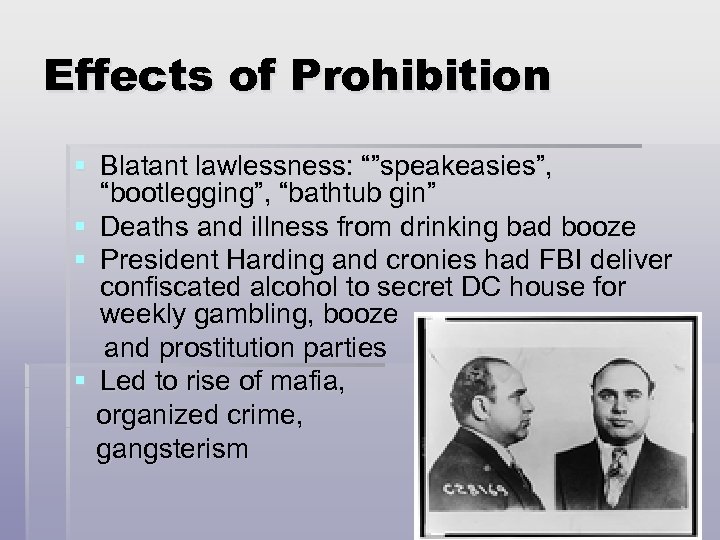 Effects of Prohibition § Blatant lawlessness: “”speakeasies”, “bootlegging”, “bathtub gin” § Deaths and illness from drinking bad booze § President Harding and cronies had FBI deliver confiscated alcohol to secret DC house for weekly gambling, booze and prostitution parties § Led to rise of mafia, organized crime, gangsterism
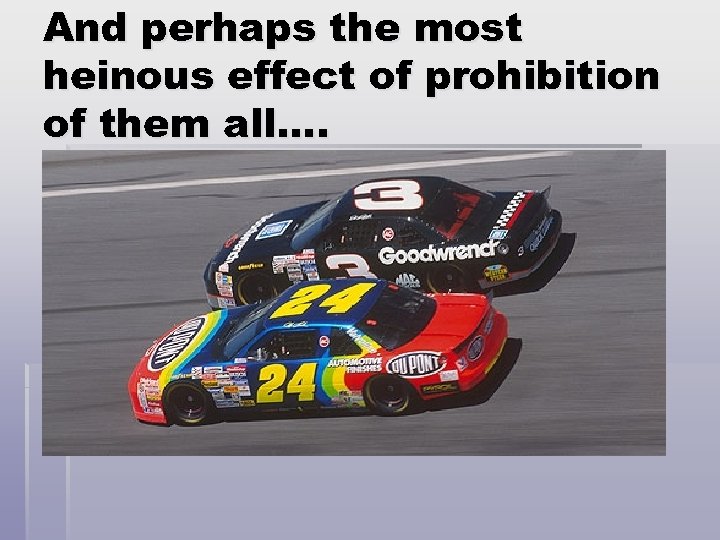 And perhaps the most heinous effect of prohibition of them all….
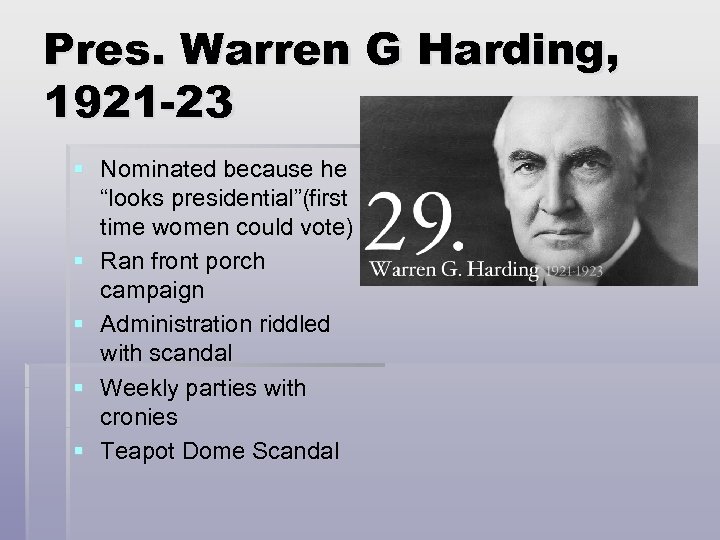 Pres. Warren G Harding, 1921 -23 § Nominated because he “looks presidential”(first time women could vote) § Ran front porch campaign § Administration riddled with scandal § Weekly parties with cronies § Teapot Dome Scandal
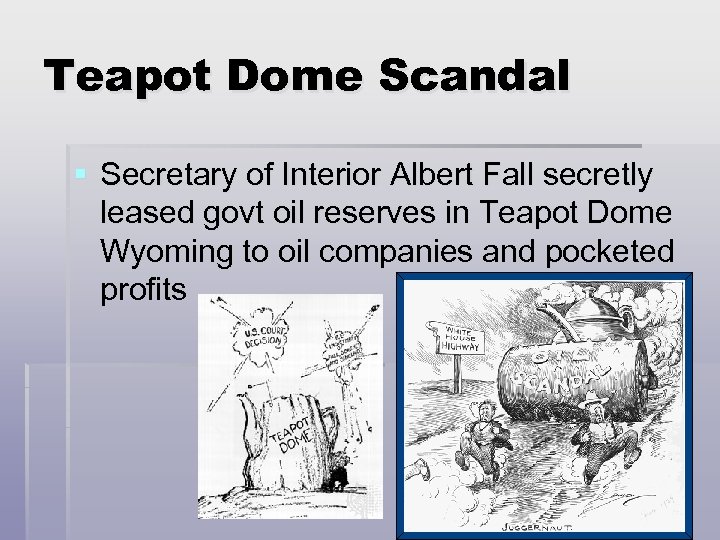 Teapot Dome Scandal § Secretary of Interior Albert Fall secretly leased govt oil reserves in Teapot Dome Wyoming to oil companies and pocketed profits
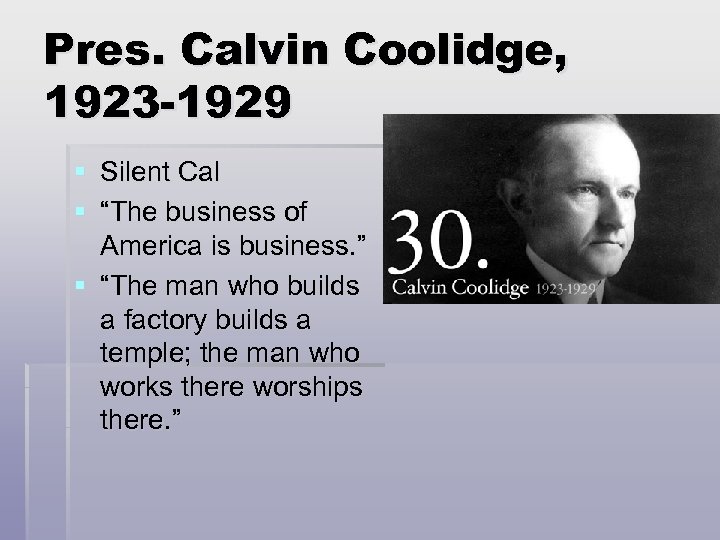 Pres. Calvin Coolidge, 1923 -1929 § Silent Cal § “The business of America is business. ” § “The man who builds a factory builds a temple; the man who works there worships there. ”
 The Boom Years- Roaring 20 s § US becomes greatest creditor nation in world § Industrial production, employment, stock market speculation, and wages soar § Consumerism soars as people want the latest technological innovations § Buying on credit becomes popular
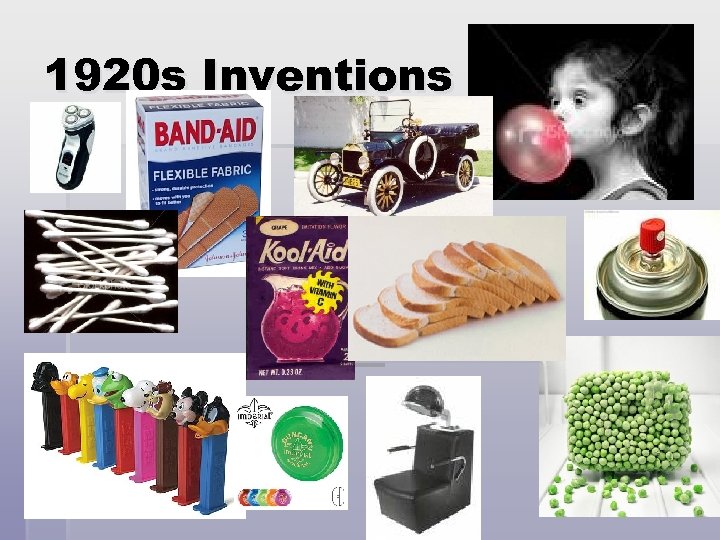 1920 s Inventions
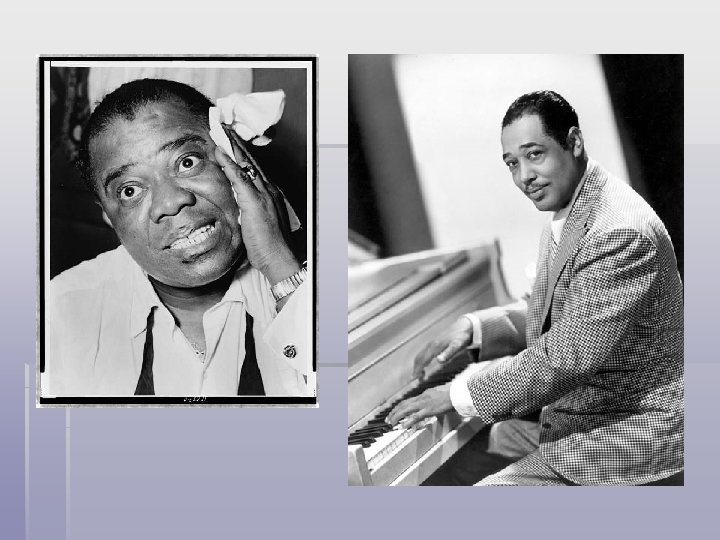
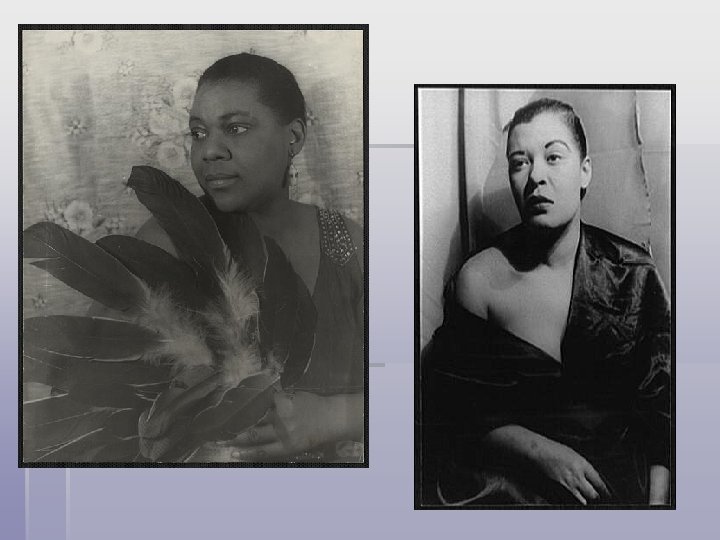
 Jazz Age § Term coined by F Scott Fitzgerald § Jazz and blues music originated in New Orleans and migrated north to Chicago and New York (Harlem) § White and black audiences packed segregated clubs like Harlem’s Cotton Club § Artists: Louis Armstrong, Duke Ellington, Billie Holiday, Bessie Smith
 Duke Ellington Orchestra “It Don’t Mean a Thing”
 Bessie Smith St. Louis Blues
 Billie Holiday “Blues are Brewin’”
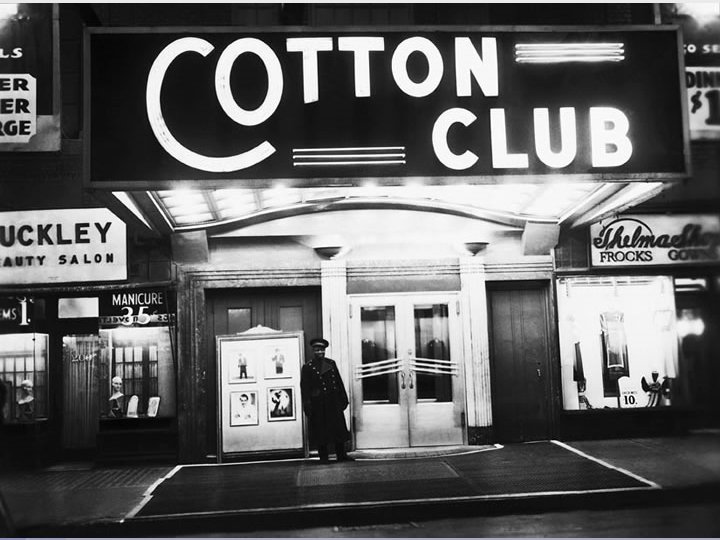
 Cotton Club
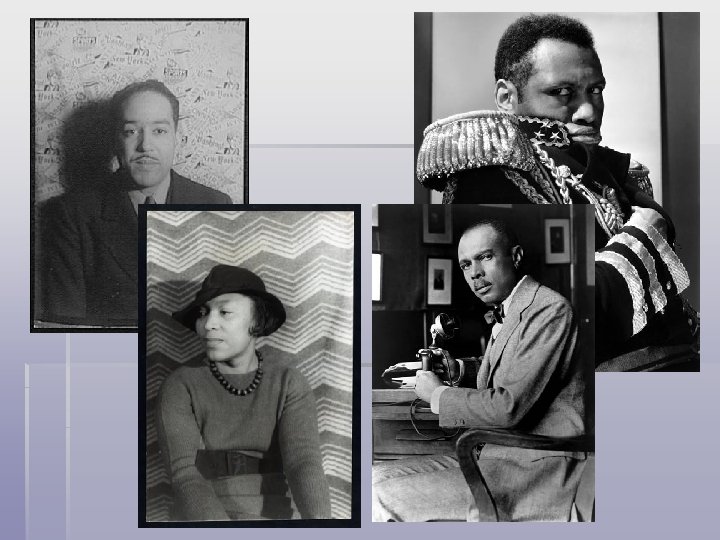
 Harlem Renaissance § Flowering of black arts, music, literature and intellectualism in Harlem, New York § Langston Hughes, Countee Cullen, Claude Mc. Kay, Zora Neale Hurston, Alain Locke , Paul Robeson, James Weldon Johnson, Paul Dunbar
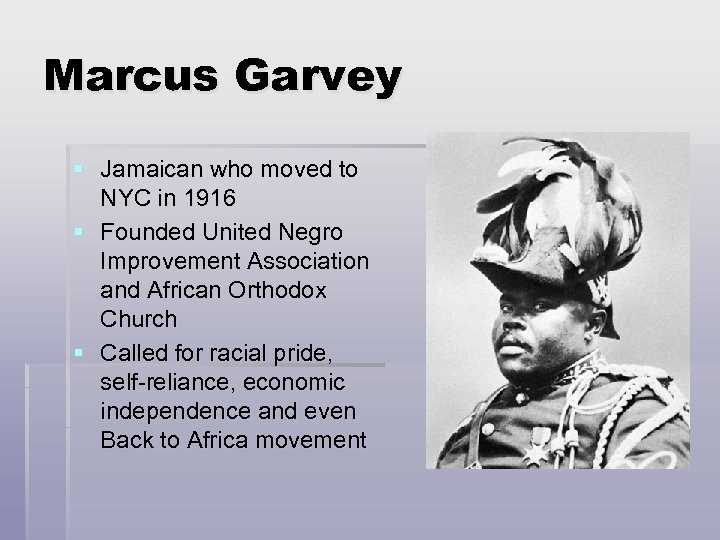 Marcus Garvey § Jamaican who moved to NYC in 1916 § Founded United Negro Improvement Association and African Orthodox Church § Called for racial pride, self-reliance, economic independence and even Back to Africa movement
 Marcus Garvey Speech
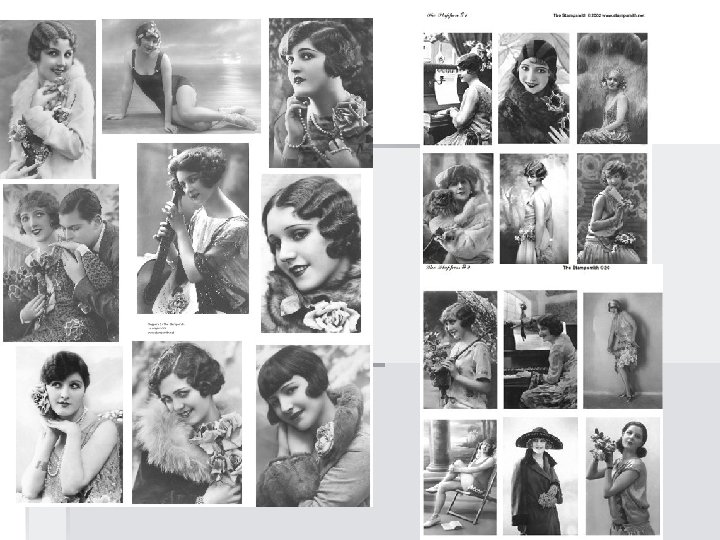
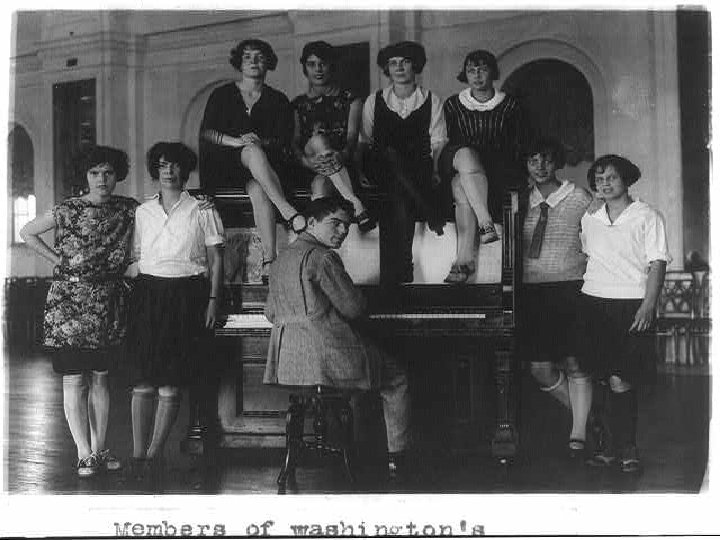
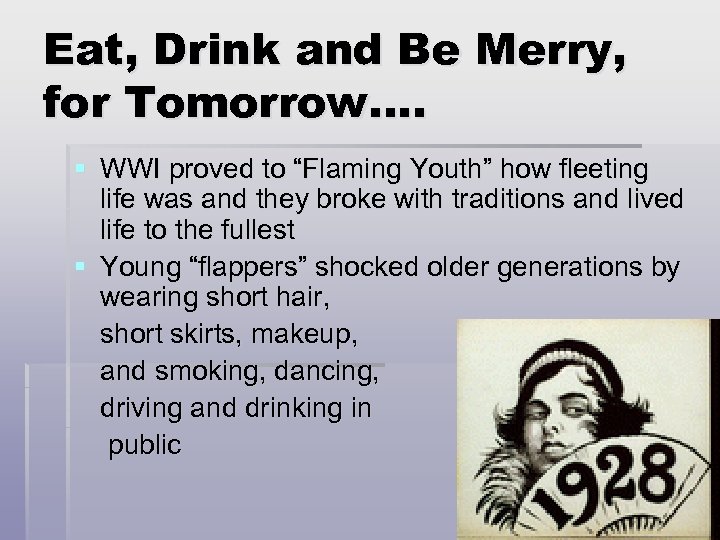 Eat, Drink and Be Merry, for Tomorrow…. § WWI proved to “Flaming Youth” how fleeting life was and they broke with traditions and lived life to the fullest § Young “flappers” shocked older generations by wearing short hair, short skirts, makeup, and smoking, dancing, driving and drinking in public
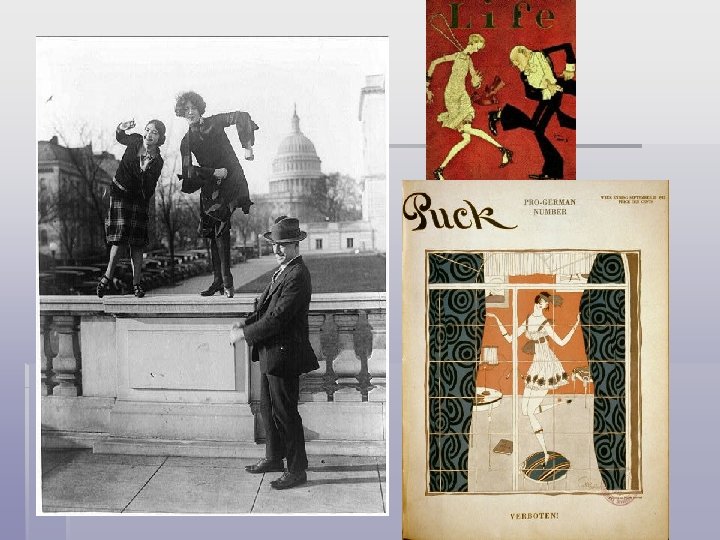
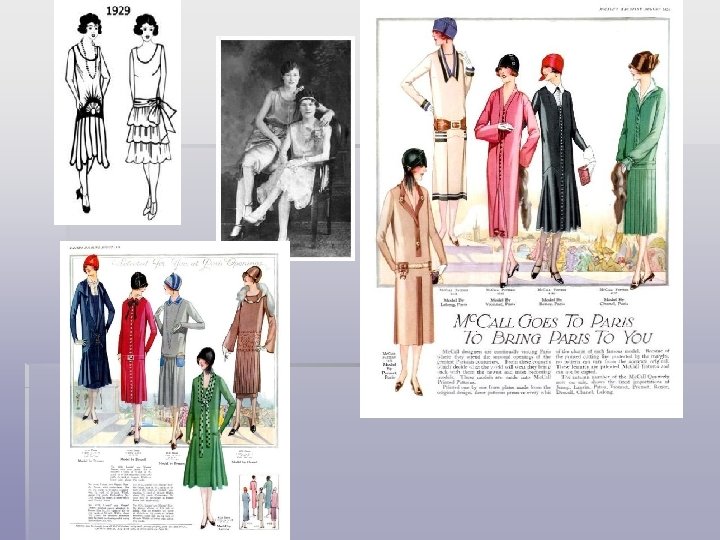
 Flappers
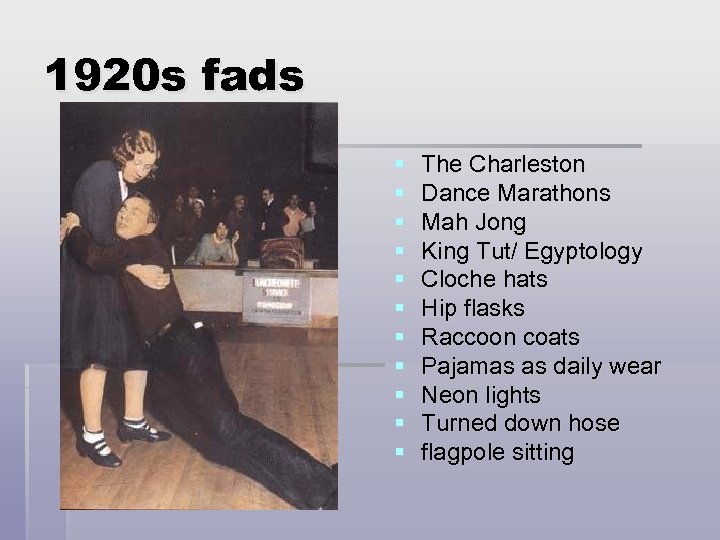 1920 s fads § § § The Charleston Dance Marathons Mah Jong King Tut/ Egyptology Cloche hats Hip flasks Raccoon coats Pajamas as daily wear Neon lights Turned down hose flagpole sitting
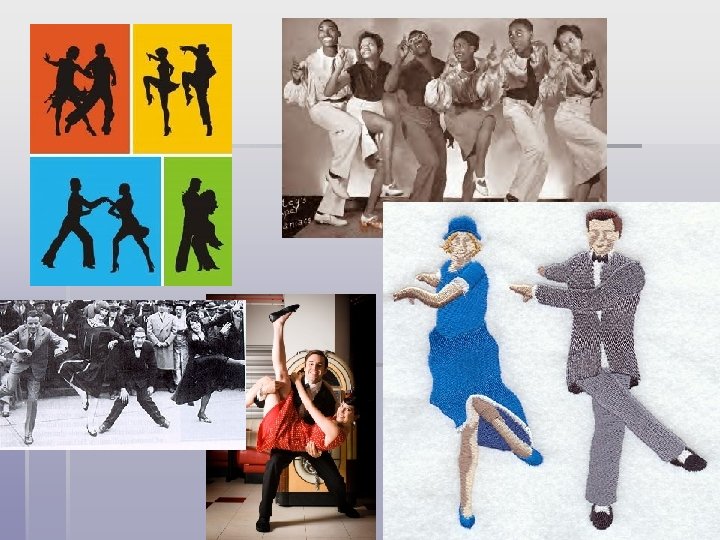
 The Charleston
 Dancing Flappers
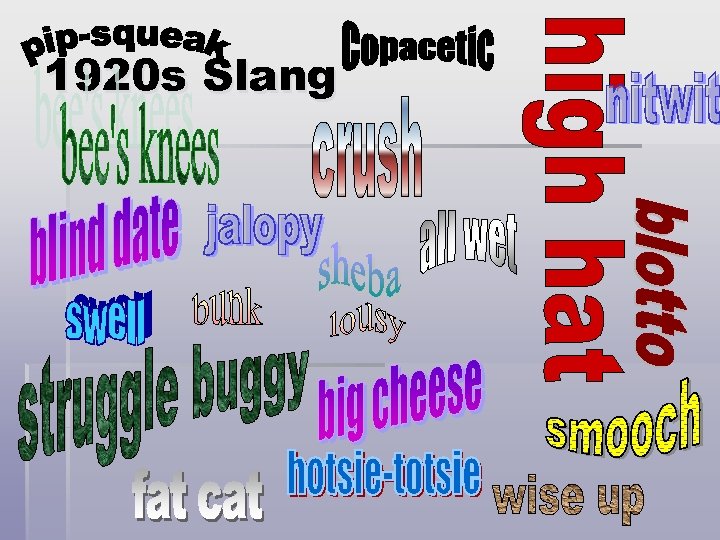 1920 s Slang
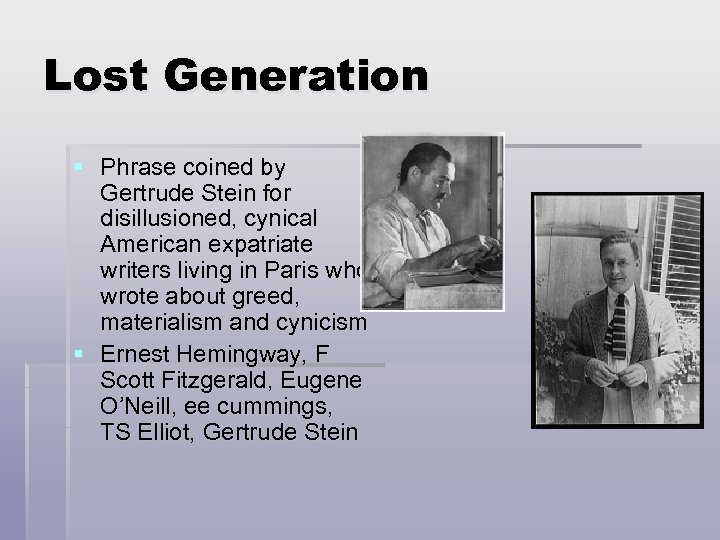 Lost Generation § Phrase coined by Gertrude Stein for disillusioned, cynical American expatriate writers living in Paris who wrote about greed, materialism and cynicism § Ernest Hemingway, F Scott Fitzgerald, Eugene O’Neill, ee cummings, TS Elliot, Gertrude Stein
 Lost Generation
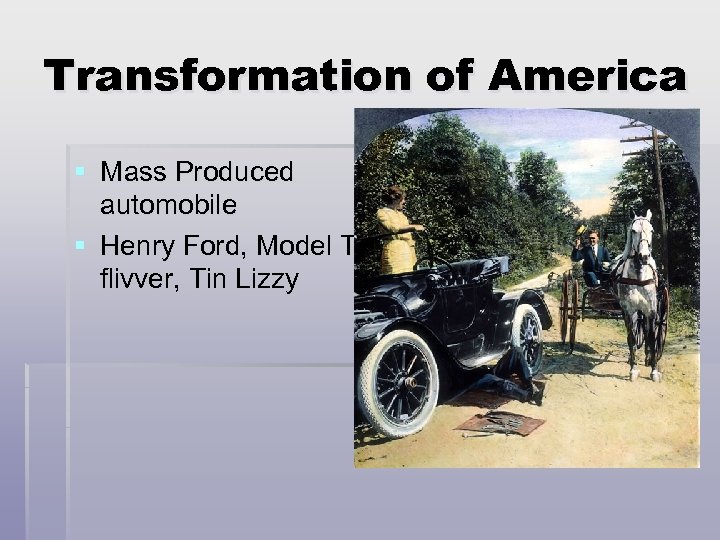 Transformation of America § Mass Produced automobile § Henry Ford, Model T, flivver, Tin Lizzy
 Ford Assembly Line
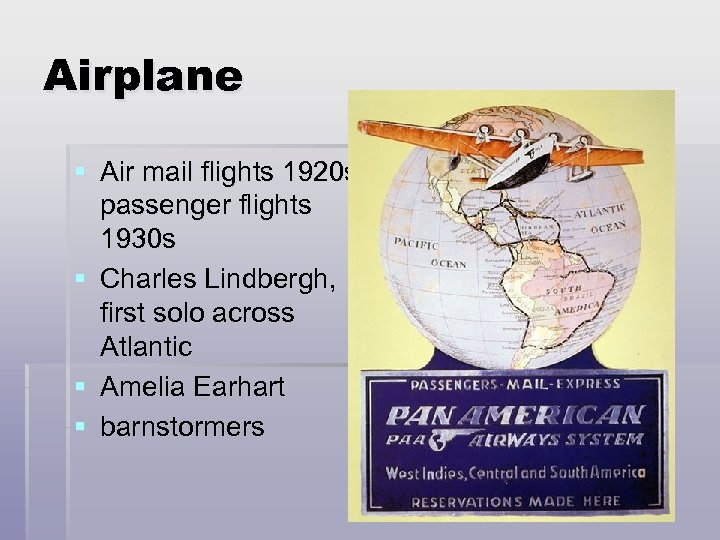 Airplane § Air mail flights 1920 s, passenger flights 1930 s § Charles Lindbergh, first solo across Atlantic § Amelia Earhart § barnstormers
 Lindbergh
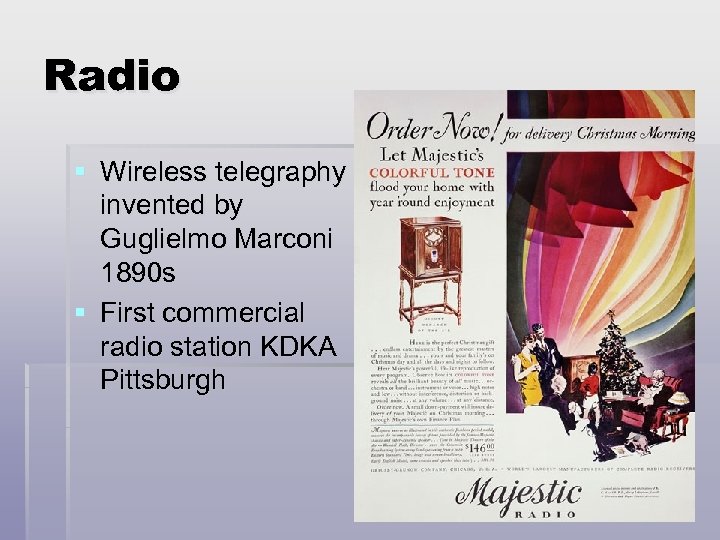 Radio § Wireless telegraphy invented by Guglielmo Marconi 1890 s § First commercial radio station KDKA Pittsburgh
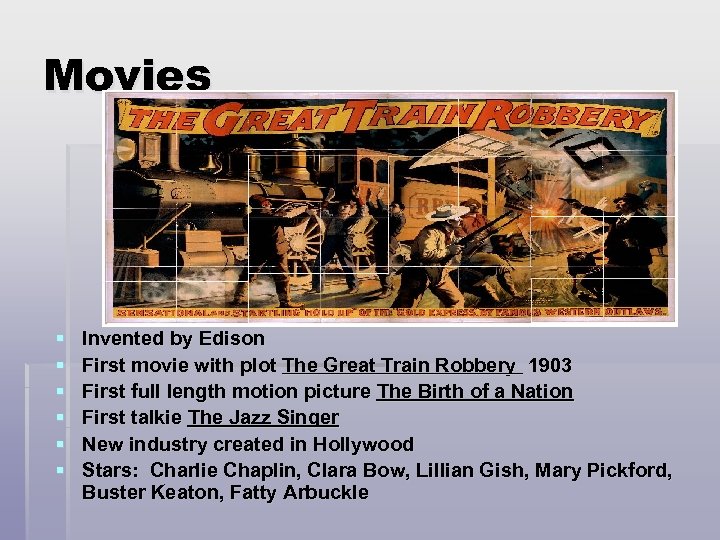 Movies § § § Invented by Edison First movie with plot The Great Train Robbery 1903 First full length motion picture The Birth of a Nation First talkie The Jazz Singer New industry created in Hollywood Stars: Charlie Chaplin, Clara Bow, Lillian Gish, Mary Pickford, Buster Keaton, Fatty Arbuckle
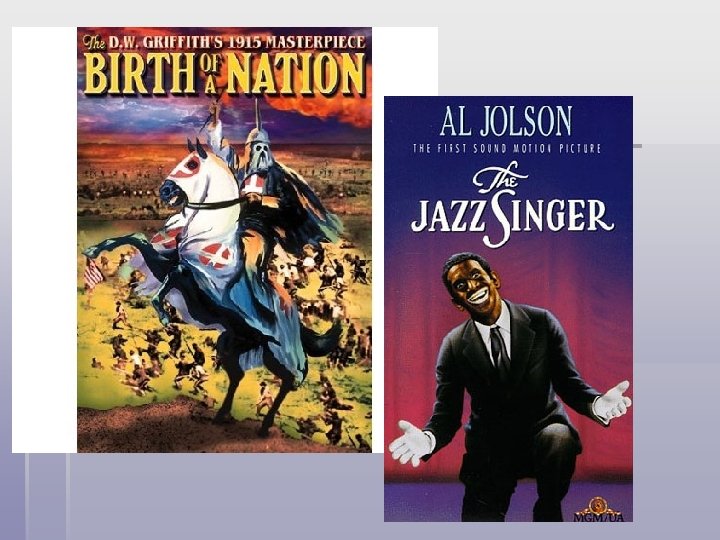
 The Jazz Singer
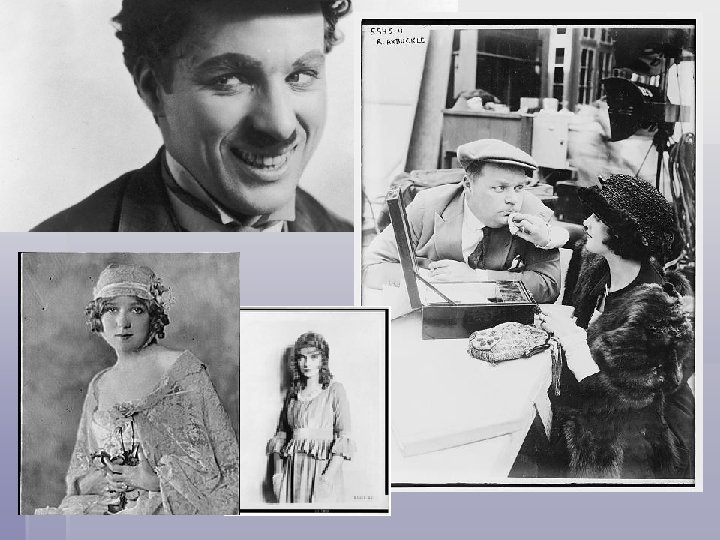
 Fatty Arbuckle
 Charlie Chaplin
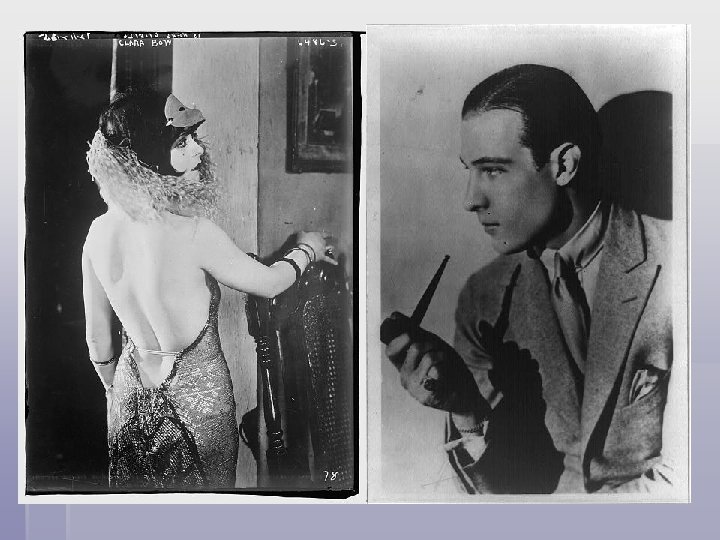
 Clara Bow --- The “It” Girl
 Valentino
 US Adopts Isolationism § Washington Naval Conferences- 1921 -22 nine largest naval powers agree to reduce and limit size of navies q Kellogg-Briand Pact -1928 – international treaty “outlawing” war