


 Скачать презентацию The Progressive Era The Main Ideas n
c36d1fd2a7eb911d36587cef63c6b9c8.ppt
- Количество слайдов: 50
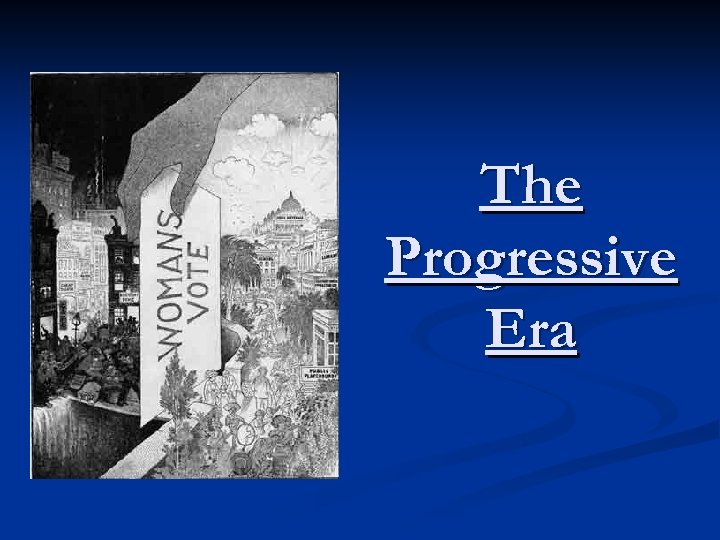 The Progressive Era
 The Main Ideas n Political, economic, and social changes in the late 19 th century spurred broad progressive reforms in the United States To be a “Progressive” meant favoring or promoting reform (often by government intervention/action) n For the time, largely a response to the excesses of industrialization and urbanization n
 Goals of Progressivism 1. 2. 3. 4. Protecting Social Welfare Promoting Moral Improvement Creating Economic Reform Fostering efficiency
 Protecting Social Welfare n n Alleviate harsh conditions of industrialization Help the poor through community centers, churches, etc. Young Men’s Christian Association (YMCA) used libraries and athletics to help n The Salvation Army started soup kitchens and education to promote temperance n n Florence Kelly advocated for women and children and worked to improved factory conditions
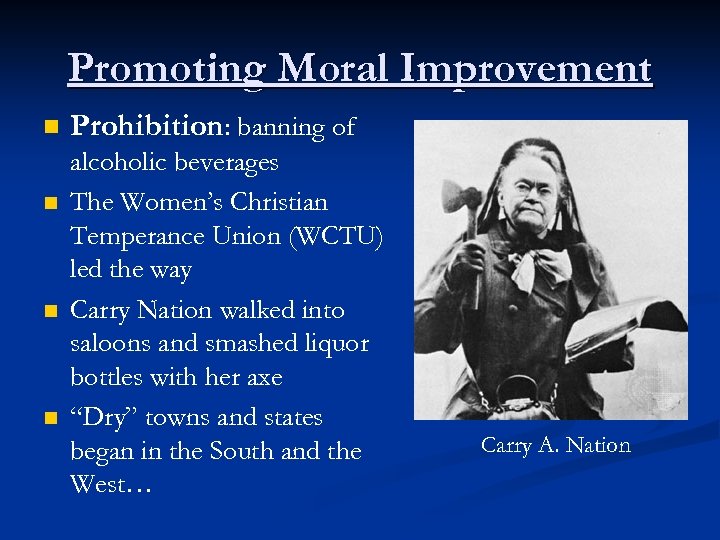 Promoting Moral Improvement n n Prohibition: banning of alcoholic beverages The Women’s Christian Temperance Union (WCTU) led the way Carry Nation walked into saloons and smashed liquor bottles with her axe “Dry” towns and states began in the South and the West… Carry A. Nation
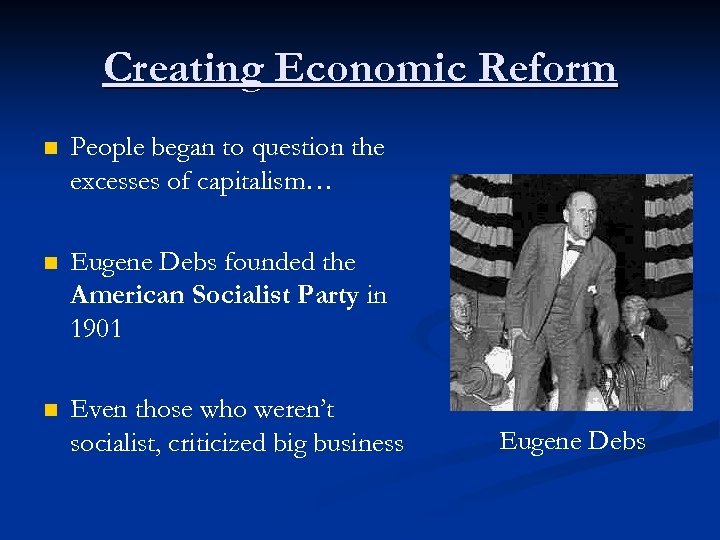 Creating Economic Reform n People began to question the excesses of capitalism… n Eugene Debs founded the American Socialist Party in 1901 n Even those who weren’t socialist, criticized big business Eugene Debs
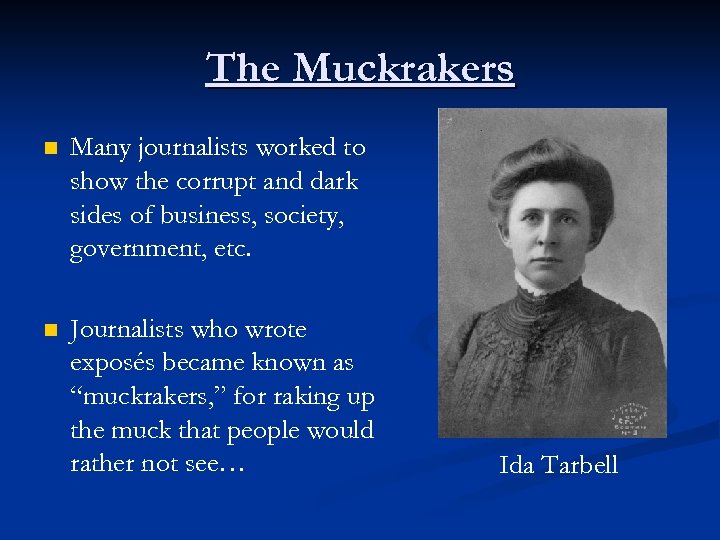 The Muckrakers n Many journalists worked to show the corrupt and dark sides of business, society, government, etc. n Journalists who wrote exposés became known as “muckrakers, ” for raking up the muck that people would rather not see… Ida Tarbell
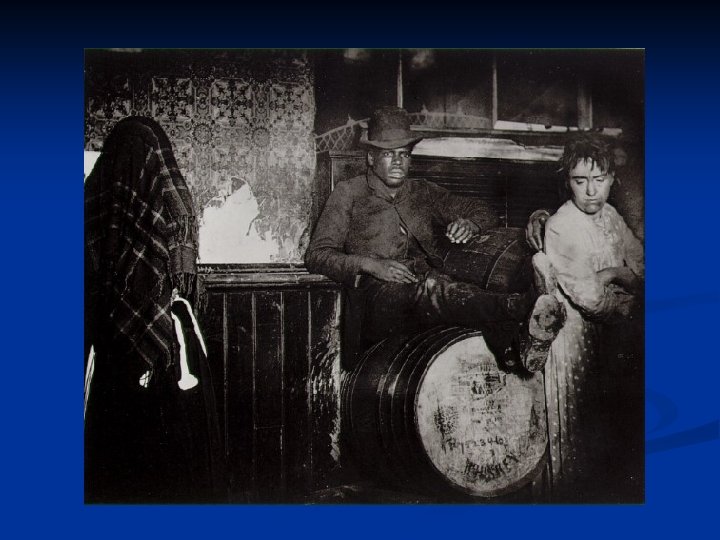
 Key Muckrakers (REGENTS!) n Upton Sinclair – The Jungle n n Lincoln Steffens – Shame of the Cities n n Poverty in the city Ida Tarbell – History of the Standard Oil Company n n Difficulties of urban life Jacob Riis – How the Other Half Lives n n Exposed the unsanitary conditions of meatpacking industry Corrupt nature of monopolies Thomas Nast – political cartoons n Exposed corruption of many politicians
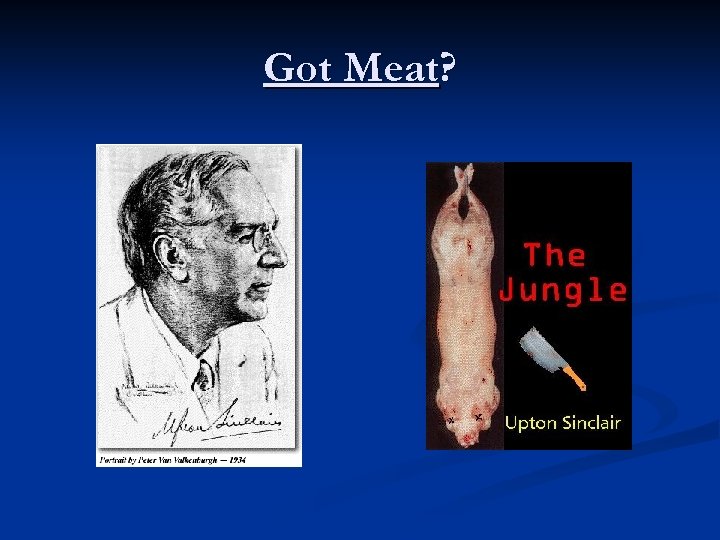 Got Meat?
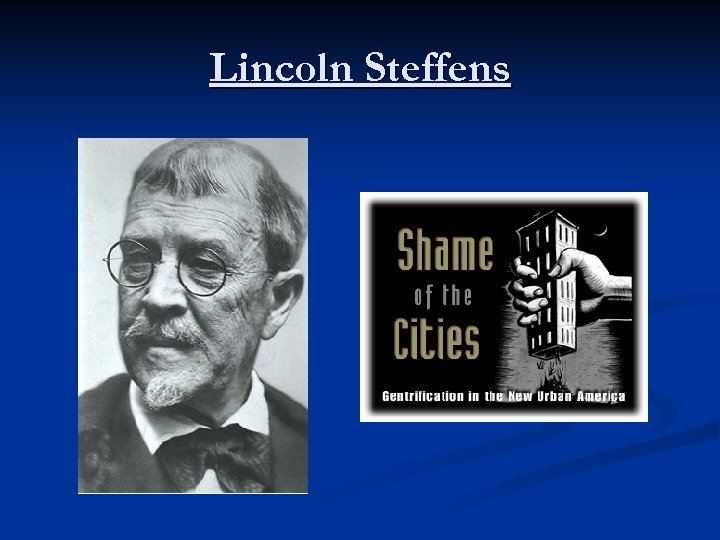 Lincoln Steffens
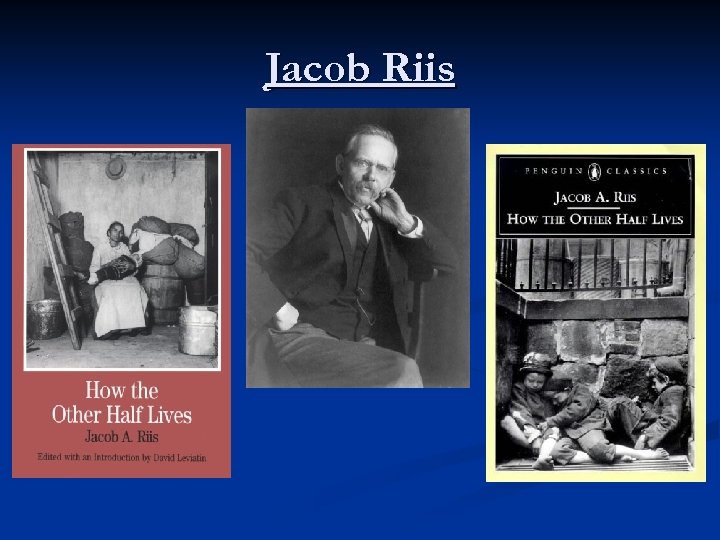 Jacob Riis
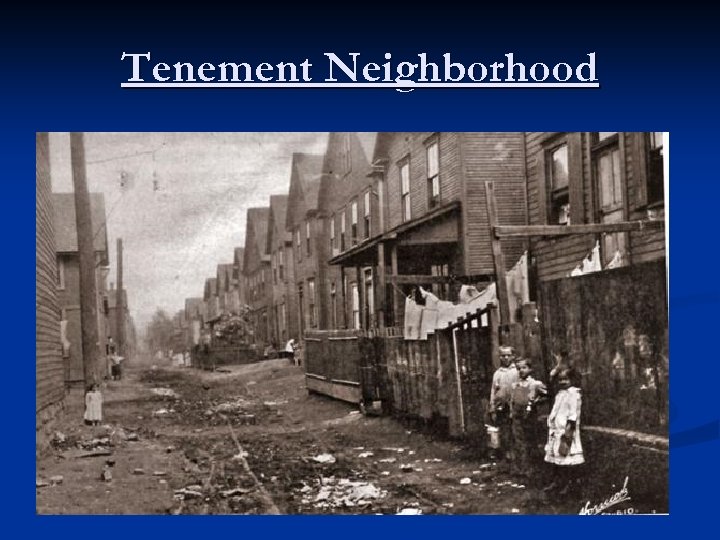 Tenement Neighborhood
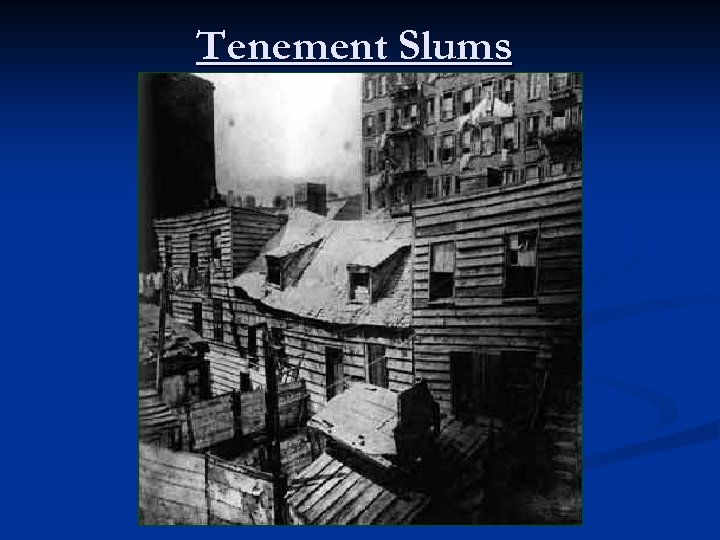 Tenement Slums
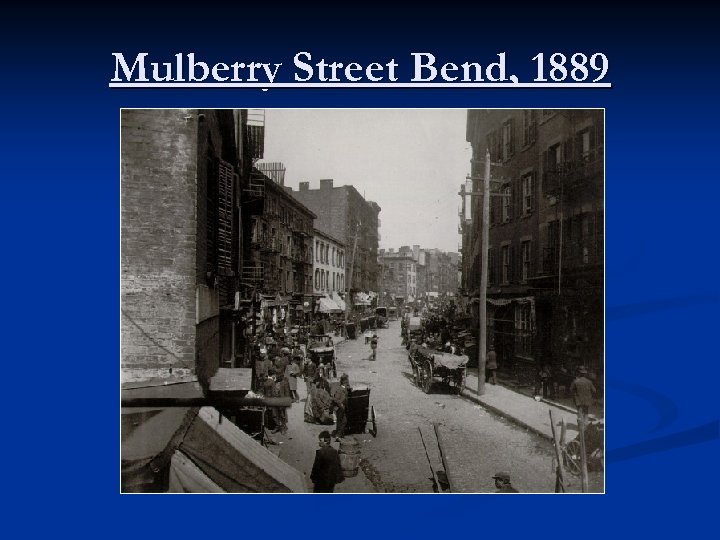 Mulberry Street Bend, 1889
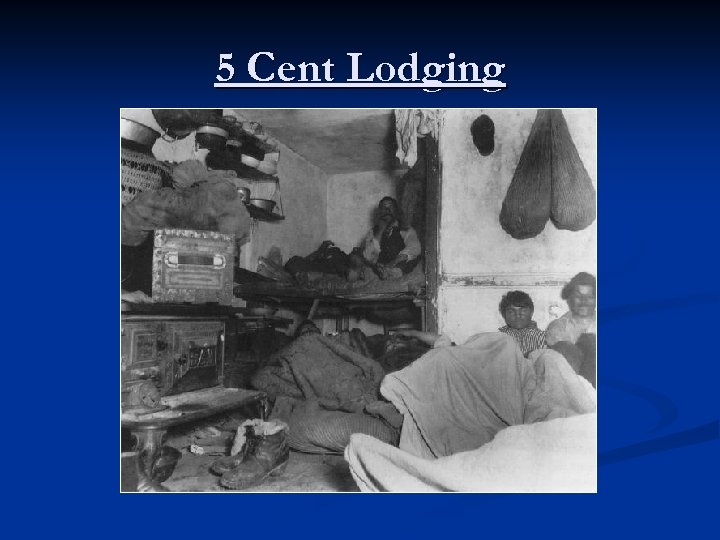 5 Cent Lodging
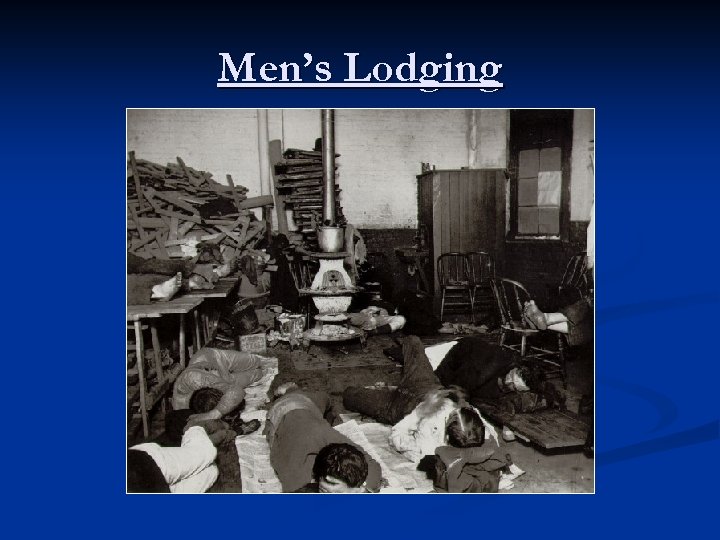 Men’s Lodging
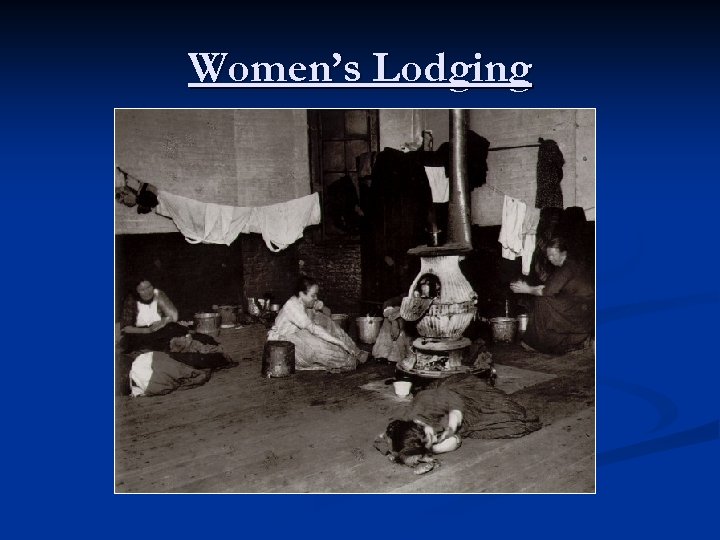 Women’s Lodging
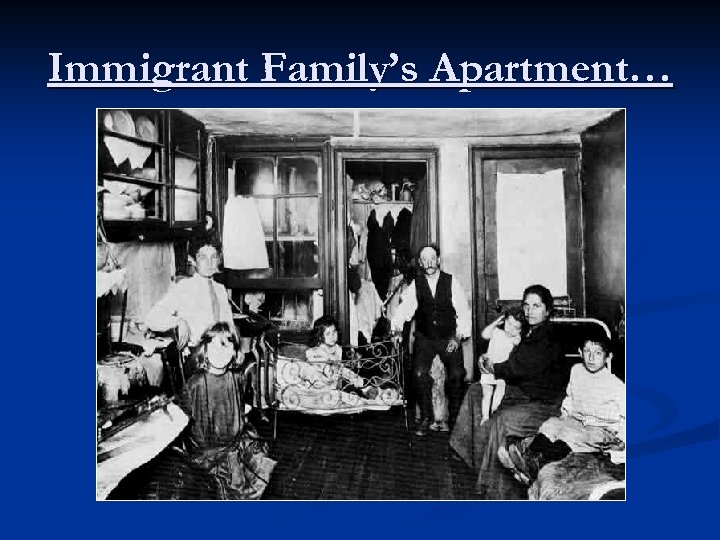 Immigrant Family’s Apartment…
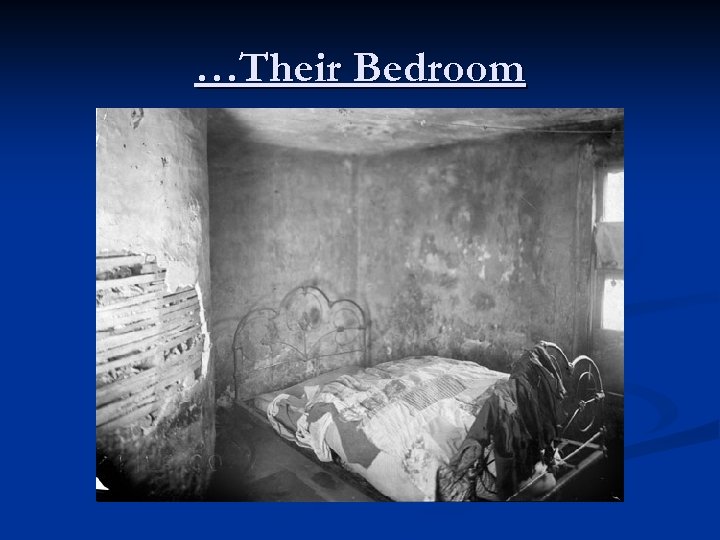 …Their Bedroom
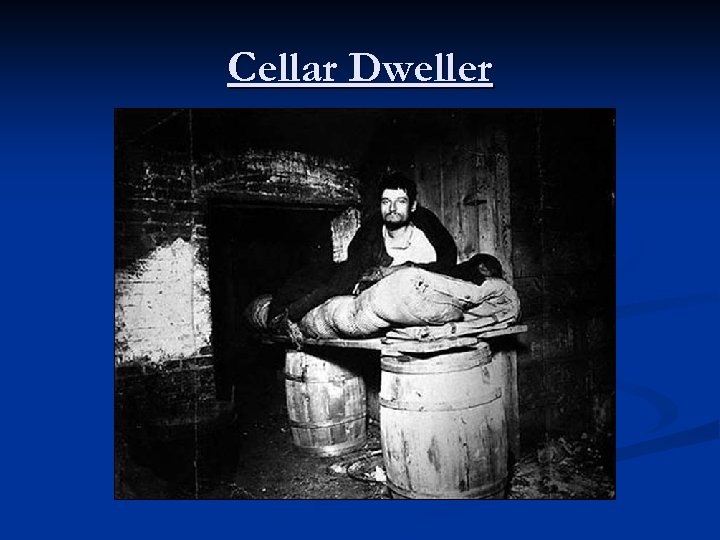 Cellar Dweller
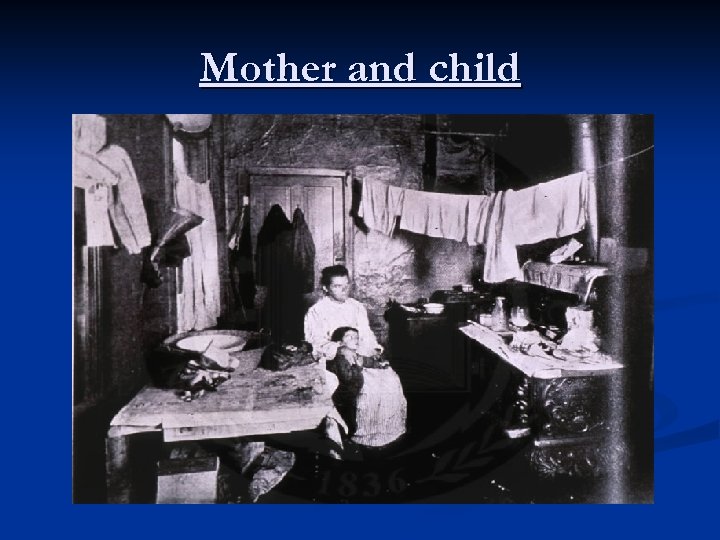 Mother and child
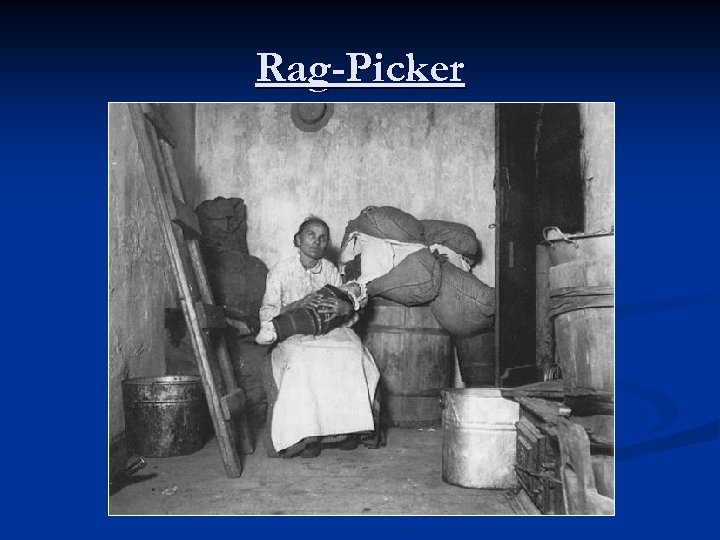 Rag-Picker
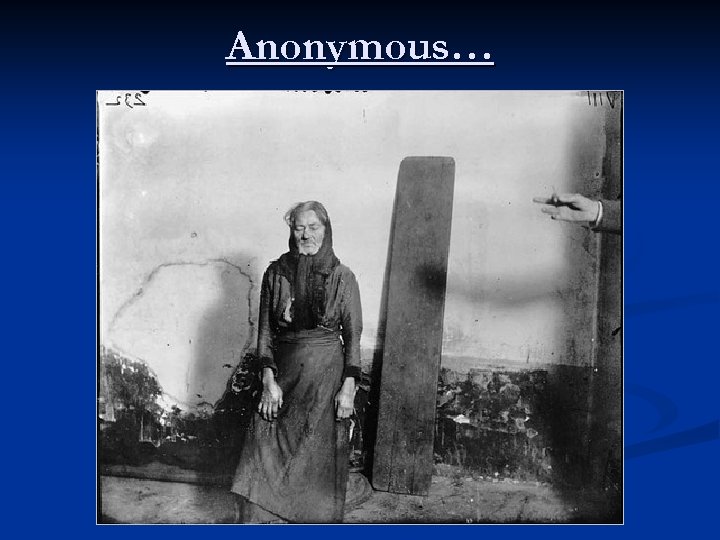 Anonymous…
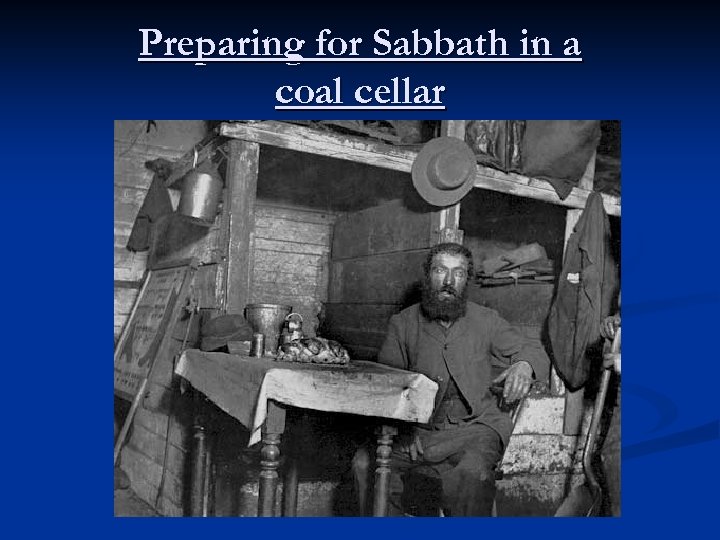 Preparing for Sabbath in a coal cellar
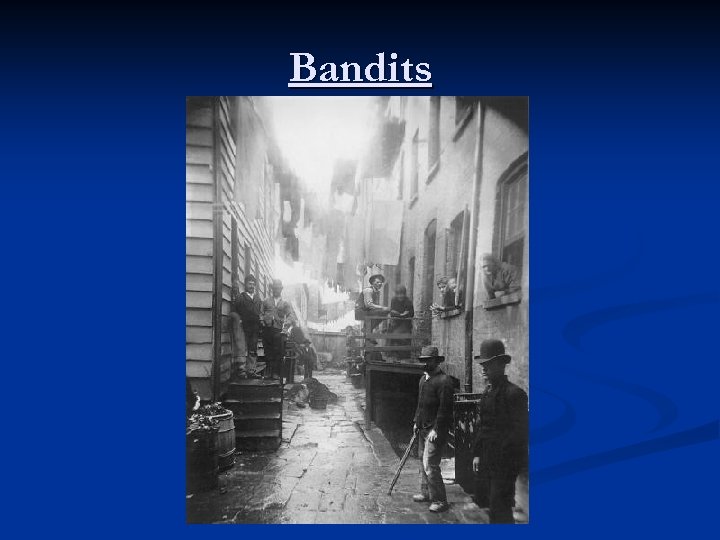 Bandits
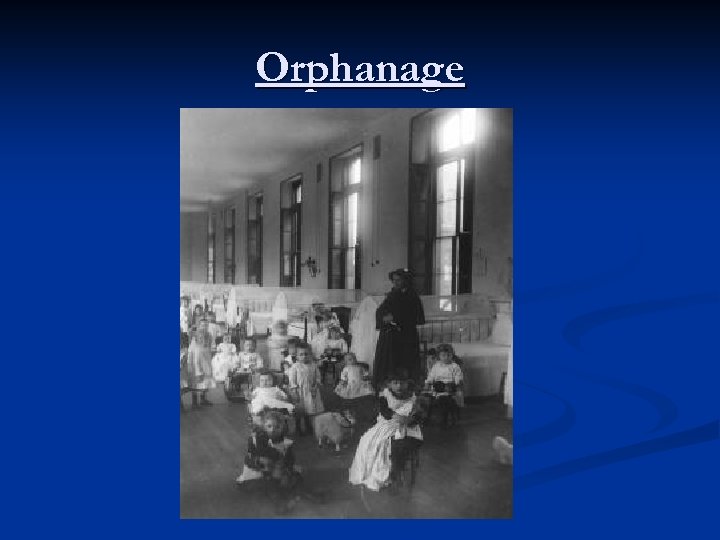 Orphanage
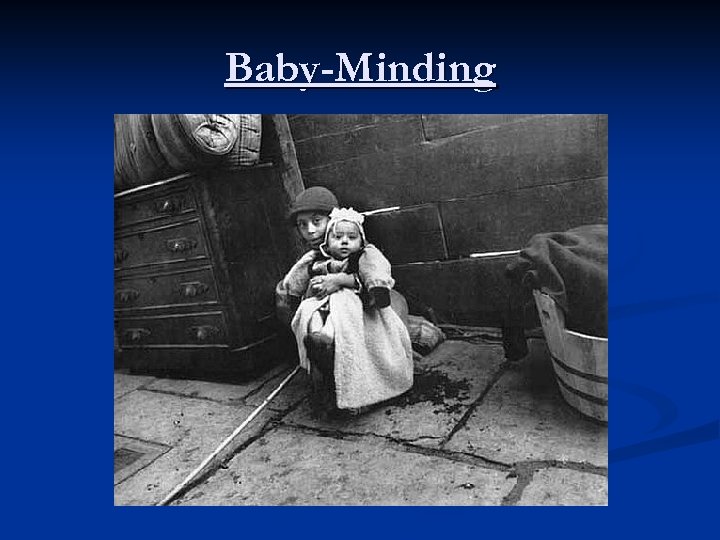 Baby-Minding
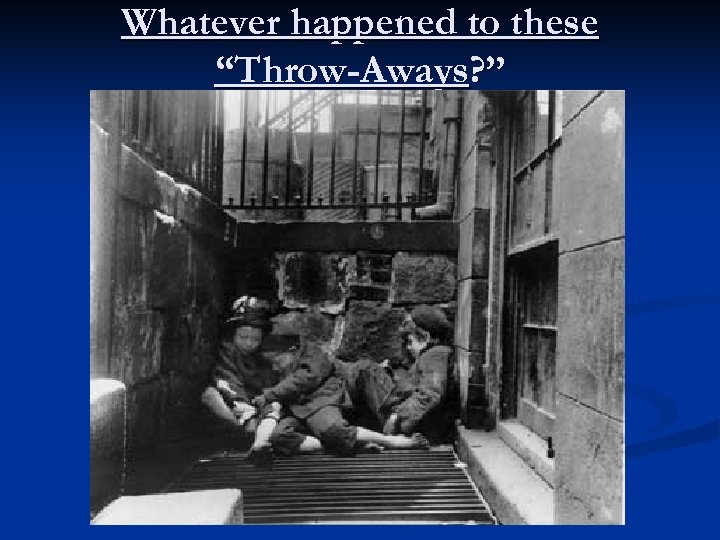 Whatever happened to these “Throw-Aways? ”
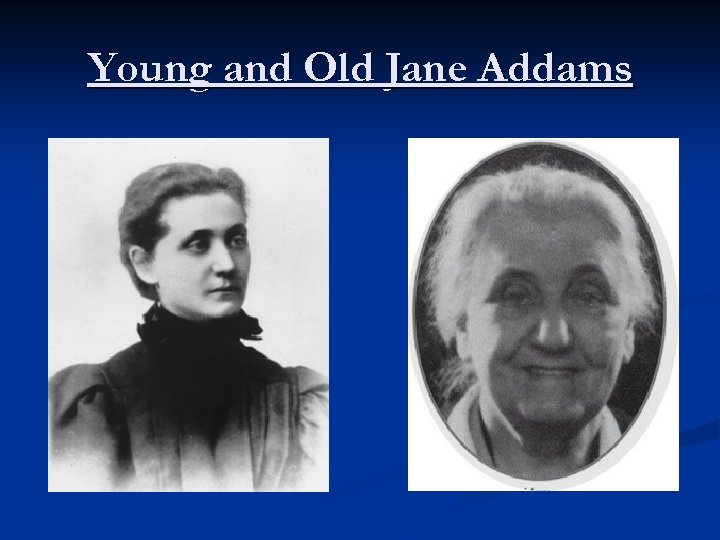 Young and Old Jane Addams
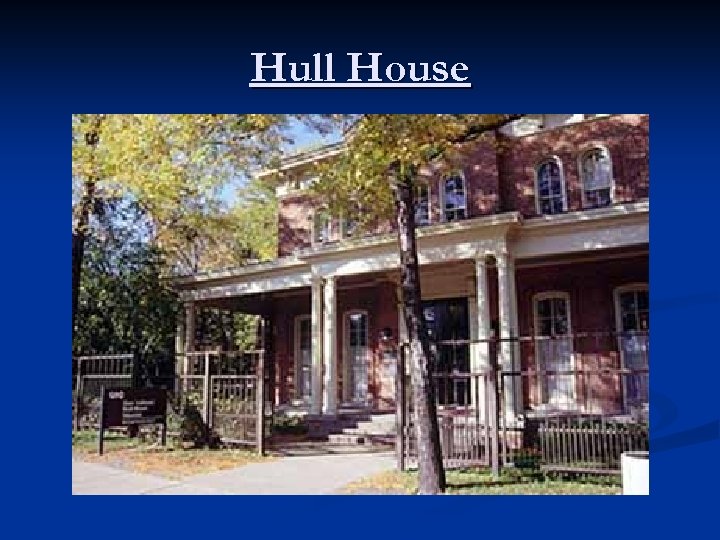 Hull House
 Jane Addams Progressive Era reformer n Founder of Hull House in Chicago, 1889 n Helped urban poor, immigrants and others n Hull House provided: health care, English lessons, employment advice, child care n Settlement House: a community center that provided social services to the urban poor n
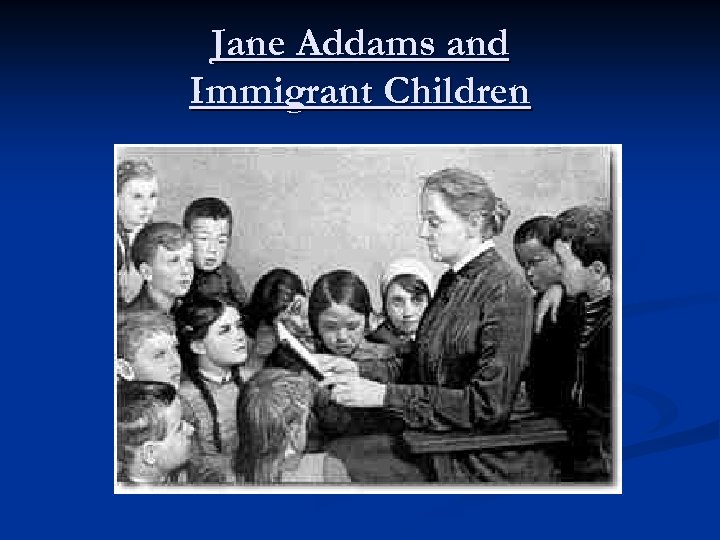 Jane Addams and Immigrant Children
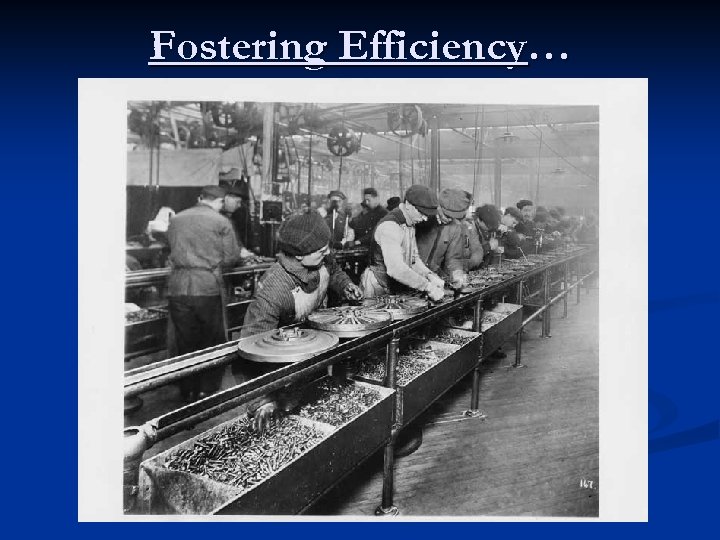 Fostering Efficiency…
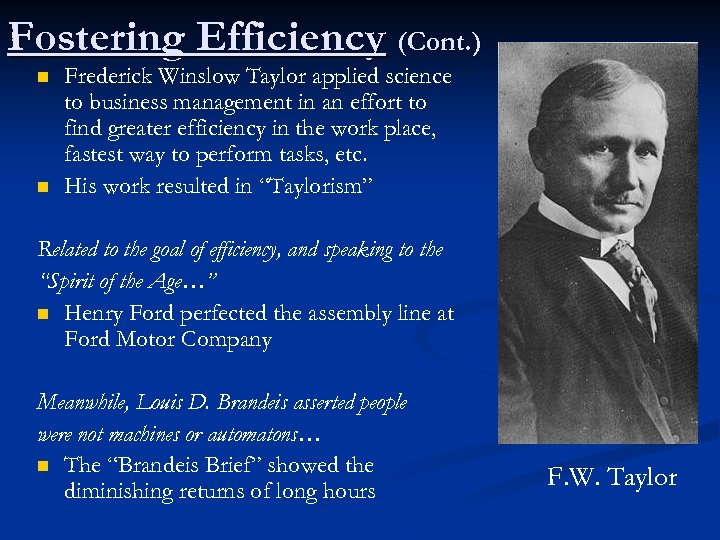 Fostering Efficiency (Cont. ) n n Frederick Winslow Taylor applied science to business management in an effort to find greater efficiency in the work place, fastest way to perform tasks, etc. His work resulted in “Taylorism” Related to the goal of efficiency, and speaking to the “Spirit of the Age…” n Henry Ford perfected the assembly line at Ford Motor Company Meanwhile, Louis D. Brandeis asserted people were not machines or automatons… n The “Brandeis Brief” showed the diminishing returns of long hours F. W. Taylor
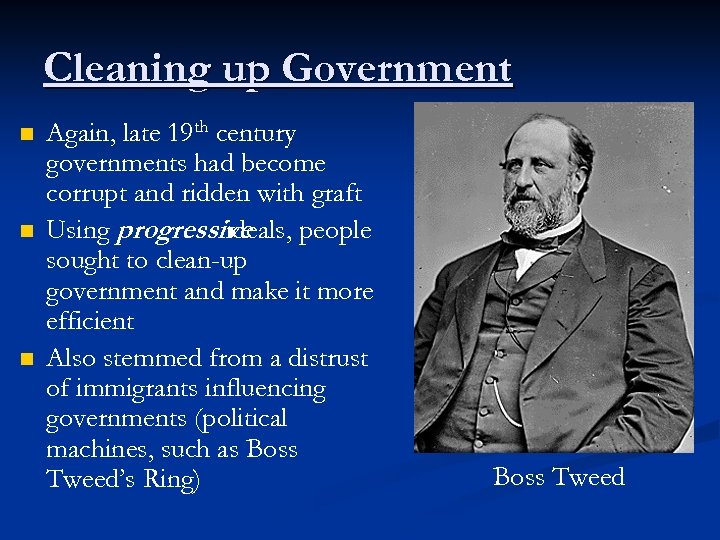 Cleaning up Government n n n Again, late 19 th century governments had become corrupt and ridden with graft Using progressive ideals, people sought to clean-up government and make it more efficient Also stemmed from a distrust of immigrants influencing governments (political machines, such as Boss Tweed’s Ring) Boss Tweed
 Levels of Reform n n Local Government: n City councils started to consolidate power n 19 U. S. cities were governed by socialists mayors n Utilities were converted to publicly owned enterprises State governments: n Robert M. La Follette (1 st governor, then senator from Wisconsin) sought to get “Big Business” out of politics n Sought to limit child labor (eventually Keating-Owen Act of 1916) prohibited goods to be shipped across state lines if they used child labor (later ruled unconstitutional) n Started to limit working hours of women and children (Muller v. Oregon) n First Worker’s Compensation laws for injured workers
 Reforming Elections n Initiative: citizens, rather than the legislature, can petition and create a bill n Referendum: popular vote on initiative or bill n Recall: voters can remove politicians from office by forcing them to face another election before their term is over (this is how Arnold become “Governator” of California)
 Progressive Amendments n 16 th Amendment (1913) n n 17 th Amendment (1913) n n People vote directly for their senators (rather than state legislatures) 18 th Amendment (1919) n n Income Tax Prohibition of Alcohol 19 th Amendment (1920) n Women’s Suffrage
 Women in the Progressive Era n As a result of social, political, and economic changes, many women entered public life as workers and reformers n Prior to the Civil War, married middle-class women were expected to care for their home and families, but by the late 19 th century and early 20 th century, only upper-class women could afford this
 Changing Roles of Women? n Women on Farms n n Little changed - women still had to help in the house and do farm chores Women in Industry Women could not join male labor unions n Women held jobs as garment workers, stenographers, telephone operators, and teachers n n Domestic Workers n Uneducated women worked as cooks, maids, etc.
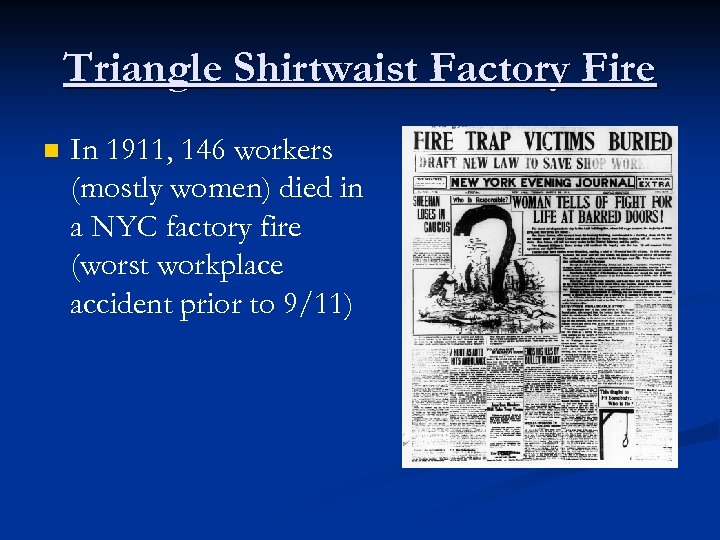 Triangle Shirtwaist Factory Fire n In 1911, 146 workers (mostly women) died in a NYC factory fire (worst workplace accident prior to 9/11)
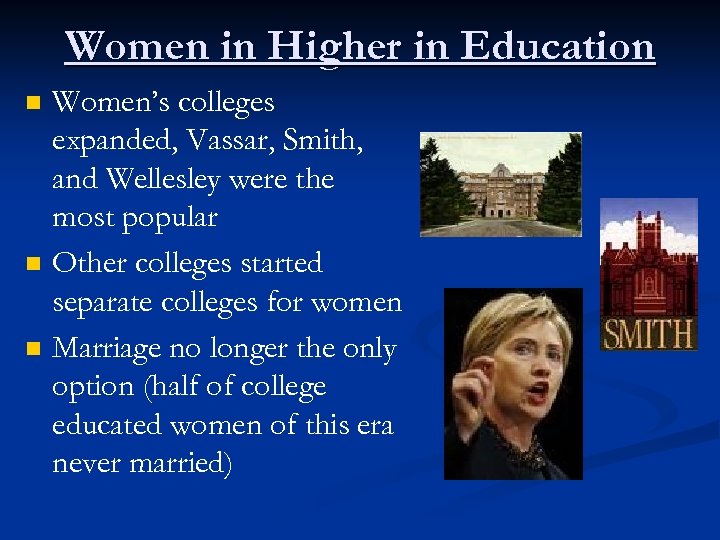 Women in Higher in Education n Women’s colleges expanded, Vassar, Smith, and Wellesley were the most popular Other colleges started separate colleges for women Marriage no longer the only option (half of college educated women of this era never married)
 Women and Reform n n n Women’s reform targeted the workplace, housing, education, and food/drug laws National Association of Colored Women (NACW) worked on education and child care Women also sought the right to vote or suffrage which was led by the National American Women’s Suffrage Association (NAWSA) Liquor industry opposed this as did textile industry n Many men feared the change in power… n
 Winning Strategy for Suffrage n Three part strategy: State n Courts n Amendment n n n First, tried to convince state governments to let women vote Second, pushed the issue through court cases n n Susan B. Anthony voted or attempted to 150 times Third, women pushed for an amendment granting the right to vote
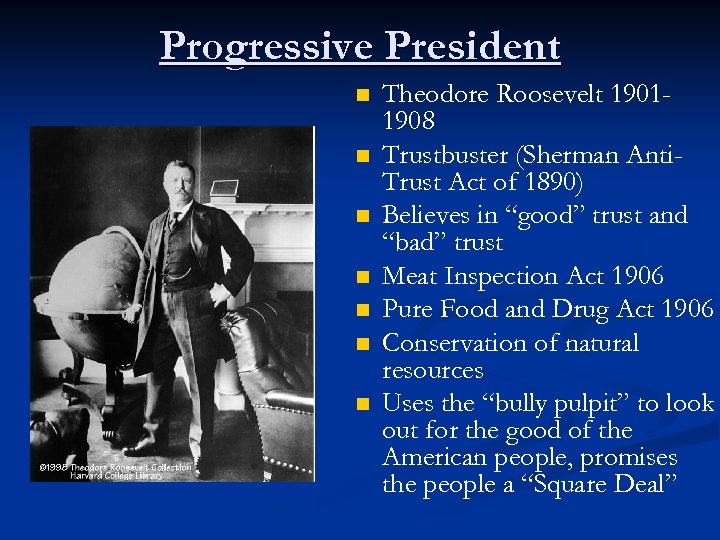 Progressive President n n n n Theodore Roosevelt 19011908 Trustbuster (Sherman Anti. Trust Act of 1890) Believes in “good” trust and “bad” trust Meat Inspection Act 1906 Pure Food and Drug Act 1906 Conservation of natural resources Uses the “bully pulpit” to look out for the good of the American people, promises the people a “Square Deal”
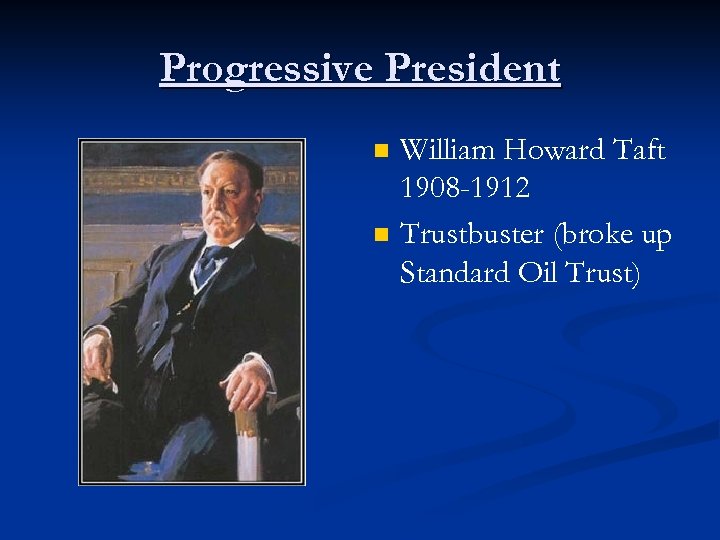 Progressive President n n William Howard Taft 1908 -1912 Trustbuster (broke up Standard Oil Trust)
 Election of 1912 President William Howard Taft, Republican n Woodrow Wilson, Democrat n Theodore Roosevelt, Progressive (Bull Moose) n Roosevelt and Taft divide Republican votes and Woodrow Wilson is elected… n
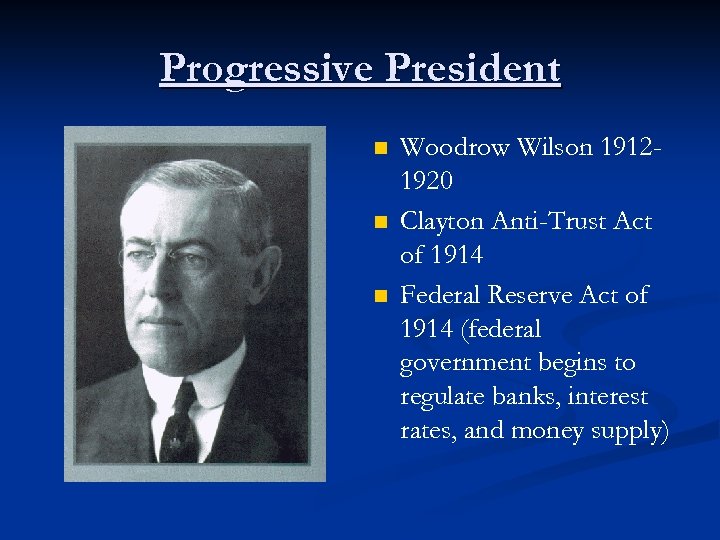 Progressive President n n n Woodrow Wilson 19121920 Clayton Anti-Trust Act of 1914 Federal Reserve Act of 1914 (federal government begins to regulate banks, interest rates, and money supply)
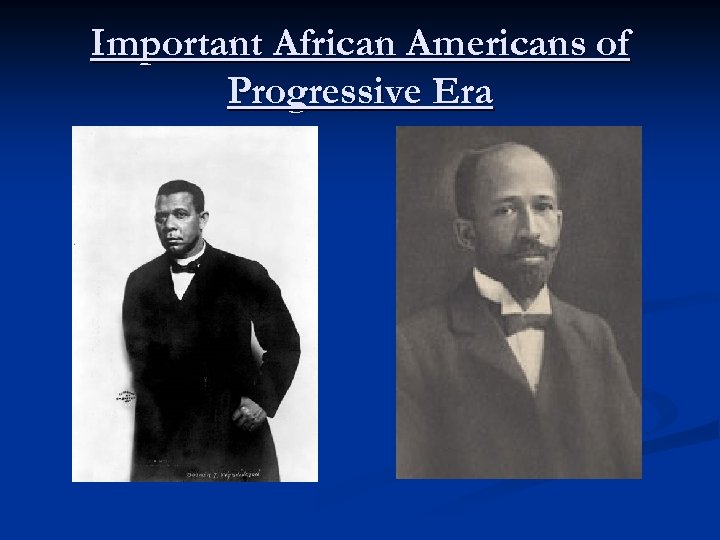 Important African Americans of Progressive Era