


 Скачать презентацию The Principles of the United States Constitution
d186a9c68dac5e928e840b94d0fe15e8.ppt
- Количество слайдов: 39
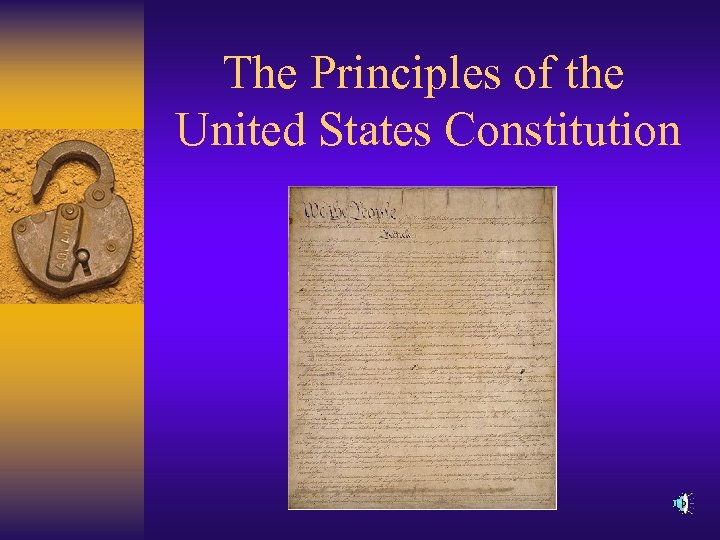 The Principles of the United States Constitution
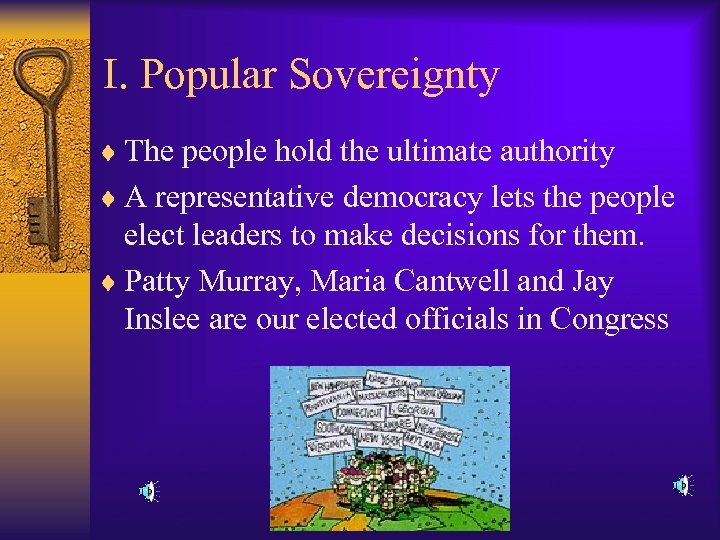 I. Popular Sovereignty ¨ The people hold the ultimate authority ¨ A representative democracy lets the people elect leaders to make decisions for them. ¨ Patty Murray, Maria Cantwell and Jay Inslee are our elected officials in Congress
 II. Limited Government ¨ Framers wanted to guard against tyranny ¨ Government is limited to the power given them in the Constitution. ¨ The Constitution tells how leaders who overstep their power can be removed ¨ Government must adhere to the law
 III. Federalism ¨ The division of power between State and National Governments ¨ Some powers are shared ¨ The National Government has the “supreme power”
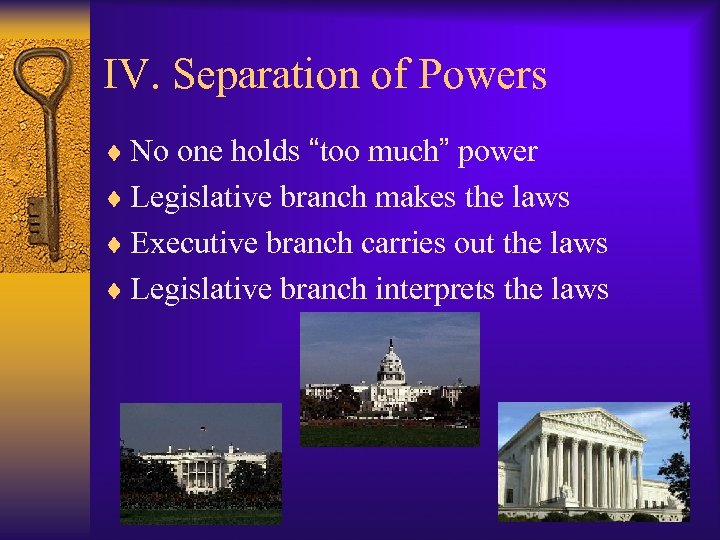 IV. Separation of Powers ¨ No one holds “too much” power ¨ Legislative branch makes the laws ¨ Executive branch carries out the laws ¨ Legislative branch interprets the laws
 Legislative Branch ¨ Senate and House of Representatives ¨ Make our laws ¨ Appropriate Money ¨ Regulate Immigration ¨ Establish Post Offices and Roads ¨ Regulate Interstate Commerce and Transportation ¨ Declare War
 Executive Branch ¨ The President of the United States ¨ Chief Executive ¨ Chief of State ¨ Chief Legislator ¨ Commander in Chief
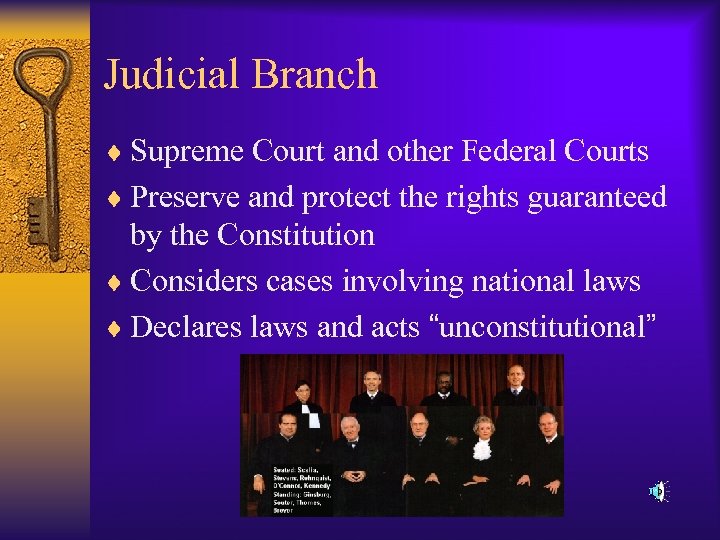 Judicial Branch ¨ Supreme Court and other Federal Courts ¨ Preserve and protect the rights guaranteed by the Constitution ¨ Considers cases involving national laws ¨ Declares laws and acts “unconstitutional”
 V. Checks and Balances ¨ Prevents the abuse of power in government ¨ Each branch can check each other branch
 Executive Checks ¨ Propose laws to Congress ¨ Veto laws made by Congress ¨ Negotiate foreign treaties ¨ Appoint federal judges ¨ Grant pardons to federal offenders
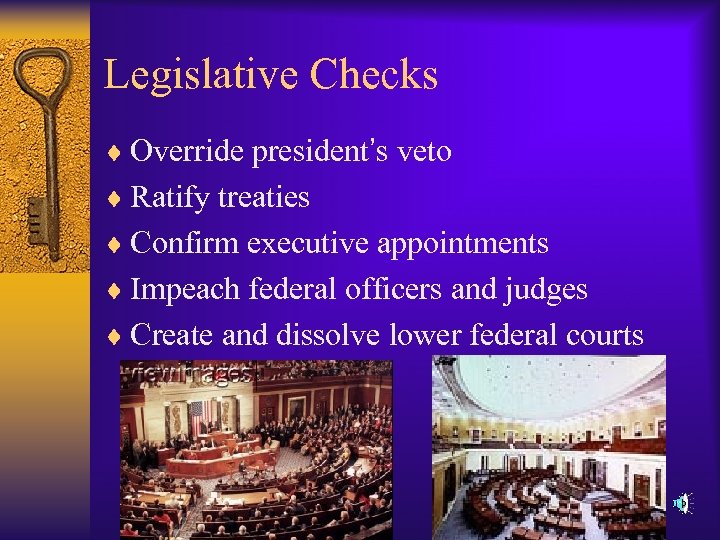 Legislative Checks ¨ Override president’s veto ¨ Ratify treaties ¨ Confirm executive appointments ¨ Impeach federal officers and judges ¨ Create and dissolve lower federal courts
 Judicial Checks ¨ Declare executive acts unconstitutional ¨ Declare laws unconstitutional ¨ Declare acts of Congress unconstitutional ¨ The Supreme Court holds the final check
 Article II Section 1 ¨ Which branch of the government is established by Article II? ¨ Executive ¨ The President’s term in office is ______ years? ¨ 4 ¨ Which amendment regulates the President’s term in office? ¨ 22
 Article II Con’t. ¨ How many consecutive terms can a President serve? ¨ 2 ¨ Maximum number of years a President can serve ¨ 10 ¨ Who actually votes for the President? ¨ Electoral College
 Article II ¨ How many electors is each state granted? ¨ Equal to the number of representatives plus two senators ¨ How many electors does Washington state have? ¨ 12 for the first time! (2012 election)
 Article II ¨ http: //www. 270 towin. com/
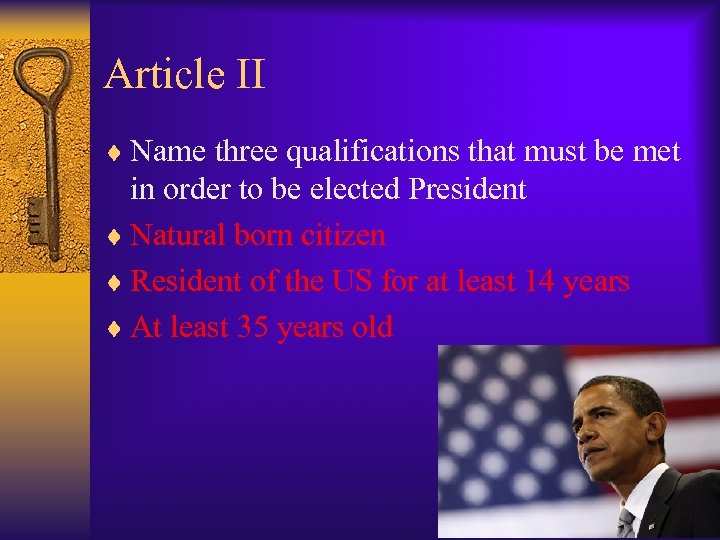 Article II ¨ Name three qualifications that must be met in order to be elected President ¨ Natural born citizen ¨ Resident of the US for at least 14 years ¨ At least 35 years old
 Article II--Presidential Succession ¨ Vice President (Joseph Biden) ¨ Speaker of the House (John Boehner) ¨ President Pro. Tempore (Daniel Inouye) ¨ Secretary of State (Hilary Clinton) ¨ Secretary of Treasury (Timothy Geithner) ¨ Secretary of Defense (Leon Panetta)
 Article II--Presidential Succession ¨ How is this order determined? ¨ In the order the department was established ¨ Attorney General ¨ Secretary of the Interior ¨ Secretary of Agriculture ¨ Secretary of Commerce ¨ Secretary of Labor ¨ Secretary of Health and Human Services
 Article II Presidential succession ¨ Secretary of Health and Human Services ¨ Secretary of Energy ¨ Secretary of Education ¨ Secretary of Transportation ¨ Secretary of Veterans Affairs ¨ Secretary of Housing and Urban Development ¨ Secretary of Homeland Security
 Article II ¨ According to the 25 th amendment, what happens if the office of Vice President becomes vacant? ¨ President names a new VP ¨ Both houses of Congress must approve
 Article II ¨ What two processes are set up to allow the President to temporarily step aside? ¨ Pres. sends note to Speaker of the House and Pres. Pro Tempore stating he/she is unable to perform duties ¨ VP and majority of cabinet address Congress and say President is unable to perform duties
 Article II ¨ On what date is the President sworn into office? ¨ January 20 th ¨ What was the date before the 20 th amendment changed it? ¨ March 4 rth ¨ This is called the LAME DUCK amendment
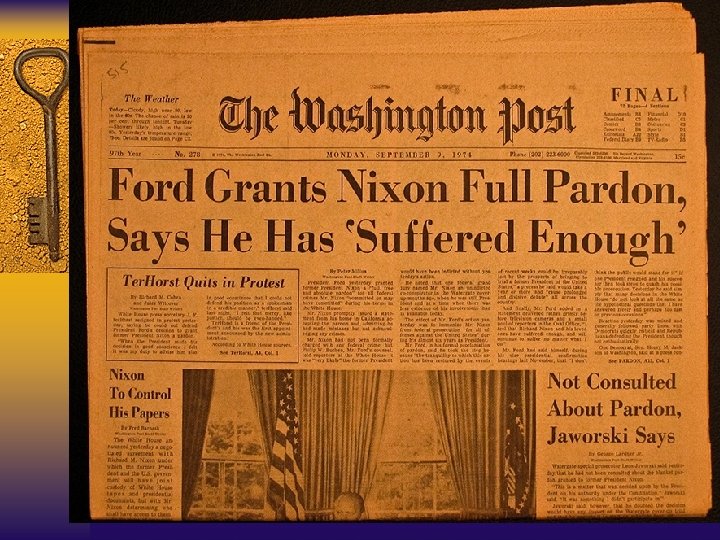
 Article II Section 2 ¨ The President is the “Commander in Chief” of ____ ? _____ ¨ All armed forces ¨ The President has the power to grant reprieves and Pardons for offenses Legal forgiveness Delay the execution of a sentence
 Advice and Consent ¨ President has the power with advice and consent of Senate to do the following: ¨ Make treaties ¨ Appoint ambassadors and public ministers ¨ Appoint justices to the Supreme court ¨ Appoint other officers not provided for in the constitution
 Senatorial Courtesy ¨ If the President is making an appointment, he will first talk to the senators from that state to get approval
 Article II ¨ What fraction must approve a treaty? ¨ 2/3 ¨ What fraction must approve all other appointments? ¨ Simple majority (51%)
 Duties of the President ¨ State of the Union address; propose new legislation ¨ Call congress together in emergencies, convene and adjourn Congress ¨ Receive Ambassadors and Public Ministers ¨ Execute the laws of the US
 Article II ¨ On what charges can a President be impeached? ¨ Treason, bribery, federal crimes and misdemeanors
 Article III ¨ Which branch is established? ¨ Judicial power is vested in one supreme court and in lower (inferior) courts as Congress shall ordain and establish ¨ Judges serve for how long? ¨ Life in “good behavior” ¨ Highest court in the land? ¨ US Supreme court
 Article III ¨ How many justices on the Supreme Court? ¨ 9 ¨ Who determines this? ¨ Congress ¨ Current Chief Justice ¨ John Roberts (Bush 2005) ¨ First African American ¨ Thurgood Marshall
 Article III ¨ First female Justice? ¨ Sandra Day O’Connor ¨ Newest Justice ¨ Elena Kagan (Obama 2010) ¨ Who appoints Justices? ¨ President ¨ How long do they hold office? ¨ For life
 Court System ¨ Jurisdiction: ¨ The power to hear a given case (area of authority) ¨ Original jurisdiction: ¨ The lowest level at which a case may be heard. It is a trail court where facts and evidence are decided.
 Court system ¨ What court has original jurisdiction in most federal cases? ¨ US district court ¨ Appellate Jurisdiction ¨ A higher court that can decide whether the law was correctly applied in a given case.
 Article IV ”Full faith and Credit Clause” Each state must honor and accept legal proceedings of every other state For example: Marriages Divorces Court orders
 Extradition ¨ Legal order requesting one state to turn over a fugitive wanted in another state
 Article V ¨ Whenever 2/3 of Congress thinks it is necessary, they may suggest changes to the Constitution. When 2/3 of states asks them to , Congress shall call a convention to suggest amendments. Proposed amendments n=must have approval of ¾ of states legislatures or conventions of ¾ of states to become part of the Constitution.
 Article VI ¨ National Supremacy: ¨ The Constitution, the laws passed by Congress and our treaties shall be the Supreme law of the land. ¨ Judges in every state must make their decision according to this law, even if their own constitution and laws disagree.