 Скачать презентацию The mechanism of passive transport Learning objective
Passive transport.pptx
- Количество слайдов: 25



The mechanism of passive transport
Learning objective • to explain the mechanism of passive transport
Success criteria • Describe types of passive transport in an oral or written form. • Explain passive transport mechanism. • In order to achieve learning objectives fulfill correctly at least 80% of work.
Terminology • • • • Passive transport Diffusion Facilitate diffusion Osmosis Concentration gradient Channel proteins Gate Carrier proteins Plasma membrane/permeable membrane Randomly Passive movement Lower/high solute concentration Isotonic/hypertonic/hypotonic
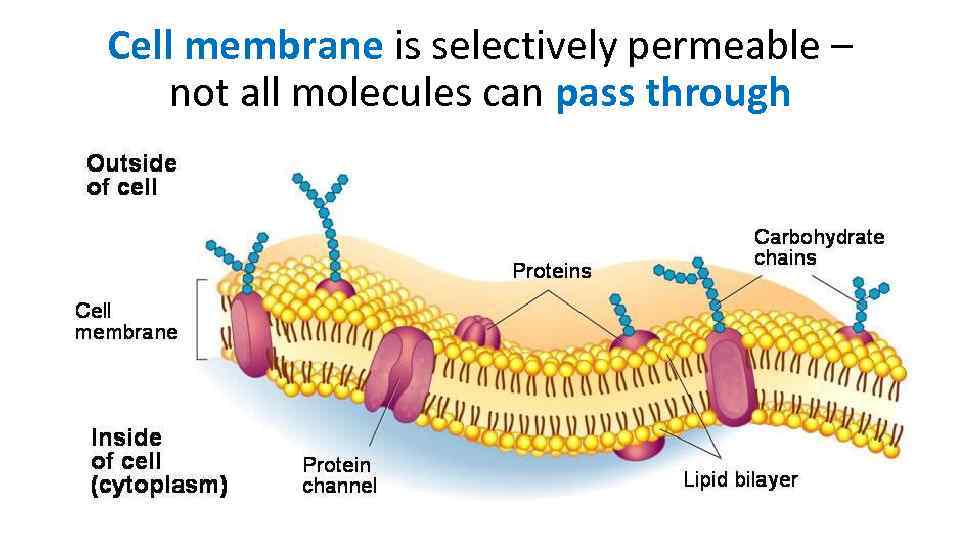
Cell membrane is selectively permeable – not all molecules can pass through
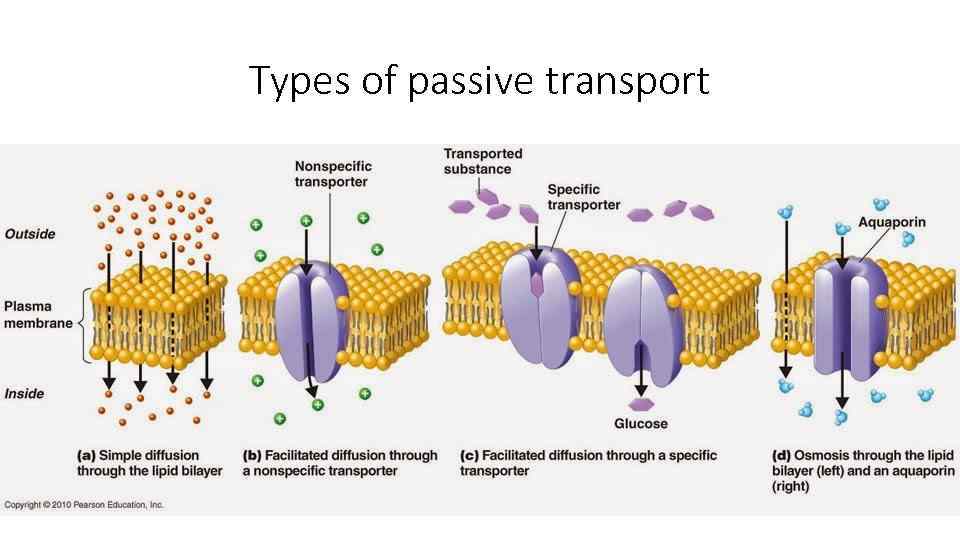
Types of passive transport
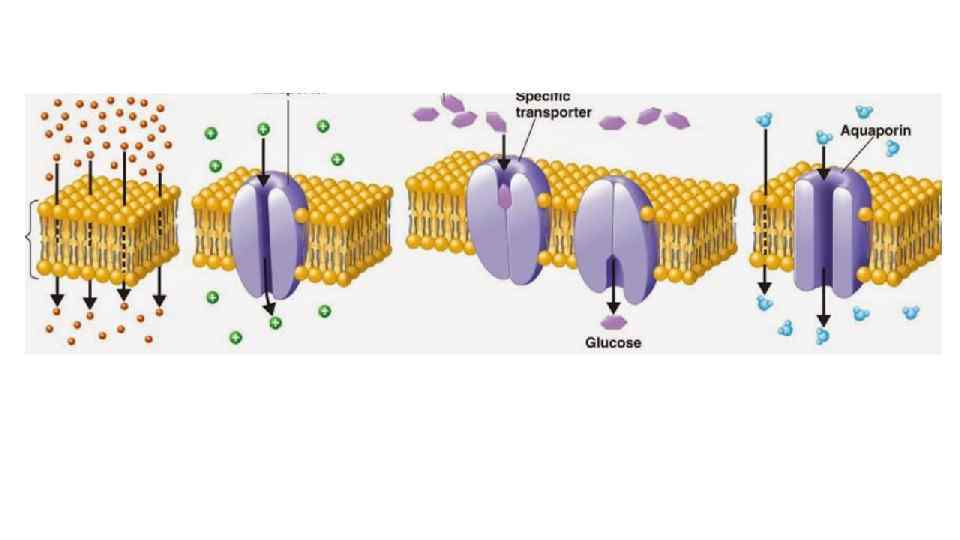
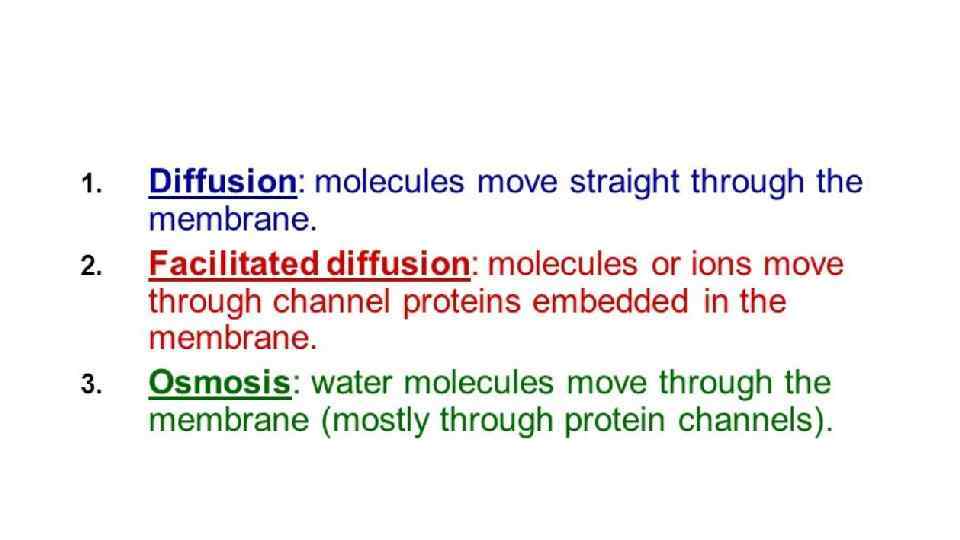
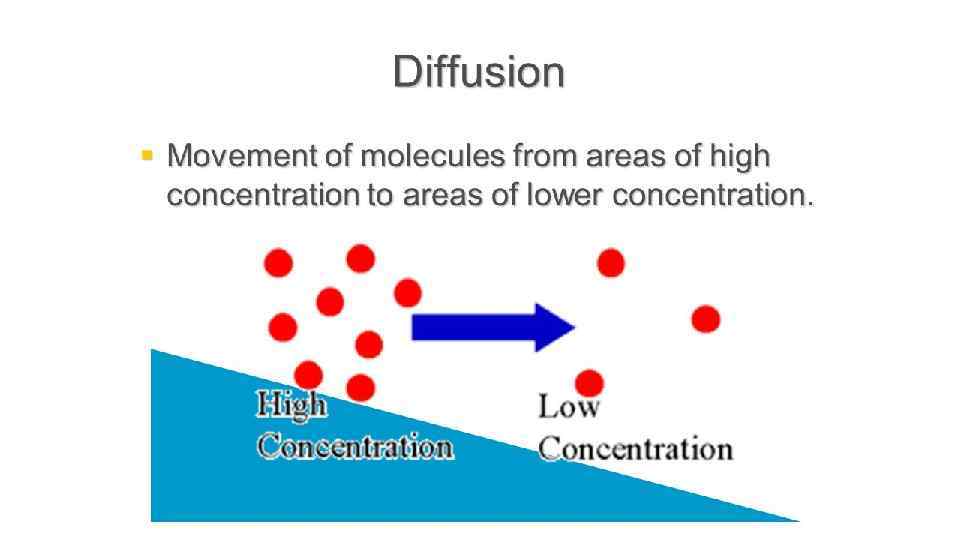
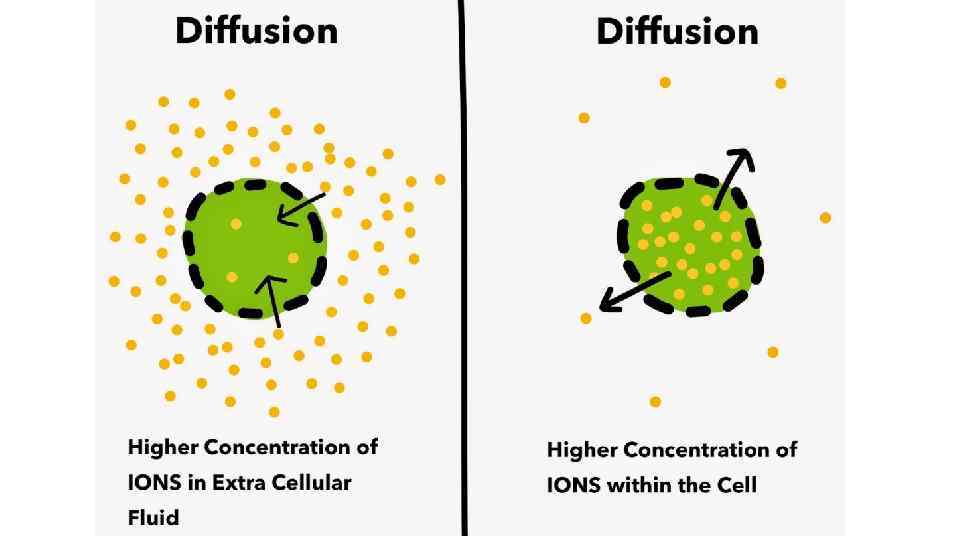
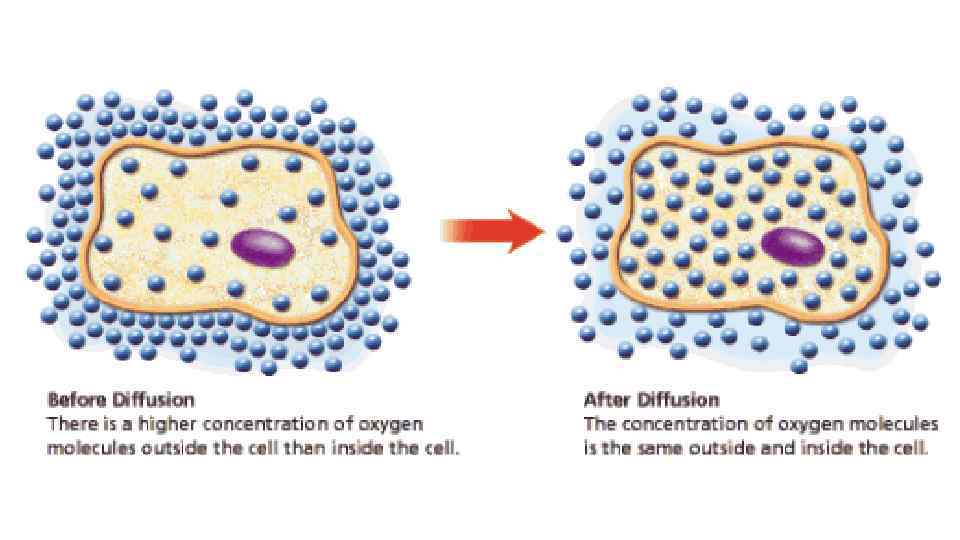
Passive transport The movement of substances down a concentration gradient from an area of high concentration to an area of lower concentration without the need for energy to be used. 3 types are passive transport: • Simple diffusion • Facilitate diffusion • Osmosis
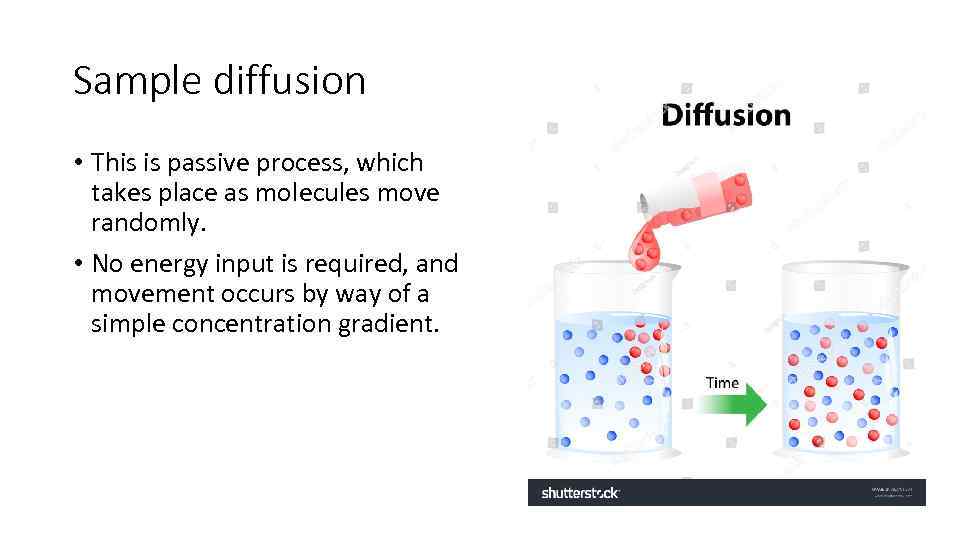
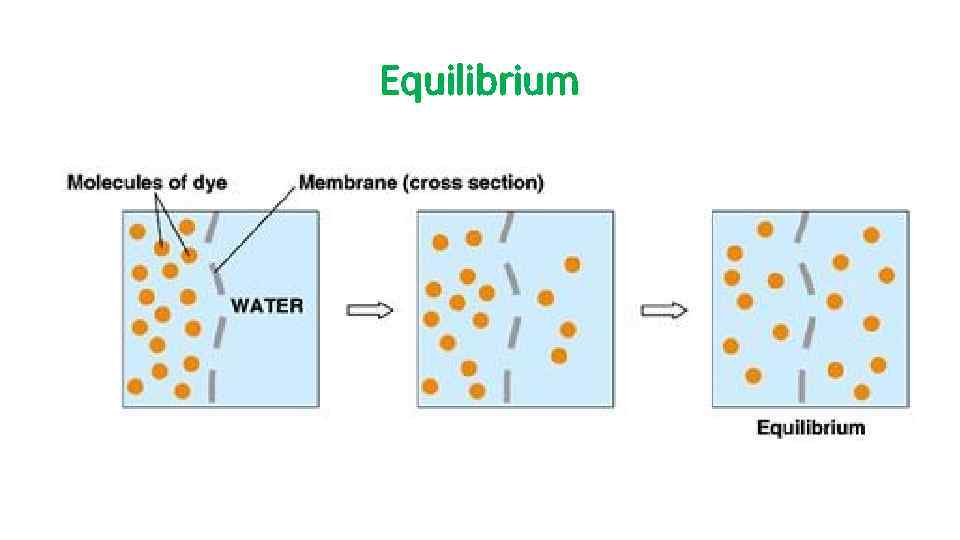
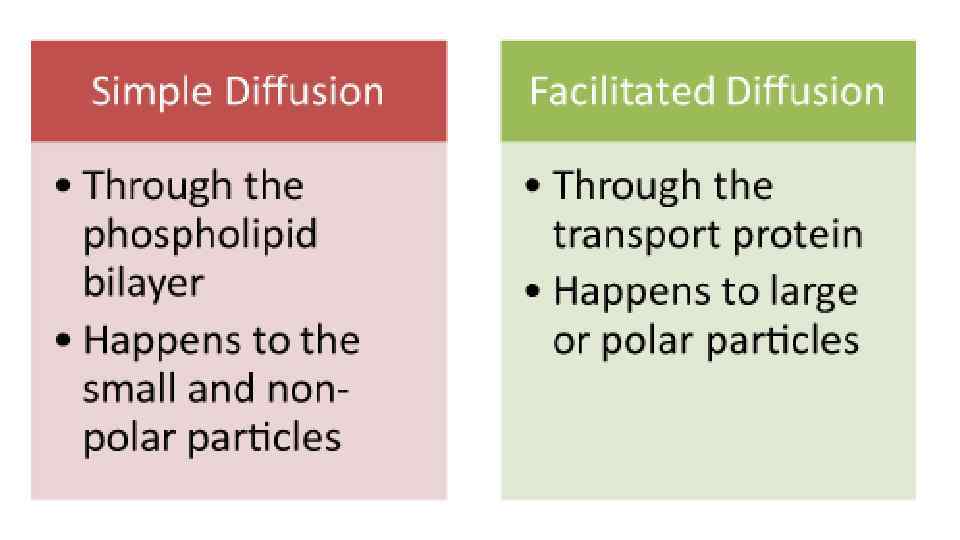
Sample diffusion • This is passive process, which takes place as molecules move randomly. • No energy input is required, and movement occurs by way of a simple concentration gradient.
Equilibrium
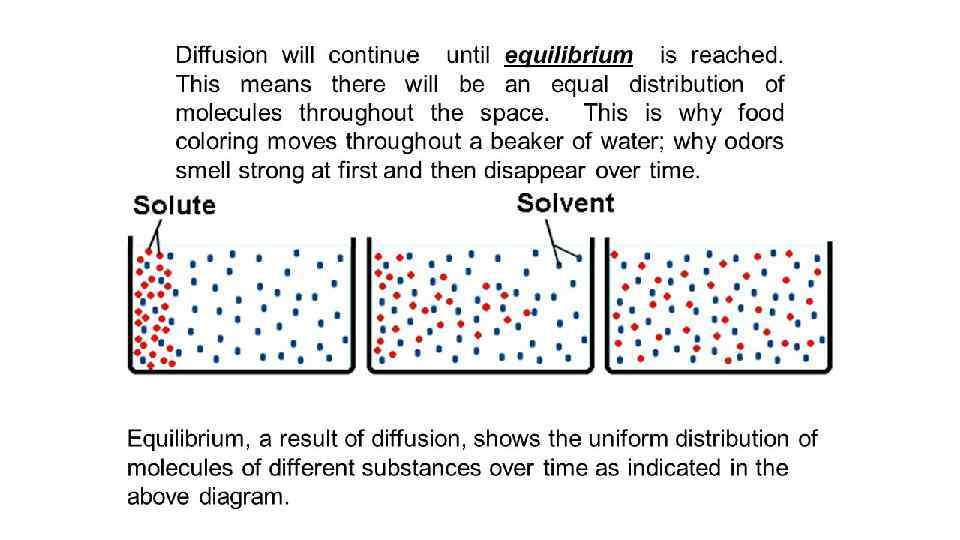
Sample diffusion • Many molecules pass into and out of cells by diffusion, for example: • Oxygen • CO 2 • Water
Facilitated diffusion Many polar molecules movement through channel proteins. Polar molecules cannot diffuse through the lipid bilayer of the membrane. Carrier protein first combines with the diffusing molecules on one side of the membrane, carries them through the channel protein and releases them on the other side. Faster then sample diffusion. No ATP energy input.
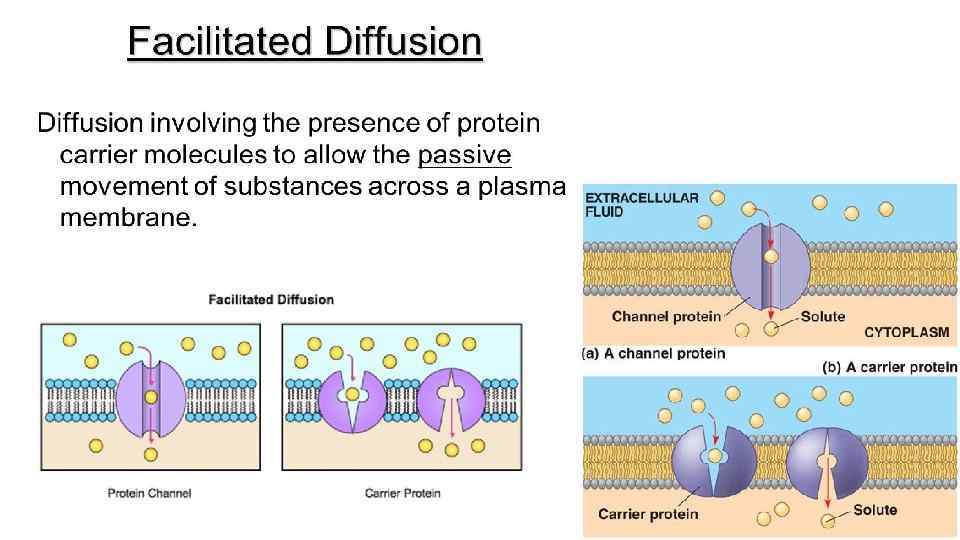
Facilitated diffusion • The movement of substances down a concentration gradient from an area of high concentration to an area of lower concentration without the need for energy to be used.
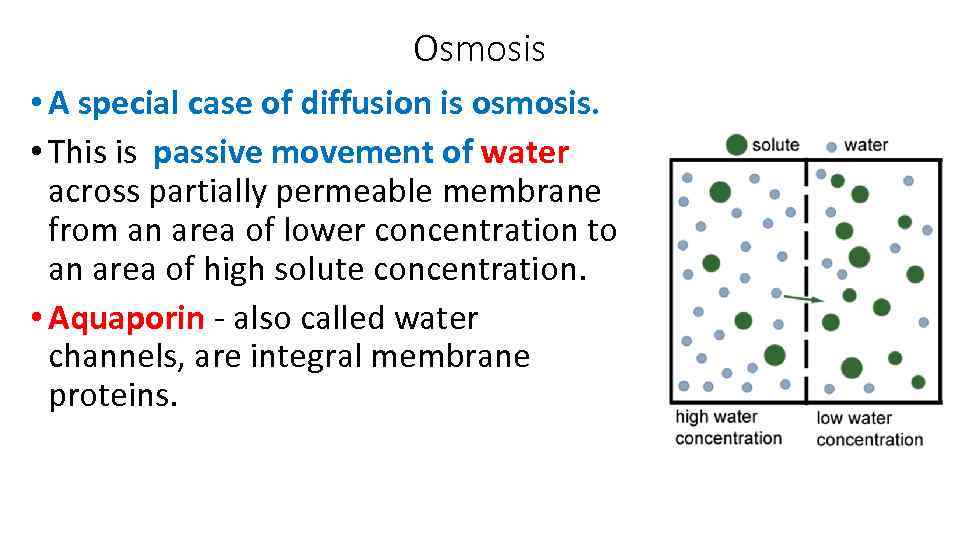
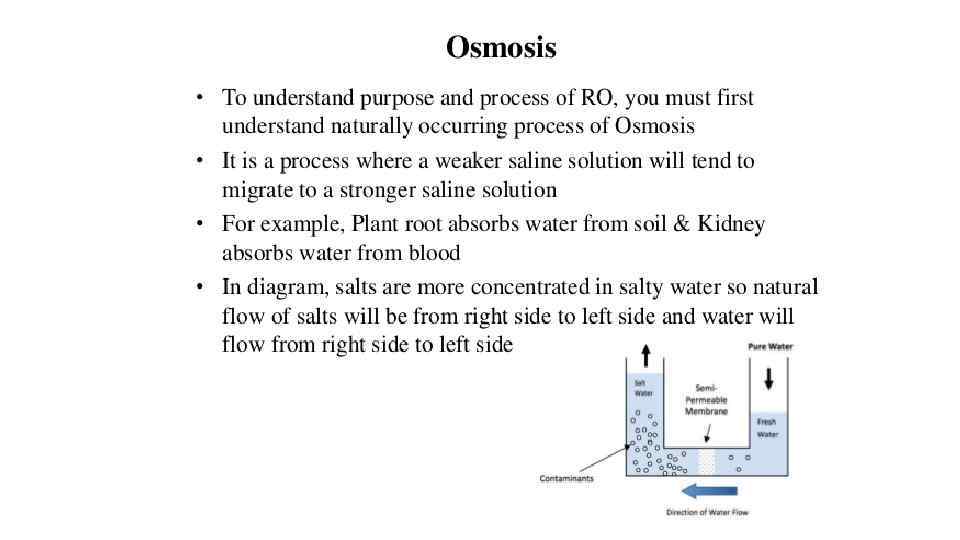
Osmosis • A special case of diffusion is osmosis. • This is passive movement of water across partially permeable membrane from an area of lower concentration to an area of high solute concentration. • Aquaporin - also called water channels, are integral membrane proteins.
Success criteria • Describe types of passive transport in an oral or written form. • Explain passive transport mechanism. • In order to achieve learning objectives fulfill correctly at least 80% of work.
 Скачать презентацию The mechanism of passive transport Learning objective
Passive transport.pptx