


 Скачать презентацию The Manchester City Region Karen Tierney Greater Manchester
d1a23b757bc810539b6d5d14f2080360.ppt
- Количество слайдов: 16
 The Manchester City Region Karen Tierney, Greater Manchester Strategy Coordinator
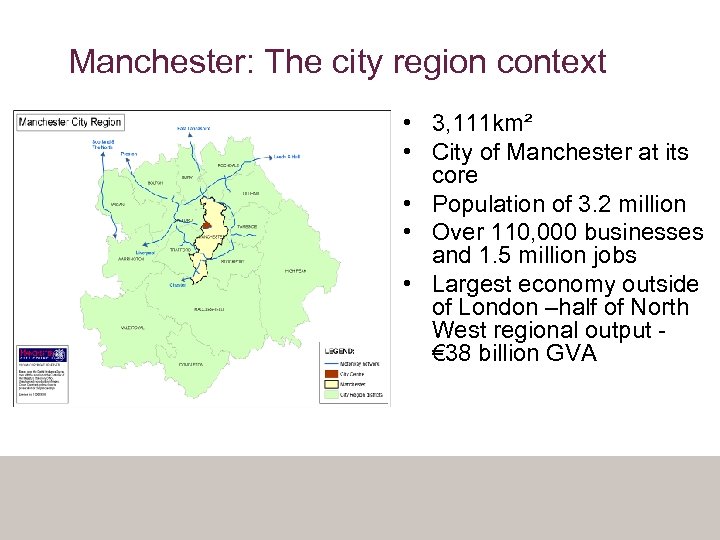 Manchester: The city region context • 3, 111 km² • City of Manchester at its core • Population of 3. 2 million • Over 110, 000 businesses and 1. 5 million jobs • Largest economy outside of London –half of North West regional output € 38 billion GVA
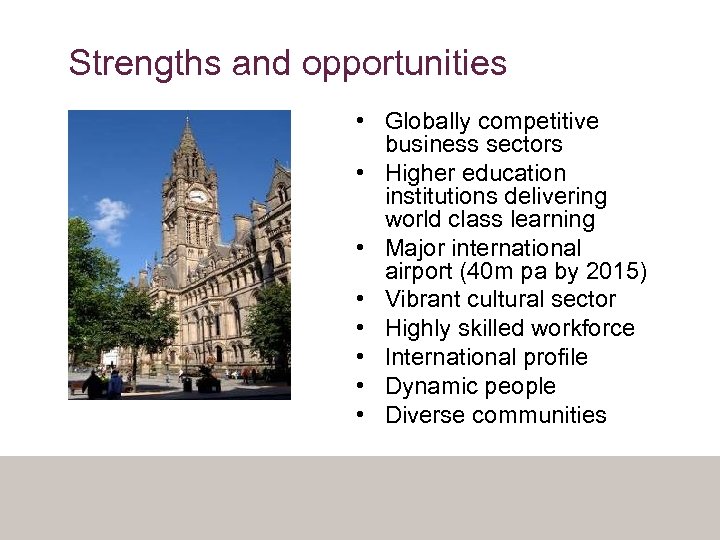 Strengths and opportunities • Globally competitive business sectors • Higher education institutions delivering world class learning • Major international airport (40 m pa by 2015) • Vibrant cultural sector • Highly skilled workforce • International profile • Dynamic people • Diverse communities
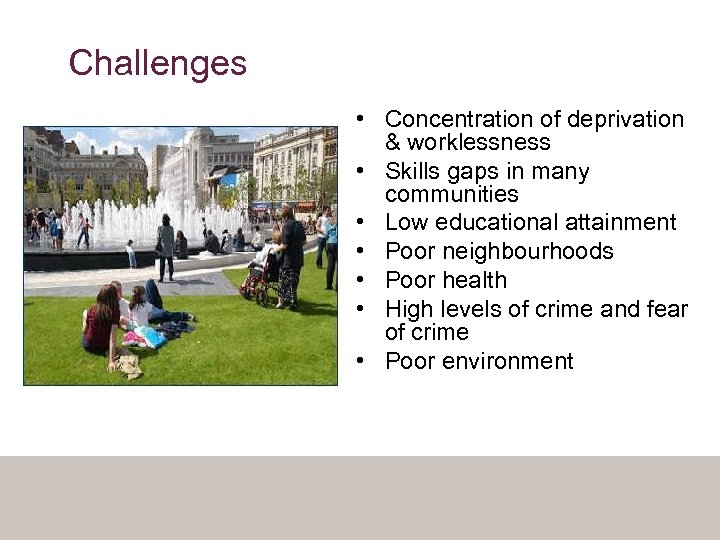 Challenges • Concentration of deprivation & worklessness • Skills gaps in many communities • Low educational attainment • Poor neighbourhoods • Poor health • High levels of crime and fear of crime • Poor environment
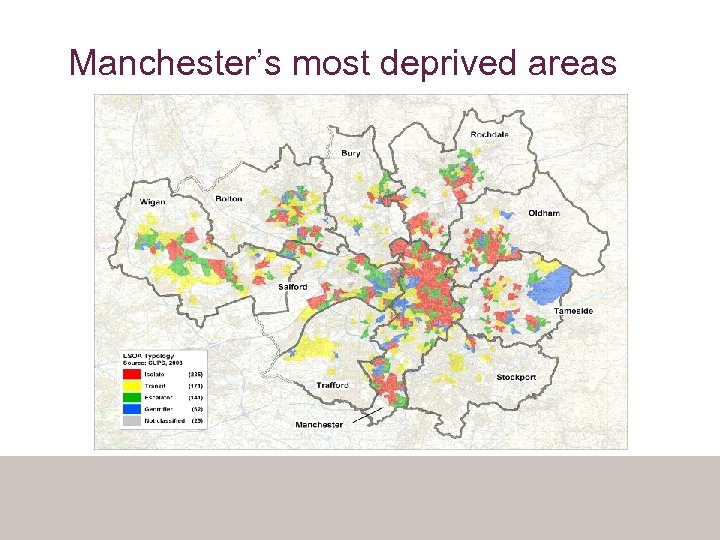 Manchester’s most deprived areas ’
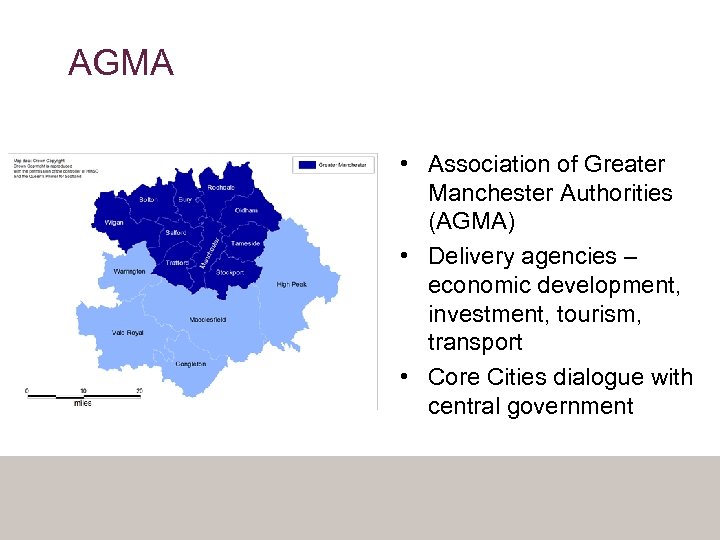 AGMA • Association of Greater Manchester Authorities (AGMA) • Delivery agencies – economic development, investment, tourism, transport • Core Cities dialogue with central government
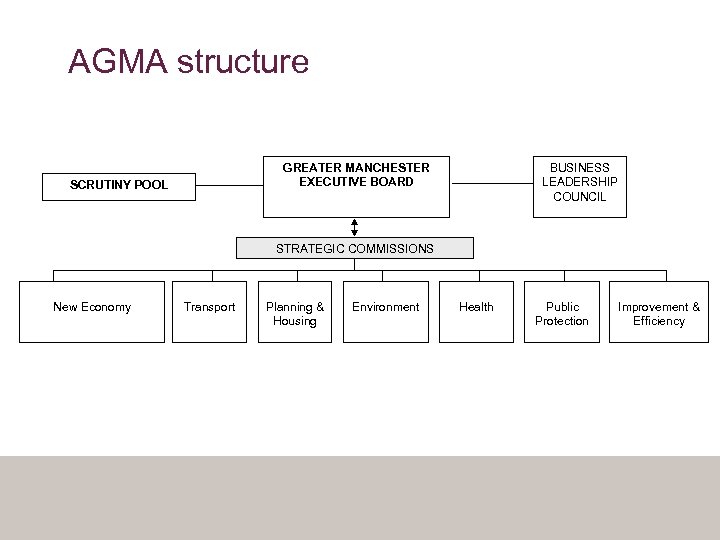 AGMA structure GREATER MANCHESTER EXECUTIVE BOARD SCRUTINY POOL BUSINESS LEADERSHIP COUNCIL STRATEGIC COMMISSIONS New Economy Transport Planning & Housing Environment Health Public Protection Improvement & Efficiency
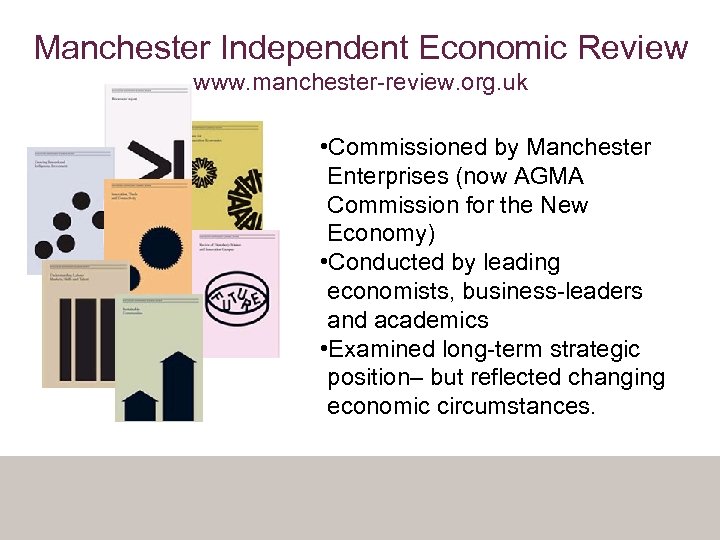 Manchester Independent Economic Review www. manchester-review. org. uk • Commissioned by Manchester Enterprises (now AGMA Commission for the New Economy) • Conducted by leading economists, business-leaders and academics • Examined long-term strategic position– but reflected changing economic circumstances.
 MIER: key recommendations • Manchester city region ‘punching below its weight’ economically • Early years • Housing & planning strategies • Transport planning and connectivity • Unified regime for planning, regeneration & neighbourhood renewal • Effective city region governance structure
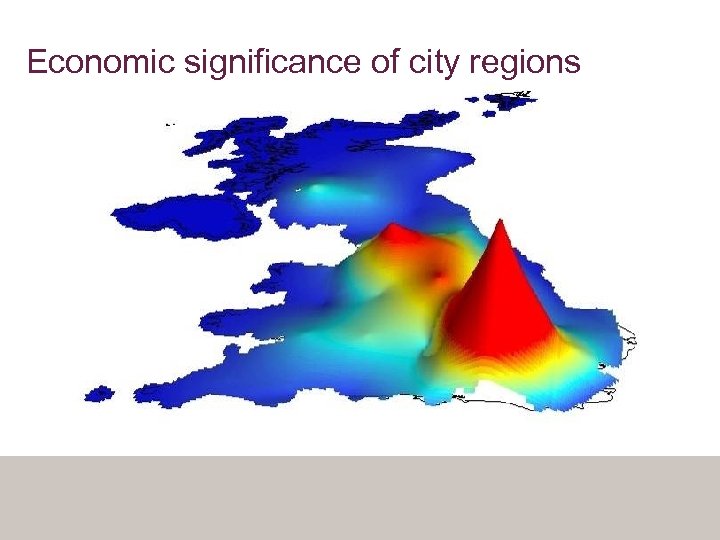 Economic significance of city regions
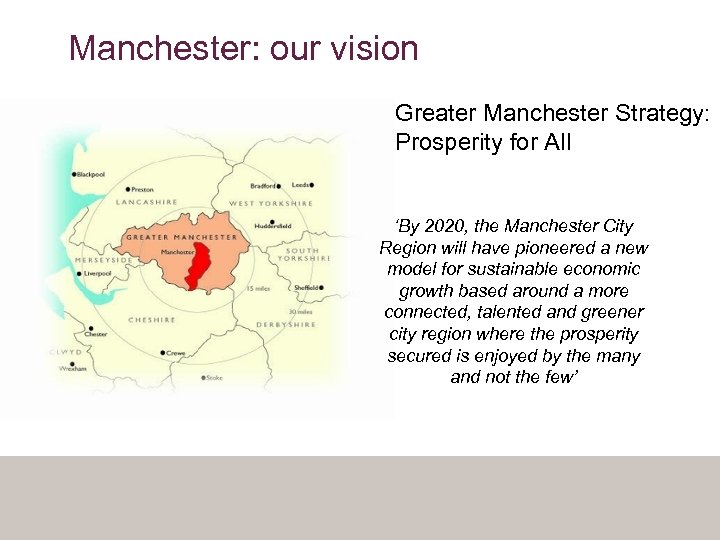 Manchester: our vision Greater Manchester Strategy: Prosperity for All ‘By 2020, the Manchester City Region will have pioneered a new model for sustainable economic growth based around a more connected, talented and greener city region where the prosperity secured is enjoyed by the many and not the few’
 Statutory City Region • Own skills policy and 16 -19 education • Housing and regeneration investment • Transport powers similar to Transport for London • The UK’s fourth low carbon economic area (LCEA) • Place pilots for early years, better life chances, housing and low carbon economy
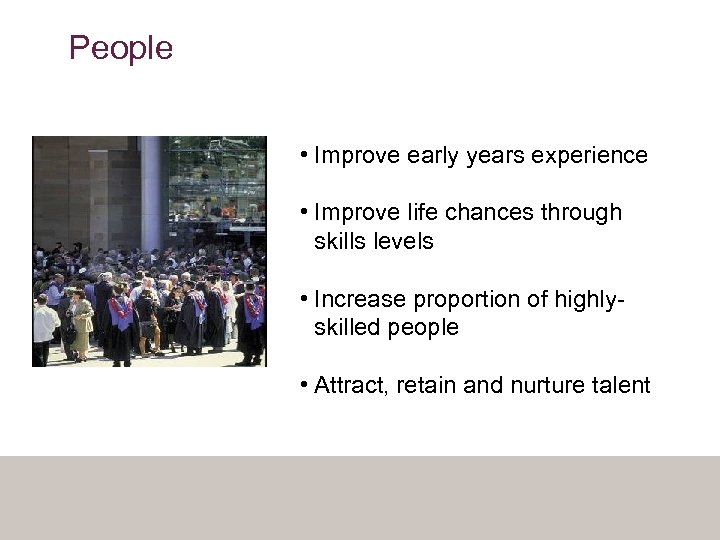 People • Improve early years experience • Improve life chances through skills levels • Increase proportion of highlyskilled people • Attract, retain and nurture talent
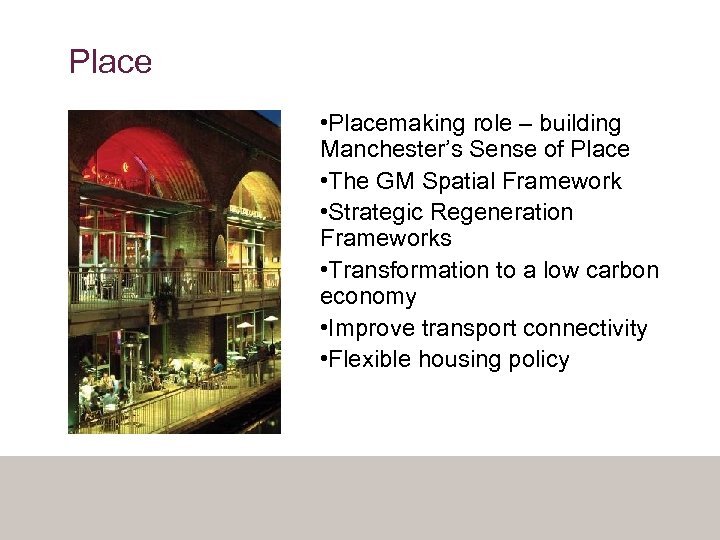 Place • Placemaking role – building Manchester’s Sense of Place • The GM Spatial Framework • Strategic Regeneration Frameworks • Transformation to a low carbon economy • Improve transport connectivity • Flexible housing policy
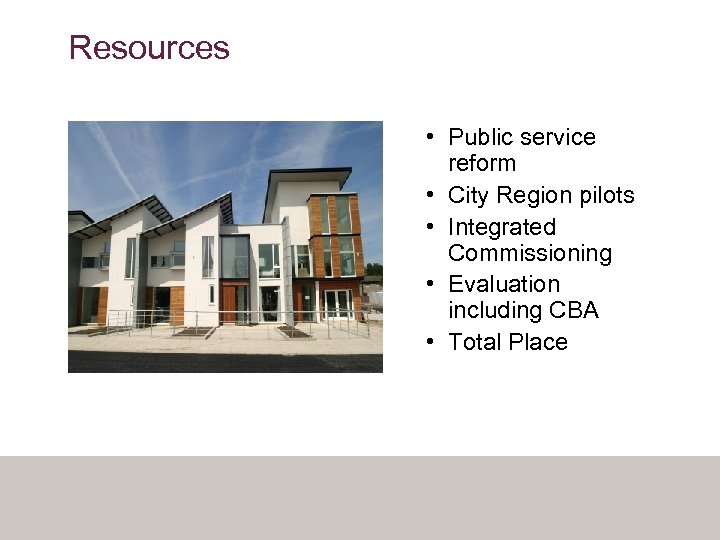 Resources • Public service reform • City Region pilots • Integrated Commissioning • Evaluation including CBA • Total Place
 Conclusions • Increasing importance of city regions in the UK economy • Huge opportunities for Manchester city region but challenges remain • Clear about our vision and strategy • Statutory City Region status and devolved powers • People, Place, Resources and Governance are vital