


 Скачать презентацию THE LOUD CRY OF NATURE IS IT AN
679d9eddb45e0851a101e9fba29683fa.ppt
- Количество слайдов: 34
 THE LOUD CRY OF NATURE: IS IT AN ISSUE OF FAILED ENVIRONMENTAL GOVERNANCE OR A NATURAL LOSS OF BIODIVERSITY By: Patrick Byakagaba
 OUTLINE • Definition of concepts • Link between Environmental Ethics and Governance • Ethical approaches dominating valuation of the natural environment • Principles of Good Environmental Governance • Requirements for Effective Environmental Governance • Environmental Governance in Uganda • Other causes of Biodiversity Loss in Uganda • Conclusion
 ENVIRONMENTAL GOVERNANCE • Environmental Governance comprises the rules, practices, policies and institutions that shape how humans interact with the environment • It concerns how the decisions are made, with a particular emphasis on the need for citizens, interest groups, and communities generally, to participate and have their voices heard in making environmental decisions
 Link between Environmental Ethics and Governance • Environmental ethics is about how we ought to act towards the environment • There are many different perspectives on what represents "right" • It is critical to understand some of these views, in order to understand the behaviour of various actors in relation to environment management • The environmental ethics espoused by a country will shape her environmental governance principles
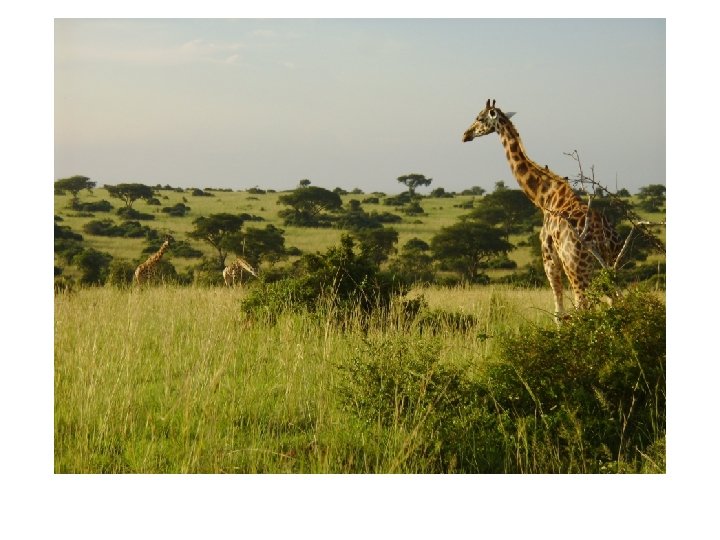
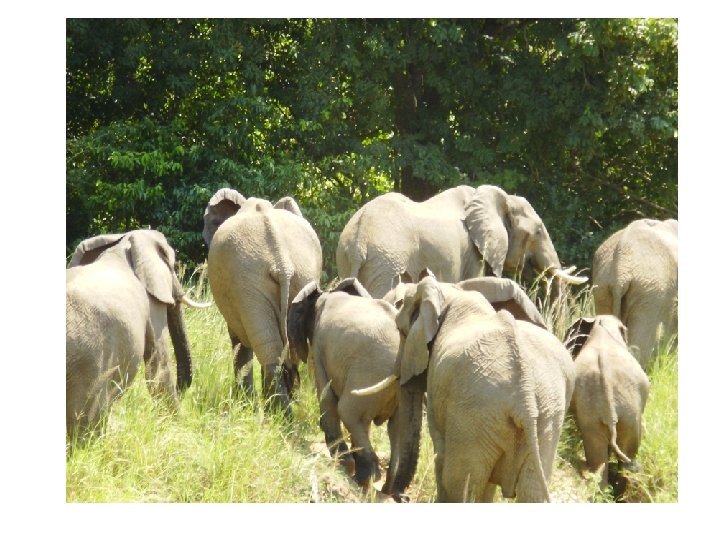
 Ethical approaches dominating valuation of the natural environment Allan Marshal’s views Libertarian extension -This approach suggests a commitment to extend equal rights to all members of a community -The broader definition of community is applied here i. e. Nonhumans as well as humans -This approach argues for the recognition of the intrinsic value of the all organisms in the environment - Any body who does not appreciate the value of other organisms would be perceived as not being environmentally conscious.

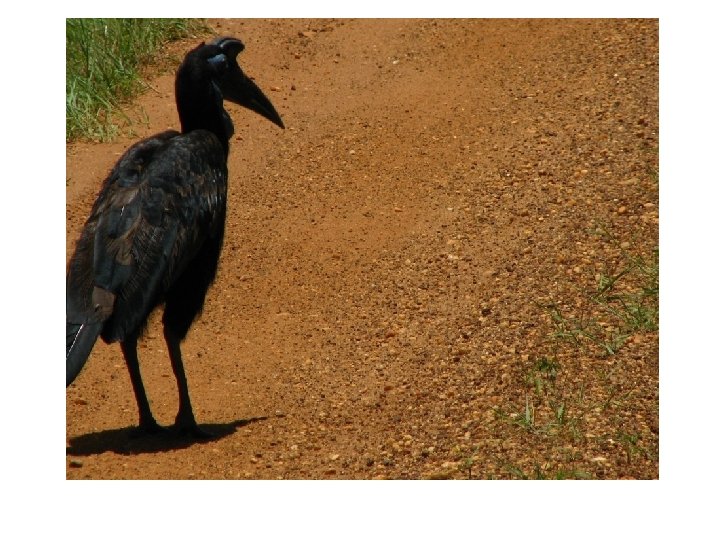
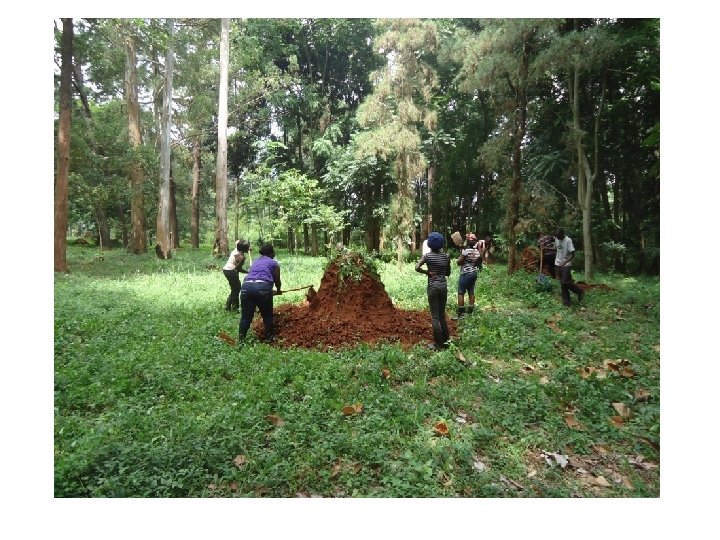
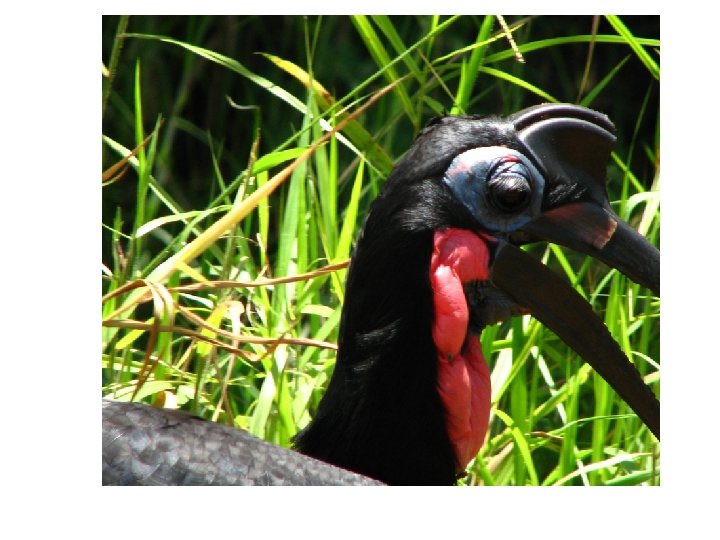
 Ethical approaches dominating valuation of the natural environment Ecologic extension/deep ecology/biocentrism • Ecologic extension places emphasis on the recognition of the fundamental interdependence of all biotic (and some abiotic) entities and their essential diversity • It is considered to be based on science • It argues for intrinsic value inherent in collective ecological entities like ecosystems or the global environment as a whole entity. • The planet is characterized as a unified, holistic entity with ethical worth of which the human race is of no particular significance in the long run.
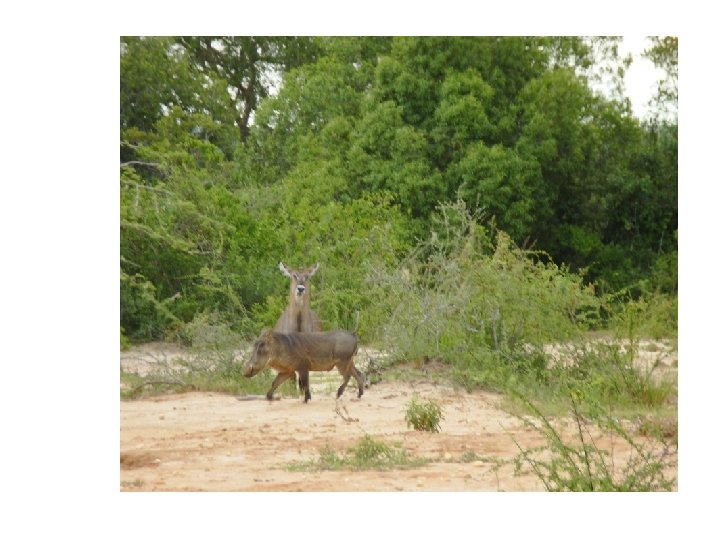

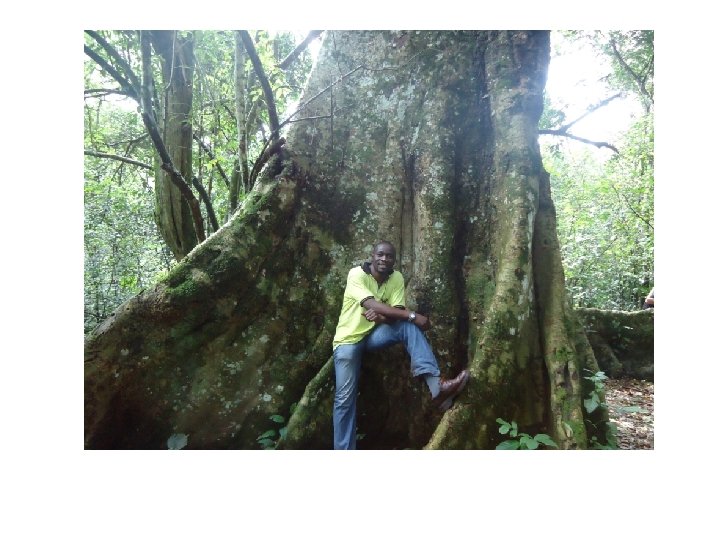
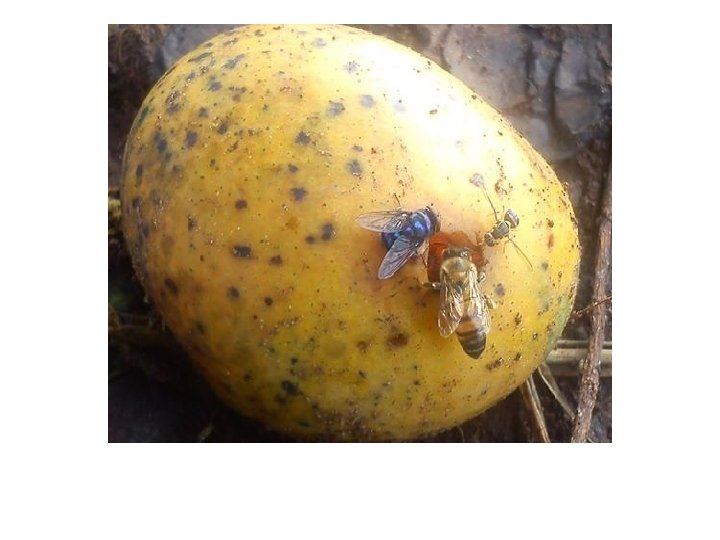
 Ethical approaches dominating valuation of the natural environment Conservation Approach • It focuses only on the worth of the environment in terms of its utility or usefulness to humans • argues for the conservation of the environment on the basis that it has extrinsic value – critical to the welfare of human beings • Most of the Rio- principles were generated based on this approach
 Ethical approaches dominating valuation of the natural environment Applied Theology • Christianity and Islam teach that the earth was created by God and man is supposed to be accountable to God in the way earth resources are used • The earth is perceived to be valuable to God and therefore man is expected to use it in a way that would please God

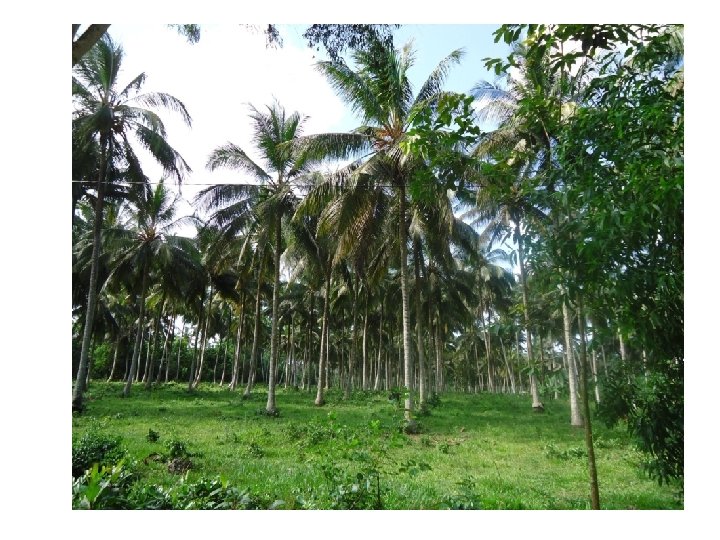
 Ethical approaches dominating valuation of the natural environment Anthropocentrism • Places humans at the centre of the universe • Humans are the measure of all value • Therefore, everything else in existence is evaluated in terms of its utility for humans.
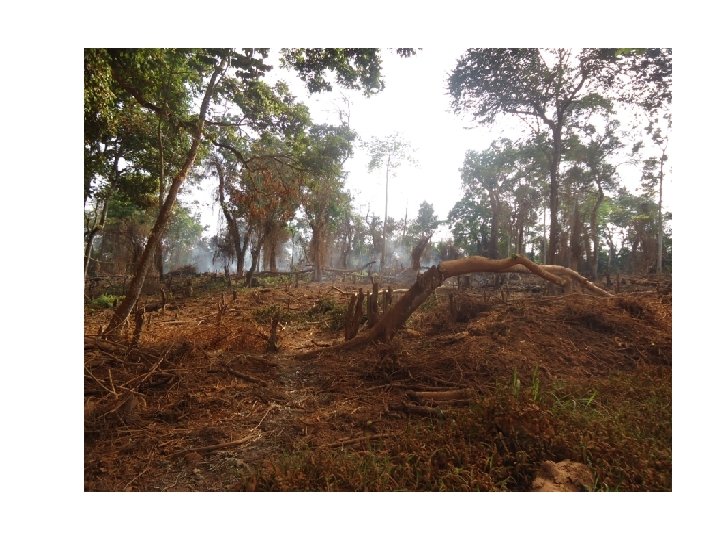
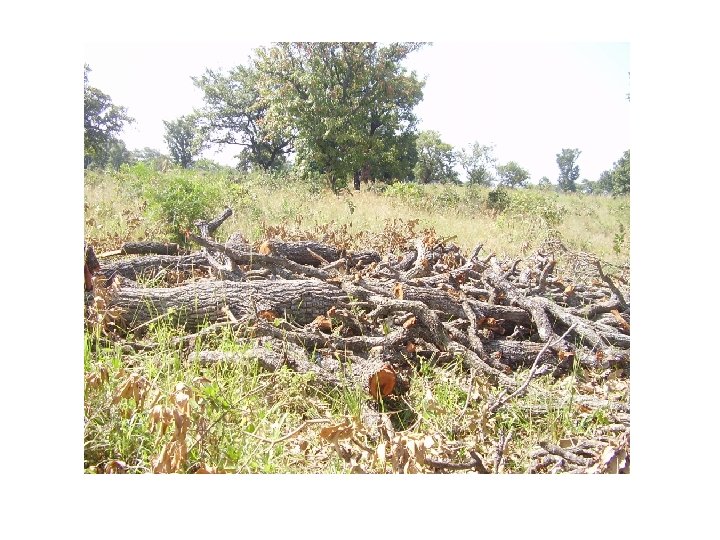
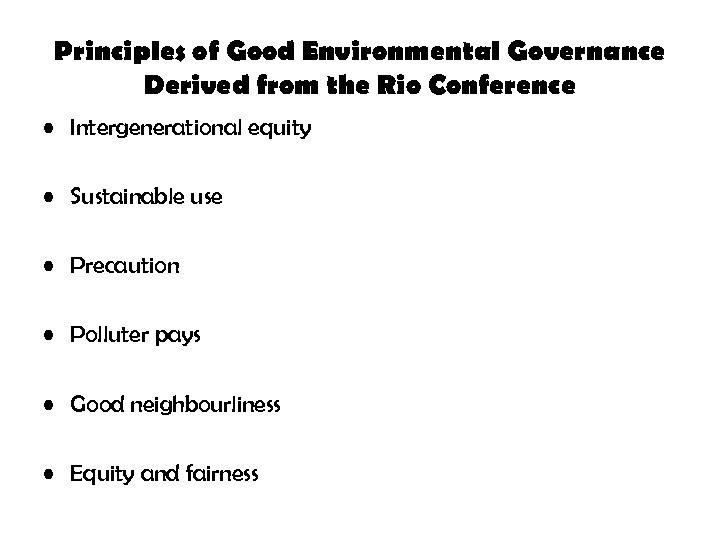 Principles of Good Environmental Governance Derived from the Rio Conference • Intergenerational equity • Sustainable use • Precaution • Polluter pays • Good neighbourliness • Equity and fairness
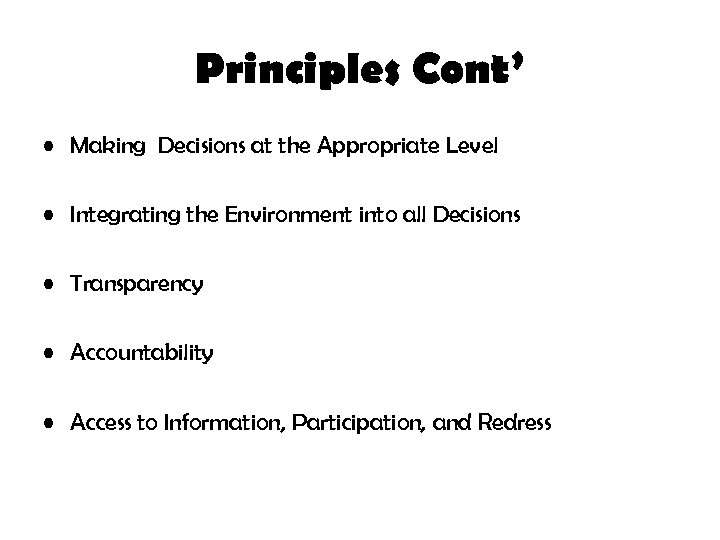 Principles Cont’ • Making Decisions at the Appropriate Level • Integrating the Environment into all Decisions • Transparency • Accountability • Access to Information, Participation, and Redress
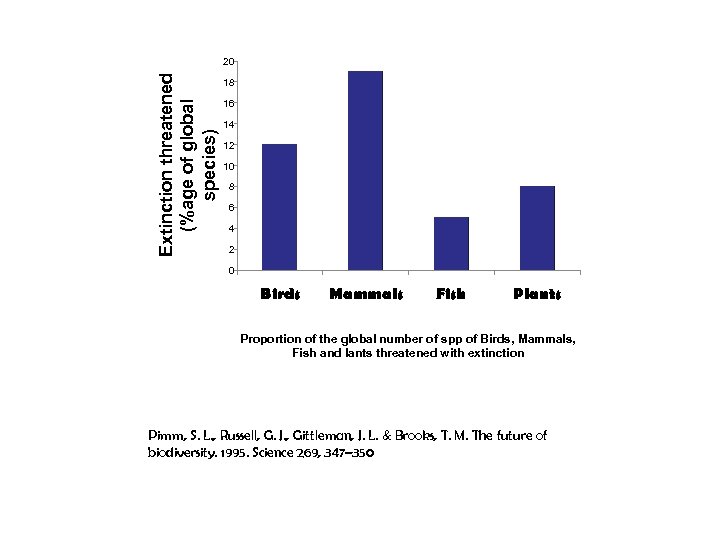 Extinction threatened (%age of global species) 20 18 16 14 12 10 8 6 4 2 0 Birds Mammals Fish Plants Proportion of the global number of spp of Birds, Mammals, Fish and lants threatened with extinction Pimm, S. L. , Russell, G. J. , Gittleman, J. L. & Brooks, T. M. The future of biodiversity. 1995. Science 269, 347– 350
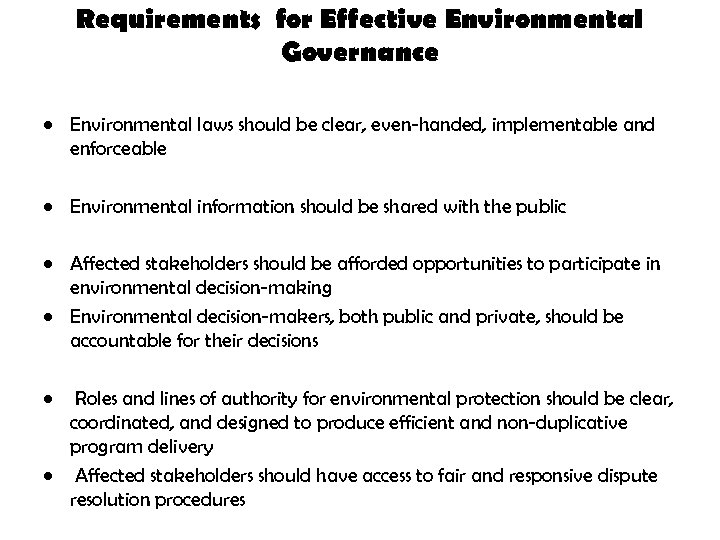 Requirements for Effective Environmental Governance • Environmental laws should be clear, even-handed, implementable and enforceable • Environmental information should be shared with the public • Affected stakeholders should be afforded opportunities to participate in environmental decision-making • Environmental decision-makers, both public and private, should be accountable for their decisions • Roles and lines of authority for environmental protection should be clear, coordinated, and designed to produce efficient and non-duplicative program delivery • Affected stakeholders should have access to fair and responsive dispute resolution procedures
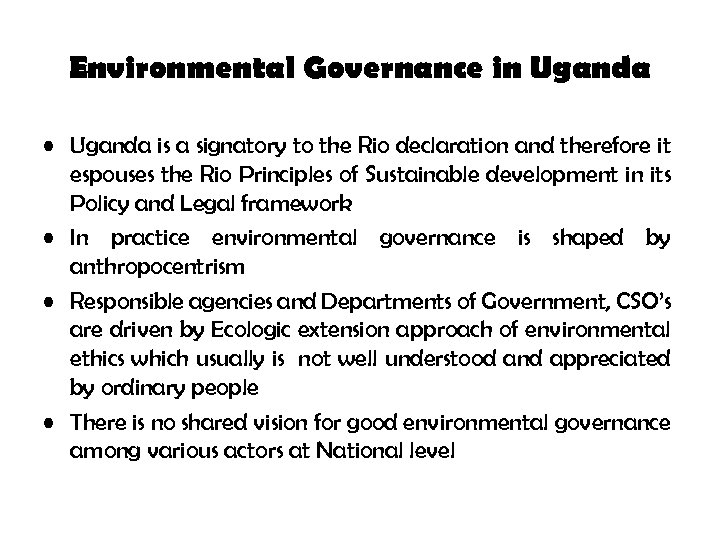 Environmental Governance in Uganda • Uganda is a signatory to the Rio declaration and therefore it espouses the Rio Principles of Sustainable development in its Policy and Legal framework • In practice environmental governance is shaped by anthropocentrism • Responsible agencies and Departments of Government, CSO’s are driven by Ecologic extension approach of environmental ethics which usually is not well understood and appreciated by ordinary people • There is no shared vision for good environmental governance among various actors at National level
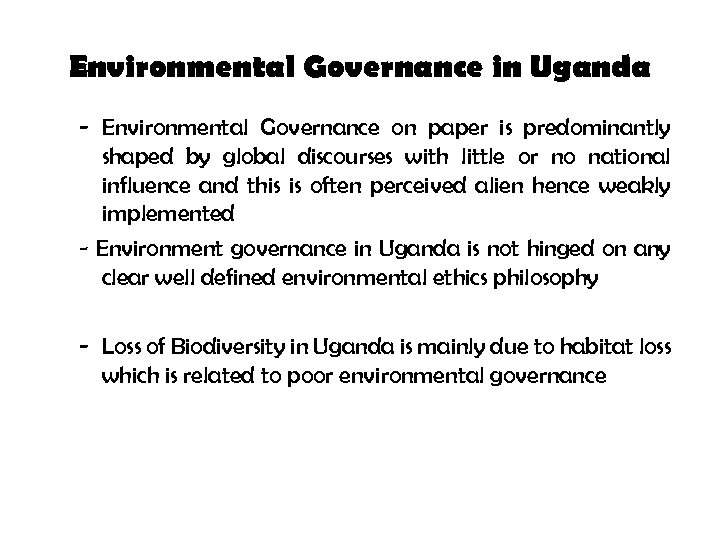 Environmental Governance in Uganda - Environmental Governance on paper is predominantly shaped by global discourses with little or no national influence and this is often perceived alien hence weakly implemented - Environment governance in Uganda is not hinged on any clear well defined environmental ethics philosophy - Loss of Biodiversity in Uganda is mainly due to habitat loss which is related to poor environmental governance
 Other causes of Biodiversity Loss in Uganda • High Population growth • Land degradation/habitat fragmentation • Lack of suitable technology to diversify and have efficient and effective use of Biodiversity • International and National Policies • Poverty and lack of diversified economies • Market Pressures create incentives for activities that can lead to biodiversity loss • Weak and uncoordinated Government Institutions • Disempowered populace • Corruption • Poor funding and lack of prioritization
 Conclusion and Way forward Biodiversity loss in Uganda is: • mainly due to poor/weak environmental governance • Lack of a shared Ideological purpose for sustainable environment management • Resigned citizenry • Failure to appreciate the intrinsic value of other non-human components of the environment • Human alteration of habitats Way forward: Improve environmental governance mainly by eliminating political corruption and building consensus on the purpose for biodiversity conservation
 THANK YOU VERY MUCH FOR YOUR ATTENTION