


 Скачать презентацию The Key Questions of Corporate Finance Real
cb04239449e33e7bd065a67f80a3af98.ppt
- Количество слайдов: 47

 The Key Questions of Corporate Finance
 (Real) Investment Policy


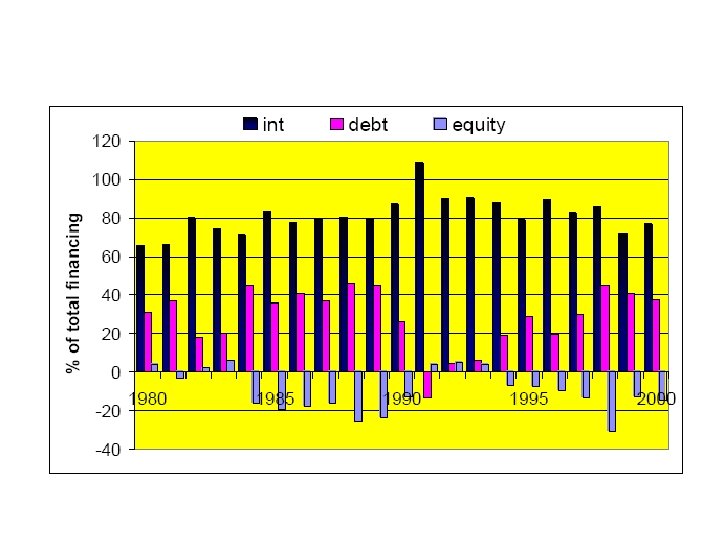
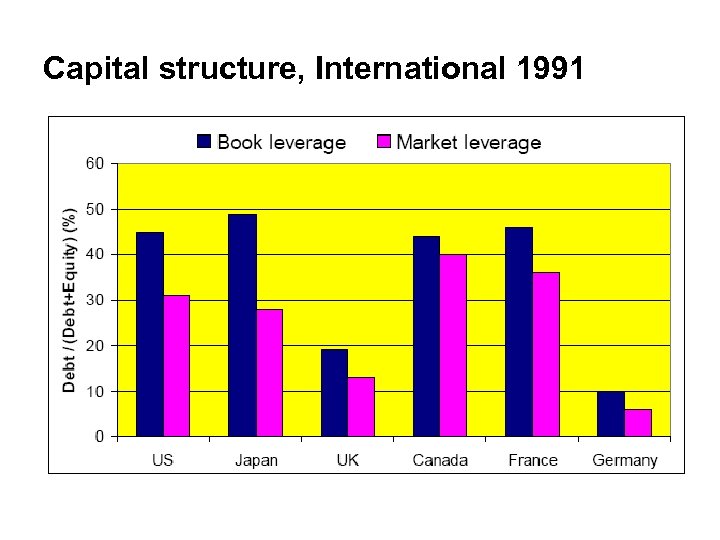 Capital structure, International 1991
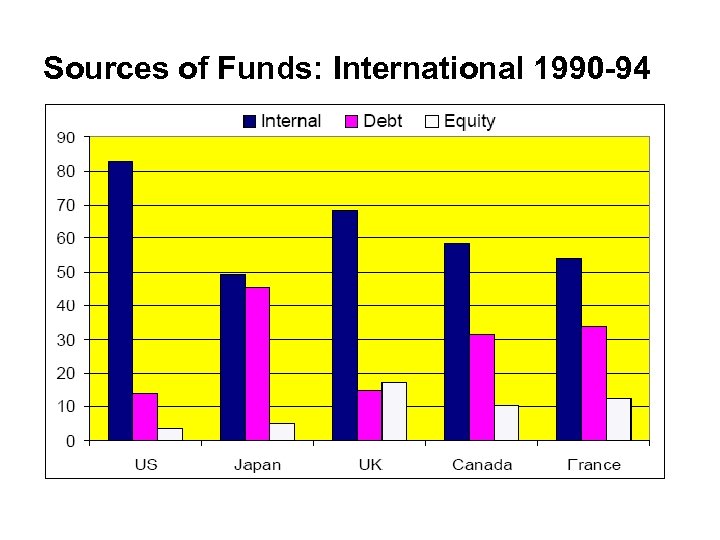 Sources of Funds: International 1990 -94

 M-M’s “Irrelevance” Theorem
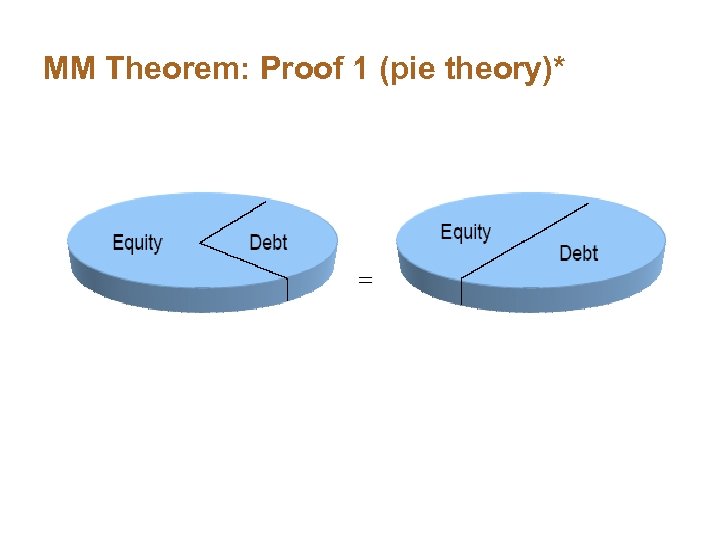 MM Theorem: Proof 1 (pie theory)*
 MM Theorem: Proof 2 (market efficiency)
 MM Theorem: Proof 2 (market efficiency)
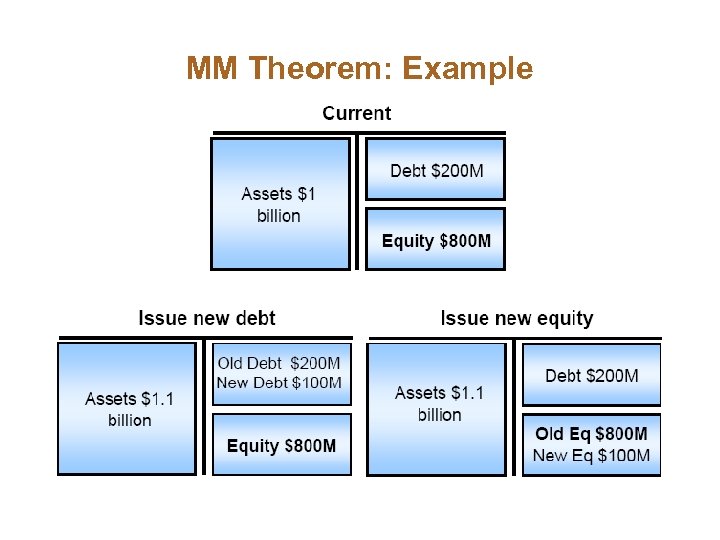 MM Theorem: Example
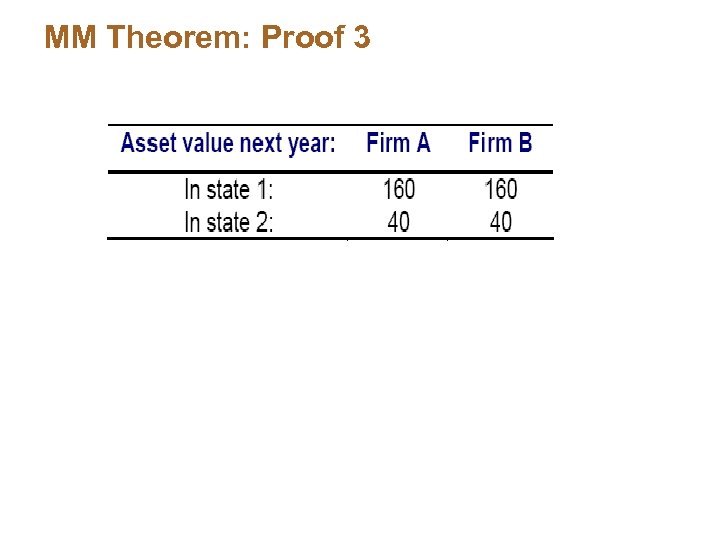 MM Theorem: Proof 3
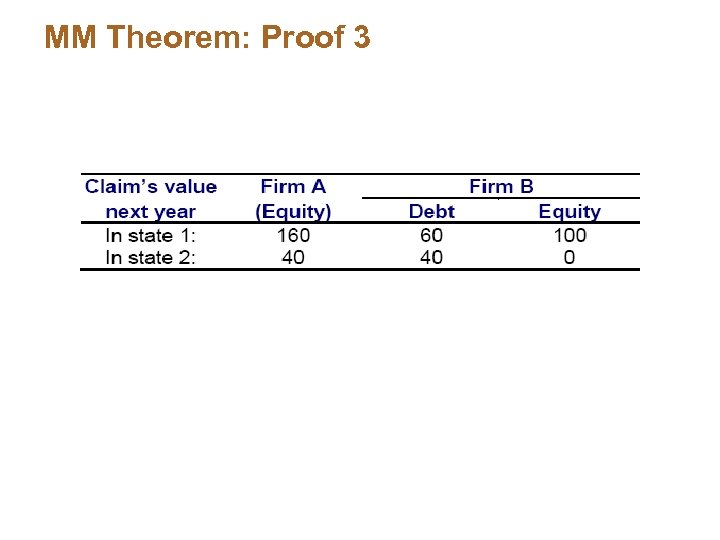 MM Theorem: Proof 3


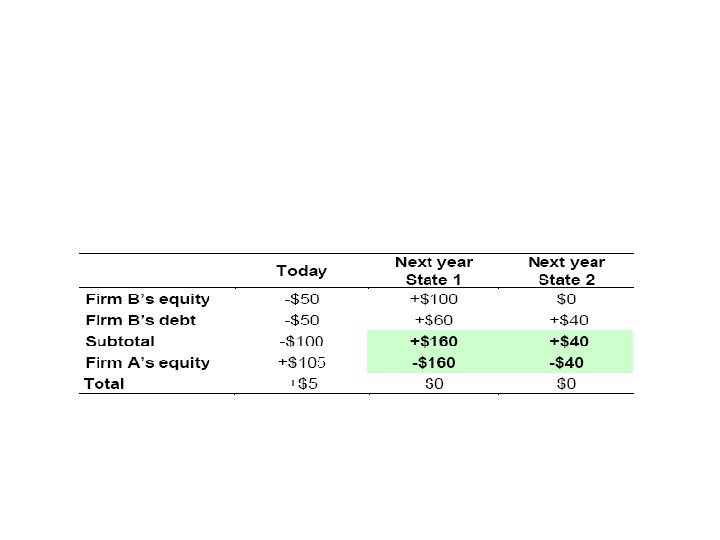

 The Curse of M-M
 Using M-M Sensibly
 WACC Fallacy: “Debt is Better Because Debt Is Cheaper Than Equity. ”
 WACC Fallacy (cont. )
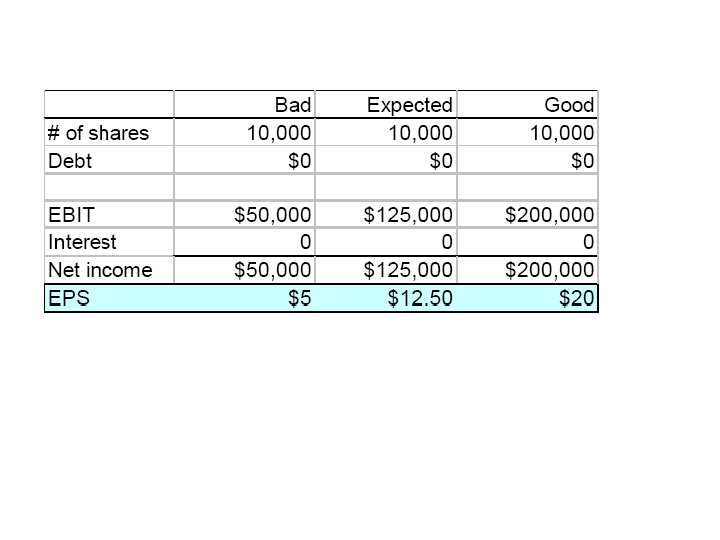
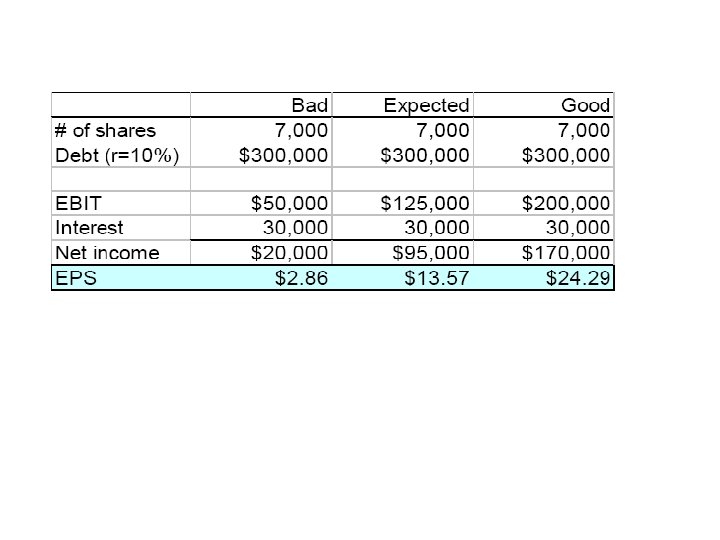
 EPS Fallacy: “Debt is Better When It Makes EPS Go Up. ”
 EPS Fallacy (cont. )
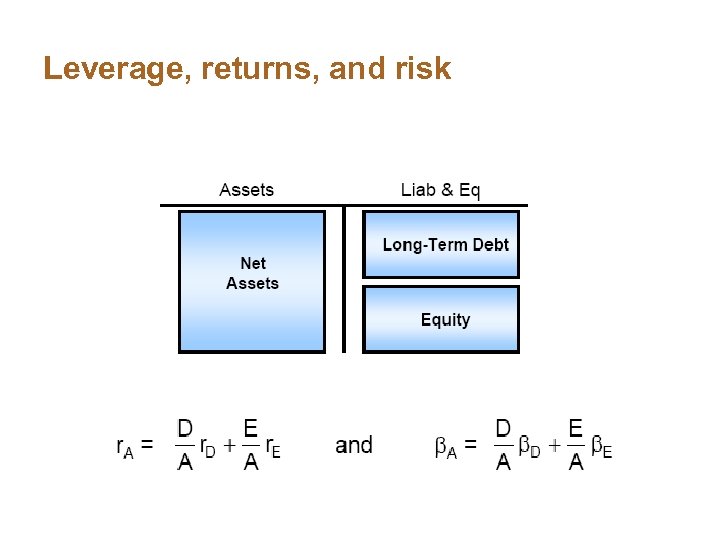 Leverage, returns, and risk
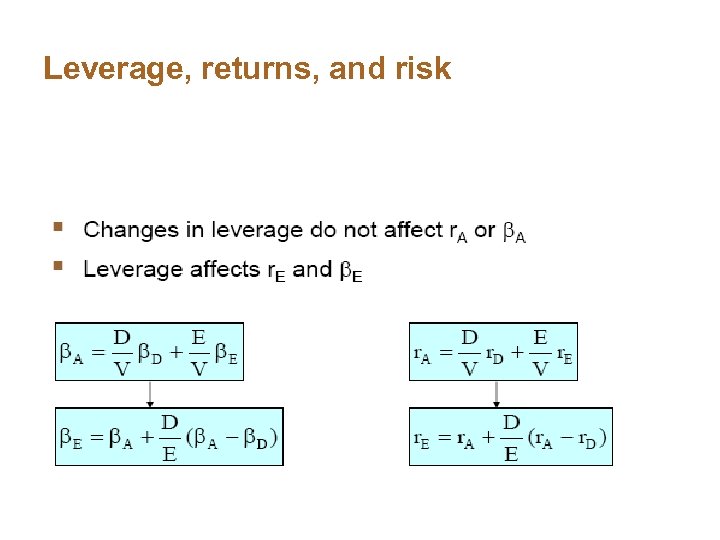 Leverage, returns, and risk
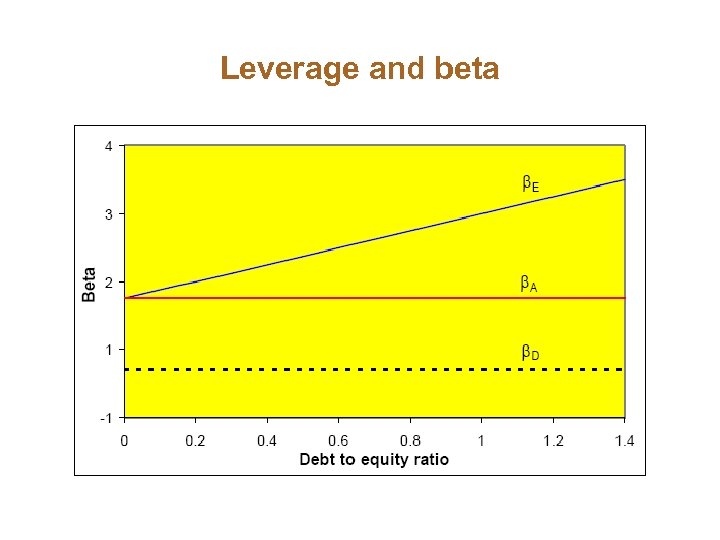 Leverage and beta
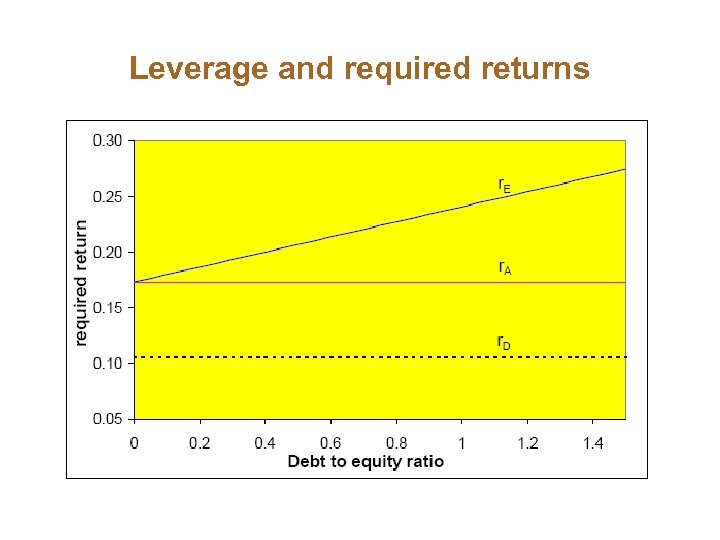 Leverage and required returns
 Example
 Win-Win Fallacy: “Debt Is Better Because Some Investors Prefer Debt to Equity. ”

 Practical Implications


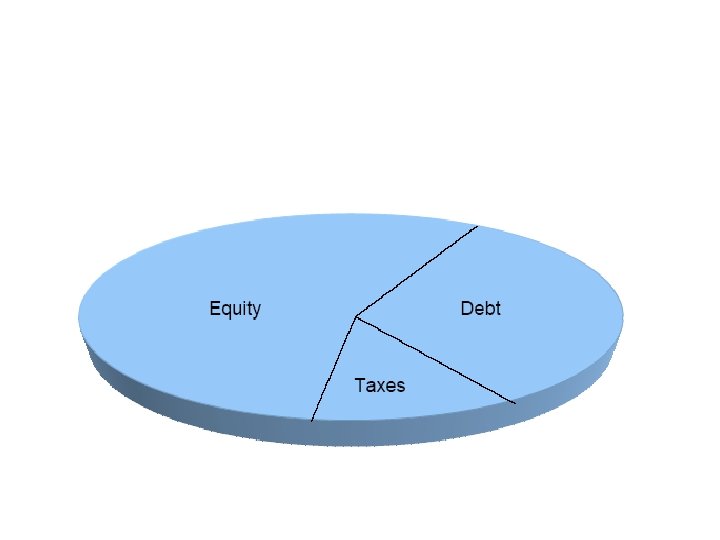
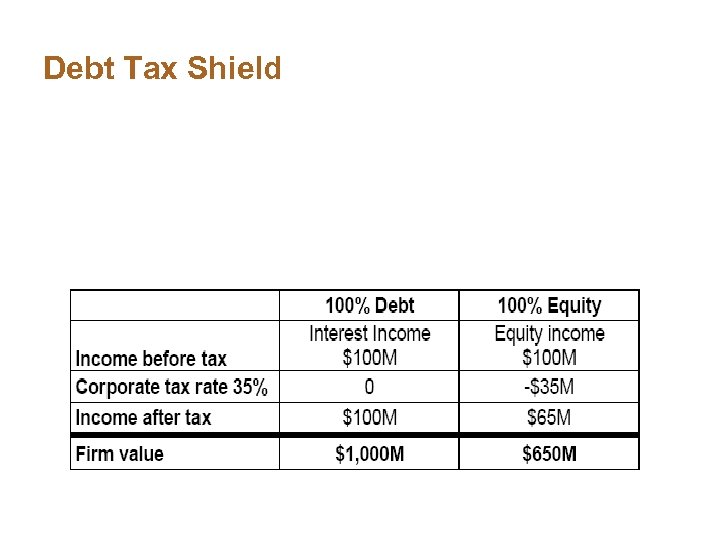 Debt Tax Shield

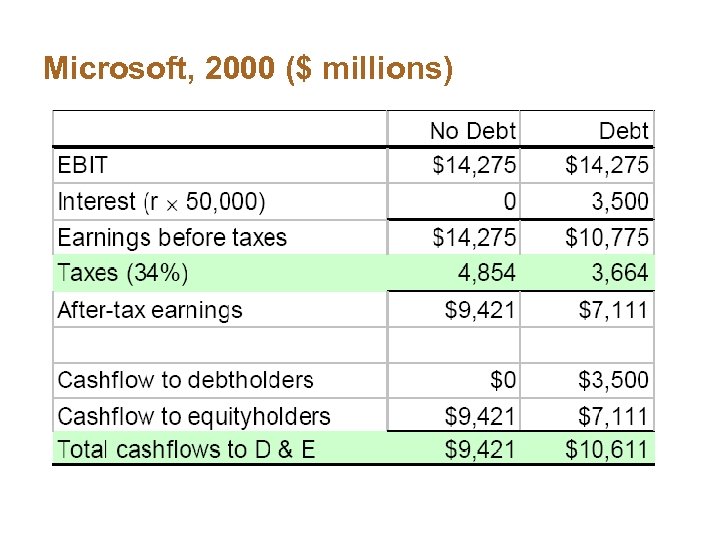
 Example In 2000, Microsoft had sales of $23 billion, earnings before taxes of $14. 3 billion, and net income of $9. 4 billion. Microsoft paid $4. 9 billion in taxes, had a market value of $423 billion, and had no long-term debt outstanding. Bill Gates is thinking about a recapitalization, issuing $50 billion in long-term debt (rd = 7%) and repurchasing $50 billion in stock. How would this transaction affect Microsoft’s after-tax cash flows and shareholder wealth?
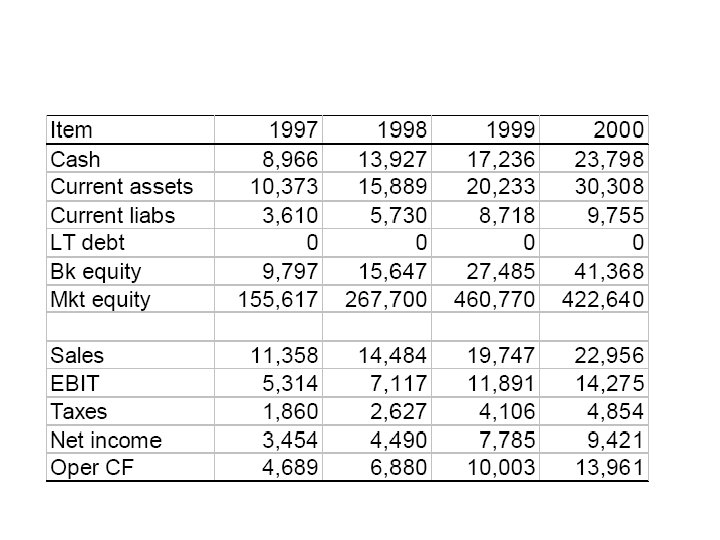
 Microsoft, 2000 ($ millions)
 Tax savings of debt