


 Скачать презентацию The Justice System Civil Criminal US Criminal
Supreme court.ppt
- Количество слайдов: 37
 The Justice System Civil Criminal
 US Criminal Justice System n n n Police Courts Discretion Prison
 Demographics n Total US Population 310, 000 European(White) 74% Hispanic 15% African American 12%
 Reasons for High Incarnation Rates n Drug Laws n Availability of Guns n Aggressive Policing n Democracy
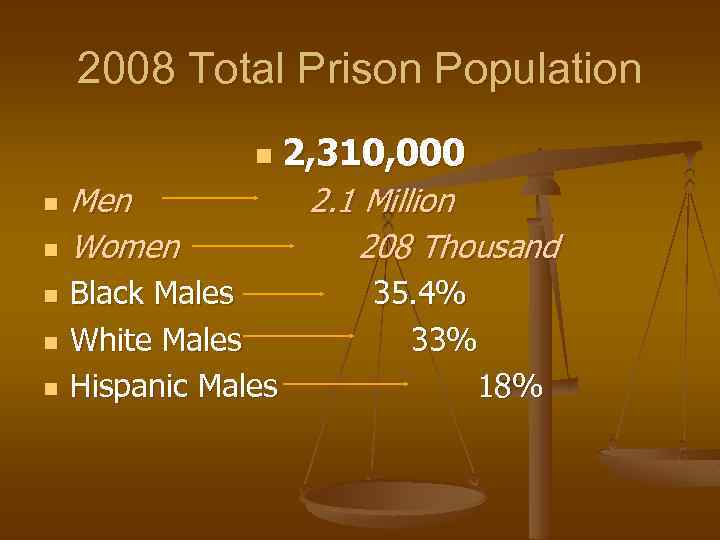 2008 Total Prison Population n n n Men Women 2, 310, 000 2. 1 Million 208 Thousand Black Males 35. 4% White Males 33% Hispanic Males 18%
 n 7, 000 Prison/Probation/Prole
 Terms n n n n Public Defenders Private Attorneys Prosecutor Defense Judge Jury Pro Plea Bargain
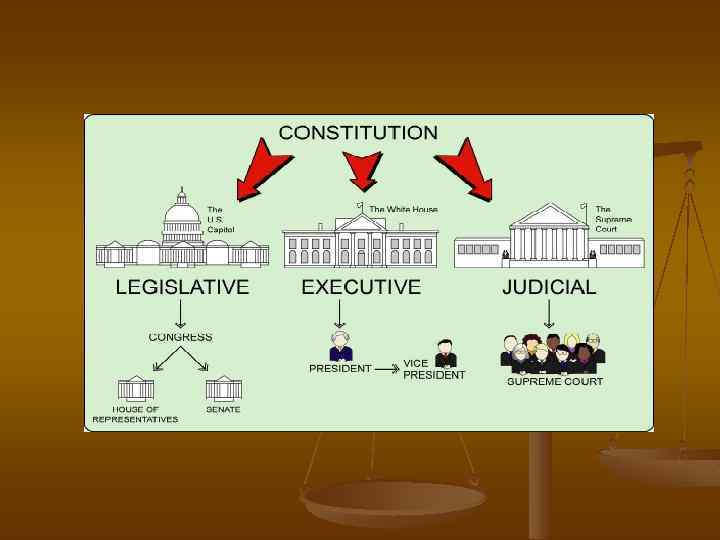
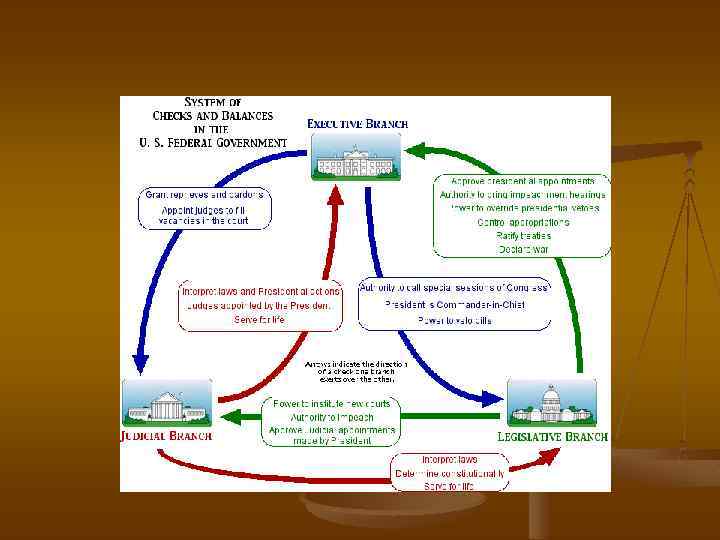
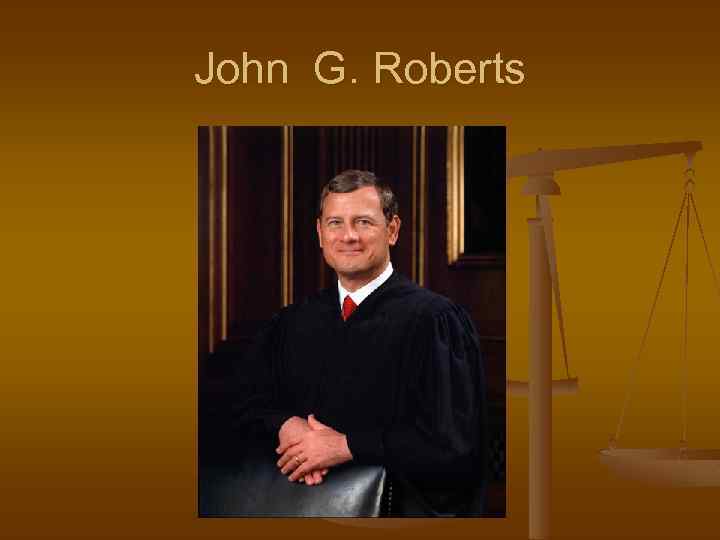 John G. Roberts
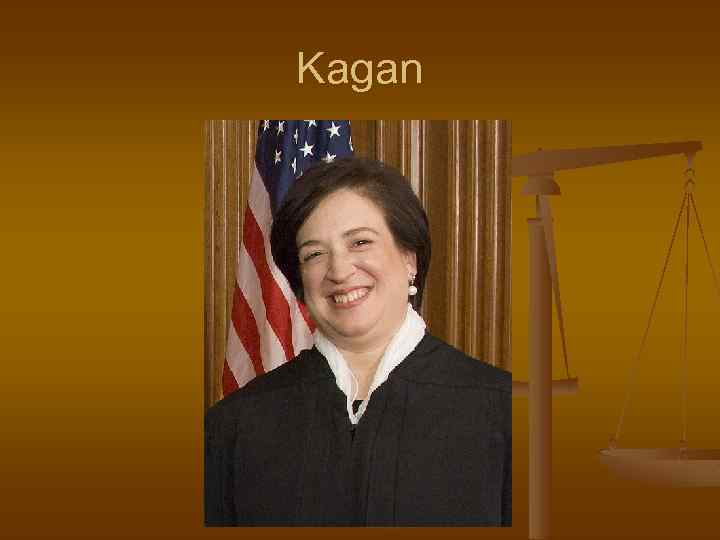 Kagan
Kagan
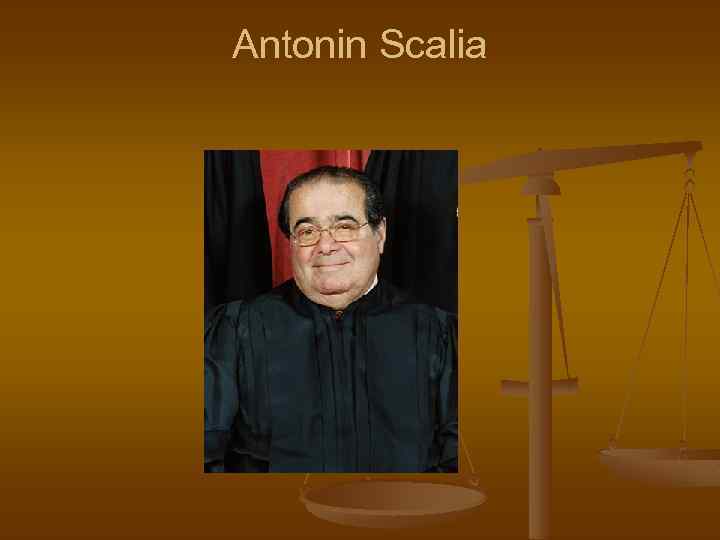 Antonin Scalia
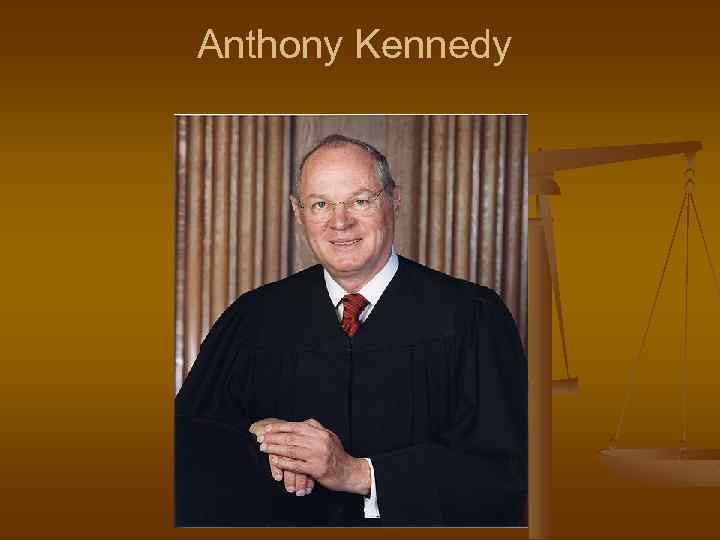 Anthony Kennedy
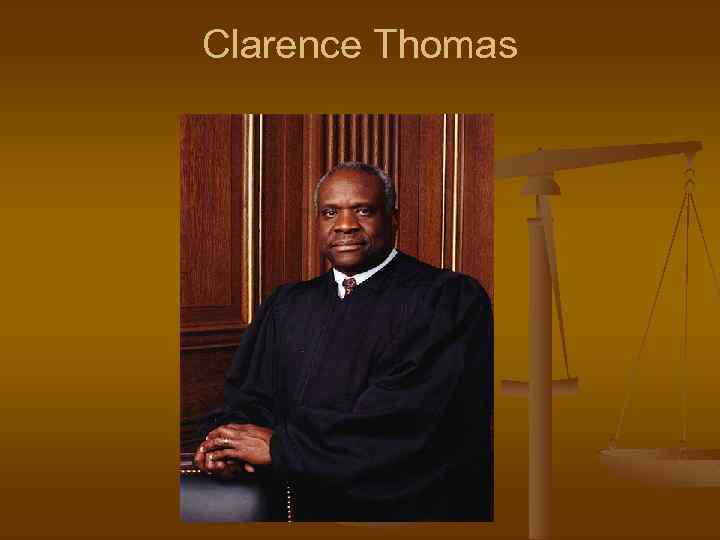 Clarence Thomas
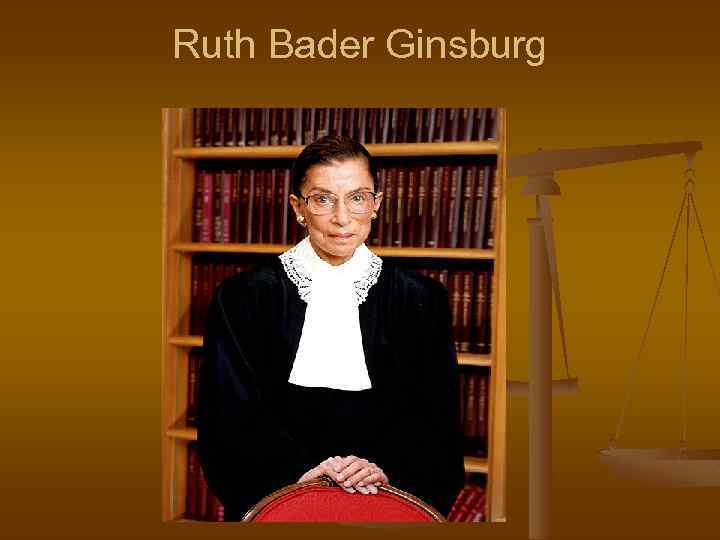 Ruth Bader Ginsburg
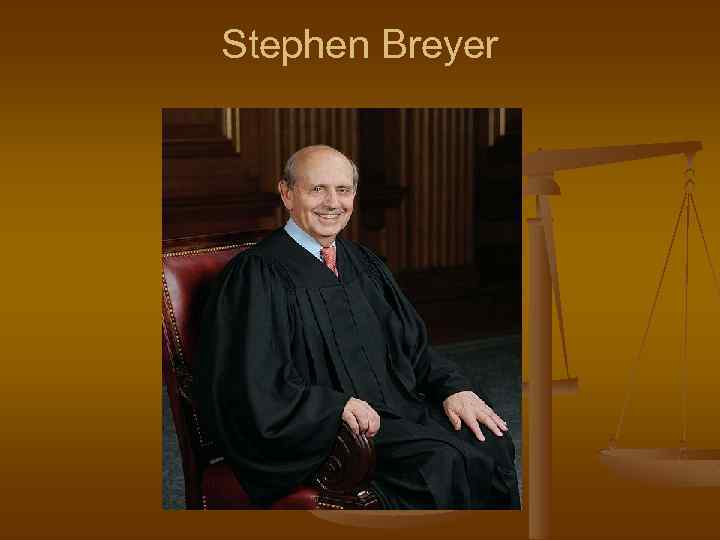 Stephen Breyer
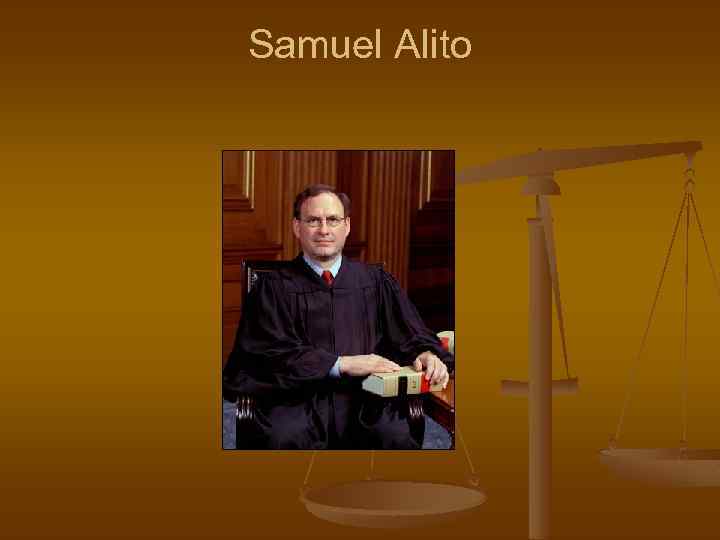 Samuel Alito
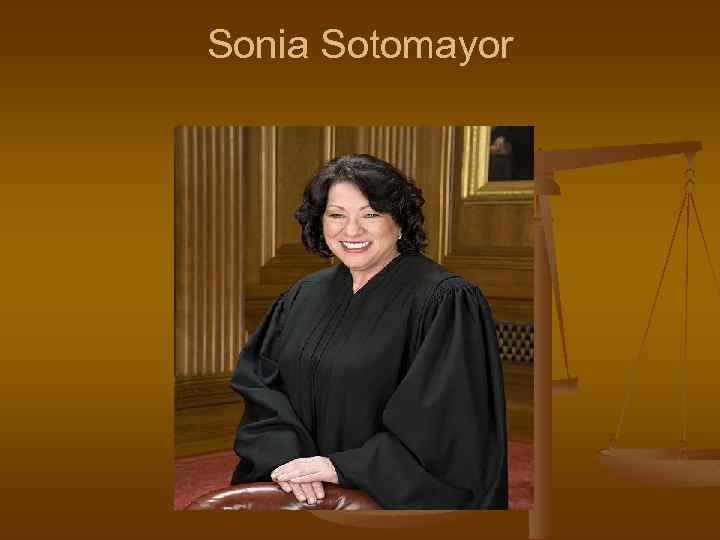 Sonia Sotomayor
 US Supreme Court Cases That Changed Our Country
 Facts of the Case
 Brown v Board of Education n Black children were denied admission to public schools attended by white children under laws requiring or permitting segregation according to the races. The white and black schools approached equality in terms of buildings, curricula, qualifications, and teacher salaries.
 Issue n n Does the segregation of children in public schools solely on the basis of race deprive the minority children of the equal protection of the laws guaranteed by the 14 th Amendment? Is the race-based segregation of children into “separate but equal” public schools constitutional?
 Decision n The race-based segregation of children into “separate but equal” public schools violates the Equal Protection Clause of the Fourteenth Amendment and is unconstitutional.
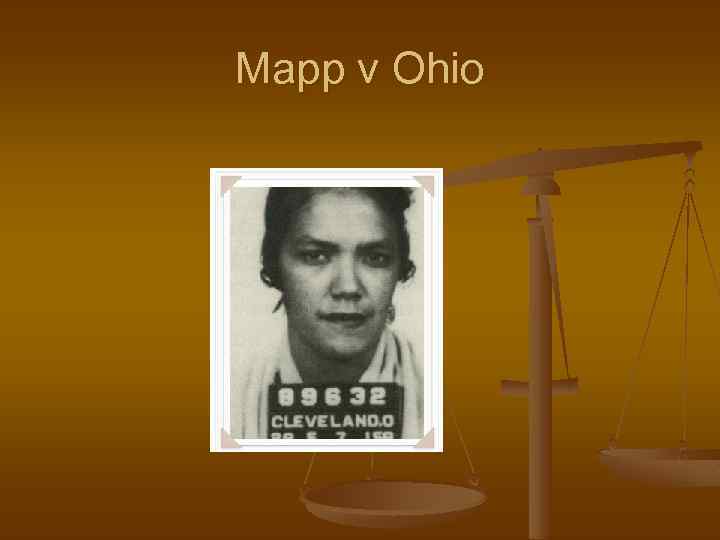 Mapp v Ohio
 Facts of the Case n Dolree Mapp was convicted of possessing obscene materials after an admittedly illegal police search of her home for a fugitive.
 Issue n The question before the Court involved 4 th Amendment protection against “unreasonable searches and seizures”
 Decision n The court ruled evidence gained in violation of the fourth amendment cannot be used in court.
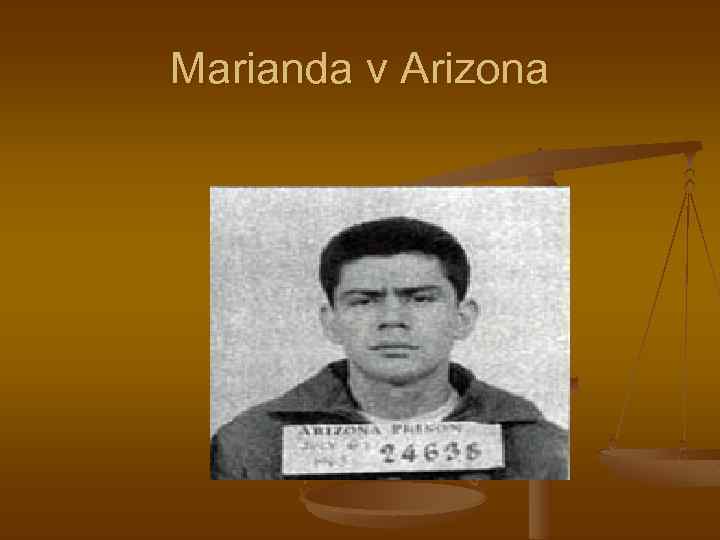 Marianda v Arizona
 Facts of the Case n A kidnapping and sexual assault occurred in Phoenix, Arizona, in March 1963. On March 13 Ernesto Miranda, 23, was arrested in his home, taken to the police station, identified by the victim, and taken into an interrogation room. Miranda was not told of his rights to counsel prior to questioning. Two hours later, investigators emerged from the room with a written confession signed by Miranda.
 Issue n Was a confession an admissible document in a court of law if it was obtained without warnings against self-incrimination and without legal counsel—rights guaranteed to all persons by the 5 th and 6 th
 Decision n The Court held that prosecutors could not use statements stemming from custodial interrogation of defendants unless they demonstrated the use of procedural safeguards
 Miranda Warnings n “You have the right to remain silent. Anything you say can and will be used against you in a court of law. You have the right to an attorney. If you cannot afford an attorney, one will be appointed to you. Do you understand these rights as they have been read to you? ”
 Roe v Wade
 Facts of the Case n Roe, a Texas resident, sought to terminate her pregnancy by abortion. Texas law prohibited abortions except to save the pregnant woman's life
 Issue n Does the Constitution embrace a woman's right to terminate her pregnancy by abortion?
 Decision n The Court held that a woman's right to an abortion fell within the right to privacy protected by the Fourteenth Amendment. The decision gave a woman total autonomy over the pregnancy during the first trimester