


 Скачать презентацию The History of Wiswall Mills Nadine Peterson Preservation
9d7ba88b4b0d528510ee80349c3b1791.ppt
- Количество слайдов: 30
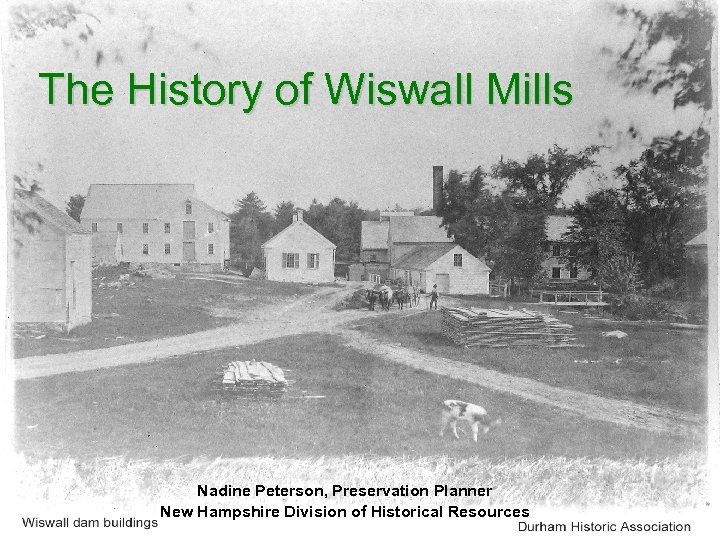 The History of Wiswall Mills Nadine Peterson, Preservation Planner New Hampshire Division of Historical Resources
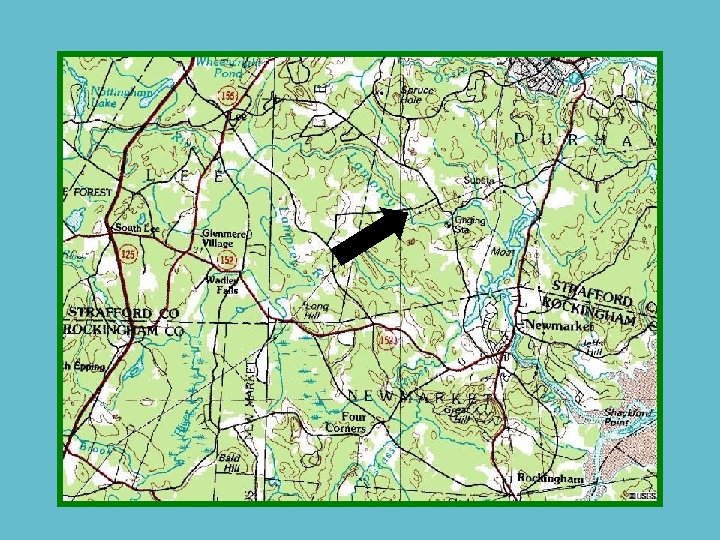
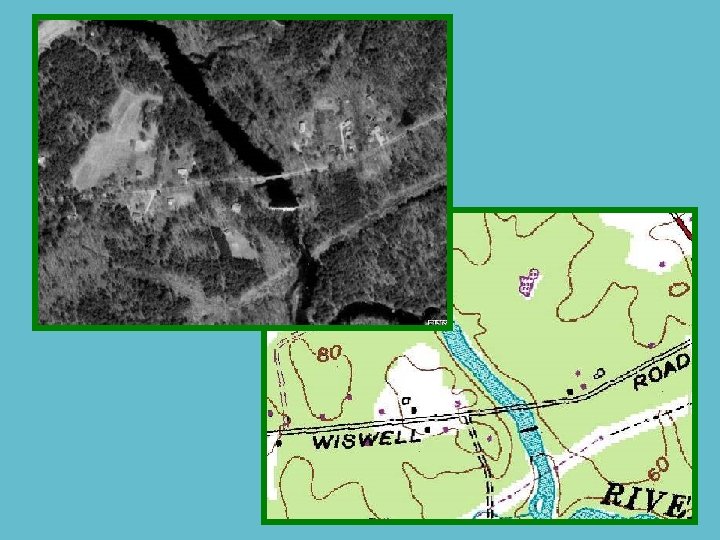
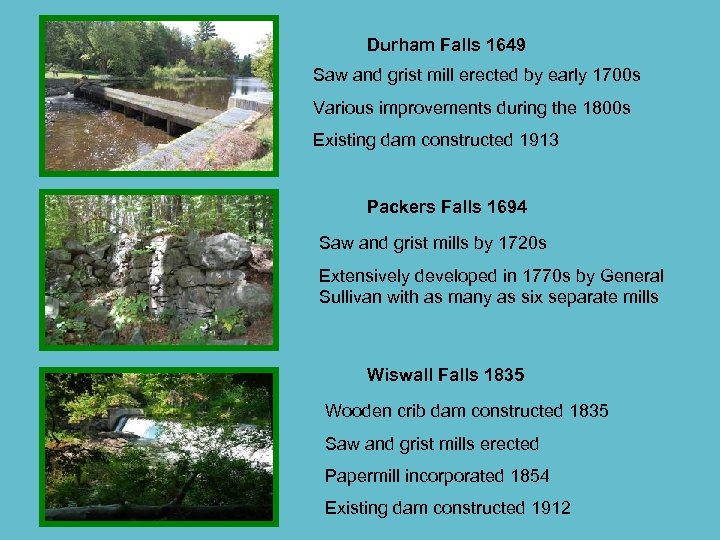 Durham Falls 1649 Saw and grist mill erected by early 1700 s Various improvements during the 1800 s Existing dam constructed 1913 Packers Falls 1694 Saw and grist mills by 1720 s Extensively developed in 1770 s by General Sullivan with as many as six separate mills Wiswall Falls 1835 Wooden crib dam constructed 1835 Saw and grist mills erected Papermill incorporated 1854 Existing dam constructed 1912
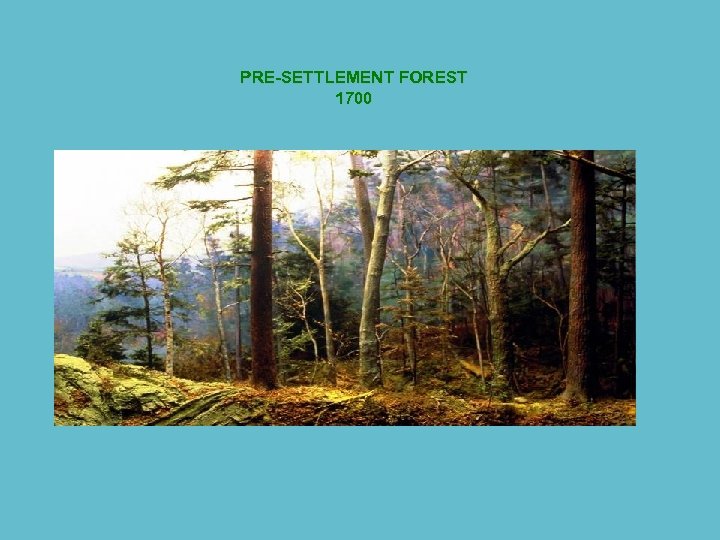 PRE-SETTLEMENT FOREST 1700
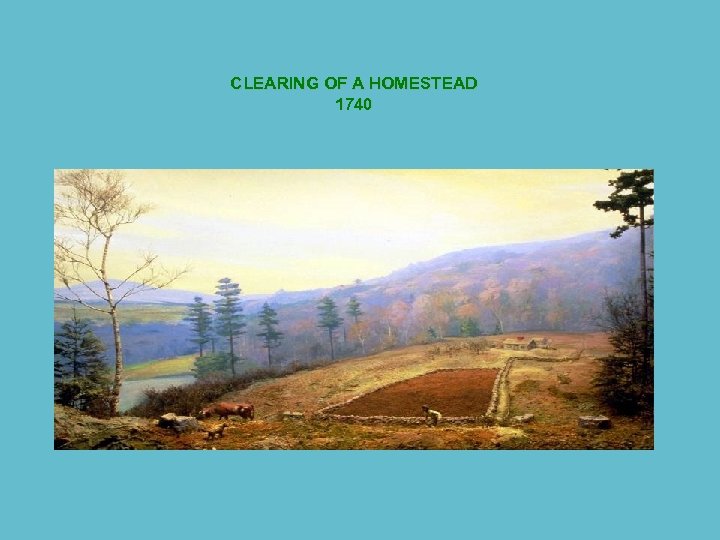 CLEARING OF A HOMESTEAD 1740
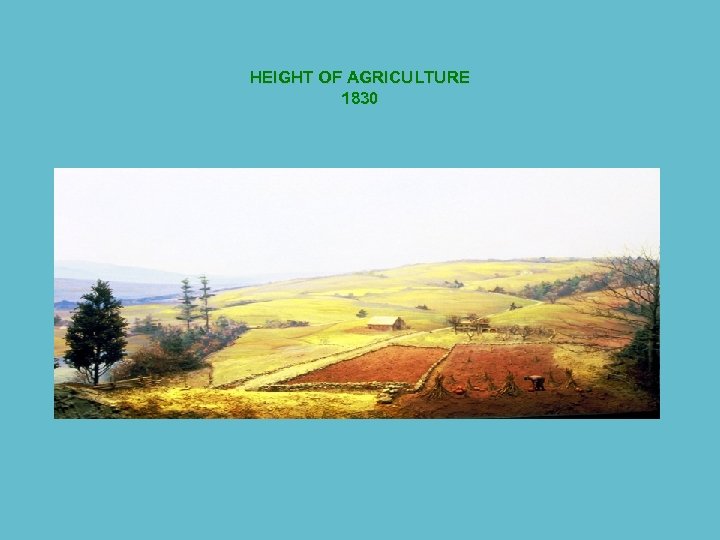 HEIGHT OF AGRICULTURE 1830
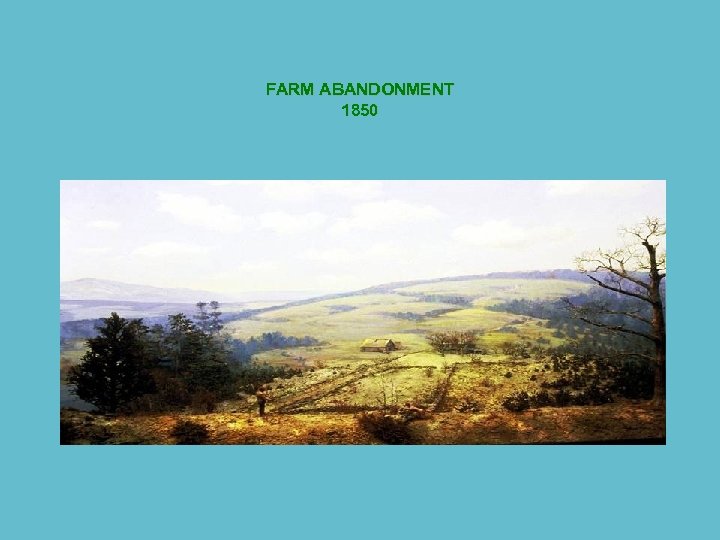 FARM ABANDONMENT 1850
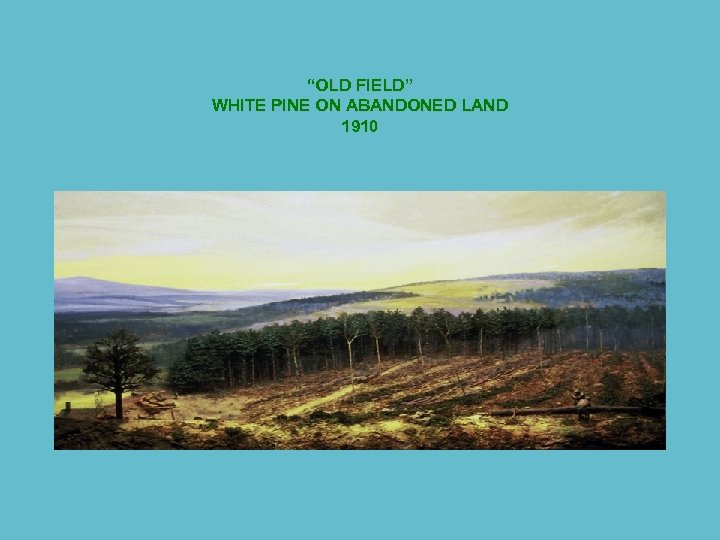 “OLD FIELD” WHITE PINE ON ABANDONED LAND 1910
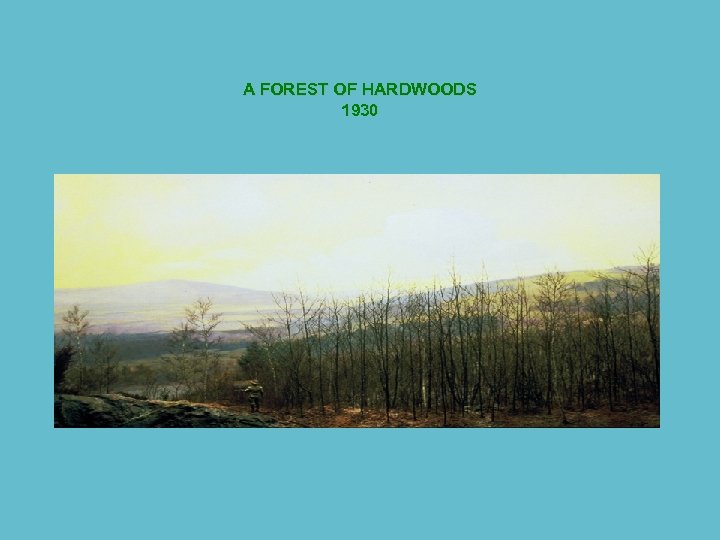 A FOREST OF HARDWOODS 1930
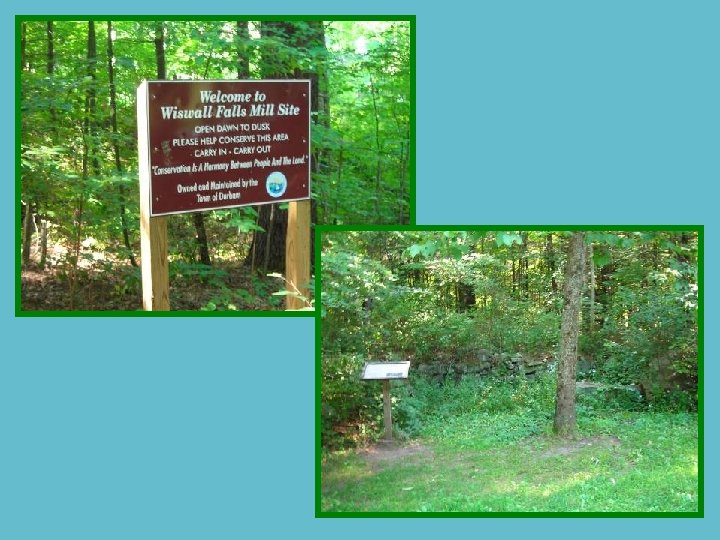
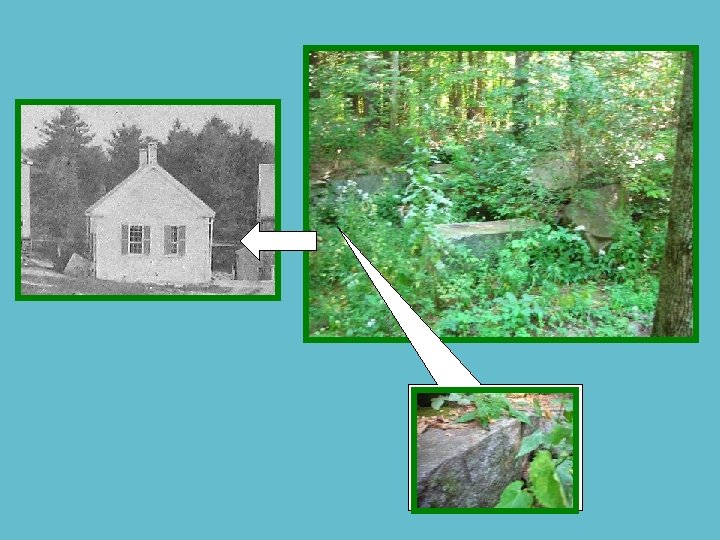
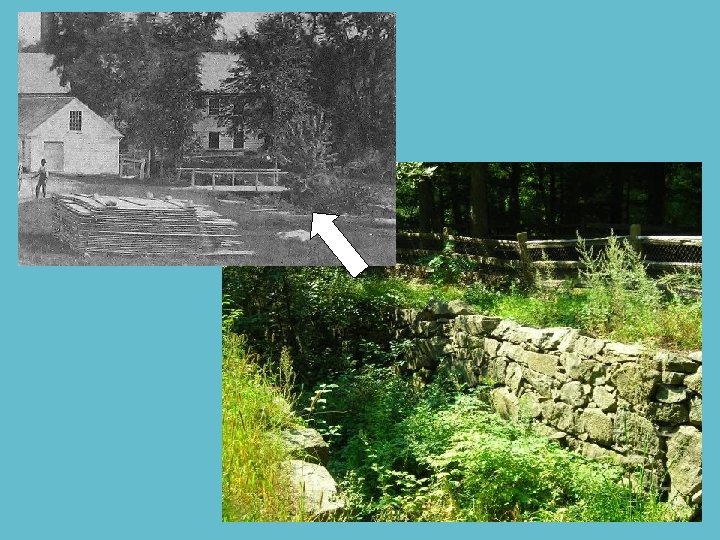
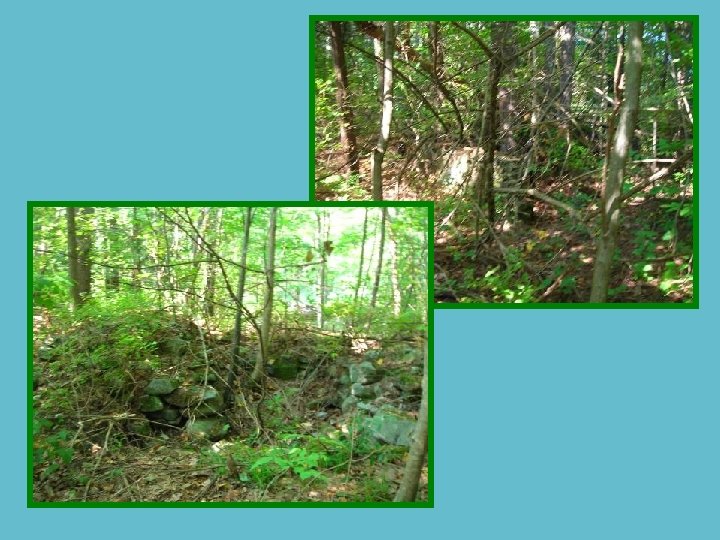
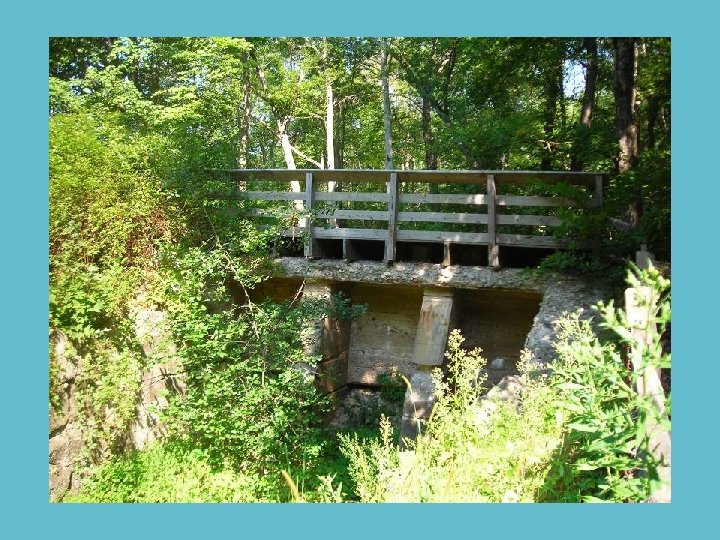
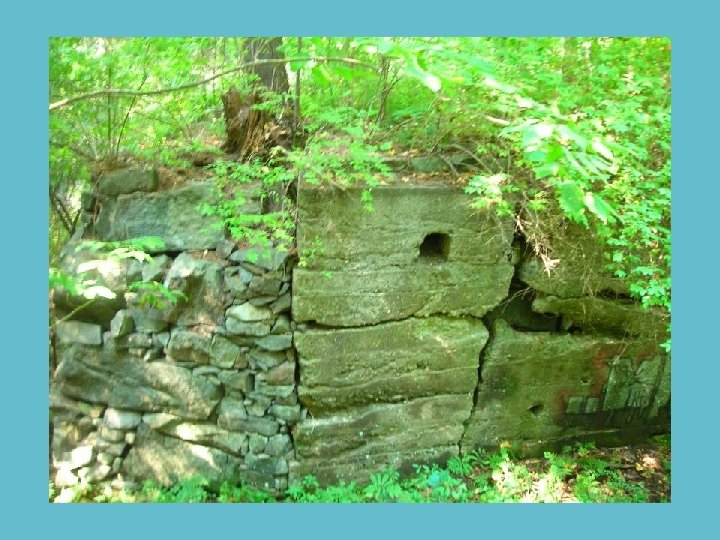
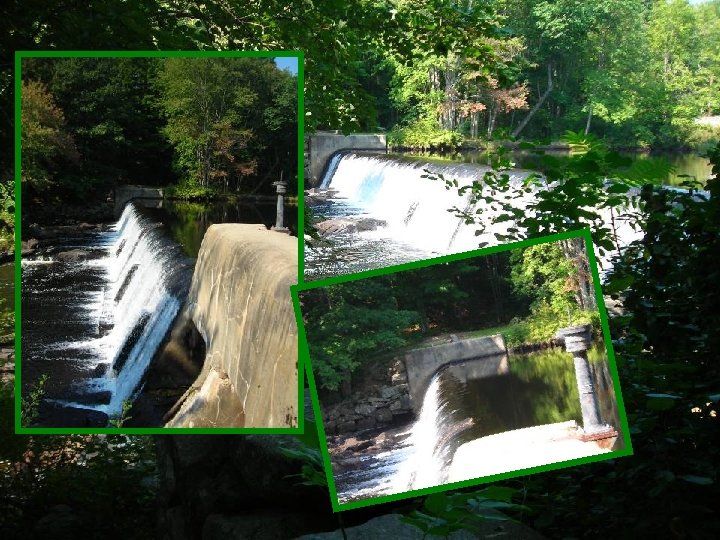
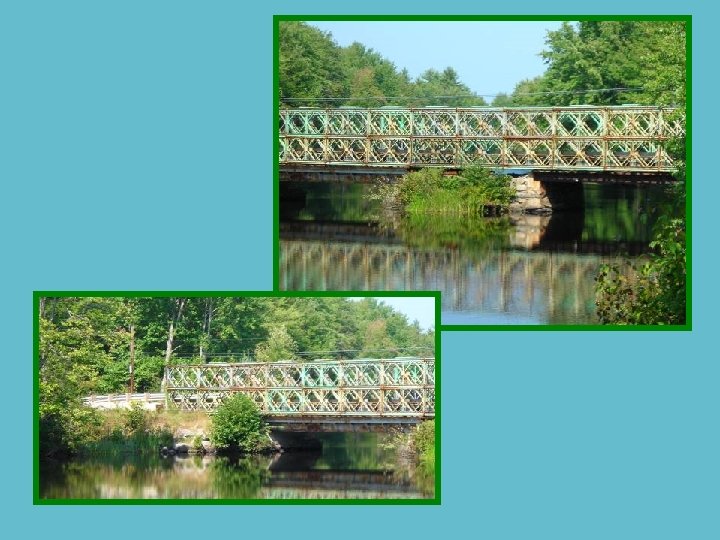
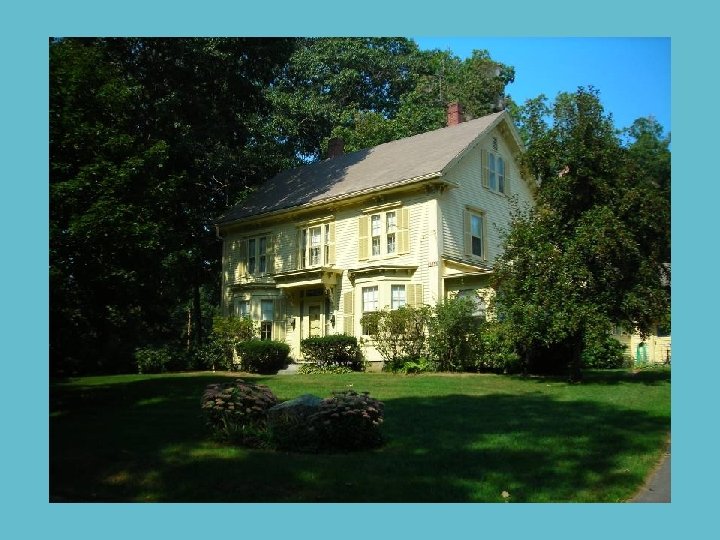
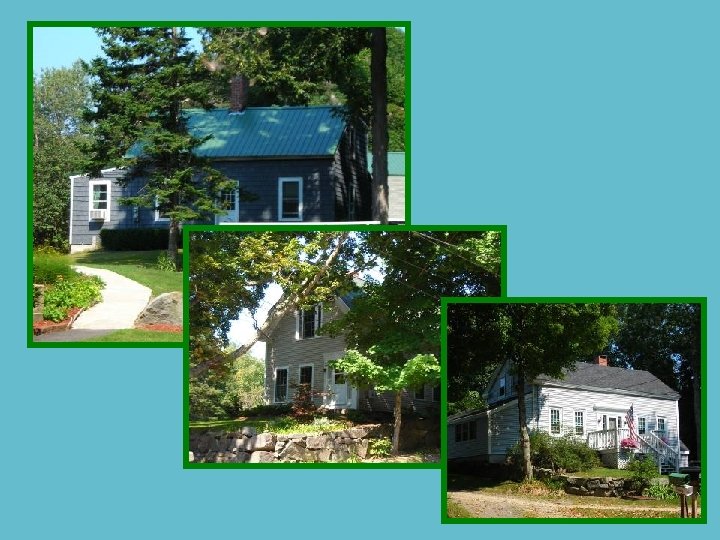
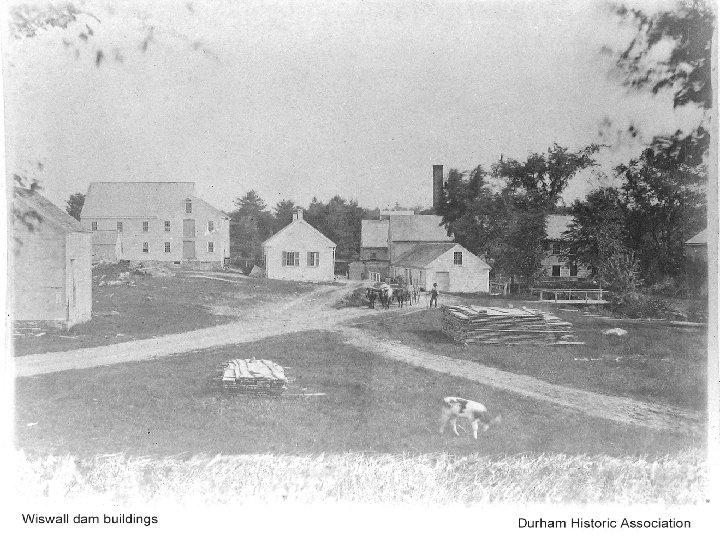
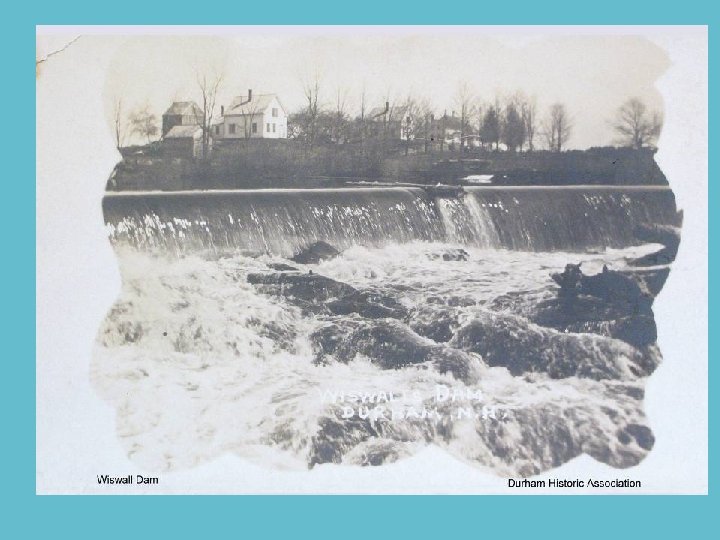
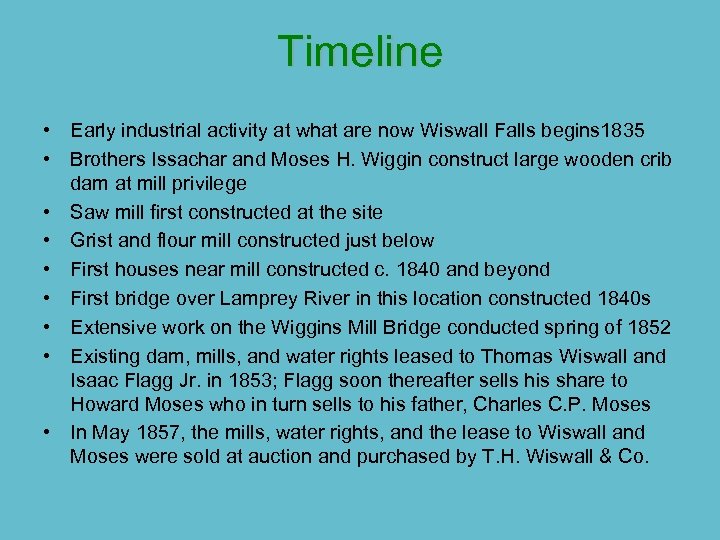 Timeline • Early industrial activity at what are now Wiswall Falls begins 1835 • Brothers Issachar and Moses H. Wiggin construct large wooden crib dam at mill privilege • Saw mill first constructed at the site • Grist and flour mill constructed just below • First houses near mill constructed c. 1840 and beyond • First bridge over Lamprey River in this location constructed 1840 s • Extensive work on the Wiggins Mill Bridge conducted spring of 1852 • Existing dam, mills, and water rights leased to Thomas Wiswall and Isaac Flagg Jr. in 1853; Flagg soon thereafter sells his share to Howard Moses who in turn sells to his father, Charles C. P. Moses • In May 1857, the mills, water rights, and the lease to Wiswall and Moses were sold at auction and purchased by T. H. Wiswall & Co.
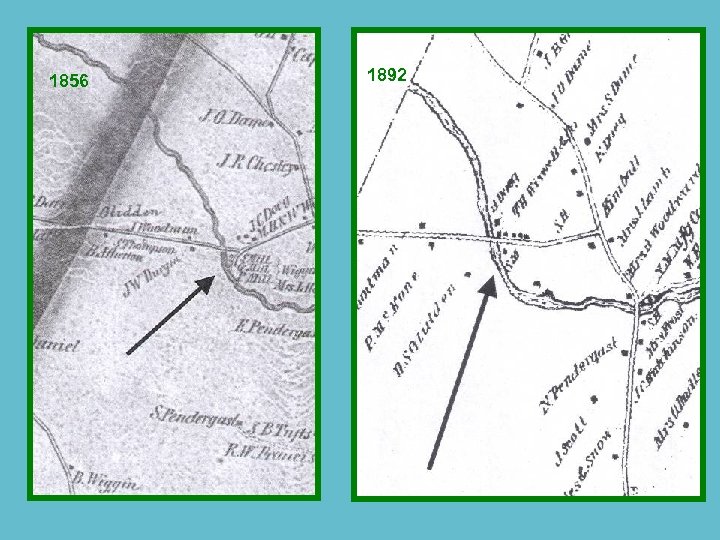 1856 1892
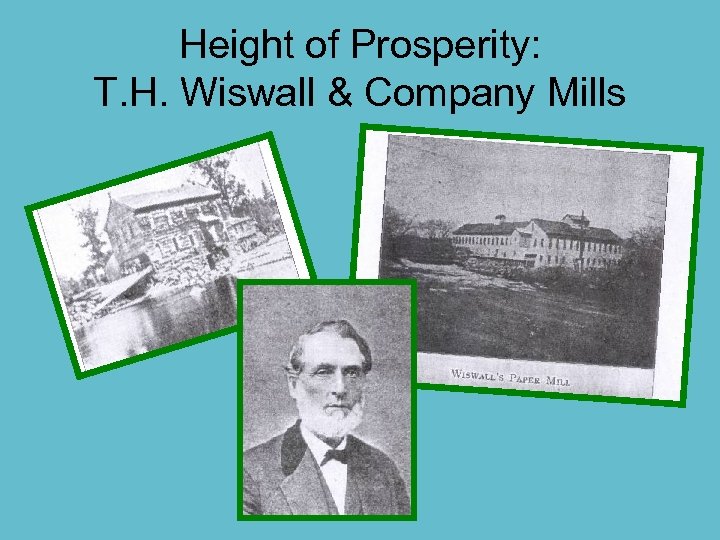 Height of Prosperity: T. H. Wiswall & Company Mills
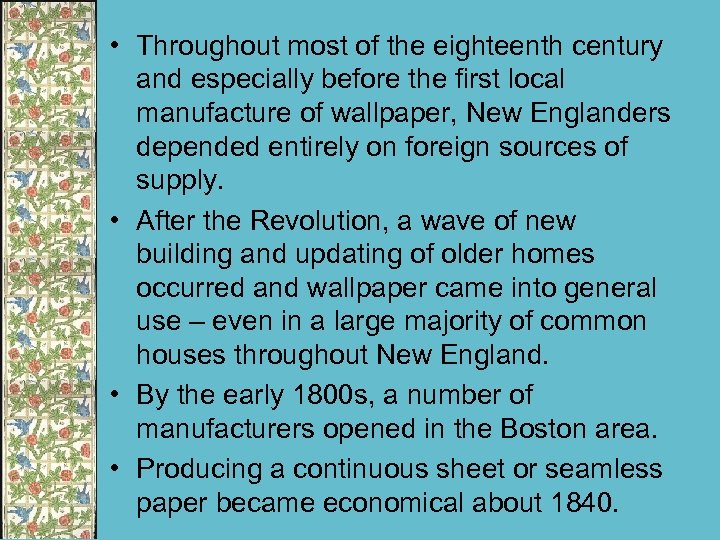 • Throughout most of the eighteenth century and especially before the first local manufacture of wallpaper, New Englanders depended entirely on foreign sources of supply. • After the Revolution, a wave of new building and updating of older homes occurred and wallpaper came into general use – even in a large majority of common houses throughout New England. • By the early 1800 s, a number of manufacturers opened in the Boston area. • Producing a continuous sheet or seamless paper became economical about 1840.
 • The popularity of striped floral papers coincided with the introduction of steam-driven roller printing. Invented in England, the first cylinder printing machine was imported to America in 1844 by John Howell of Philadelphia. • By the mid 1850 s, many American wallpaper manufacturers were producing roller-printed designs on inexpensive machine-made wood pulp papers. • Manufacturers could now produce vast quantities of paper and introduce new designs in response to rapidly changing decorating styles.
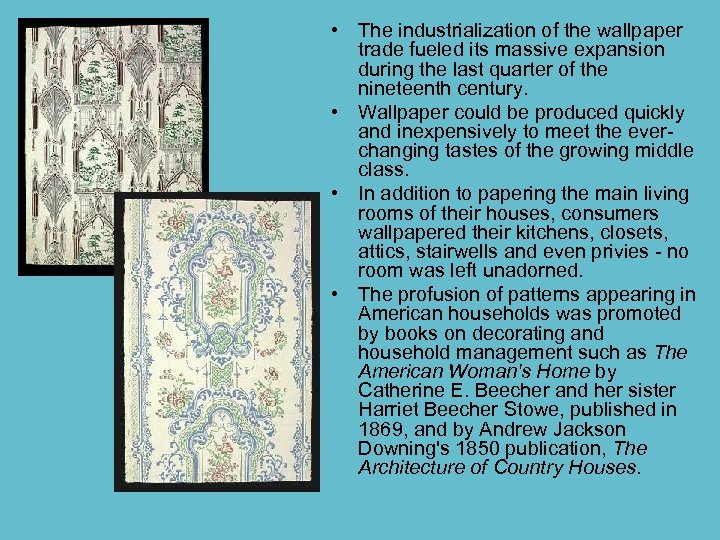 • The industrialization of the wallpaper trade fueled its massive expansion during the last quarter of the nineteenth century. • Wallpaper could be produced quickly and inexpensively to meet the everchanging tastes of the growing middle class. • In addition to papering the main living rooms of their houses, consumers wallpapered their kitchens, closets, attics, stairwells and even privies - no room was left unadorned. • The profusion of patterns appearing in American households was promoted by books on decorating and household management such as The American Woman's Home by Catherine E. Beecher and her sister Harriet Beecher Stowe, published in 1869, and by Andrew Jackson Downing's 1850 publication, The Architecture of Country Houses.
 Timeline • 1883 -Wiswall’s partner C. P. P. Moses dies. • November 1, 1883 - mills destroyed by fire. • The dam and sawmill which survived the fire used on a small scale until the Spring of 1896. • 1899 -James Burnham purchases mill site. Burham organizes the Newmarket Light, Heat and Power Company and transfers the site to the company. A small power station was built at the foot of the canal where the paper mill had been. • 1912 - Newmarket Electric company acquires the power plant and a new concrete dam and head gates are constructed. • NH Gas & Electric Company owns the site until 1955. • 1965 - Land sold to Town of Durham for use in the town water supply. • Lamprey River Advisory Committee forms 1991; Lamprey designated Wild and Scenic River in 1996. • Wiswall Bridge suffers repeated flood damage in October 1996 and May 2006. • FEMA coordinating repairs to the bridge, necessitating additional studies at the mill site.
 How to become involved…. . Contact: Peter Thomas FEMA peter. thomas 1@dhs. gov Nadine Peterson NH Division of Historical Resources Nadine. Peterson@dcr. nh. gov