 Скачать презентацию The Google Library Project at Oxford Ronald Milne
8f053c0af011a15b0993ed093fc6b24f.ppt
- Количество слайдов: 67



The Google Library Project at Oxford Ronald Milne Fiesole Retreat Lund 4 August 2006
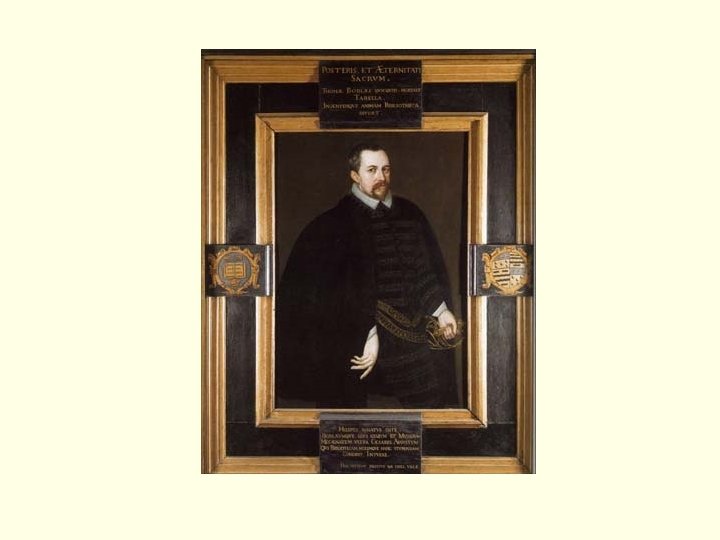
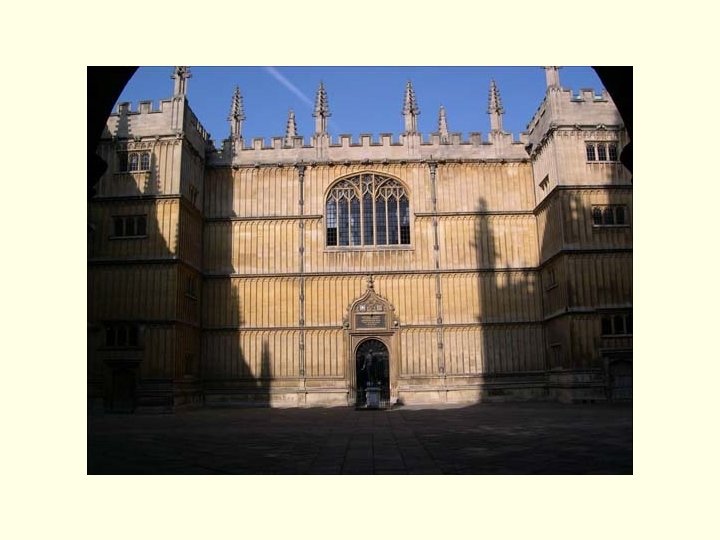
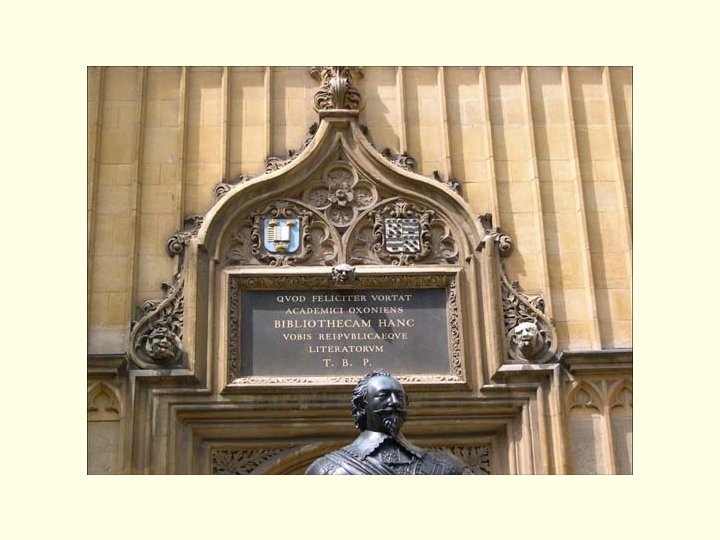
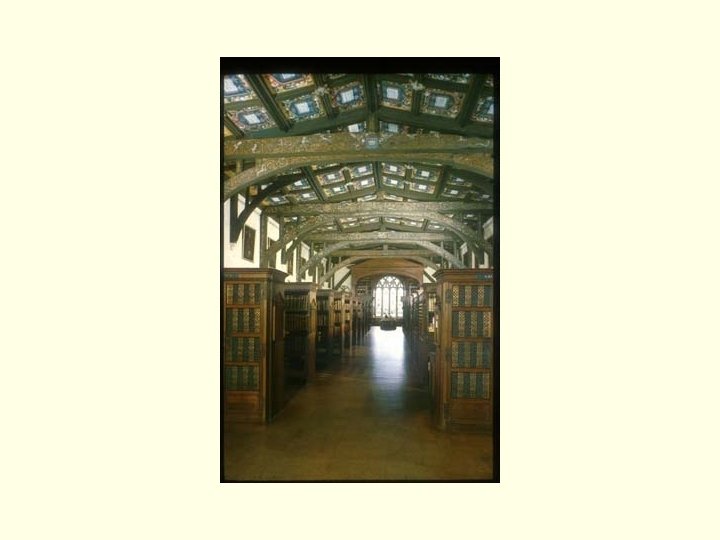
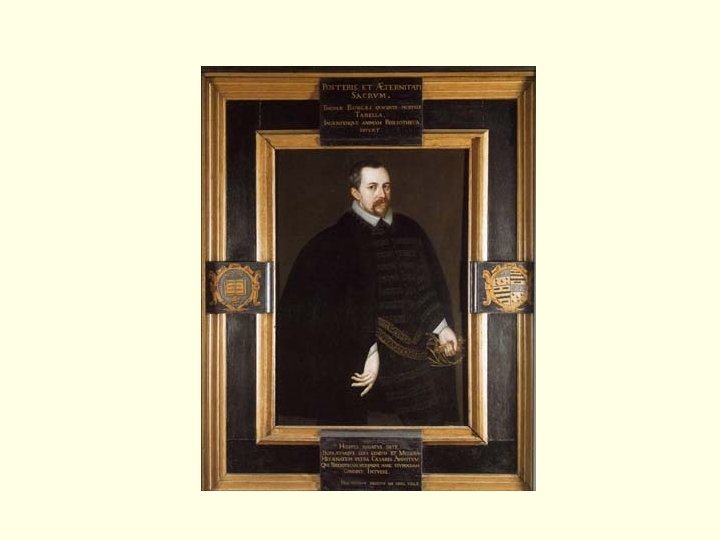
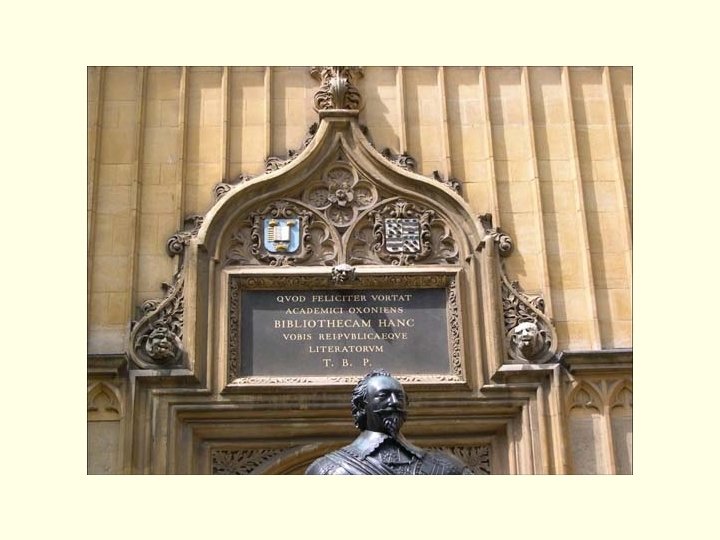
Thomas Bodley’s Vision • Bodleian founded 1602 • Universal library • Bodley’s “Republic of Letters” • Legal deposit privilege since 1610 • 60% of Bodleian readers not members of Oxford University
Bodleian Library • 400 staff • Budget of £ 14 m (€ 20 m) • Stock 8 million items • 45, 000 registered users • 120 Miles (192 km) of shelving • 123, 000 monograph items and 194, 000 serial items added each year
Oxford University Library Services • 700 staff (600 fte) • 40 libraries, including the Bodleian, Radcliffe Science Library, Taylor Institution Library (modern languages) Sackler (classics and archaeology) and Social Science Library • Budget: £ 30 m (€ 43 m) • Total bookstock: 11 million items • 160 linear miles of shelving
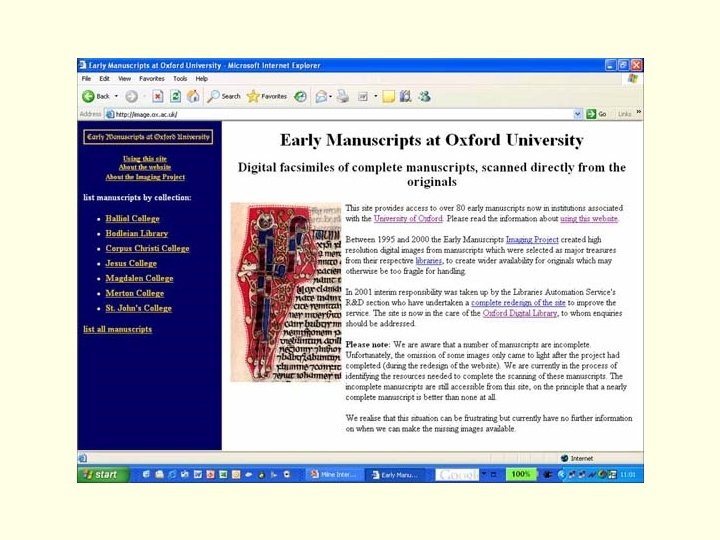
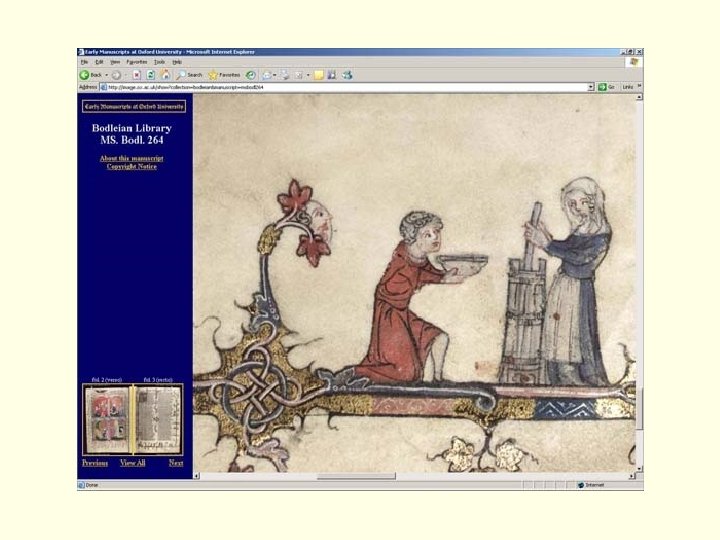
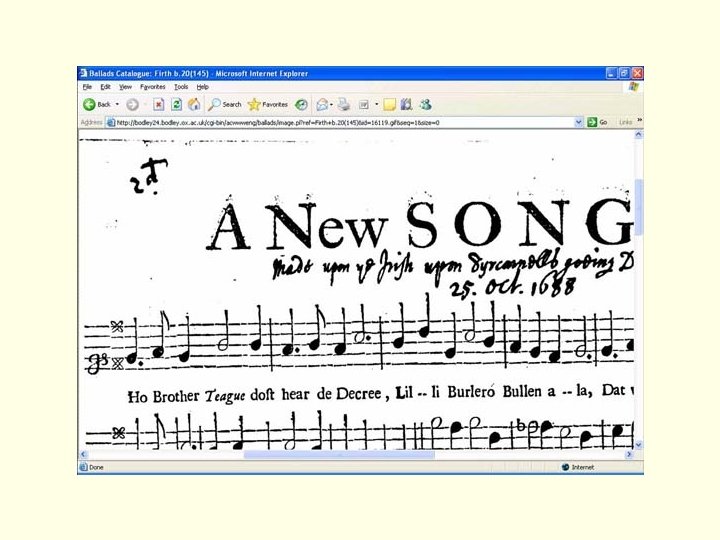
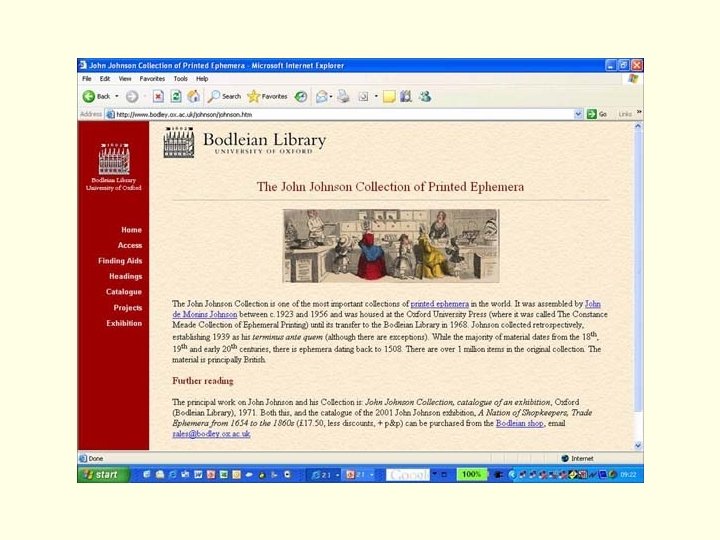
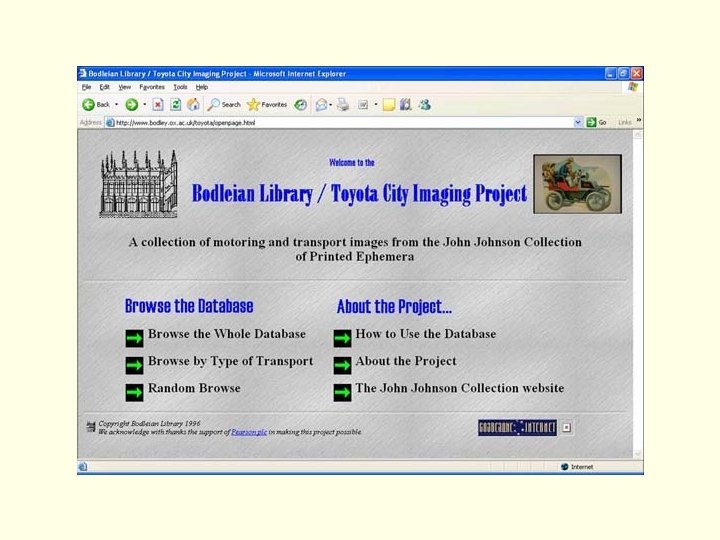
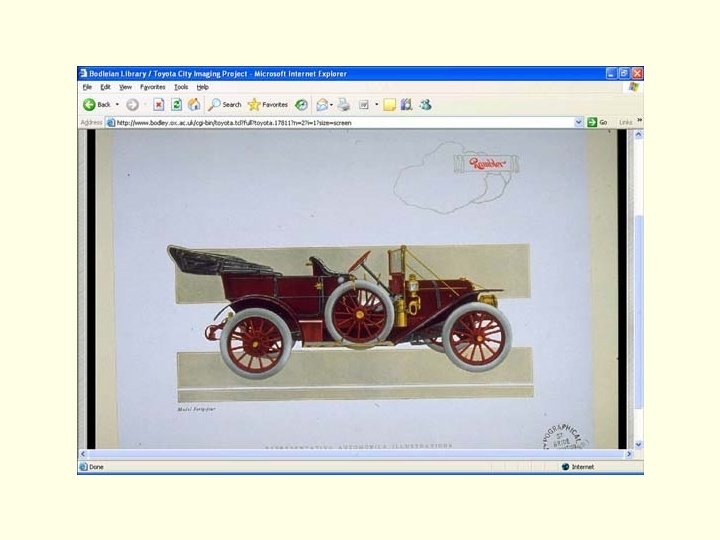
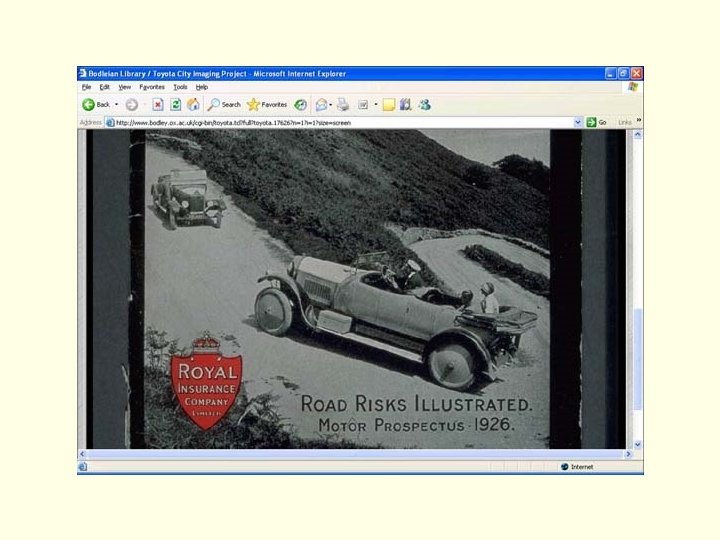
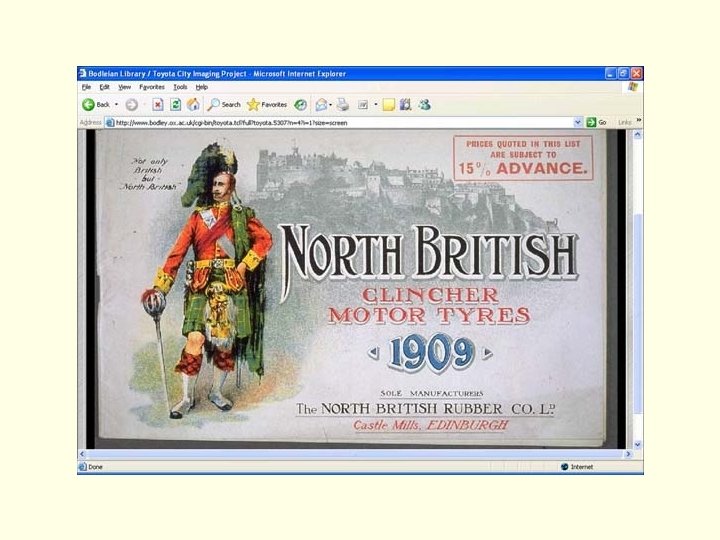
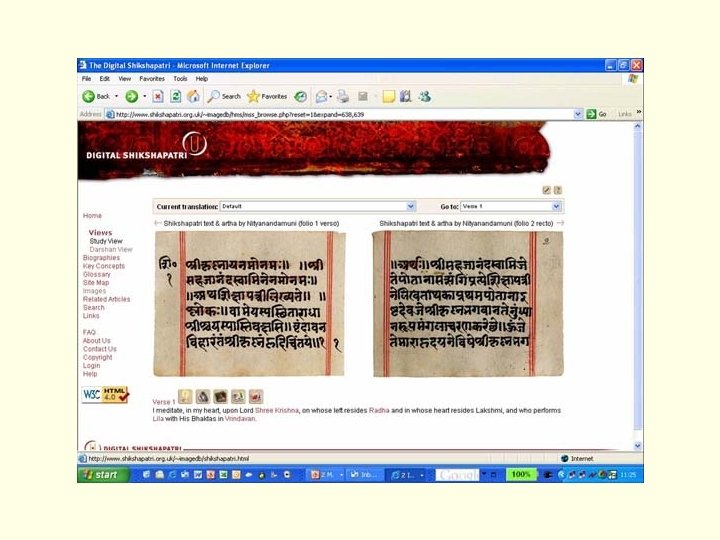
Some Oxford digitisation projects • Toyota City Imaging Project (1993) • Specialised Research Collections in the Humanities (NFF) and e. Lib projects (1995 -1998) – Early manuscripts in Oxford – Broadside Ballads – Johnson Collection • Oxford Digital Library (Mellon Foundation, 2000 - 2005) – Scoping study – Three production phases • Digital Shikshapatri (NOF, 2001 – 2003)


Google Library Project objectives in outline • To digitise materials from five major research libraries: Harvard, Michigan, New York Public, Oxford, Stanford • To create OCR’d text, with indexes for search and retrieval via Google search services and, in particular, Google Book Search • To provide online searching and access to hitherto inaccessible printed materials for the public worldwide
From the Google perspective • Google’s mission: – “to organize the world’s information and make it universally accessible and useful” • Library digitisation programme formulated in early 2003 as a means of tapping into ‘Deep Web’ materials • Conversations with publishers and major libraries during 2003 -2004 • Library programme under the umbrella of Google Book Search • Consistent with constant enhancement programme for its search engine services
From the Oxford perspective • Oxford’s Mission: ‘…to maintain and develop access to Oxford’s collections as a national and international research resource’ • Would be part of hybrid library project to create as much local electronic content as possible: ‘The Oxford Digital Library’ • Direct discussions with Google 2002 onwards • Win/Win situation quickly identified
Oxford Google digitisation • Agreement signed December 2004 • Digitisation of 19 th-century out-of-copyright material: 1 - 1. 5 M items • Includes material from the Bodleian Library and other major Oxford University libraries • A multi-year project
Two frequently asked questions about the Oxford project • Why 19 th century materials? – Out of copyright and out of print – Oxford already a principal partner in Early English Books Online (EEBO) and Eighteenth Century Collections (ECCO) projects • When did the project start? – Google Manager on site from 1 August 2005 – Scan stations were delivered in mid-December; work began March 2006
Some terms and conditions • Digitisation takes place on University premises • Virtually all costs met by Google • Oxford costs: seconding local project manager and selection of materials • Two digital copies to be made: Google and Oxford free to exploit non-exclusively • English Law if there are issues relating to contract
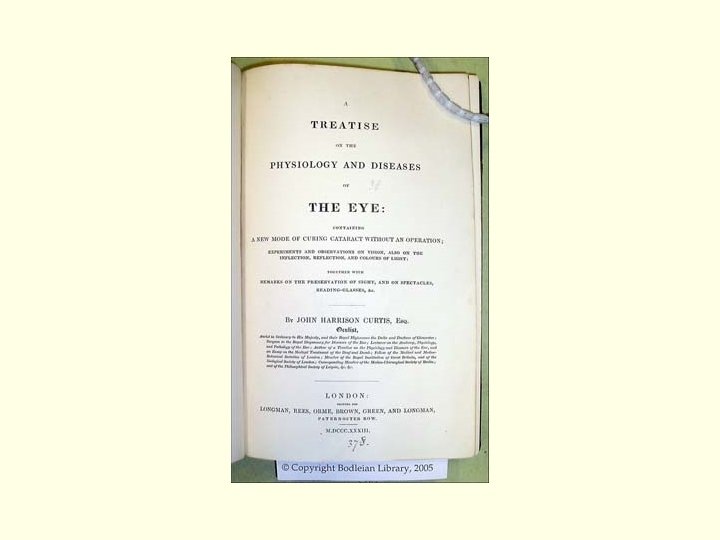
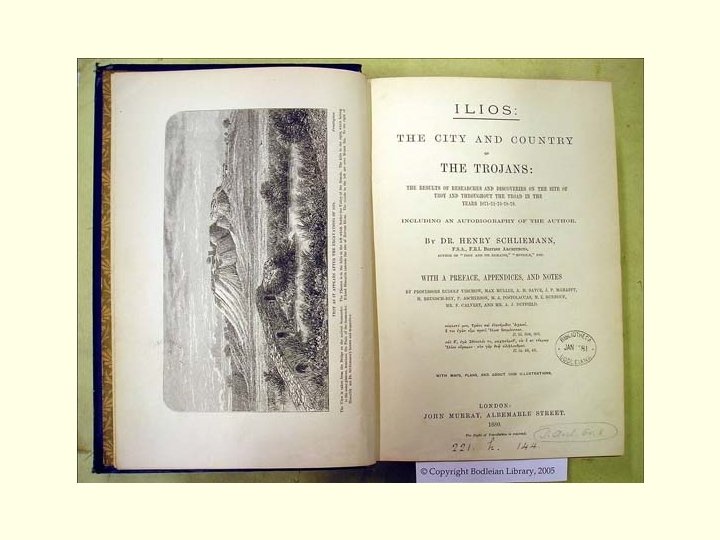
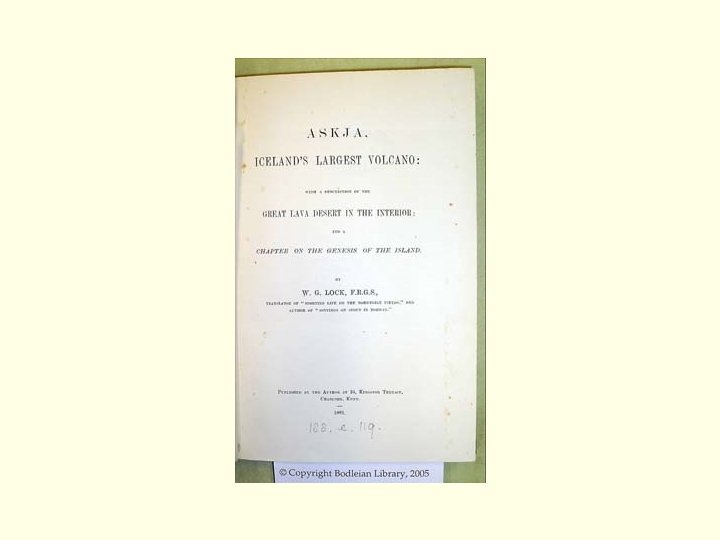
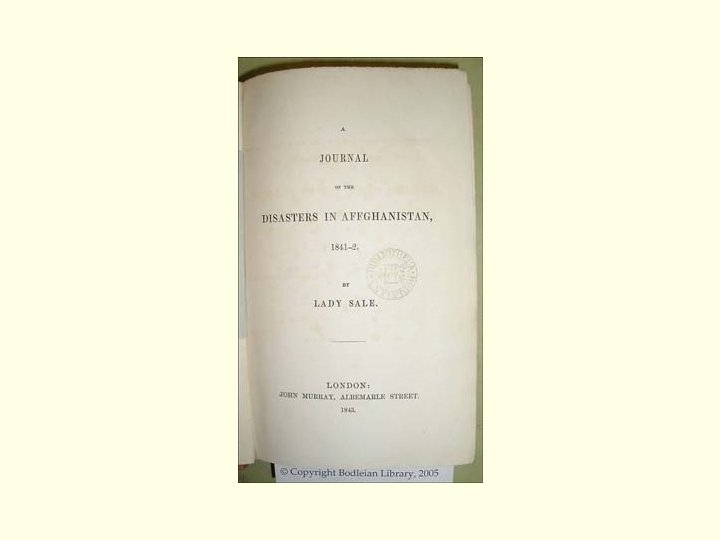
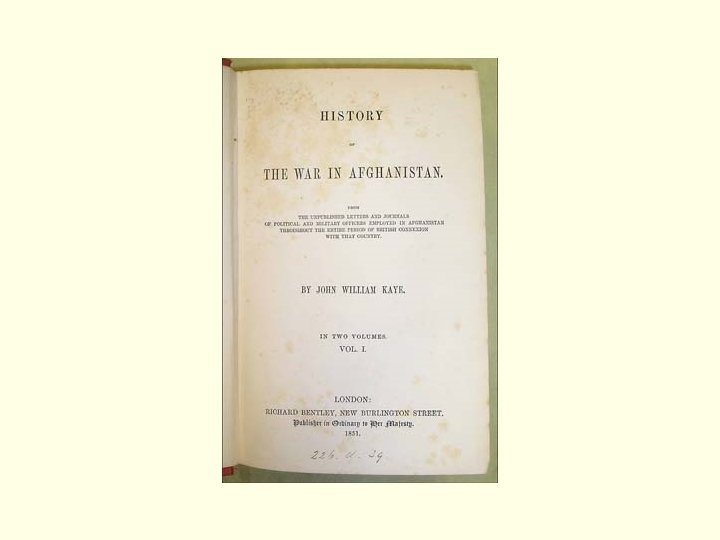
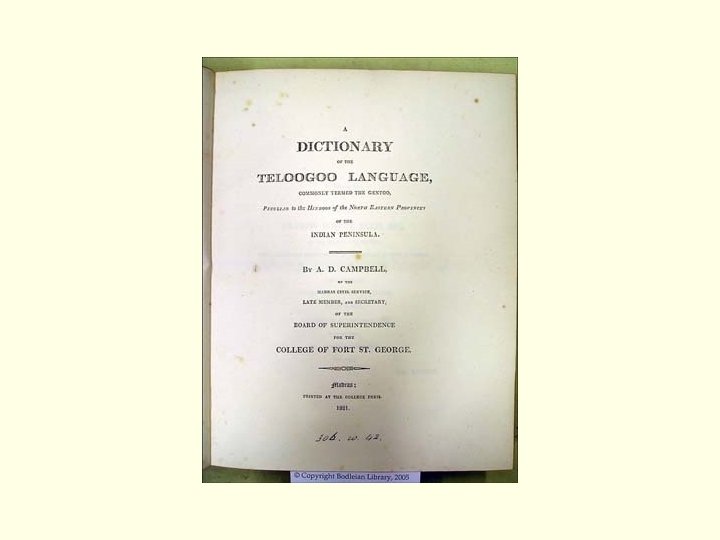
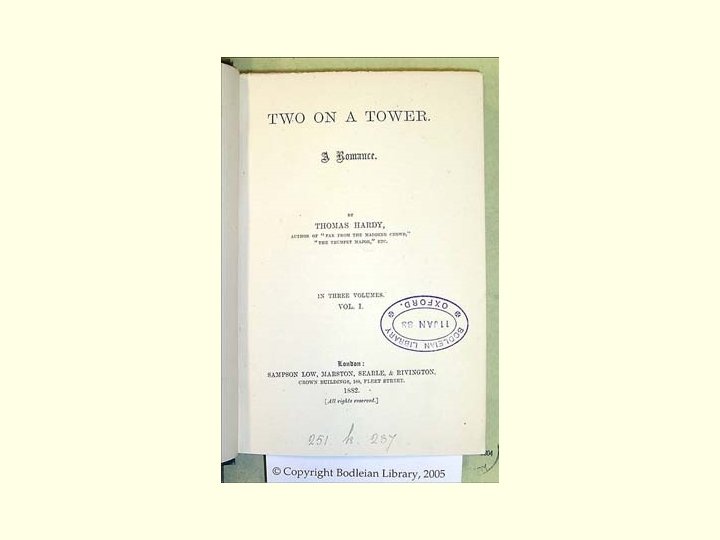
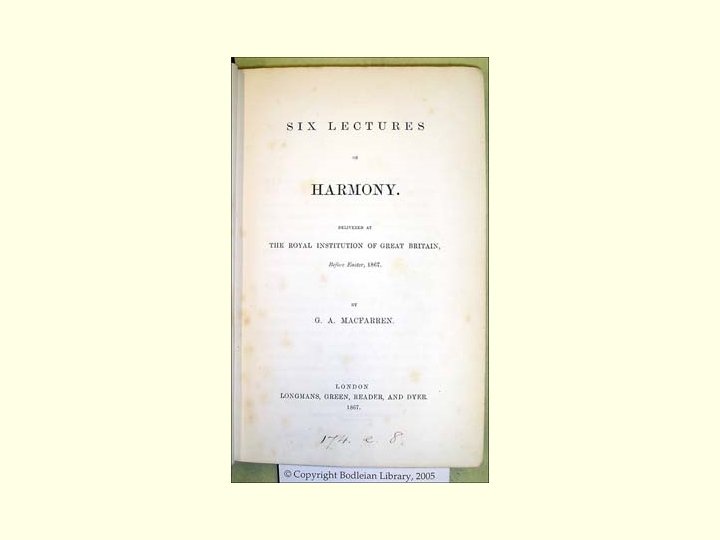
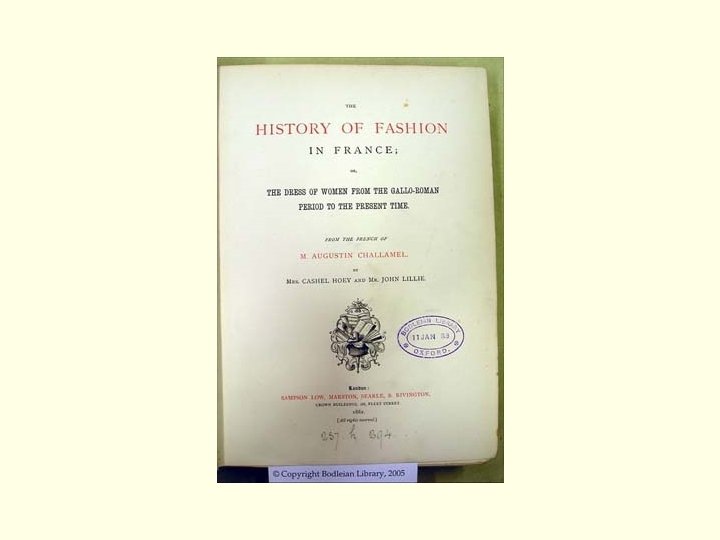
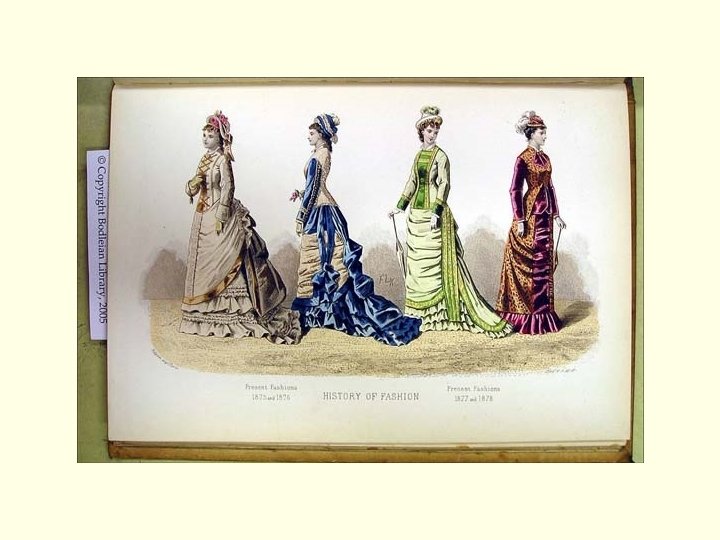
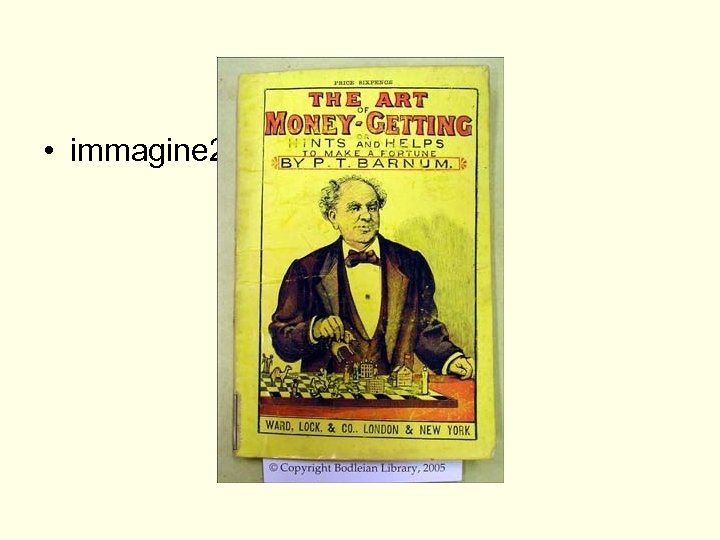
• immagine 26
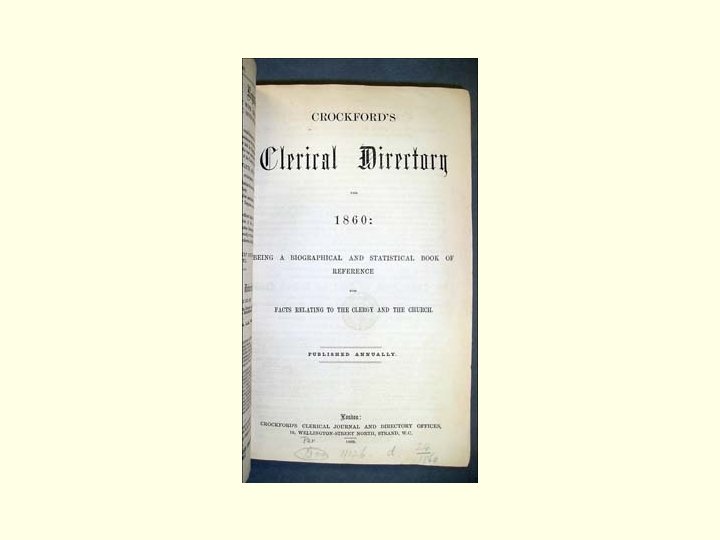
Some issues • Duplication among libraries, and language representation • Conservation • Logistics • Workflow • Delivery of the ‘Oxford Digital Copy’
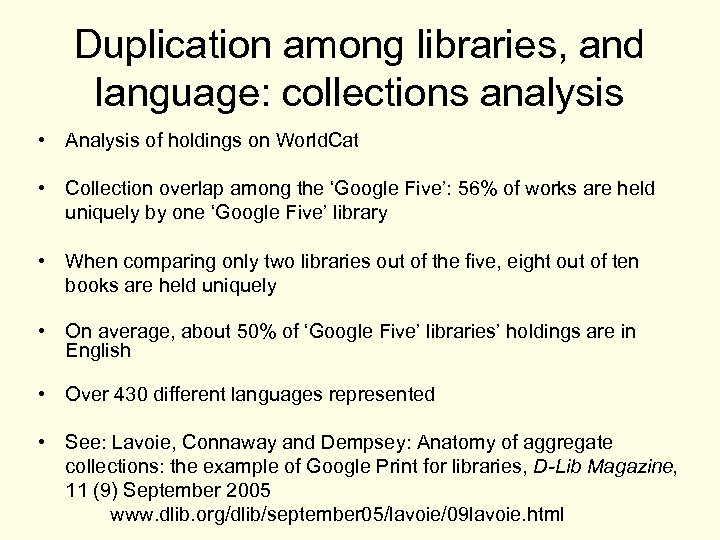
Duplication among libraries, and language: collections analysis • Analysis of holdings on World. Cat • Collection overlap among the ‘Google Five’: 56% of works are held uniquely by one ‘Google Five’ library • When comparing only two libraries out of the five, eight out of ten books are held uniquely • On average, about 50% of ‘Google Five’ libraries’ holdings are in English • Over 430 different languages represented • See: Lavoie, Connaway and Dempsey: Anatomy of aggregate collections: the example of Google Print for libraries, D-Lib Magazine, 11 (9) September 2005 www. dlib. org/dlib/september 05/lavoie/09 lavoie. html
Conservation • Conservation: Oxford has the absolute right to say that particular items may not be digitised • 19 th-century material – acidity of paper; but Google scanning non-invasive; ‘slow track’ for fragile material • Any book that can be read likely to be in a fit state to be digitised • Newspapers and large format material excluded at this stage
Logistics • Books transferred by van from the New Bodleian stack to the digitisation centre • Space requirement – depends on number of scanning stations • Currently working 2 shifts; 24 x 7 working – a possibility: need for a ‘buffer zone’ • ‘Selection’ of books: – digitisation en masse rather than ‘cherrypicking’ • Google currently digitising material Roman character set material • Expect to be able to undertake digitisation of material in Arabic, Cyrillic and CJK character sets during 2006
Workflow • Operating on an industrial scale • Workflow tests/trial runs in May and December 2005 • Identification of stock, pulling the stock, appraisal (conservation checking etc), barcoding of stock, associated bibliographic work, movement to the scanning site and return • Trial allowed us to test methodologies and configure the project profile • The real challenge is the associated bibliographic/barcoding work (Unlike other libraries, Oxford has many unbarcoded items) • Survey revealed that circa 20% of 19 th century stock is uncut … • Survey also revealed that circa 3% of 19 th century stock is uncatalogued …
![The miscellaneous works of Oliver Goldsmith [ed. by S. Rose]. (1812)](https://present5.com/presentation/8f053c0af011a15b0993ed093fc6b24f/image-45.jpg "The miscellaneous works of Oliver Goldsmith [ed. by S. Rose]. (1812)")
The miscellaneous works of Oliver Goldsmith [ed. by S. Rose]. (1812)
![The works of Samuel Johnson [vol 5 of 12] (1823)](https://present5.com/presentation/8f053c0af011a15b0993ed093fc6b24f/image-46.jpg "The works of Samuel Johnson [vol 5 of 12] (1823)")
The works of Samuel Johnson [vol 5 of 12] (1823)
![Truckleborough Hall [by W. P. Scargill]. (1827)](https://present5.com/presentation/8f053c0af011a15b0993ed093fc6b24f/image-47.jpg "Truckleborough Hall [by W. P. Scargill]. (1827)")
Truckleborough Hall [by W. P. Scargill]. (1827)
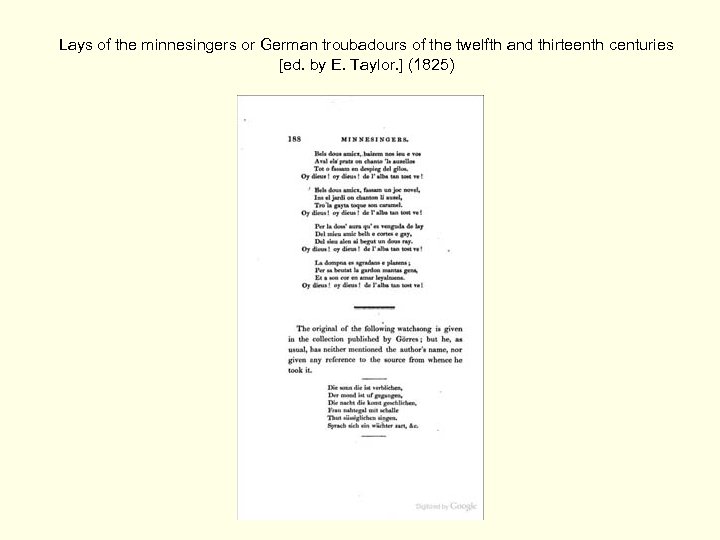
Lays of the minnesingers or German troubadours of the twelfth and thirteenth centuries [ed. by E. Taylor. ] (1825)
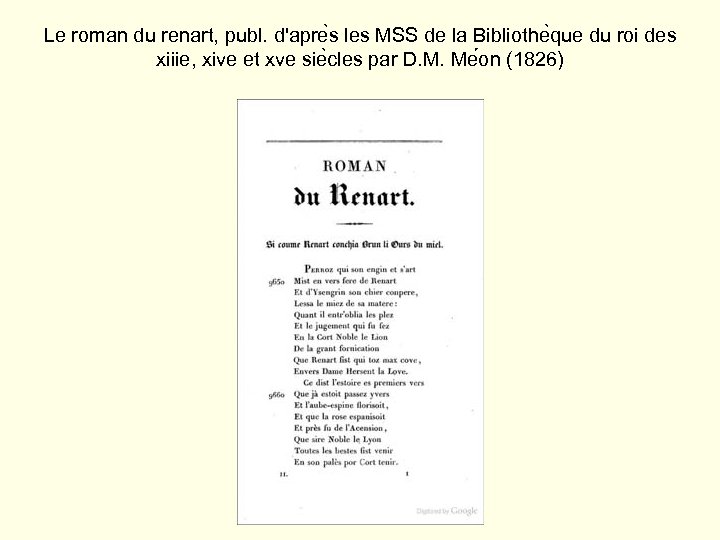
Le roman du renart, publ. d'apre s les MSS de la Bibliothe que du roi des xiiie, xive et xve sie cles par D. M. Me on (1826)
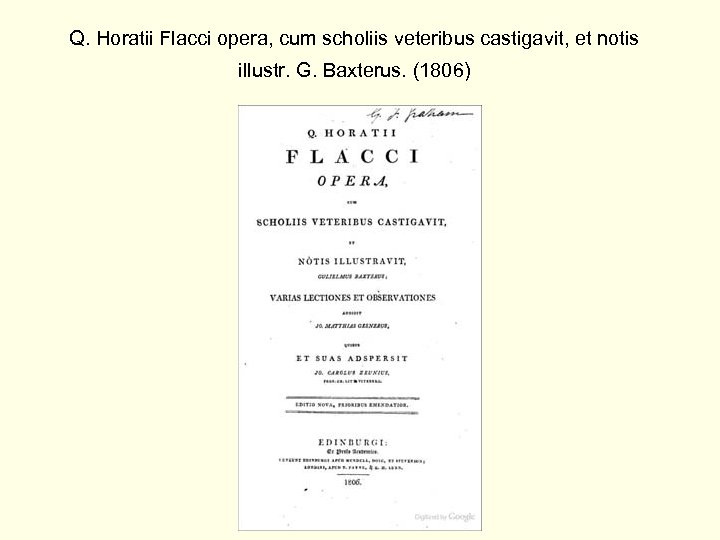
Q. Horatii Flacci opera, cum scholiis veteribus castigavit, et notis illustr. G. Baxterus. (1806)
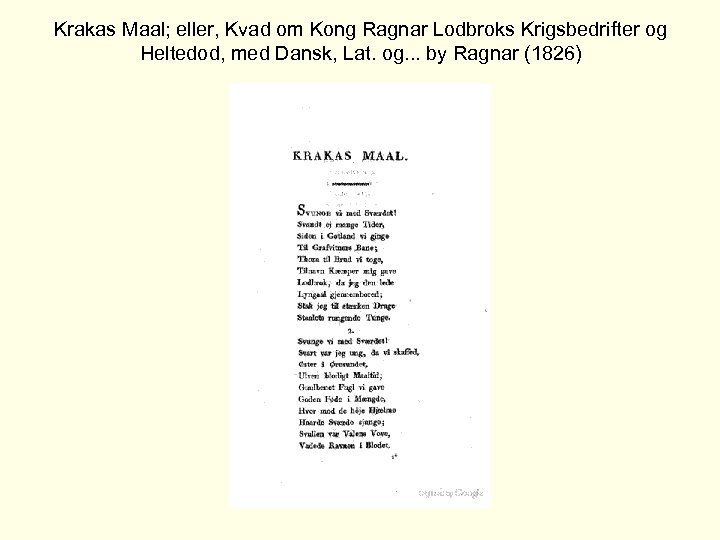
Krakas Maal; eller, Kvad om Kong Ragnar Lodbroks Krigsbedrifter og Heltedod, med Dansk, Lat. og. . . by Ragnar (1826)
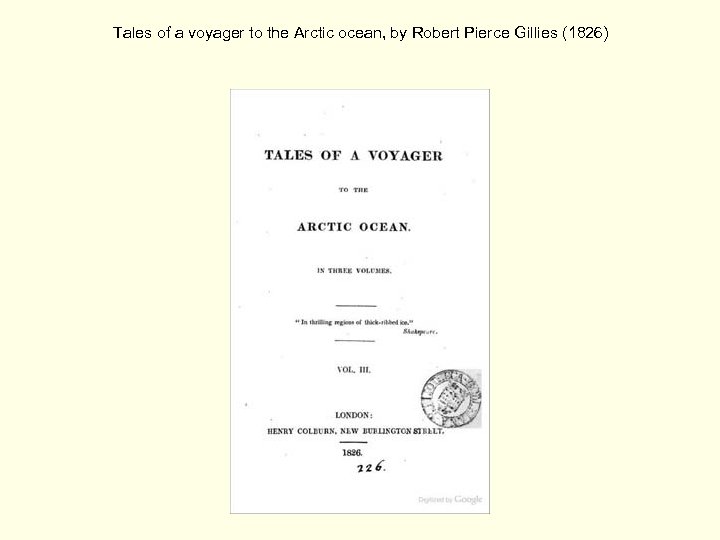
Tales of a voyager to the Arctic ocean, by Robert Pierce Gillies (1826)
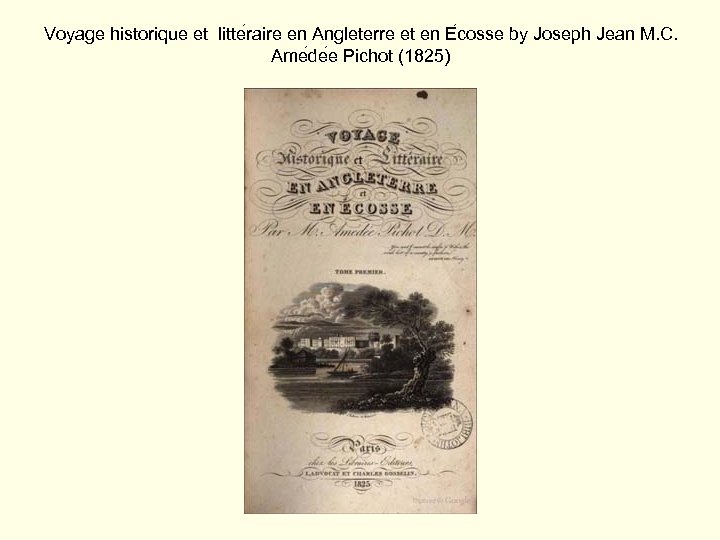
Voyage historique et litte raire en Angleterre et en E cosse by Joseph Jean M. C. Ame de e Pichot (1825)
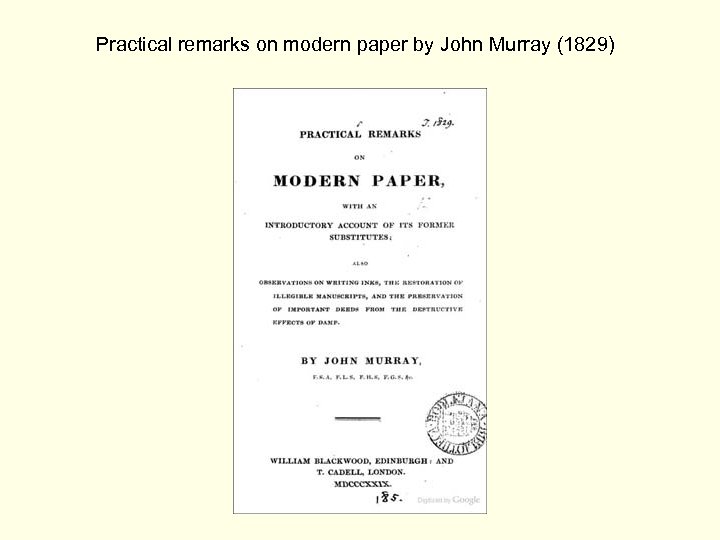
Practical remarks on modern paper by John Murray (1829)
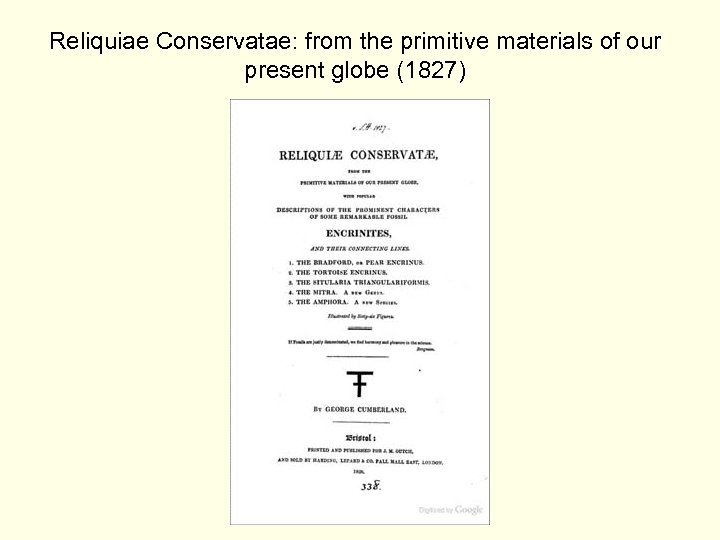
Reliquiae Conservatae: from the primitive materials of our present globe (1827)
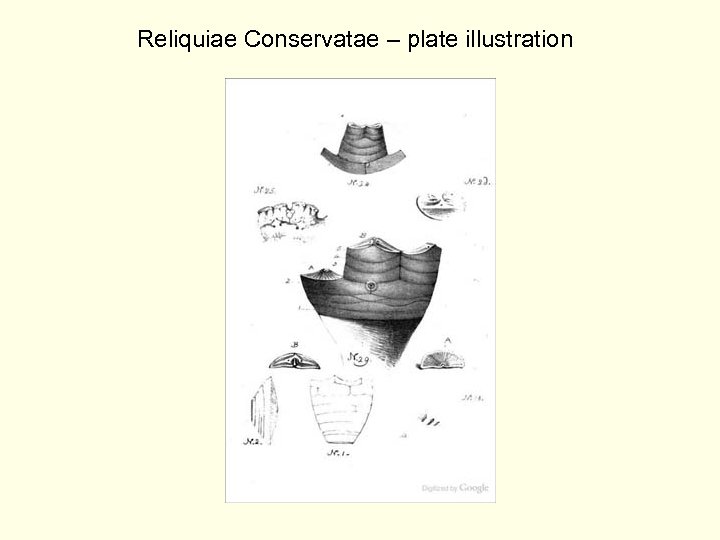
Reliquiae Conservatae – plate illustration
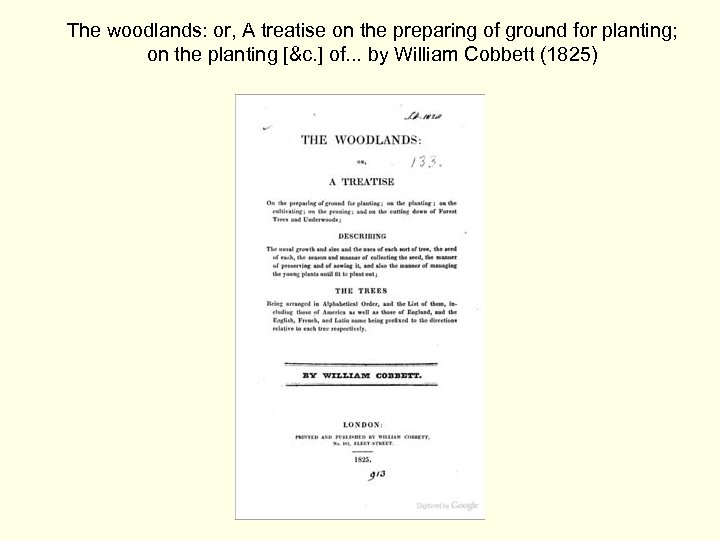
The woodlands: or, A treatise on the preparing of ground for planting; on the planting [&c. ] of. . . by William Cobbett (1825)
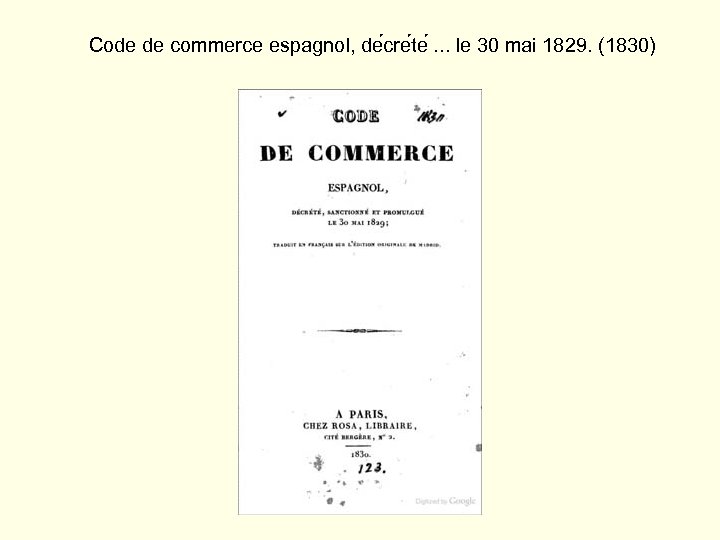
Code de commerce espagnol, de cre te . . . le 30 mai 1829. (1830)
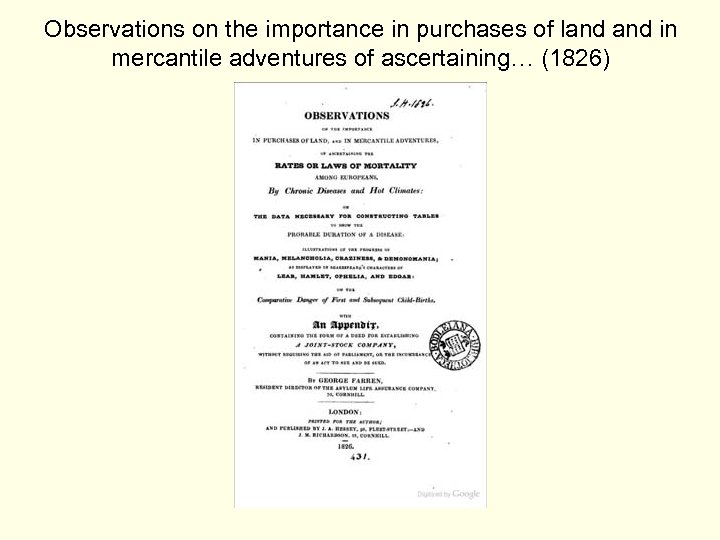
Observations on the importance in purchases of land in mercantile adventures of ascertaining… (1826)
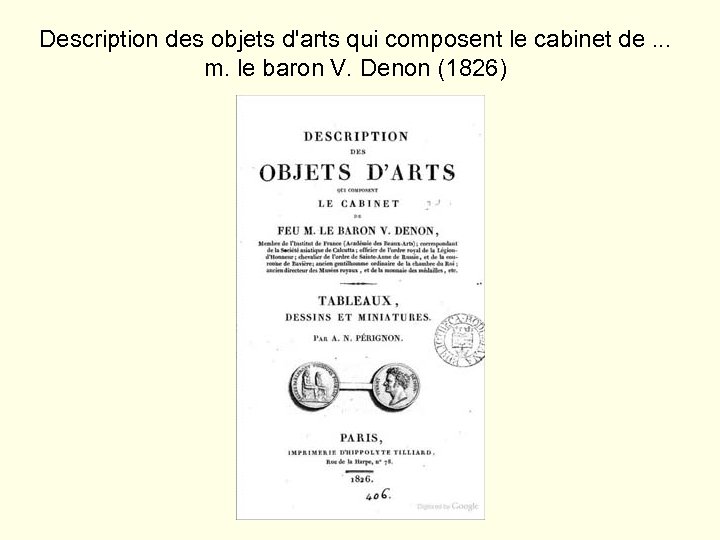
Description des objets d'arts qui composent le cabinet de. . . m. le baron V. Denon (1826)
Oxford Digital Copy • Oxford books already available on the Web through Google Book Search • OCR’d text • Will be linked to Oxford catalogue record • Oxford and other libraries’ material will be hosted on a Google server, in the first instance • Available to anyone, anywhere, on the Web • Google Library Project represents a step-change in the dissemination of information • Potentially a transforming agent in learning, teaching and research
Collection development matters • Much out-of-print, out-of-copyright material will become available on the Web • All libraries should be able to point to Google Library Project public domain material • Create portals for particular genres of material, or different subject categories, create ‘boutique’ sites? • Content rather than collection strategy (cf the British Library)? • With so much electronic material available, both in the public domain and by subscription, what defines and distinguishes any one particular library?
Ronald Milne Acting Director of University Library Services & Bodley’s Librarian ronald. milne@ouls. ox. ac. uk +44 (0) 1865 287107
Скачать презентацию The Google Library Project at Oxford Ronald Milne
8f053c0af011a15b0993ed093fc6b24f.ppt