


 Скачать презентацию The Future of Science Lawrence
727d5e8b47eb30f612a7f3c71f8ceda5.ppt
- Количество слайдов: 14
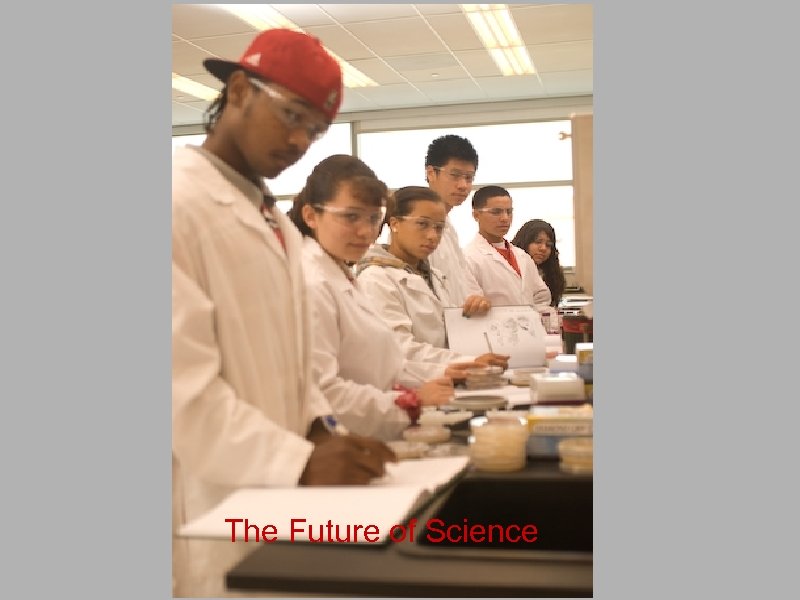 The Future of Science
 • Lawrence Berkeley National Laboratory, Sandia National Laboratories, UC Berkeley, UC Davis, The Carnegie Institution of Science, Lawrence Livermore National Laboratory. • Main Focus is to improve the conversion of cellulosic biomass into biofuels. Blanch et al. "Addresing the Need for Alternative Transportation Fuels: The Joint Bio. Energy Institute" ACS chemical biology 2008: 17 -20
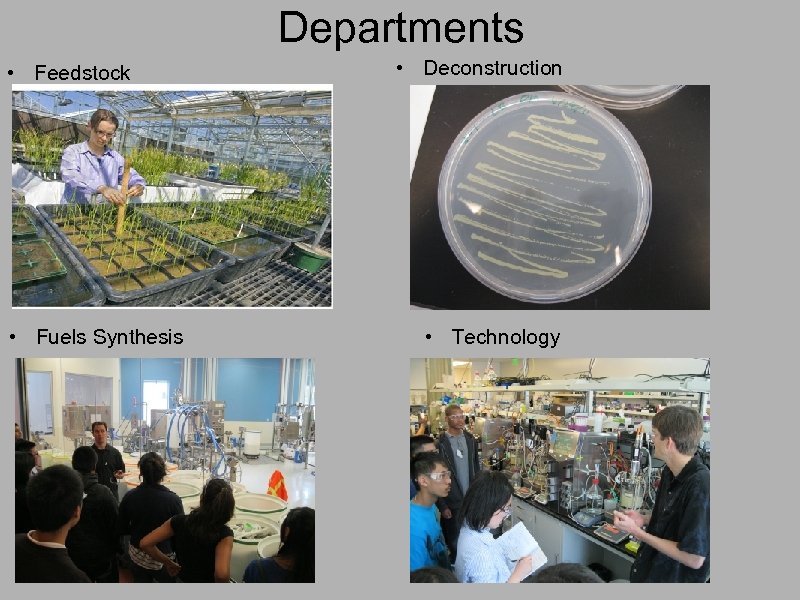 Departments • Feedstock • Deconstruction • Fuels Synthesis • Technology
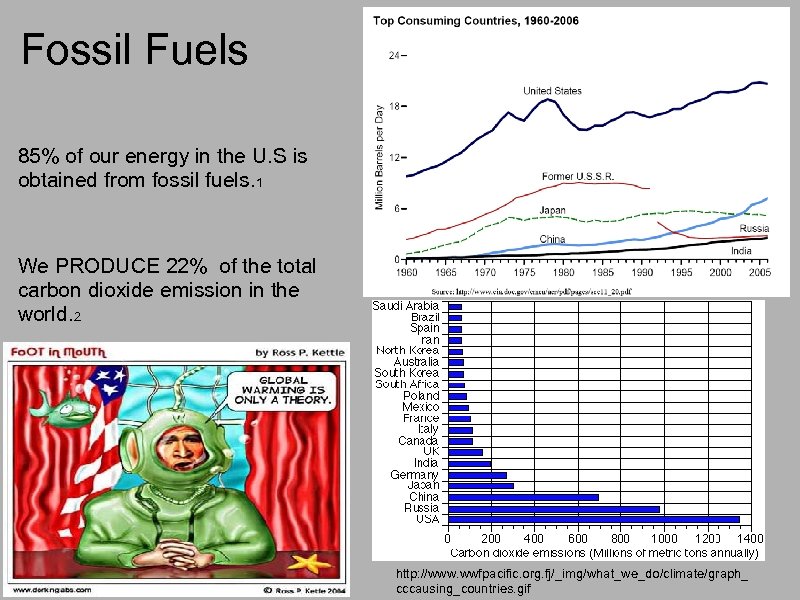 Fossil Fuels 85% of our energy in the U. S is obtained from fossil fuels. 1 We PRODUCE 22% of the total carbon dioxide emission in the world. 2 http: //www. wwfpacific. org. fj/_img/what_we_do/climate/graph_ cccausing_countries. gif
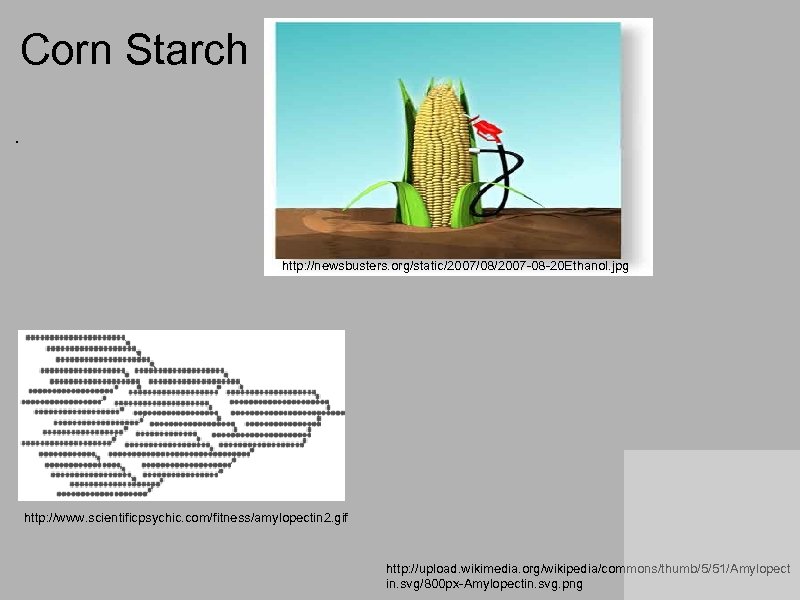 Corn Starch. http: //newsbusters. org/static/2007/08/2007 -08 -20 Ethanol. jpg http: //www. scientificpsychic. com/fitness/amylopectin 2. gif http: //upload. wikimedia. org/wikipedia/commons/thumb/5/51/Amylopect in. svg/800 px-Amylopectin. svg. png
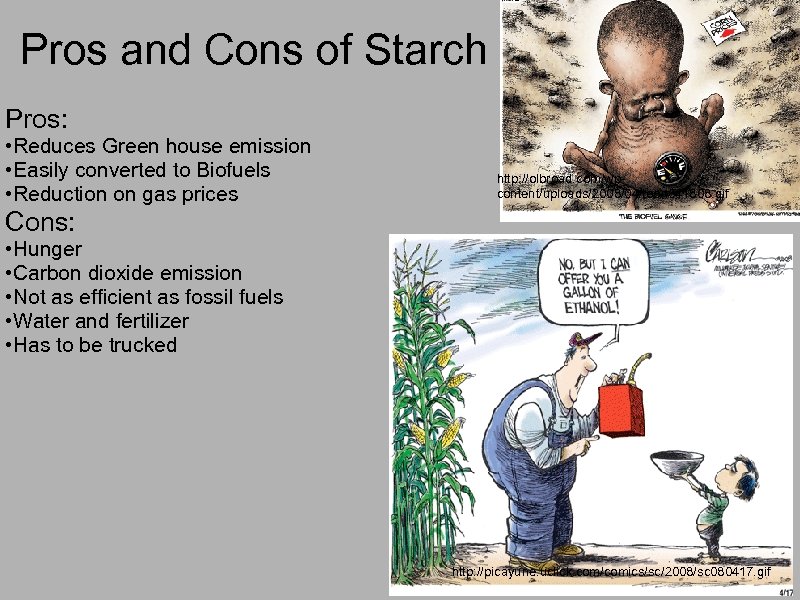 Pros and Cons of Starch Pros: • Reduces Green house emission • Easily converted to Biofuels • Reduction on gas prices http: //olbroad. com/wpcontent/uploads/2008/04/toon 041808. gif Cons: • Hunger • Carbon dioxide emission • Not as efficient as fossil fuels • Water and fertilizer • Has to be trucked http: //picayune. uclick. com/comics/sc/2008/sc 080417. gif
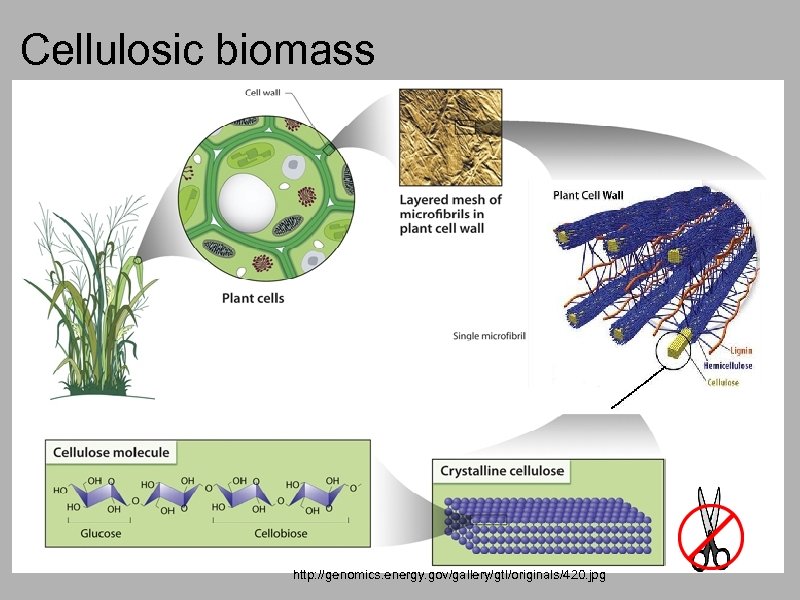 Cellulosic biomass http: //genomics. energy. gov/gallery/gtl/originals/420. jpg
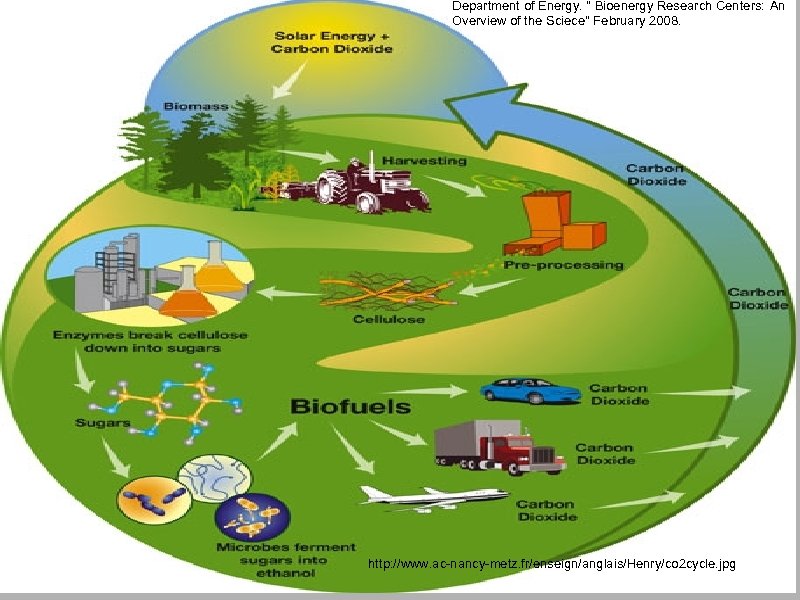 Department of Energy. " Bioenergy Research Centers: An Overview of the Sciece" February 2008. http: //www. ac-nancy-metz. fr/enseign/anglais/Henry/co 2 cycle. jpg
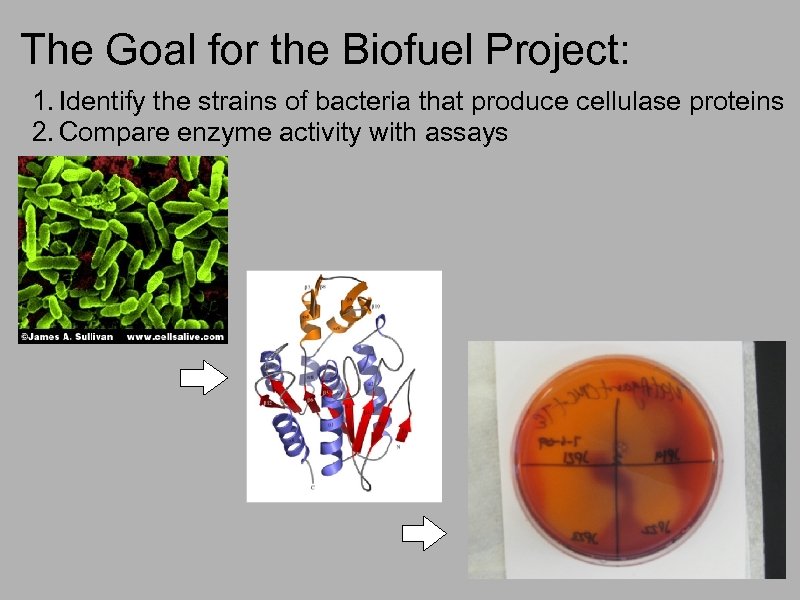 The Goal for the Biofuel Project: 1. Identify the strains of bacteria that produce cellulase proteins 2. Compare enzyme activity with assays
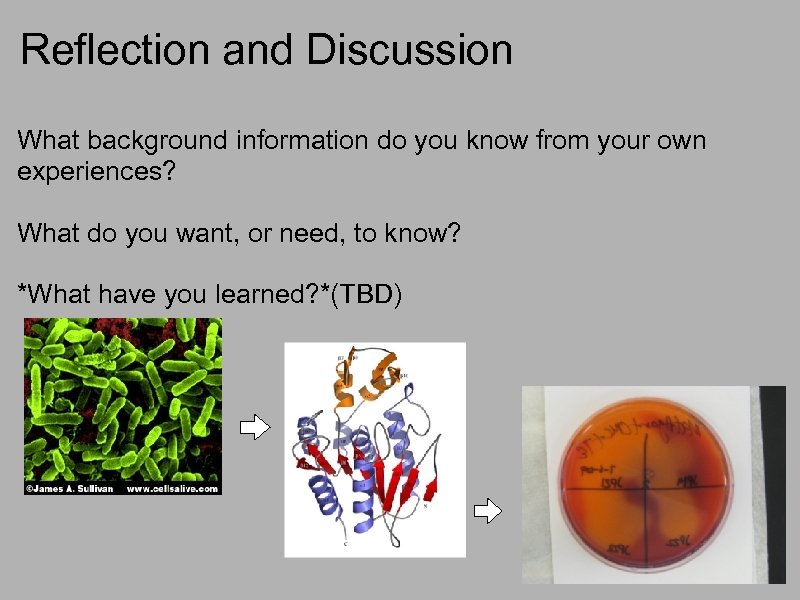 Reflection and Discussion What background information do you know from your own experiences? What do you want, or need, to know? *What have you learned? *(TBD)
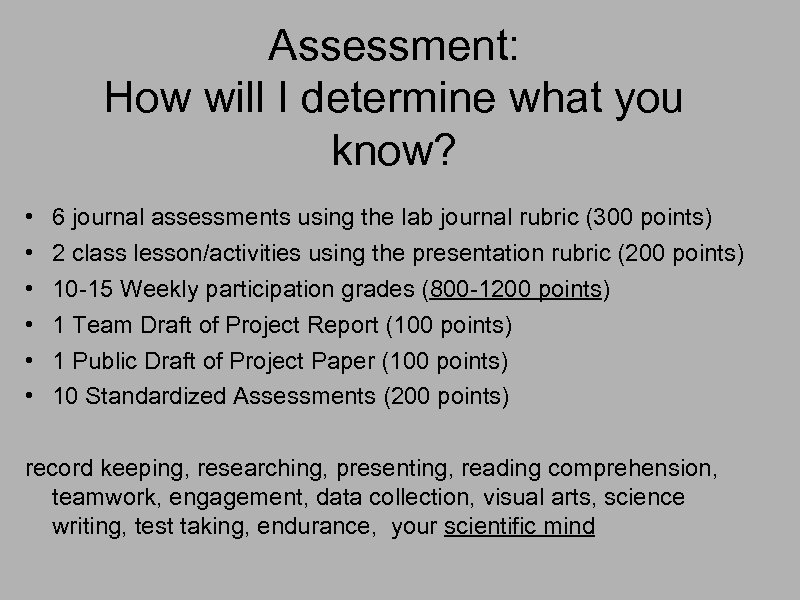 Assessment: How will I determine what you know? • • • 6 journal assessments using the lab journal rubric (300 points) 2 class lesson/activities using the presentation rubric (200 points) 10 -15 Weekly participation grades (800 -1200 points) 1 Team Draft of Project Report (100 points) 1 Public Draft of Project Paper (100 points) 10 Standardized Assessments (200 points) record keeping, researching, presenting, reading comprehension, teamwork, engagement, data collection, visual arts, science writing, test taking, endurance, your scientific mind
 What we know:
 What we need or want to know
 1) Bayer, Edward et al. "The potential of cellulases and cellulosomes for cellulosic waste management" Science Direct 2007: 237 -245 2) Blanch et al. "Addresing the Need for Alternative Transportation Fuels: The Joint Bio. Energy Institute" ACS chemical biology 2008: 17 -20 3) U. S. Department of Energy (2005) Emission of Greenhouse Gases in the United States, www. eia. doe. gov/ oiaf/1605/flashkbcb. html. 4)Brown WH, Poon T (2005) Introduction to organic chemistry-Third edition, John Wiley & Sons (ISBN 0 -471 -44451 -0) 5) Department of Energy. " Bioenergy Research Centers: An Overview of the Sciece" February 2008. 6) Sullivan, James. "Pseudomonas" Cells. Alive. com May 15, 2008. June 19, 2009. 7) Wong, Vernon; Ocampo, Martin. "The Future Sciences" School. Bio. Tech. Saber Khan. September 2008, June 19, 2009. http: //sites. google. com/site/schoolbiotech/dna-technologies/research-presentationpart-1 -intro-to-biofuels