


 Скачать презентацию The Fish Processing Perspective Market segmentation general
5872b80632054676e94ecd53655bbafd.ppt
- Количество слайдов: 28
 The Fish Processing Perspective – Market segmentation, general opportunities and eco-labelling. Alex Olsen; A. Espersen A/S
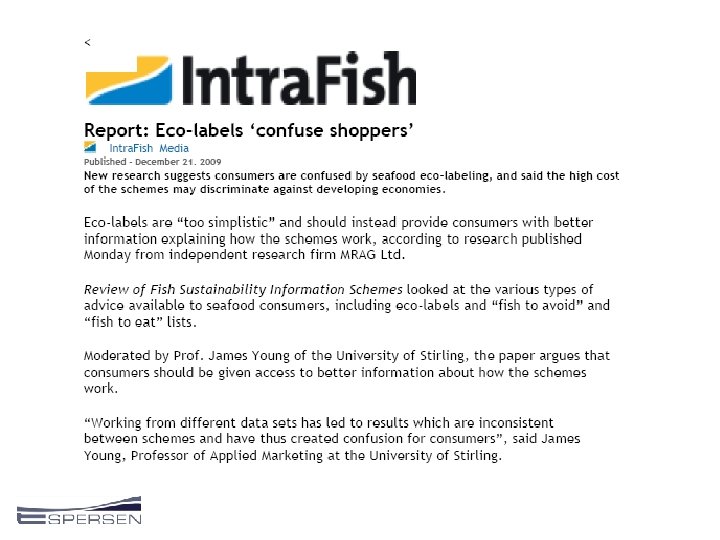
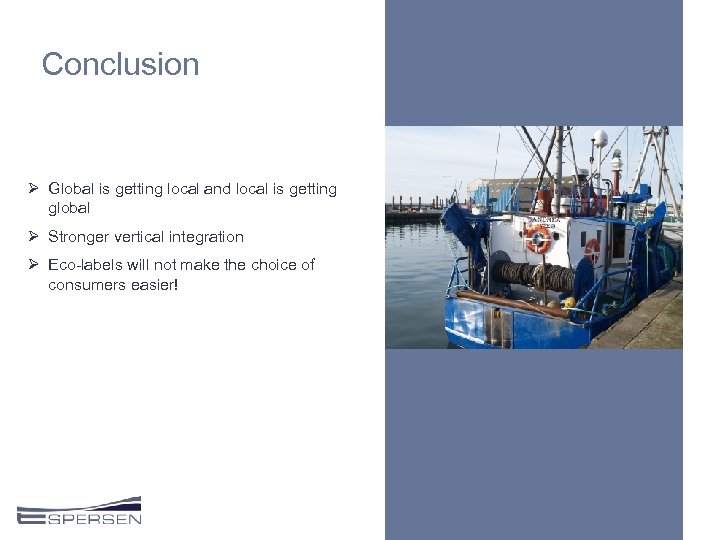
 Conclusion Ø Global is getting local and local is getting global Ø Stronger vertical integration Ø Eco-labels will not make the choice of consumers easier!
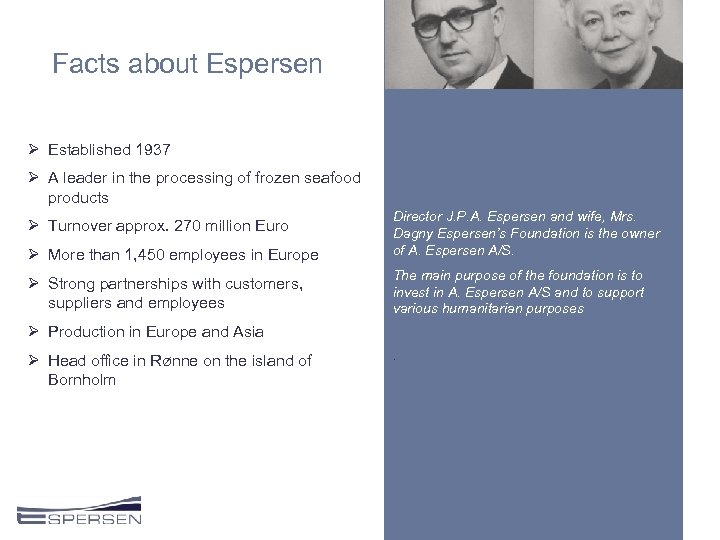 Facts about Espersen Ø Established 1937 Ø A leader in the processing of frozen seafood products Ø More than 1, 450 employees in Europe Director J. P. A. Espersen and wife, Mrs. Dagny Espersen’s Foundation is the owner of A. Espersen A/S. Ø Strong partnerships with customers, suppliers and employees The main purpose of the foundation is to invest in A. Espersen A/S and to support various humanitarian purposes Ø Turnover approx. 270 million Euro Ø Production in Europe and Asia Ø Head office in Rønne on the island of Bornholm .
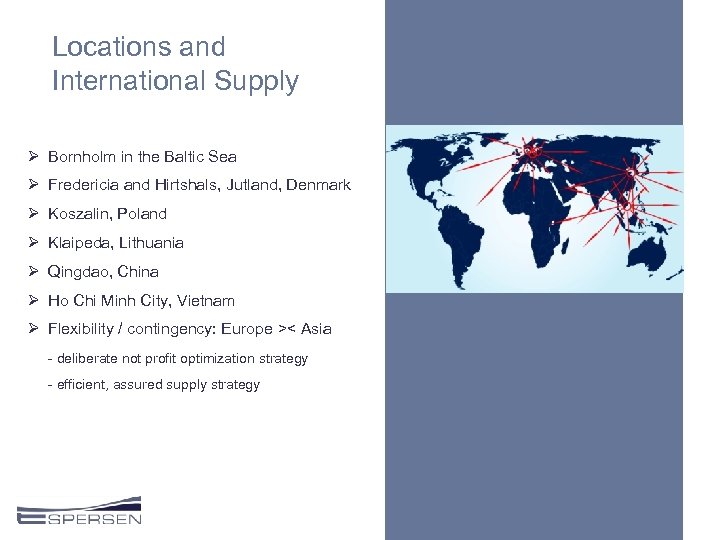 Locations and International Supply Ø Bornholm in the Baltic Sea Ø Fredericia and Hirtshals, Jutland, Denmark Ø Koszalin, Poland Ø Klaipeda, Lithuania Ø Qingdao, China Ø Ho Chi Minh City, Vietnam Ø Flexibility / contingency: Europe >< Asia - deliberate not profit optimization strategy - efficient, assured supply strategy
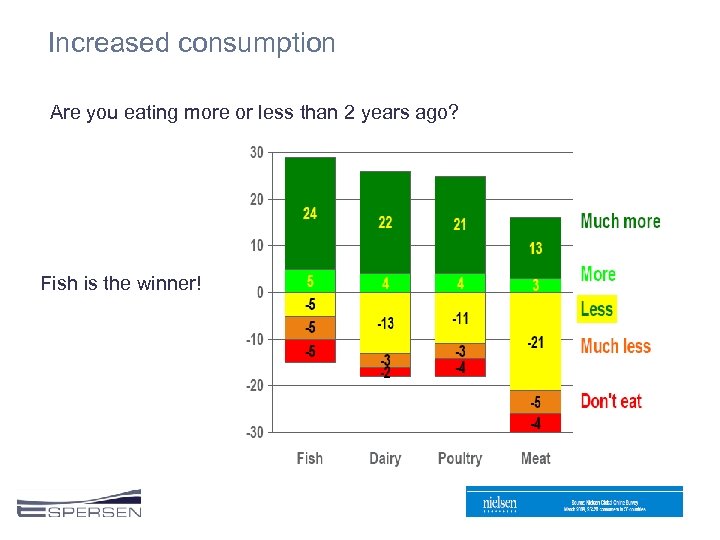 Increased consumption Are you eating more or less than 2 years ago? Fish is the winner!
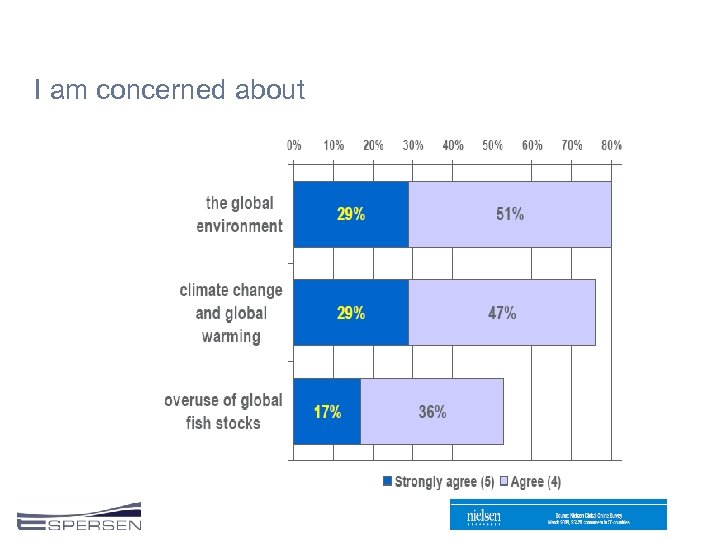 I am concerned about
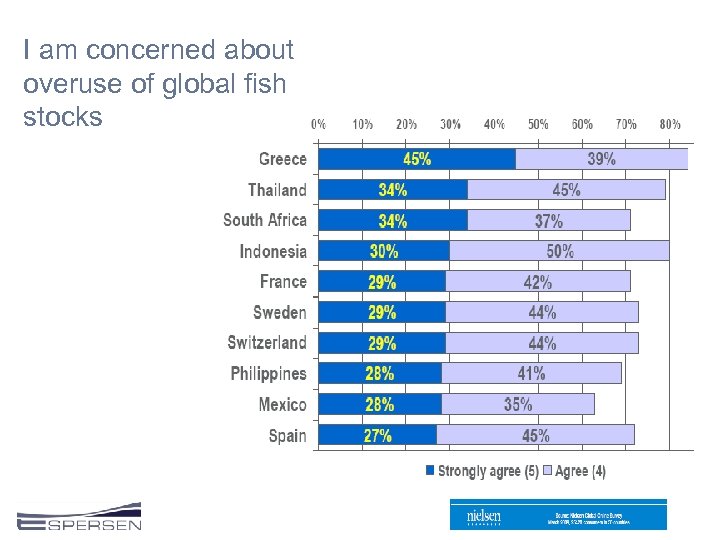 I am concerned about overuse of global fish stocks
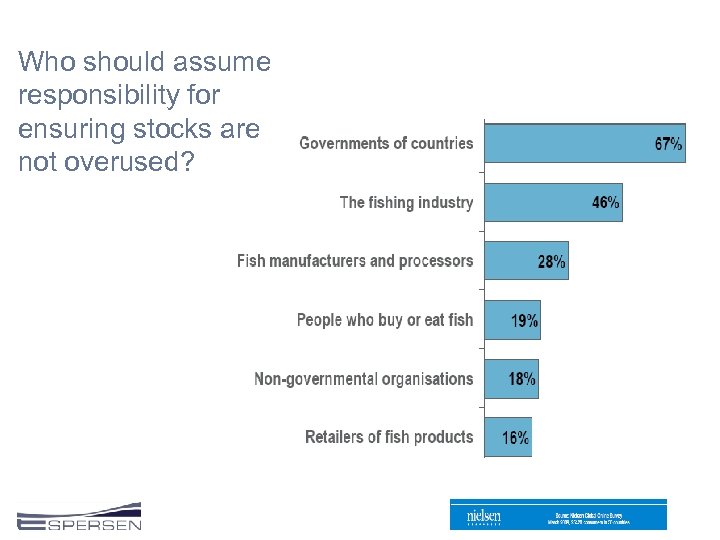 Who should assume responsibility for ensuring stocks are not overused?
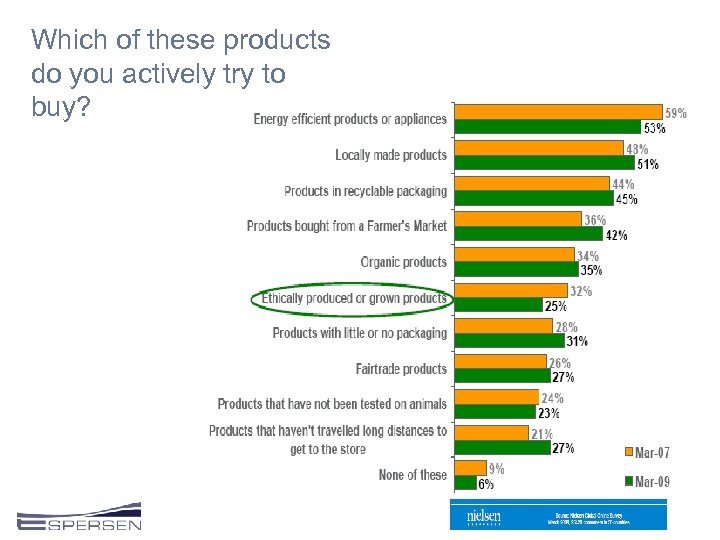 Which of these products do you actively try to buy?
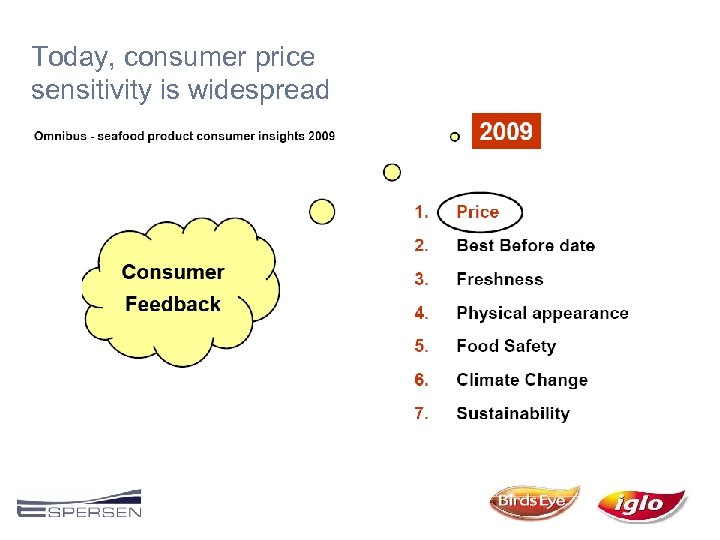 Today, consumer price sensitivity is widespread
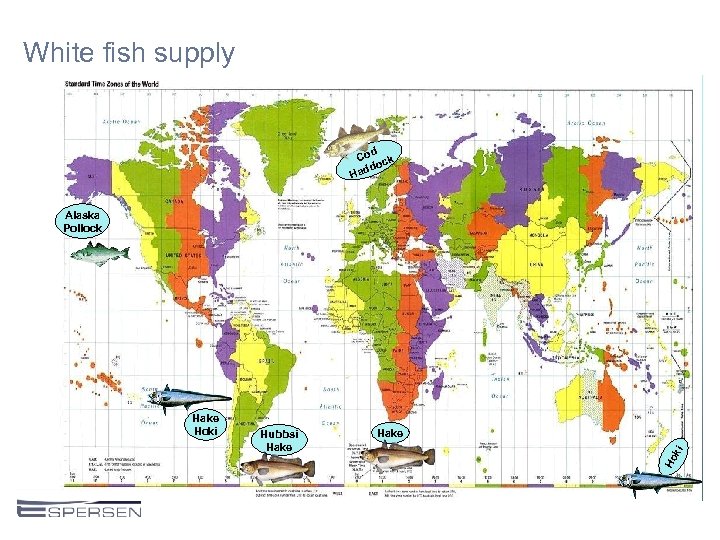 White fish supply Cod ck do Had Alaska Pollock Hake ki Hubbsi Hake Hoki
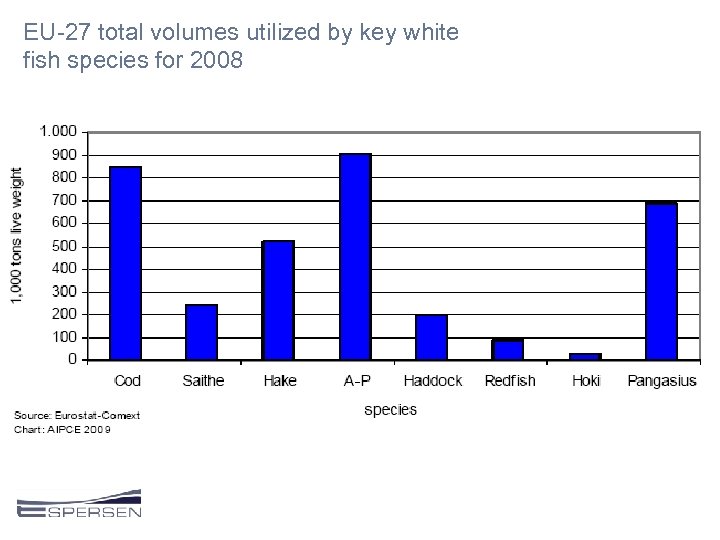 EU-27 total volumes utilized by key white fish species for 2008
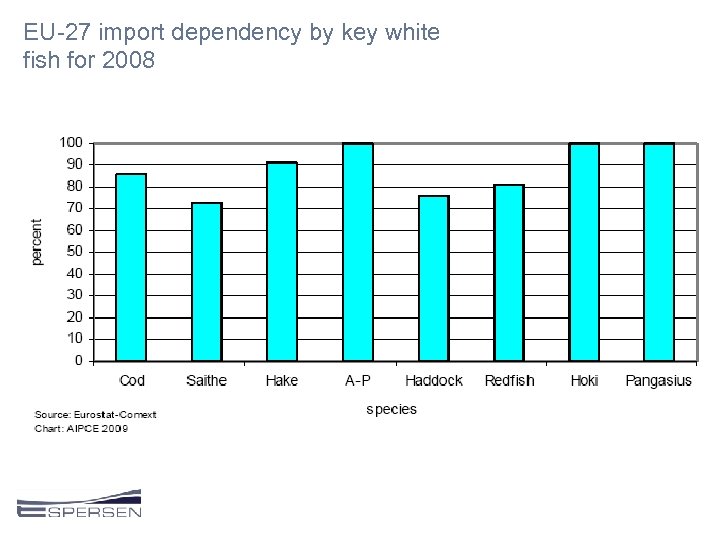 EU-27 import dependency by key white fish for 2008
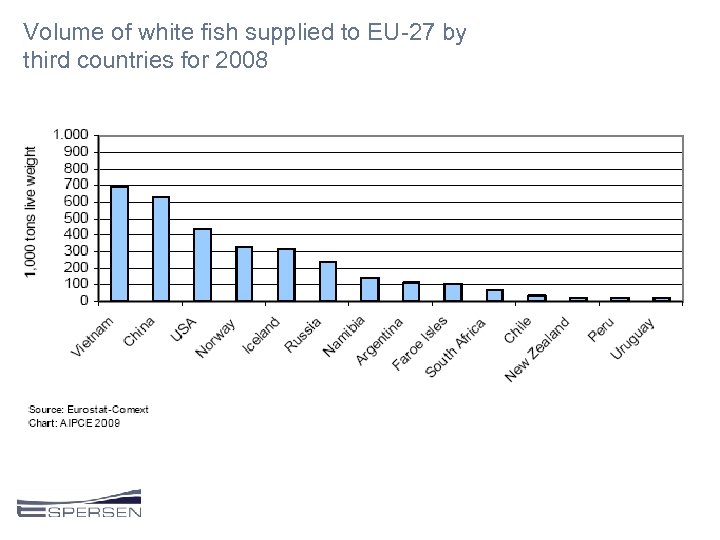 Volume of white fish supplied to EU-27 by third countries for 2008
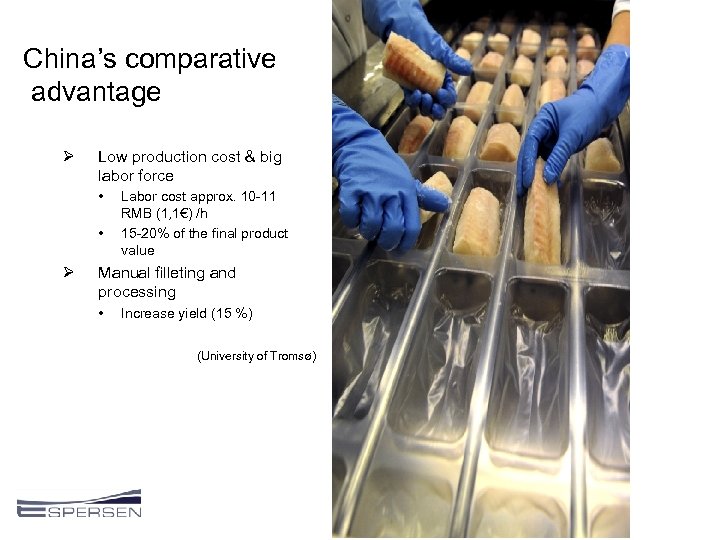 China’s comparative advantage Ø Low production cost & big labor force • • Ø Labor cost approx. 10 -11 RMB (1, 1€) /h 15 -20% of the final product value Manual filleting and processing • Increase yield (15 %) (University of Tromsø)
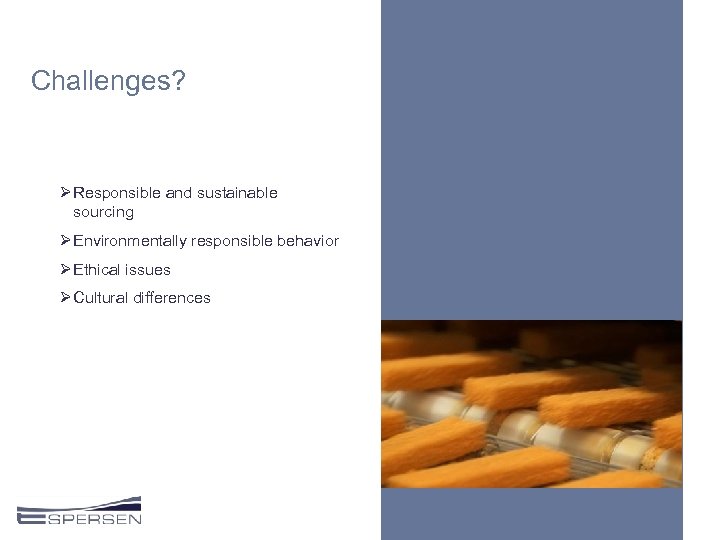 Challenges? Ø Responsible and sustainable sourcing Ø Environmentally responsible behavior Ø Ethical issues Ø Cultural differences
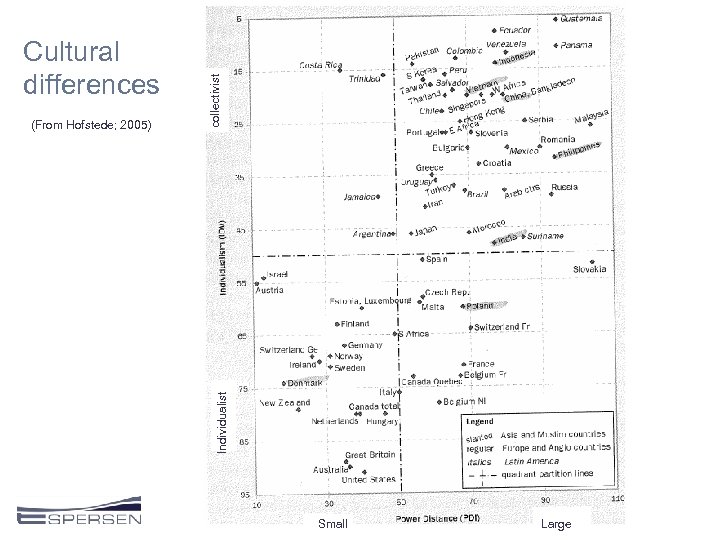 collectivist (From Hofstede; 2005) Individualist Cultural differences Small Large
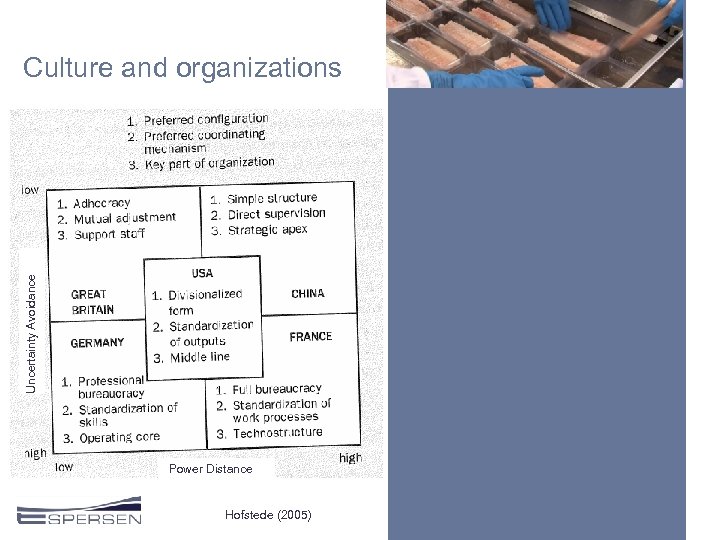 Uncertainty Avoidance Culture and organizations Power Distance Hofstede (2005)
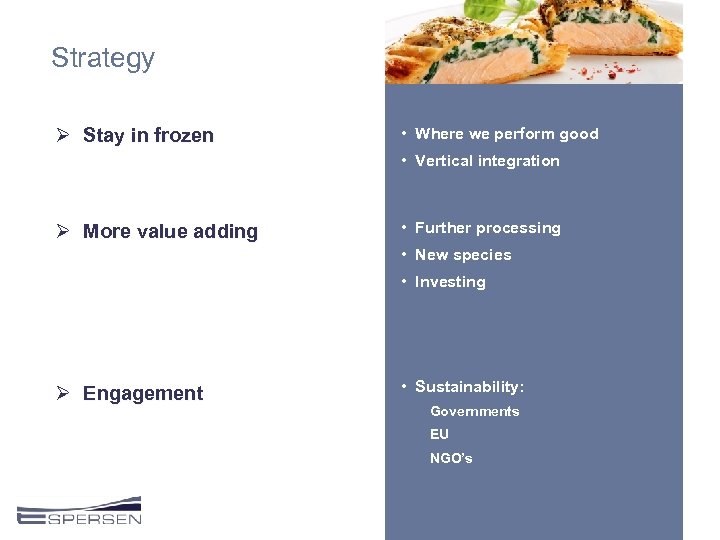 Strategy Ø Stay in frozen • Where we perform good • Vertical integration Ø More value adding • Further processing • New species • Investing Ø Engagement • Sustainability: Governments EU NGO’s
 Why is seafood a business where you would like to be also in the future: Ø Increased consumption Ø Long term more consumers Ø Long term increased disposable income for European citizens in general Ø Growth potential within convenient food sector Ø Obesity – fish is a powerful low calorie tool in the fight against obesity We say what we do and we do what we say !
 Eco labelling
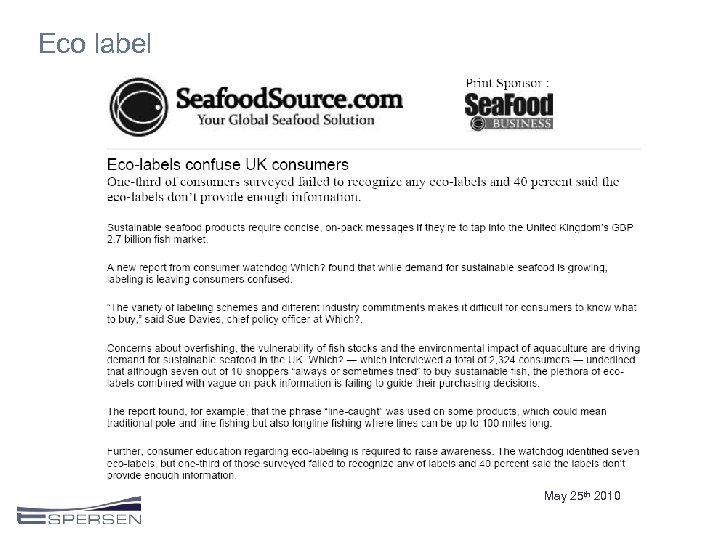 Eco label May 25 th 2010
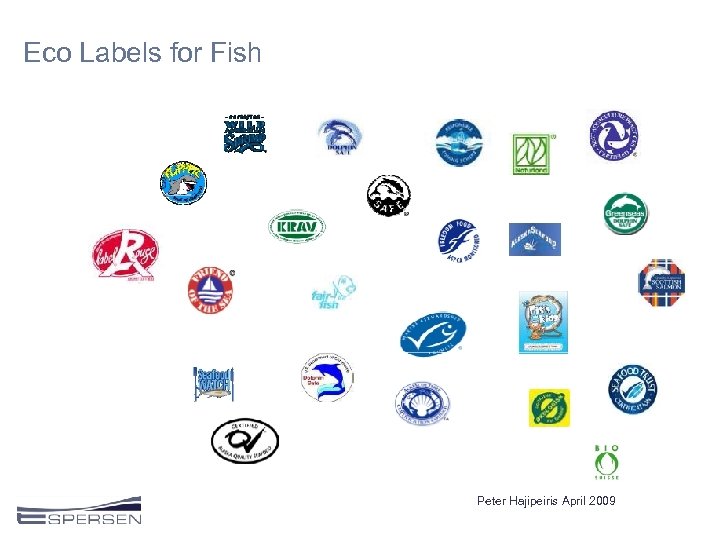 Eco Labels for Fish Peter Hajipeiris April 2009
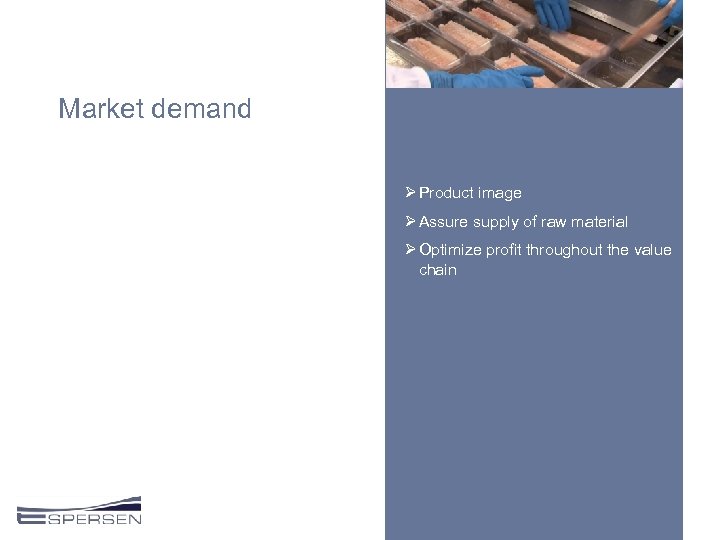 Market demand Ø Product image Ø Assure supply of raw material Ø Optimize profit throughout the value chain
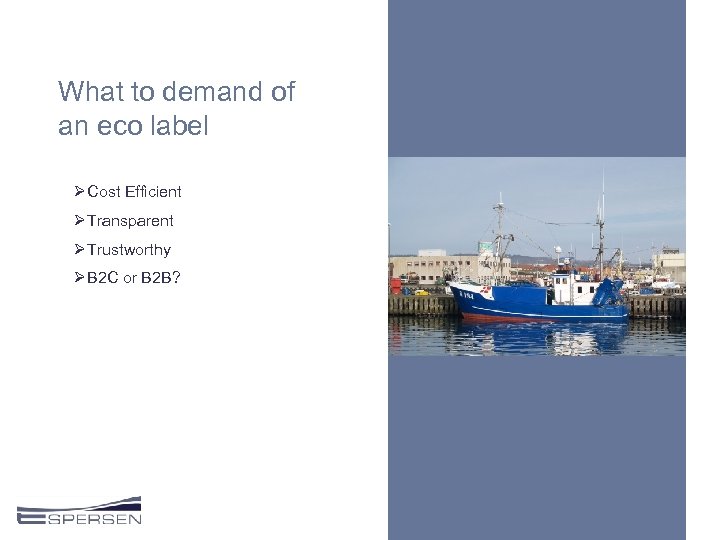 What to demand of an eco label Ø Cost Efficient Ø Transparent Ø Trustworthy Ø B 2 C or B 2 B?
 Conclusion Ø Global is getting local and local is getting global Ø Stronger vertical integration Ø Eco-labels will not make the choice of consumers easier!
 Anyone who sees the future as a headwind, is going in the wrong direction Martin Held Thank you for your time!