


 Скачать презентацию The Endoplasmic Reticulum an emerging player in redox
b203511ade298661dc3fc018a9c62b58.ppt
- Количество слайдов: 32
 The Endoplasmic Reticulum: an emerging player in redox pathophysiology Francisco R. M. Laurindo Associate Professor of Cardiology Vascular Biology Laboratory, Heart Institute (In. Cor), University of São Paulo School of Medicine, São Paulo, Brazil francisco. laurindo@incor. usp. br 17 th Annual Meeting of the SFRBM Free Radical School – November 19 th, 2010 Orlando, Florida No conflicts of interest to declare
 Role of disulfide bonds in proteins • Folding stabilization and functional capacitation of membrane, cell surface or secreted proteins Also. . : • Control of peptide loading in the MHC • Thiol-mediated ER retention of some proteins (ex: Ero 1) • Thrombogenicity The endoplasmic reticulum is the major site for protein disulfide introduction and isomerization in eukaryotes
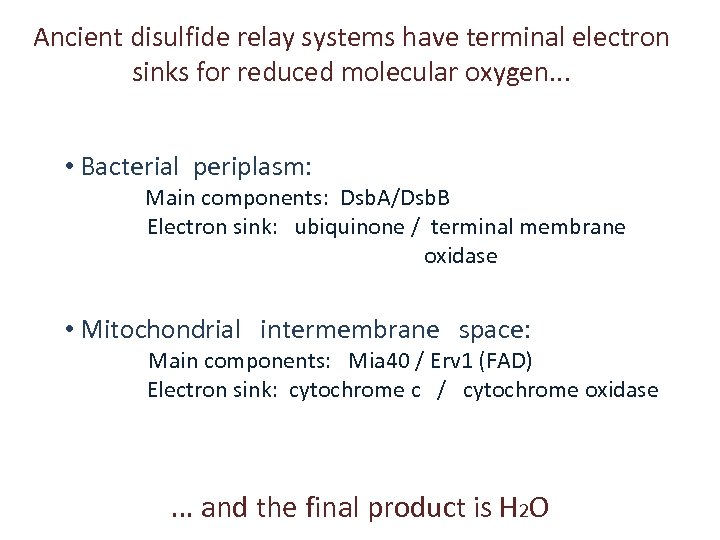 Ancient disulfide relay systems have terminal electron sinks for reduced molecular oxygen. . . • Bacterial periplasm: Main components: Dsb. A/Dsb. B Electron sink: ubiquinone / terminal membrane oxidase • Mitochondrial intermembrane space: Main components: Mia 40 / Erv 1 (FAD) Electron sink: cytochrome c / cytochrome oxidase . . . and the final product is H 2 O
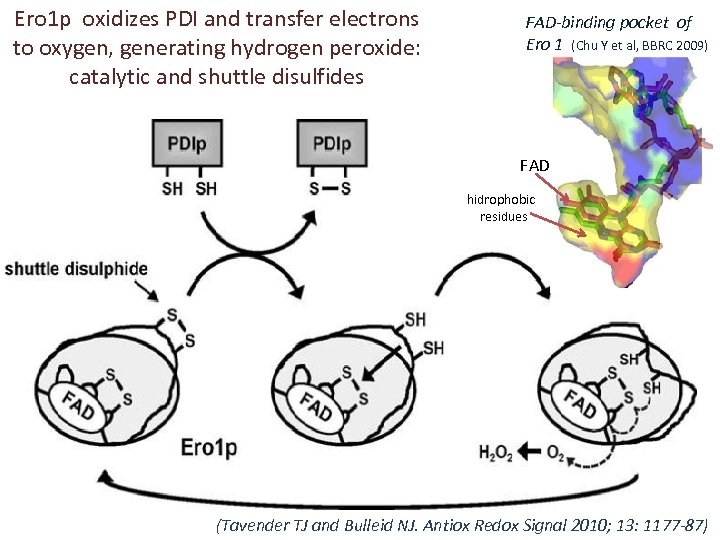 Ero 1 p oxidizes PDI and transfer electrons to oxygen, generating hydrogen peroxide: catalytic and shuttle disulfides FAD-binding pocket of Ero 1 (Chu Y et al, BBRC 2009) FAD hidrophobic residues (Tavender TJ and Bulleid NJ. Antiox Redox Signal 2010; 13: 1177 -87)
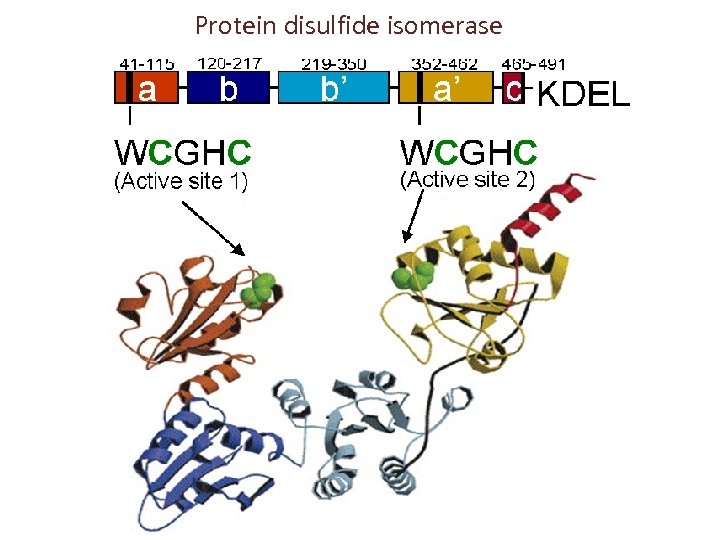 Protein disulfide isomerase
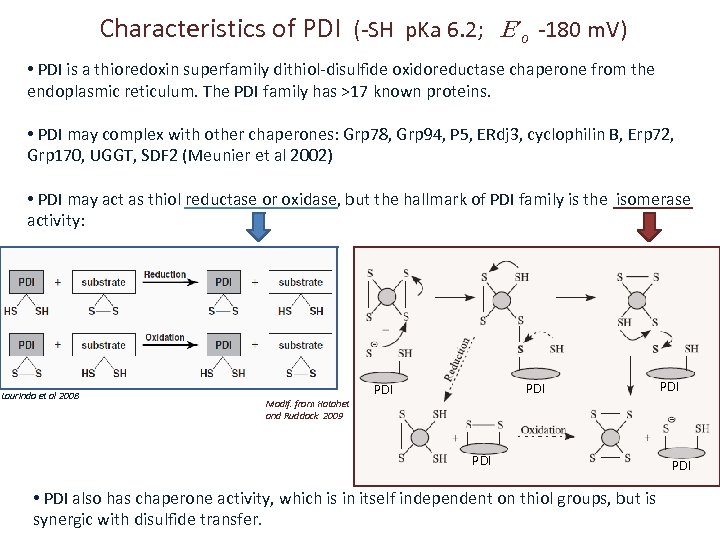 Characteristics of PDI (-SH p. Ka 6. 2; ’o -180 m. V) • PDI is a thioredoxin superfamily dithiol-disulfide oxidoreductase chaperone from the endoplasmic reticulum. The PDI family has >17 known proteins. • PDI may complex with other chaperones: Grp 78, Grp 94, P 5, ERdj 3, cyclophilin B, Erp 72, Grp 170, UGGT, SDF 2 (Meunier et al 2002) • PDI may act as thiol reductase or oxidase, but the hallmark of PDI family is the isomerase activity: Laurindo et al 2008 Modif. from Hatahet and Ruddock 2009 PDI PDI • PDI also has chaperone activity, which is in itself independent on thiol groups, but is synergic with disulfide transfer. PDI
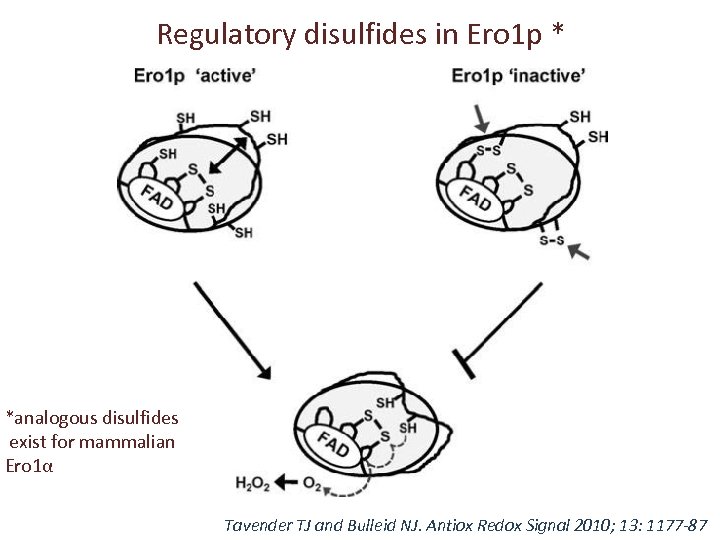 Regulatory disulfides in Ero 1 p * *analogous disulfides exist for mammalian Ero 1α Tavender TJ and Bulleid NJ. Antiox Redox Signal 2010; 13: 1177 -87
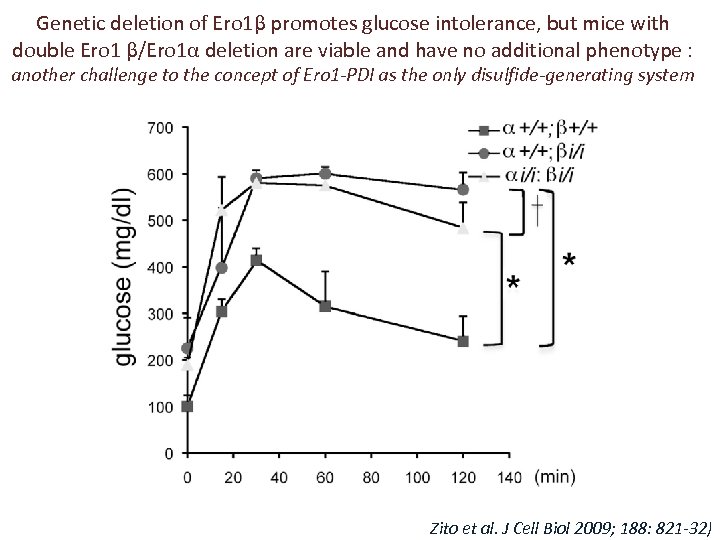 Genetic deletion of Ero 1β promotes glucose intolerance, but mice with double Ero 1 β/Ero 1α deletion are viable and have no additional phenotype : another challenge to the concept of Ero 1 -PDI as the only disulfide-generating system Zito et al. J Cell Biol 2009; 188: 821 -32)
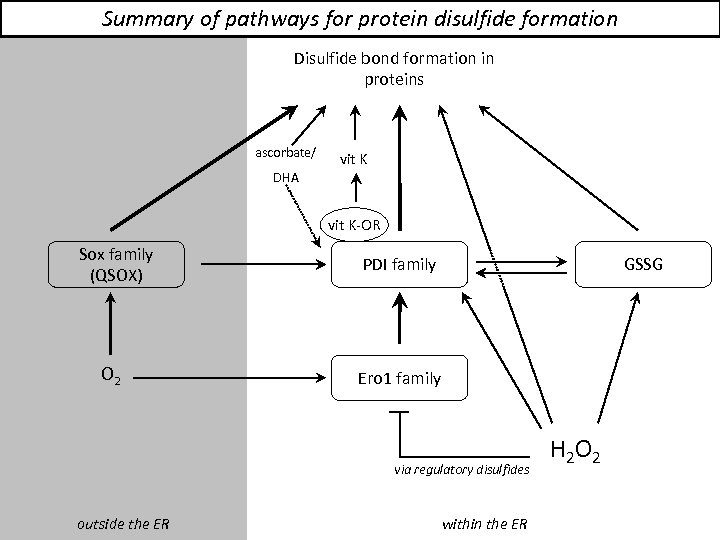 Summary of pathways for protein disulfide formation Disulfide bond formation in proteins ascorbate/ vit K DHA vit K-OR Sox family (QSOX) O 2 PDI family GSSG Ero 1 family via regulatory disulfides outside the ER within the ER H 2 O 2
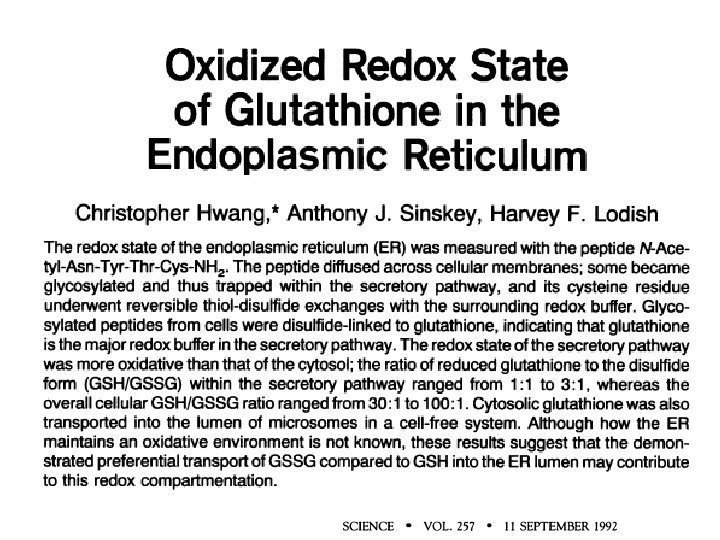
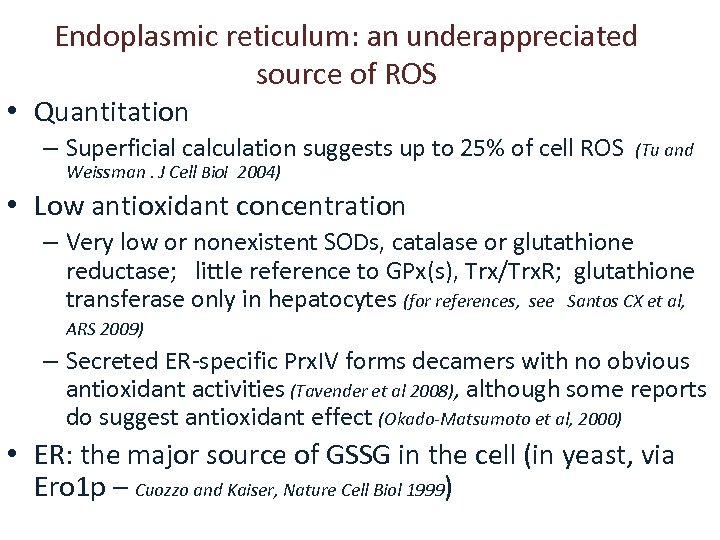 Endoplasmic reticulum: an underappreciated source of ROS • Quantitation – Superficial calculation suggests up to 25% of cell ROS Weissman. J Cell Biol 2004) (Tu and • Low antioxidant concentration – Very low or nonexistent SODs, catalase or glutathione reductase; little reference to GPx(s), Trx/Trx. R; glutathione transferase only in hepatocytes (for references, see Santos CX et al, ARS 2009) – Secreted ER-specific Prx. IV forms decamers with no obvious antioxidant activities (Tavender et al 2008), although some reports do suggest antioxidant effect (Okado-Matsumoto et al, 2000) • ER: the major source of GSSG in the cell (in yeast, via Ero 1 p – Cuozzo and Kaiser, Nature Cell Biol 1999)
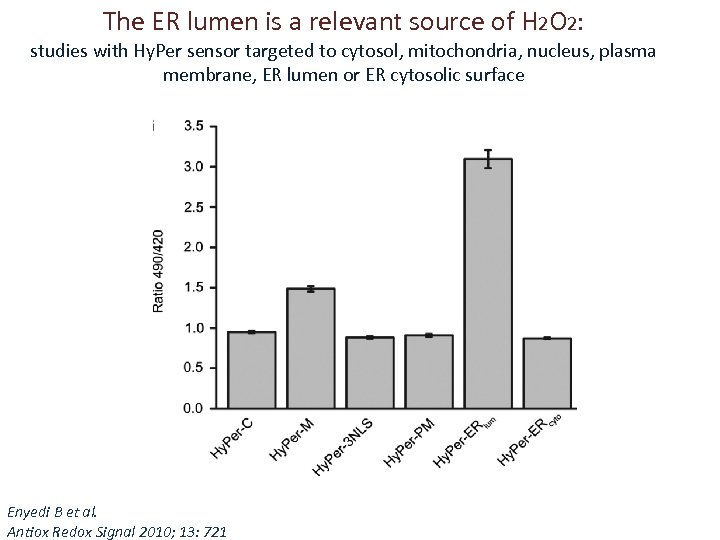 The ER lumen is a relevant source of H 2 O 2: studies with Hy. Per sensor targeted to cytosol, mitochondria, nucleus, plasma membrane, ER lumen or ER cytosolic surface Enyedi B et al. Antiox Redox Signal 2010; 13: 721
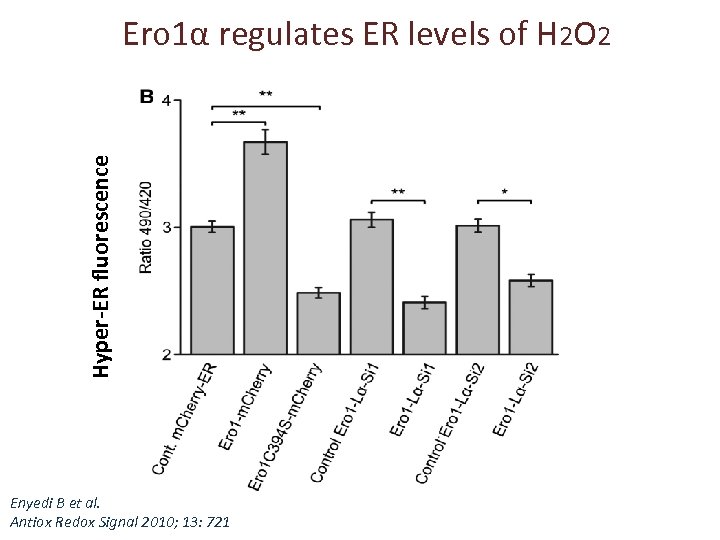 Hyper-ER fluorescence Ero 1α regulates ER levels of H 2 O 2 Enyedi B et al. Antiox Redox Signal 2010; 13: 721
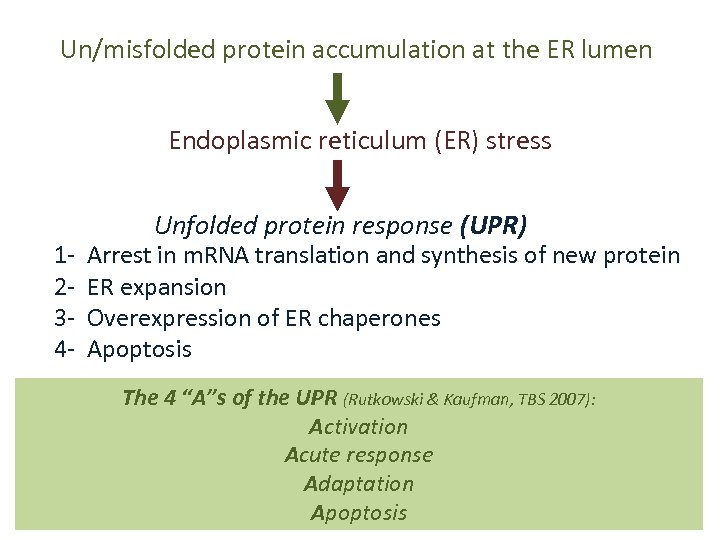 Un/misfolded protein accumulation at the ER lumen Endoplasmic reticulum (ER) stress 1234 - Unfolded protein response (UPR) Arrest in m. RNA translation and synthesis of new protein ER expansion Overexpression of ER chaperones Apoptosis The 4 “A”s of the UPR (Rutkowski & Kaufman, TBS 2007): Activation Acute response Adaptation Apoptosis
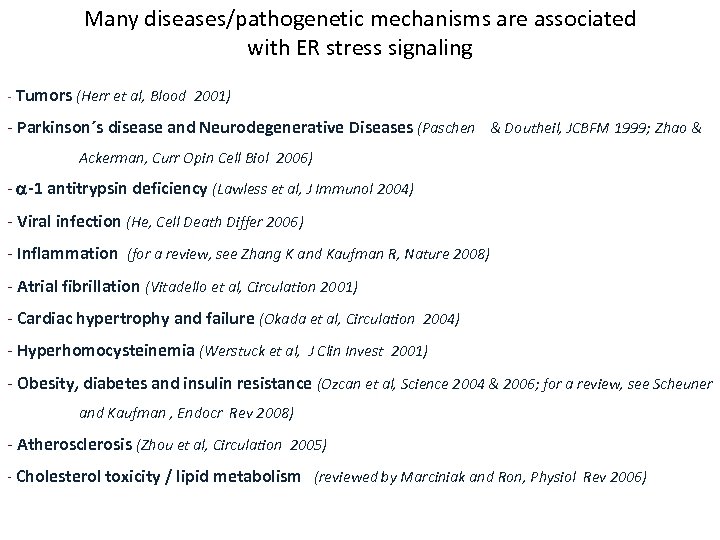 Many diseases/pathogenetic mechanisms are associated with ER stress signaling - Tumors (Herr et al, Blood 2001) - Parkinson´s disease and Neurodegenerative Diseases (Paschen & Doutheil, JCBFM 1999; Zhao & Ackerman, Curr Opin Cell Biol 2006) - -1 antitrypsin deficiency (Lawless et al, J Immunol 2004) - Viral infection (He, Cell Death Differ 2006) - Inflammation (for a review, see Zhang K and Kaufman R, Nature 2008) - Atrial fibrillation (Vitadello et al, Circulation 2001) - Cardiac hypertrophy and failure (Okada et al, Circulation 2004) - Hyperhomocysteinemia (Werstuck et al, J Clin Invest 2001) - Obesity, diabetes and insulin resistance (Ozcan et al, Science 2004 & 2006; for a review, see Scheuner and Kaufman , Endocr Rev 2008) - Atherosclerosis (Zhou et al, Circulation 2005) - Cholesterol toxicity / lipid metabolism (reviewed by Marciniak and Ron, Physiol Rev 2006)
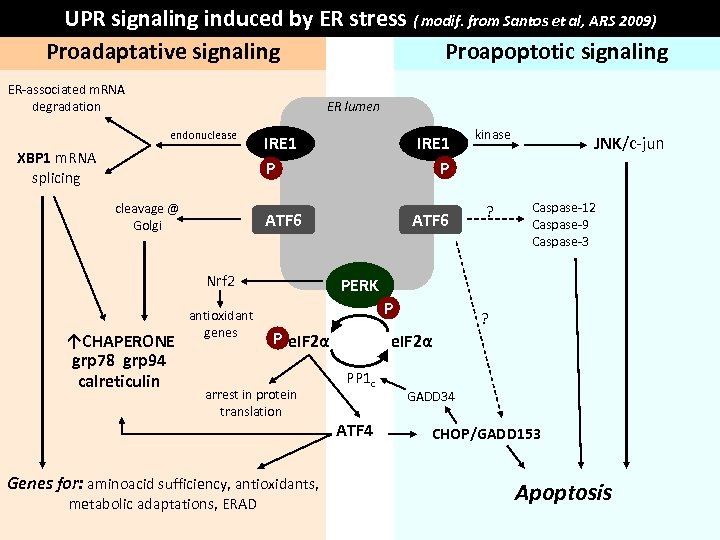 UPR signaling induced by ER stress ( modif. from Santos et al, ARS 2009) Proapoptotic signaling Proadaptative signaling ER-associated m. RNA degradation ER lumen endonuclease cleavage @ Golgi IRE 1 P ATF 6 XBP 1 m. RNA splicing IRE 1 P ATF 6 Nrf 2 ↑CHAPERONE grp 78 grp 94 calreticulin antioxidant genes ? JNK/c-jun Caspase-12 Caspase-9 Caspase-3 PERK P P e. IF 2α arrest in protein translation Genes for: aminoacid sufficiency, antioxidants, metabolic adaptations, ERAD kinase ? e. IF 2α PP 1 c ATF 4 GADD 34 CHOP/GADD 153 Apoptosis
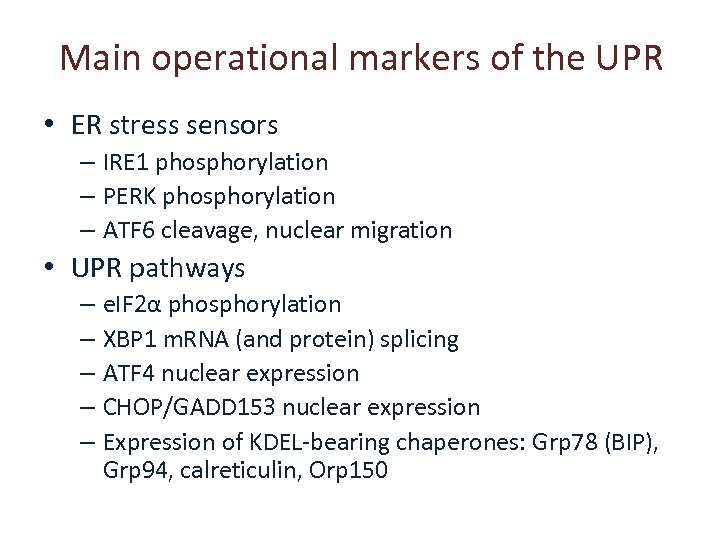 Main operational markers of the UPR • ER stress sensors – IRE 1 phosphorylation – PERK phosphorylation – ATF 6 cleavage, nuclear migration • UPR pathways – e. IF 2α phosphorylation – XBP 1 m. RNA (and protein) splicing – ATF 4 nuclear expression – CHOP/GADD 153 nuclear expression – Expression of KDEL-bearing chaperones: Grp 78 (BIP), Grp 94, calreticulin, Orp 150
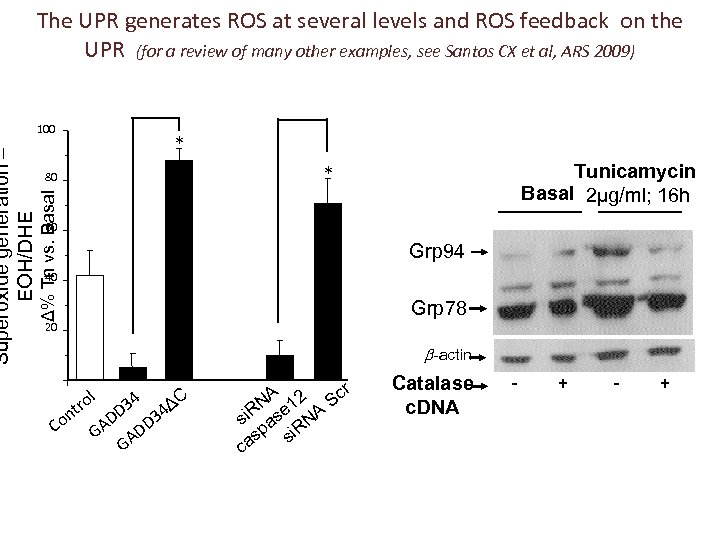 100 80 Δ% Tn vs. Basal Superoxide generation – EOH/DHE The UPR generates ROS at several levels and ROS feedback on the UPR (for a review of many other examples, see Santos CX et al, ARS 2009) Tunicamycin Basal 2µg/ml; 16 h 60 Grp 94 40 Grp 78 20 -actin l tro 4 D 3 34 n Co GAD DD GA ΔC A 2 Scr N 1 i. R se NA s a p i. R as s c Catalase c. DNA - +
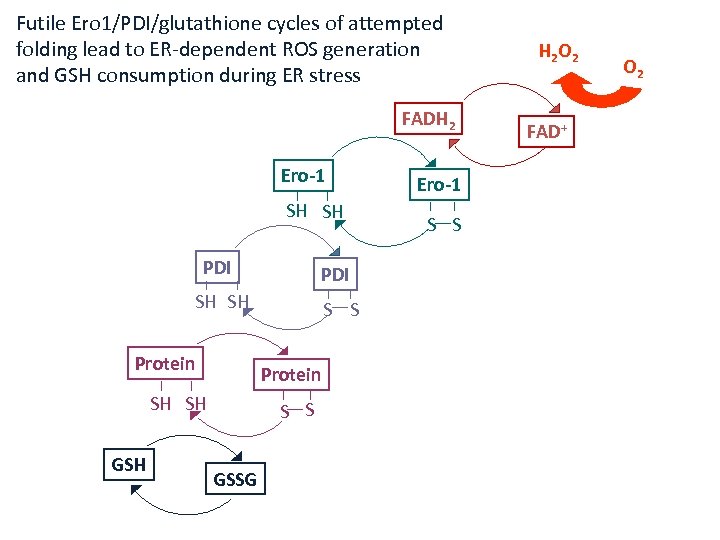 Futile Ero 1/PDI/glutathione cycles of attempted folding lead to ER-dependent ROS generation and GSH consumption during ER stress FADH 2 Ero-1 SH SH PDI SH SH Protein SH SH GSH S S GSSG Ero-1 S S H 2 O 2 FAD+ O 2
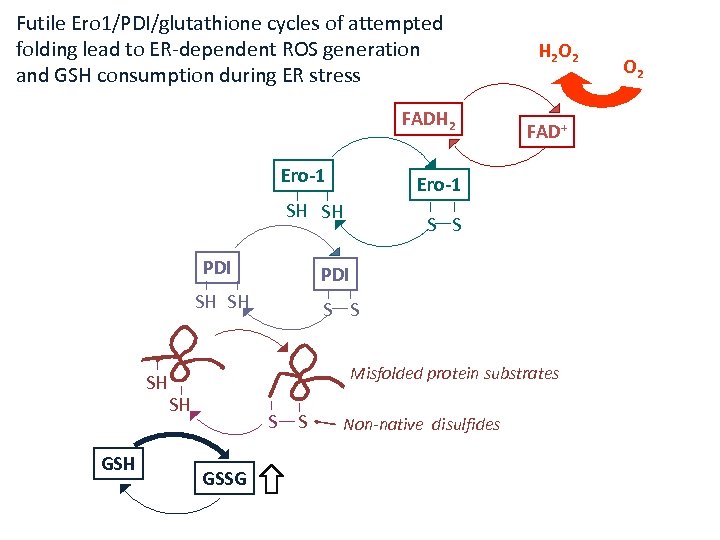 Futile Ero 1/PDI/glutathione cycles of attempted folding lead to ER-dependent ROS generation and GSH consumption during ER stress FADH 2 Ero-1 GSH S S PDI SH SH SH FAD+ Ero-1 SH SH PDI H 2 O 2 S S Misfolded protein substrates SH S GSSG S Non-native disulfides O 2
 Futile Ero 1/PDI/glutathione cycles of attempted folding lead to ER-dependent ROS generation during ER stress: caveats • Constitutively increased Ero 1 overexpression does not lead to detectable oxidant generation, at least in unstressed cells (Sevier et al. Cell 2007). • In vivo 1: 1 stoichiometry of H 2 O 2 production via Ero 1 is unclear. • Rate constants of Ero 1/PDI/protein/glutathione thiol exchanges may be quite low. Example: 182 M-1. s-1 for Dsb. A vs. GSH (Hu et al, J Prot Chem 1999). • Electron acceptors other than oxygen can potentially support Ero 1 p oxidation in some instances (Tu et al, Science 2000). • Free FAD levels support Ero 1/PDI/protein oxidation (Papp et al, BBRC 2005) and strongly affect Ero 1 p activity (although less so for Ero 1α – Wang et al JBC 2009). Little is known regarding FAD sufficiency in the ER.
 Futile Ero 1/PDI/glutathione cycles of attempted folding lead to ER-dependent ROS generation during ER stress: caveats • ER seems underoxidized during yeast UPR. Some ER underoxidation still detected during ER stress due to transfection of cys-free misfolded substrate (Merksamer et al, Cell 2008). • Most studies have used DHE or DCF to address oxidant generation during the UPR: nature of oxidants generated is less than clear. • Thiol antioxidants protect against UPR-induced oxidants (Haynes et al, Mol Cell 2004; Sevier et al, Cell 2007): how? (ROS scavenging by glutathione is slow!). • Increasing ER oxidation is likely to oxidize Ero 1 regulatory disulfides, shutting off catalytic activity (Tavender and Bulleid 2010).
 The ER is a relevant (but not the only) location for Nox 4 • Nox 4 in the ER: – – – – Ambasta et al. J Biol Chem 2004 Martyn et al. Cell Signal 2005 Serrander L et al. Biochem J 2007 Chen K et al. J Cell Biol 2008 Helmcke I et al. Antiox Redox Signal 2009 Lee CF et al. Circ Res 2010 Wu R-F et al. Mol Cell Biol 2010 • Nox 4 in focal adhesions: – Hilenski L et al. ATVB 2004 – Lyle AN et al. Circ Res 2009 • Nox 4 in mitochondria: – – Block K et al. PNAS 2009 Ago T et al. Circ Res 2010 Grahan K et al. Cancer Biol Ther 2010 Kuroda J et al. PNAS 2010 • Less clear: plasma membrane, nucleus
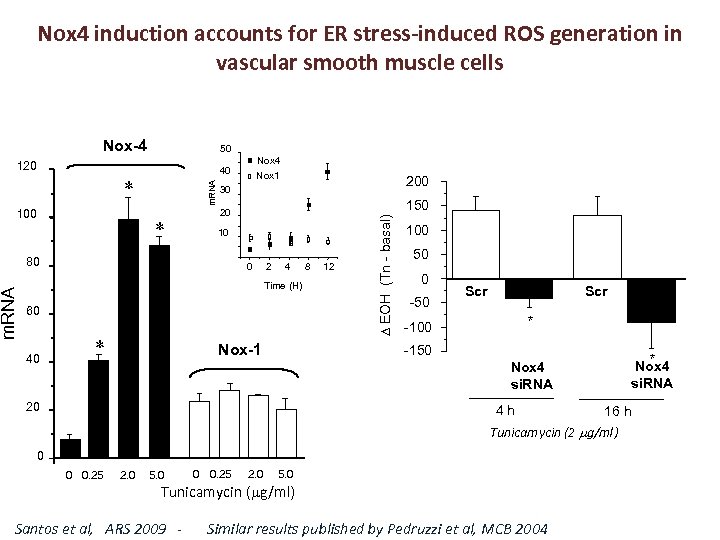 Nox 4 induction accounts for ER stress-induced ROS generation in vascular smooth muscle cells Nox-4 m. RNA 100 200 30 150 20 10 80 m. RNA Nox 4 Nox 1 40 0 2 4 Time (H) 60 40 Nox-1 8 12 EOH (Tn - basal) 120 50 100 50 0 -50 Scr * -100 -150 * Nox 4 si. RNA 20 4 h 16 h Tunicamycin (2 g/ml) 0 0 0. 25 2. 0 5. 0 Tunicamycin ( g/ml) Santos et al, ARS 2009 - Similar results published by Pedruzzi et al, MCB 2004
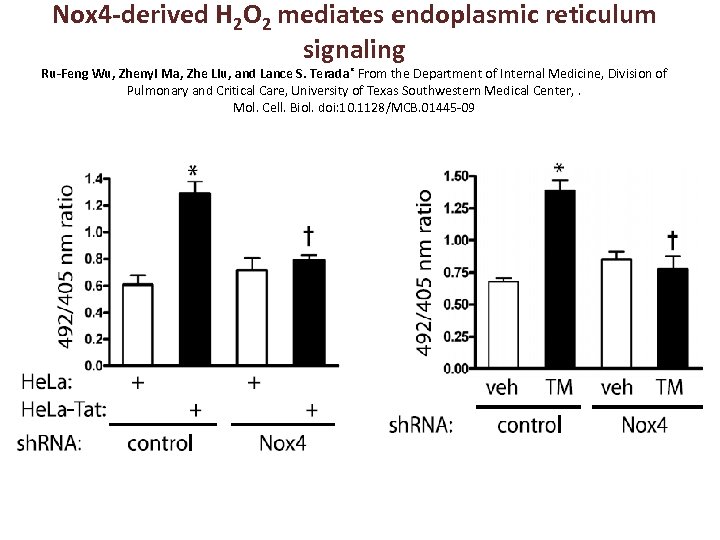 Nox 4 -derived H 2 O 2 mediates endoplasmic reticulum signaling Ru-Feng Wu, Zhenyi Ma, Zhe Liu, and Lance S. Terada* From the Department of Internal Medicine, Division of Pulmonary and Critical Care, University of Texas Southwestern Medical Center, . Mol. Cell. Biol. doi: 10. 1128/MCB. 01445 -09
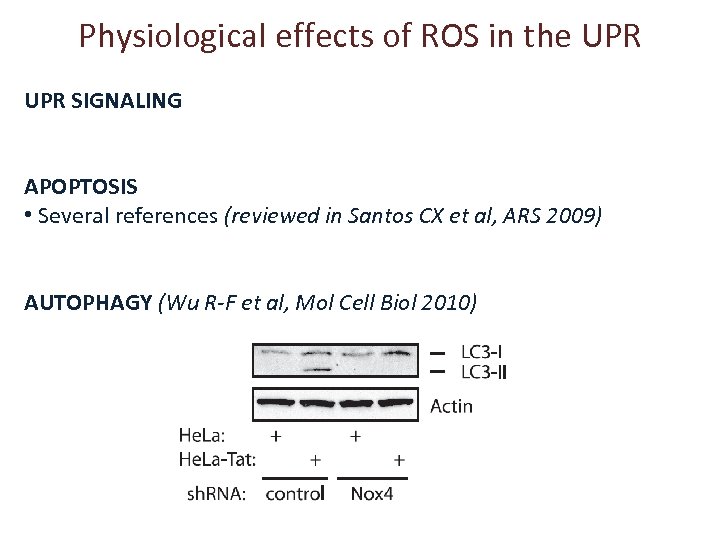 Physiological effects of ROS in the UPR SIGNALING APOPTOSIS • Several references (reviewed in Santos CX et al, ARS 2009) AUTOPHAGY (Wu R-F et al, Mol Cell Biol 2010)
 Protein disulfide isomerase (PDI) interacts with NADPH oxidase • PDI co-localizes and/or co-ippt with NADPH oxidase complex subunits in VSMC (p 22 phox, Nox 1, Nox 4 and Nox constructs) 1 • PDI loss-of-function (neutralizing Ab, antisense oligo, si. RNA) abrogates ROS production due to angiotensin II in VSMC 1, 2 • PDI overexpression in VSMC induces spontaneous, agonistindependent NADPH oxidase activation and Nox 1 expression 2 • PDI co-localizes with Nox subunits in macrophages and PDI silencing inhibits L. chagasi phagocytosis 3 • PDI converges with neutrophil NADPH oxidase 4 1 2 3 4 . Janiszewski M et al, J Biol Chem 2005. Fernandes et al, Arch Biochem Biophys 2009. Santos CX et al, J Leukocyte Biol 2009. Lopes LR and collaborators, unpublished observations
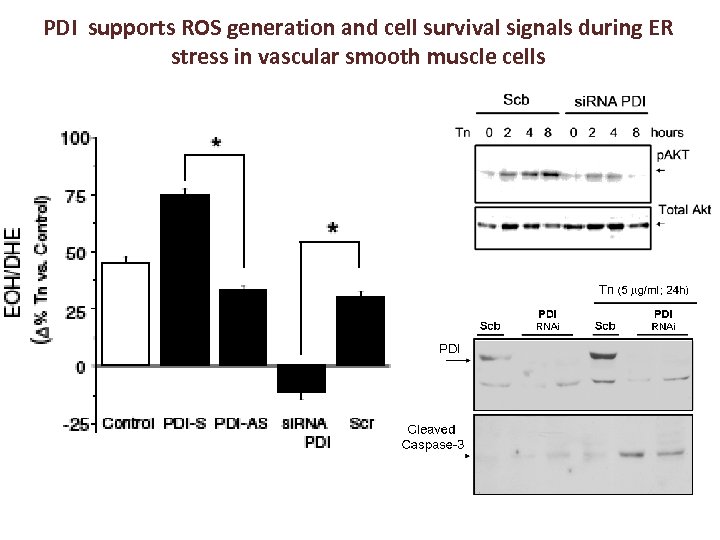 PDI supports ROS generation and cell survival signals during ER stress in vascular smooth muscle cells
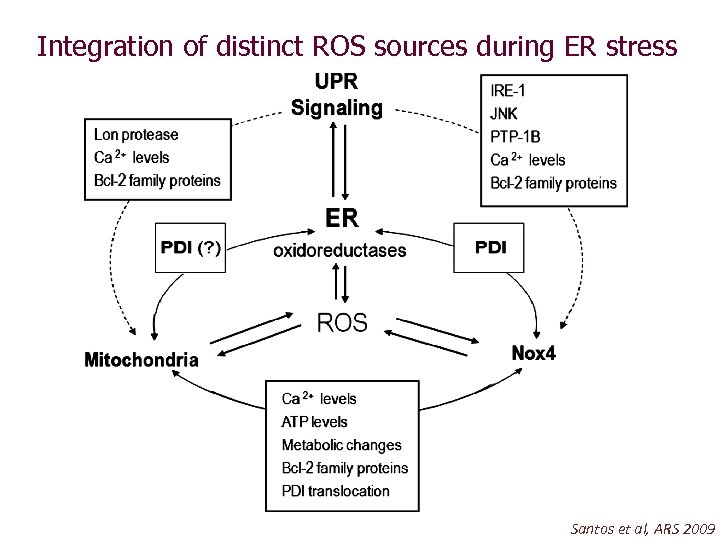 Integration of distinct ROS sources during ER stress Santos et al, ARS 2009
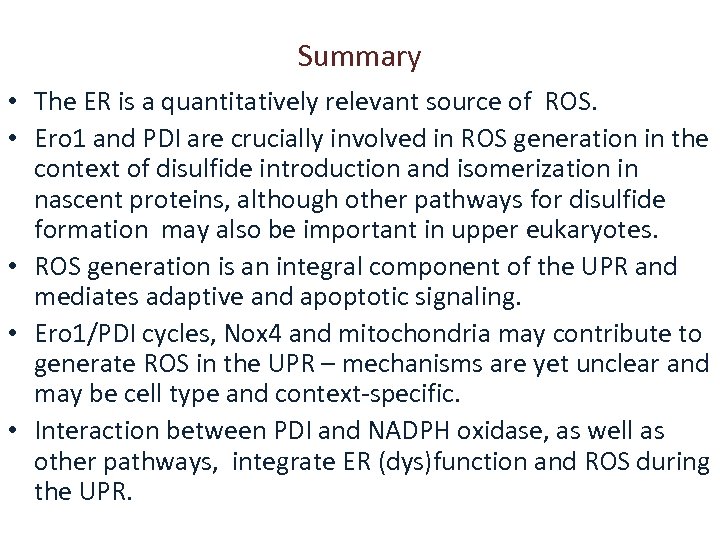 Summary • The ER is a quantitatively relevant source of ROS. • Ero 1 and PDI are crucially involved in ROS generation in the context of disulfide introduction and isomerization in nascent proteins, although other pathways for disulfide formation may also be important in upper eukaryotes. • ROS generation is an integral component of the UPR and mediates adaptive and apoptotic signaling. • Ero 1/PDI cycles, Nox 4 and mitochondria may contribute to generate ROS in the UPR – mechanisms are yet unclear and may be cell type and context-specific. • Interaction between PDI and NADPH oxidase, as well as other pathways, integrate ER (dys)function and ROS during the UPR.
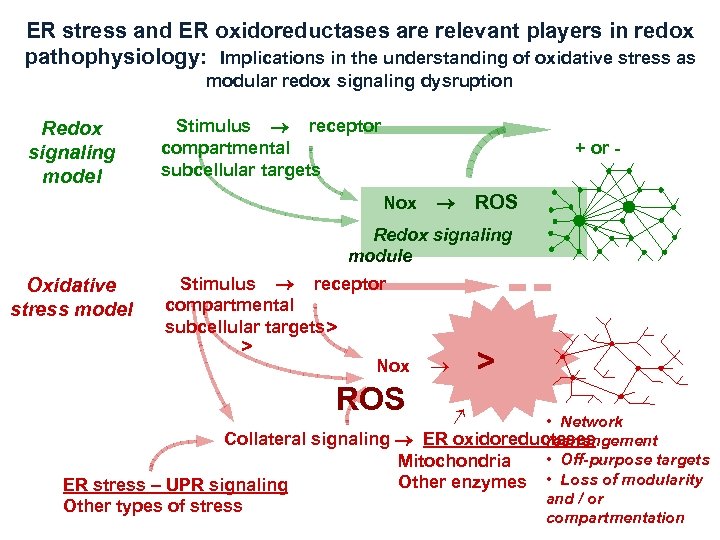 ER stress and ER oxidoreductases are relevant players in redox pathophysiology: Implications in the understanding of oxidative stress as modular redox signaling dysruption Redox signaling model Stimulus receptor compartmental subcellular targets + or Nox ROS Redox signaling module Oxidative stress model Stimulus receptor compartmental subcellular targets> > Nox ROS > • Network Collateral signaling ER oxidoreductases rearrangement • Off-purpose targets Mitochondria Other enzymes • Loss of modularity ER stress – UPR signaling and / or Other types of stress compartmentation
 Associate investigator Denise C. Fernandes (past): Celio X. Santos Post-docs Thalita B. Abrahão Maria Carolina Guido Andréia Chignalia Ph. D students current: Luciana Pescatore Alves Leonardo Y. Tanaka Thayna Meirelles Gustavo K. Hironaka recent: Collaborating labs: B. Lassegue, K. Griendling (Emory U. , Atlanta) Rhian Touyz (U. of Ottawa) Ralf Brandes (Frankfurt University) Lucia R. Lopes (ICB-USP) Pedro A. Lemos (INCOR) Heraldo P. Souza (FMUSP) Ohara Augusto (IQUSP) Alícia Kowaltowski (IQUSP) Diego Bonatto (UFRGS) Protásio L. Luz (INCOR) francisco. laurindo@incor. usp. br Sources of support: Marcel Liberman João Wosniak Jr. Angélica M. Amanso Antônio Marcus de A. Paes Maria Cristina Thomazella Undergraduates Estêvão Bassi Phelipe M. Felício Haniel Araújo André Csordas Renata Gonçalves