


 Скачать презентацию The Economics of Environmental Disruption What are
0ada2f7ca5765be851c3e270e655020e.ppt
- Количество слайдов: 38
 The Economics of Environmental Disruption
 What are your Environmental Concerns?
 Three Economic Problems to Consider The Common Pool Problem or “the Tragedy of the commons” Open Access or Non-Use Value Externalities
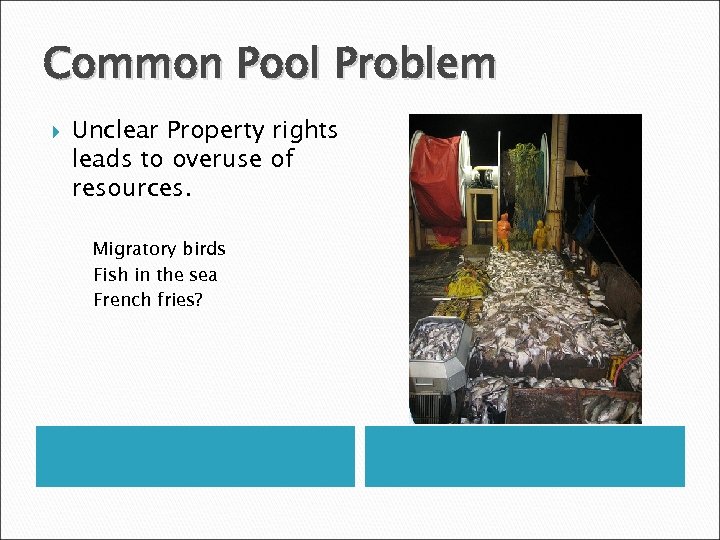 Common Pool Problem Unclear Property rights leads to overuse of resources. Migratory birds Fish in the sea French fries?
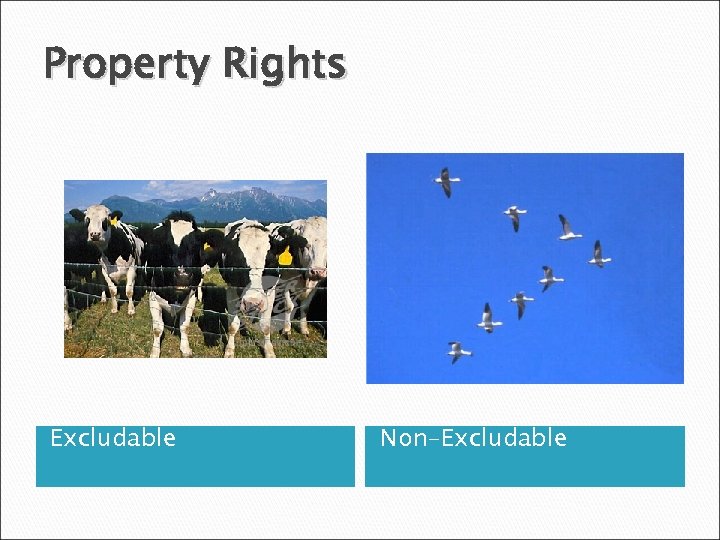 Property Rights Excludable Non-Excludable
 How to Resolve the Common Pool Problem? Government Regulations ◦ ◦ Fishing or hunting licenses Hunting seasons Protected species Pollution Markets Consumer Activism ◦ Green Peace and tuna ◦ The green movement Business Actions ◦ Ben and Jerry’s ◦ Trader Joe’s
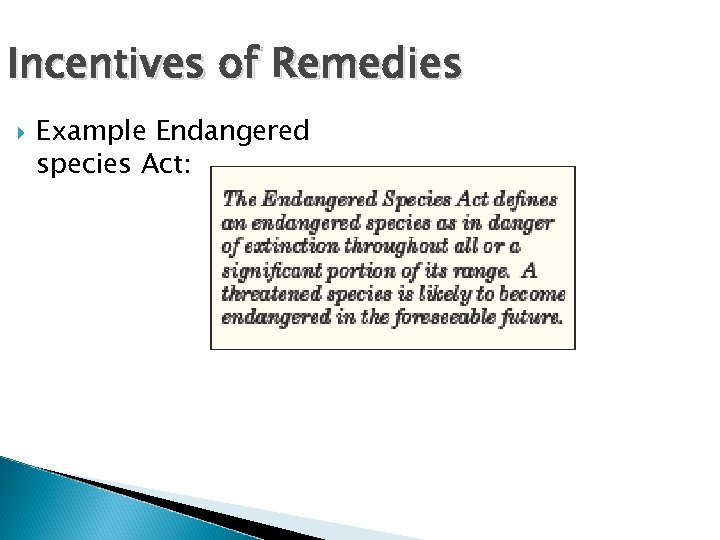 Incentives of Remedies Example Endangered species Act:
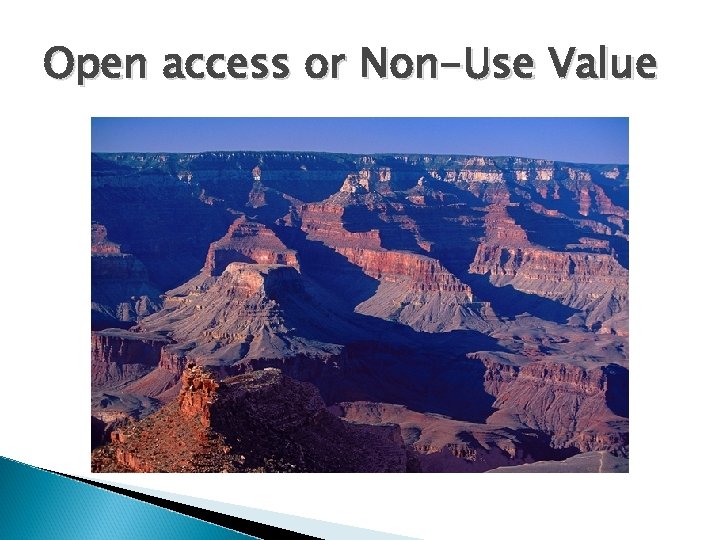 Open access or Non-Use Value
 How much Would you Pay in your electric bill per month to keep the Grand Canyon as it is today?
 How much Would you have to be compensated if the Grand Canyon was flooded?
 Benefit/Cost Analysis
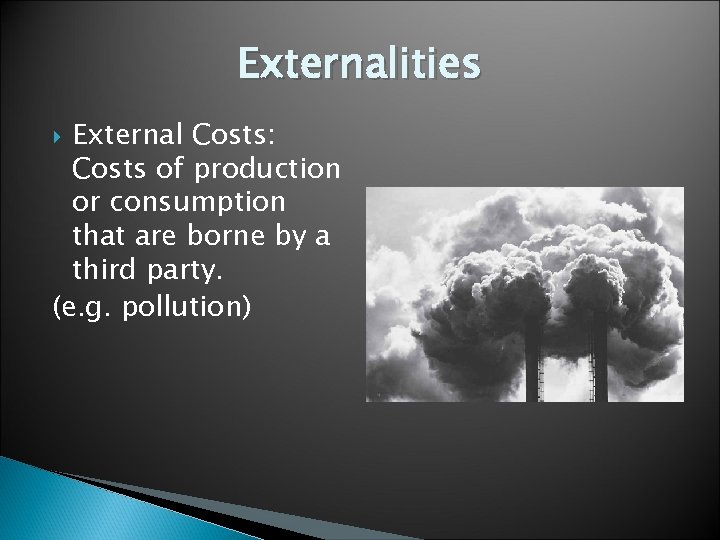 Externalities External Costs: Costs of production or consumption that are borne by a third party. (e. g. pollution)
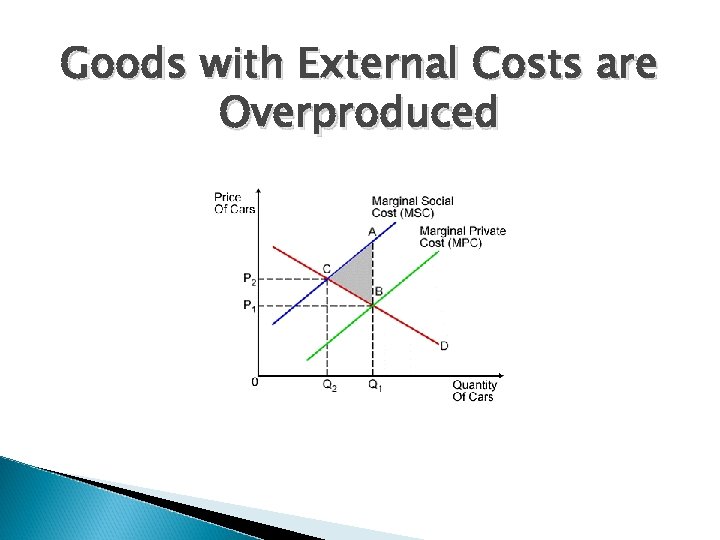 Goods with External Costs are Overproduced
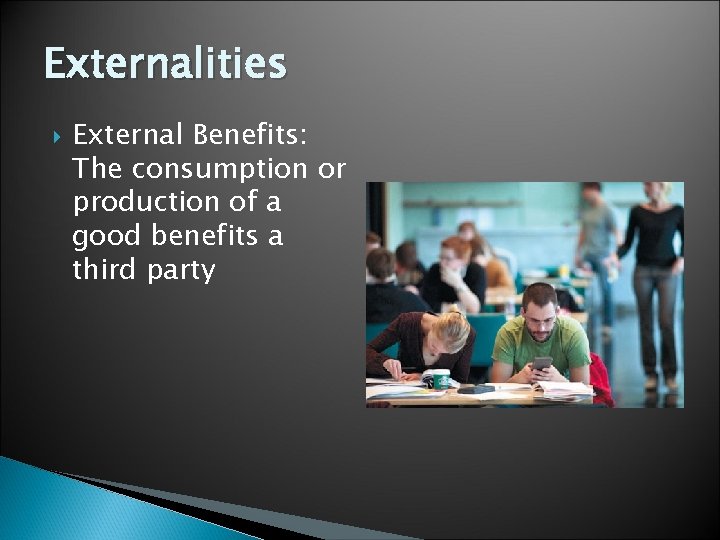 Externalities External Benefits: The consumption or production of a good benefits a third party
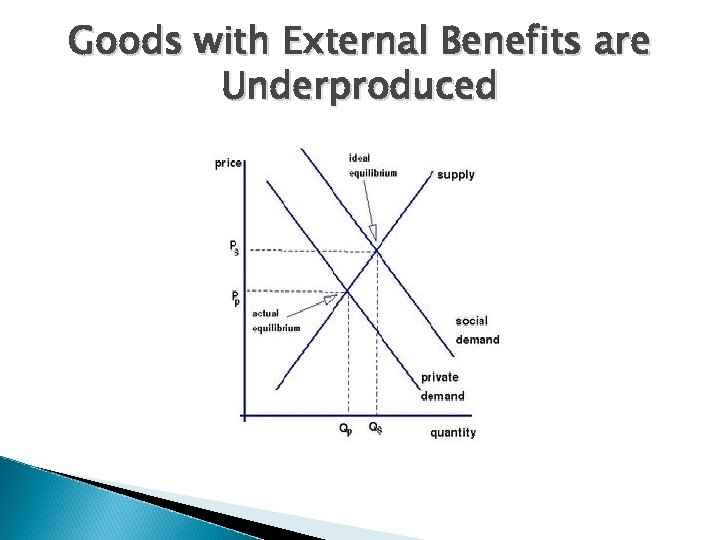 Goods with External Benefits are Underproduced
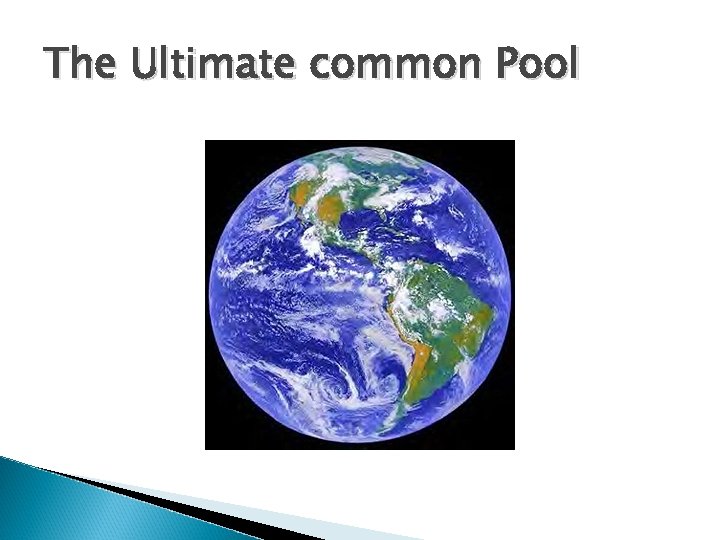 The Ultimate common Pool
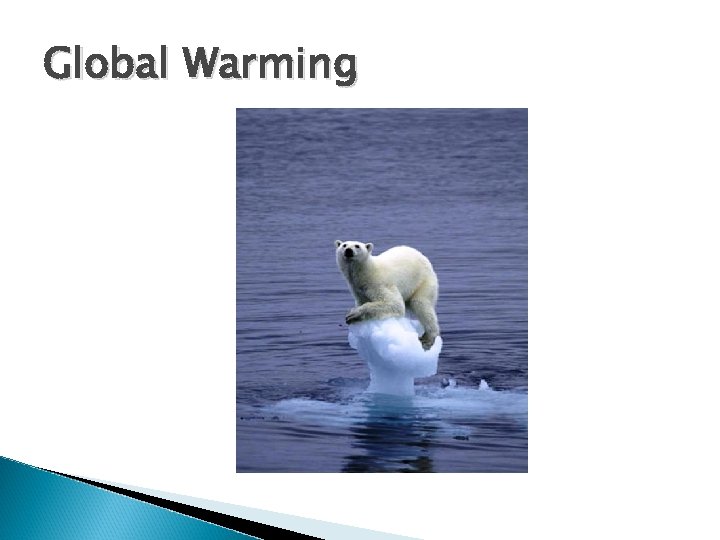 Global Warming
 Scientific Opinion 3, 146 Earth Scientists: “Have mean global temperatures risen compared to pre-1800 s levels? ” ◦ 90% said yes. “Has human activity been a significant factor in changing mean global temperatures? ” ◦ 82% said yes. Climatologists who are active in research showed the strongest consensus on the causes of global warming, with 97 percent agreeing humans play a role.
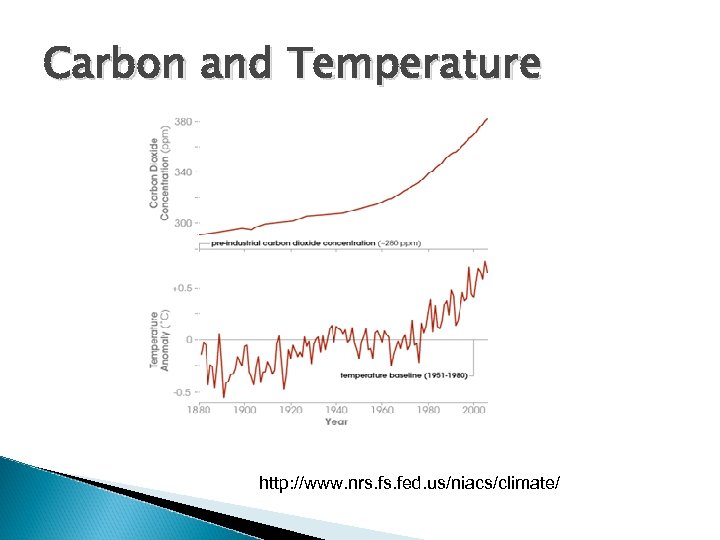 Carbon and Temperature http: //www. nrs. fed. us/niacs/climate/
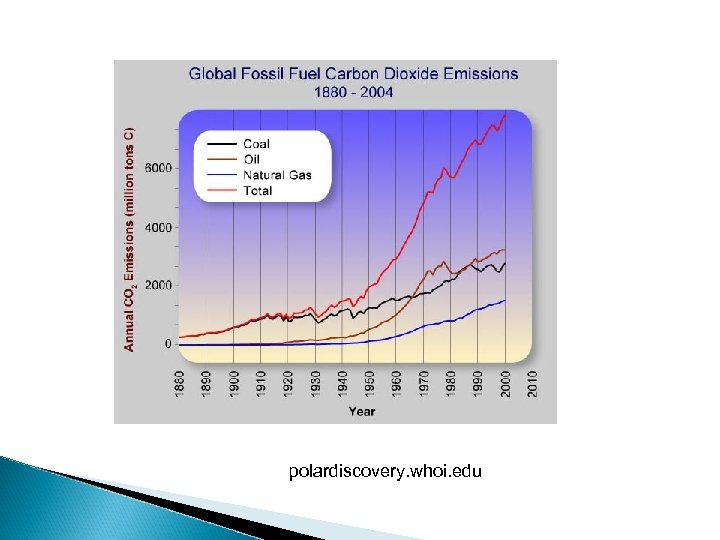 polardiscovery. whoi. edu
 How much in carbon emissions does the U. S produce? The U. S in 2000 produced 1, 583 million metric tons of carbon from burning fossil fuel, nearly 14% more than its levels in 1990. Transportation, mostly exhaust from motor vehicles, accounted for 515 million metric tons, or 33%. Electricity generation from fossil fuel burning accounts for about 33% of the U. S's carbon emissions, also. http: //www. ecobridge. org/content/g_faq. htm#emissions
 Possible Effects of Global Warming Ice is melting worldwide Sea level rise became faster over the last century. ◦ Sea levels are expected to rise between 7 and 23 inches (18 and 59 centimeters) by the end of the century, and continued melting at the poles could add between 4 and 8 inches (10 to 20 centimeters). Hurricanes and other storms are likely to become stronger. Species that depend on one another may become out of sync. For example, plants could bloom earlier than their pollinating insects become active.
 Effects Continued… Floods and droughts will become more common. Rainfall in Ethiopia, where droughts are already common, could decline by 10 percent over the next 50 years. Less fresh water will be available. Some diseases will spread, such as malaria carried by mosquitoes. Ecosystems will change—some species will move farther north or become more successful; others won’t be able to move and could become extinct. Source for climate information: IPCC, 2007
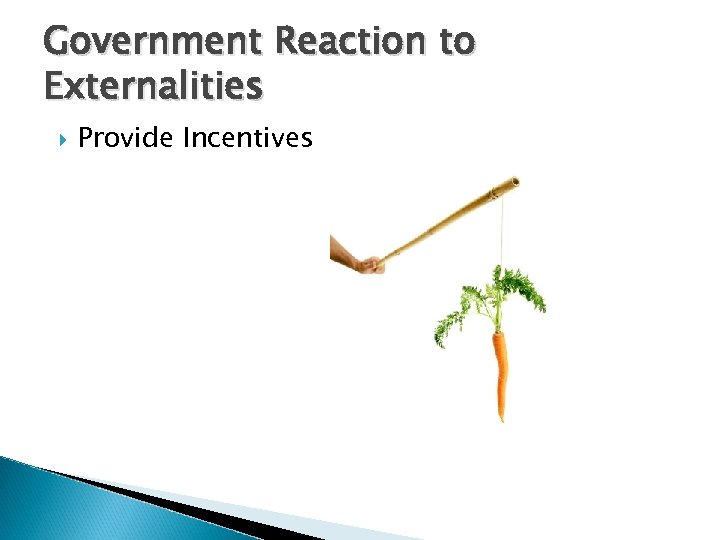 Government Reaction to Externalities Provide Incentives
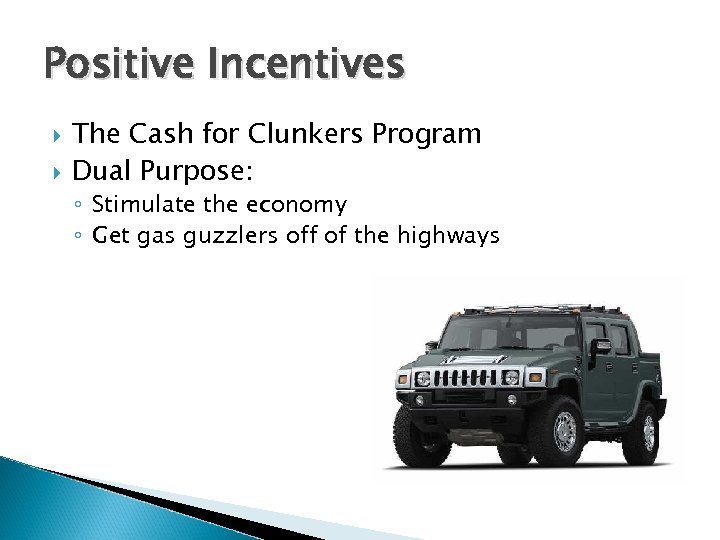 Positive Incentives The Cash for Clunkers Program Dual Purpose: ◦ Stimulate the economy ◦ Get gas guzzlers off of the highways
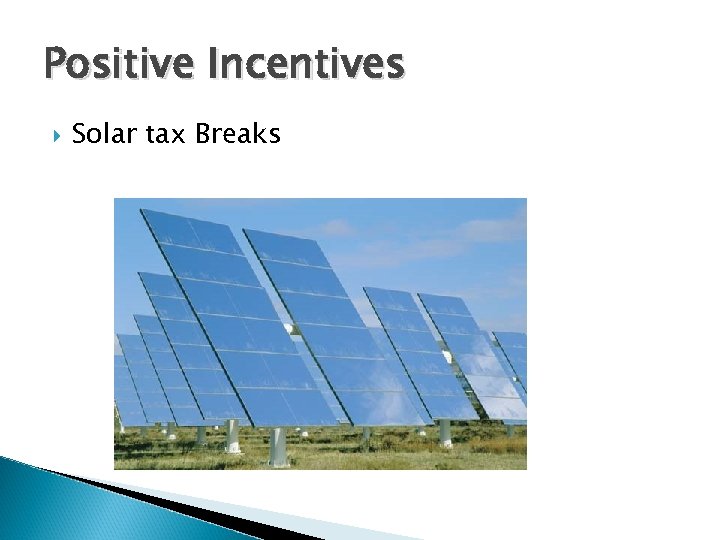 Positive Incentives Solar tax Breaks
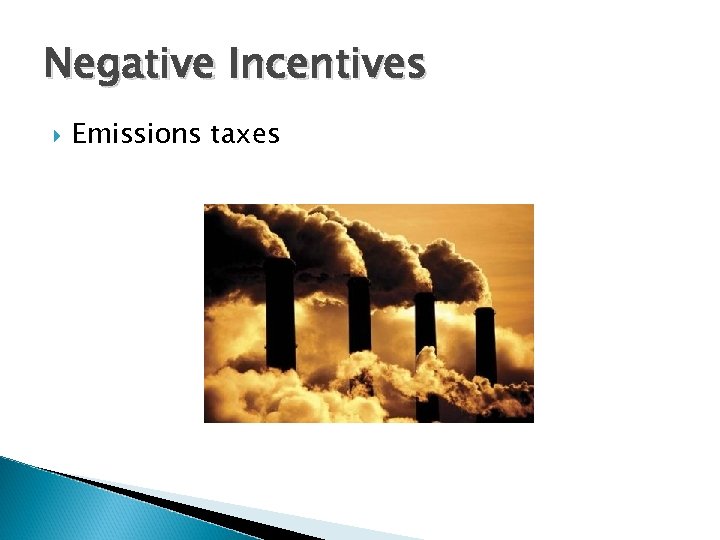 Negative Incentives Emissions taxes
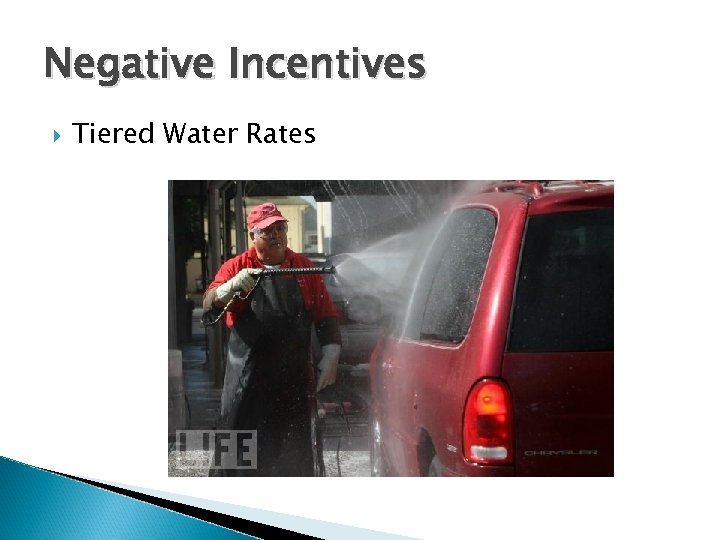 Negative Incentives Tiered Water Rates
 Market to Pollute
 Cap and Trade– Right to Pollute Each large scale emitter of carbon will receive an “emissions” permit. These permits can be traded. Permission to pollute will fall over time. What are the incentives?
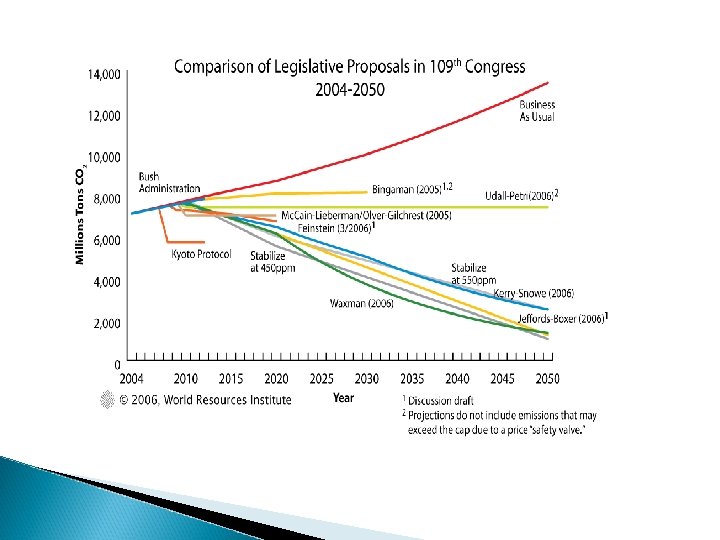
 Kyoto Protocol “The Kyoto Protocol sets binding targets for 37 industrialized countries and the European community for reducing greenhouse gas (GHG) emissions. These amount to an average of five per cent against 1990 levels over the five-year period 2008 -2012. ” http: //unfccc. int/kyoto_protocol/items/2830. php
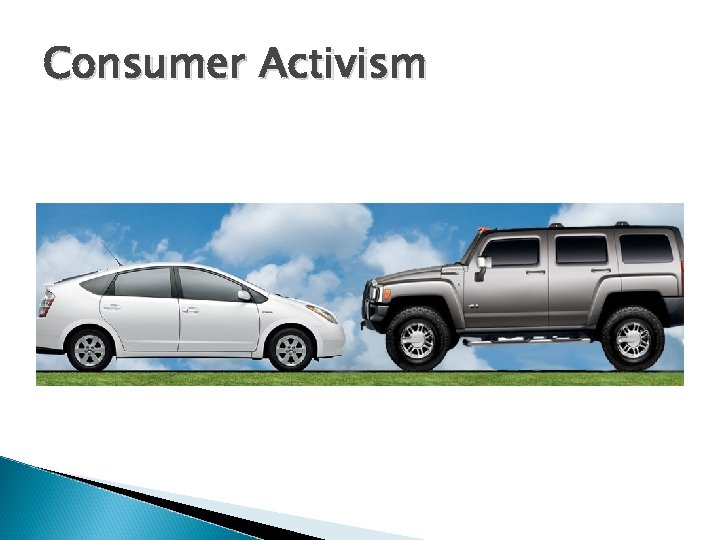 Consumer Activism
 Put our Money where our Mouth is Drive less Fly less Use less electricity Use less gasoline Buy less Recycle more Use transit more What else?
 Business Actions
 Everything is “Green” now…
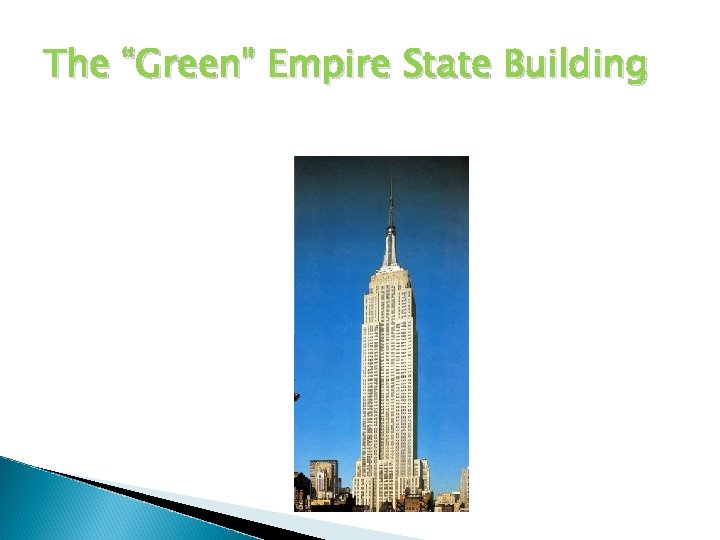 The “Green” Empire State Building
 Questions? Comments?