 Скачать презентацию The contribution of thrombin generation to the understanding
51cd5b15ac922ab94959919840bc1b00.ppt
- Количество слайдов: 46



The contribution of thrombin generation to the understanding and diagnosis of thrombotic and haemorrhagic disease

Coronary artery disease is the single most common cause of death in Europe, accounting for nearly 2. 000 deaths per year. Atrial fibrillation: 4. 5 million people in the European Union, major risk of stroke
You also learned that the prothrombin time indicates oral anticoagulation and liver function and the a. PTT heparin treatment and hemophilia. And you know that there is a lot more to be said which is known by haematologists and which is as complicated as brain anatomy and such hyperspecialistic knowledge.


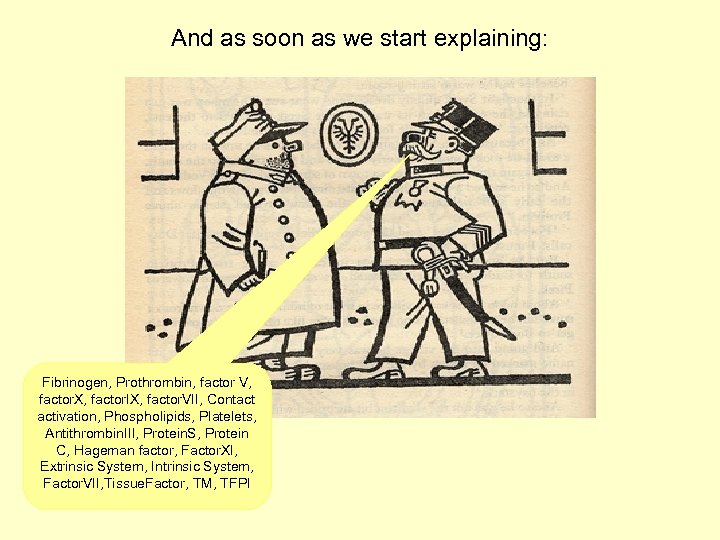
And as soon as we start explaining: Fibrinogen, Prothrombin, factor V, factor. X, factor. IX, factor. VII, Contact activation, Phospholipids, Platelets, Antithrombin. III, Protein. S, Protein C, Hageman factor, Factor. XI, Extrinsic System, Intrinsic System, Factor. VII, Tissue. Factor, TM, TFPI
(Something like blood-glucose in diabetes or clearance in kidney disease)
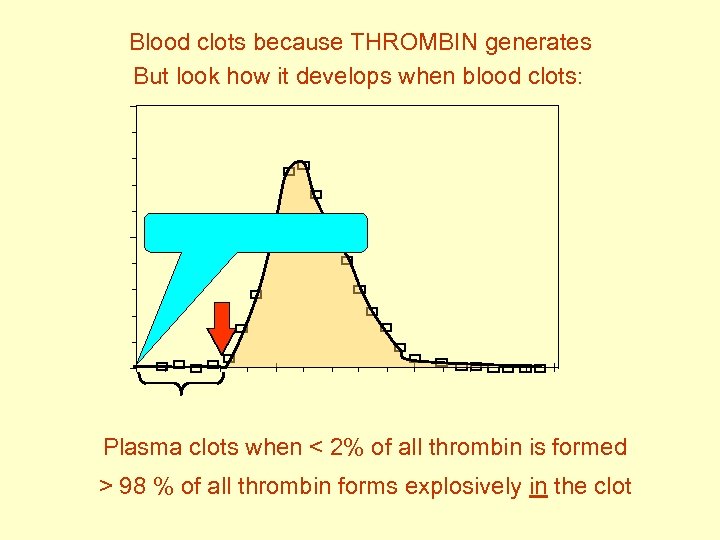
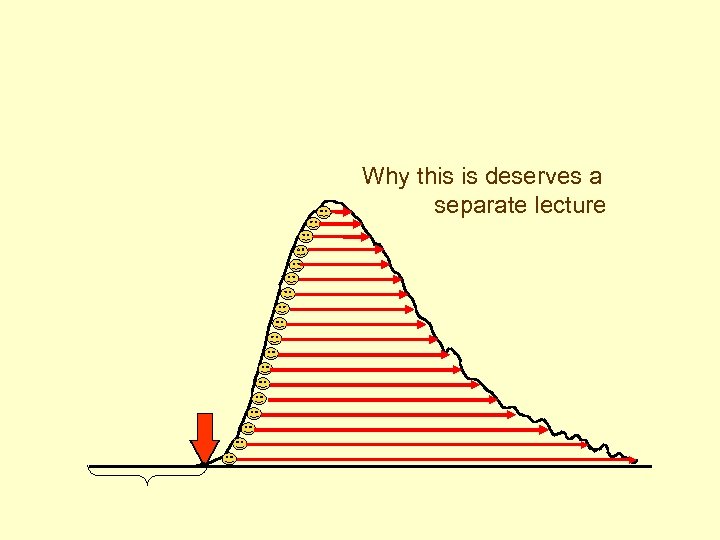
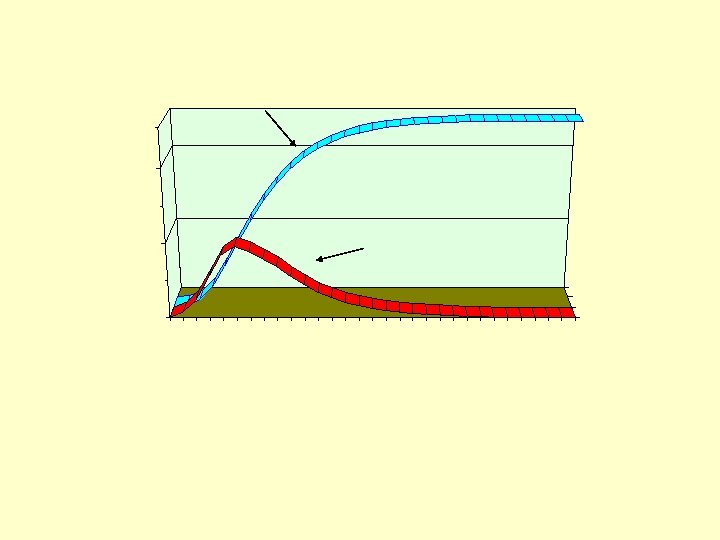
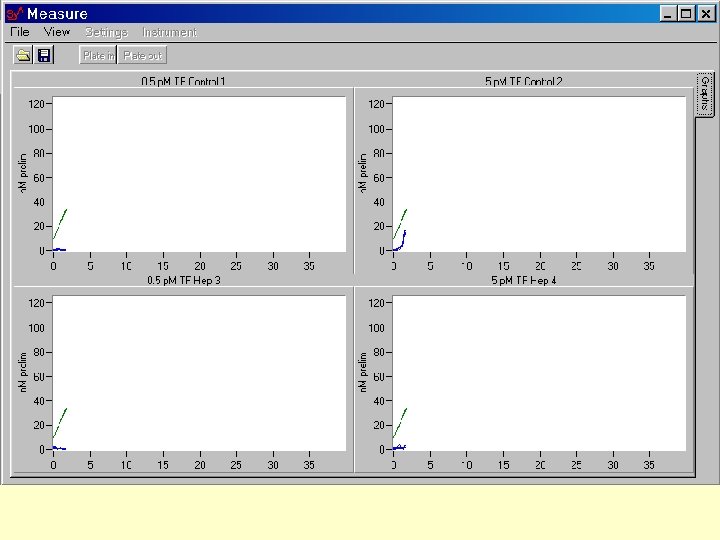
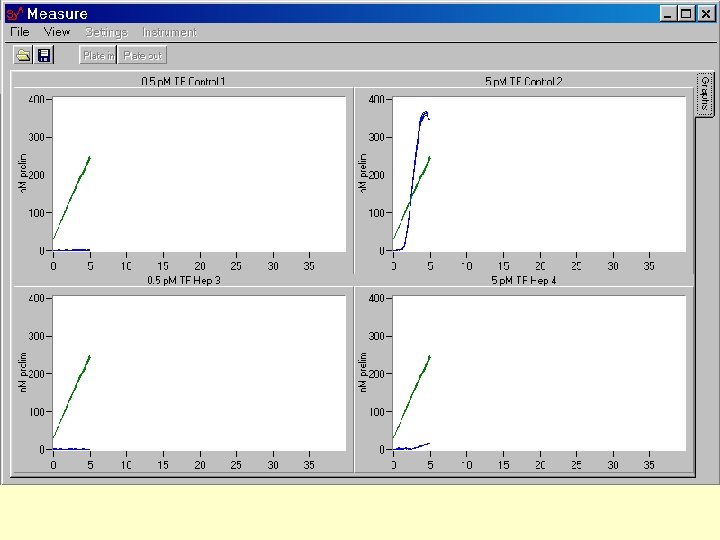
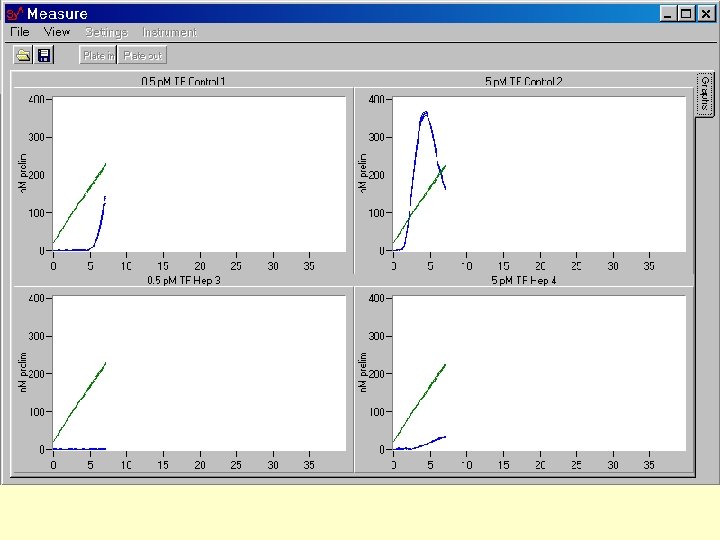
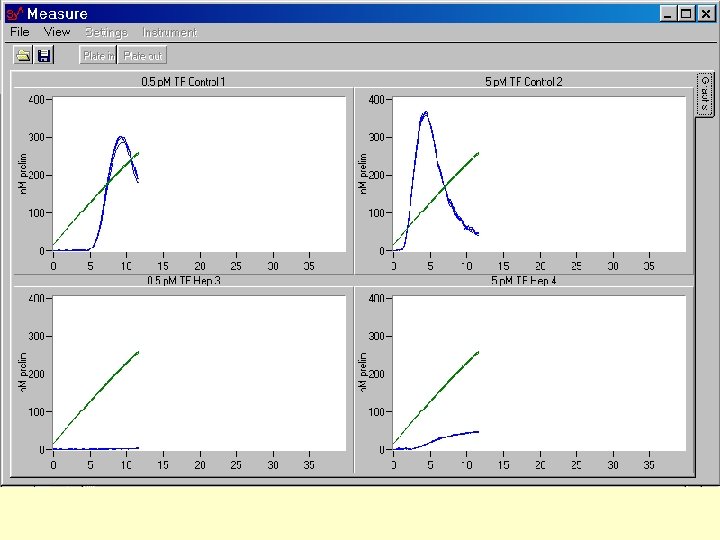
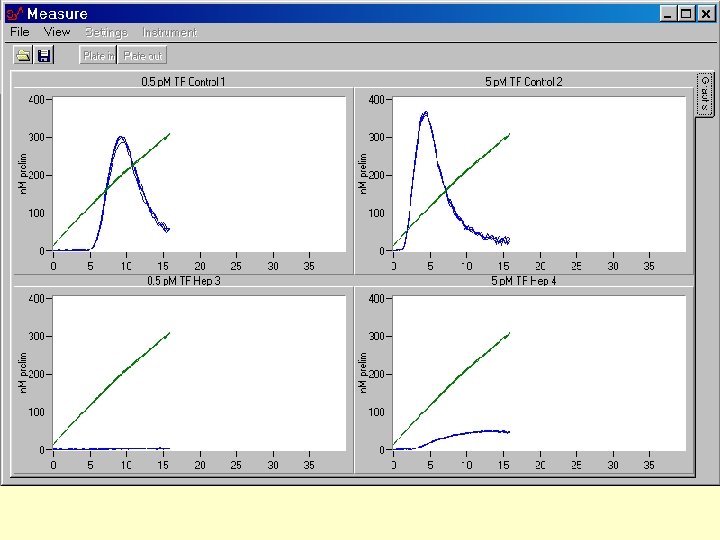
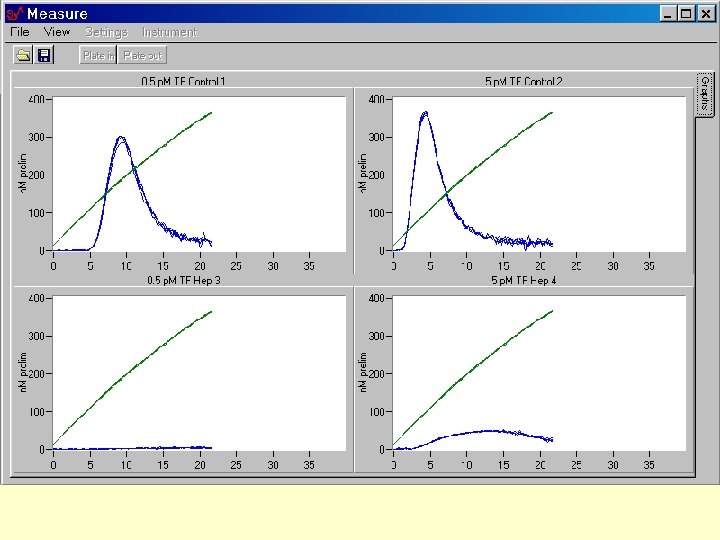
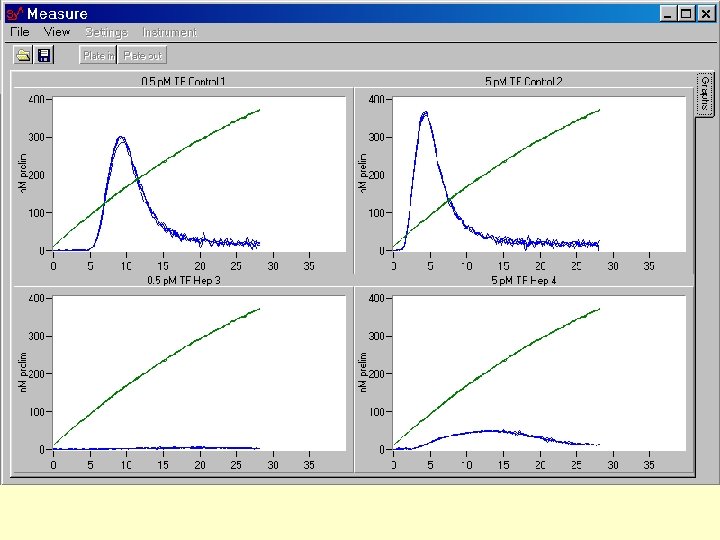
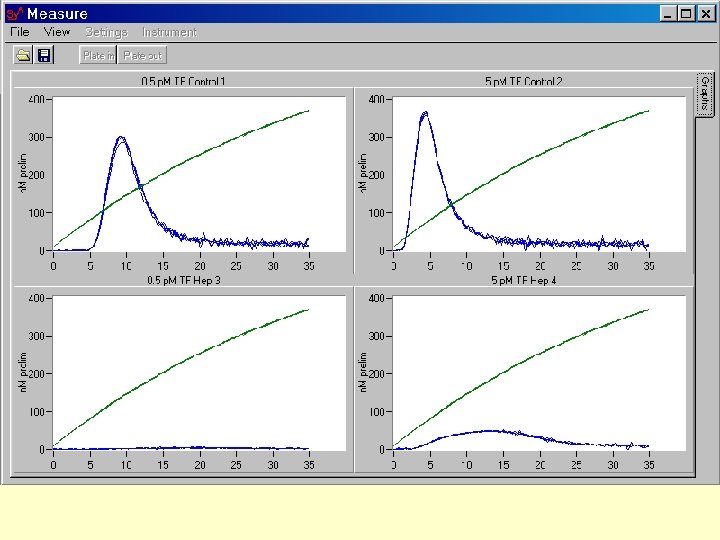
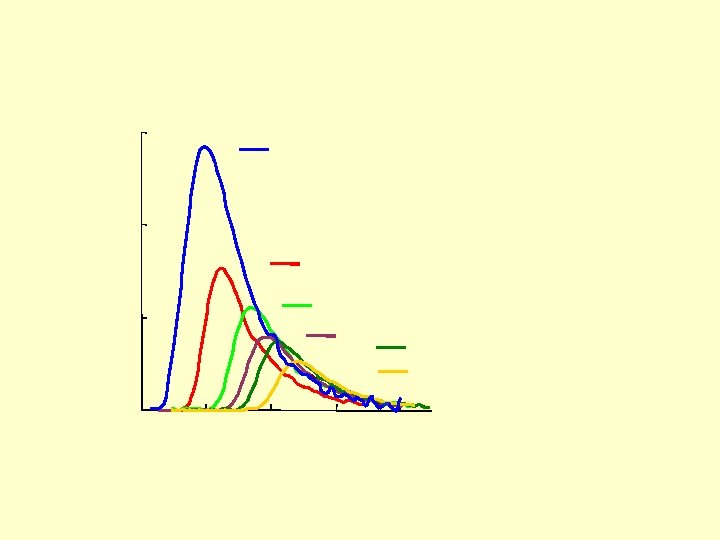
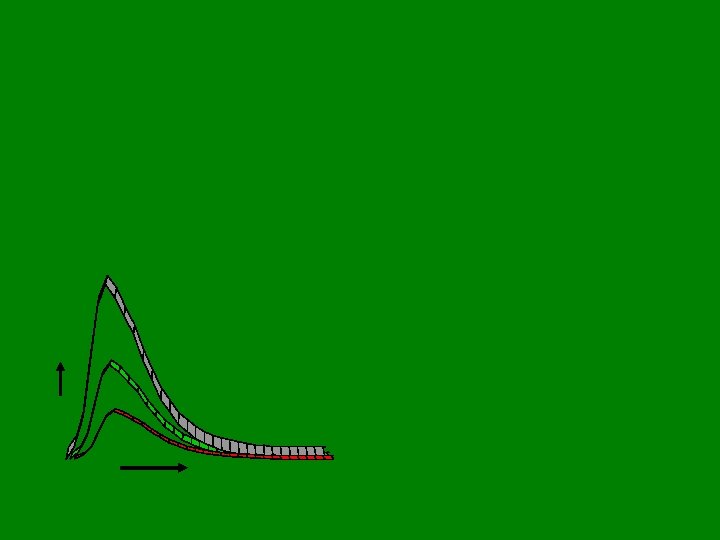
Blood clots because THROMBIN generates But look how it develops when blood clots: Plasma clots when < 2% of all thrombin is formed > 98 % of all thrombin forms explosively in the clot


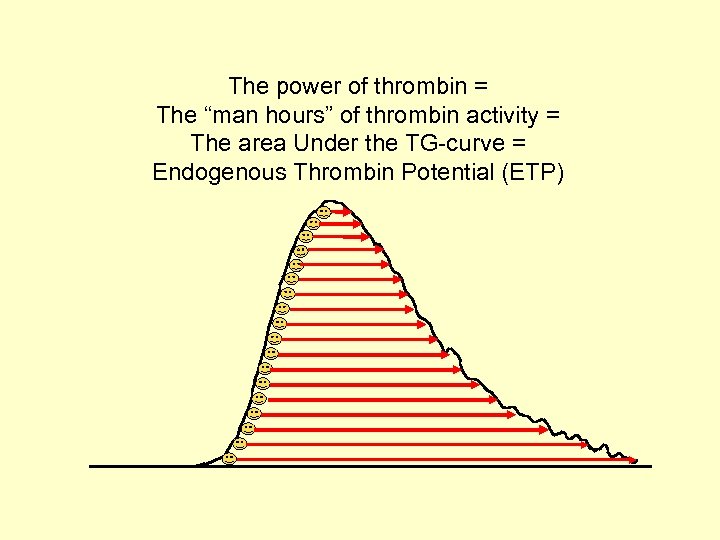
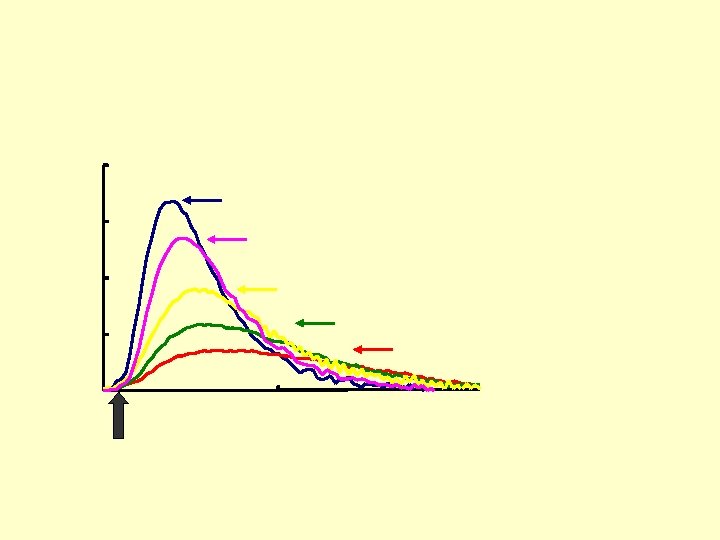
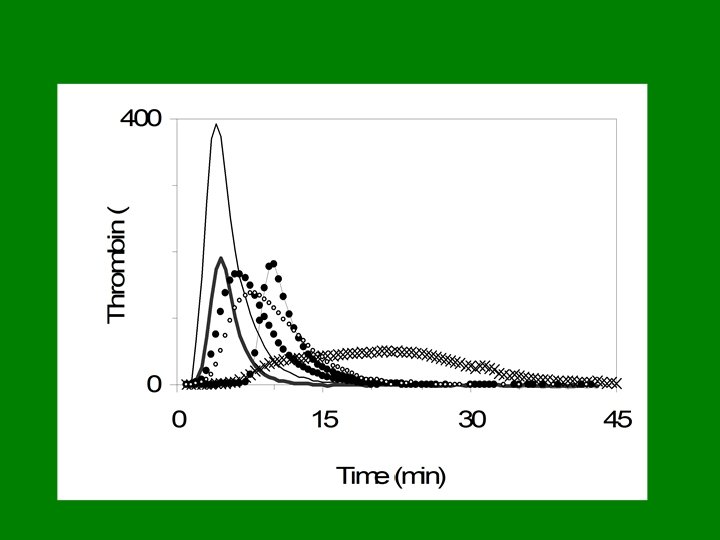
The power of thrombin = The “man hours” of thrombin activity = The area Under the TG-curve = Endogenous Thrombin Potential (ETP)
Why this is deserves a separate lecture
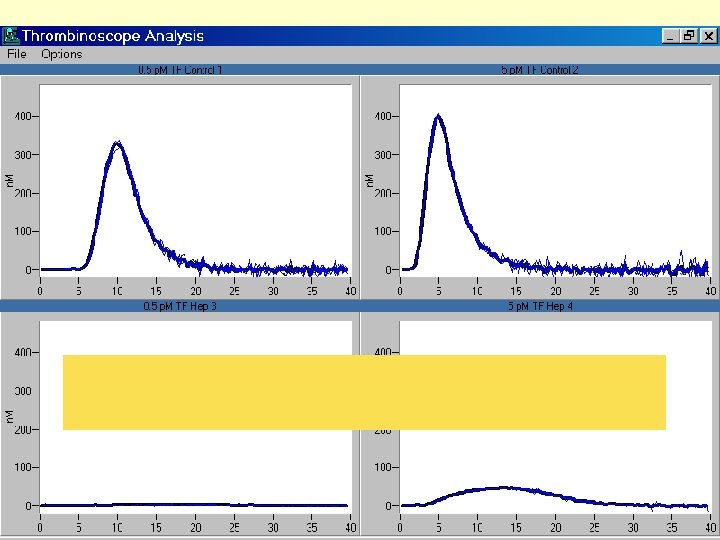
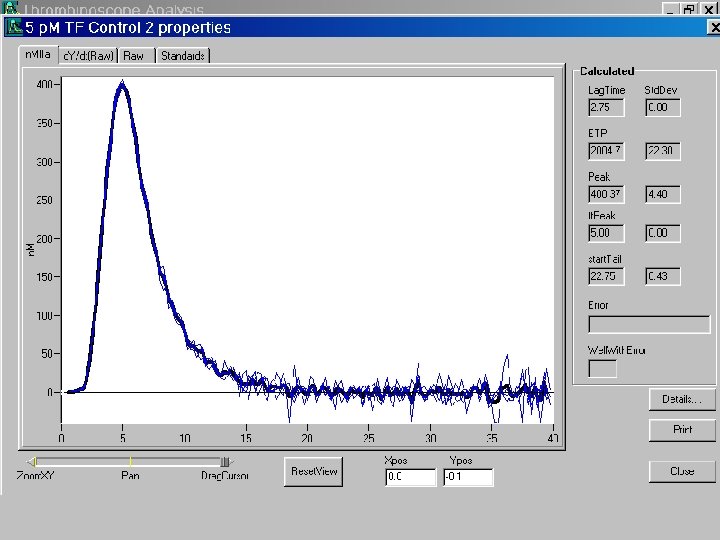
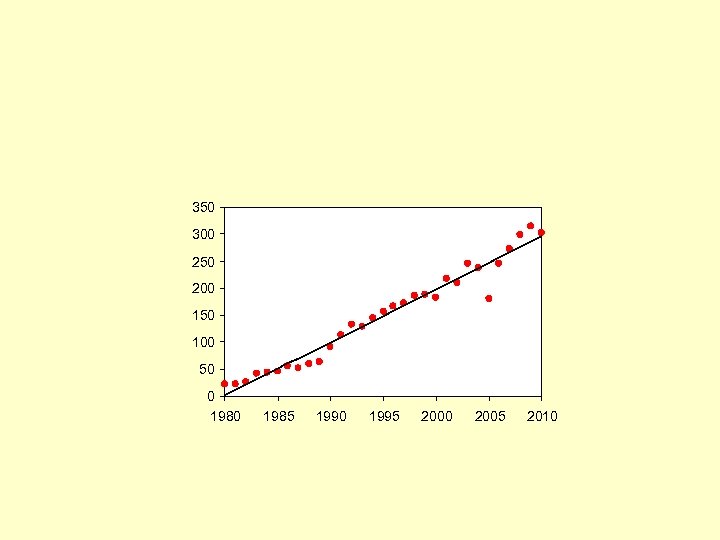
350 300 250 200 150 100 50 0 1985 1990 1995 2000 2005 2010
The results can be summarised in one simple phrase: The first law of haemostasis and thrombosis:
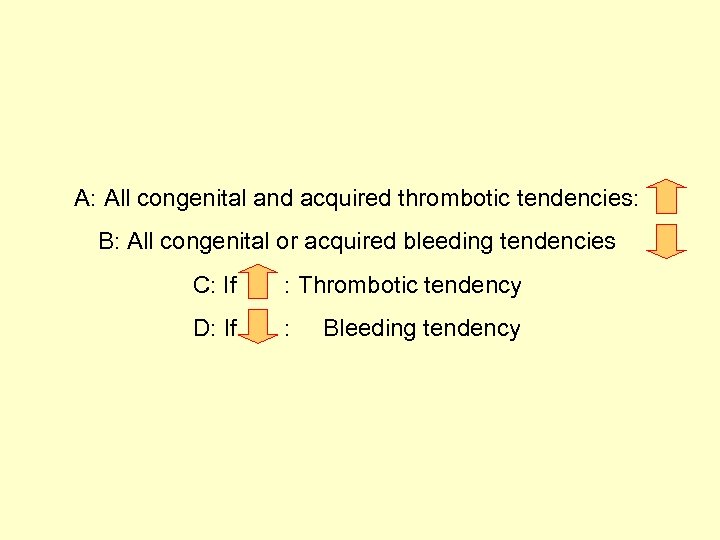
A: All congenital and acquired thrombotic tendencies: B: All congenital or acquired bleeding tendencies C: If : Thrombotic tendency D: If : Bleeding tendency
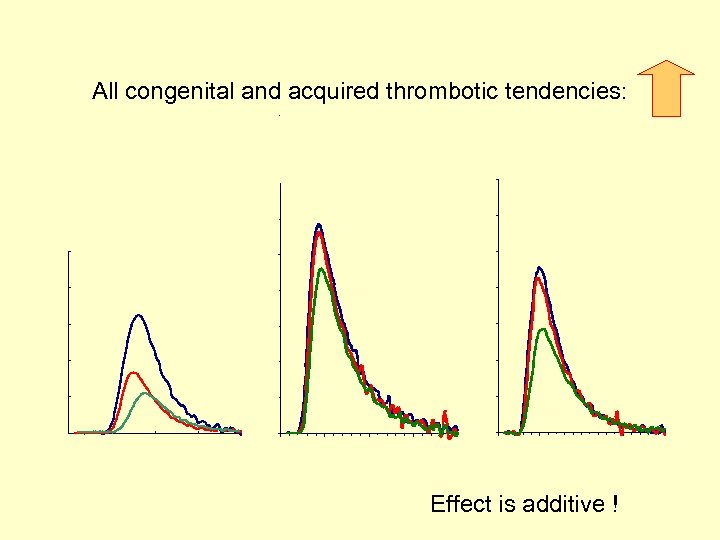
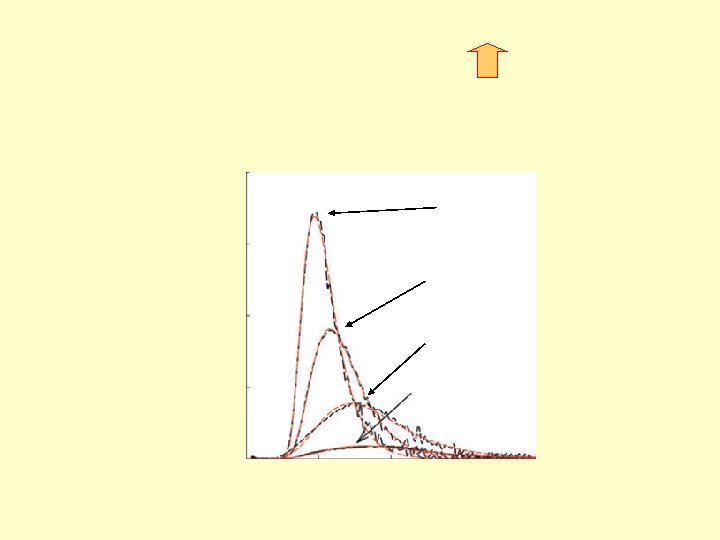
All congenital and acquired thrombotic tendencies: Effect is additive !
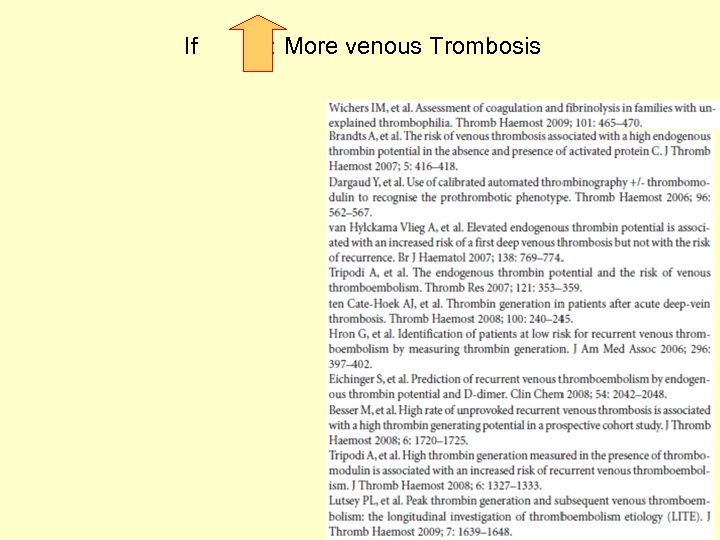
If : More venous Trombosis
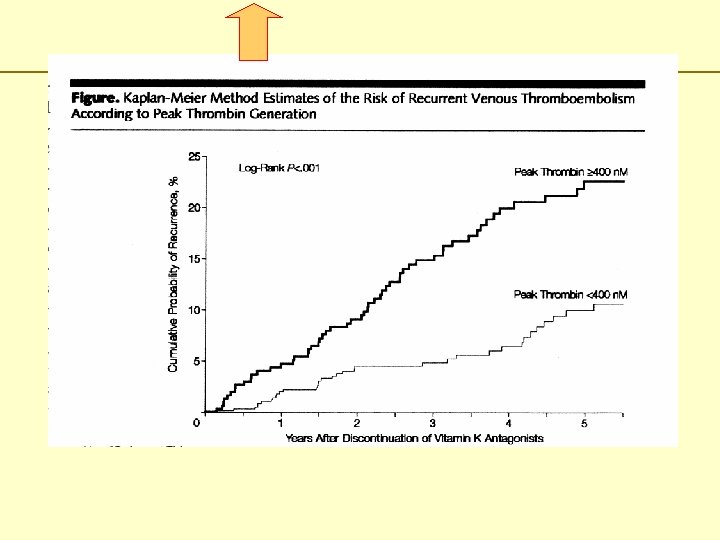
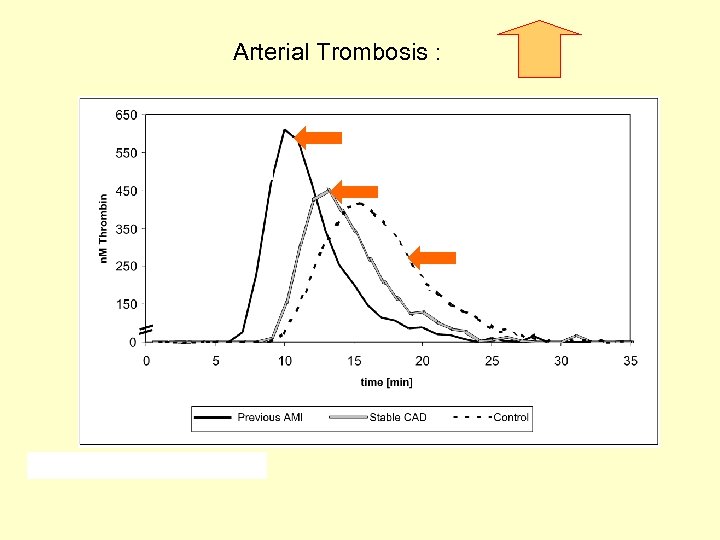
Arterial Trombosis :
Congenital or acquired bleeding tendencies
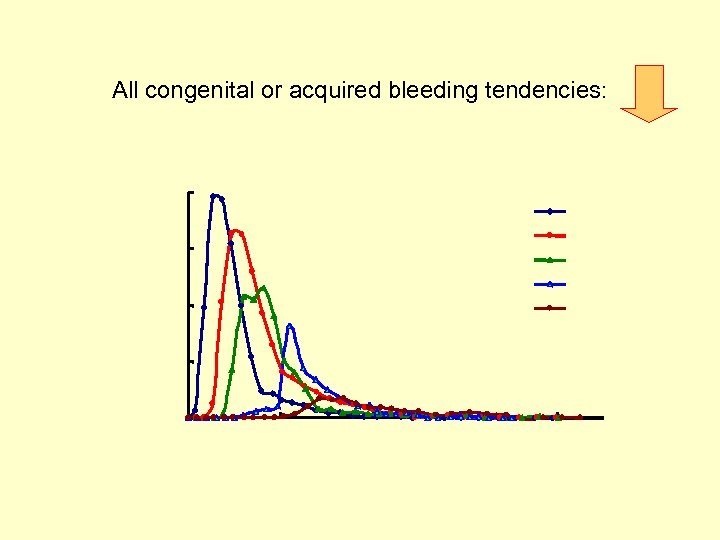
All congenital or acquired bleeding tendencies:


 Скачать презентацию The contribution of thrombin generation to the understanding
51cd5b15ac922ab94959919840bc1b00.ppt