


 Скачать презентацию The Comedy of the Commons Common Property Resource
54418ed16e07fea4630e7e5147184325.ppt
- Количество слайдов: 23
 The Comedy of the Commons? Common Property Resource Management Leah S. Horowitz, Ph. D. leah@env. leeds. ac. uk
 Themes today n n n n Open-access vs. common property Privatisation State ownership Common property theory Common property resource management (CPRM) Problems faced by CPRM systems Case study #1: Cree Indian fisheries as CPRM systems Case study #2: Grasslands management in the Highlands of Ethiopia
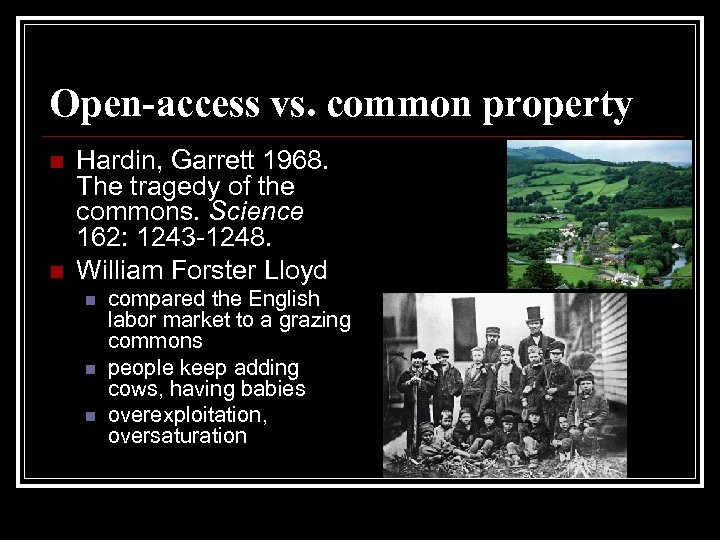 Open-access vs. common property n n Hardin, Garrett 1968. The tragedy of the commons. Science 162: 1243 -1248. William Forster Lloyd n n n compared the English labor market to a grazing commons people keep adding cows, having babies overexploitation, oversaturation
 Hardin’s angle individual self-interest n “rational” economic behavior n “Freedom in a commons brings ruin for all. ” n Two solutions n n n State control privatization
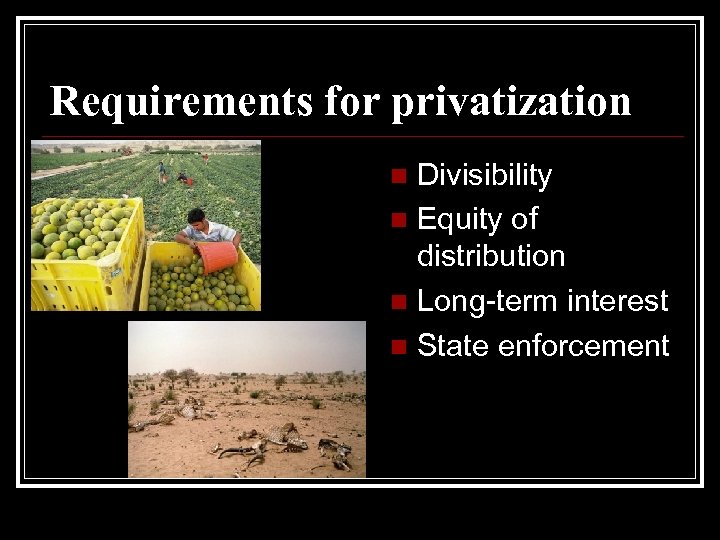 Requirements for privatization Divisibility n Equity of distribution n Long-term interest n State enforcement n
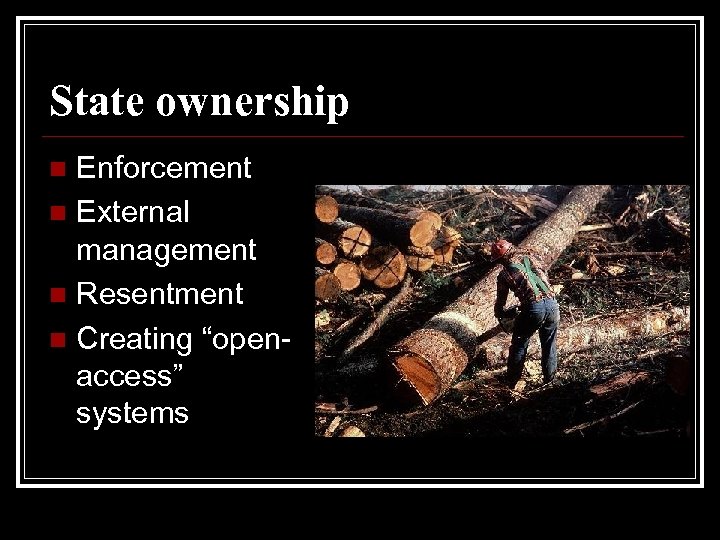 State ownership Enforcement n External management n Resentment n Creating “openaccess” systems n
 Common property theory n Hardin’s unjustified assumptions n n resource users are selfish common resources are open-access Common property ≠ open access n Common property resources n n n restricted to a group governed by rules
 References n Mc. Cay, Bonnie and James M. Acheson (eds. ) 1987. The question of the commons: the culture and ecology of communal resources. Tucson: University of Arizona Press. n Ostrom, Elinor 1990. Governing the commons: the evolution of institutions for collective action. Cambridge: Cambridge University Press. n Ostrom, Elinor, Thomas Dietz, Nives Dolsak, Paul C. Stern, Susan Stonich, and Elke U. Weber 2002. The drama of the commons. Washington: National Academy Press.
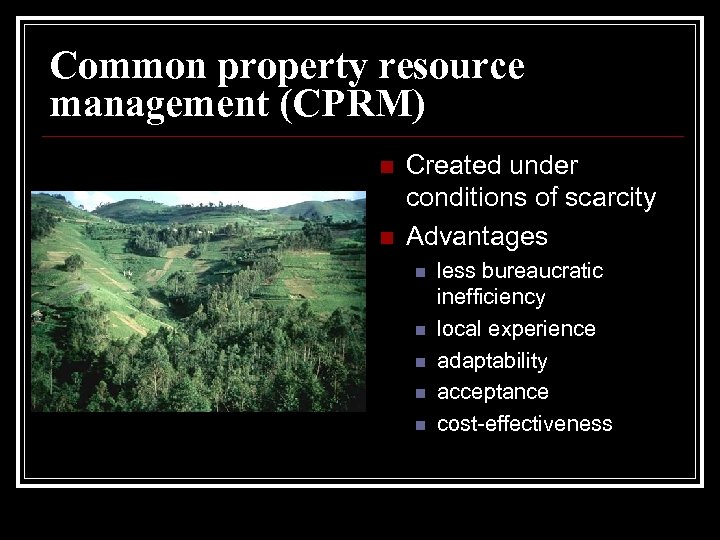 Common property resource management (CPRM) n n Created under conditions of scarcity Advantages n n n less bureaucratic inefficiency local experience adaptability acceptance cost-effectiveness
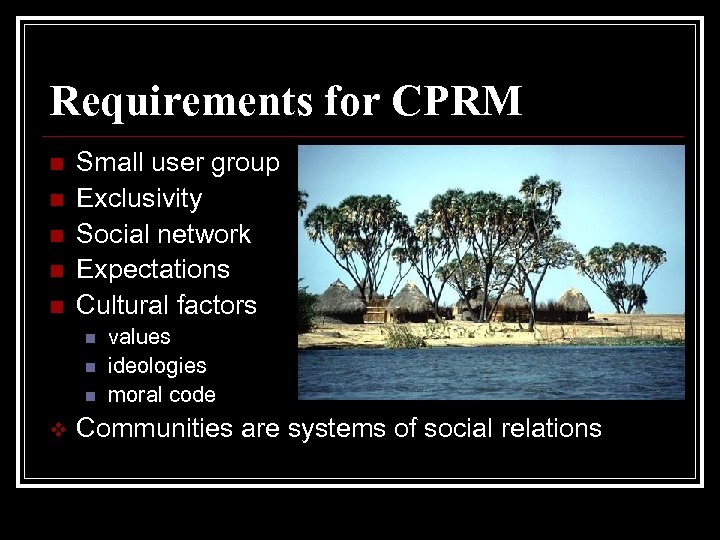 Requirements for CPRM n n n Small user group Exclusivity Social network Expectations Cultural factors n n n v values ideologies moral code Communities are systems of social relations
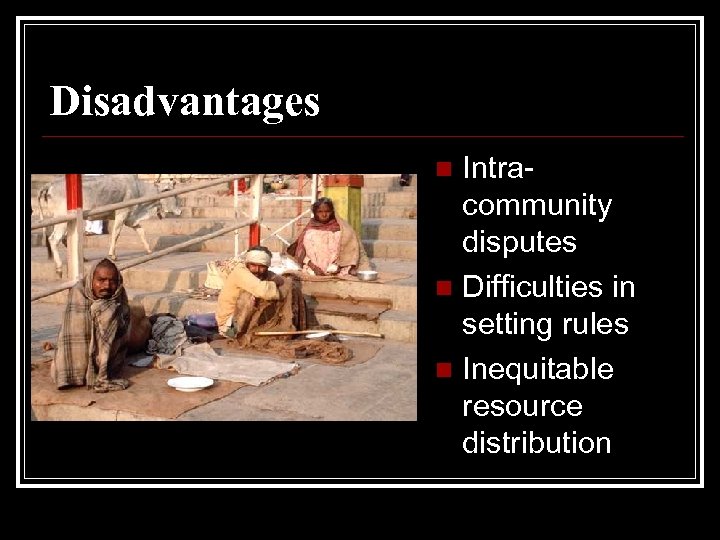 Disadvantages Intracommunity disputes n Difficulties in setting rules n Inequitable resource distribution n
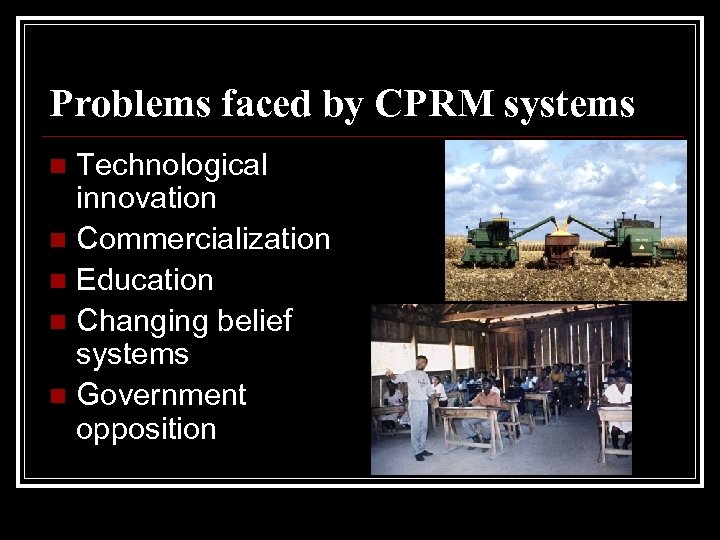 Problems faced by CPRM systems Technological innovation n Commercialization n Education n Changing belief systems n Government opposition n
 Case study #1: Cree Indian fisheries as CPRM systems n Berkes, Fikret 1987. Common-property resource management and Cree Indian fisheries in subarctic Canada. Pp. 66 -90 in B. Mc. Cay and J. M. Acheson (eds. ) 1987. The question of the commons: the culture and ecology of communal resources. Tucson: University of Arizona Press.
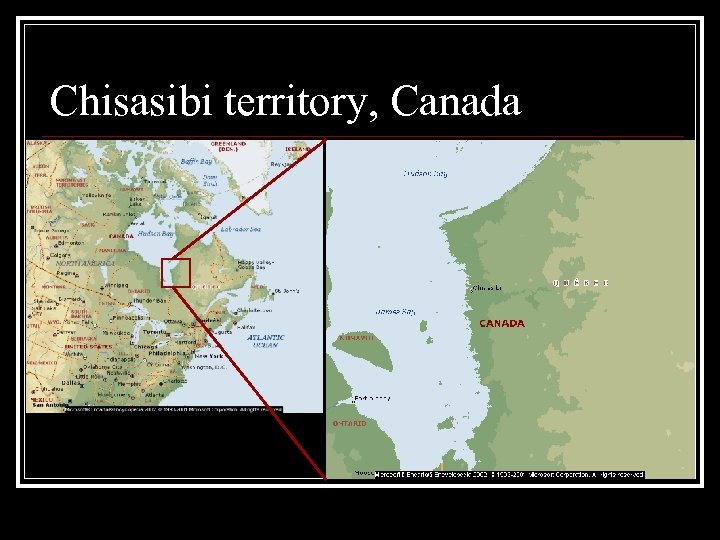 Chisasibi territory, Canada
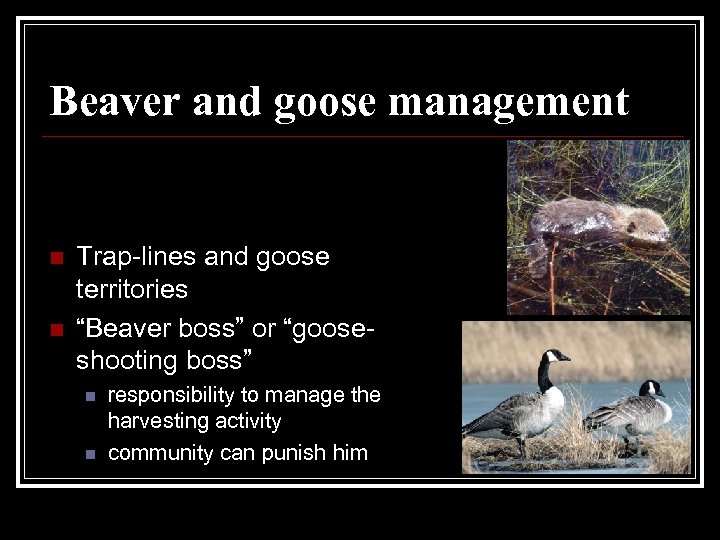 Beaver and goose management n n Trap-lines and goose territories “Beaver boss” or “gooseshooting boss” n n responsibility to manage the harvesting activity community can punish him
 Fish management n n n Abundant Only used for food Management n n n fishing territories inexhaustible disrespectful to manage scientifically follow proper procedures, show respect code of ethics
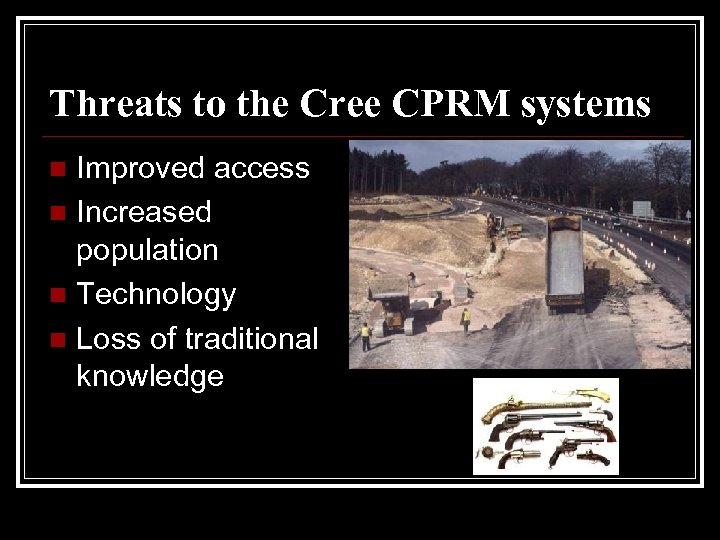 Threats to the Cree CPRM systems Improved access n Increased population n Technology n Loss of traditional knowledge n
 Case study #2: Grasslands management in Ethiopia n Ashenafi, Zelealem Tefera and N. Leader. Williams 2006. Indigenous common property resource management in the central highlands of Ethiopia. Human Ecology 33(4): 539 -563.
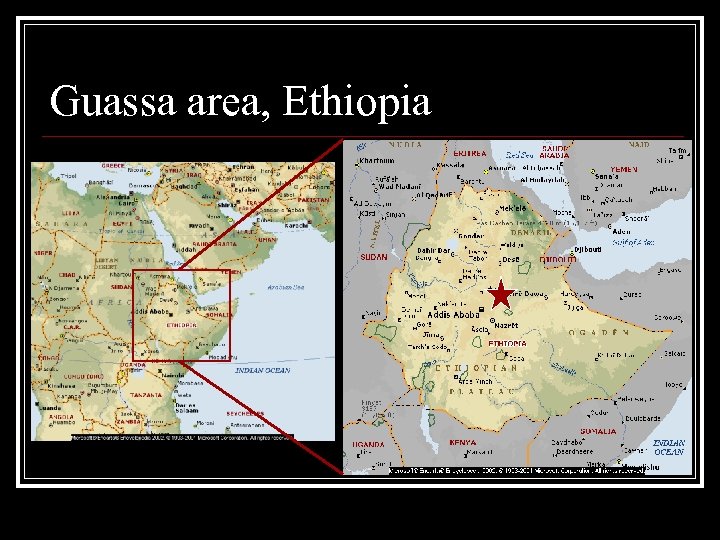 Guassa area, Ethiopia
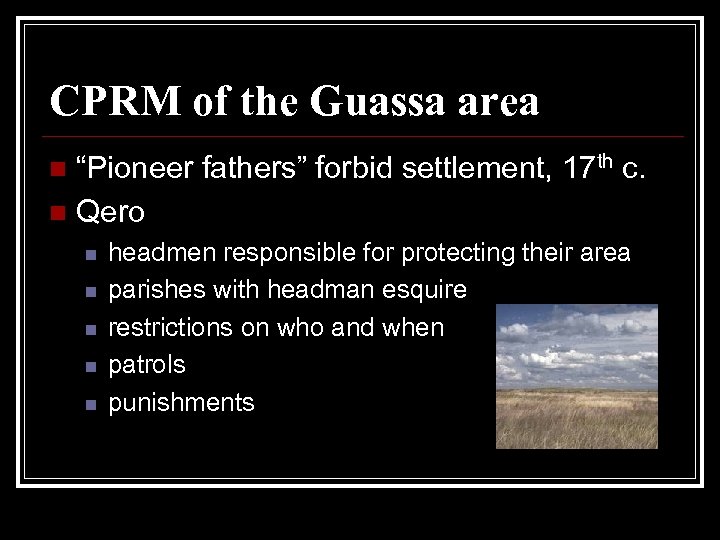 CPRM of the Guassa area “Pioneer fathers” forbid settlement, 17 th c. n Qero n n n headmen responsible for protecting their area parishes with headman esquire restrictions on who and when patrols punishments
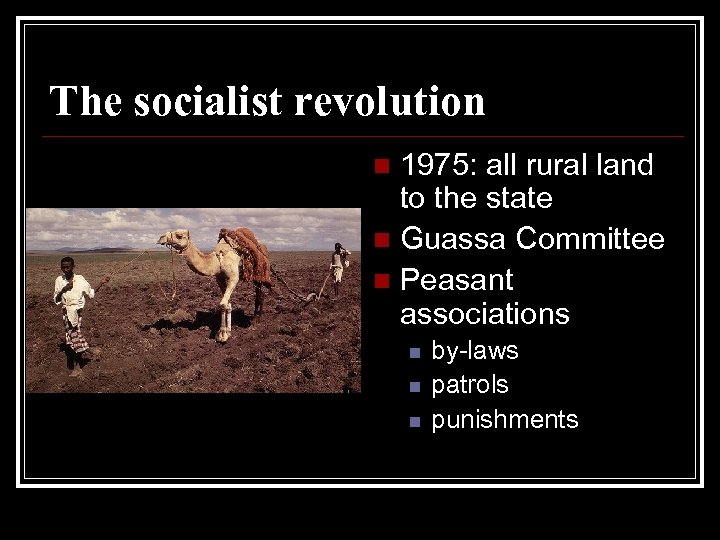 The socialist revolution 1975: all rural land to the state n Guassa Committee n Peasant associations n n by-laws patrols punishments
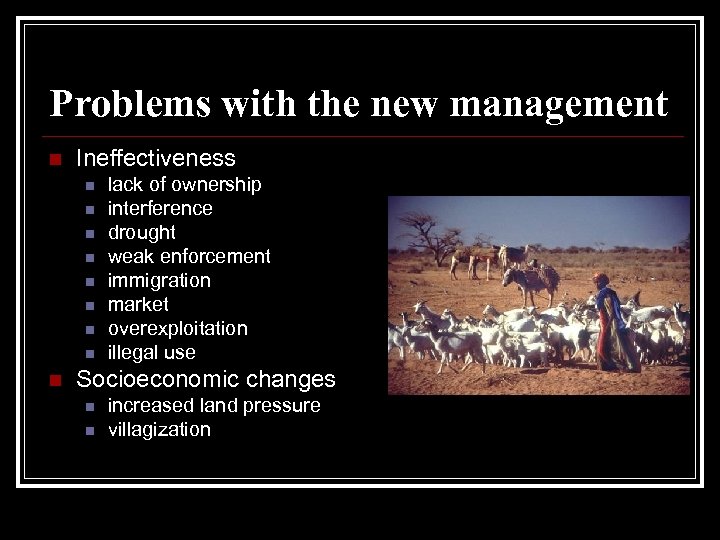 Problems with the new management n Ineffectiveness n n n n n lack of ownership interference drought weak enforcement immigration market overexploitation illegal use Socioeconomic changes n n increased land pressure villagization
 One community member’s perspective n It was a taboo and an insult in our forefathers’ time to sell Guassa grass. How can someone sell something that is not his own property? We got the Guassa from our forefathers and we should hand it to our children as we received it. The situation is different, now the Guassa grass has become a commodity to sell and buy in the market. (A 67 -year-old informant from Tesfomentier Peasant Association)