


 Скачать презентацию The Co RT Thinking Programme Edward de
f45fd7b5dd76a786ee52d60aba1feea3.ppt
- Количество слайдов: 74
 The Co. RT Thinking Programme
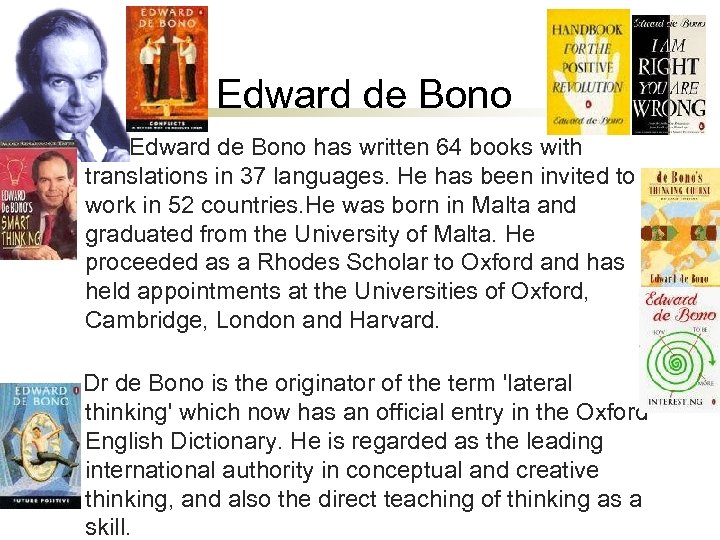 Edward de Bono has written 64 books with translations in 37 languages. He has been invited to work in 52 countries. He was born in Malta and graduated from the University of Malta. He proceeded as a Rhodes Scholar to Oxford and has held appointments at the Universities of Oxford, Cambridge, London and Harvard. Dr de Bono is the originator of the term 'lateral thinking' which now has an official entry in the Oxford English Dictionary. He is regarded as the leading international authority in conceptual and creative thinking, and also the direct teaching of thinking as a skill.
 Co. RT Thinking Programme n n Co. RT = Cognitive Research Trust Thinking is a skill that can be developed Most practical thinking takes place in the perception stage. The tools method is used to teach thinking.
 Co. RT Thinking Programme n n n n PMI = Plus, Minus, Interesting CAF = Consider All Factors OPV = Other People’s Views FIP = First Important Priorities C&S = Consequences & Sequels AGO = Aims, Goals, Objectives APC = Alternatives, Possibilities, Choices
 PMI PLUS MINUS INTERESTING
 PMI n n Normally when presented with an idea, people support it or are against it Once they have decided to take a position they will use all of their logic and emotion to defend that position Using the PMI says “Let’s be fair to an idea and look at it from a few different sides before making up our minds” Like Pros-and-Cons or SWOT analysis
 PMI n P = Plus ¡ ¡ ¡ The good things about an idea Why you like it What are the benefits of it
 PMI n M = Minus ¡ ¡ ¡ The bad things about an idea why you don't like it What are the potential problems
 PMI n I = Interesting ¡ ¡ ¡ What you find interesting about an idea What are the future implications of the idea What does it tell us about the status quo
 PMI: How to do it
 PMI: How to do it
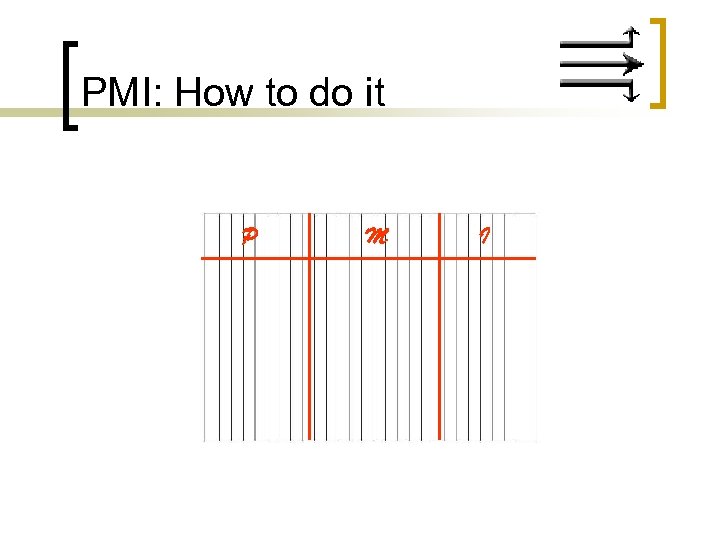 PMI: How to do it P M I
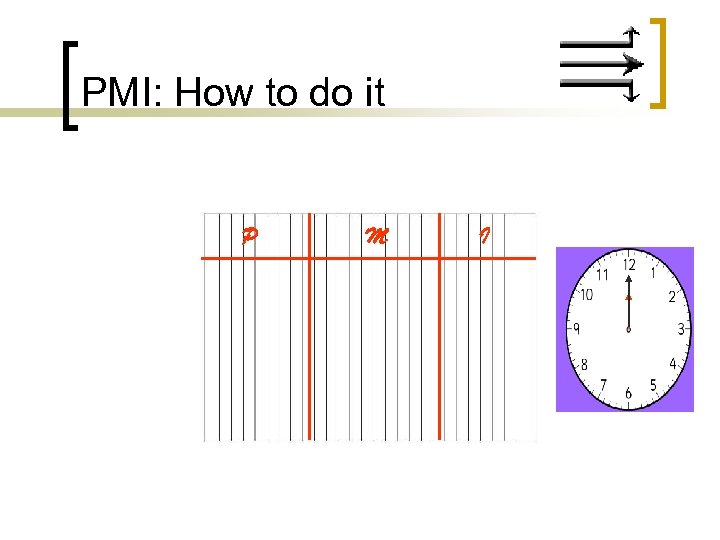 PMI: How to do it P M I
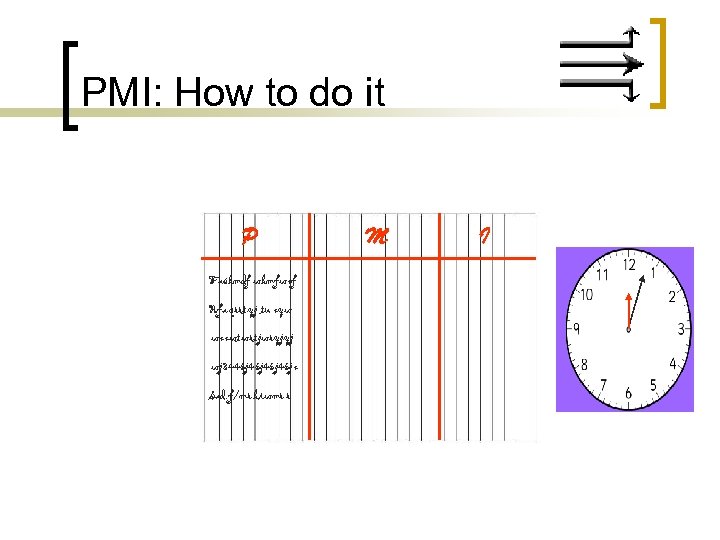 PMI: How to do it P Faskmdf wkmfwef Rfa qrrtyj tu eyw weewtwrtjwryjyj wj 3446 j 46 j 46 je Sad. f/mr kiwmr r M I
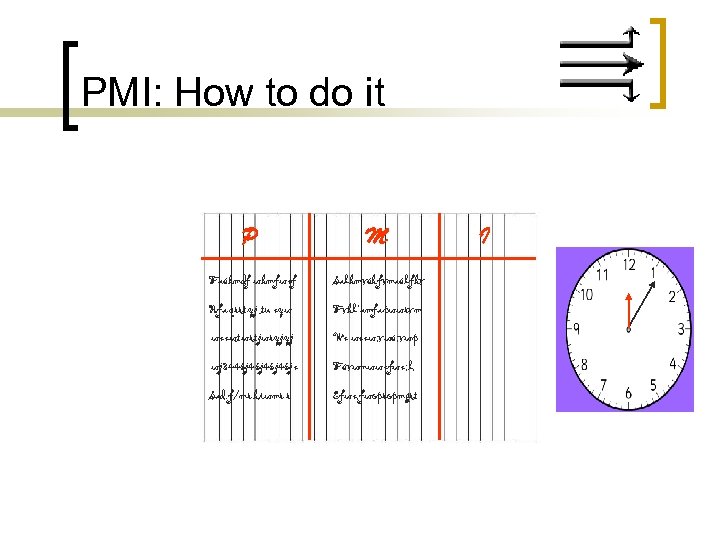 PMI: How to do it P M Faskmdf wkmfwef Salkmvskfvmaslfkv Rfa qrrtyj tu eyw Fvkl’amfapwwrvm weewtwrtjwryjyj We weew; vws; vwp wj 3446 j 46 j 46 je Fsvwmwwefwe; l, Sad. f/mr kiwmr r Efwe, fwopropmgrt I
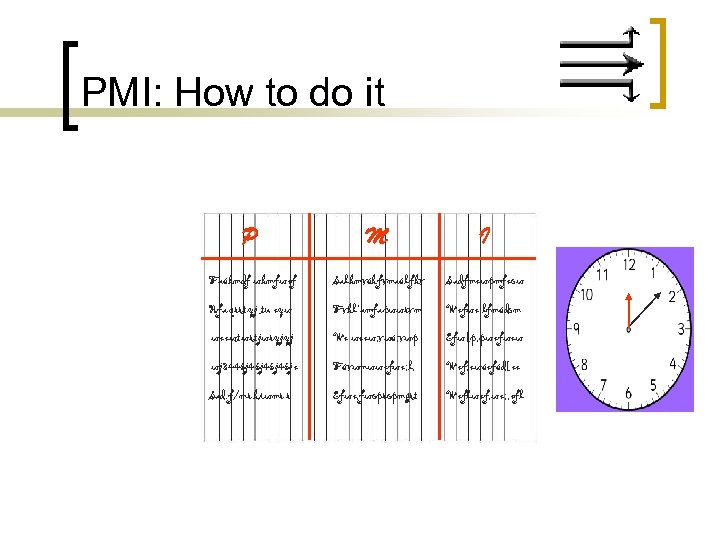 PMI: How to do it P M I Faskmdf wkmfwef Salkmvskfvmaslfkv Sadfmewpmfeow Rfa qrrtyj tu eyw Fvkl’amfapwwrvm Wefwe; lfmsdom weewtwrtjwryjyj We weew; vws; vwp Efw[p, pwefwew wj 3446 j 46 j 46 je Fsvwmwwefwe; l, Wef; ewsefsd[ee Sad. f/mr kiwmr r Efwe, fwopropmgrt Weflwef, we; , efl
 PMI n n n Order is significant, most people find “M” easy, so putting “P” first forces new directions “directed thinking” only considering one direction at a time Short timescales to encourage quickthinking creativity
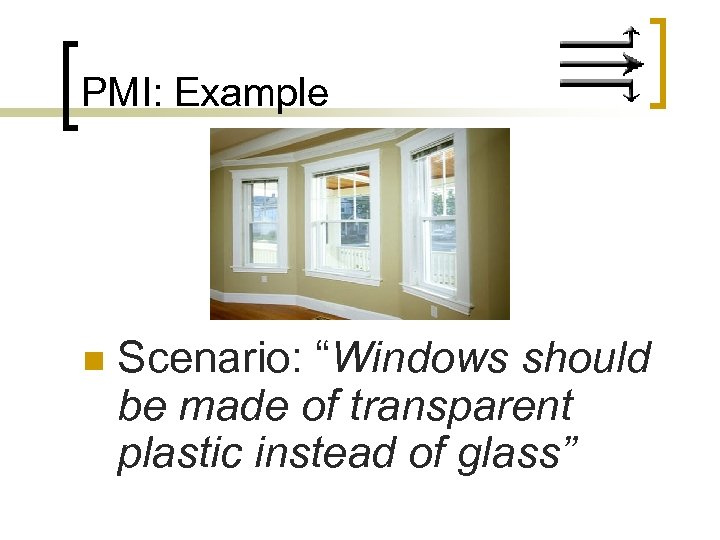 PMI: Example n Scenario: “Windows should be made of transparent plastic instead of glass”
 PMI: Example n PLUS ¡ ¡ ¡ They wouldn’t break as easily They would not be as dangerous when broken Easier to transport in bulk because of resilience
 PMI: Example n MINUS ¡ ¡ ¡ Plastic would be more expensive than glass Plastic would get scratched very easily Plastic could be melted easily
 PMI: Example n INTERESTING ¡ ¡ ¡ Perhaps windows could be of all colours if plastic Perhaps we take it for granted that glass is best since we are used to it Maybe the windows could be coated with anti-scratch coating
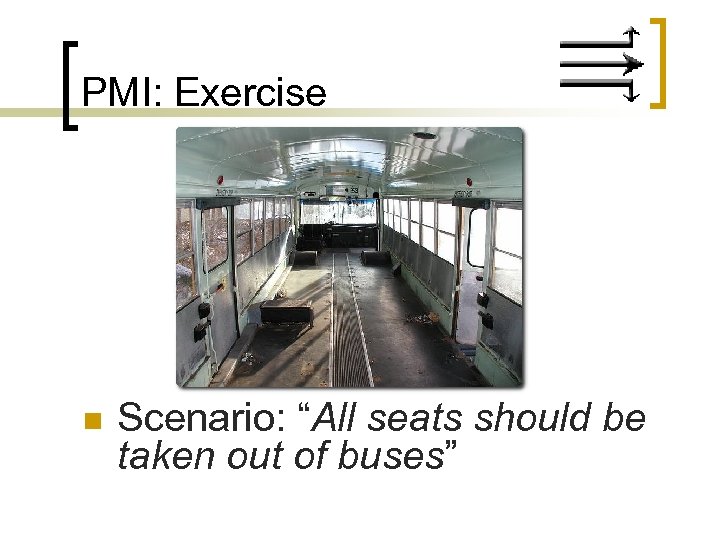 PMI: Exercise n Scenario: “All seats should be taken out of buses”
 PMI: Exercise n POSSIBLE SOLUTIONS n PLUS ¡ ¡ ¡ n MINUS ¡ ¡ ¡ n More people would be able to get into buses It would be easier to get in and out Buses would be cheaper to make and to repair Passengers would fall over if sudden stops Old people and the disabled might not be able to use buses It would be harder to carry shopping bags and babies INTERESTING ¡ ¡ ¡ Might be two types of bus; one with seats, one without The same bus might do more work Comfort is less important on a bus ? ?
 CAF CONSIDER ALL FACTORS
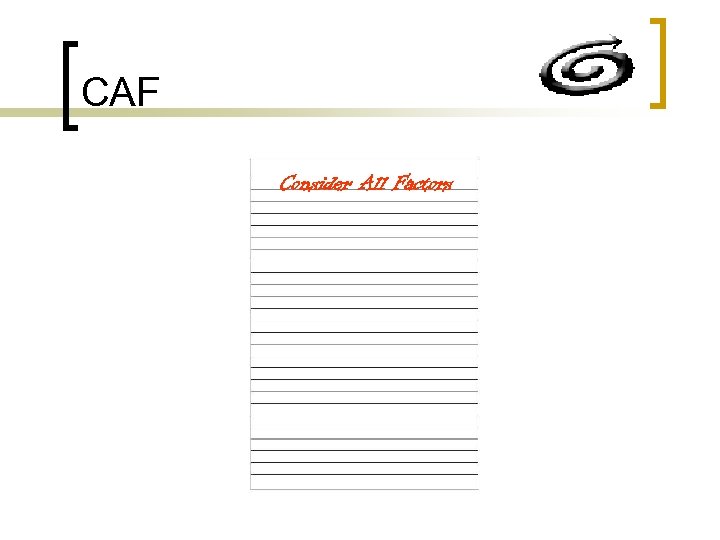
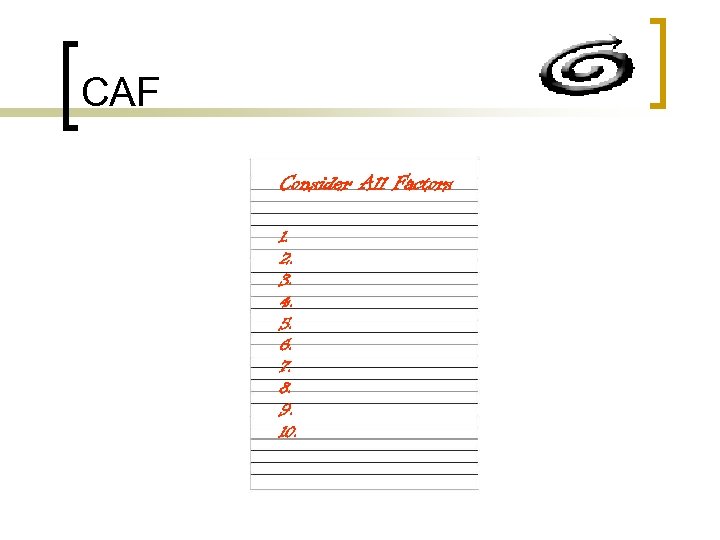
 CAF n n Unlike the PMI this is not a timed exercise, it takes as long as it takes Decide on a specific number of factors, e. g. 10 factors Continue working on list until that number of factors are achieved May uncover hitherto unconsidered factors
 CAF n Related to ¡ ¡ ¡ Action Decision Planning Judgement Conclusion
 CAF Consider All Factors
 CAF Consider All Factors 1. 2. 3. 4. 5. 6. 7. 8. 9. 10.
 CAF Consider All Factors 1. sfakwpaefmwaop 2. 3. 4. 5. 6. 7. 8. 9. 10.
 CAF Consider All Factors 1. sfakwpaefmwaop 2. sdfrva; , r; rropawe 3. 4. 5. 6. 7. 8. 9. 10.
 CAF Consider All Factors 1. sfakwpaefmwaop 2. sdfrva; , r; rropawe 3. lawooeridmcwnw 4. 5. 6. 7. 8. 9. 10.
 CAF Consider All Factors 1. 2. 3. 4. 5. 6. 7. 8. 9. 10. sfakwpaefmwaop sdfrva; , r; rropawe lawooeridmcwnw lskedjedosmwapc
 CAF Consider All Factors 1. 2. 3. 4. 5. 6. 7. 8. 9. 10. sfakwpaefmwaop sdfrva; , r; rropawe lawooeridmcwnw lskedjedosmwapc xoowwmkfkovms
 CAF Consider All Factors 1. 2. 3. 4. 5. 6. 7. 8. 9. 10. sfakwpaefmwaop sdfrva; , r; rropawe lawooeridmcwnw lskedjedosmwapc xoowwmkfkovms xwspaweofmefm zkdoekrirjwwopac lslwiwirjfkcmqas cdale; aefiemfefm kmxppaowedope
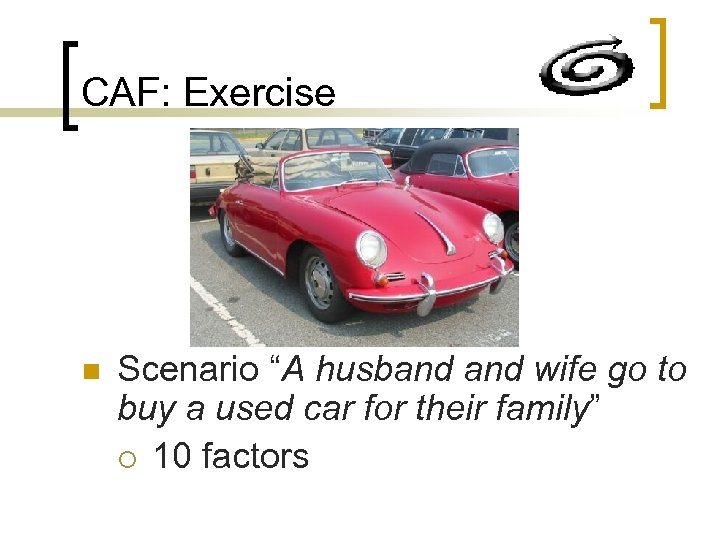 CAF: Exercise n Scenario “A husband wife go to buy a used car for their family” ¡ 10 factors
 CAF: Example 1. 2. 3. 4. 5. 6. 7. 8. 9. 10. The person selling it actually owns it The price of the car The type of car and colour The engine power and speed of the car All the mechanical parts are working well The car is big enough for a family Has the car been in a crash? It will be easy to get replacement parts It has tax and NCT certificates What is the potential resell value?
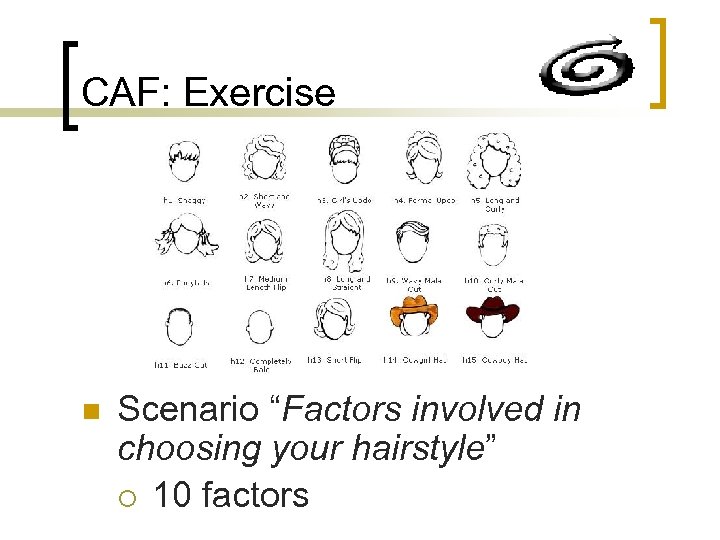 CAF: Exercise n Scenario “Factors involved in choosing your hairstyle” ¡ 10 factors
 OPV OTHER PEOPLE’S VIEWS
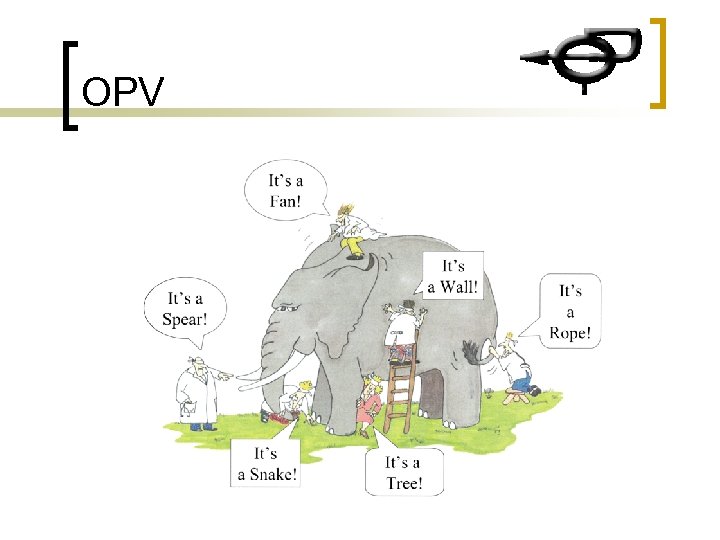
 OPV n n n The process of looking at other people’s viewpoints so that the process can be used consciously and deliberately Consider the views of all stakeholders Can be employed in conjunction with other techniques
 OPV
OPV
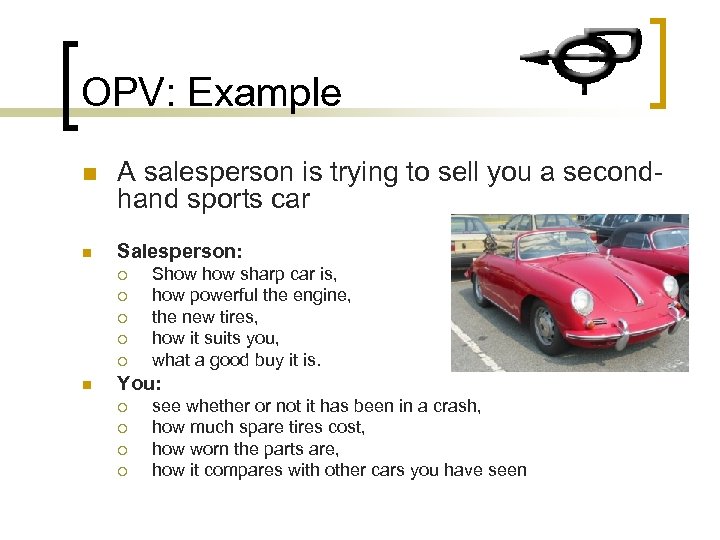 OPV: Example n n A salesperson is trying to sell you a secondhand sports car Salesperson: ¡ ¡ ¡ n Show sharp car is, how powerful the engine, the new tires, how it suits you, what a good buy it is. You: ¡ ¡ see whether or not it has been in a crash, how much spare tires cost, how worn the parts are, how it compares with other cars you have seen
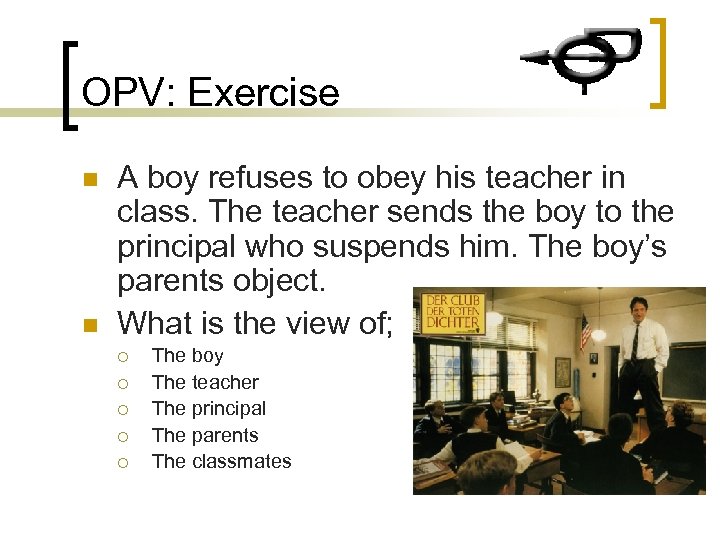 OPV: Exercise n n A boy refuses to obey his teacher in class. The teacher sends the boy to the principal who suspends him. The boy’s parents object. What is the view of; ¡ ¡ ¡ The boy The teacher The principal The parents The classmates
 FIP FIRST IMPORTANT PRIORITIES
 FIP n n The process of picking out the most important ideas, factors, objectives, consequences To be used in conjunction with other techniques (e. g. CAF, APC ) Purpose is to restore the balance in a deliberate manner. FIP is a judgement situation and there are no absolute answers.
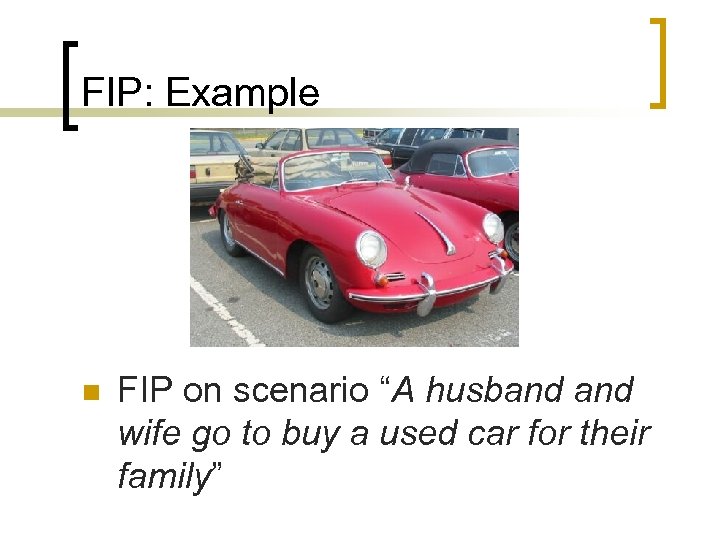 FIP: Example n FIP on scenario “A husband wife go to buy a used car for their family”
 FIP: Example 1. 2. 3. 4. 5. 6. 7. 8. 9. 10. The person selling it actually owns it The price of the car The type of car and colour The engine power and speed of the car All the mechanical parts are working well The car is big enough for a family Has the car been in a crash? It will be easy to get replacement parts It has tax and NCT certificates What is the potential resell value?
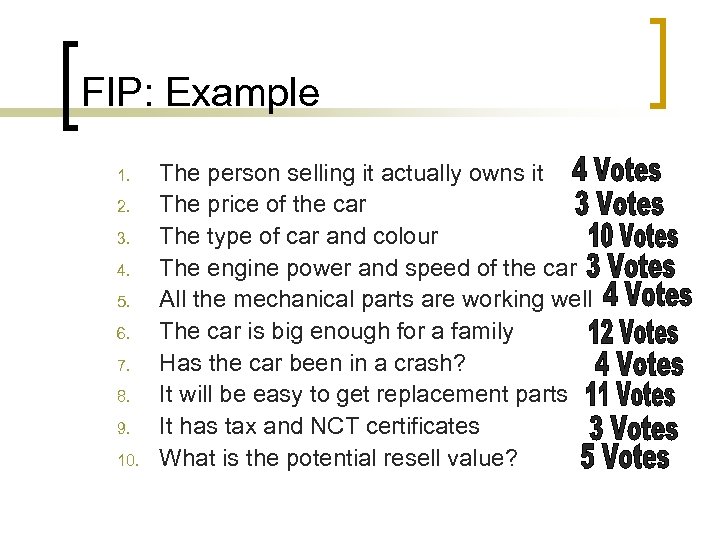 FIP: Example 1. 2. 3. 4. 5. 6. 7. 8. 9. 10. The person selling it actually owns it The price of the car The type of car and colour The engine power and speed of the car All the mechanical parts are working well The car is big enough for a family Has the car been in a crash? It will be easy to get replacement parts It has tax and NCT certificates What is the potential resell value?
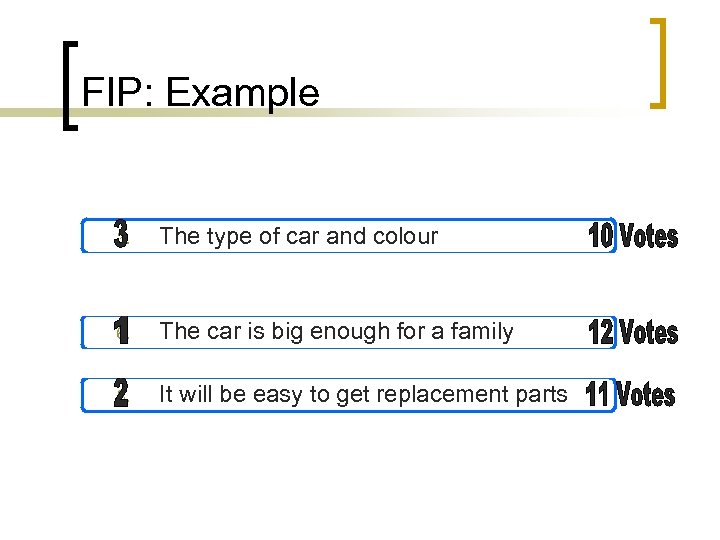 FIP: Example 1. 2. 3. 4. 5. 6. 7. 8. 9. 10. The person selling it actually owns it The price of the car The type of car and colour The engine power and speed of the car All the mechanical parts are working well The car is big enough for a family Has the car been in a crash? It will be easy to get replacement parts It has tax and NCT certificates What is the potential resell value?
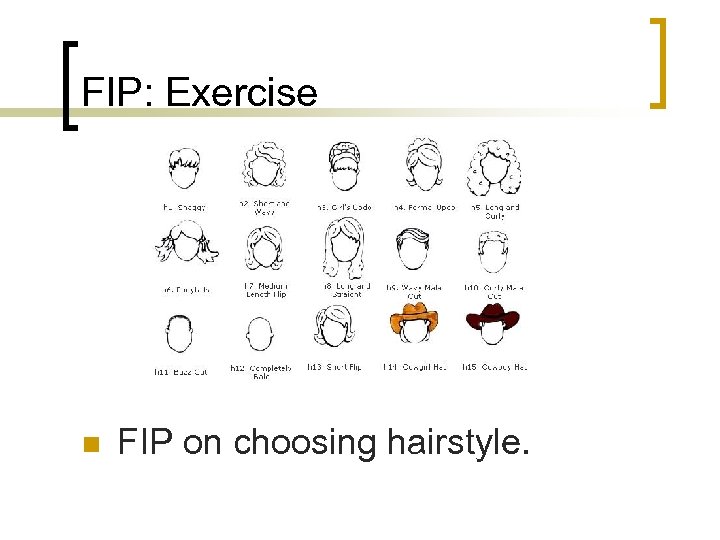 FIP: Exercise n FIP on choosing hairstyle.
 C&S CONSEQUENCES & SEQUELS
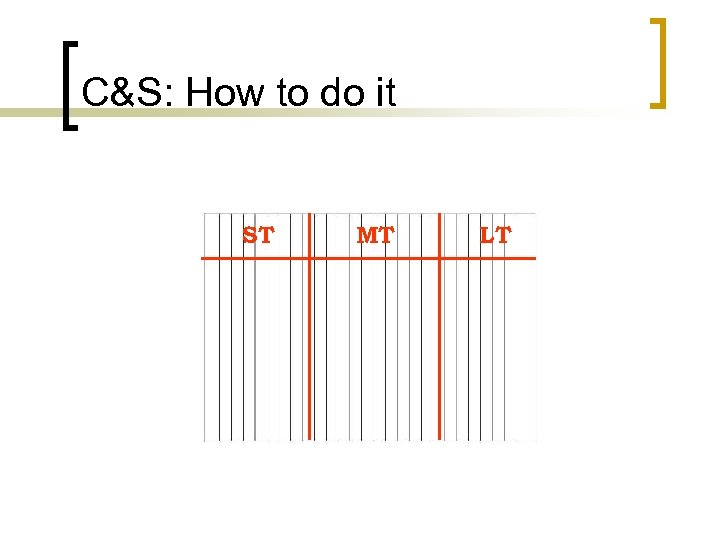
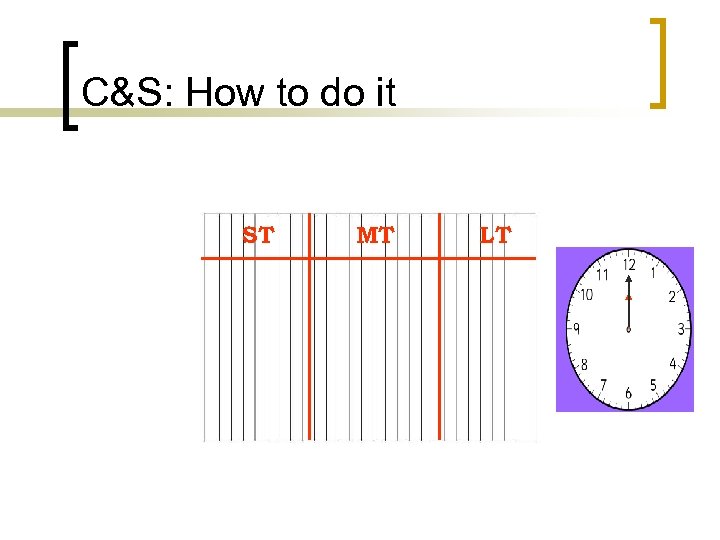
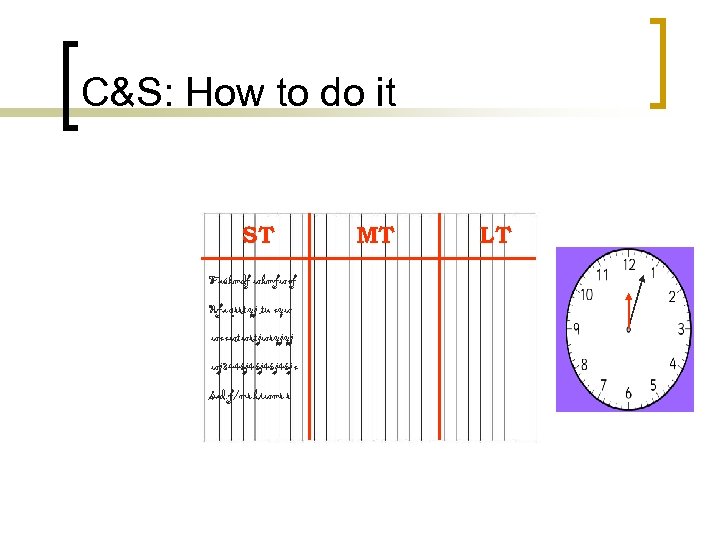
 C&S n n The process of looking ahead to see the consequences of some action, plan, decision, rule, invention. C&S deals with what may happen after the decision has been made. ¡ ¡ ¡ Short-term (1 -2 years) Medium-term (2 -5 years) Long-term consequences (over 5 years).
 C&S: How to do it
 C&S: How to do it
 C&S: How to do it ST MT LT
 C&S: How to do it ST MT LT
 C&S: How to do it ST Faskmdf wkmfwef Rfa qrrtyj tu eyw weewtwrtjwryjyj wj 3446 j 46 j 46 je Sad. f/mr kiwmr r MT LT
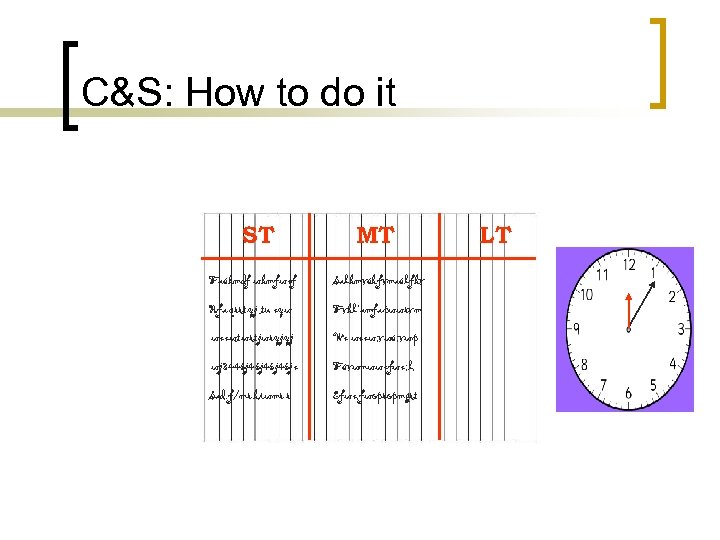 C&S: How to do it ST MT Faskmdf wkmfwef Salkmvskfvmaslfkv Rfa qrrtyj tu eyw Fvkl’amfapwwrvm weewtwrtjwryjyj We weew; vws; vwp wj 3446 j 46 j 46 je Fsvwmwwefwe; l, Sad. f/mr kiwmr r Efwe, fwopropmgrt LT
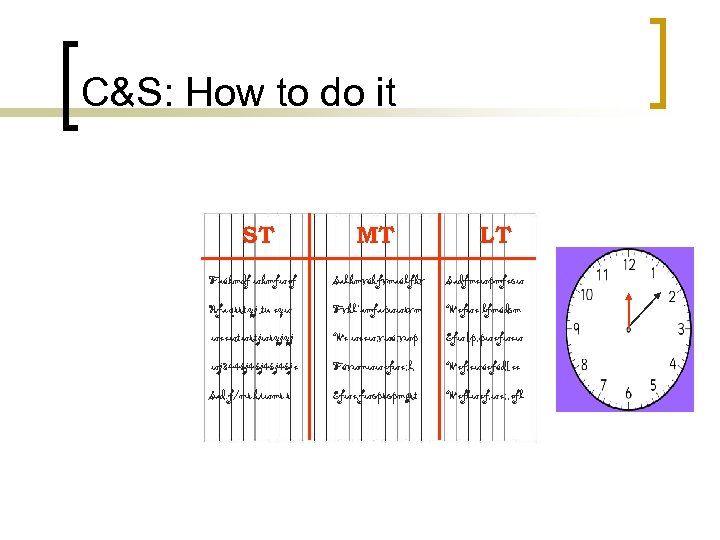 C&S: How to do it ST MT LT Faskmdf wkmfwef Salkmvskfvmaslfkv Sadfmewpmfeow Rfa qrrtyj tu eyw Fvkl’amfapwwrvm Wefwe; lfmsdom weewtwrtjwryjyj We weew; vws; vwp Efw[p, pwefwew wj 3446 j 46 j 46 je Fsvwmwwefwe; l, Wef; ewsefsd[ee Sad. f/mr kiwmr r Efwe, fwopropmgrt Weflwef, we; , efl
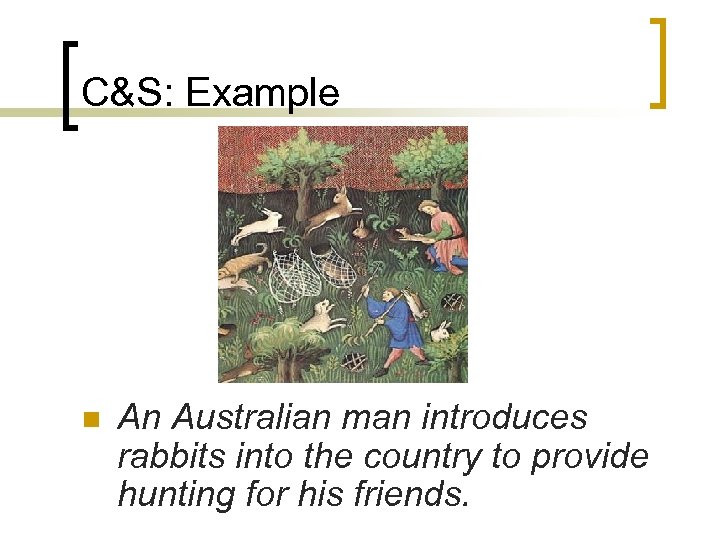 C&S: Example n An Australian man introduces rabbits into the country to provide hunting for his friends.
 C&S: Example n Short-Term consequences ¡ ¡ friends have plenty to shoot at, rabbit is alternative source of food, lots of fun had, lots of guns sold
 C&S: Example n Medium-Term consequences ¡ ¡ rabbits have multiplied, they have become a pest
 C&S: Example n Long-Term consequences ¡ ¡ rabbits have spread all over Australia do a lot of damage to crops
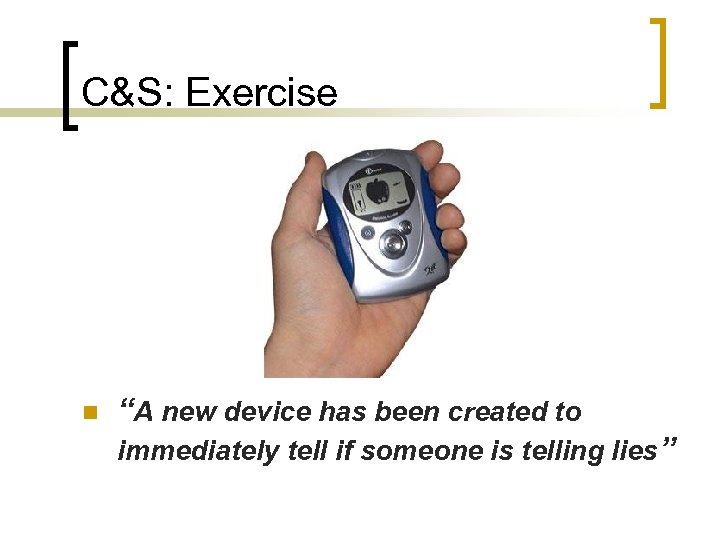 C&S: Exercise n “A new device has been created to immediately tell if someone is telling lies”
 AGO AIMS, GOALS & OBJECTIVES
 AGO n n To introduce and emphasise the idea of purpose Focus directly and deliberately on the intention behind actions. ¡ ¡ ¡ Aim is the general direction Goal is an ultimate destination Objectives are recognisable points of achievement along the way
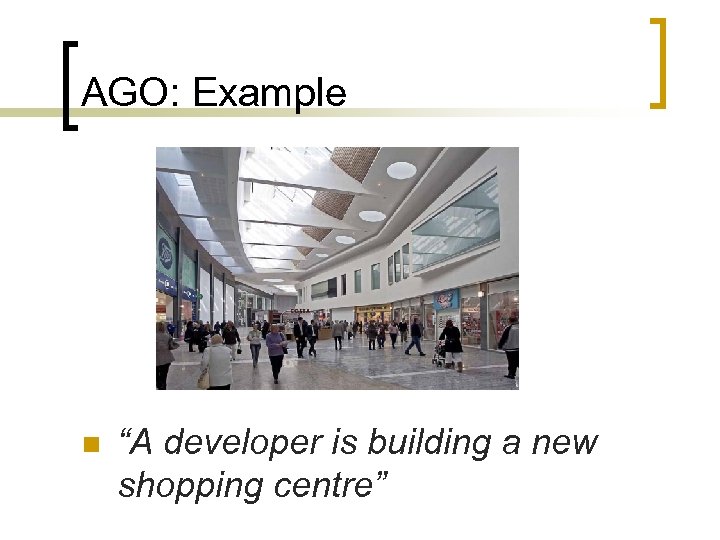 AGO: Example n “A developer is building a new shopping centre”
 AGO: Example n Aim ¡ n Goal ¡ n Make all arrangements for building Complete the shopping centre Objectives ¡ ¡ ¡ to make a profit, build a successful shopping centre, pleasing potential shoppers, fitting in with planning authorities, work well in time and in budget
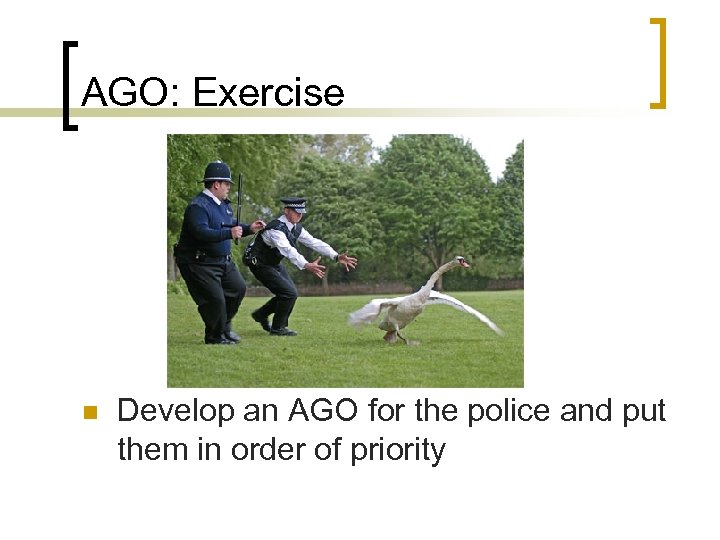 AGO: Exercise n Develop an AGO for the police and put them in order of priority
 APC ALTERNATIVES, POSSIBILITIES & CHOICES
 APC n n n The process of deliberately trying to find alternatives. An attempt to focus attention directly on exploring all the alternatives or choices or possibilities - beyond the obvious ones Applies not only to action but also to explanations.
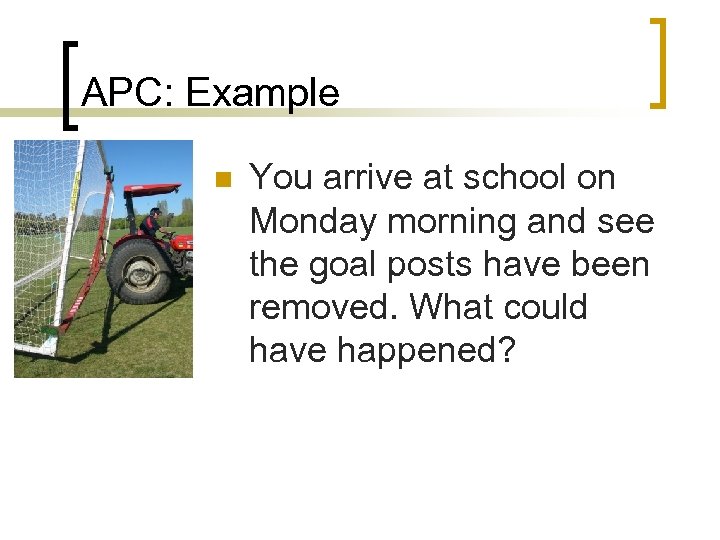 APC: Example n You arrive at school on Monday morning and see the goal posts have been removed. What could have happened?
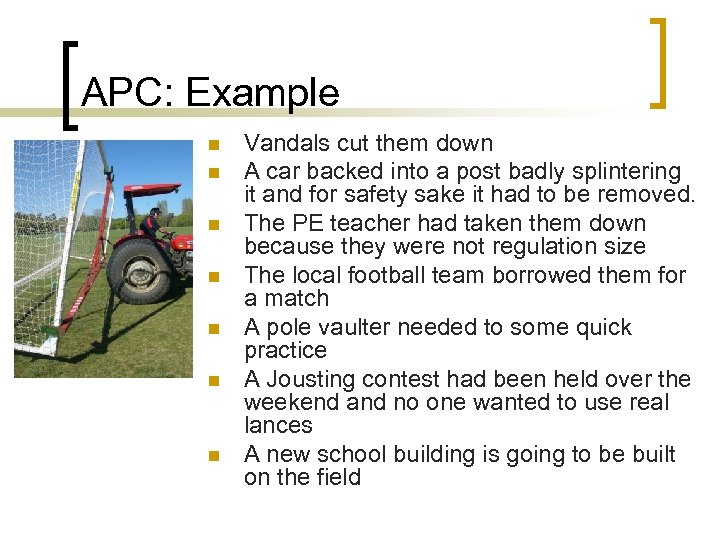 APC: Example n n n n Vandals cut them down A car backed into a post badly splintering it and for safety sake it had to be removed. The PE teacher had taken them down because they were not regulation size The local football team borrowed them for a match A pole vaulter needed to some quick practice A Jousting contest had been held over the weekend and no one wanted to use real lances A new school building is going to be built on the field
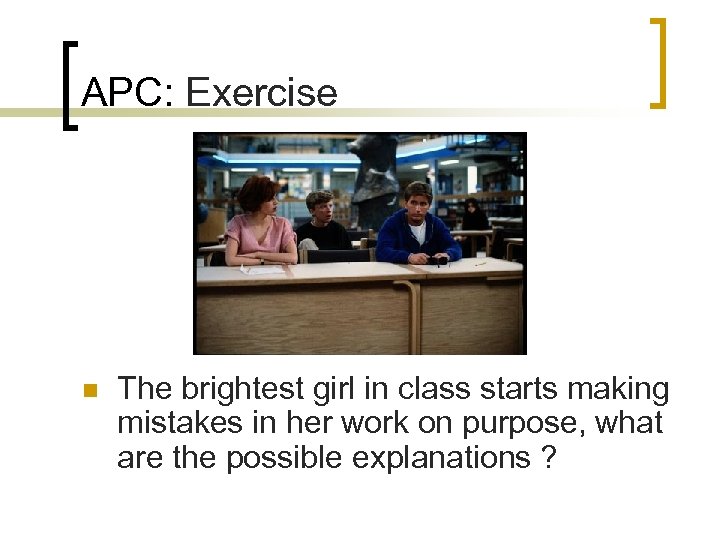 APC: Exercise n The brightest girl in class starts making mistakes in her work on purpose, what are the possible explanations ?
 Summary n n n n PMI = Plus, Minus, Interesting CAF = Consider All Factors OPV = Other People’s Views FIP = First Important Priorities C&S = Consequences & Sequels AGO = Aims, Goals, Objectives APC = Alternatives, Possibilities, Choices