 Скачать презентацию The benefits of retail therapy Scott Rick University
84a8cda3c45a84f0383d2f2cd4c032e9.ppt
- Количество слайдов: 43



The benefits of retail therapy Scott Rick University of Michigan Joint work w/Beatriz Pereira and Katherine Burson
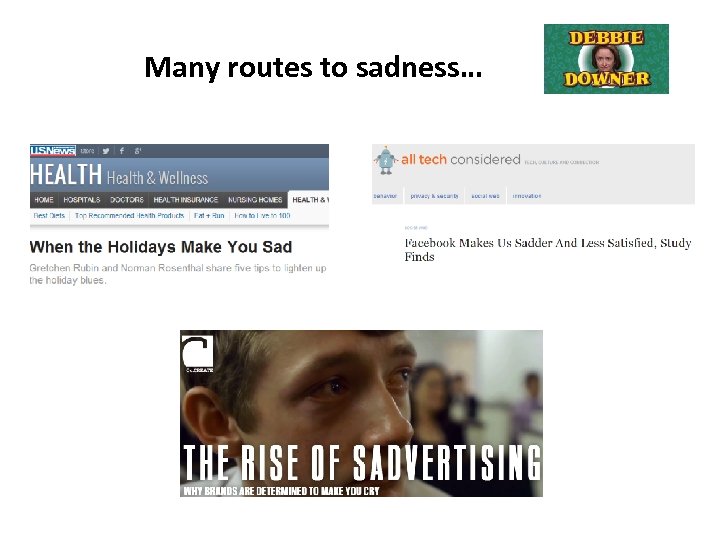
Many routes to sadness…
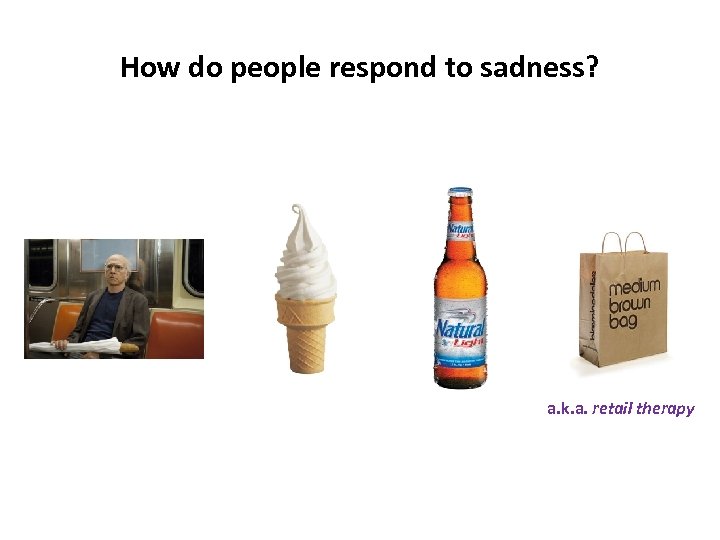
How do people respond to sadness? a. k. a. retail therapy
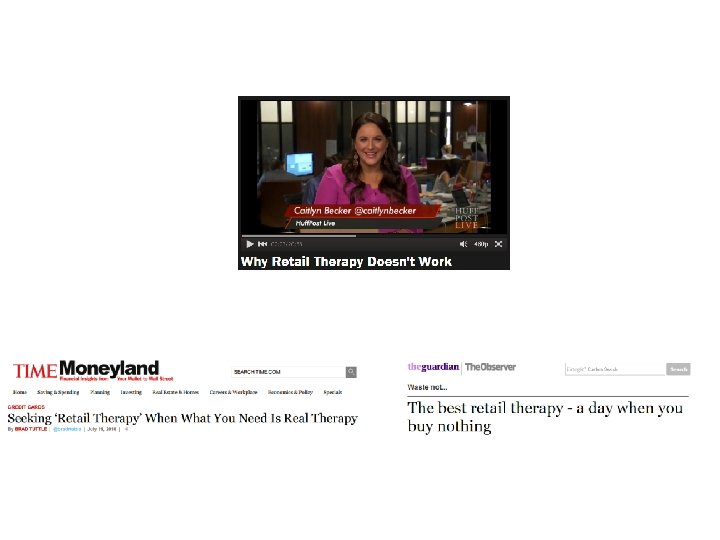
Little prior work, w/important limitations • Selection biases – Reliance on surveys of people who chose to shop when feeling bad (e. g. , Atalay & Meloy 2011) • Imprecise measurement – Reliance on memories of the effects of shopping • e. g. , “Did you feel better, no different, or worse after making your most recent impulse purchase? ” (Gardner & Rook 1988)
Can retail therapy effectively help to alleviate sadness?
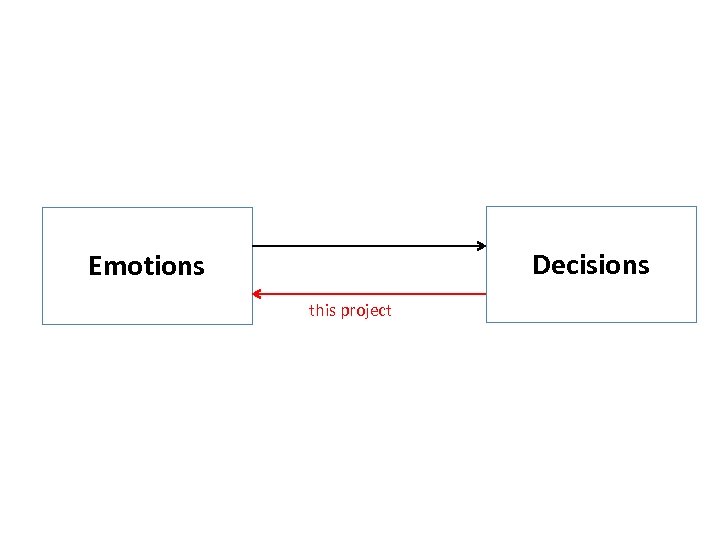
Decisions Emotions this project
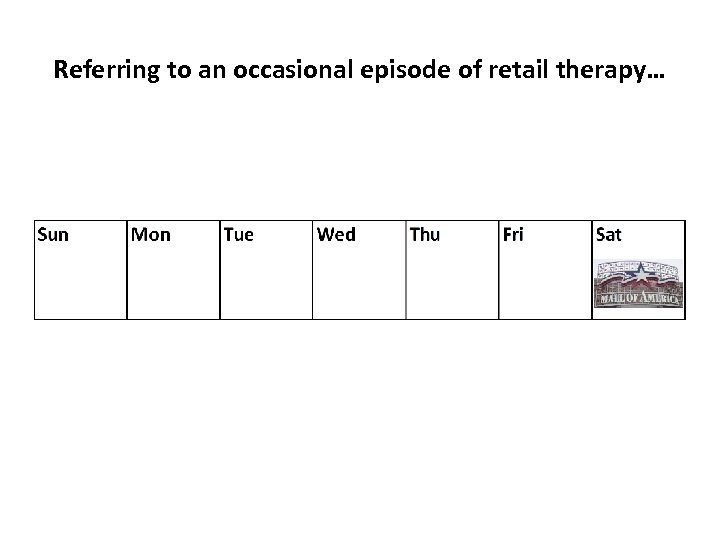
Referring to an occasional episode of retail therapy…
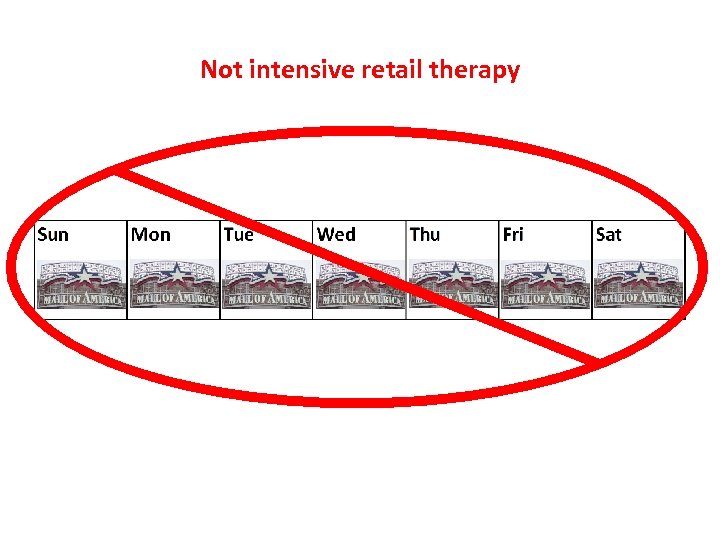
Not intensive retail therapy
Why might shopping help to alleviate sadness? • We view emotions from an “appraisal tendency” perspective (Smith & Ellsworth 1985; Lerner & Keltner 2000) – The way people cognitively appraise their environment is both a consequence and cause of emotion
Some common appraisals – Is my environment pleasant or unpleasant? – Is my environment predictable or unpredictable? – Are my outcomes controlled by me, other people, or ambient environmental forces (e. g. , chance)?
Sadness and control • Sadness, more than any other emotion, causes people to view outcomes as governed by ambient, environmental forces (Smith & Ellsworth 1985) • These appraisals maintain experience of sadness • Aspects of shopping that restore personal control over one’s environment should reduce sadness
Choices inherent to shopping could help • Shopping involves a number of choices – – where to shop whether to buy what to buy when to stop • In other contexts, choice has appeared to enhance one’s sense of personal control (e. g. , Corah & Boffa 1970; Inesi et al. 2011)
Certainly, other aspects of shopping may reduce sadness • e. g. , shopping can distract, provide social interaction • Shopping can involve these other factors, but it always involves choice – Our experimental paradigms attempt to isolate the role of choice and control
Experiment 1: Does choosing help to alleviate sadness above and beyond the benefits of browsing?
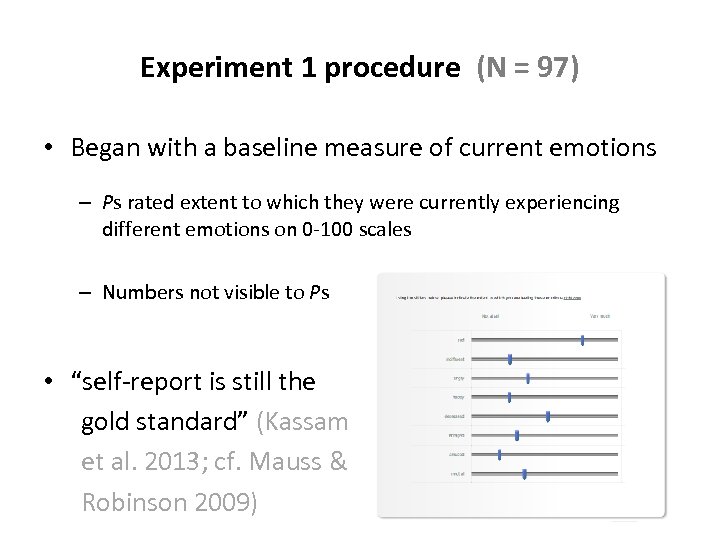
Experiment 1 procedure (N = 97) • Began with a baseline measure of current emotions – Ps rated extent to which they were currently experiencing different emotions on 0 -100 scales – Numbers not visible to Ps • “self-report is still the gold standard” (Kassam et al. 2013; cf. Mauss & Robinson 2009)
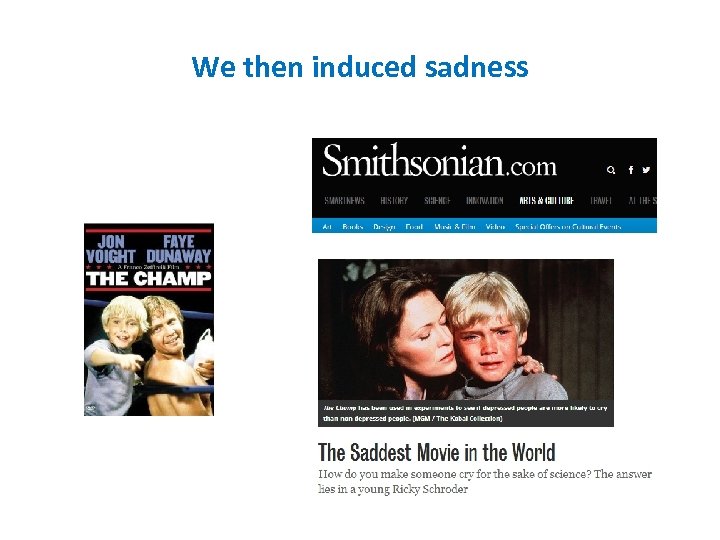
We then induced sadness
We then randomly assigned Ps to become “Choosers” or “Browsers” • Both were presented with 12 products – Choosers: Choose four you would hypothetically be willing to buy – Browsers: Indicate which four would be most useful when traveling
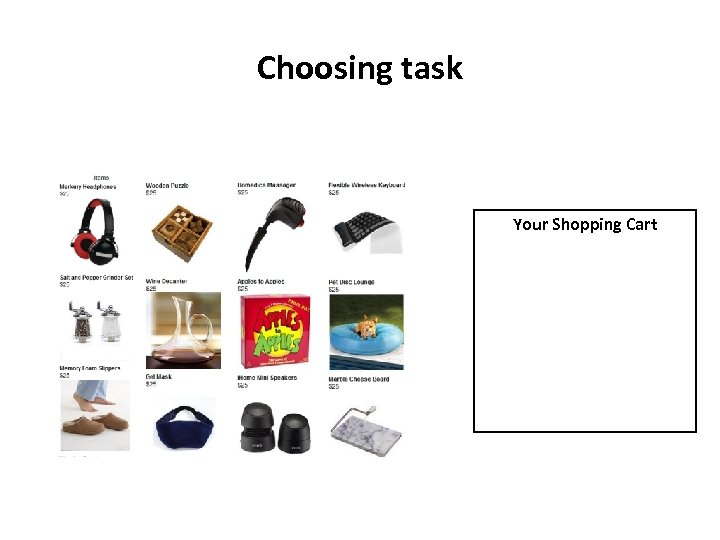
Choosing task Your Shopping Cart
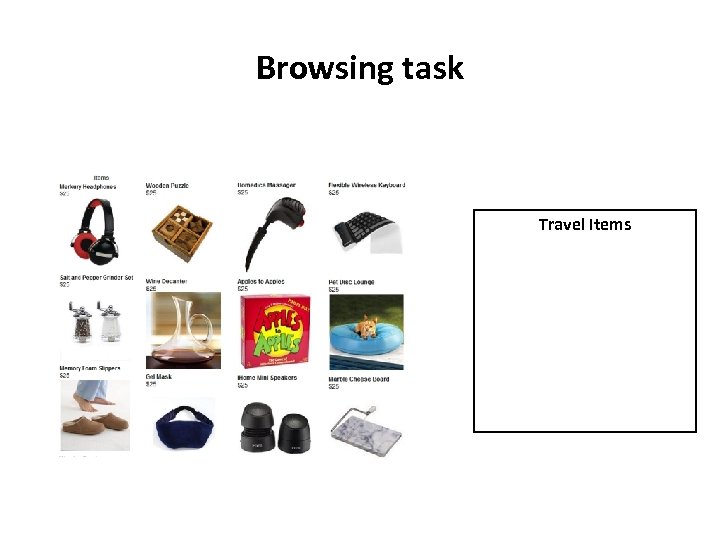
Browsing task Travel Items
Key features of Choosing and Browsing tasks • A number of features held constant across conditions – Engagement in task (61 sec vs. 58 sec, p =. 66) – Exposure to products – Lack of acquisition / consumption • But tasks presumably differ in ability to restore sense of personal control over one’s environment…
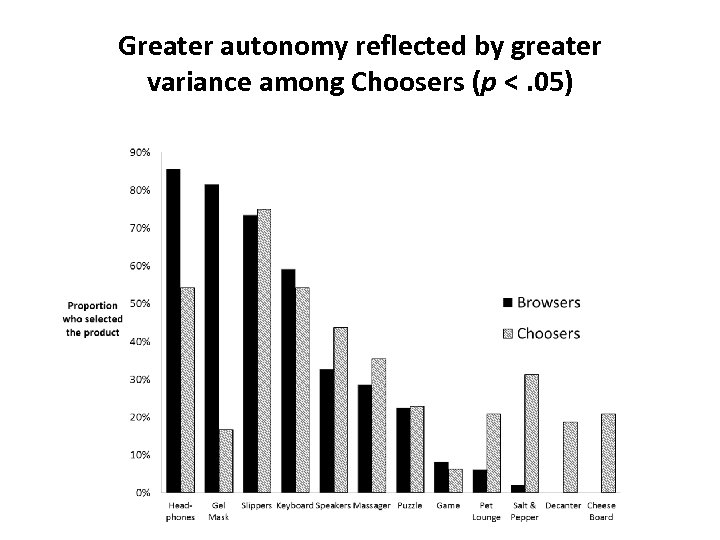
Greater autonomy reflected by greater variance among Choosers (p <. 05)
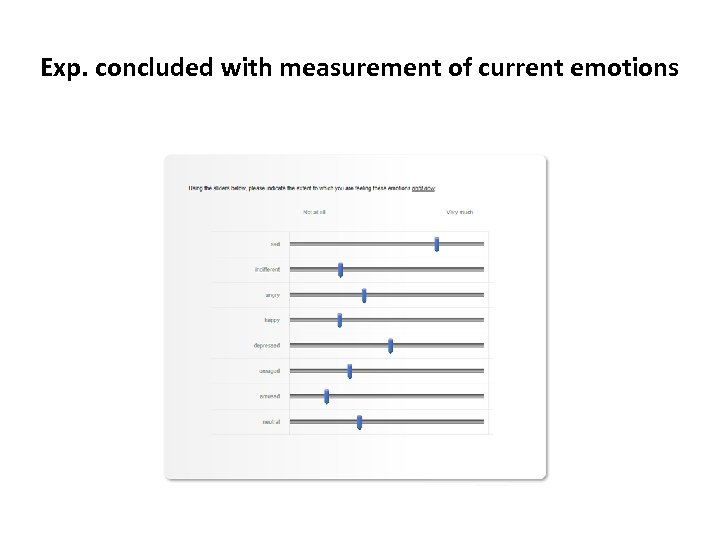
Exp. concluded with measurement of current emotions
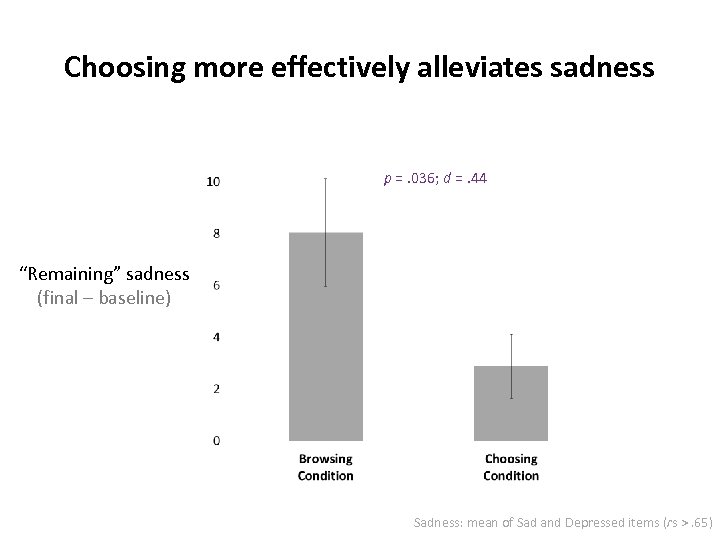
Choosing more effectively alleviates sadness p =. 036; d =. 44 “Remaining” sadness (final – baseline) Sadness: mean of Sad and Depressed items (rs >. 65)
Experiment 2: Does restoring personal control through shopping also help to alleviate anger?
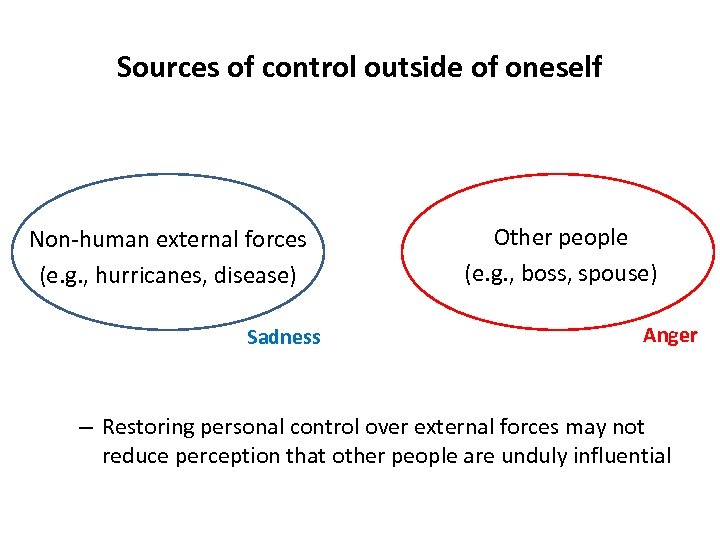
Sources of control outside of oneself Non-human external forces (e. g. , hurricanes, disease) Sadness Other people (e. g. , boss, spouse) Anger – Restoring personal control over external forces may not reduce perception that other people are unduly influential
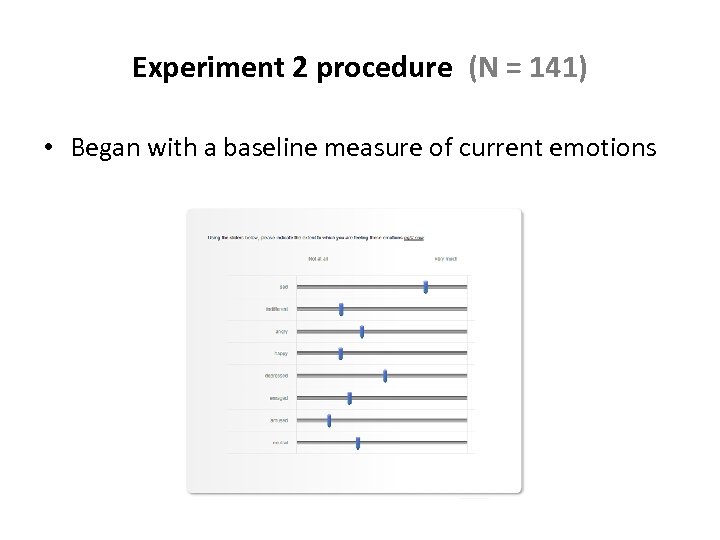
Experiment 2 procedure (N = 141) • Began with a baseline measure of current emotions
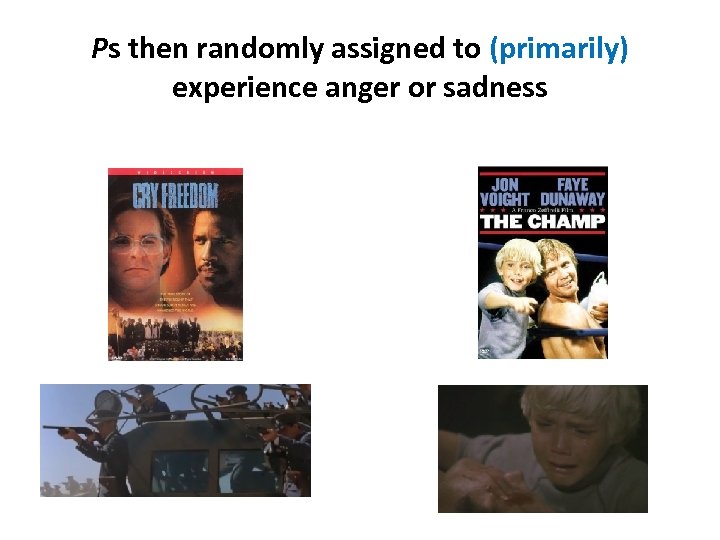
Ps then randomly assigned to (primarily) experience anger or sadness
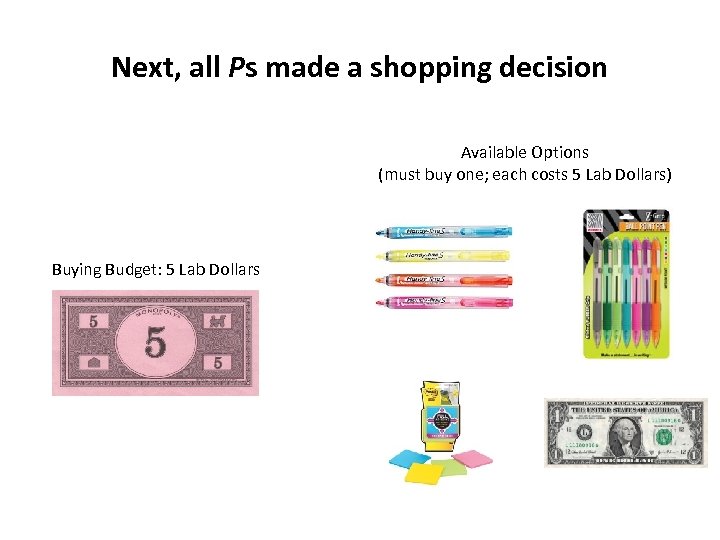
Next, all Ps made a shopping decision Available Options (must buy one; each costs 5 Lab Dollars) Buying Budget: 5 Lab Dollars
A control manipulation embedded in the shopping task • Ps told that, after their choice, computer will generate random number (cf. Berman & Small 2012) – If even, P simply gets what he or she chose – If odd, computer will ignore P’s choice, and randomly select one of the four options on their behalf • In fact, computer always chose what P chose for themselves
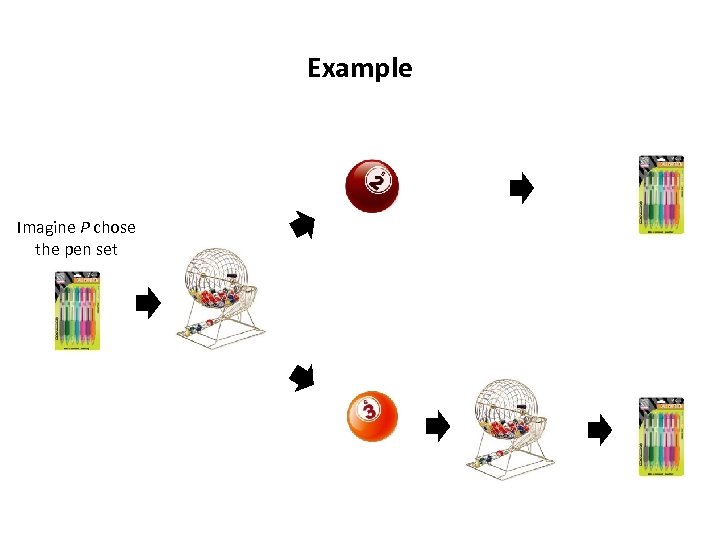
Example Imagine P chose the pen set
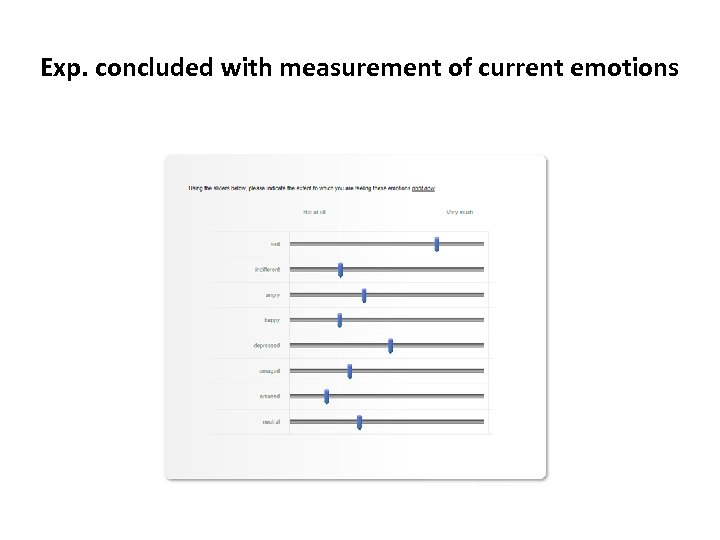
Exp. concluded with measurement of current emotions
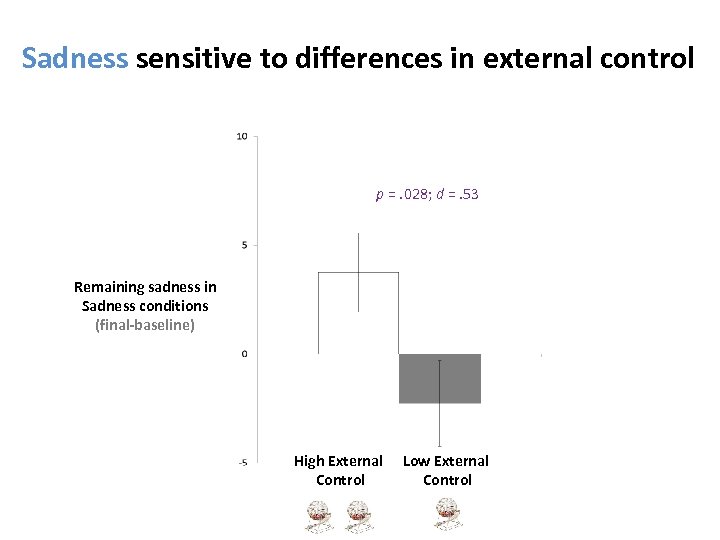
Sadness sensitive to differences in external control p =. 028; d =. 53 Remaining sadness in Sadness conditions (final-baseline) High External Control Low External Control
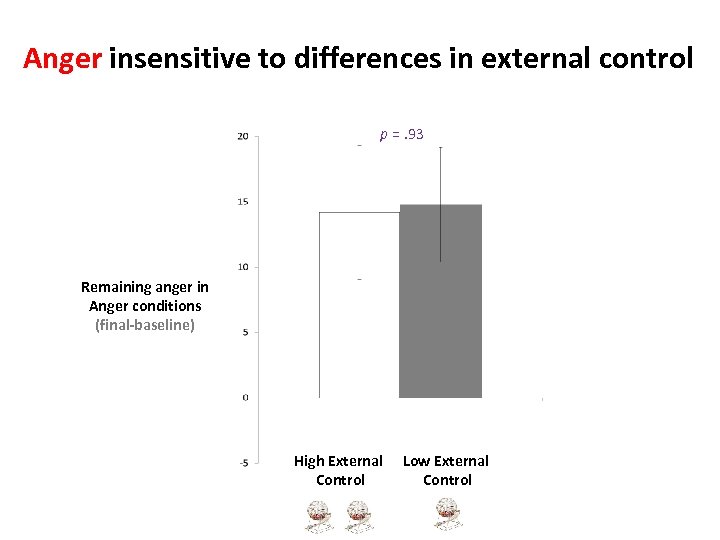
Anger insensitive to differences in external control p =. 93 Remaining anger in Anger conditions (final-baseline) High External Control Low External Control
Experiment 3: A more direct demonstration of the relationships between personal control restoration, sadness, and anger
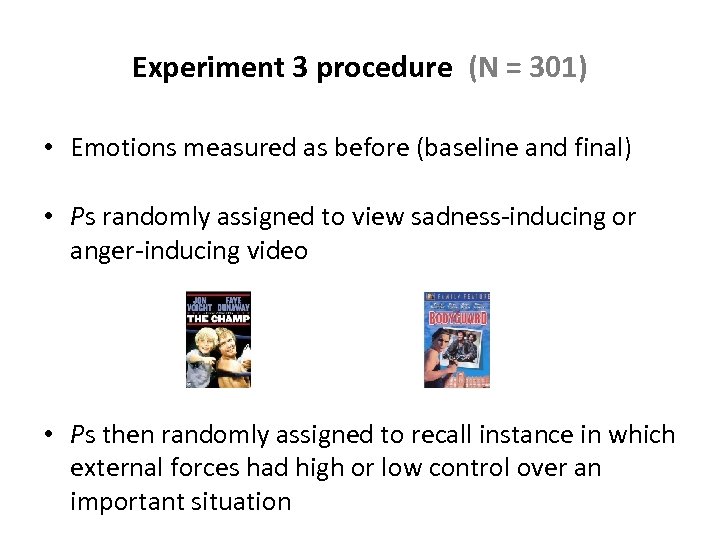
Experiment 3 procedure (N = 301) • Emotions measured as before (baseline and final) • Ps randomly assigned to view sadness-inducing or anger-inducing video • Ps then randomly assigned to recall instance in which external forces had high or low control over an important situation
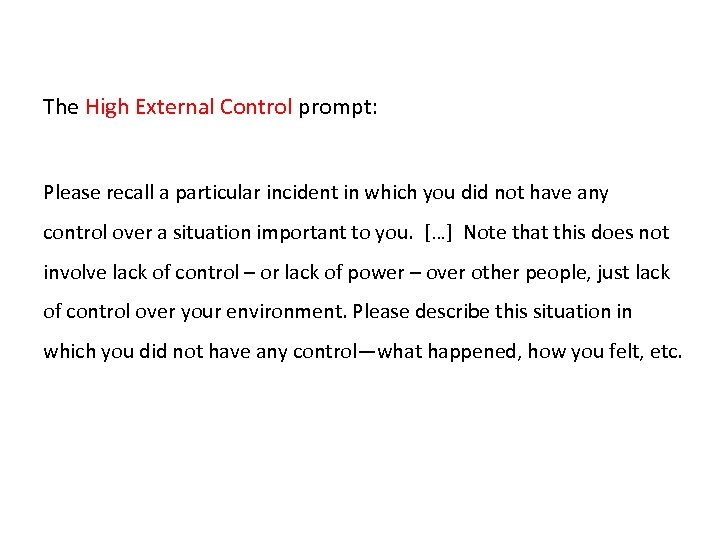
The High External Control prompt: Please recall a particular incident in which you did not have any control over a situation important to you. […] Note that this does not involve lack of control – or lack of power – over other people, just lack of control over your environment. Please describe this situation in which you did not have any control—what happened, how you felt, etc.
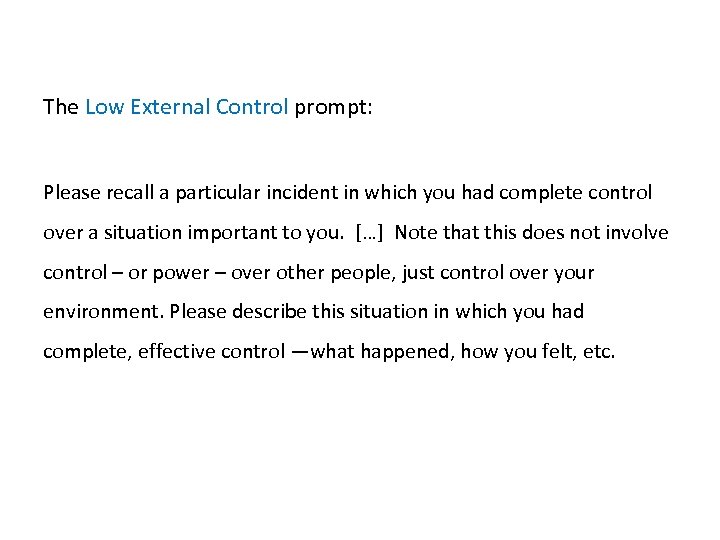
The Low External Control prompt: Please recall a particular incident in which you had complete control over a situation important to you. […] Note that this does not involve control – or power – over other people, just control over your environment. Please describe this situation in which you had complete, effective control —what happened, how you felt, etc.
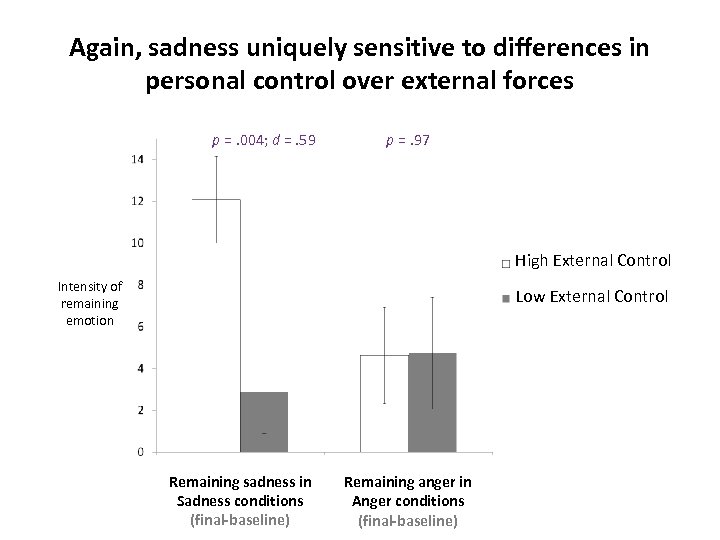
Again, sadness uniquely sensitive to differences in personal control over external forces p =. 004; d =. 59 p =. 97 High External Control Intensity of remaining emotion Low External Control Remaining sadness in Sadness conditions (final-baseline) Remaining anger in Anger conditions (final-baseline)
Can retail therapy be effective? • Central component of shopping (choice) helps to alleviate one negative emotion (sadness) – Shopping choices boost sense of personal control (Exp 1), which in turn helps to alleviate sadness (Exps 1 -3) • Benefits do not appear to extend to anger – Shopping that helps to restore control over others (e. g. , winning an e. Bay auction) may help to alleviate anger
Should retail therapy be more common? • Stigma surrounding retail therapy may discourage it – Sad people who would benefit from it may avoid it – Both consumers and retailers may benefit if retail therapy is de-stigmatized • But repeated retail therapy may lead to debt, jeopardizing control shopping was meant to restore
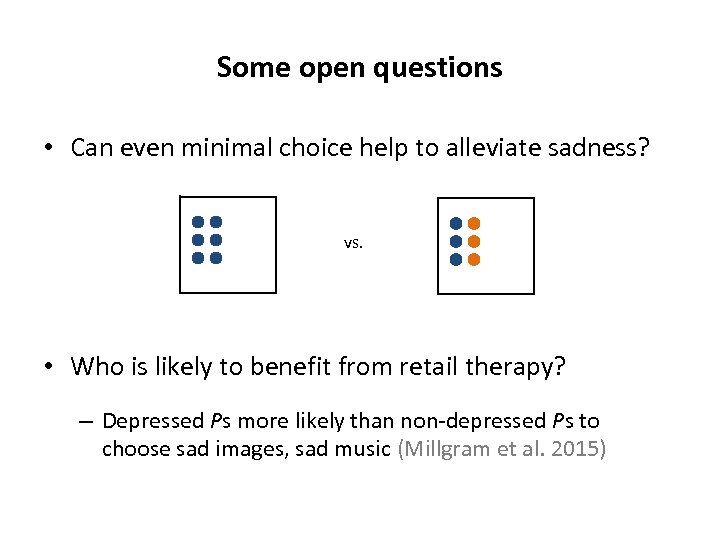
Some open questions • Can even minimal choice help to alleviate sadness? vs. • Who is likely to benefit from retail therapy? – Depressed Ps more likely than non-depressed Ps to choose sad images, sad music (Millgram et al. 2015)
 Скачать презентацию The benefits of retail therapy Scott Rick University
84a8cda3c45a84f0383d2f2cd4c032e9.ppt