


 Скачать презентацию The Ateneo SCADA Project Automation of Room F-311
1041250e14dcfc9de70c8846de34102a.ppt
- Количество слайдов: 50
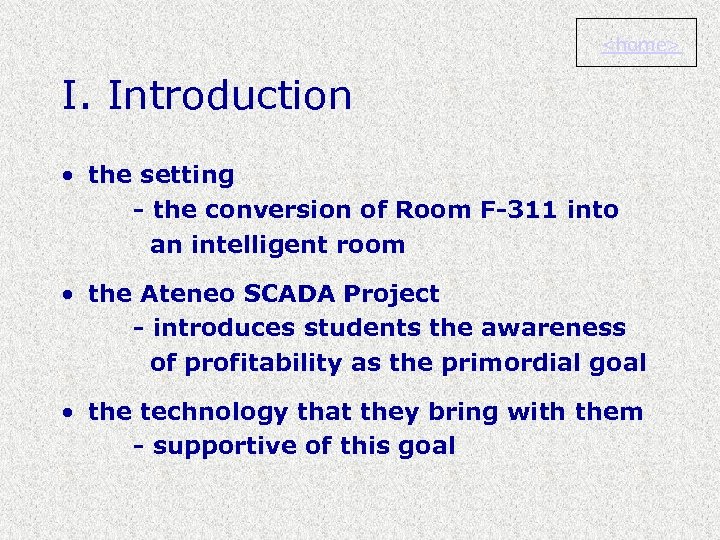
 The Ateneo SCADA Project Automation of Room F-311 Electronics, Computer and Communications Engineering Program School of Science and Engineering Ateneo de Manila University Loyola Heights. , Quezon City





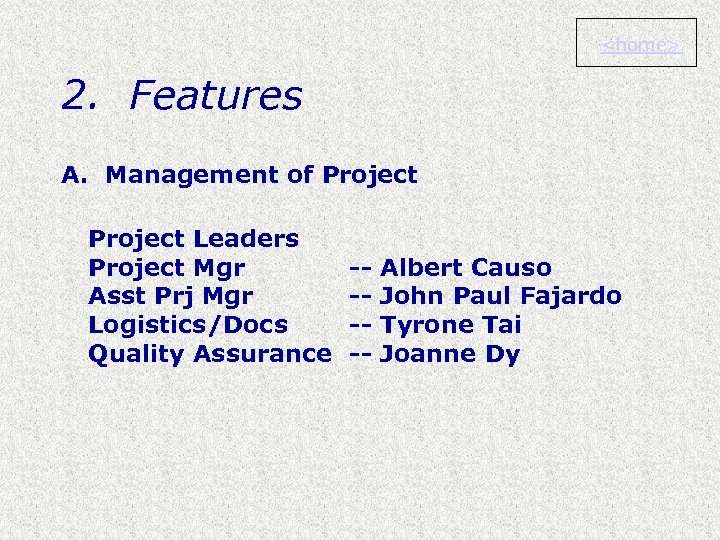
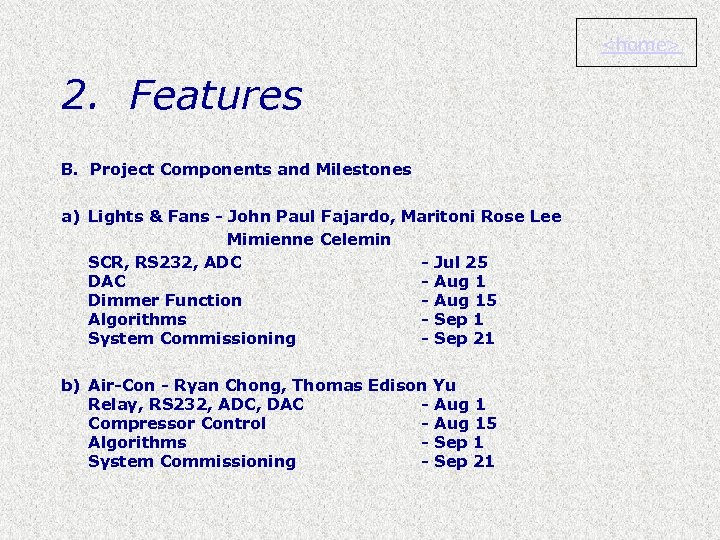
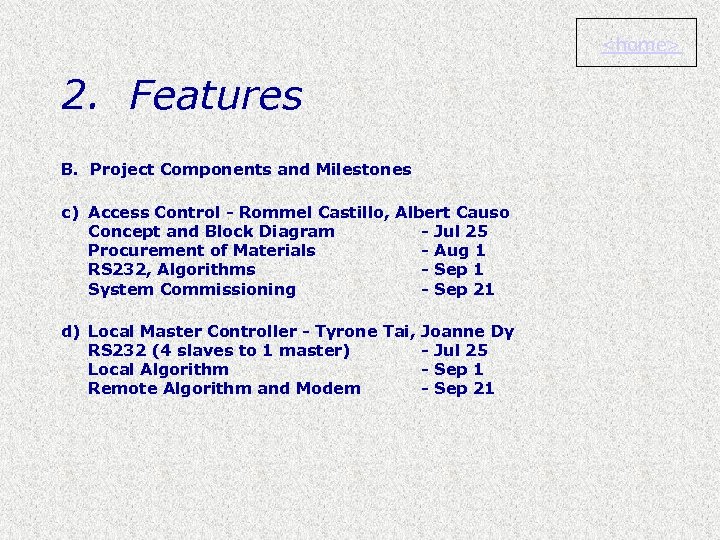
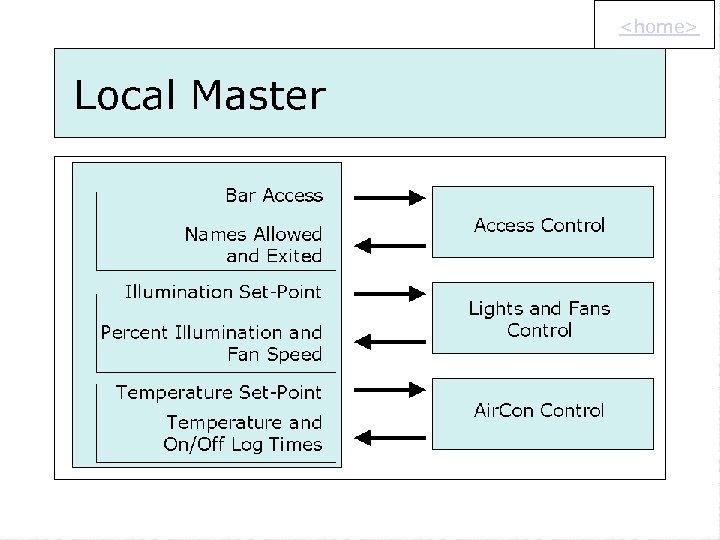
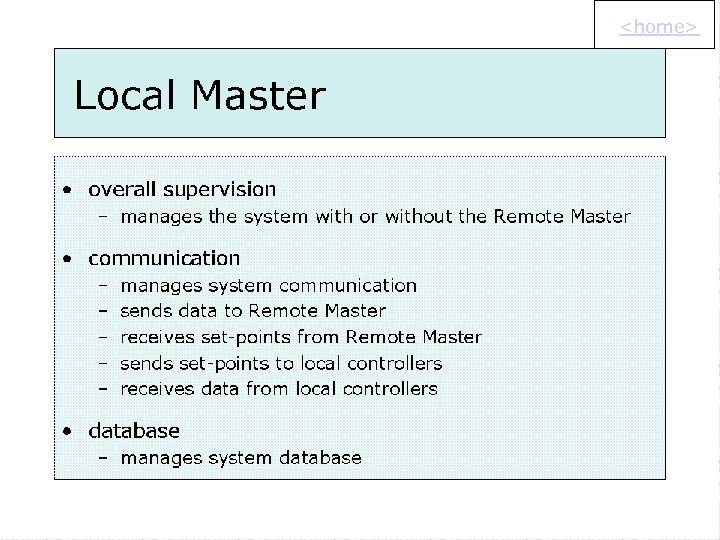
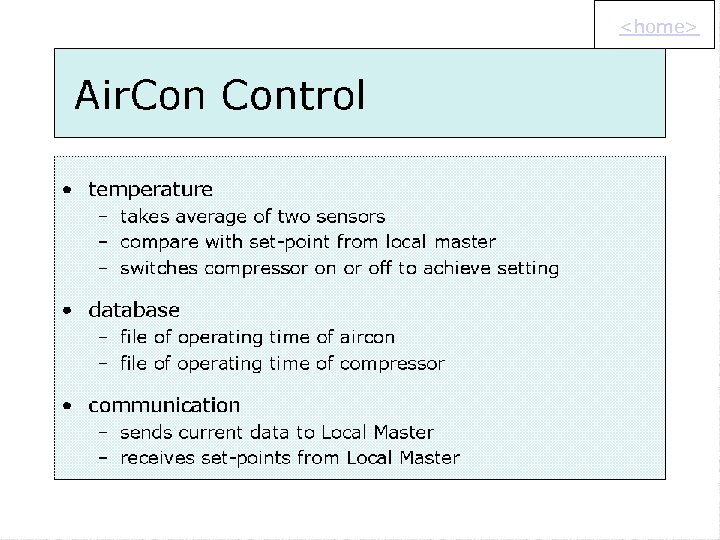
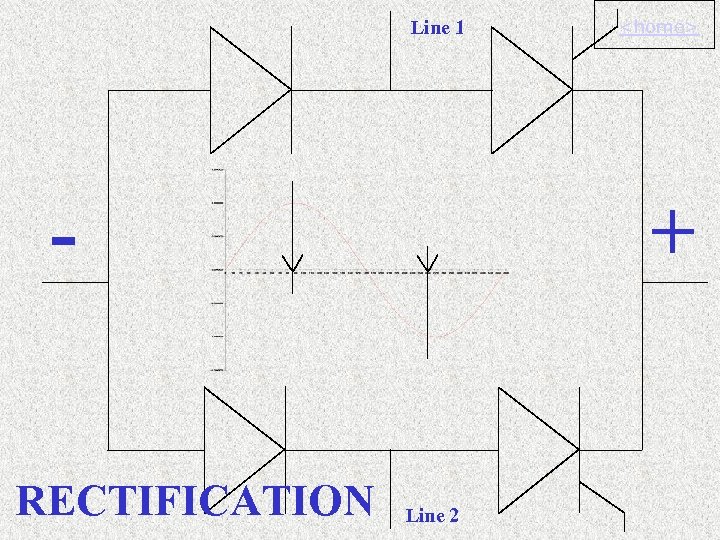 Line 1 + RECTIFICATION
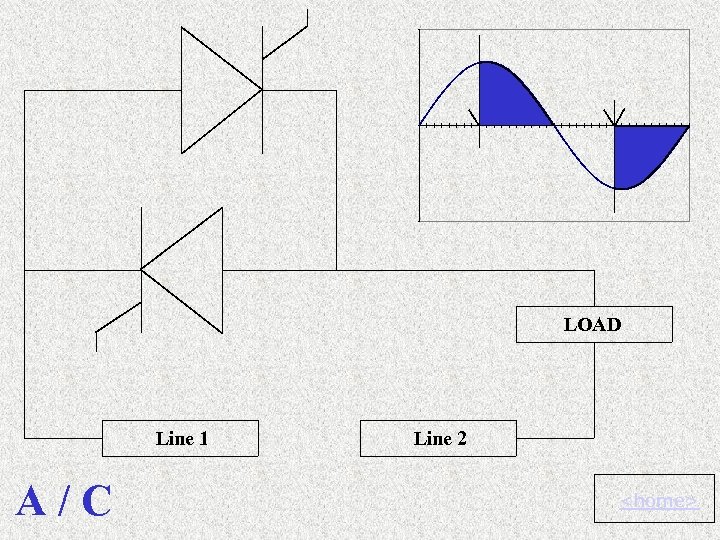 LOAD Line 1 A/C Line 2
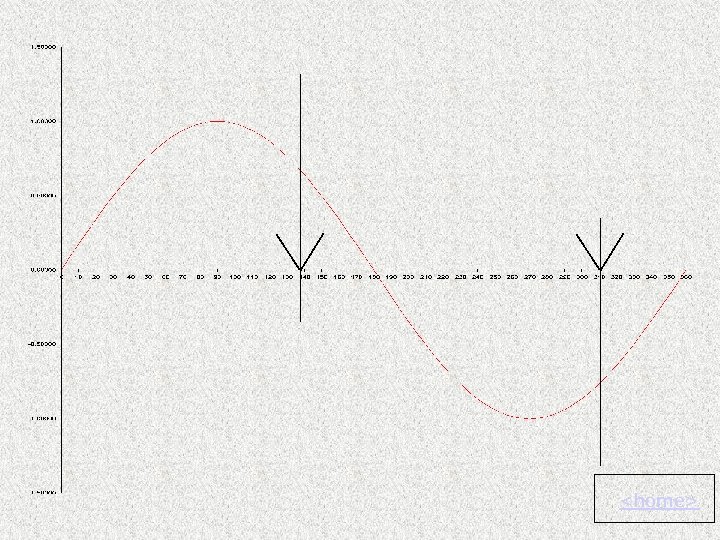
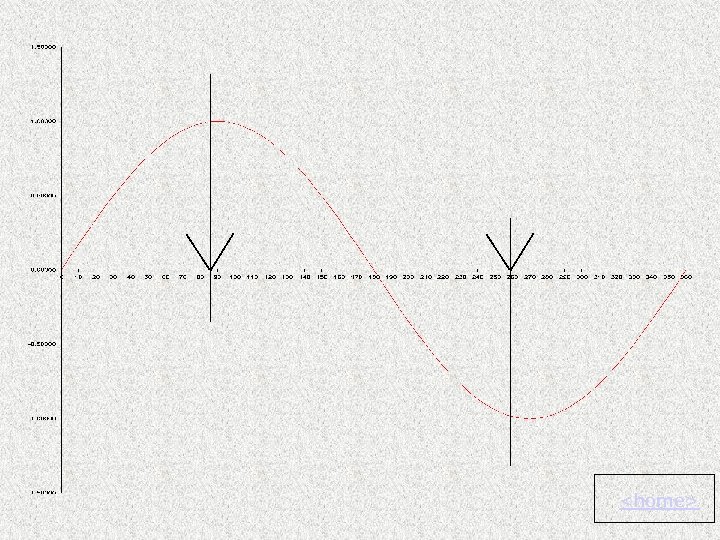
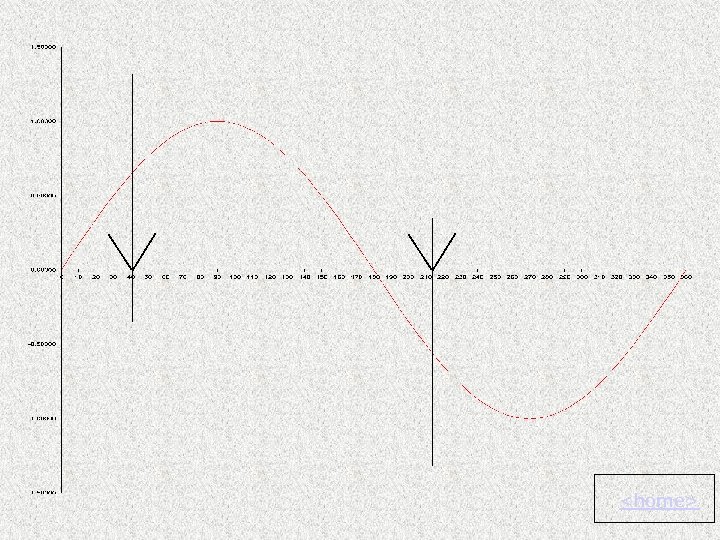
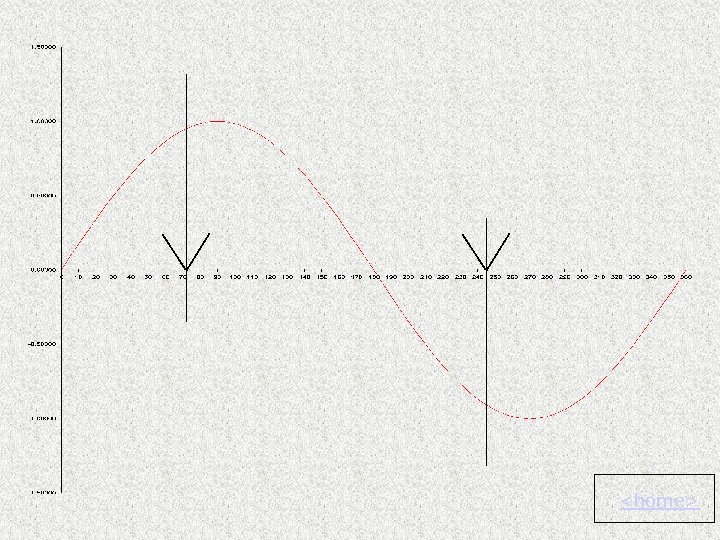
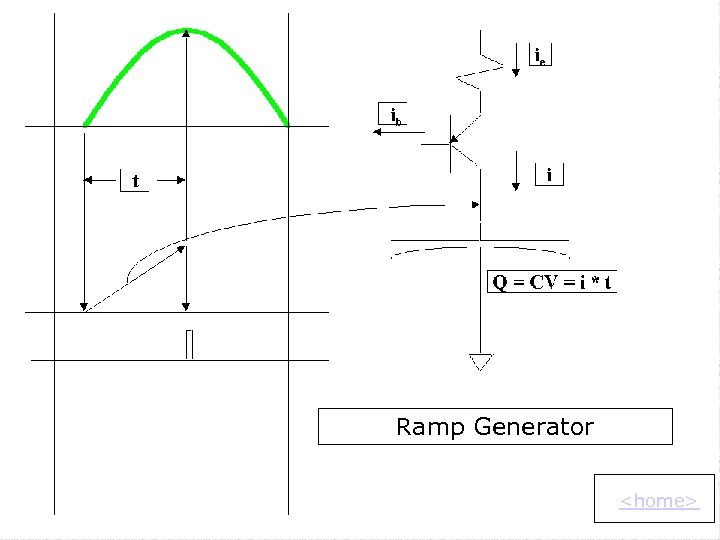 Ramp Generator
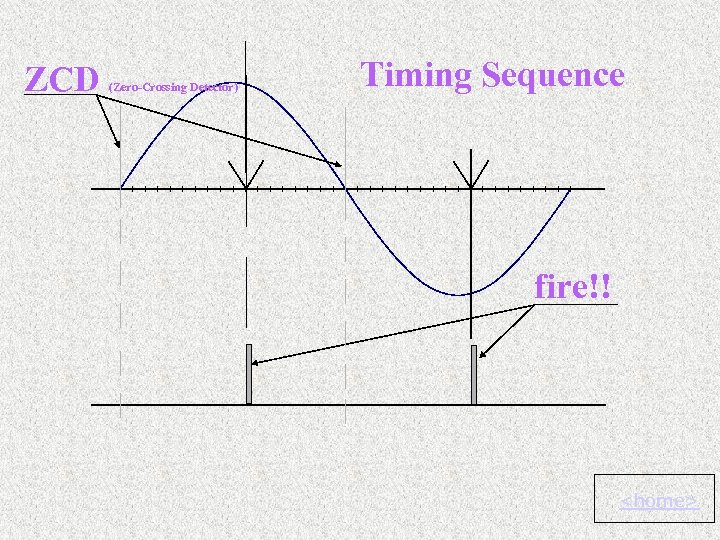 ZCD (Zero-Crossing Detector) Timing Sequence fire!!
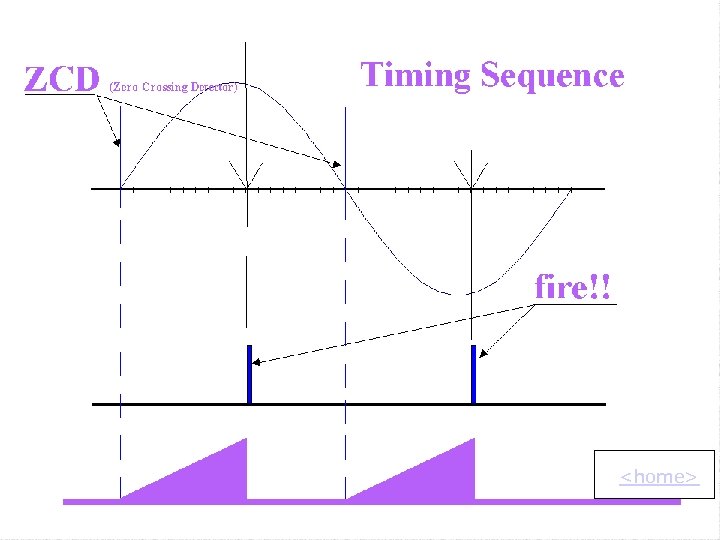
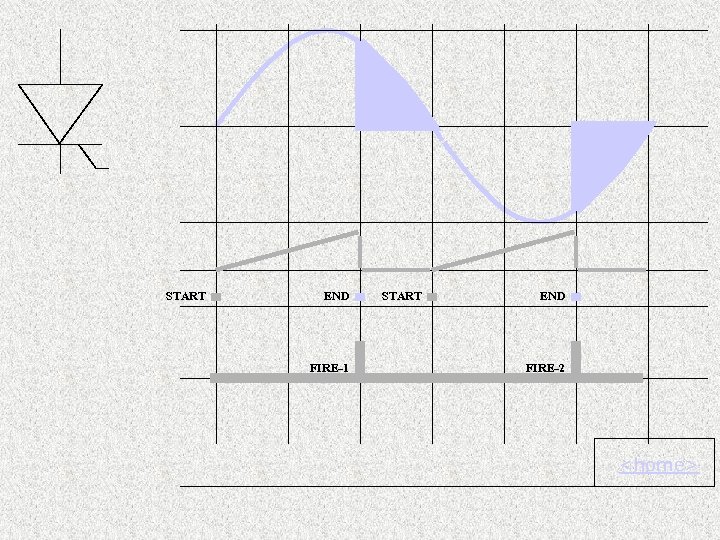 START END FIRE-1 START END FIRE-2
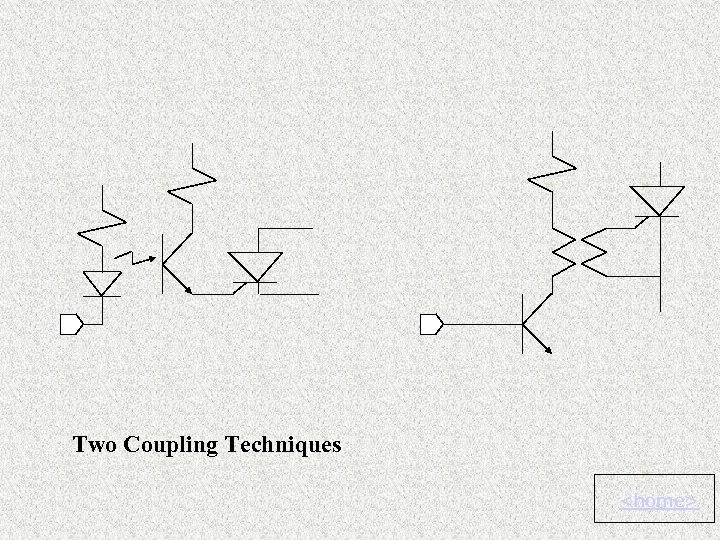 Two Coupling Techniques
 H. Some Highlights * project used surplus materials from past experiments * thyristors were procured from a surplus store in Marikina * temperature sensing elements - base-emitter junction of 2 N 2222 * light sensing elements - light sensitive resistors * components mostly LM 555, LM 741, GP transistors, opto-isolators * functions could be performed by lower level computers - XT, AT, 386, 486, Pentium, or higher
 III. Conclusion Some ask : why do you have to re-invent the wheel? * our answer : we Filipinos must learn to - to re-invent and - to create for our technology to mature - to develop our “freedom to think” - to take pride in our technology
 III. Conclusion * we strongly suggest for a very strong national program that puts value to - initiatives that unleash the Filipino's creative potentials * we want our graduates - to introduce value - be happy for the feeling - take pride that he has done so
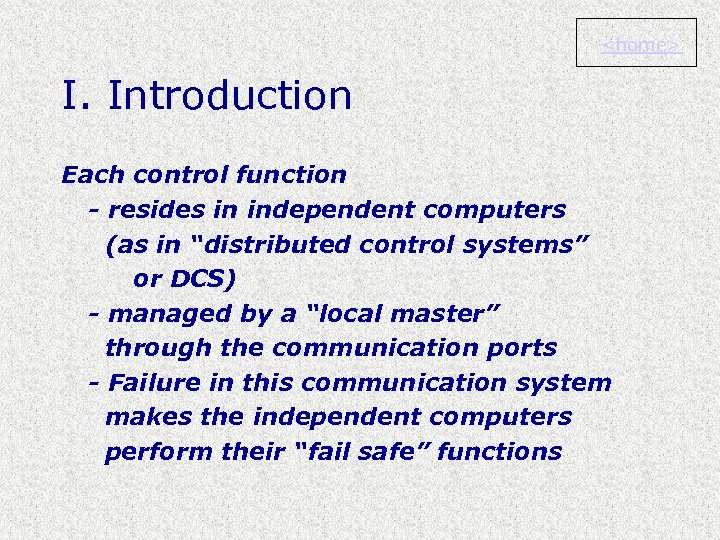
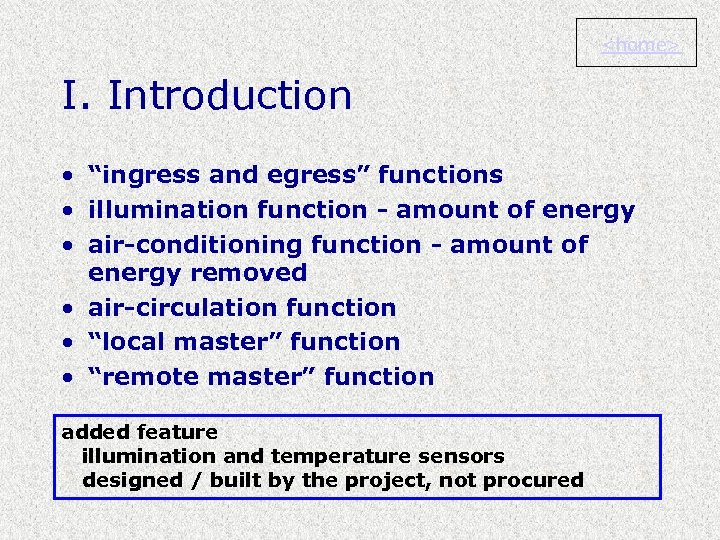
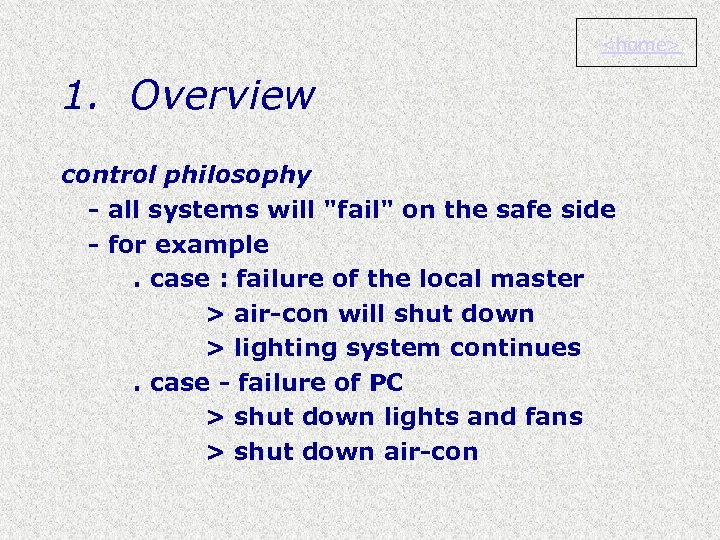
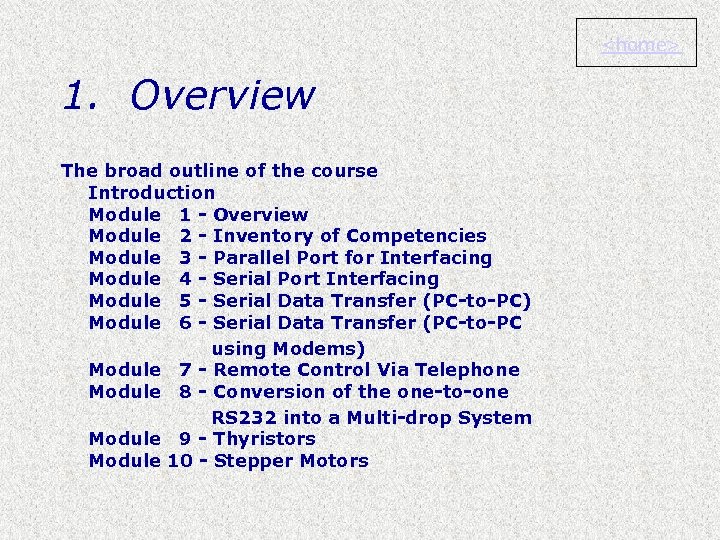
 IV. Appendix Outline of Learning Elements Precaution section - Since this is an interface project between the PC and various other devices, a precaution was made that all interconnections be done through an opto-isolator IC (4 N 25) Analog section o the LM 555, LM 741, 2 N 2222, 2 N 2907 and several other electronic components proved formed the platform for the learning process o the ability to use potentiometers in designing circuits proved to be effective time-savers for adjusting the quiescent state “zero” levels, and the required “span” Analog sensors o the base-emitter junction of the 2 N 2222 was utilized as the sensing element for temperature o the light-sensitive resistor was utilized as the sensing element for illumination o as a matter of policy, the project deliberately avoided purchasing calibrated, ready-made sensors o this enabled the project to “create” sensors, in contrast to “using” sensors
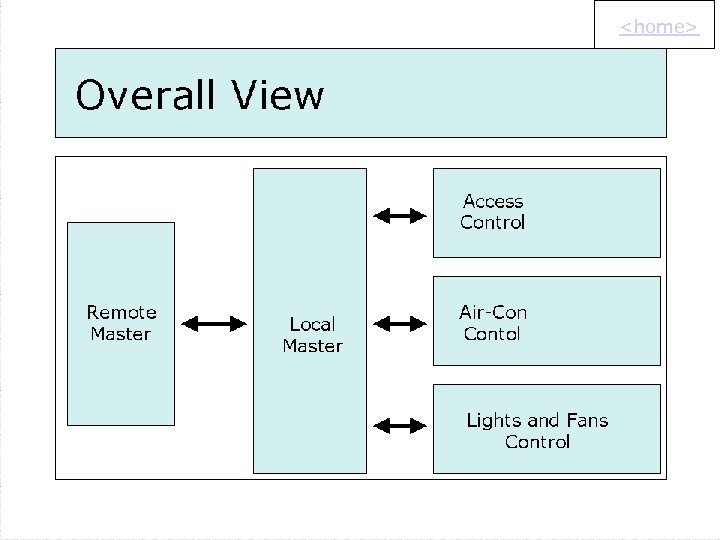
 IV. Appendix Outline of Learning Elements Microcomputer and software section o show outline of software to directly control hardware ports o single‑step each assembler mnemonic command o in the case of “output” commands to see how the hexadecimal code at the microprocessor’s AX register is reflected at each of the pins of the specified computer port, whose address is contained in the DX register o in the case of input commands, to see if the content of the microprocessor’s AL register reflects the digital code presented at each of the pins of the input port, whose address is contained in the DX register Digital output hardware section o this section is composed of logic gates (74 LS 00, 74 LS 02, 74 LS 04), multiplexers (74 LS 258), latches (74 LS 273), and other TTL-compatible devices o an output command, which is intended for a digital function is sent to an 8 -bit latch, which is duly enabled in time o similarly, an output command, which is intended for an function is sent to an 8 -bit latch, duly enabled, and sent to a digital-to-analog converter (DAC) o this analog signal would become one of the following set‑point values: (a) the set‑point for the illumination, (b) the set‑point for the temperature control, and (c) the set‑point for the fan speed.
 IV. Appendix Outline of Learning Elements Digital input hardware section o this section is composed of the same TTL and TTL-compatible devices as the digital output hardware section o in this case, an input command takes data from an analog value, which has been digitized at the analog-to-digital converter (DAC), whose output is stored in a latch o the multiplexer (74 LS 258) takes the higher four bits (nibble) and sends it to four status pins of the printer port o the software reads this value into the microcomputer’s AL register and is shifted to the AH register o the multiplexer then takes the lower four bits and sends it to the same four status pins of the printer port o the software again reads it into the AL register o the combination becomes the value of the digital code presented to the computer Interface between the analog and digital signals - the LM 555, LM 741, 2 N 2222 and the 2 N 2907 have proven to be among the most convenient interface devices for shifting between analog to TTL and vice-versa
 IV. Appendix Outline of Learning Elements The communication interface between computers o the serial port of the PC is designed for one machine communicating with another machine o this design is for exclusive one‑to‑one communication o a one‑to‑many, or a many‑to‑many, communication is often done with the use of hardware converters that could become quite expensive o a one‑to‑many communication was achieved by the project with the use of very inexpensive hardware, consisting of opto-isolators to convert voltage levels found in RS 232 ports into current loops and vice versa with the use of the opto-isolator 4 N 25.
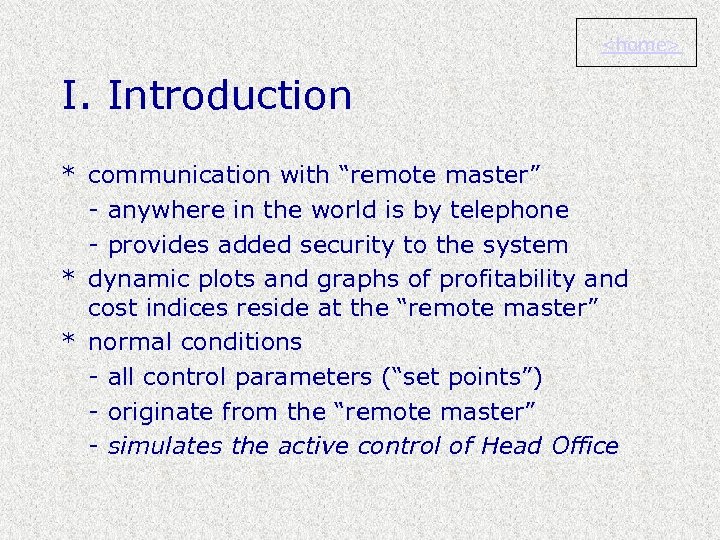
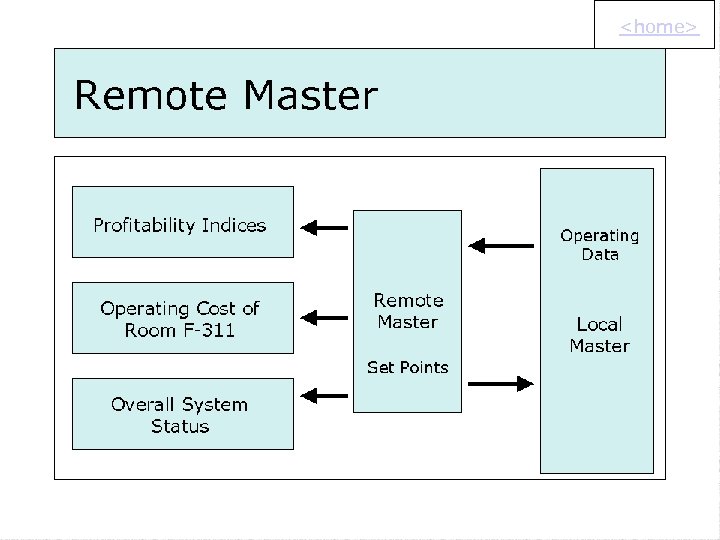
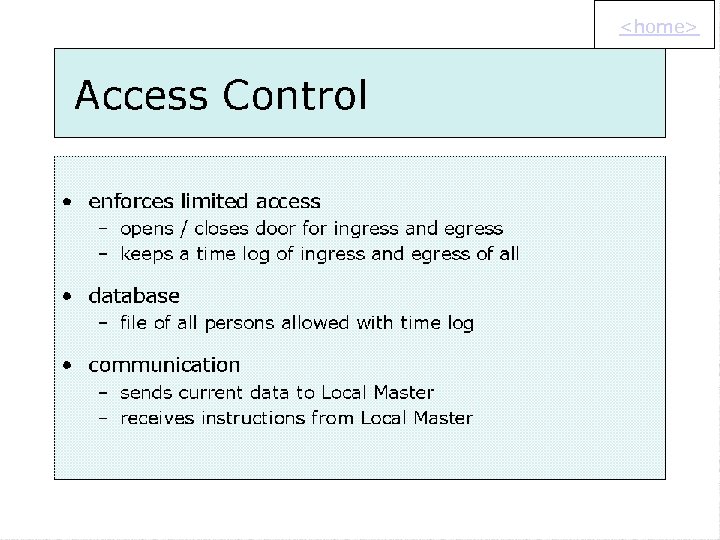
 IV. Appendix Outline of Learning Elements The communication interface with a remote computer o interface with a remote computer was via a 56 K modem o the use of non-standard communication protocols and software is one way of changing communication encoding algorithms at will o this means that secure data transfer can be achieved without going for the purchase of software that can be rather expensive or engage consultant/vendor assistance to achieve the purpose o the remote computer (or “remote master”) has the specific function of gathering business information so that it can plot trends in profitability. o it assigns costs to the energy consumed in the electrical appliances in the room o it also assigns hourly costs to each individual present in the room The security section o a person seeking access to the room will enter his unique code o he also enters the same unique code when he leaves the room o the system acknowledges a valid code, opens the door’s dead bolt, and keeps track of the time the person stayed in the room
 IV. Appendix Outline of Learning Elements The power section - power is controlled at six (6) points, namely 1) the “on/off” switch of the airconditioner for a maximum instantaneous current of about 1 ampere at 230 volts for the coils of a pilot relay 2) the compressor of the airconditioner with a maximum instantaneous current of about 120 amperes at 230 volts 3) one bank of light bulbs with 200 watts with independent variable energy control to achieve the desired illumination levels 4) another bank of light bulbs with 200 watts, also with independent variable energy control to achieve the desired illumination levels 5) a bank of two ceiling fans with an approximate maximum load of about 100 watts, also provided with independent variable energy speed control to provide the necessary air circulation to make the temperature readings a around the room as uniform as possible 6) power to a 2 -ampere reversible DC motor that controls the “dead bolt lock” of the door