Скачать презентацию The Anaesthetic Assessment of an Elderly Surgical Patient
ca15127ed85b2b501c43e3b7b0a979b5.ppt
- Количество слайдов: 72
 The Anaesthetic Assessment of an Elderly Surgical Patient Dr. Irwin Foo Consultant Anaesthetist and Honorary Clinical Senior Lecturer Department of Anaesthesia Western General Hospital Edinburgh
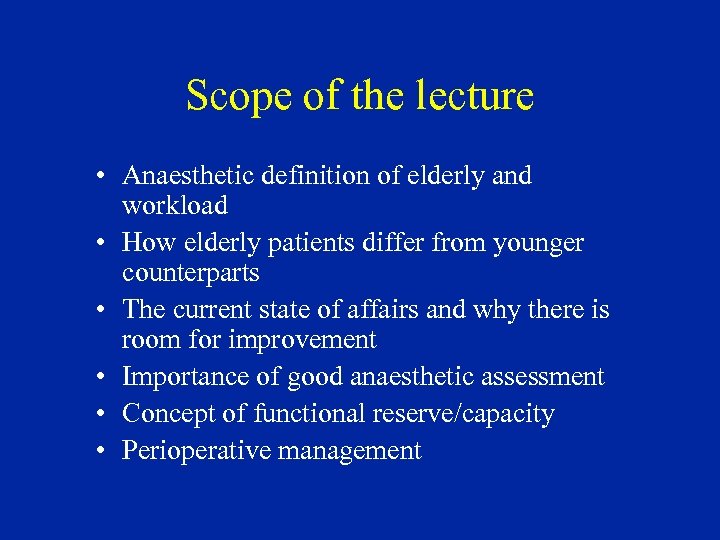 Scope of the lecture • Anaesthetic definition of elderly and workload • How elderly patients differ from younger counterparts • The current state of affairs and why there is room for improvement • Importance of good anaesthetic assessment • Concept of functional reserve/capacity • Perioperative management
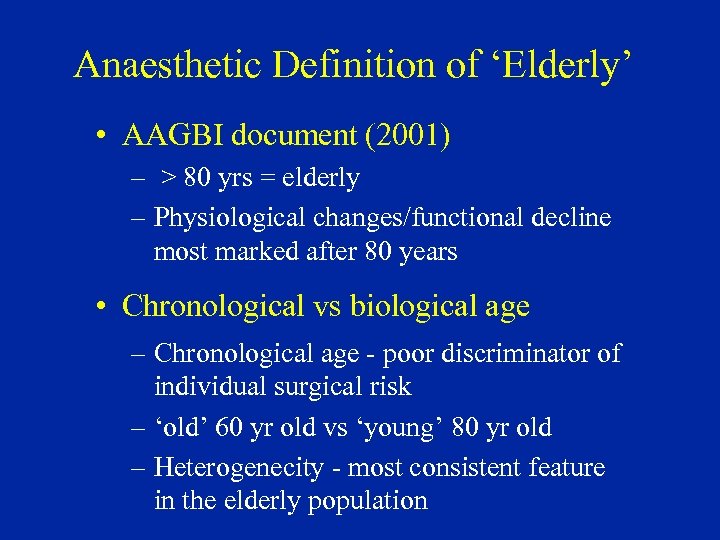 Anaesthetic Definition of ‘Elderly’ • AAGBI document (2001) – > 80 yrs = elderly – Physiological changes/functional decline most marked after 80 years • Chronological vs biological age – Chronological age - poor discriminator of individual surgical risk – ‘old’ 60 yr old vs ‘young’ 80 yr old – Heterogenecity - most consistent feature in the elderly population
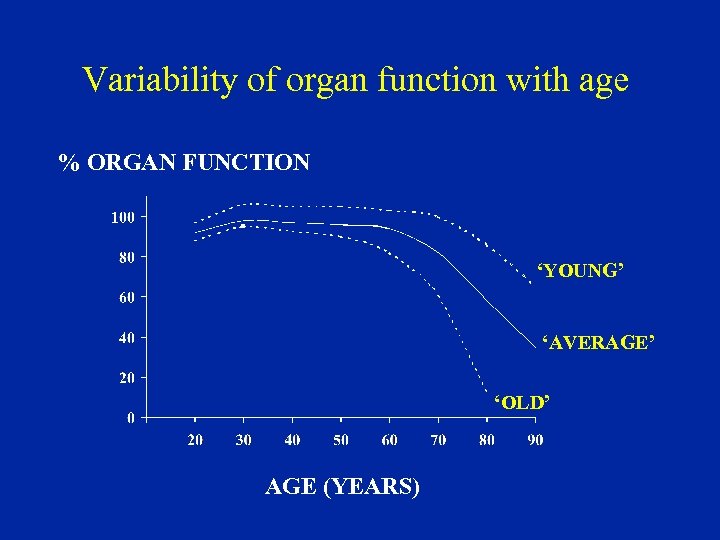 Variability of organ function with age % ORGAN FUNCTION ‘YOUNG’ ‘AVERAGE’ ‘OLD’ AGE (YEARS)
 Size of the problem • Increasing numbers – > 80’s -fastest growing section of the population – 2005 - >20% of population 65 yrs and over • increasing workload – 50% of elderly will require anaesthesia for surgical intervention in their lifetime – surgical/anaesthetic advances
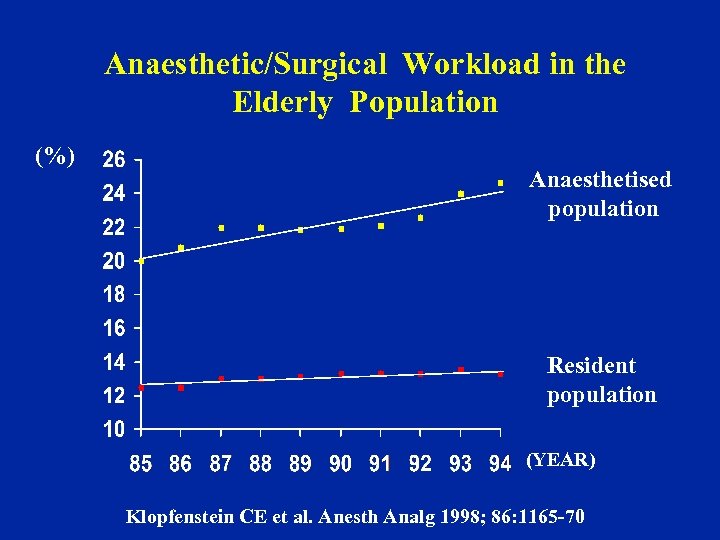 Anaesthetic/Surgical Workload in the Elderly Population (%) Anaesthetised population Resident population (YEAR) Klopfenstein CE et al. Anesth Analg 1998; 86: 1165 -70
 How do elderly surgical patients differ from younger counterparts ? • Anaesthetising the elderly………. • “Applied clinical pharmacology with enough patho-physiology included to confuse the picture”
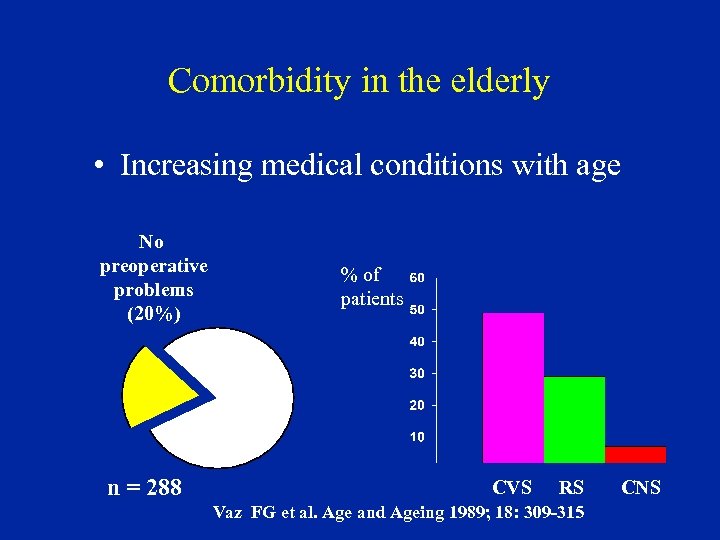 Comorbidity in the elderly • Increasing medical conditions with age No preoperative problems (20%) n = 288 % of patients CVS RS Vaz FG et al. Age and Ageing 1989; 18: 309 -315 CNS
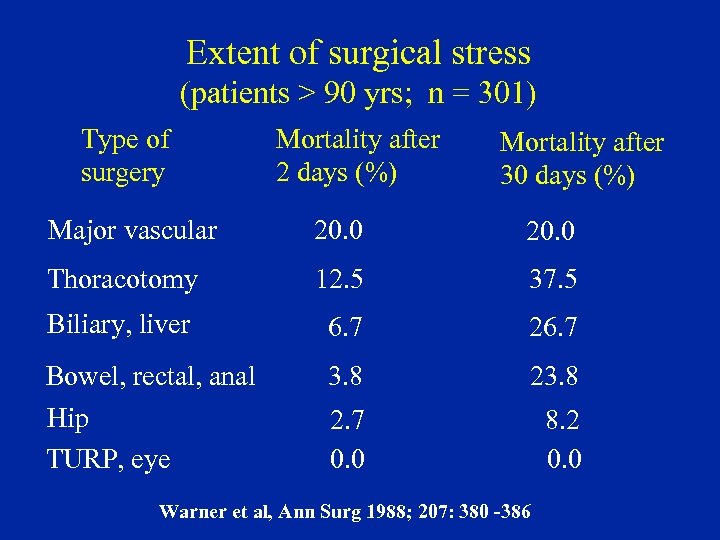 Extent of surgical stress (patients > 90 yrs; n = 301) Type of surgery Mortality after 2 days (%) Mortality after 30 days (%) Major vascular 20. 0 Thoracotomy 12. 5 37. 5 Biliary, liver 6. 7 26. 7 Bowel, rectal, anal 3. 8 23. 8 Hip TURP, eye 2. 7 0. 0 8. 2 0. 0 Warner et al, Ann Surg 1988; 207: 380 -386
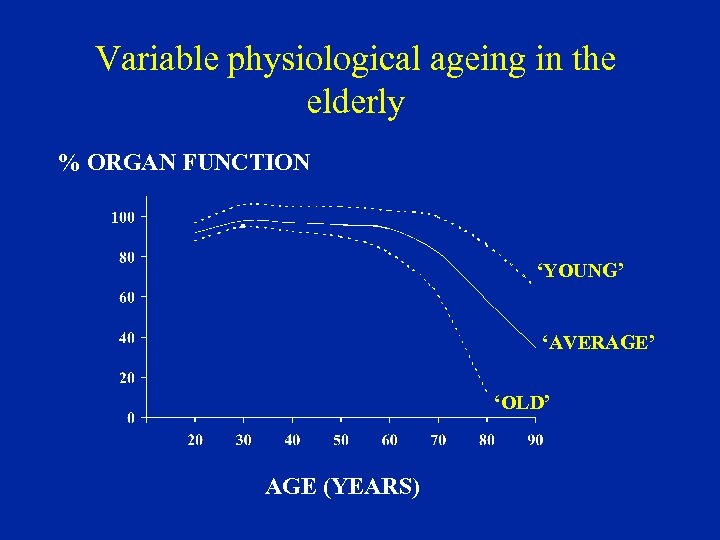 Variable physiological ageing in the elderly % ORGAN FUNCTION ‘YOUNG’ ‘AVERAGE’ ‘OLD’ AGE (YEARS)
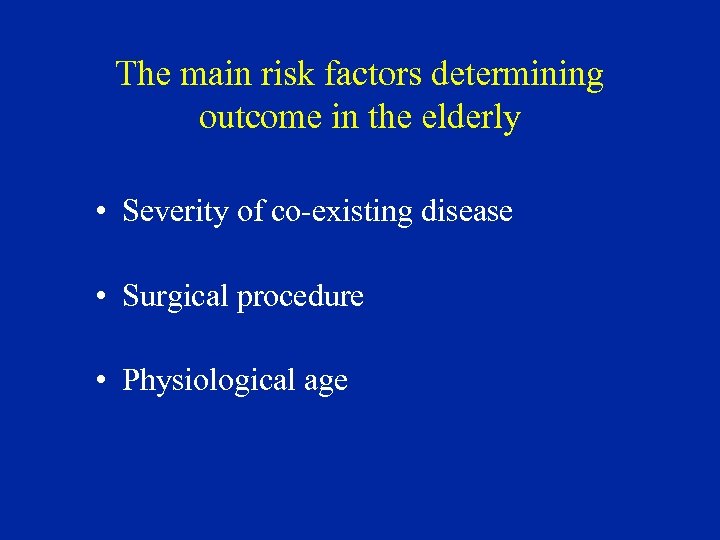 The main risk factors determining outcome in the elderly • Severity of co-existing disease • Surgical procedure • Physiological age
 How are we doing?
 The Good News…………
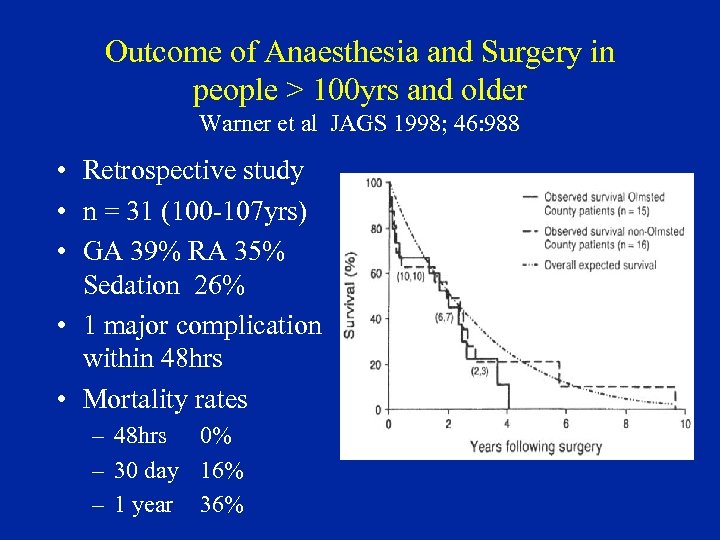 Outcome of Anaesthesia and Surgery in people > 100 yrs and older Warner et al JAGS 1998; 46: 988 • Retrospective study • n = 31 (100 -107 yrs) • GA 39% RA 35% Sedation 26% • 1 major complication within 48 hrs • Mortality rates – 48 hrs 0% – 30 day 16% – 1 year 36%
 The Bad News……….
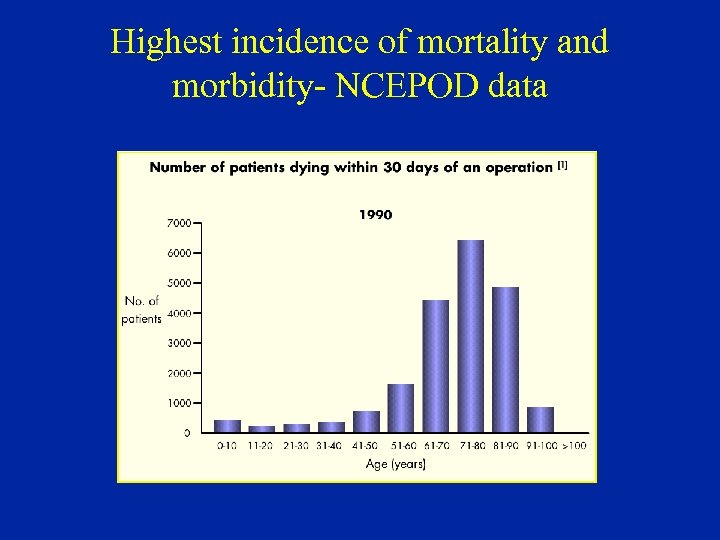 Highest incidence of mortality and morbidity- NCEPOD data
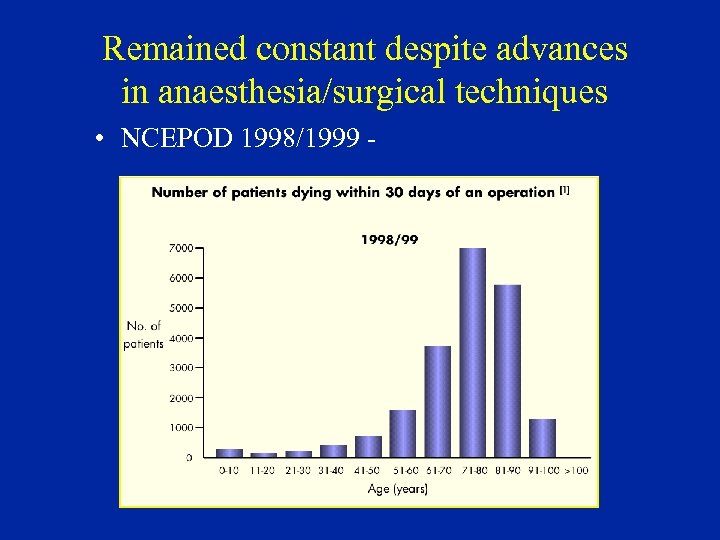 Remained constant despite advances in anaesthesia/surgical techniques • NCEPOD 1998/1999 -
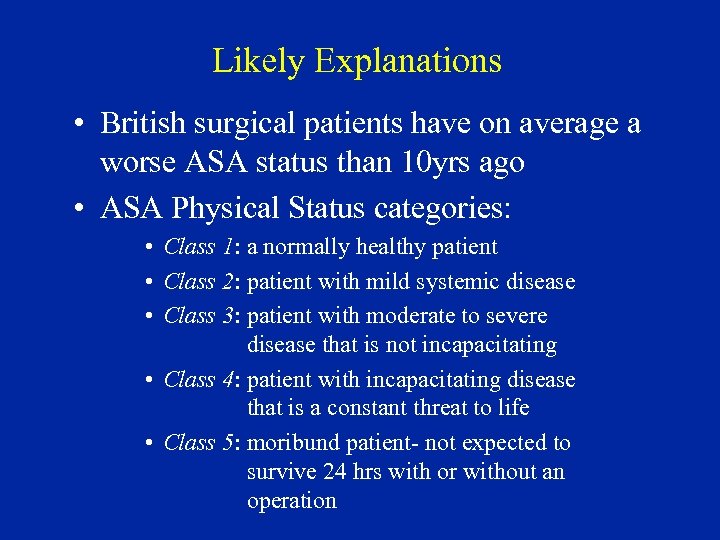 Likely Explanations • British surgical patients have on average a worse ASA status than 10 yrs ago • ASA Physical Status categories: • Class 1: a normally healthy patient • Class 2: patient with mild systemic disease • Class 3: patient with moderate to severe disease that is not incapacitating • Class 4: patient with incapacitating disease that is a constant threat to life • Class 5: moribund patient- not expected to survive 24 hrs with or without an operation
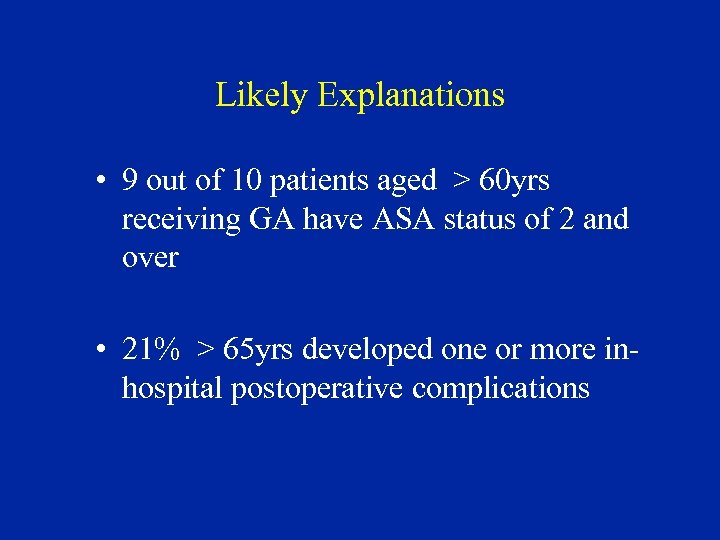 Likely Explanations • 9 out of 10 patients aged > 60 yrs receiving GA have ASA status of 2 and over • 21% > 65 yrs developed one or more inhospital postoperative complications
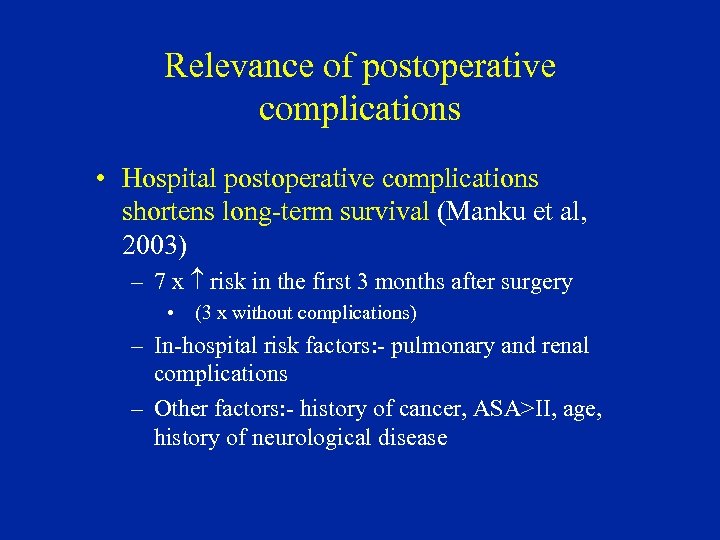 Relevance of postoperative complications • Hospital postoperative complications shortens long-term survival (Manku et al, 2003) – 7 x risk in the first 3 months after surgery • (3 x without complications) – In-hospital risk factors: - pulmonary and renal complications – Other factors: - history of cancer, ASA>II, age, history of neurological disease
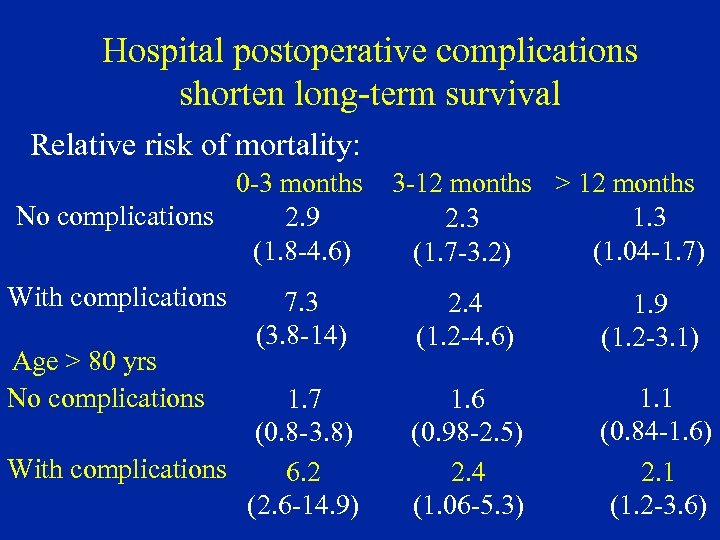 Hospital postoperative complications shorten long-term survival Relative risk of mortality: 0 -3 months No complications 2. 9 (1. 8 -4. 6) With complications Age > 80 yrs No complications 7. 3 (3. 8 -14) 1. 7 (0. 8 -3. 8) With complications 6. 2 (2. 6 -14. 9) 3 -12 months > 12 months 1. 3 2. 3 (1. 04 -1. 7) (1. 7 -3. 2) 2. 4 (1. 2 -4. 6) 1. 9 (1. 2 -3. 1) 1. 6 (0. 98 -2. 5) 2. 4 (1. 06 -5. 3) 1. 1 (0. 84 -1. 6) 2. 1 (1. 2 -3. 6)
 Room for improvement?
 NCEPOD report- extremes of ages 1999 Recommendations • lack of senior multidisciplinary care • poor fluid management • matching of experience of surgeon/anaesthetist to physical status of elderly patient • Appropriate postoperative care • Effective pain management
 Scottish Audit of Surgical Mortality - Case Assessments Booklet - 2004 • Four hourly bags of iv fluids can drown an elderly patient • Elderly patients have limited physiological reserve • Cardiovascular collapse during orthopaedic surgery • Unnecessary laparotomy on elderly patient
 How we can improve the management of the elderly surgical patient ? • Adequate anaesthetic assessment • identification of failing integrated responses/functional reserve of individual organs • plan appropriate anaesthetic technique • Optimisation preoperatively – multidisciplinary approach • Estimate likely outcome of proposed surgery (alter if necessary) • ? day or inpatient surgery • Postoperative placement
 Preoperative Assessment • Assessment of damaging effects of concurrent medical conditions • Influence of normal ageing processes • Functional reserve/capacity assessment: both intergrated and individual organs • Specific elderly issues e. g. postoperative cognitive dysfunction (POCD)
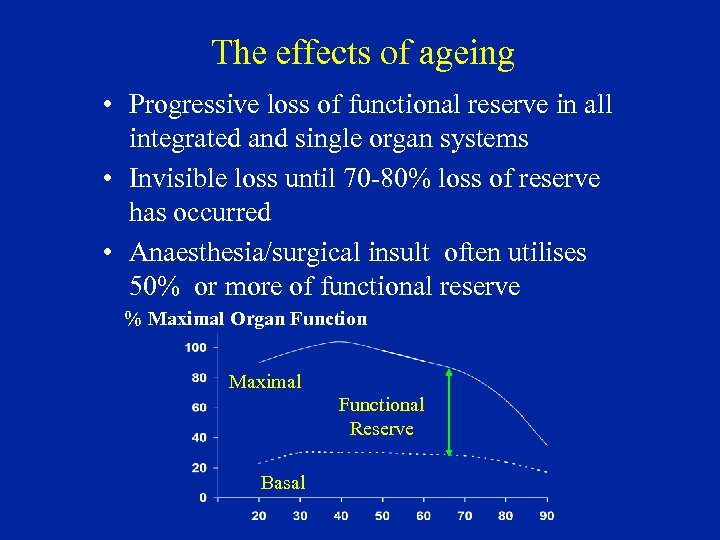 The effects of ageing • Progressive loss of functional reserve in all integrated and single organ systems • Invisible loss until 70 -80% loss of reserve has occurred • Anaesthesia/surgical insult often utilises 50% or more of functional reserve % Maximal Organ Function Maximal Functional Reserve Basal
 The effects of ageing • Clinical signs of failure in any organ system indicates complete loss of functional reserve • Confusion/delirium developing postoperatively suggests poor cognitive reserve • Preoperative assessment aim is to identify systems at risk of failure and to try and minimise risk (if possible)
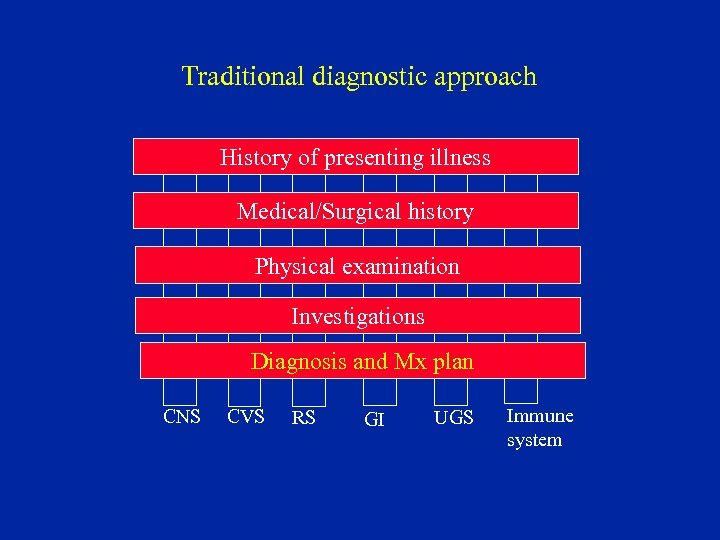 Traditional diagnostic approach History of presenting illness Medical/Surgical history Physical examination Investigations Diagnosis and Mx plan CNS CVS RS GI UGS Immune system
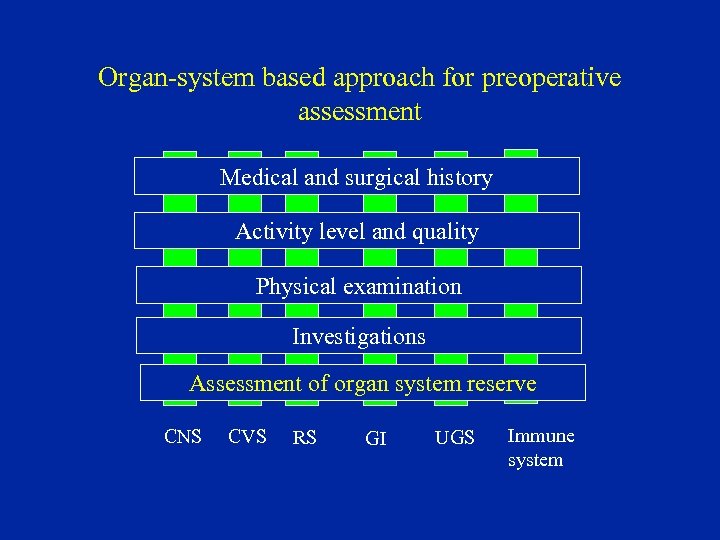 Organ-system based approach for preoperative assessment Medical and surgical history Activity level and quality Physical examination Investigations Assessment of organ system reserve CNS CVS RS GI UGS Immune system
 Brief reminder of age-related changes
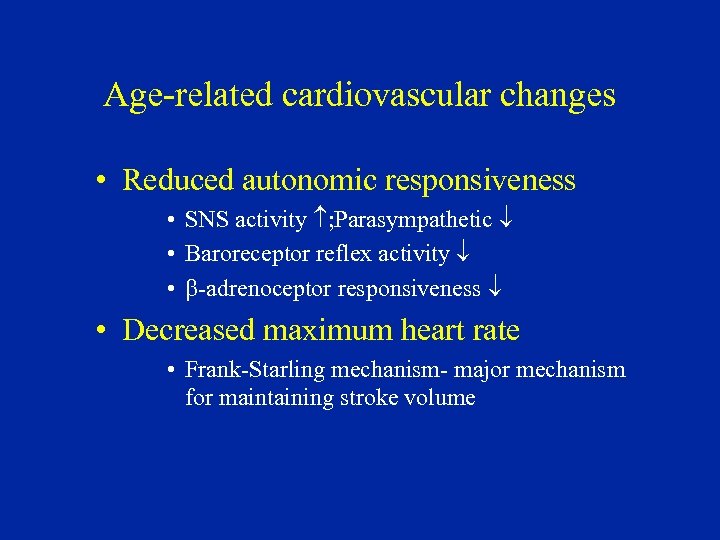 Age-related cardiovascular changes • Reduced autonomic responsiveness • SNS activity ; Parasympathetic • Baroreceptor reflex activity • -adrenoceptor responsiveness • Decreased maximum heart rate • Frank-Starling mechanism- major mechanism for maintaining stroke volume
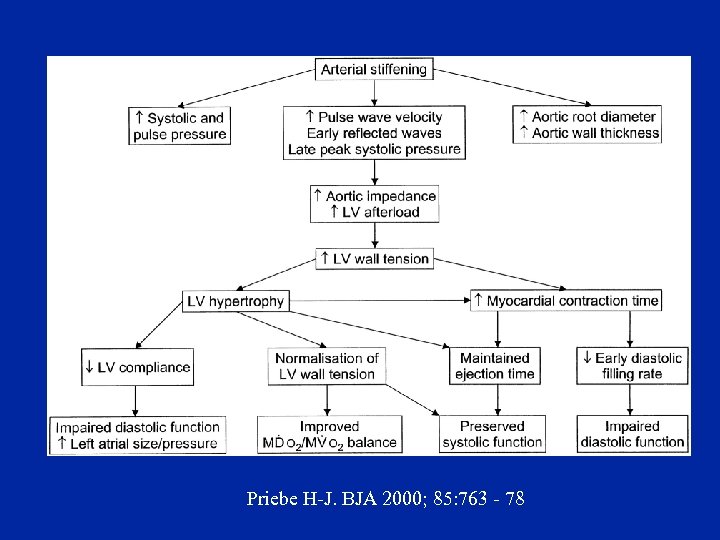
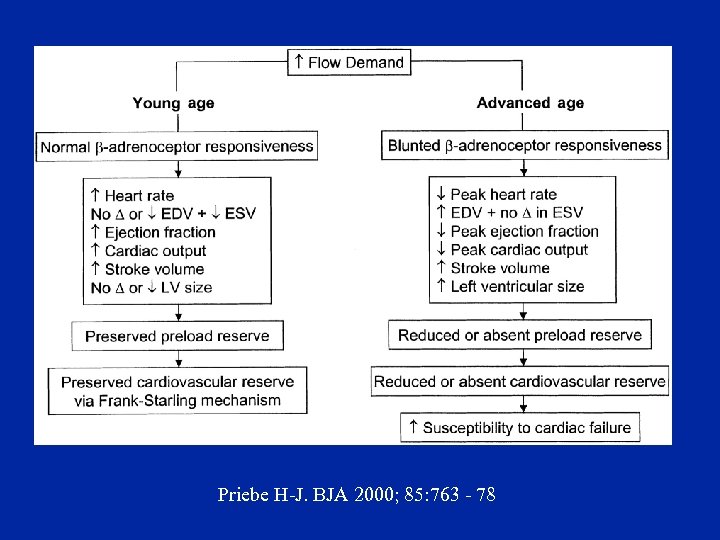 Priebe H-J. BJA 2000; 85: 763 - 78
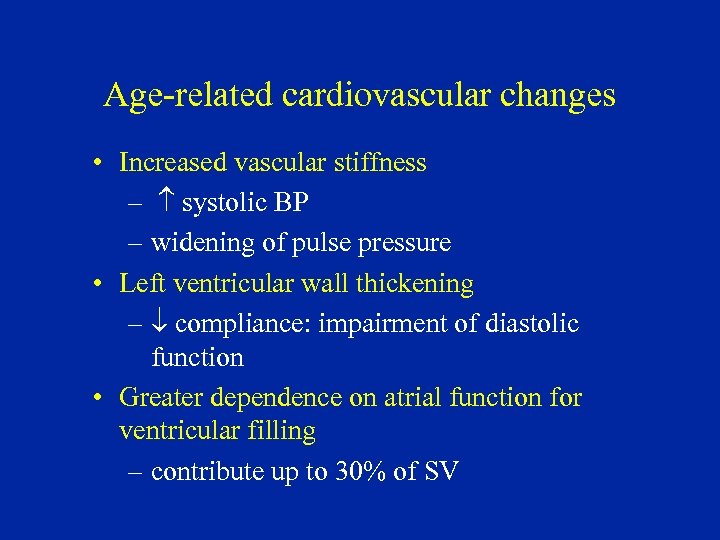 Age-related cardiovascular changes • Increased vascular stiffness – systolic BP – widening of pulse pressure • Left ventricular wall thickening – compliance: impairment of diastolic function • Greater dependence on atrial function for ventricular filling – contribute up to 30% of SV
 Priebe H-J. BJA 2000; 85: 763 - 78
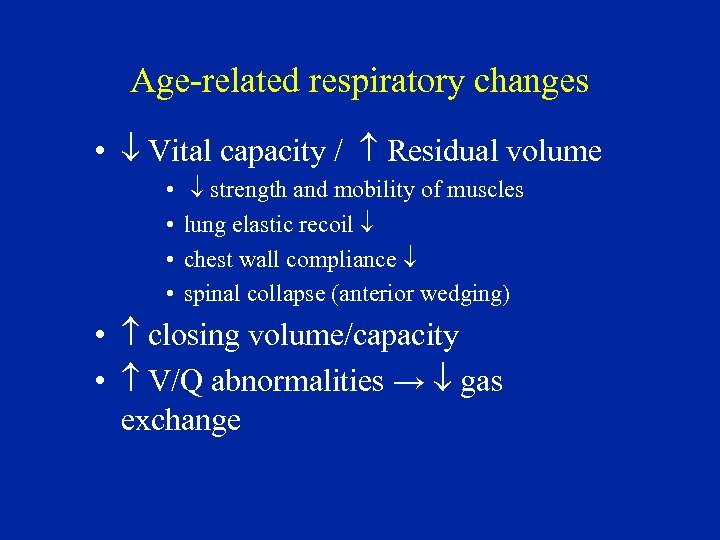 Age-related respiratory changes • Vital capacity / Residual volume • • strength and mobility of muscles lung elastic recoil chest wall compliance spinal collapse (anterior wedging) • closing volume/capacity • V/Q abnormalities → gas exchange
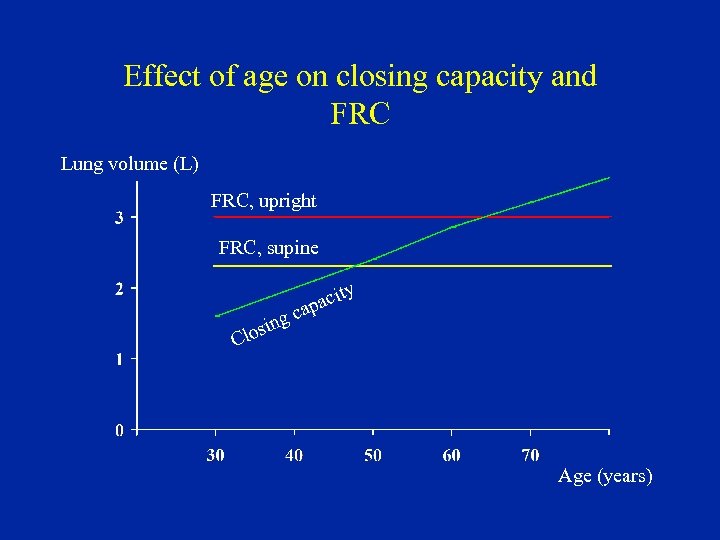 Effect of age on closing capacity and FRC Lung volume (L) FRC, upright FRC, supine y g osin l acit ap c C Age (years)
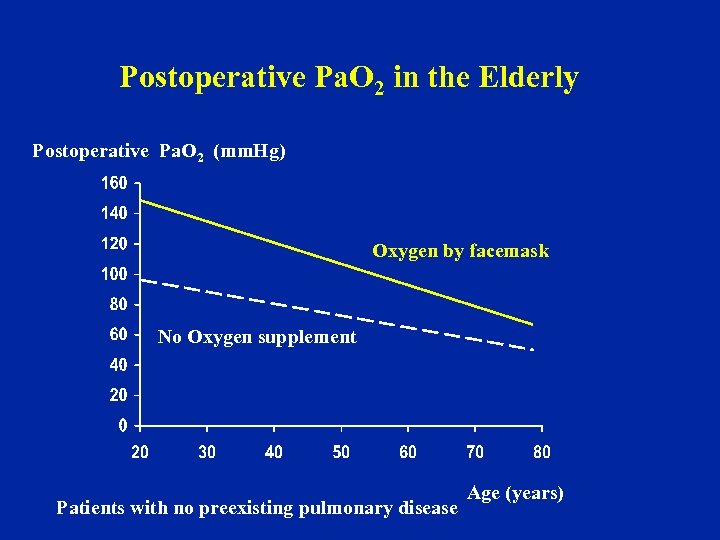 Postoperative Pa. O 2 in the Elderly Postoperative Pa. O 2 (mm. Hg) Oxygen by facemask No Oxygen supplement Patients with no preexisting pulmonary disease Age (years)
 Age-related respiratory changes • hypoxic and hypercapnic reflex control • Poor upper airway tone – snoring almost universal • Poor cough (7 fold reduction in sensitivity of cough reflex) • risk of aspiration (silent!!) • Chest wall rigidity more dependent on the diaphragm
 Age-related neurological changes • brain cell mass (10 -30% by age 80) – loss of central cholinergic and dopaminergic cells – 70 -80% loss of dopaminergic function required before symptoms seen in Parkinson’s disease – ‘Crystallised’ intelligence better preserved than ‘liquid’ intelligence • Poor reflex control – baroreceptor , thermoregulation
 Age-related neurological changes • Blindness – cataracts, glaucoma – problem with visual analogue scales • Deafness – problems with comprehension – may be denied by patient • Cognitive impairment – dementia present in 22% of over 80’s – (life expectancy-50% in 5 yrs)
 Age-related hepatic changes • liver mass and blood flow – 1% loss/yr after 30 yrs – minor changes in cytochrome P 450 activity – variable effect on Phase I reactions; Phase II not affected • Drugs which are flow-limited affected greater than capacity limited – lignocaine/bupivacaine, opioids • Reduced albumin: altered drug binding
 Age-related renal changes • Marked decline in RBF and GFR (1% loss of function/yr after 30 yrs) • Plasma creatinine: not good guide of renal function bec. of reduced muscle mass • Response to Na concn impaired; less able to excrete Na load • Reduced ability to dilute/concentrate urine – thirst perception – fear of incontinence – locomotor problems-inability to get to fluids
 Age-related musculoskeletal changes • Osteoarthritis/Osteoporosis – immobile venous stagnation – limits ability to exercise • Poor stability/balance – risk of accidents esp. in unfamiliar surroundings • Ligamental laxity – cervical vertebrae slip
 Functional Reserve/Capacity Assessment
 Integrated functional reserve • Metabolic equivalence – attempt to quantify metabolic (O 2 delivery) capacity of the patient – estimates the likely outcome of surgery – predicts the likelihood of postoperative complications • patients unable to reach 4 METS
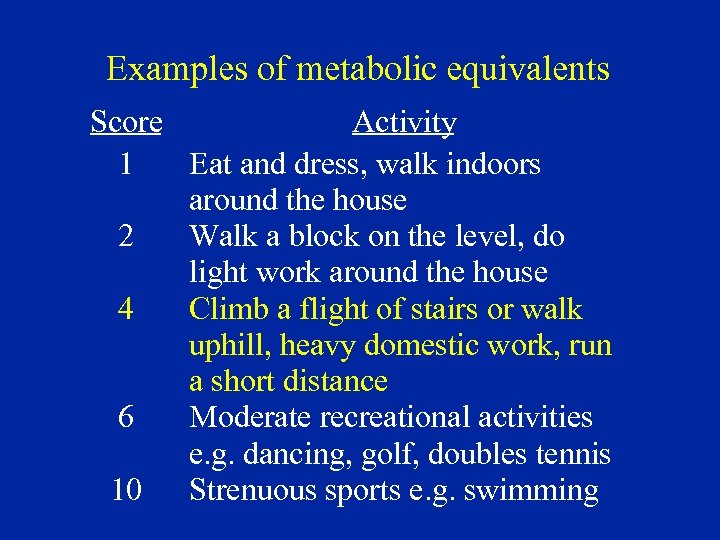 Examples of metabolic equivalents Score Activity 1 Eat and dress, walk indoors around the house 2 Walk a block on the level, do light work around the house 4 Climb a flight of stairs or walk uphill, heavy domestic work, run a short distance 6 Moderate recreational activities e. g. dancing, golf, doubles tennis 10 Strenuous sports e. g. swimming
 Integrated functional reserve • METS-dependent on patient history • Mc. Glade et al. Anaesth Intensive Care 2001; 29: 520 -6 – compared reliability of patients as historians – used a questionnaire and a simple exercise test – 14% of patients who claimed they could climb a flight of stairs declined to do so • watching them climb a flight of stairs more reliable
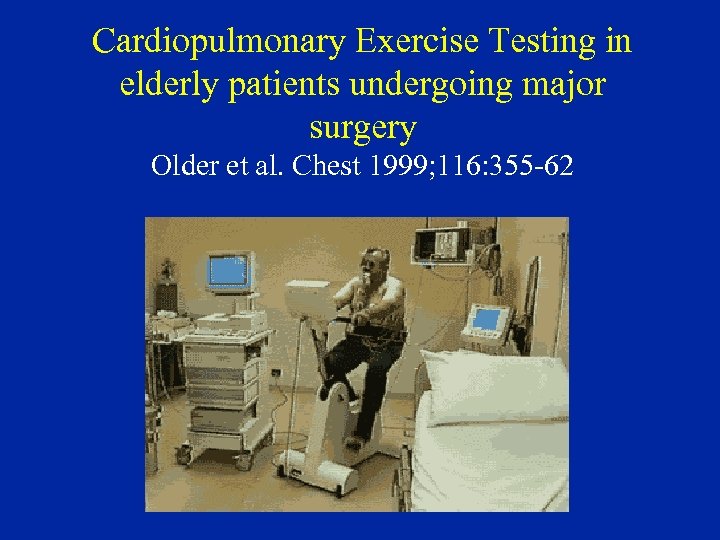 Cardiopulmonary Exercise Testing in elderly patients undergoing major surgery Older et al. Chest 1999; 116: 355 -62
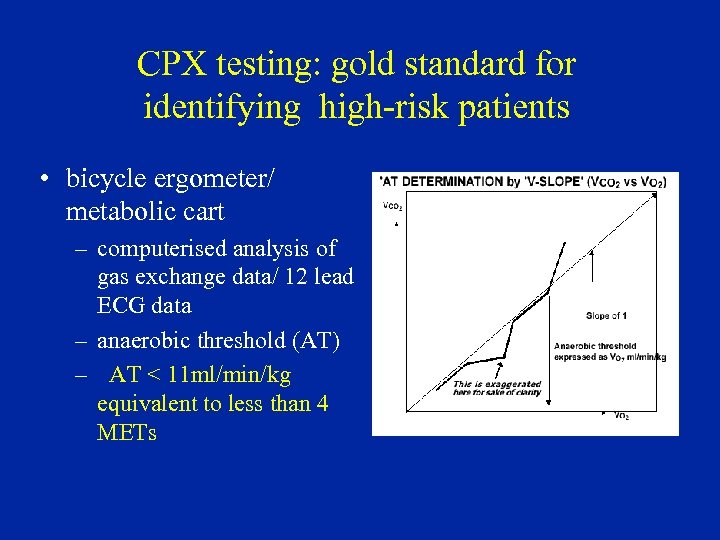 CPX testing: gold standard for identifying high-risk patients • bicycle ergometer/ metabolic cart – computerised analysis of gas exchange data/ 12 lead ECG data – anaerobic threshold (AT) – AT < 11 ml/min/kg equivalent to less than 4 METs
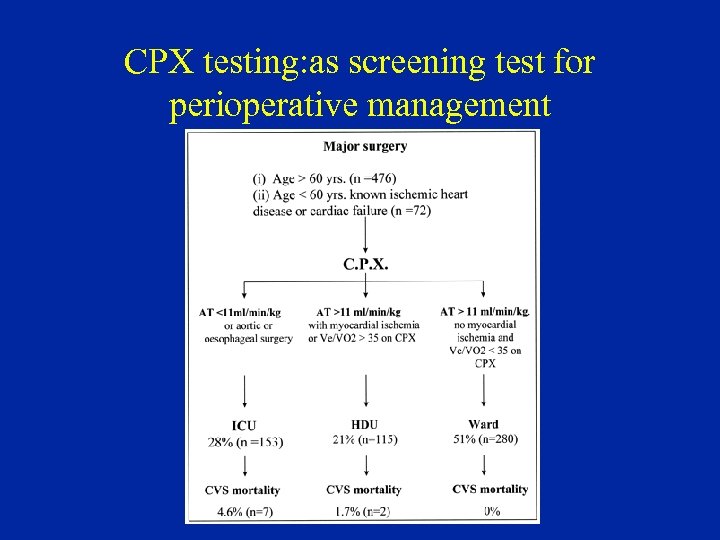 CPX testing: as screening test for perioperative management
 CPX testing: gold standard for identifying high-risk patients? • excellent predictor of mortality from cardiopulmonary causes postop – allows appropriate placement • good safety record • Drawbacks – requires up to 1 hr per patient – not all elderly patients can perform test
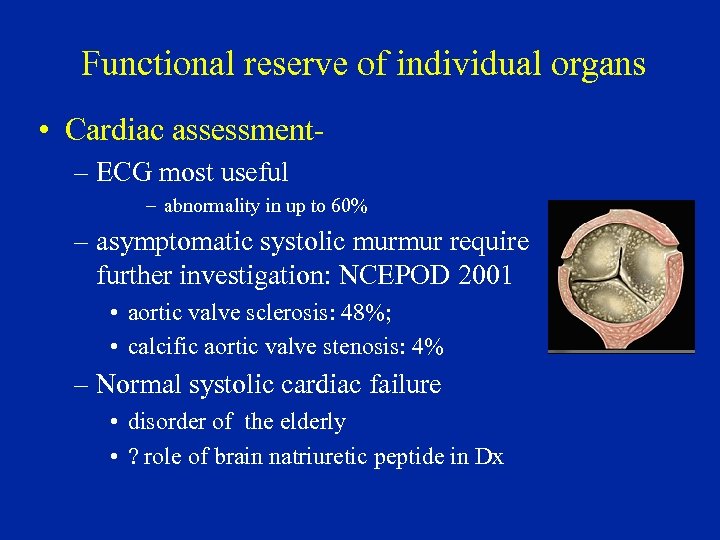 Functional reserve of individual organs • Cardiac assessment– ECG most useful – abnormality in up to 60% – asymptomatic systolic murmur require further investigation: NCEPOD 2001 • aortic valve sclerosis: 48%; • calcific aortic valve stenosis: 4% – Normal systolic cardiac failure • disorder of the elderly • ? role of brain natriuretic peptide in Dx
 Guidelines for Preoperative Resting Echocardiography • Previous CCF or MI with a reduction in functional capacity (< 4 METS) • Dyspnoea not explicable by pulmonary disease (on PFTs) or obesity, with an abnormal ECG • Cardiac murmur with one or more factors below • • Reduced functional capacity (< 4 METS) Chest pain Orthopnoea PND Peripheral oedema Cardiomegaly (on CXR) Abnormal ECG (arrhythmia, conduction defect, LVH)
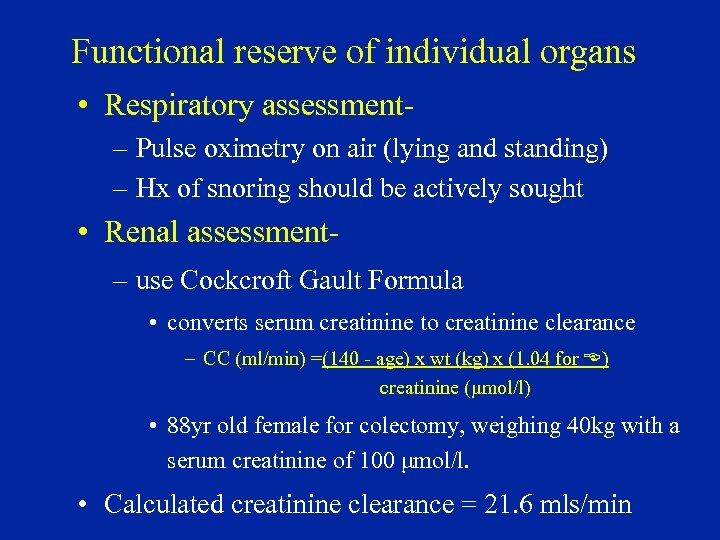 Functional reserve of individual organs • Respiratory assessment– Pulse oximetry on air (lying and standing) – Hx of snoring should be actively sought • Renal assessment– use Cockcroft Gault Formula • converts serum creatinine to creatinine clearance – CC (ml/min) =(140 - age) x wt (kg) x (1. 04 for )llllll creatinine (μmol/l) • 88 yr old female for colectomy, weighing 40 kg with a serum creatinine of 100 μmol/l. • Calculated creatinine clearance = 21. 6 mls/min
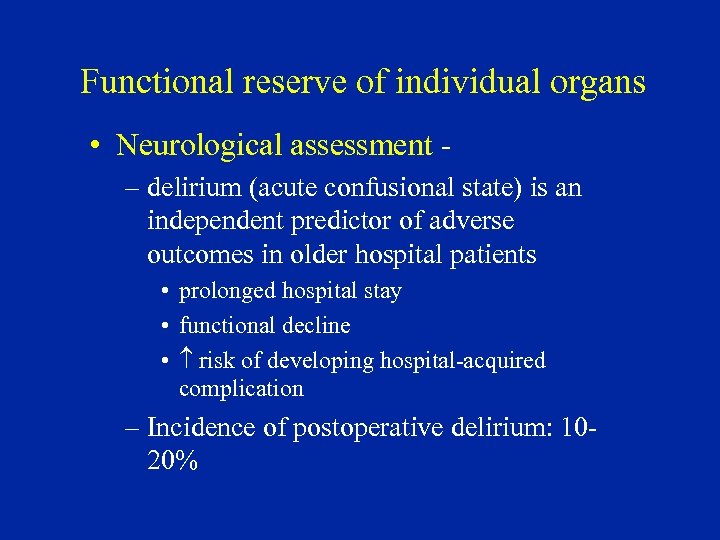 Functional reserve of individual organs • Neurological assessment – delirium (acute confusional state) is an independent predictor of adverse outcomes in older hospital patients • prolonged hospital stay • functional decline • risk of developing hospital-acquired complication – Incidence of postoperative delirium: 1020%
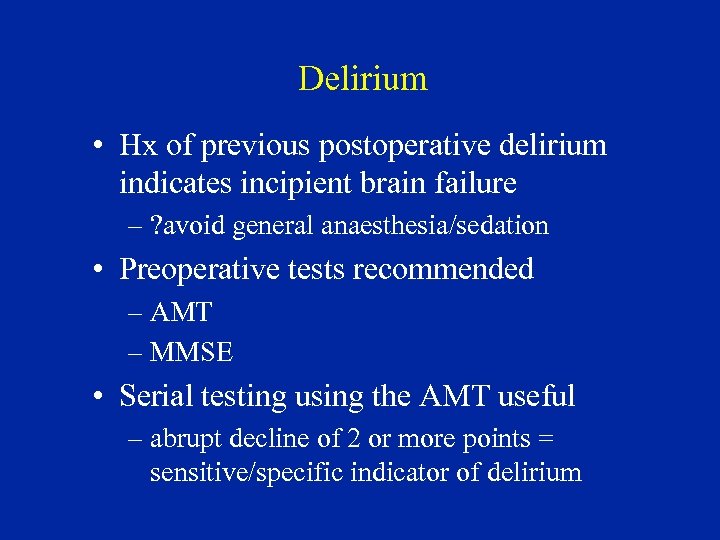 Delirium • Hx of previous postoperative delirium indicates incipient brain failure – ? avoid general anaesthesia/sedation • Preoperative tests recommended – AMT – MMSE • Serial testing using the AMT useful – abrupt decline of 2 or more points = sensitive/specific indicator of delirium
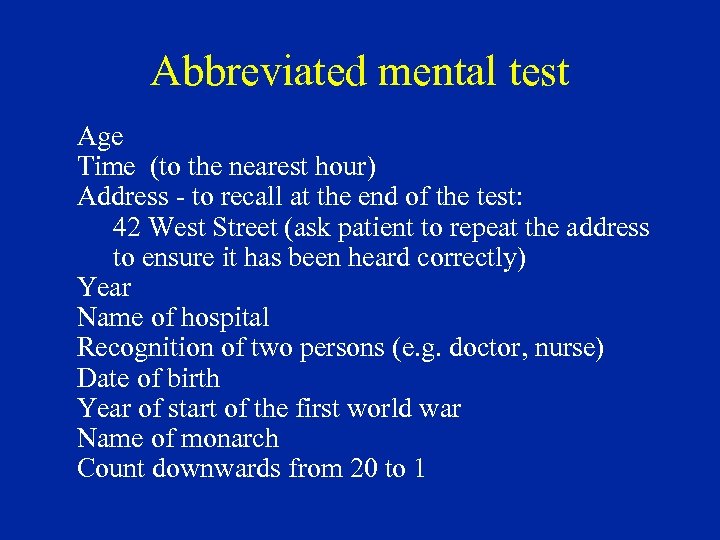 Abbreviated mental test Age Time (to the nearest hour) Address - to recall at the end of the test: 42 West Street (ask patient to repeat the address to ensure it has been heard correctly) Year Name of hospital Recognition of two persons (e. g. doctor, nurse) Date of birth Year of start of the first world war Name of monarch Count downwards from 20 to 1
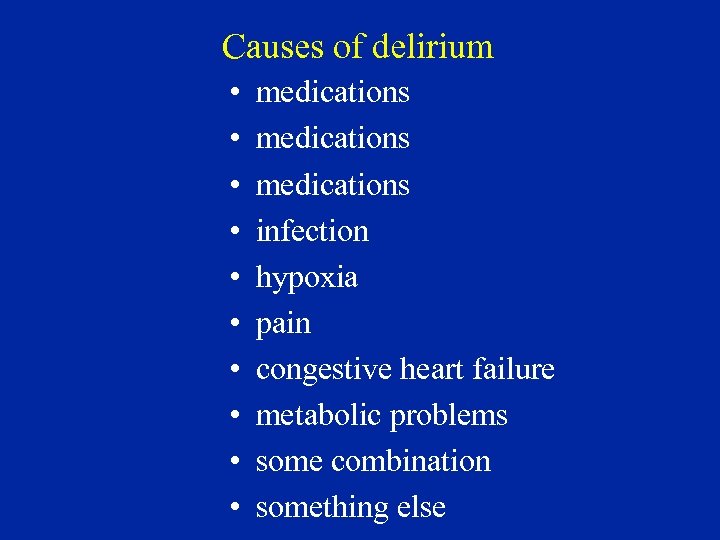 Causes of delirium • • • medications infection hypoxia pain congestive heart failure metabolic problems some combination something else
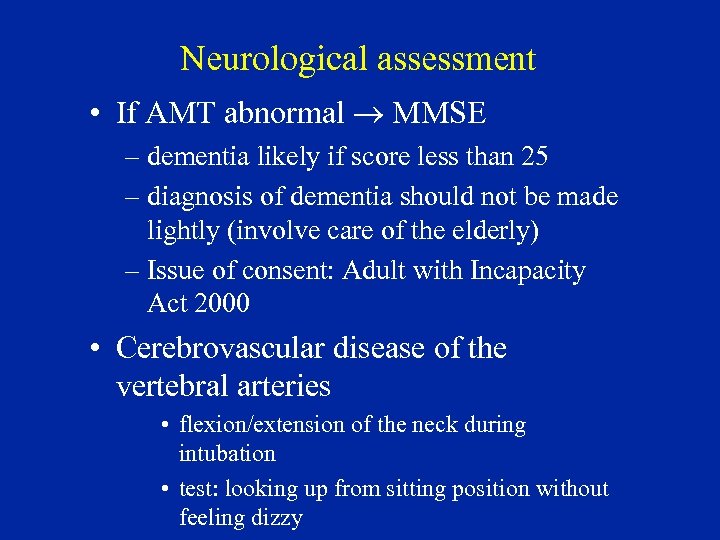 Neurological assessment • If AMT abnormal MMSE – dementia likely if score less than 25 – diagnosis of dementia should not be made lightly (involve care of the elderly) – Issue of consent: Adult with Incapacity Act 2000 • Cerebrovascular disease of the vertebral arteries • flexion/extension of the neck during intubation • test: looking up from sitting position without feeling dizzy
 Laboratory investigations • Blanket routine preoperative investigations are inefficient, expensive and unnecessary – AAGBI working party publication (2001) – Age per se is not an indication for preoperative testing – Guided by history, clinical examination and proposed surgery • NICE guidelines (2003)
 Optimisation preoperatively • Multidisciplinary team approach – care of the elderly • mental state • endocrine • polypharmacy issues – cardiology • murmurs (aortic stenosis) • intractable cardiac failure – physiotherapists, nutritionists
 Outcome assessment and placement • Inherent risk of operation – size of stress response – is it appropriate surgery? • matching of experience of surgeon/anaesthetist to physical status of elderly patient • Plan appropriate anaesthetic technique • Appropriate postoperative care – ward/HDU/ICU
 Day or inpatient surgery? • Minimises disorientation and stress for the patient – Social support must be in place • Outpatient surgery reduce postoperative cognitive dysfunction (ISPOCD 2 group) – n = 372; > 60 yrs; no restriction on type of anaesthetic/analgesia used – POCD = inpatient: 9. 8%; outpatient: 3. 5% at 7 days – Risk factors: age > 70 yrs and in vs outpatient surgery
 Preoperative management • Premedication – avoid if possible – no benzodiazepines (esp. diazepam), centrally active anticholinergics and intramuscular drugs – avoid pethidine • Give all regular medications – including nicotine patches +/- alcohol • Preoperative fluids (bowel prep) • Maintain dignity- dentures to remain in place
 Postoperative cognitive deficit (POCD) • Complex clinical picture that includes – disorientation – delirium – dementia – personality changes • Incidence of POCD - ISPOCD 1 (1998) – 1100 patients over 60 yrs – 25. 8% deficit at 1 week – 9. 9% deficit at 3 months – (still 10% at 2 yrs)
 Postoperative cognitive deficit (POCD) • Causes of POCD – Not hypoxia or hypotension – Not general anaesthesia (ISPOCD 22003) but lab studies: ↑ ß-amyloid deposition with volatile anaesthetics – Stress response to surgery • prolonged hypercortisolaemia • central catecholamine changes – Decline in central cholinergic function – Genetic predisposition (APOE gene) – negative studies
 Futility • Inappropriate procedure with no benefit in longevity – heroic surgical therapy – ‘senior’ decision to operate • Palliative surgery must be provided for symptomatic relief
 Case study 1 • 82 yrs • Scheduled for paraumbilical hernia repair (laparotomy 15 yrs ago for small bowel obstruction) • Preoperative cardiac murmur and 2 episodes of dizziness • ECHO- critical aortic stenosis and moderately impaired LV • Intermittent abdominal pain from hernia site
 Case study 2 • 72 yrs • Hartmann’s procedure for perforated diverticular disease 1 yr ago • ‘Not quite the same - poor concentration, tends to get confused and more withdrawn • Requesting reversal of Hartmanns as ‘cannot cope with bag’
 To sum up…………. Young Elderly