


 Скачать презентацию The American Revolution What caused the American
c9d247ecd12d34f9fca7214b0e98a791.ppt
- Количество слайдов: 193
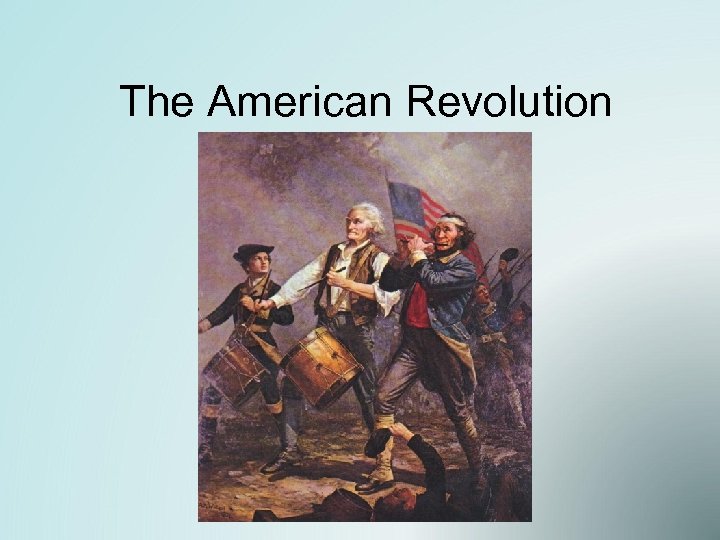 The American Revolution
 What caused the American Revolution? • Discuss this question in a small group. • Decide what your #1 reason is and write it on a white board. • Nominate one person to share with the class.
 Long-Term Causes of the Revolution
 1. Salutary Neglect • Lasted from 1607 – 1763 • Lenient or non-existent enforcement of British rules and laws.
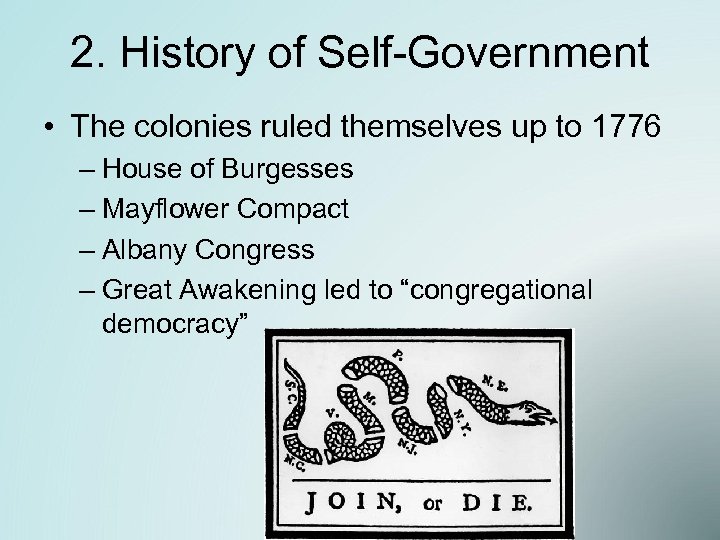 2. History of Self-Government • The colonies ruled themselves up to 1776 – House of Burgesses – Mayflower Compact – Albany Congress – Great Awakening led to “congregational democracy”
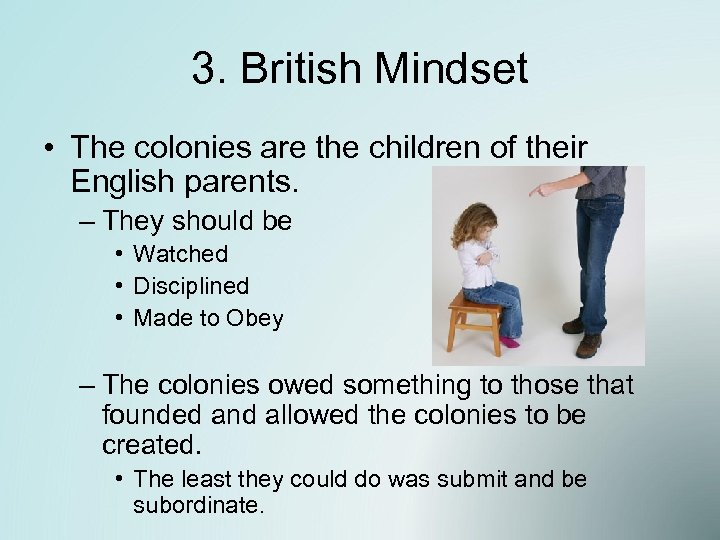 3. British Mindset • The colonies are the children of their English parents. – They should be • Watched • Disciplined • Made to Obey – The colonies owed something to those that founded and allowed the colonies to be created. • The least they could do was submit and be subordinate.
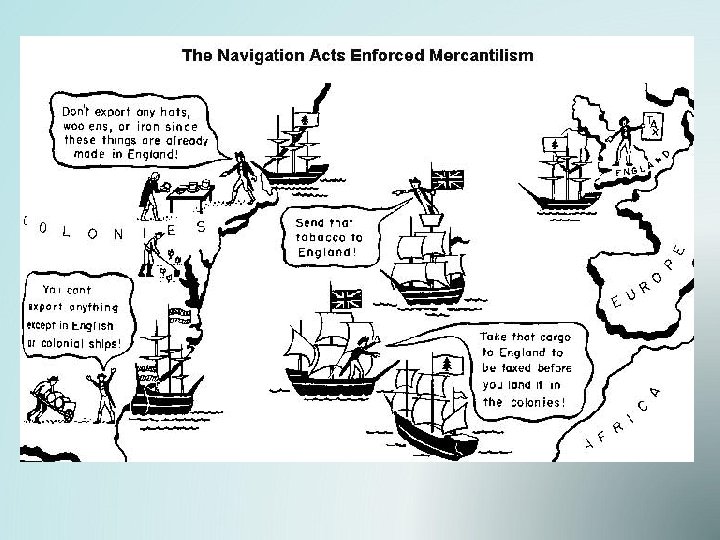
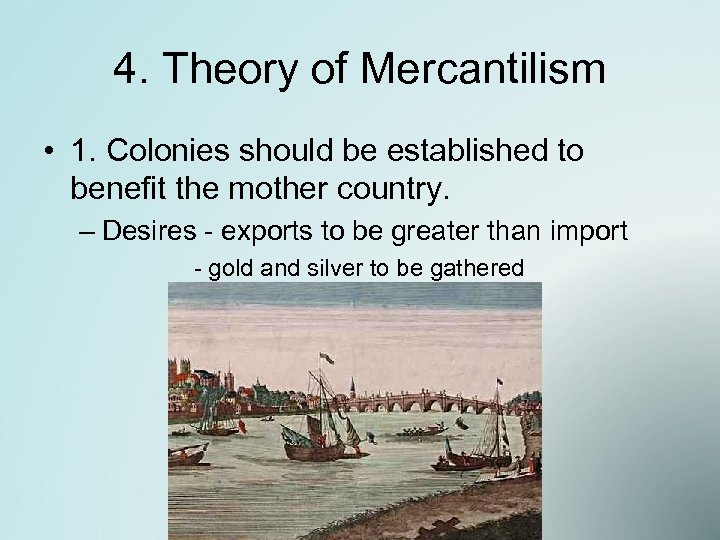 4. Theory of Mercantilism • 1. Colonies should be established to benefit the mother country. – Desires - exports to be greater than import - gold and silver to be gathered
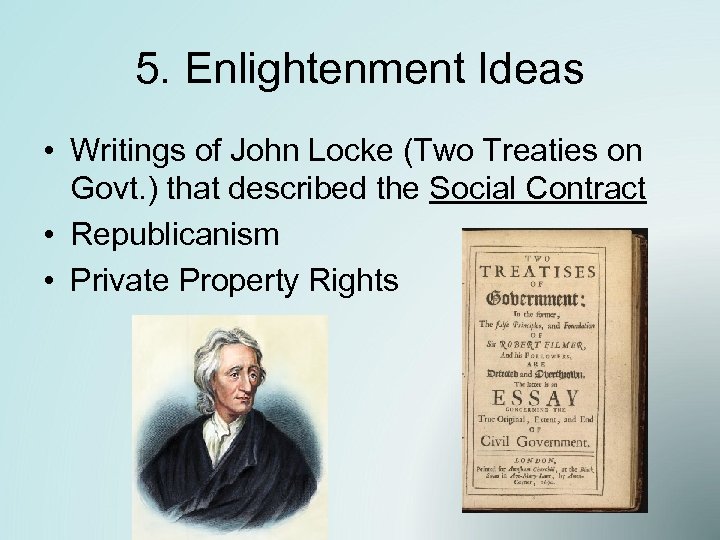 5. Enlightenment Ideas • Writings of John Locke (Two Treaties on Govt. ) that described the Social Contract • Republicanism • Private Property Rights
 Copy each statement and decide if it is true or false while watching • 1. The Age of Reason is another name for the • • Enlightenment. 2. Deists and Catholics had almost identical ideas about religion. 3. Francis Bacon and René Descartes are considered to be the "Fathers of the Enlightenment. " 4. Voltaire invented a system for biological classification 5. The use of the scientific method improved the quality of scientific study.
 Philosopher Activity • Each member of the group must read the excerpt about the philosopher • Fill in the chart about the philosopher you have been assigned • Write the information on the orange sheet to share with the class. • Find the other group that has the same philosopher and decide which you like better and who will share
 Who said it? • "No arts; no letters; no society; and which is worst of all, continual fear and danger of violent death; and the life of man, solitary, poor, nasty, brutish, and short. “ • “All mankind. . . being all equal and independent, no one ought to harm another in his life, health, liberty or possessions. ”
 Essential Question • How did the French and Indian War and Pontiac’s rebellion create dissent among the colonists?
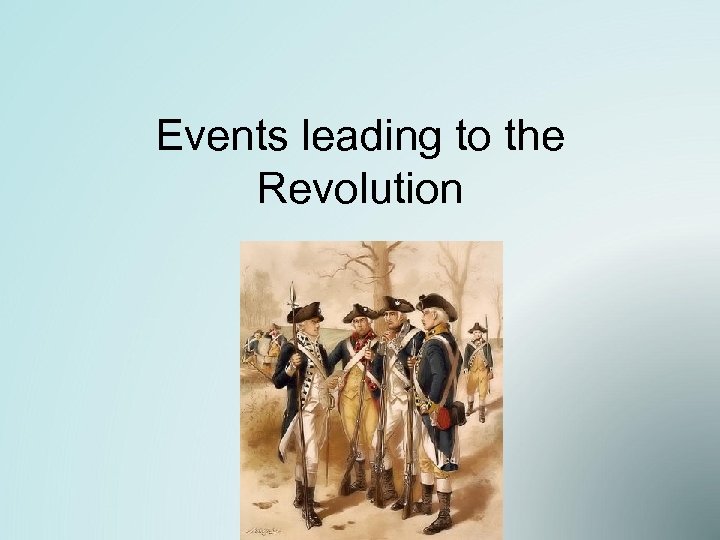 Events leading to the Revolution
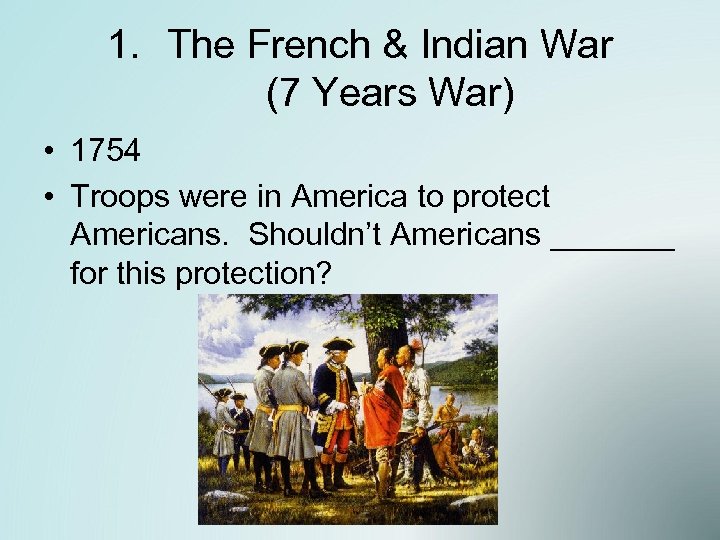 1. The French & Indian War (7 Years War) • 1754 • Troops were in America to protect Americans. Shouldn’t Americans _______ for this protection?
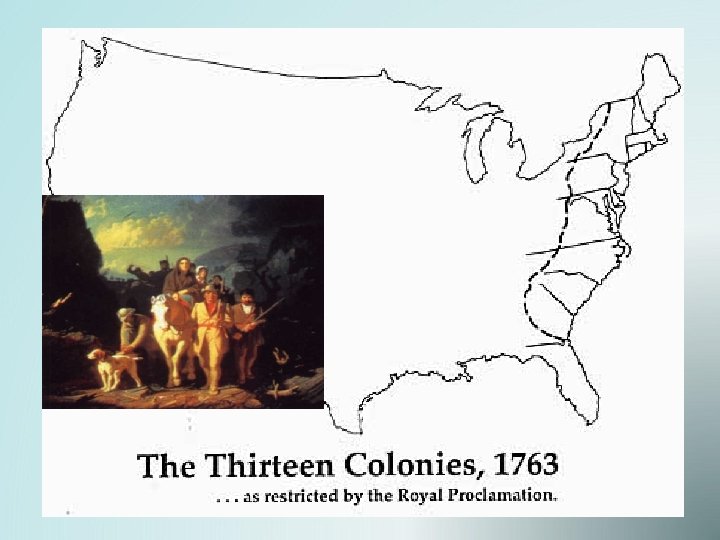
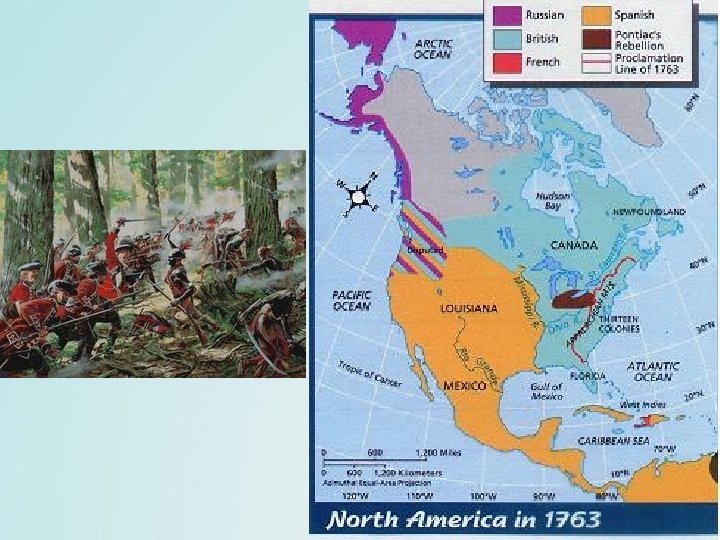
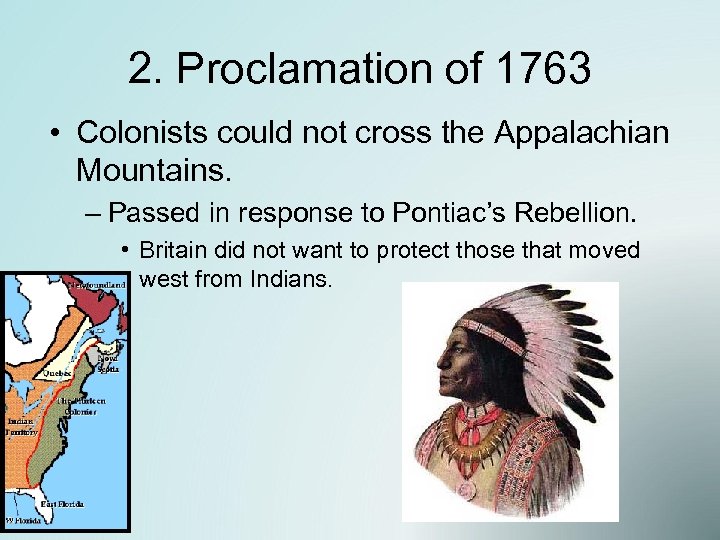 2. Proclamation of 1763 • Colonists could not cross the Appalachian Mountains. – Passed in response to Pontiac’s Rebellion. • Britain did not want to protect those that moved west from Indians.
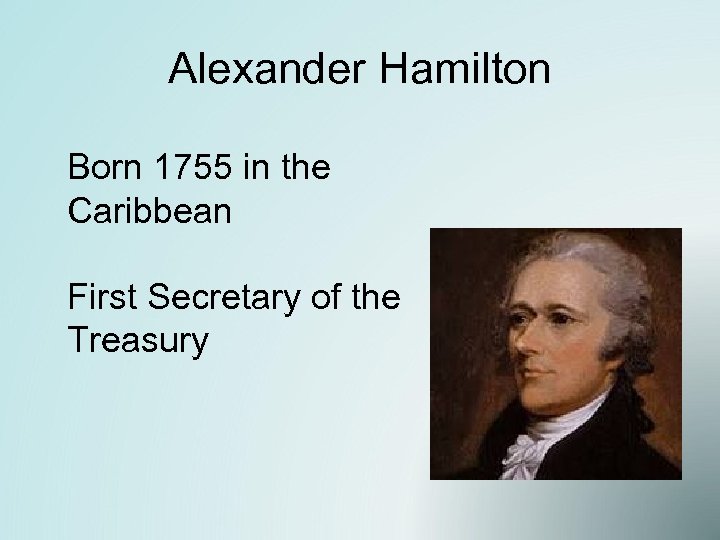 Alexander Hamilton Born 1755 in the Caribbean First Secretary of the Treasury
 Essential Question • Warm-up answer yesterday’s EQ and get ready for your quiz. • What is a revolution anyway and are we on the verge of another revolution in this country? • Today we will: Quiz, lecture, research/write
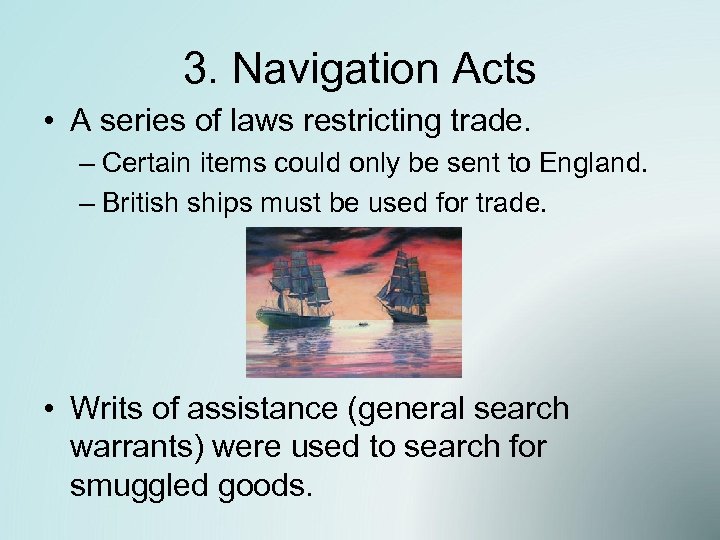 3. Navigation Acts • A series of laws restricting trade. – Certain items could only be sent to England. – British ships must be used for trade. • Writs of assistance (general search warrants) were used to search for smuggled goods.
 4. British Taxation Begins because of war debt incurred by the French & Indian War.
 A. Sugar Acts • Colonists resisted the British right to tax them. • British Prime Minister Greenville never dreamed that colonists would respond the way they did, or that he didn’t have the right to tax them. • Colonists cut back on consumption of British goods. The Sugar Act was later repealed.
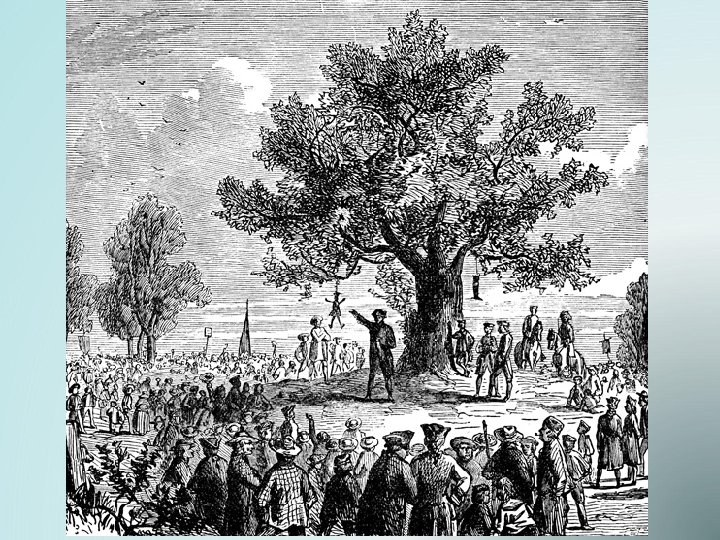
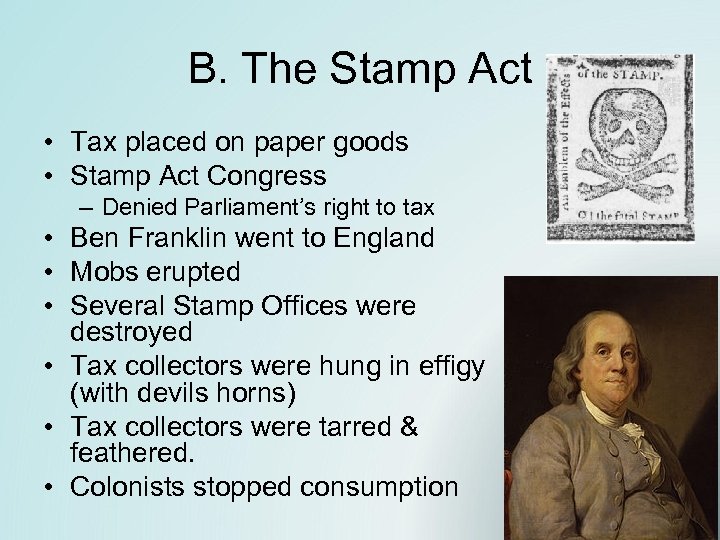 B. The Stamp Act • Tax placed on paper goods • Stamp Act Congress – Denied Parliament’s right to tax • Ben Franklin went to England • Mobs erupted • Several Stamp Offices were destroyed • Tax collectors were hung in effigy (with devils horns) • Tax collectors were tarred & feathered. • Colonists stopped consumption
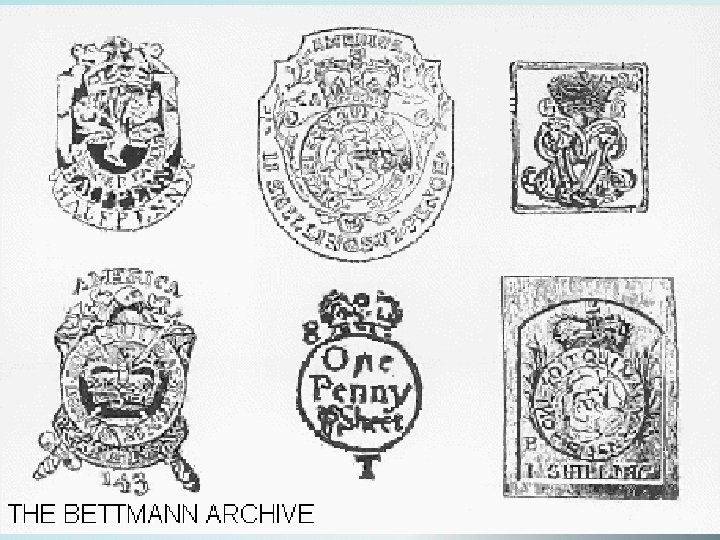
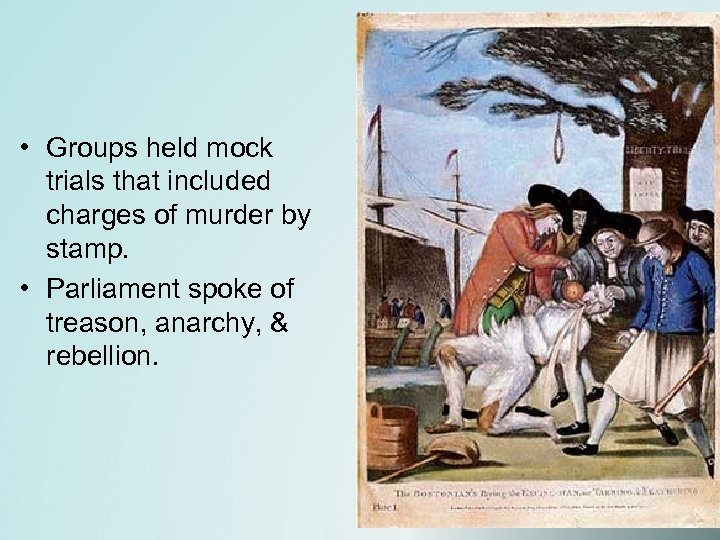 • Groups held mock trials that included charges of murder by stamp. • Parliament spoke of treason, anarchy, & rebellion.
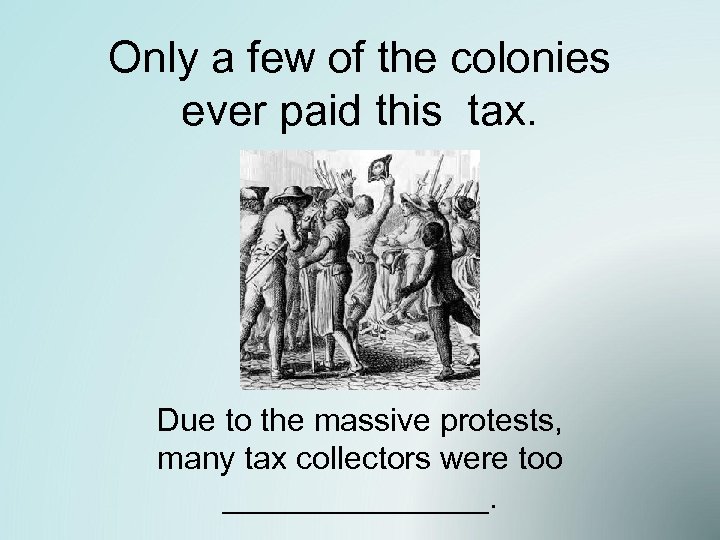 Only a few of the colonies ever paid this tax. Due to the massive protests, many tax collectors were too ________.
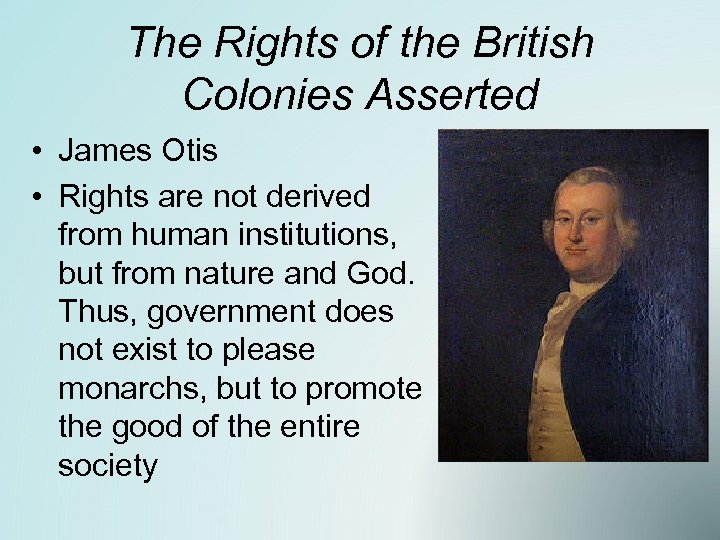 The Rights of the British Colonies Asserted • James Otis • Rights are not derived from human institutions, but from nature and God. Thus, government does not exist to please monarchs, but to promote the good of the entire society
 “No taxation without Representation. ” VA House of Burgess – “we send no representatives to Parliament, they have no authority to tax the colonies. ”
 “Taxation without representation is tyranny. ”
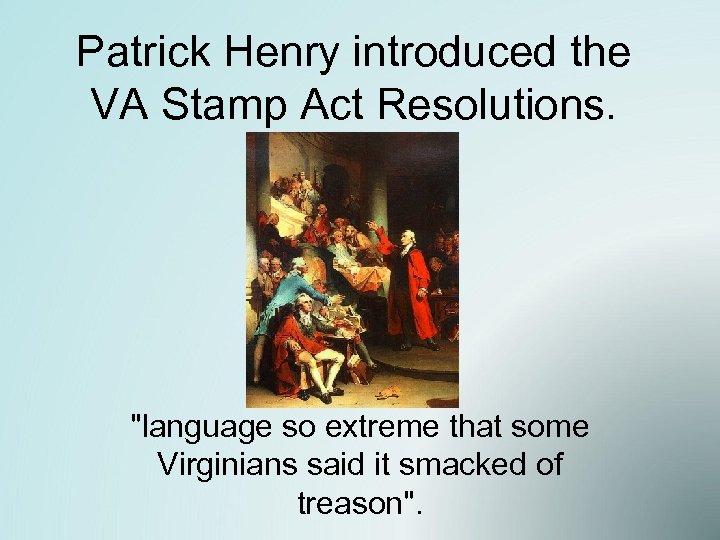 Patrick Henry introduced the VA Stamp Act Resolutions. "language so extreme that some Virginians said it smacked of treason".
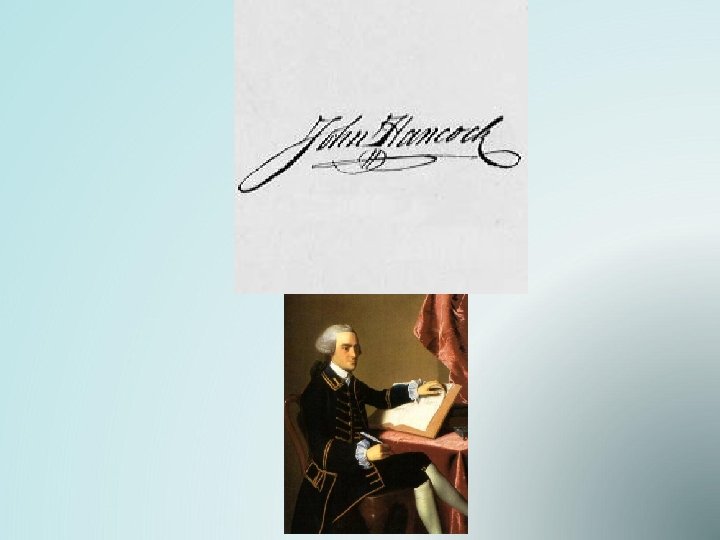
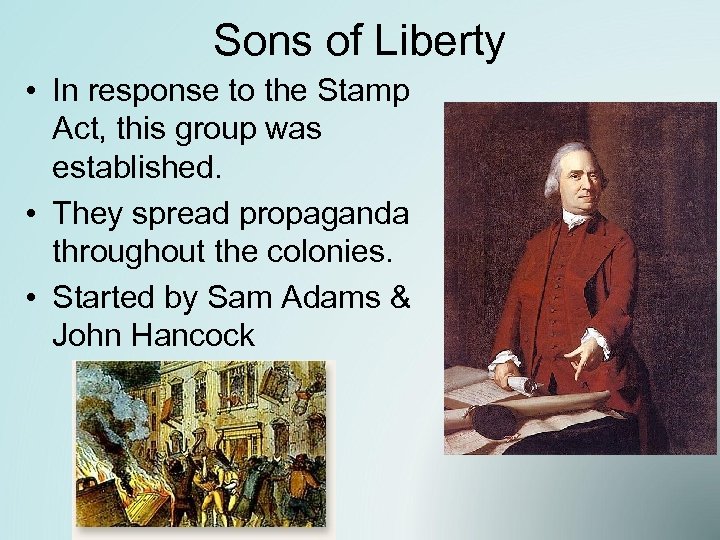 Sons of Liberty • In response to the Stamp Act, this group was established. • They spread propaganda throughout the colonies. • Started by Sam Adams & John Hancock
 Parliament • Repeal would establish & bad precedent. • “Why should we expect them to ever pay if they succeed escaping this one. ” • English merchants were mad. – Colonists stopped consuming goods
 1766 • 1. Parliament repealed the Stamp Act • 2. Parliament passed the Declaratory Act – “The Parliament…. . had, hath, and of right ought to have, full power and authority to make laws and statutes of sufficient force and validity to bind the colonies and people of America. . . in all cases whatsoever".
 Many historians believe the Stamp Act would have led to armed conflict if it had not been repealed.
 5. Conspiracy Theory • The colonists believe that Britain has a vast conspiracy to take away their LIBERTY & reduce them to slavery. – Each tax and act reinforces this belief.
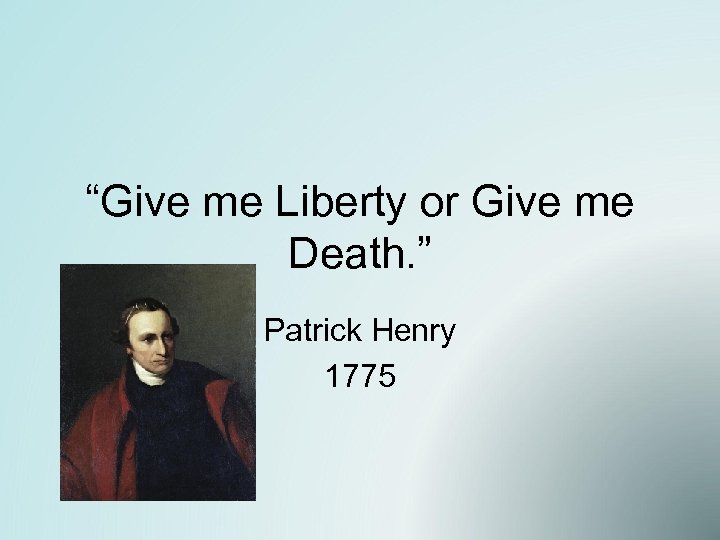 “Give me Liberty or Give me Death. ” Patrick Henry 1775
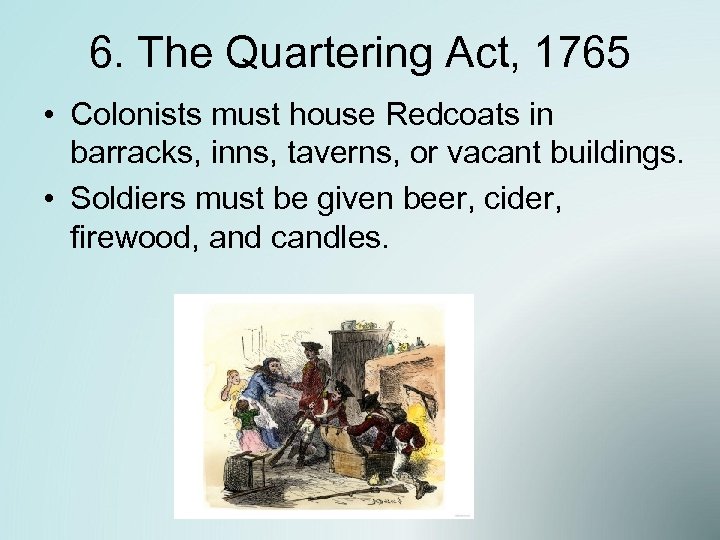 6. The Quartering Act, 1765 • Colonists must house Redcoats in barracks, inns, taverns, or vacant buildings. • Soldiers must be given beer, cider, firewood, and candles.
 The Revolution was not inevitable at this point. There was no real organized movement. Colonists were determined to resist their unconstitutional authority.
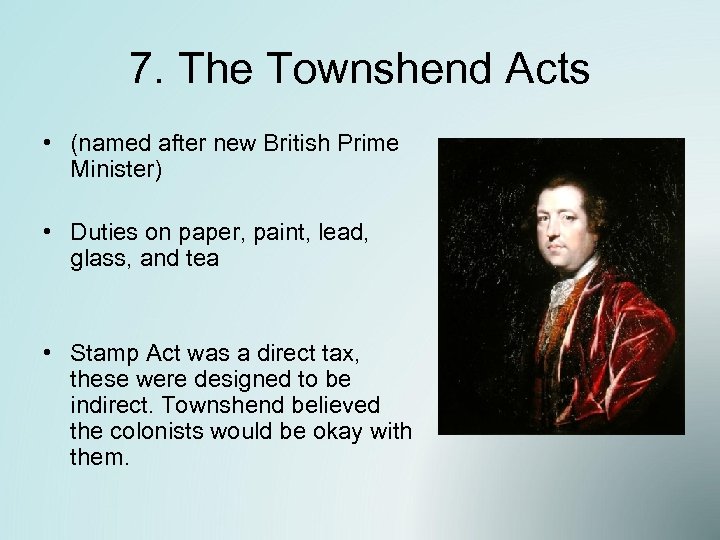 7. The Townshend Acts • (named after new British Prime Minister) • Duties on paper, paint, lead, glass, and tea • Stamp Act was a direct tax, these were designed to be indirect. Townshend believed the colonists would be okay with them.
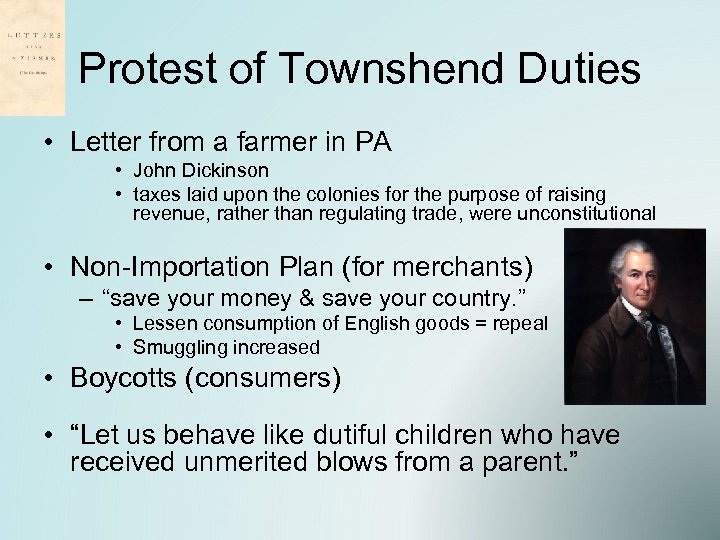 Protest of Townshend Duties • Letter from a farmer in PA • John Dickinson • taxes laid upon the colonies for the purpose of raising revenue, rather than regulating trade, were unconstitutional • Non-Importation Plan (for merchants) – “save your money & save your country. ” • Lessen consumption of English goods = repeal • Smuggling increased • Boycotts (consumers) • “Let us behave like dutiful children who have received unmerited blows from a parent. ”
 Tactics • Businesses who didn’t follow non-importation – – – Boycotted Names published in newspapers Tarred & Feathered Kicked out of Town Shops destroyed Owners hung in effigy • The ______ of _______ was key in organizing the Protest.
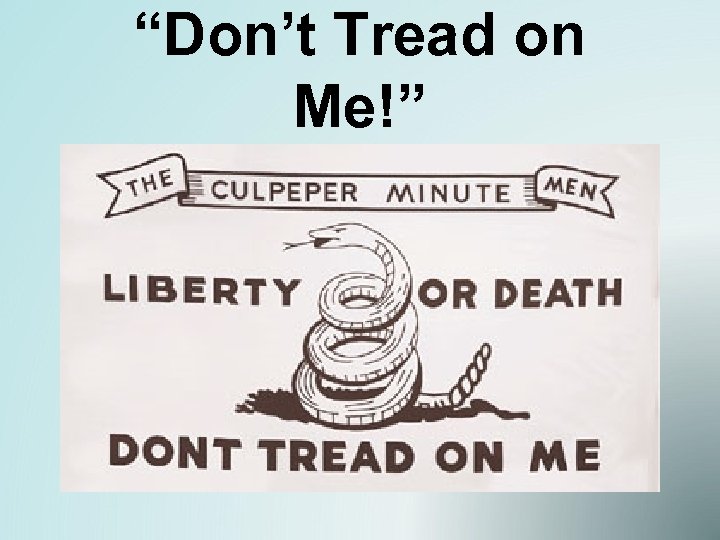 “Don’t Tread on Me!”
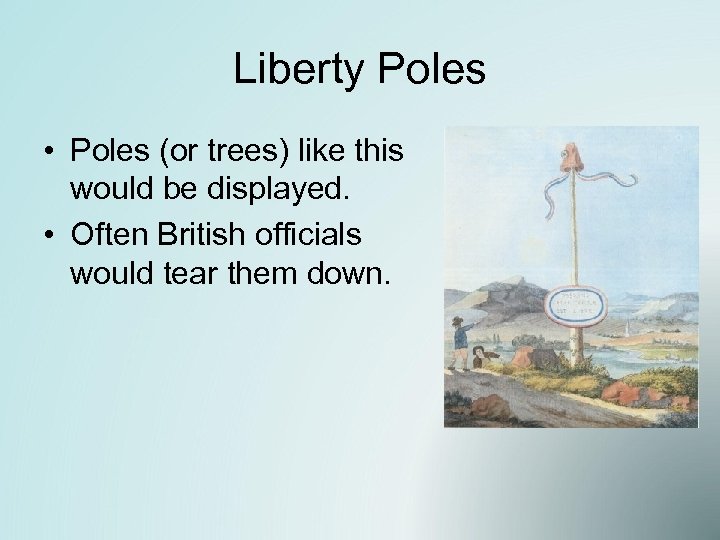 Liberty Poles • Poles (or trees) like this would be displayed. • Often British officials would tear them down.
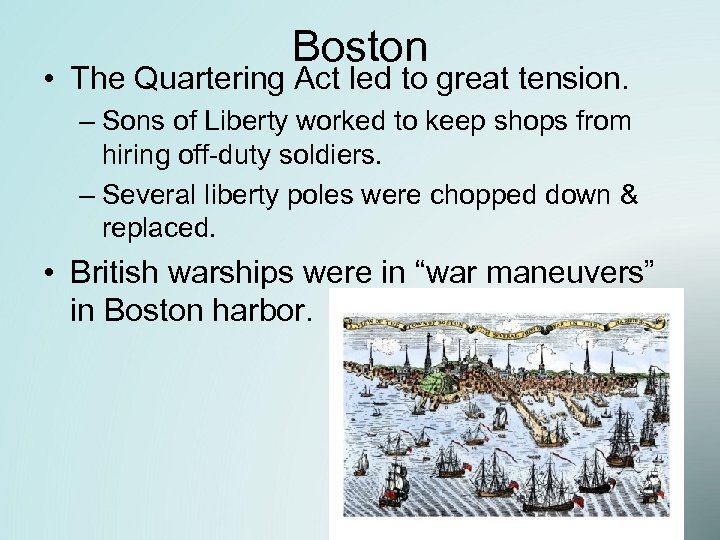 Boston • The Quartering Act led to great tension. – Sons of Liberty worked to keep shops from hiring off-duty soldiers. – Several liberty poles were chopped down & replaced. • British warships were in “war maneuvers” in Boston harbor.
 Tension • • A standing army in the midst Competition over jobs Troops patrolled the city Buildings they occupied were taken illegally. • Conspiracy Fears • Several Brawls occurred
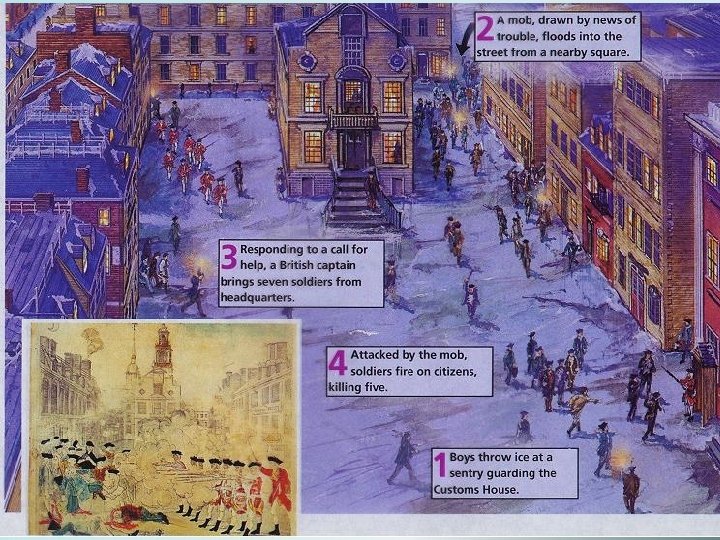
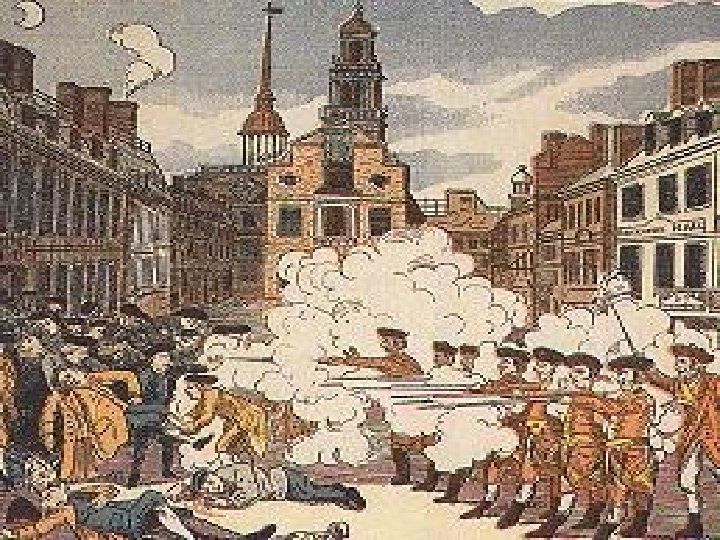
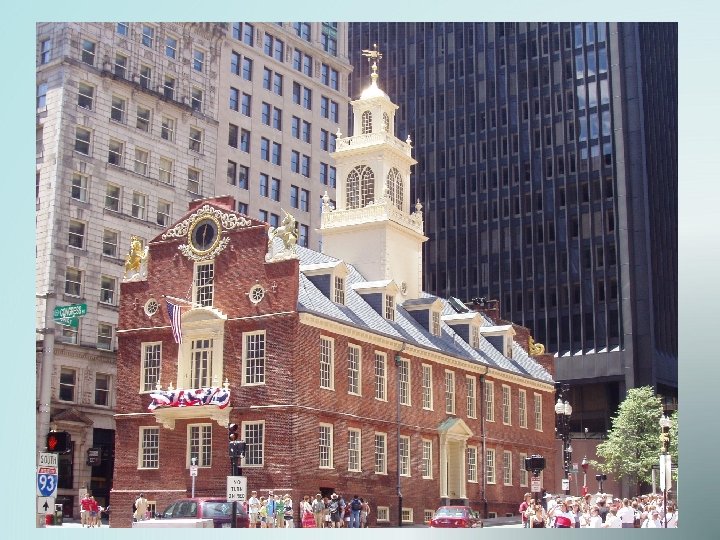
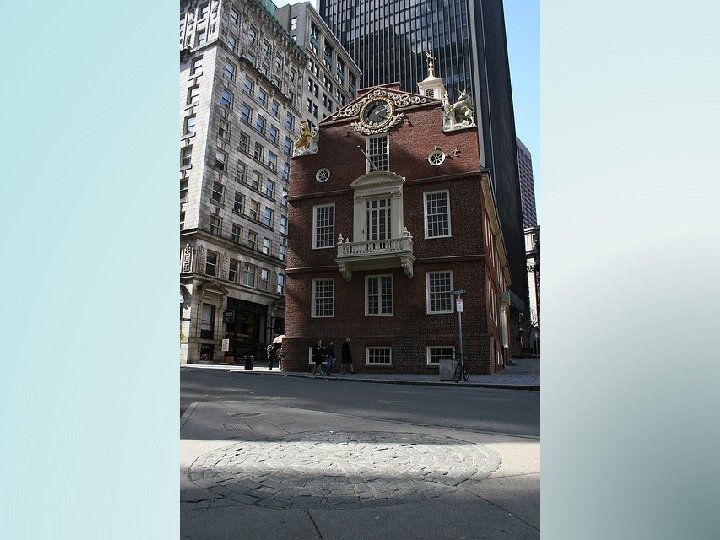
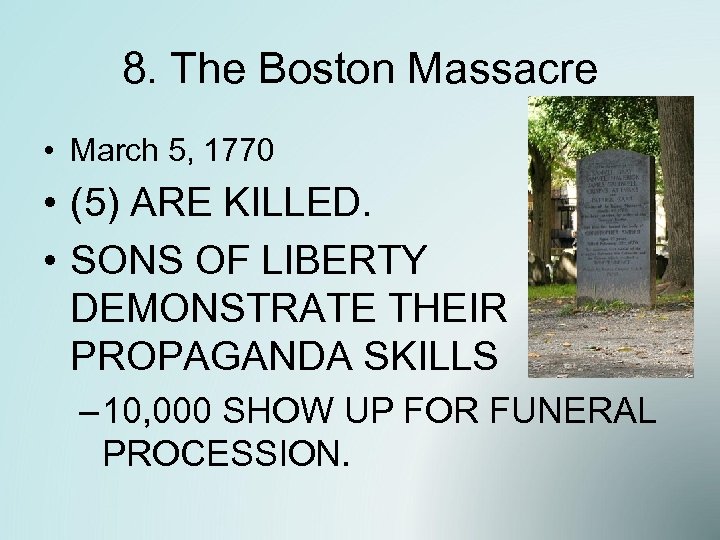 8. The Boston Massacre • March 5, 1770 • (5) ARE KILLED. • SONS OF LIBERTY DEMONSTRATE THEIR PROPAGANDA SKILLS – 10, 000 SHOW UP FOR FUNERAL PROCESSION.
 9. Committees of Correspondence – SAM ADAMS – COLONIES BEGAN TO DISCUSS THEIR PROBLEMS WITH EACH OTHER.
 After 3 years, the Townshend duties are repealed except the tax on tea.
 10. The Tea Act, 1773 • The duty remained what the colonists had been paying for the last 3 years. • The E. India Co. was struggling – It was granted a monopoly & tea prices declined. – Conspiracy fear – this was a part of the plot to enslave the colonies.
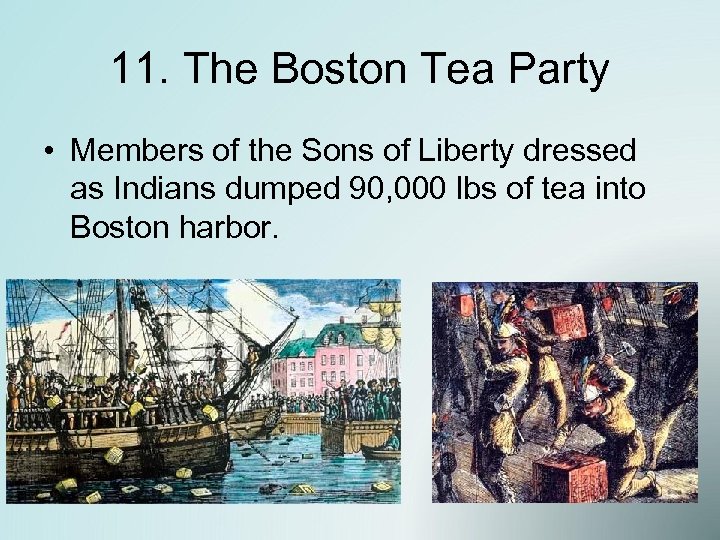 11. The Boston Tea Party • Members of the Sons of Liberty dressed as Indians dumped 90, 000 lbs of tea into Boston harbor.
 What did people think? • British-intolerable insult to British authority called Sam Adams a tough and cunning professional politician and John Hancock a vain businessman • Bostonians-angry that the Brits wanted them to buy cheap tea that undercut local merchants • Southern colonies-the further south, the more they supported Britain
 Make your own political cartoon • Who was involved? • What was the policy/event about? • How did people feel?
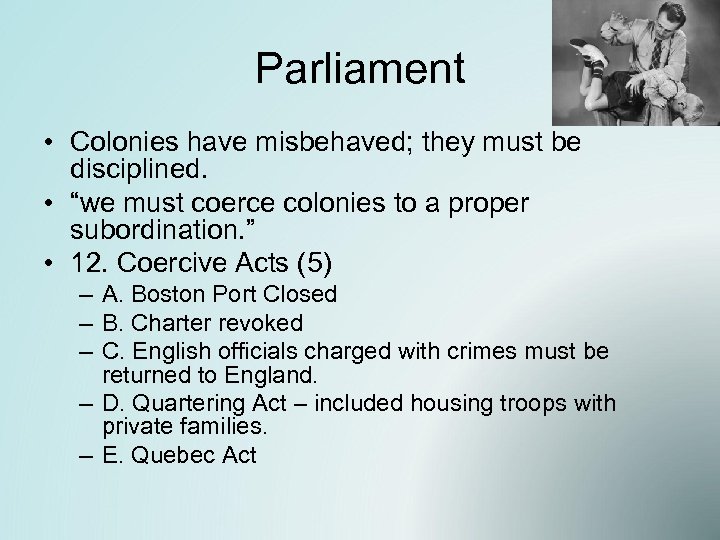 Parliament • Colonies have misbehaved; they must be disciplined. • “we must coerce colonies to a proper subordination. ” • 12. Coercive Acts (5) – A. Boston Port Closed – B. Charter revoked – C. English officials charged with crimes must be returned to England. – D. Quartering Act – included housing troops with private families. – E. Quebec Act
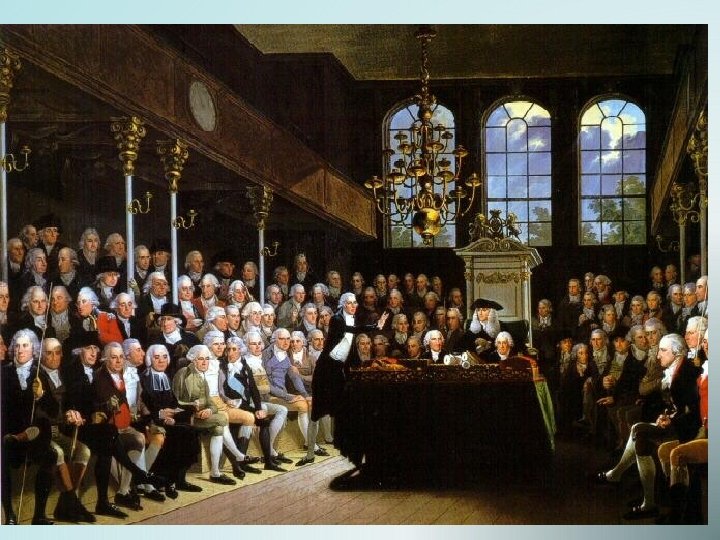
 Colonists called these the Intolerable Acts. A call to suspend all trade was made.
 Ready for War?
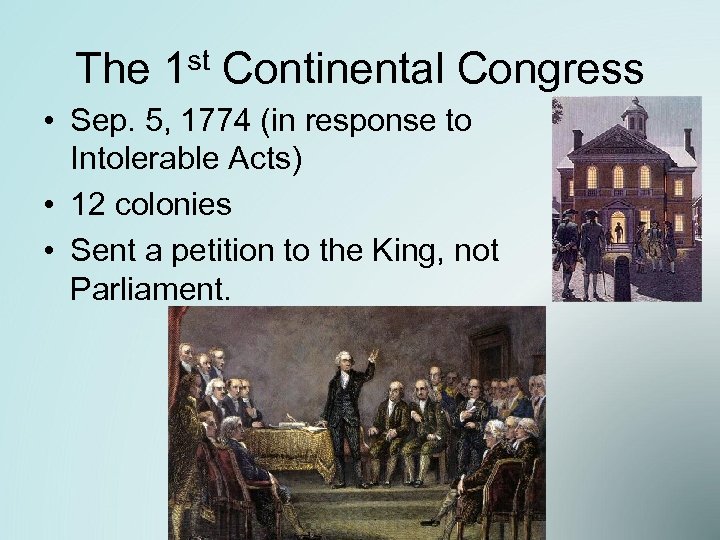 The 1 st Continental Congress • Sep. 5, 1774 (in response to Intolerable Acts) • 12 colonies • Sent a petition to the King, not Parliament.
 Announcements • There will be a quiz today. • Notebooks will be checked and collected today. • Please make sure to use your cell phone only when appropriate.
 New Table of Contents • Skip a page after the stamp act DBQ 1. Townshend Acts Questions 2. Boston Massacre DBQ
 Townshend Duties • We are going to read the secondary document as a class. • Underline words you do not recognize or do not know the meaning of • When we are done reading, form small groups or partners and see if a classmate knows what the word is. • If there is a word no one knows ask me or look it up on your phone • Write what the word means in the margin of your paper.
 Question 1 How did a change in leadership in Parliament contribute to tension between the colonists and England?
 Question 2 What upset British Elites?
 Question 3 What was the purpose of the Revenue Act?
 Question 4 • What was the significance of the Letters from a Pennsylvania Farmer?
 Question 5 How did colonists attempt to resist the Revenue Acts and American Board of Customs Commissioners?
 Question 6 • How did the enforcement of the Townshend duties push colonists closer to independence?
 Boston Massacre DBQ • You may work in groups to complete the DBQ • Groups may be no larger than 4 people • Choose your groups wisely so you can stay on task • If you don’t finish you can take it home • This is a participation grade so stay on task!!
 Week 5 Table of Contents 1. 2. 3. 4. Townshend Acts Reading Boston Massacre DBQ Quick write/Notes-Eve of War The Olive Branch Petition
 Quick write Write a paragraph (5 -7 sentences) about what it would take to consider breaking up with some one you are dating. When is it time to end a relationship or to change it for good? Think about what you would do or say and how the other person might react. Share for 5 extra credit points.
 Essential Question • How did leadership lead to the colonial decision to declare independence from Britain?
 Directions: Boston Massacre DBQ • On the night of March 5, 1770, several Boston residents were shot and killed by British soldiers in what became known as the Boston Massacre. What follows are several images and first-hand accounts from eyewitness to and participants in the event. Following each primary source are questions to help you examine and interpret the information.
 Primary source 1 Report of the Committee of the Town of Boston (patriot viewpoint) On Friday, the 2 d instant, a quarrel arose between some soldiers of the 29 th, and the ropemakers journeymen and apprentices, which was carried to that length, as to become dangerous to the lives of each party, many of them being much wounded.
 Primary Source 1 This contentious disposition continued until the Monday evening following, [March 5 th] when a party of seven or eight soldiers were detached from the main guard, under the command of Captain Preston, and by his orders fired upon the inhabitants promiscuously in King Street, without the least warning of their intention, and killed three on the spot; another has since died of his wounds, and others are dangerously, some it is feared mortally, wounded.
 Primary Source 1 Captain Preston and his party are now in jail. An inquiry is now making into this unhappy affair. . . Sam Adams, John Hancock, and others, Committee of the Town of Boston
 Primary Source 1 Questions 1. What happened on March 2 nd that may have angered Bostonians? 2. Was the Committee report specific about the number of British soldiers? What might that indicate? 3. What words used by the Committee make a strong argument against the British?
 Primary Source 2 Questions 1. Who gave the order to fire? Was it Captain Preston or someone in the patriot crowd? 2. What did the crowd do that may have frightened the soldiers into thinking they might be attacked by the people in the street? 3. What more could Mr. Tant describe after the shots were fired?
 Primary Source 3 Questions 1. At 9: 00 at night, why were the bells ringing in Boston? Was it some sort of signal? 2. The event took place near a customs house. Why might this be important information to consider? 3. From Captain Preston’s point of view, what was the intent of this unruly crowd? 4. How did Captain Preston attempt to settle this matter?
 Primary Source 4 Questions 1. Was the mob becoming more intense and dangerous? What makes you think this way? 2. Which side seems to be at blame for starting the firing of muskets? What evidence from Preston’s testimony made you think this was so? 3. Would Captain Preston have any reason to tell less than the exact truth? Give a reason for your answer.
 Primary Source 5 • 1. Based on this engraving, who looks like the victims, the British soldiers or the American • colonists? Explain. • 2. How would you describe the behavior and actions of the crowd? • 3. How would you describe the behavior and actions of the British soldiers? • 4. Paul Revere, an American, made this engraving. Why is this important information when • interpreting this piece of art?
 Primary Source 6 1. In the text above the coffins, how are the four dead men described? What does this text tell you about the author’s opinion of the Boston Massacre? 2. How did Paul Revere try to make readers feel when they looked at the coffins? What evidence do you have to support your opinions? 3. When Revere created his art, was he considering multiple opinions? Explain your answer and offer evidence.
 Primary Source 7 1. Is John Adams proud of his role as defense attorney for Captain Preston and the other British soldiers? What words or sentences from this quotation support that? 2. John Adams still believed that the term “massacre” was appropriate. Even though he was the defense attorney, what is his reason for making such a statement?
 Essential Question • How did leadership lead to the colonial decision to declare independence? • How did parliament and King George III’s actions result in revolution?
 Directions • Check your table of contents: 1. Townshend Acts Reading 2. Boston Massacre DBQ 3. Quick write/Notes-Eve of War 4. The Olive Branch Petition 5. Common sense 6. Declaration of Independence Take out the notes we started yesterday.
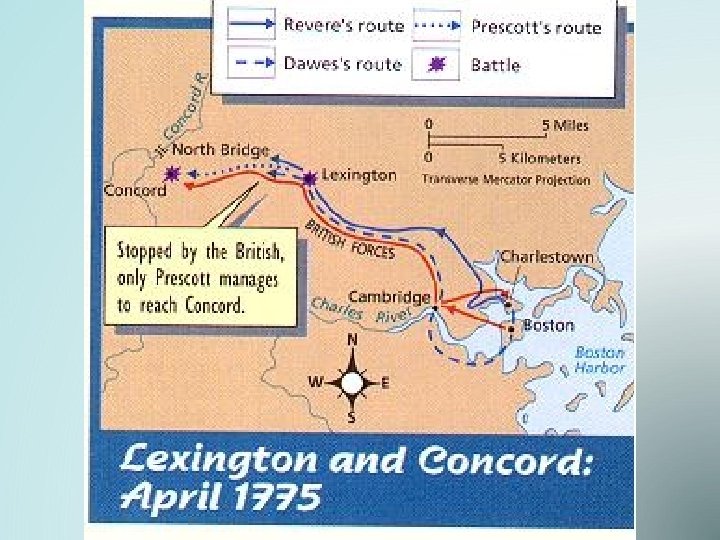
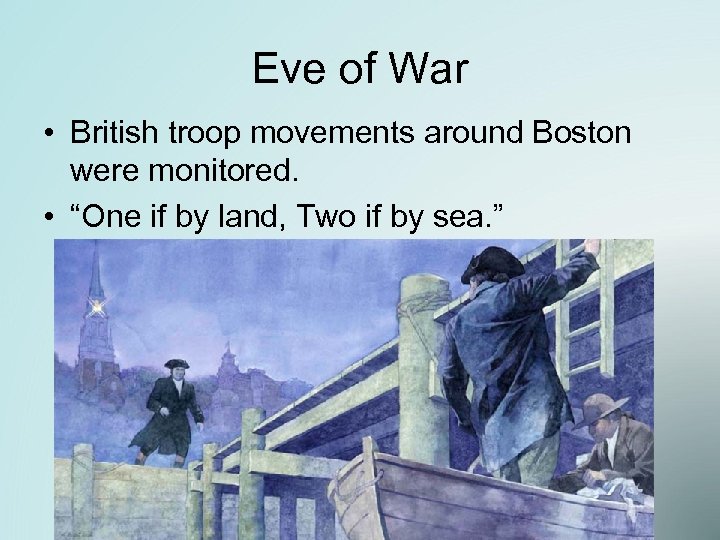 Eve of War • British troop movements around Boston were monitored. • “One if by land, Two if by sea. ”
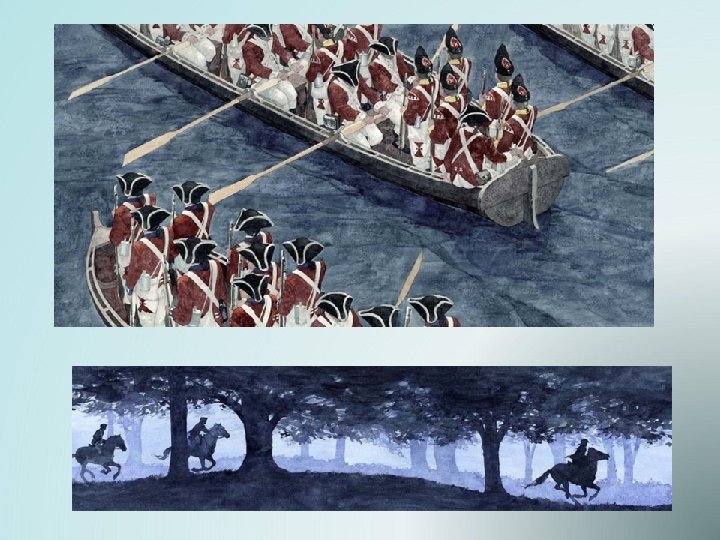
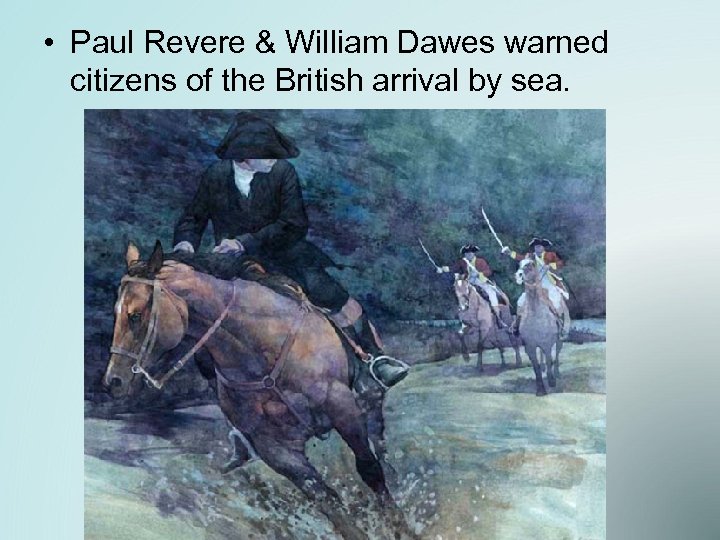 • Paul Revere & William Dawes warned citizens of the British arrival by sea.
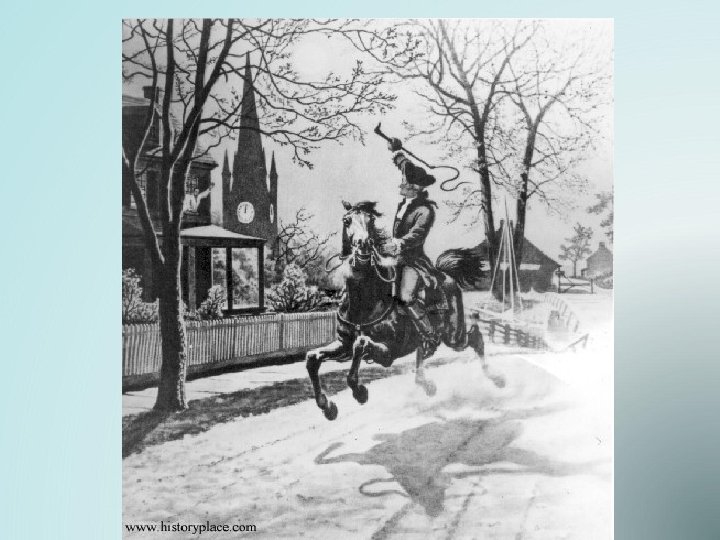
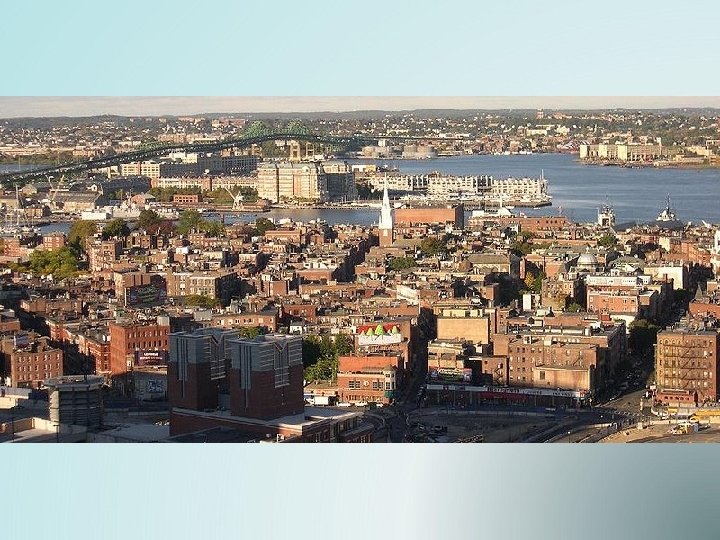
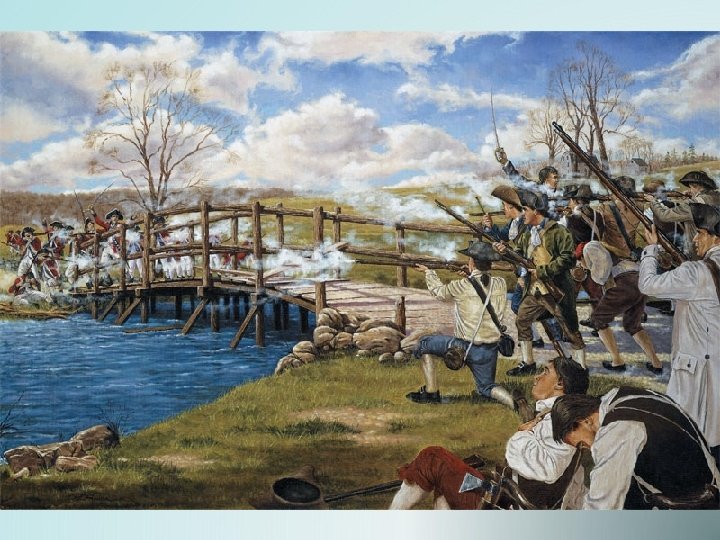
 Lexington & Concord • • “Shot heard round the world” Minutemen Lexington was a 1 -2 minute skirmish Concord saw hand to hand fighting with 273 British casualties to 95 American.
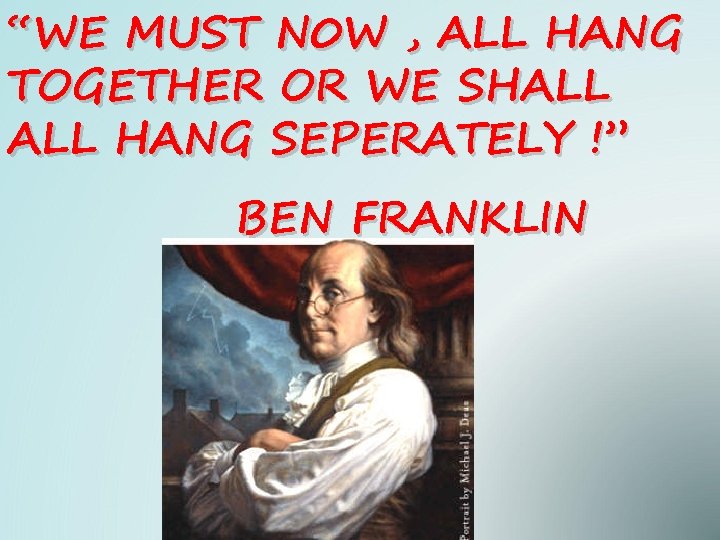 “WE MUST N 0 W , ALL HANG TOGETHER OR WE SHALL HANG SEPERATELY !” BEN FRANKLIN
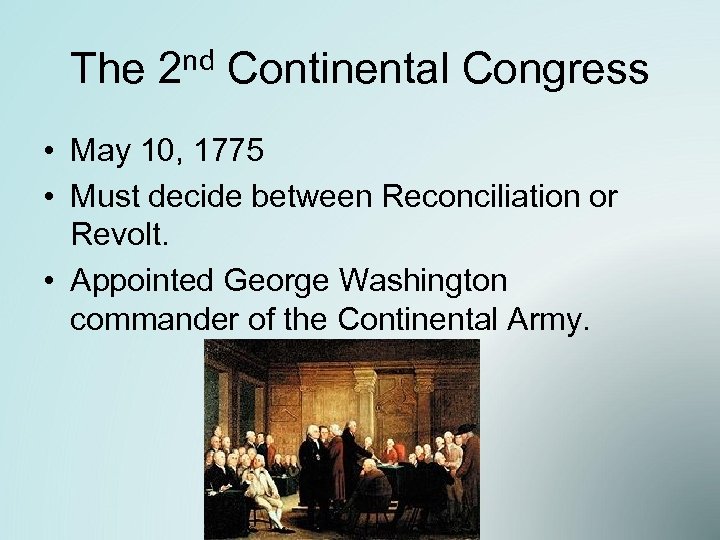 The 2 nd Continental Congress • May 10, 1775 • Must decide between Reconciliation or Revolt. • Appointed George Washington commander of the Continental Army.
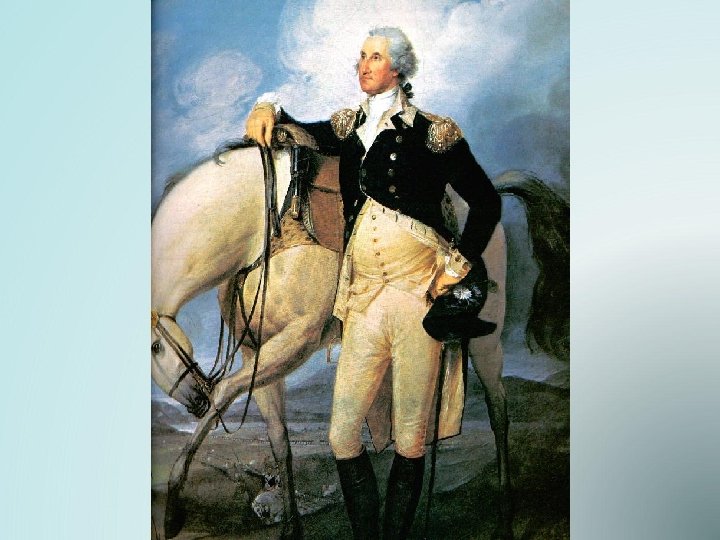
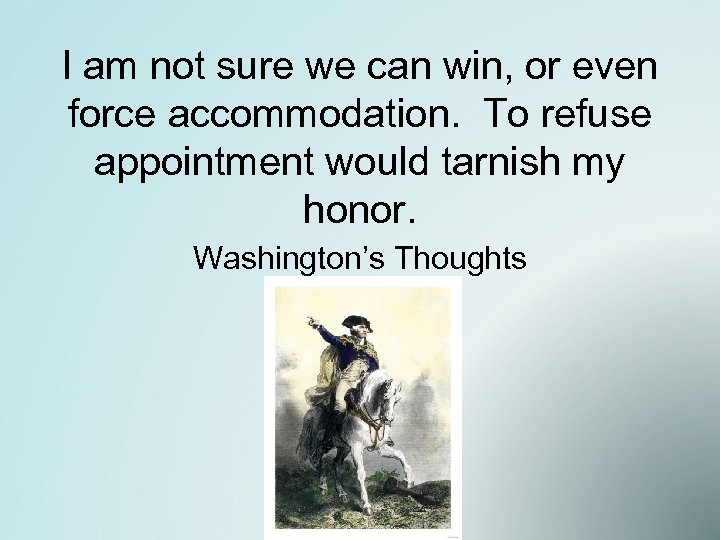 I am not sure we can win, or even force accommodation. To refuse appointment would tarnish my honor. Washington’s Thoughts
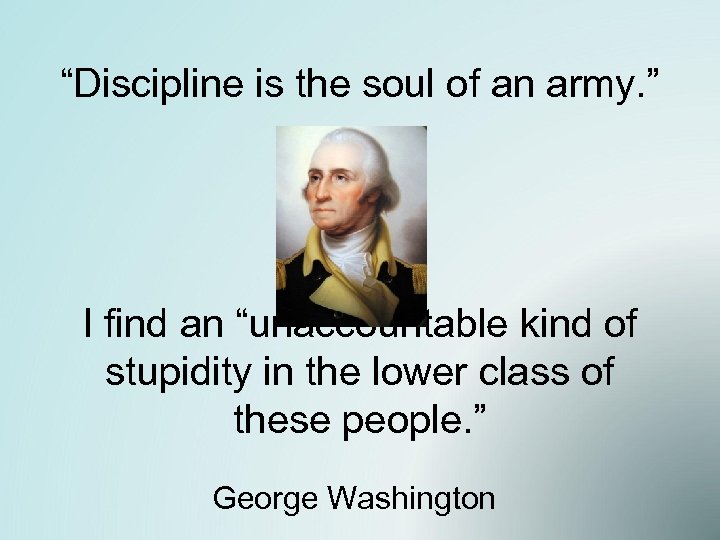 “Discipline is the soul of an army. ” I find an “unaccountable kind of stupidity in the lower class of these people. ” George Washington
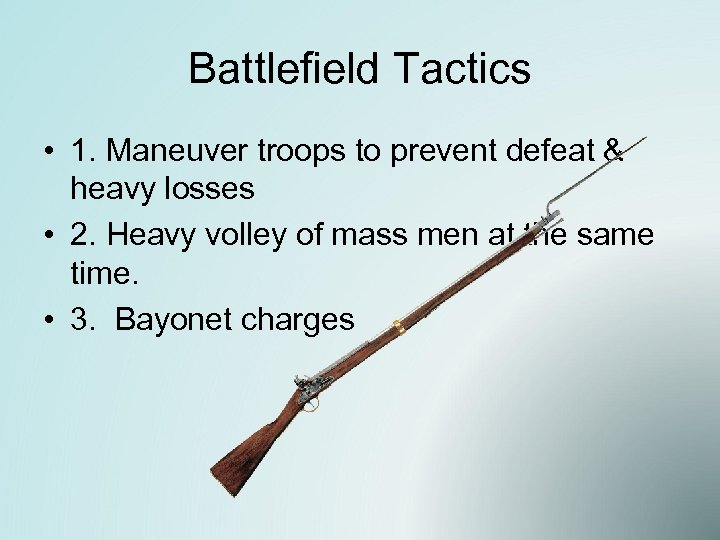 Battlefield Tactics • 1. Maneuver troops to prevent defeat & heavy losses • 2. Heavy volley of mass men at the same time. • 3. Bayonet charges
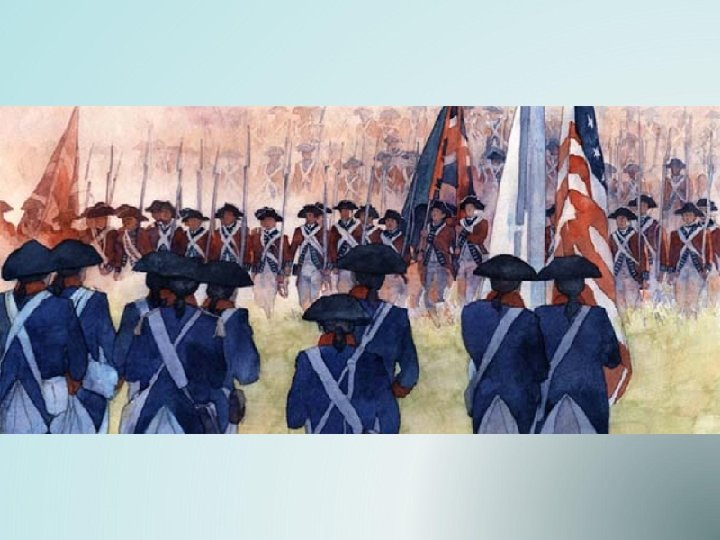
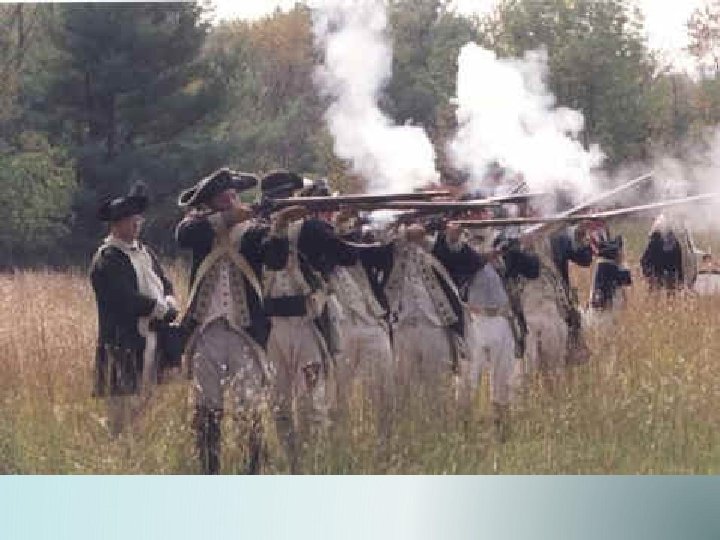
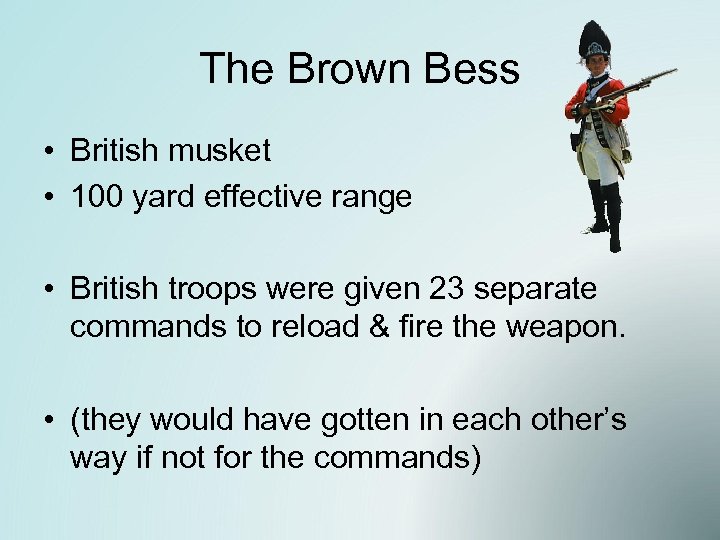 The Brown Bess • British musket • 100 yard effective range • British troops were given 23 separate commands to reload & fire the weapon. • (they would have gotten in each other’s way if not for the commands)
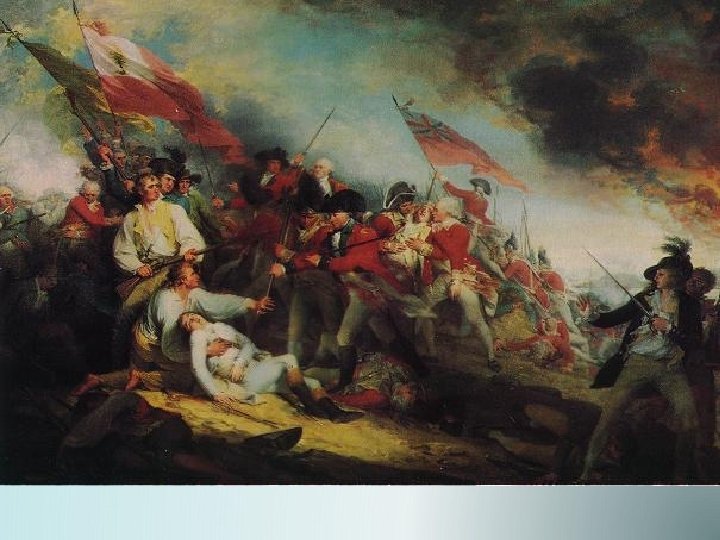
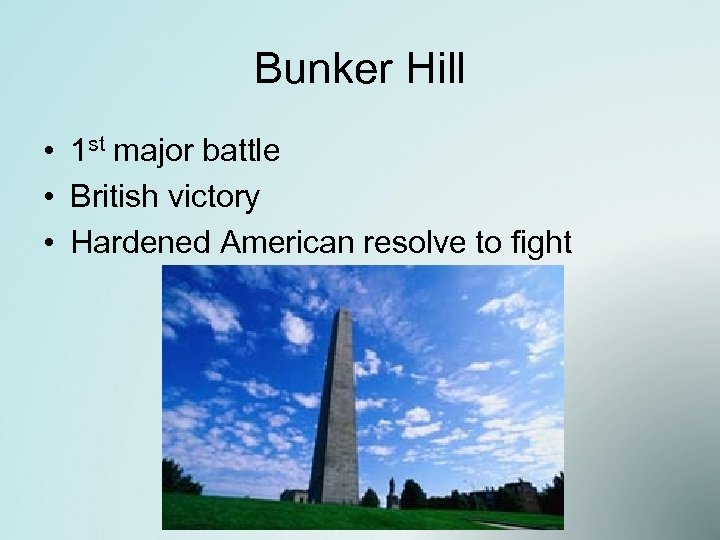 Bunker Hill • 1 st major battle • British victory • Hardened American resolve to fight
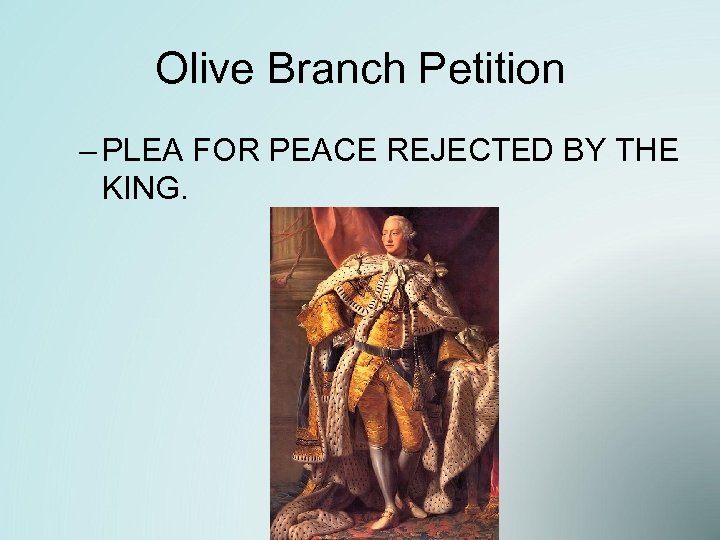 Olive Branch Petition – PLEA FOR PEACE REJECTED BY THE KING.
 The Olive Branch Petition • https: //www. youtube. com/watch? v=w. INSd GHdfkw
 The Olive Branch Petition • adopted by the Second Continental Congress on July 5, 1775, in a final attempt to avoid a full-on war between the Thirteen Colonies • The petition affirmed American loyalty to Great Britain • However, the petition was followed by the July 6 Declaration of the Causes and Necessity of Taking Up Arms, making its success in London improbable. • In August 1775 the colonies were formally declared to be in rebellion by the Proclamation of Rebellion
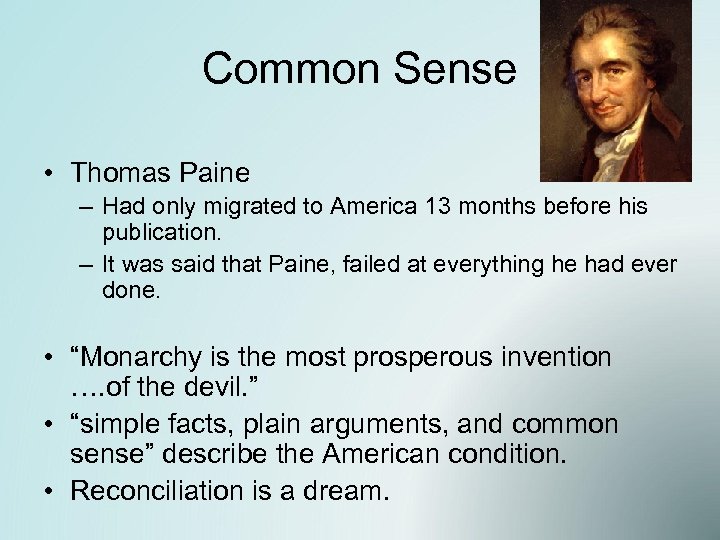 Common Sense • Thomas Paine – Had only migrated to America 13 months before his publication. – It was said that Paine, failed at everything he had ever done. • “Monarchy is the most prosperous invention …. of the devil. ” • “simple facts, plain arguments, and common sense” describe the American condition. • Reconciliation is a dream.
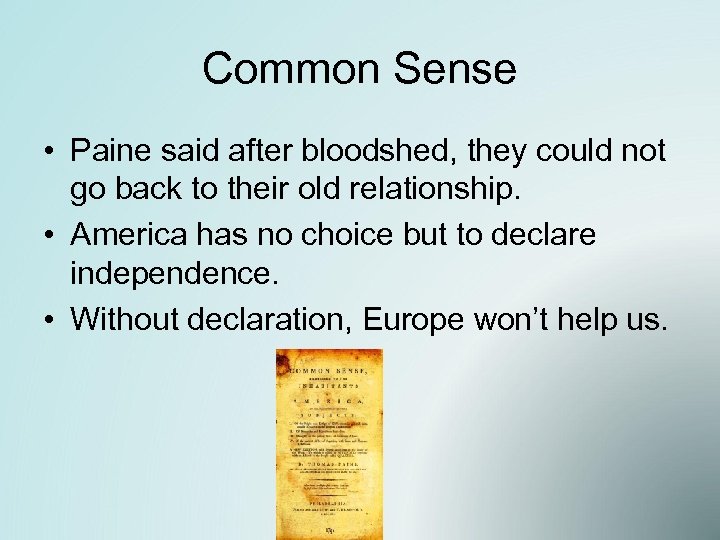 Common Sense • Paine said after bloodshed, they could not go back to their old relationship. • America has no choice but to declare independence. • Without declaration, Europe won’t help us.
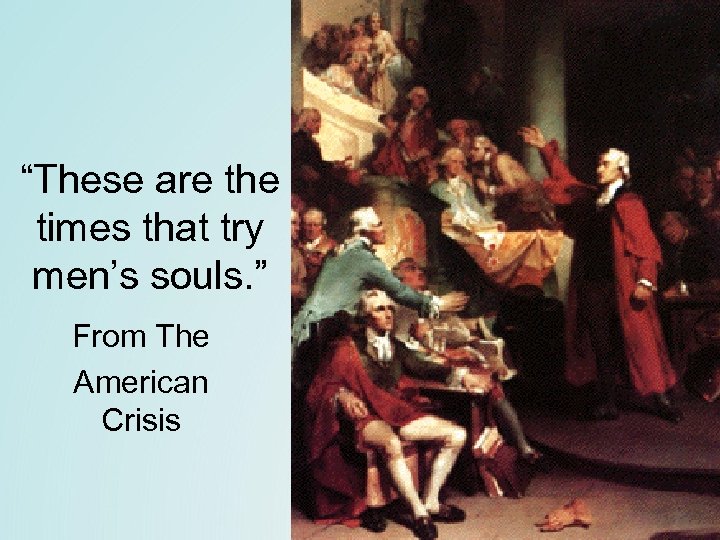 “These are the times that try men’s souls. ” From The American Crisis
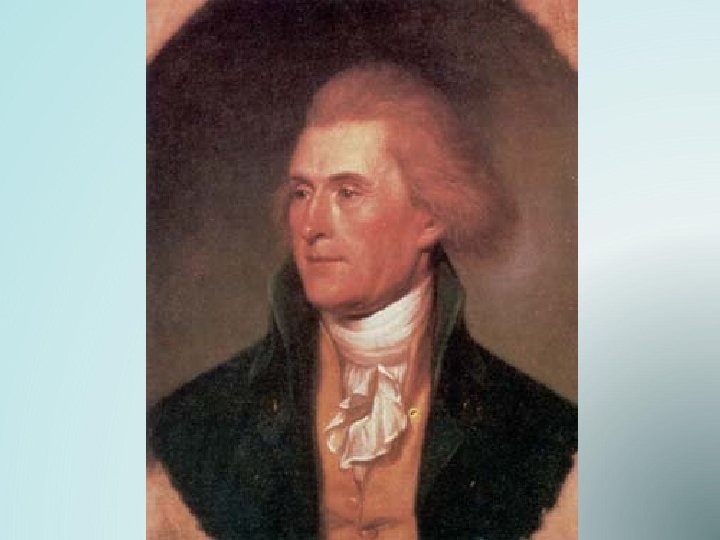
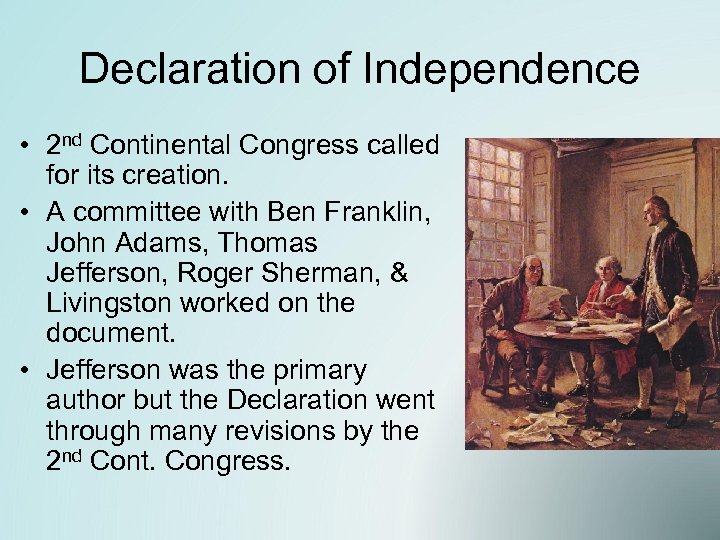 Declaration of Independence • 2 nd Continental Congress called for its creation. • A committee with Ben Franklin, John Adams, Thomas Jefferson, Roger Sherman, & Livingston worked on the document. • Jefferson was the primary author but the Declaration went through many revisions by the 2 nd Cont. Congress.
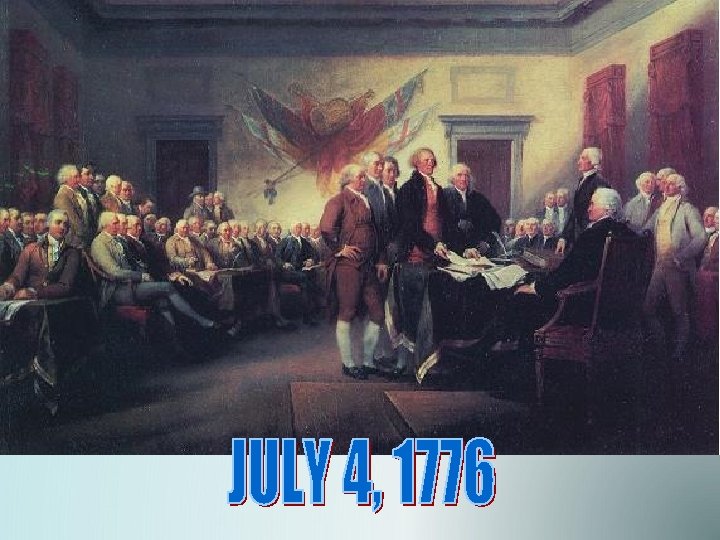
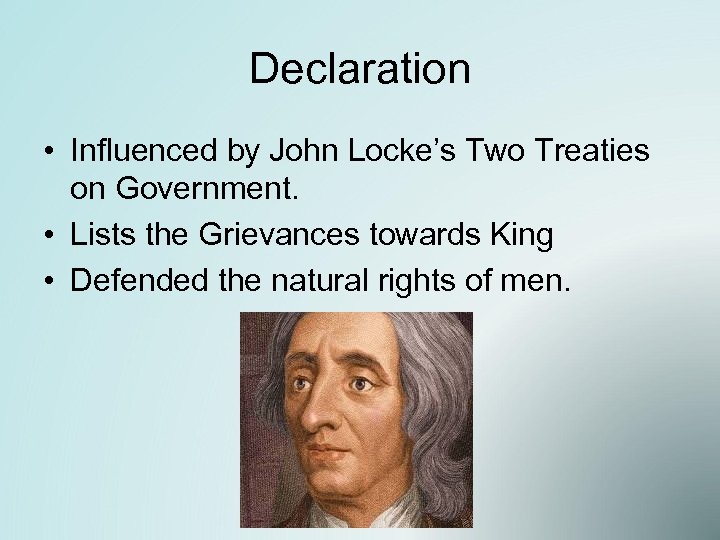 Declaration • Influenced by John Locke’s Two Treaties on Government. • Lists the Grievances towards King • Defended the natural rights of men.
 • “When in the Course of human events it becomes necessary for one people to dissolve the political bands which have connected them…. ” • “…they should declare the causes which impel them to the separation. ”
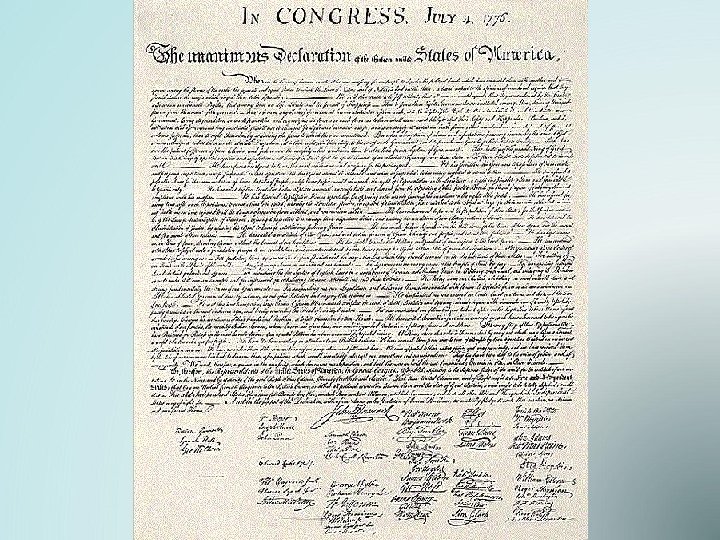
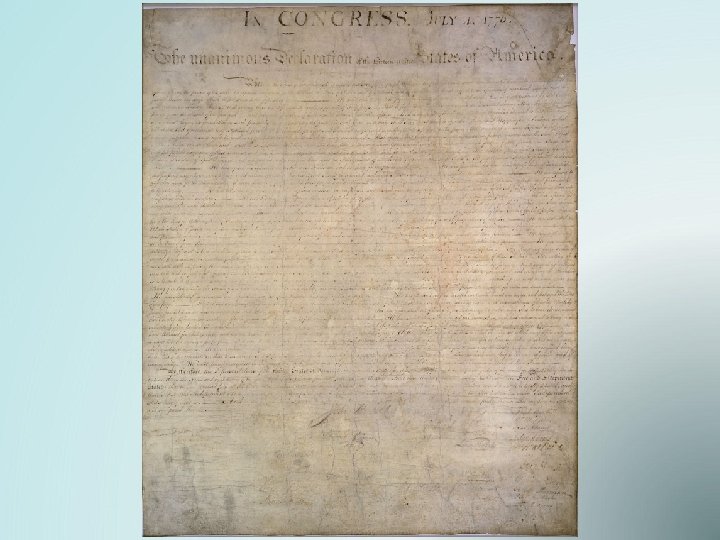
 • “We hold these truths to be self-evident, that all men are created equal, that they are endowed by their Creator with certain unalienable Rights, that among these are Life, Liberty and the pursuit of Happiness. ”
 • “…. . whenever any Form of Government becomes destructive of these ends, it is the Right of the People to alter or to abolish it, and to institute new Government…” • “…a long train of abuses and usurpations, ……. , it is their right, it is their duty, to throw off such Government”
 Declaration of Independence Activity • First part is individual • Second part is group • 3 rd part is individual
 EQ/Warm-up • Britain was one of the greatest military forces of all time, how did the rebel colonies overcome impossible odds to win their freedom from this imperial power? !? • Take out phone and go to Kahoot. it • https: //create. kahoot. it/#quiz/abdfd 3 df 9 bd 5 -4 b 8 c-9 cb 8 -2 f 1452 acfcb 4
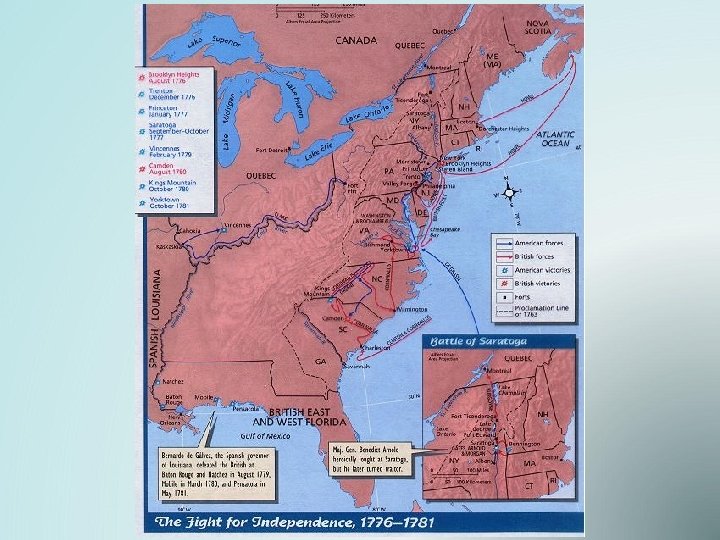
 • The War began with action in New England, New York, and Quebec. • Stayed in the North for the first 3 years.
 Advantages • • • Money Established Govt. Naval Superiority Hessians Tories/ Loyalists Assistance from Native Americans • Bravery • Desperation • Guerilla Warfare
 • Americans had significant disadvantages compared to the British. • They had no national government, no national army or navy, and no financial system, no banks, no established credit, and no functioning government departments, such as a treasury.
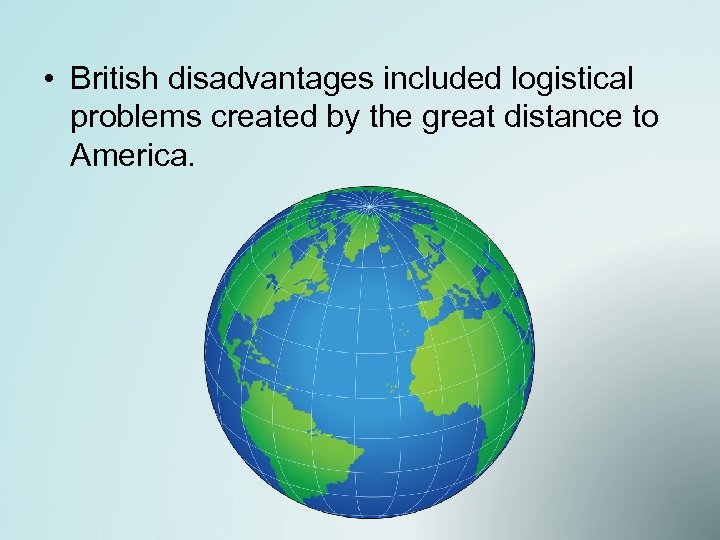 • British disadvantages included logistical problems created by the great distance to America.
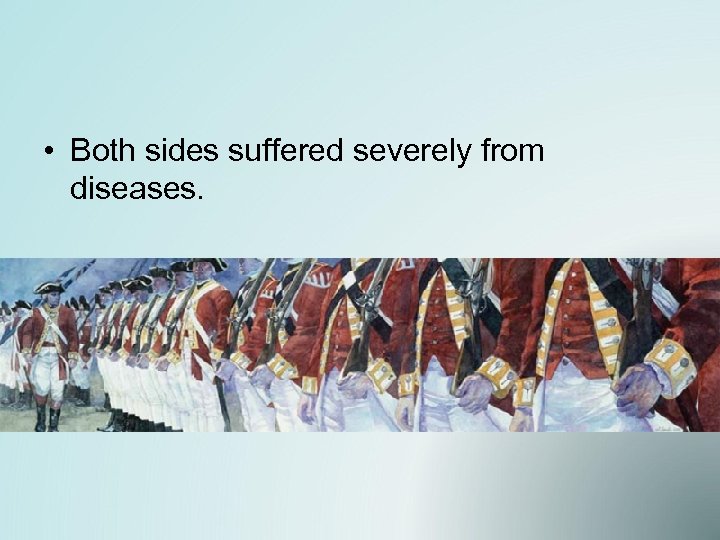 • Both sides suffered severely from diseases.
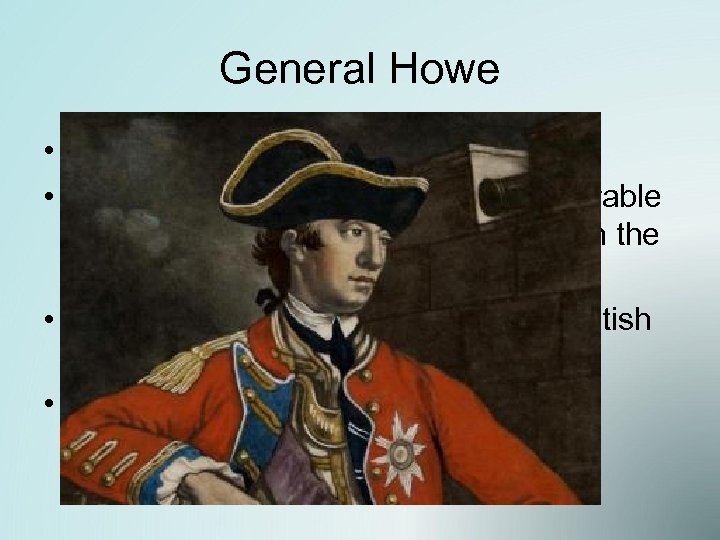 General Howe • Fought in F & I war (knew the terrain) • Originally against the Coercive/Intolerable Acts and supported reconciliation with the colonists • British win @ Bunker Hill but 1000 British soldiers die • Howe changes his mind about the colonists calling them “rebels to be crushed”
 Battle for New York City • Biggest British Victory of the war • British will occupy for most of the revolution (7 yrs, revolution from 17751783) • Let’s hear it from Washington’s point of view, It’s Hamilton time!
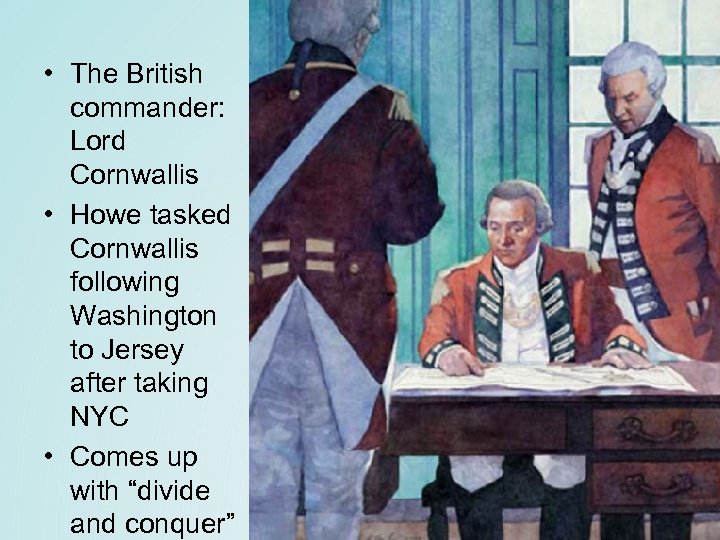 • The British commander: Lord Cornwallis • Howe tasked Cornwallis following Washington to Jersey after taking NYC • Comes up with “divide and conquer”
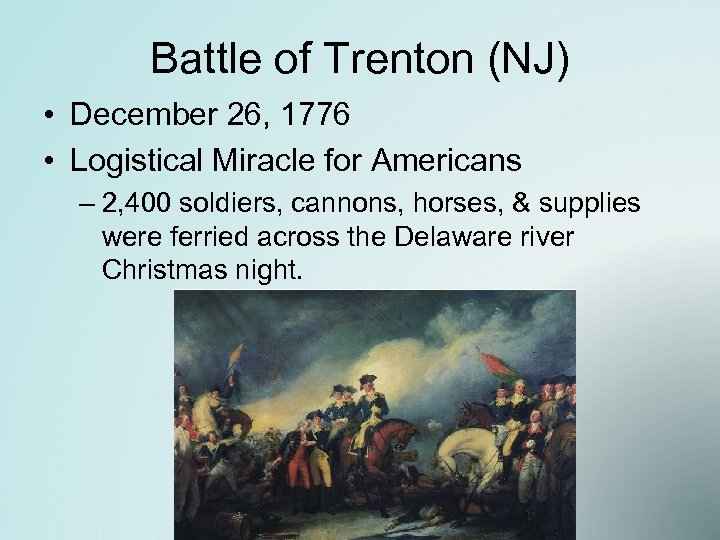 Battle of Trenton (NJ) • December 26, 1776 • Logistical Miracle for Americans – 2, 400 soldiers, cannons, horses, & supplies were ferried across the Delaware river Christmas night.
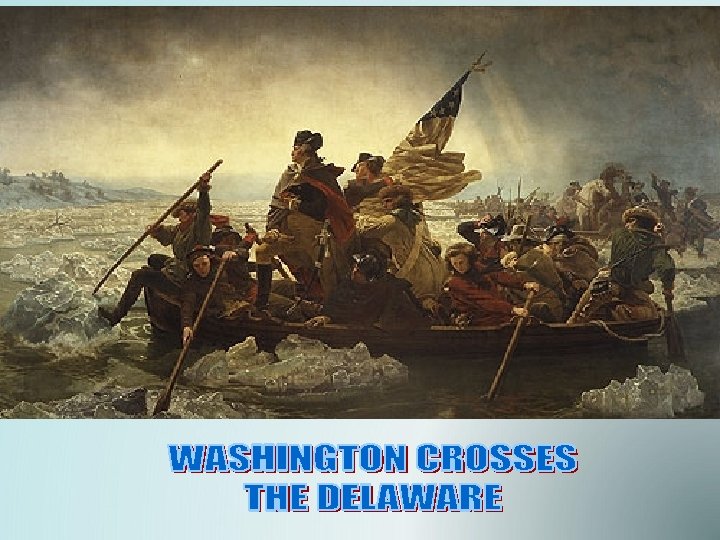
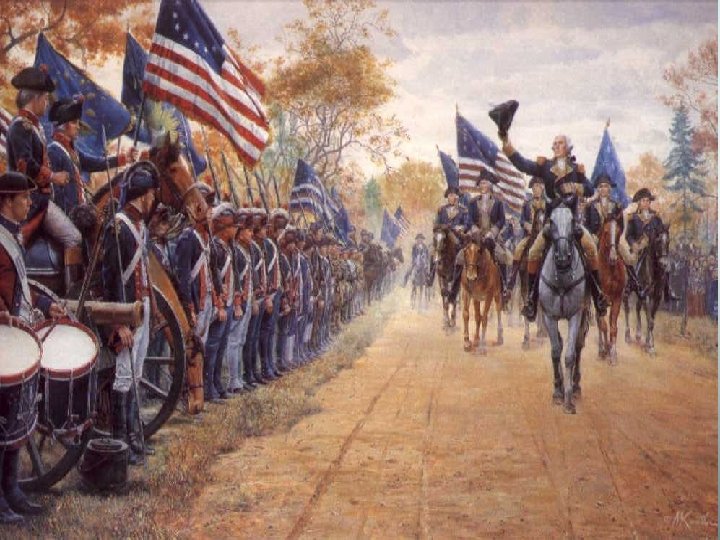
 • The Hessians were surprised and nearly 1000 were captured. Americans suffered practically no loses. • This victory was a HUGE boost for American morale.
 Video Clip • https: //www. youtube. com/watch? v=KFY 7 s_YIAU • https: //www. youtube. com/watch? v=YPy 3 o 1 v. Ga. H 4
 Get ready, notebook out! • EQ-Same as Friday • Warm-up-Grab a Road to Revolution handout from the podium and get to work! • Today we will: watch a 10 minute clip about the Battle of Saratoga
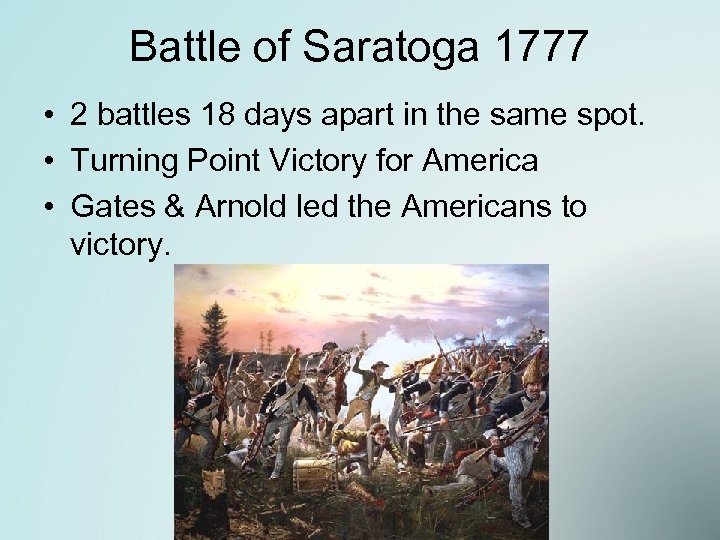 Battle of Saratoga 1777 • 2 battles 18 days apart in the same spot. • Turning Point Victory for America • Gates & Arnold led the Americans to victory.
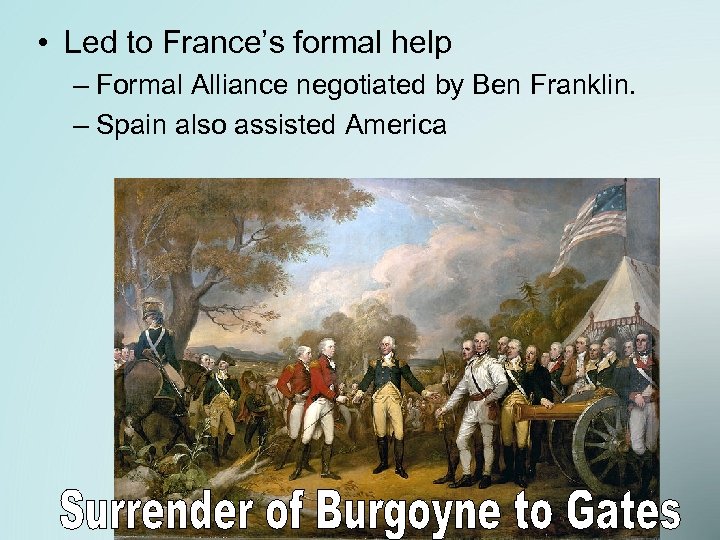 • Led to France’s formal help – Formal Alliance negotiated by Ben Franklin. – Spain also assisted America
 • The American army had major problems with desertion. – Troops had inadequate supplies
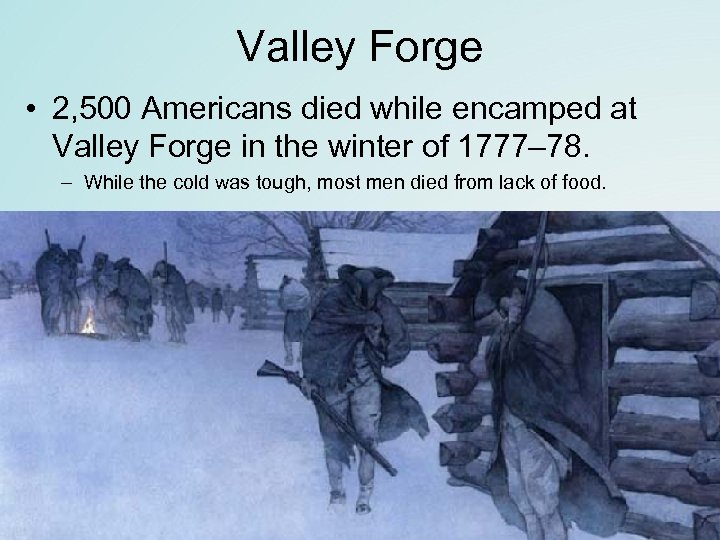 Valley Forge • 2, 500 Americans died while encamped at Valley Forge in the winter of 1777– 78. – While the cold was tough, most men died from lack of food.
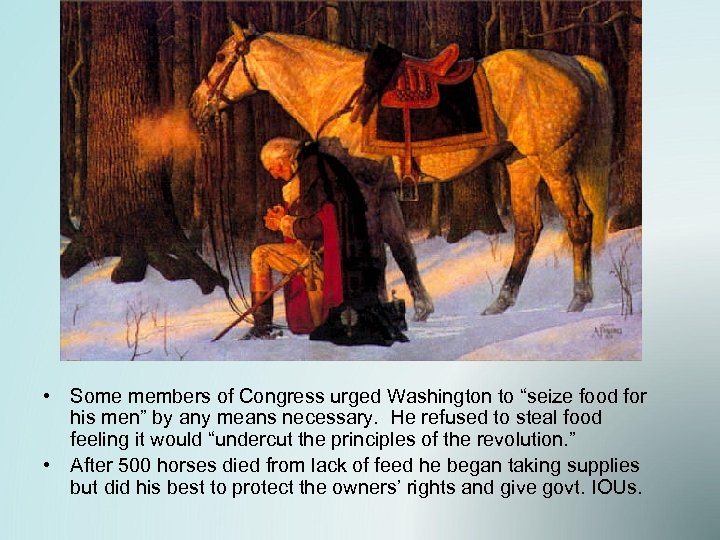 • Some members of Congress urged Washington to “seize food for his men” by any means necessary. He refused to steal food feeling it would “undercut the principles of the revolution. ” • After 500 horses died from lack of feed he began taking supplies but did his best to protect the owners’ rights and give govt. IOUs.
 • Many Pennsylvania farmers preferred to sell their food to the British who paid cash.
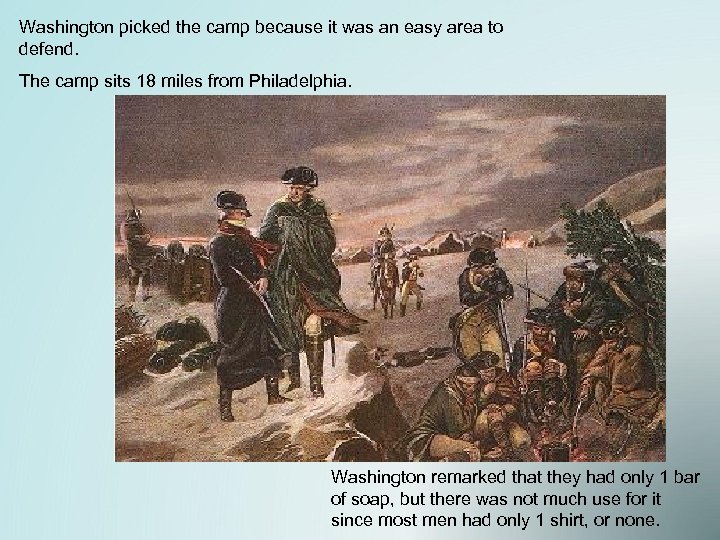 Washington picked the camp because it was an easy area to defend. The camp sits 18 miles from Philadelphia. Washington remarked that they had only 1 bar of soap, but there was not much use for it since most men had only 1 shirt, or none.
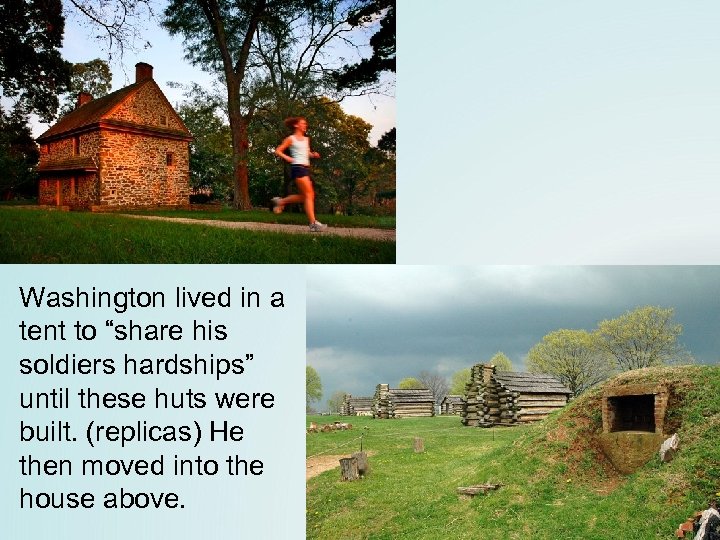 Washington lived in a tent to “share his soldiers hardships” until these huts were built. (replicas) He then moved into the house above.
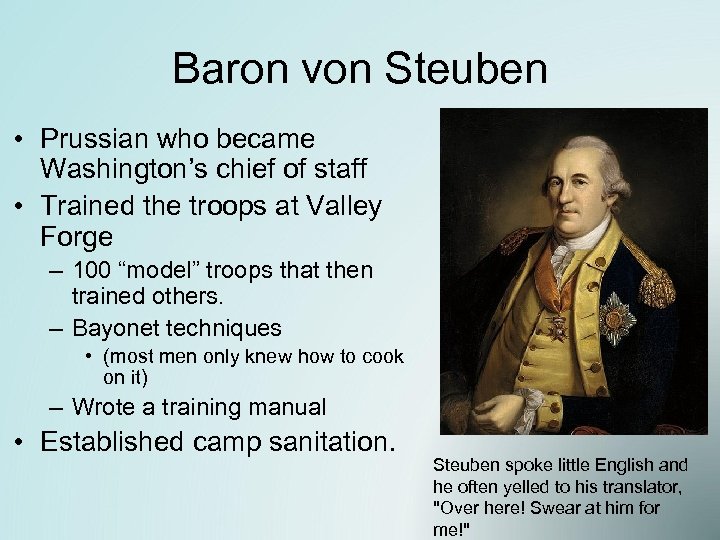 Baron von Steuben • Prussian who became Washington’s chief of staff • Trained the troops at Valley Forge – 100 “model” troops that then trained others. – Bayonet techniques • (most men only knew how to cook on it) – Wrote a training manual • Established camp sanitation. Steuben spoke little English and he often yelled to his translator, "Over here! Swear at him for me!"
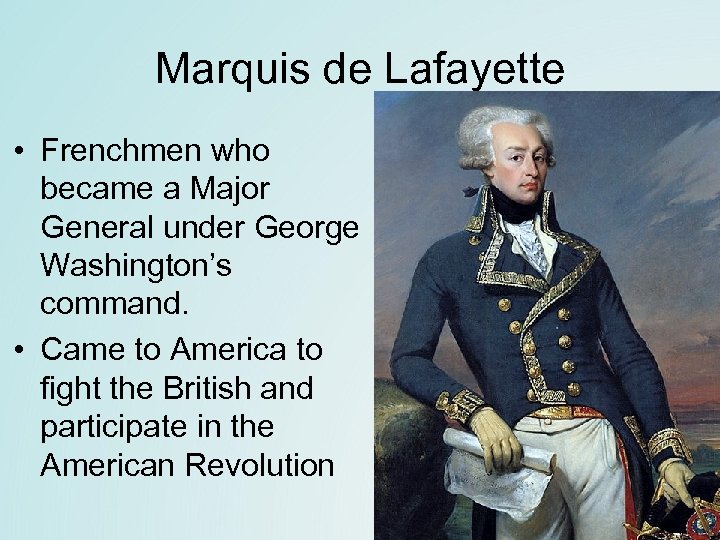 Marquis de Lafayette • Frenchmen who became a Major General under George Washington’s command. • Came to America to fight the British and participate in the American Revolution
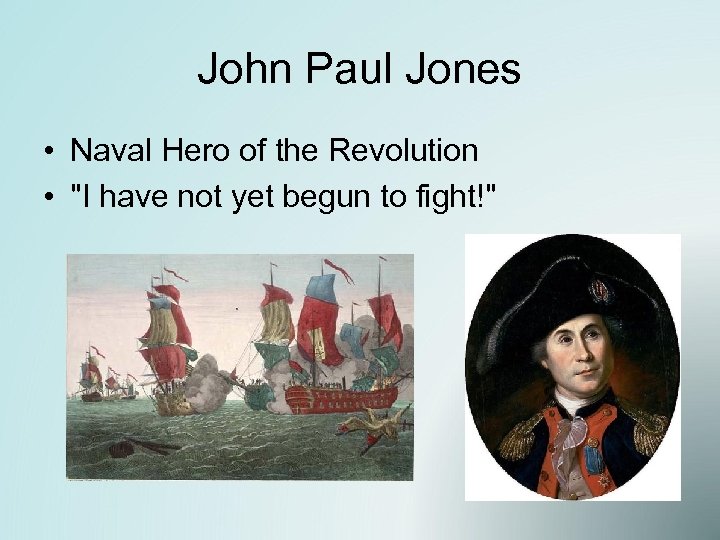 John Paul Jones • Naval Hero of the Revolution • "I have not yet begun to fight!"
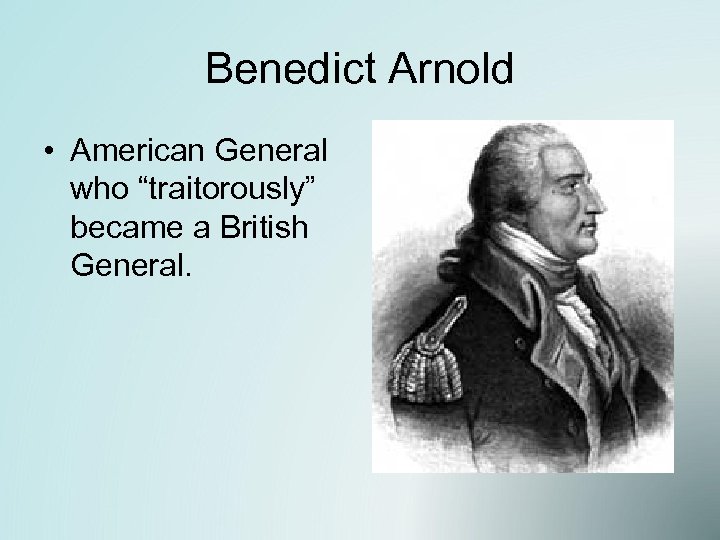 Benedict Arnold • American General who “traitorously” became a British General.
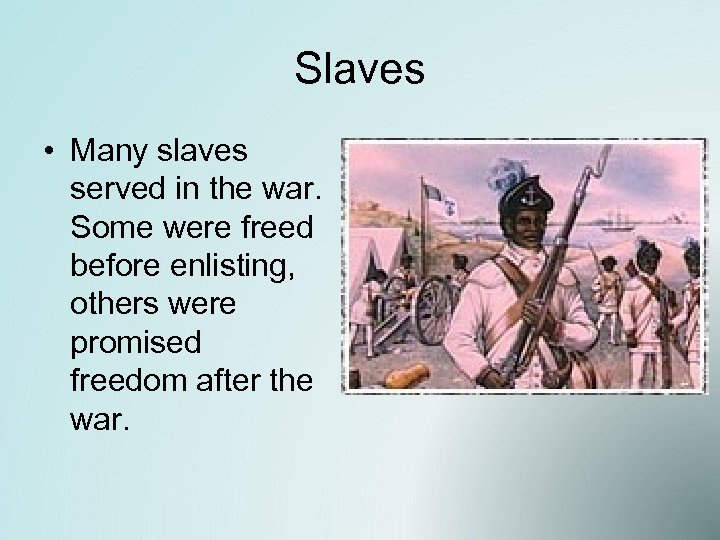 Slaves • Many slaves served in the war. Some were freed before enlisting, others were promised freedom after the war.
 EQ • How does a ragtag volunteer army in need of a shower somehow defeat a global superpower? • What effect does this have in America and around the world?
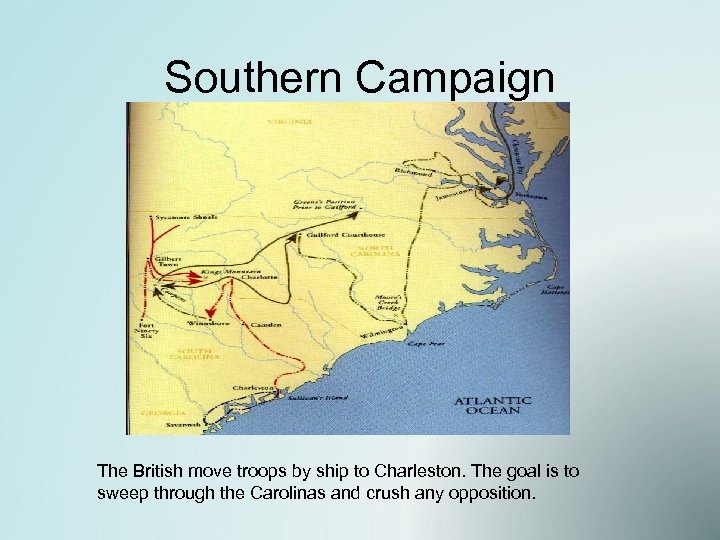 Southern Campaign The British move troops by ship to Charleston. The goal is to sweep through the Carolinas and crush any opposition.
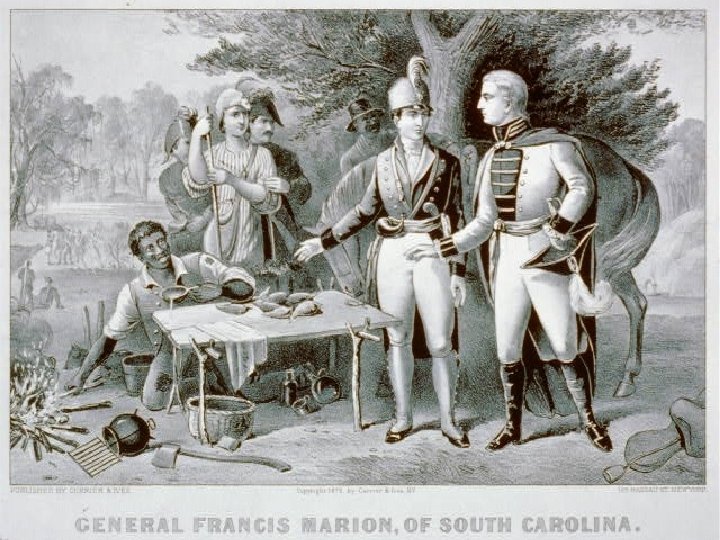
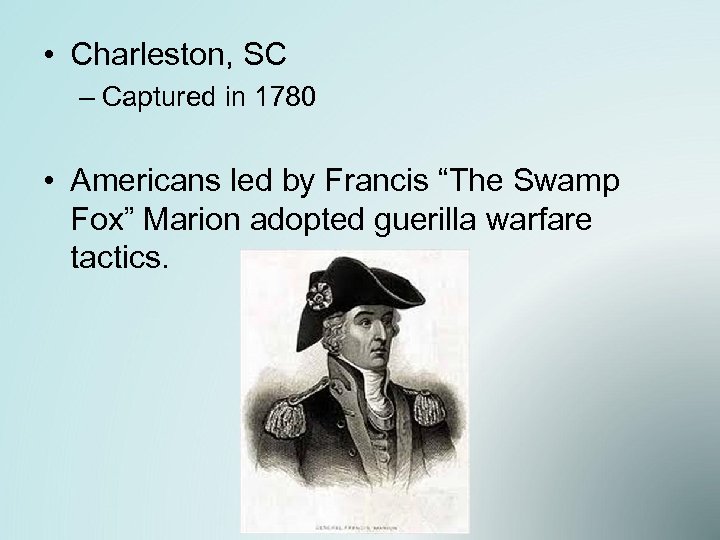 • Charleston, SC – Captured in 1780 • Americans led by Francis “The Swamp Fox” Marion adopted guerilla warfare tactics.
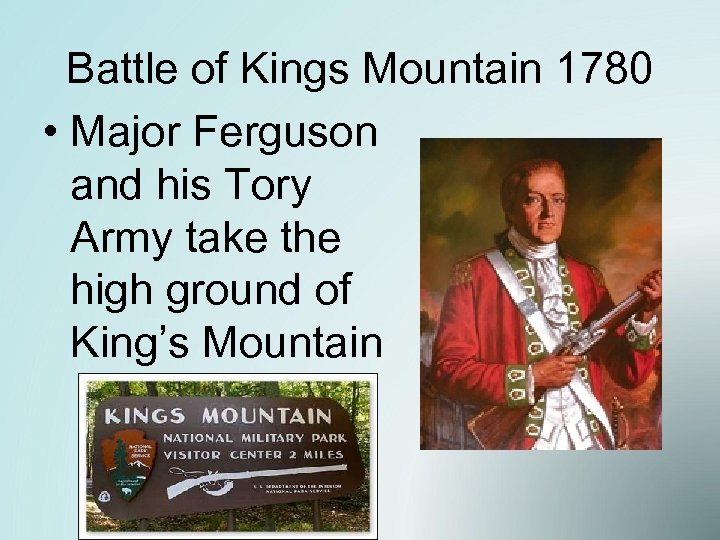 Battle of Kings Mountain 1780 • Major Ferguson and his Tory Army take the high ground of King’s Mountain
 Ferguson’s Message to Rebels “if they did not desist from their opposition to the British arms, he would march his army over the mountains, hang their leaders, and lay their country waste with fire and sword. ”
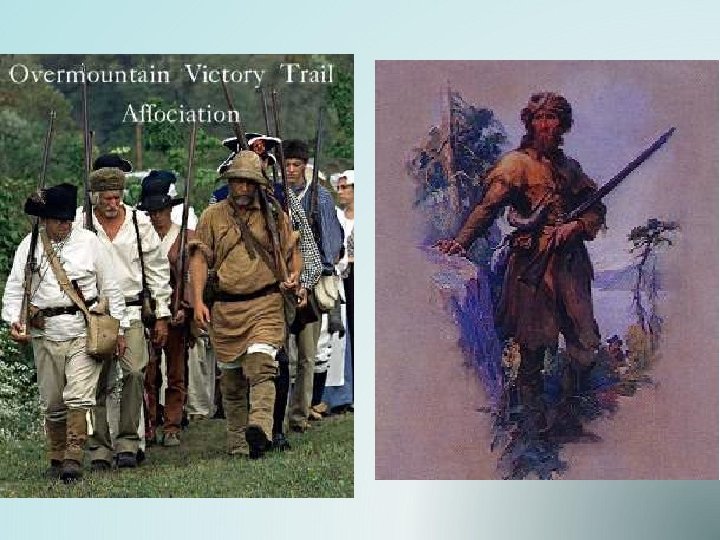
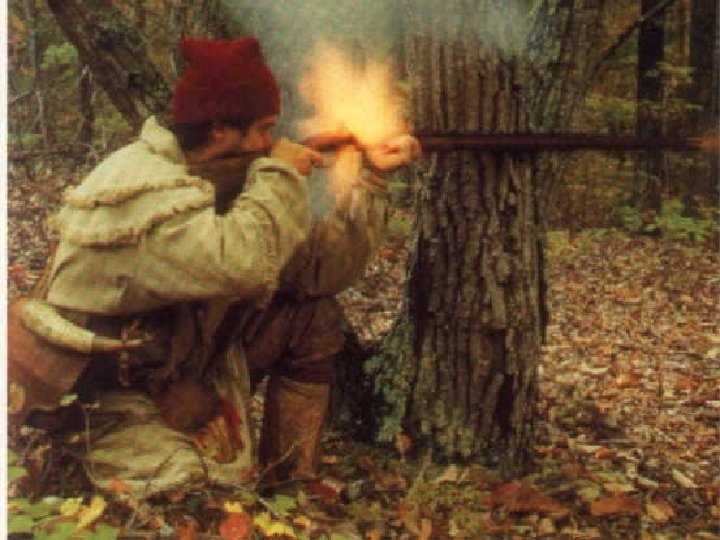
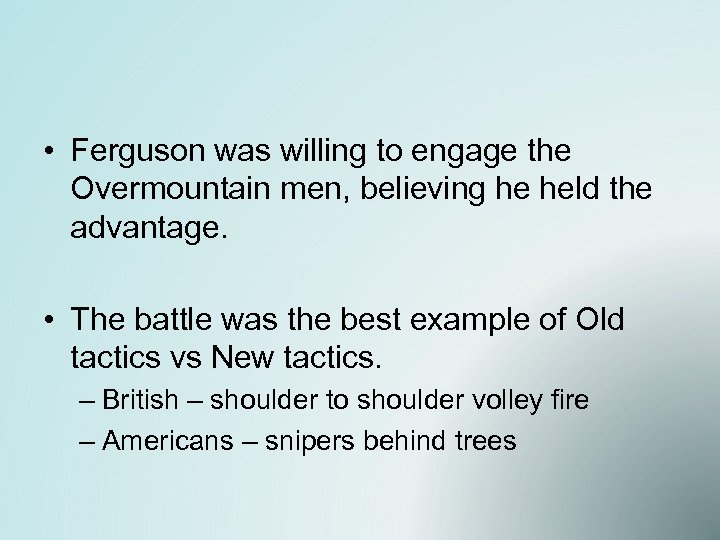 • Ferguson was willing to engage the Overmountain men, believing he held the advantage. • The battle was the best example of Old tactics vs New tactics. – British – shoulder to shoulder volley fire – Americans – snipers behind trees
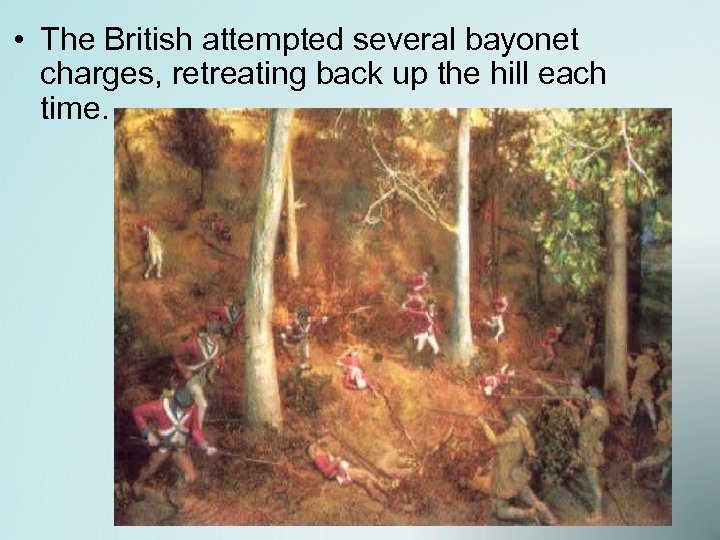 • The British attempted several bayonet charges, retreating back up the hill each time.
 • The British attempted to surrender. – Men were given “Tarleton’s Quarter” • This was a big American victory.
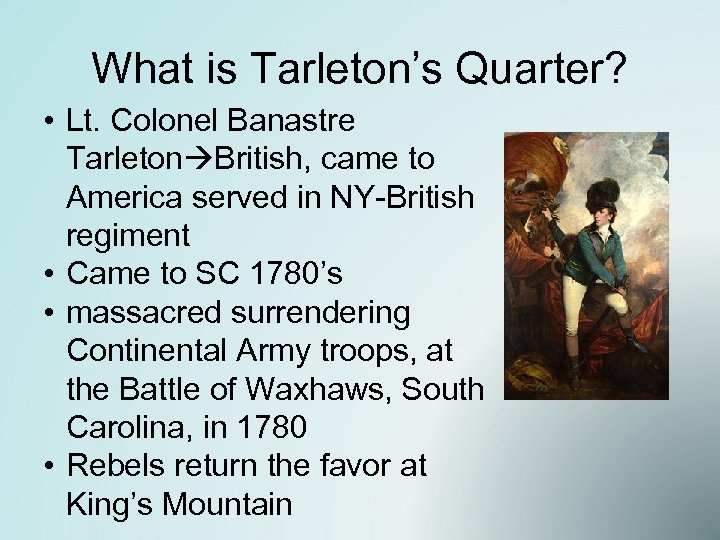 What is Tarleton’s Quarter? • Lt. Colonel Banastre Tarleton British, came to America served in NY-British regiment • Came to SC 1780’s • massacred surrendering Continental Army troops, at the Battle of Waxhaws, South Carolina, in 1780 • Rebels return the favor at King’s Mountain
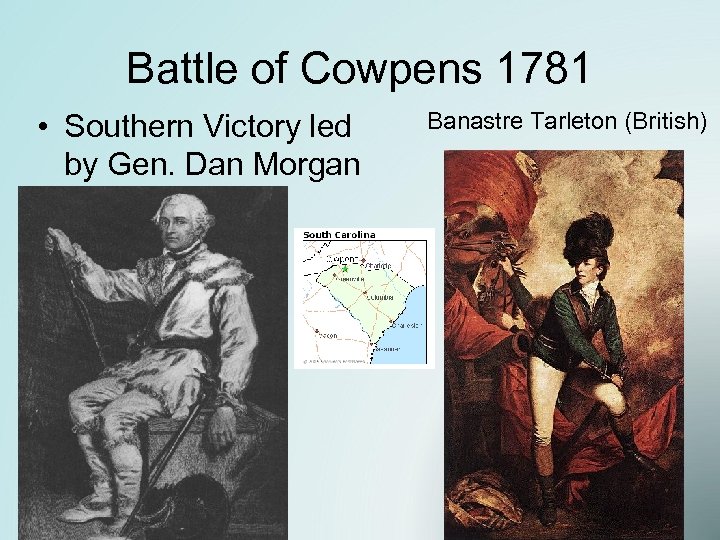 Battle of Cowpens 1781 • Southern Victory led by Gen. Dan Morgan Banastre Tarleton (British)
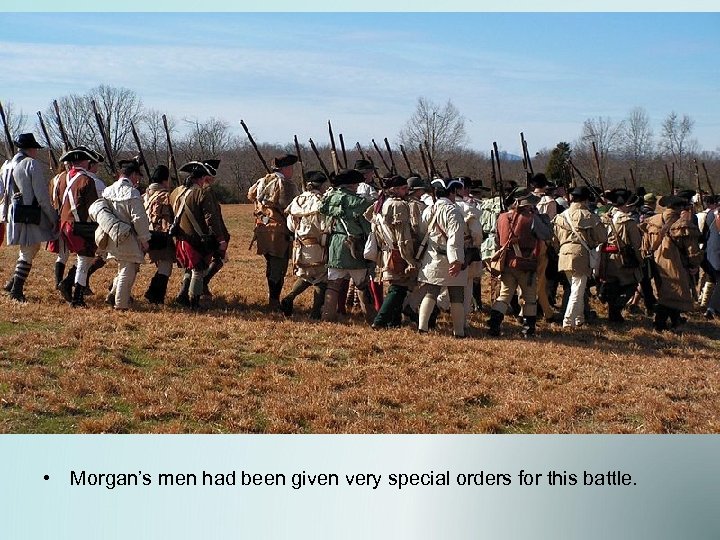 • Morgan’s men had been given very special orders for this battle.
 • Militia men, who the British knew to be unreliable, were placed at the center of the line • Tarleton was deceived into thinking a head -on attack would lead to an easy victory. • He sent wave after wave of frontal assault, only to find the American’s had their strongest troops hidden behind the first line!
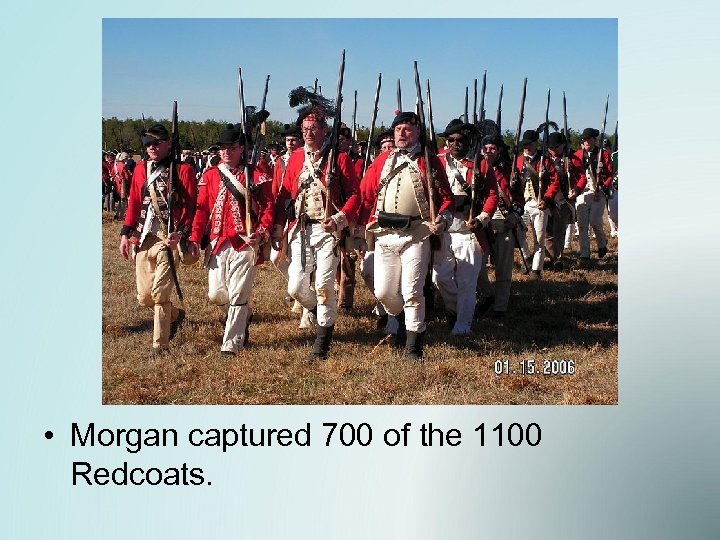 • Morgan captured 700 of the 1100 Redcoats.
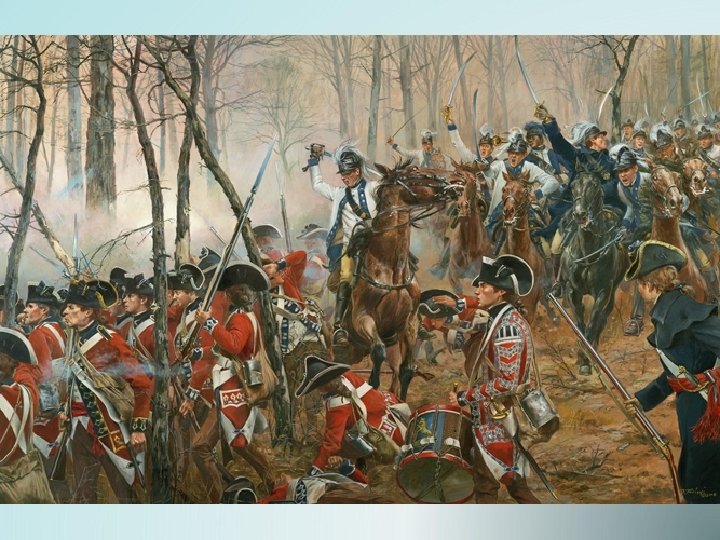
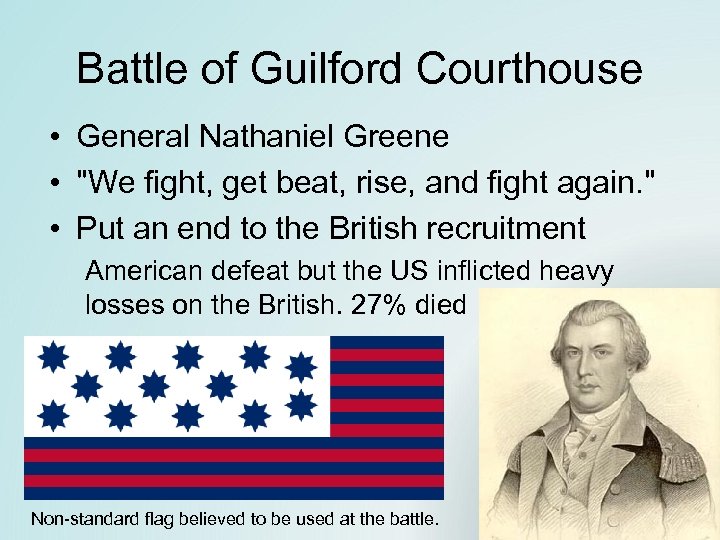 Battle of Guilford Courthouse • General Nathaniel Greene • "We fight, get beat, rise, and fight again. " • Put an end to the British recruitment American defeat but the US inflicted heavy losses on the British. 27% died Non-standard flag believed to be used at the battle.
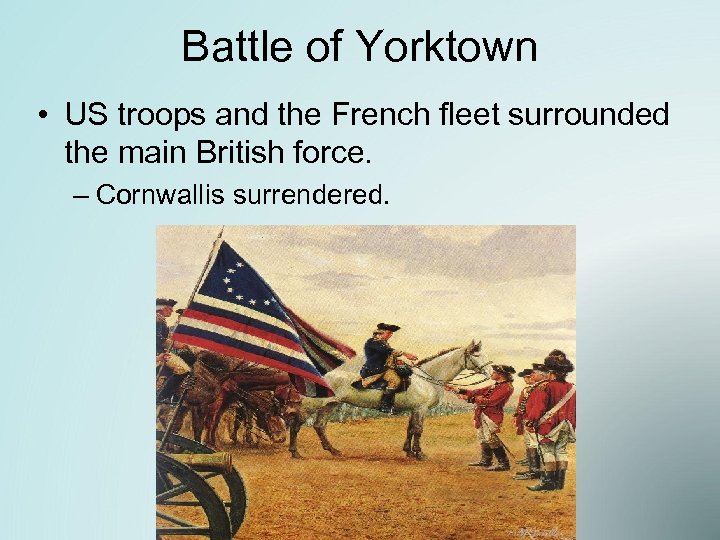 Battle of Yorktown • US troops and the French fleet surrounded the main British force. – Cornwallis surrendered.
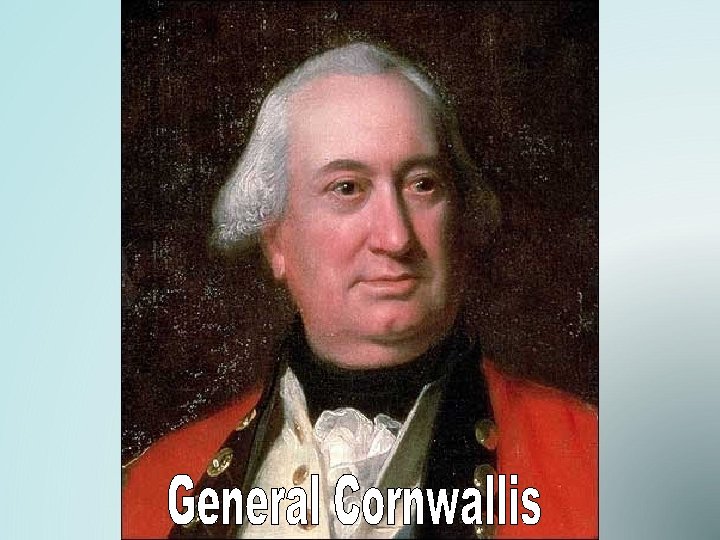
 The Secret Plan for Yorktown! • Gen Washington & Compte de Rochambeau VS Lt. General Cornwallis • During the Summer of 1781, American troops pretended to unite north of NY leading the Brits to think they would attack there, but really they were headed south • Washington sent fake dispatches that were intercepted by the British General Clinton
 The Secret Plan for Yorktown • Originally, Washington wanted to attack NY • Based on French/American intelligence he was convinced Yorktown was a better option • AMERICA WINS!!!!!!!!!!!!!!
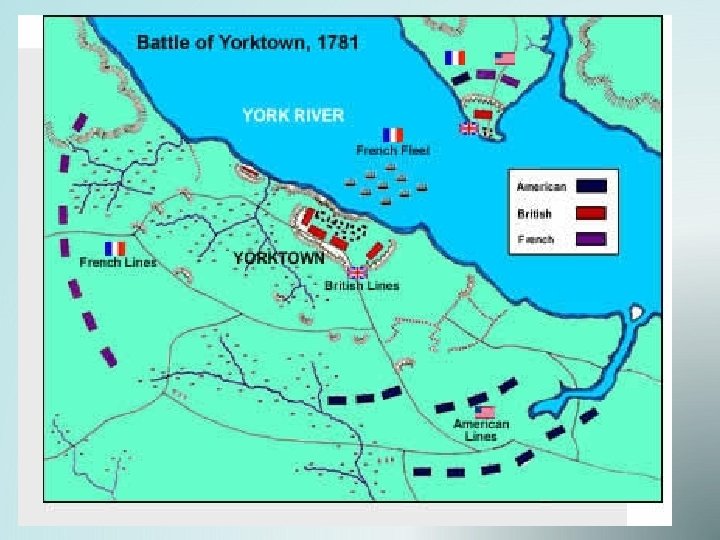
 • British Troops still occupied other areas in the US – New York, Georgia, Canada, Charleston, & the West Indies. • New members of Parliament sought to end the war.
 • More than 25, 000 Americans died during active military service. • 8, 000 of these deaths were in battle • 17, 000 recorded deaths were from disease, (including about 8, 000– 12, 000 who died of starvation or disease while prisoners of war)
 What should the terms of peace be? Should we take Canada?
 Treaty of Paris, 1783 • Ben Franklin, John Adams, & John Jay represented the US. – “…to be free, sovereign and independent states, and that the British Crown and all heirs and successors relinquish claims to the Government, propriety, and territorial rights of the same, and every part thereof; ” – Established boundaries between US & Canada. – United States will prevent future confiscations of the property of Loyalists (Tories) • Spain received East and West Florida under the separate Anglo-Spanish peace agreement
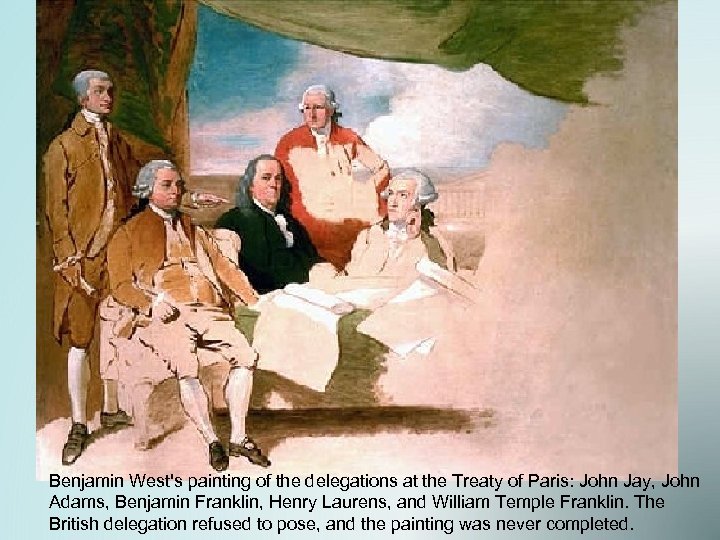 Benjamin West's painting of the delegations at the Treaty of Paris: John Jay, John Adams, Benjamin Franklin, Henry Laurens, and William Temple Franklin. The British delegation refused to pose, and the painting was never completed.
 The Articles of Confederation
 • Created a weak central government lacking a president or courts. • Government had no power to tax.
 • Shay’s Rebellion showed the weaknesses of the Articles.
 Constitutional Convention • How do we know what happened? • James Madison’s notes on the Convention
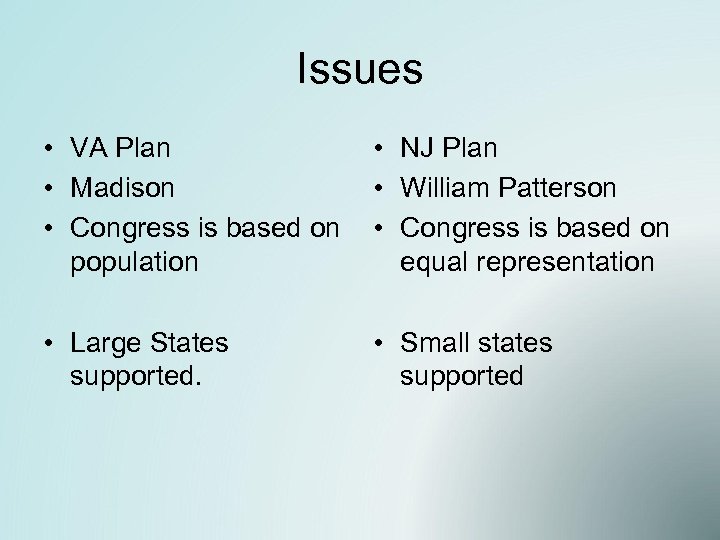 Issues • VA Plan • NJ Plan • Madison • William Patterson • Congress is based on population equal representation • Large States supported. • Small states supported
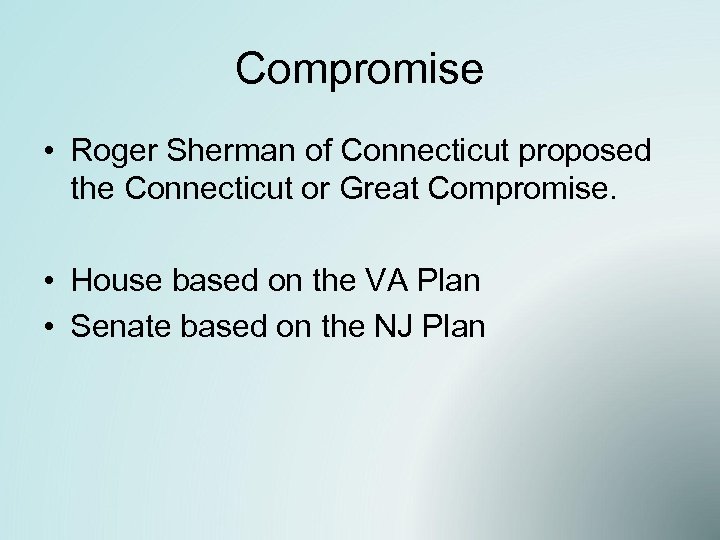 Compromise • Roger Sherman of Connecticut proposed the Connecticut or Great Compromise. • House based on the VA Plan • Senate based on the NJ Plan
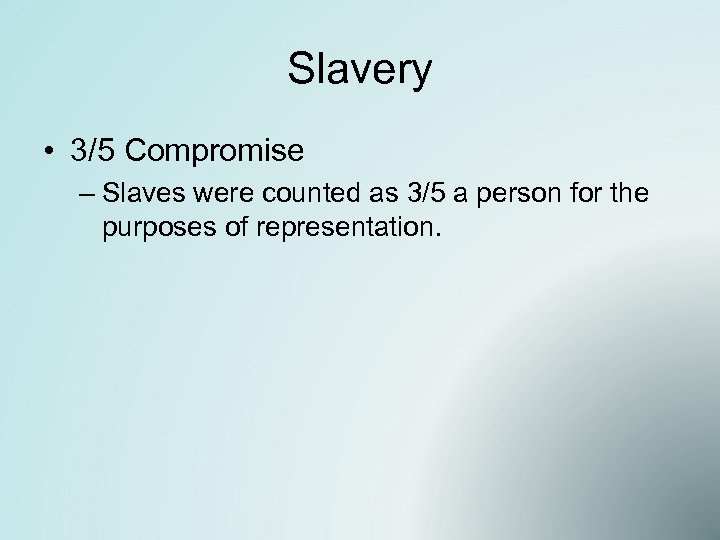 Slavery • 3/5 Compromise – Slaves were counted as 3/5 a person for the purposes of representation.
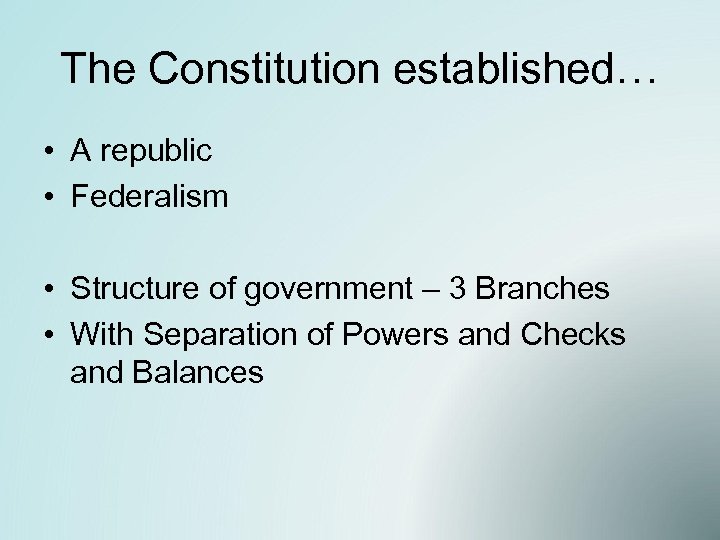 The Constitution established… • A republic • Federalism • Structure of government – 3 Branches • With Separation of Powers and Checks and Balances
 Ratification • Federalists supported and penned the Federalist papers. • Anti-Federalists opposed • Compromise – Bill of Rights