Скачать презентацию The Aggregate Expenditure Model o CONSUMPTION
1f2b357f0180c7c9540efa50d1e3deba.ppt
- Количество слайдов: 31
 The Aggregate Expenditure Model


 o
o
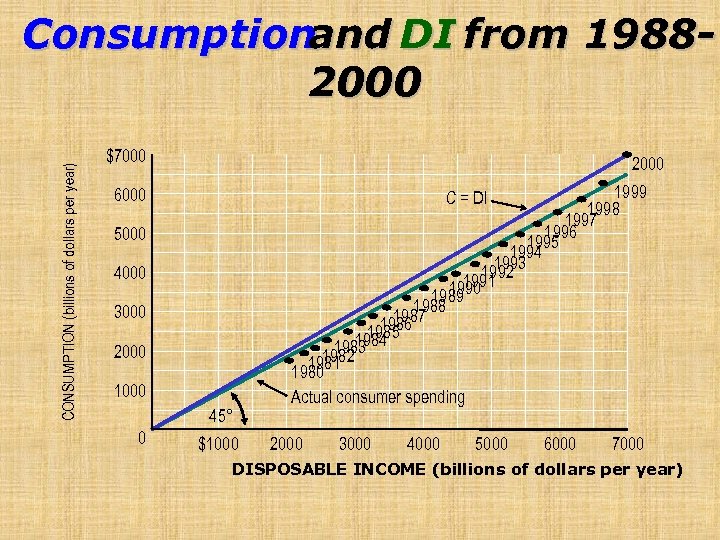 CONSUMPTION (billions of dollars per year) Consumption and DI from 19882000 $7000 2000 1999 1998 1997 1996 1995 1994 1993 1992 1991 1990 1989 1988 1987 1986 1985 1984 1983 1982 1981 1980 6000 C = DI 5000 4000 3000 2000 1000 45° 0 $1000 Actual consumer spending 2000 3000 4000 5000 6000 7000 DISPOSABLE INCOME (billions of dollars per year)
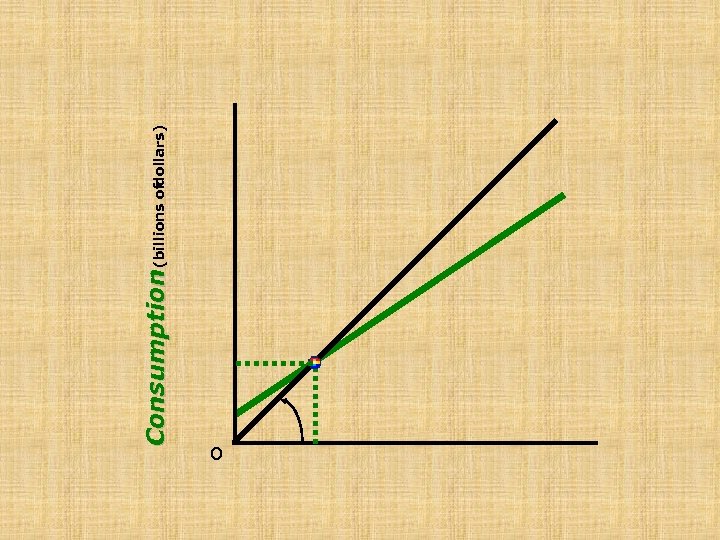 Consumption (billions ofdollars) o
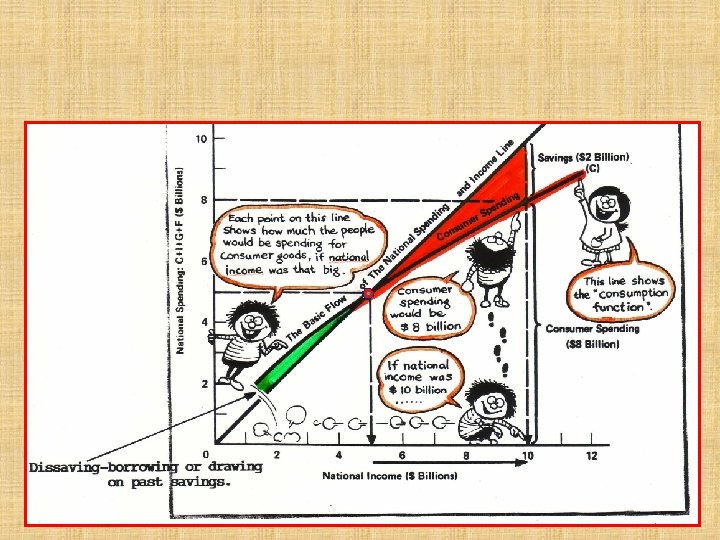
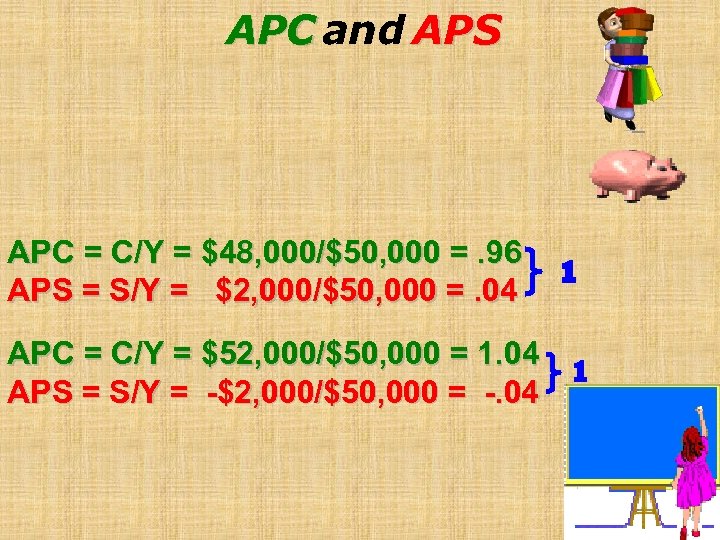 APC and APS APC = C/Y = $48, 000/$50, 000 =. 96 APS = S/Y = $2, 000/$50, 000 =. 04 1 APC = C/Y = $52, 000/$50, 000 = 1. 04 1 APS = S/Y = -$2, 000/$50, 000 = -. 04
 1
1
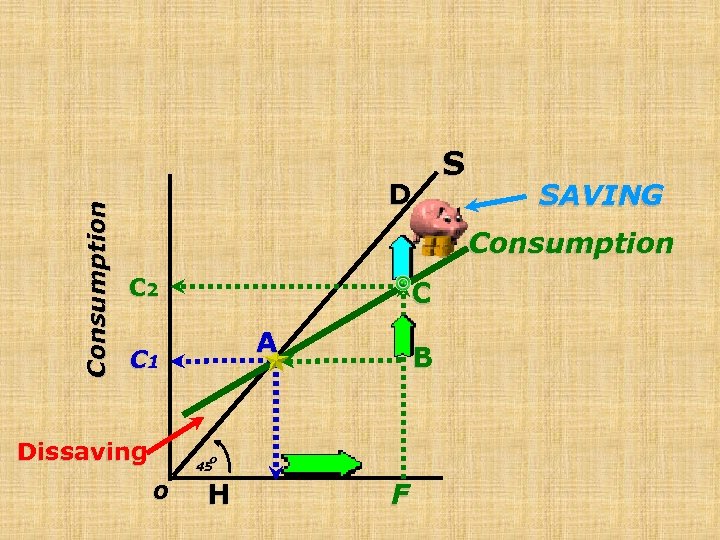 Consumption D S SAVING Consumption C 2 C A C 1 Dissaving B o 45 o H F
 o
o

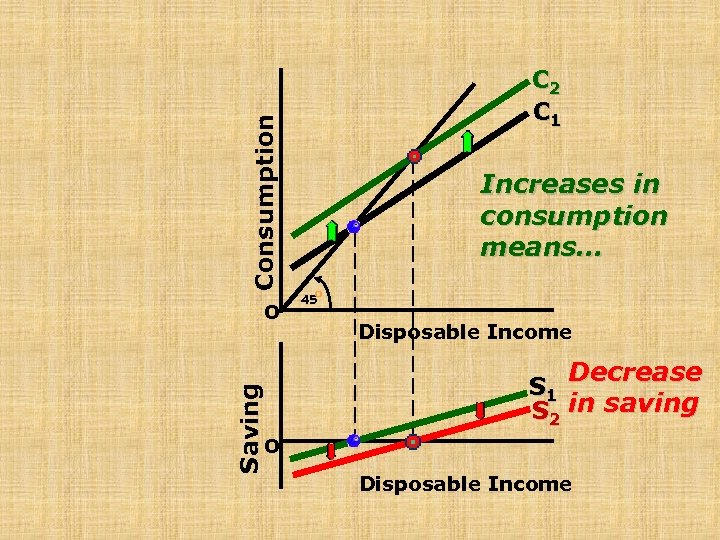 Consumption Saving o C 2 C 1 Increases in consumption means… o 45 Disposable Income Decrease o S 1 S 2 in saving Disposable Income
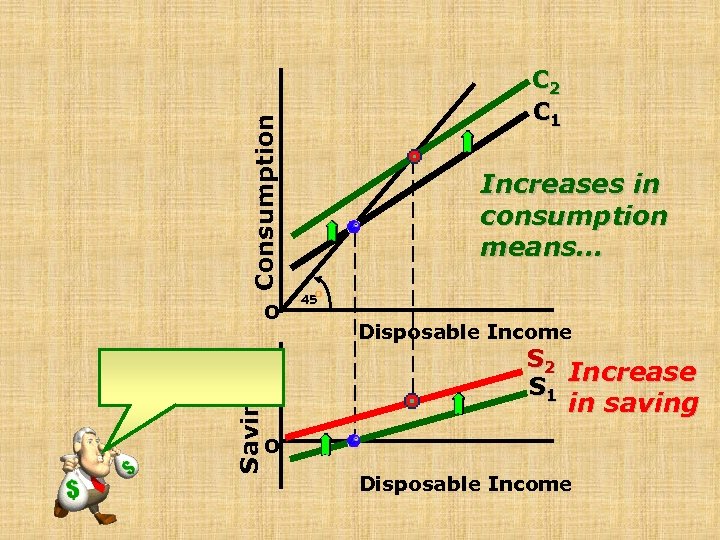 Consumption Saving o C 2 C 1 Increases in consumption means… o 45 Disposable Income S 2 Increase S 1 in saving o Disposable Income
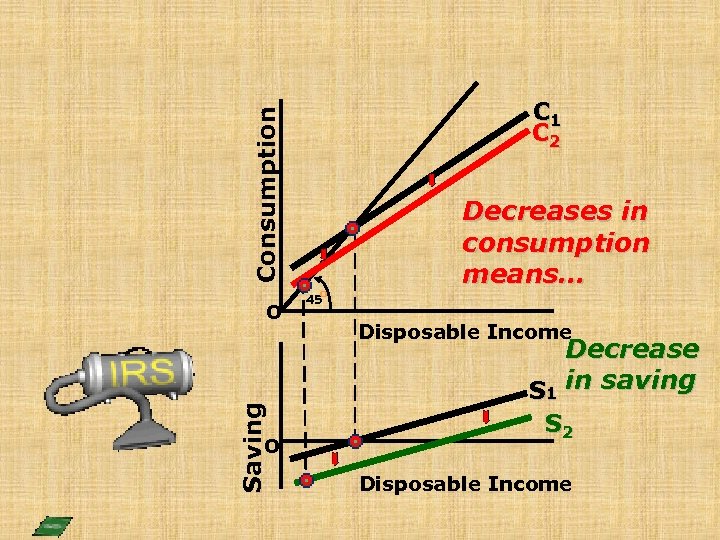 Consumption C 1 C 2 Saving o o o Decreases in consumption means… 45 Disposable Income Decrease S 1 in saving S 2 Disposable Income
 o
o

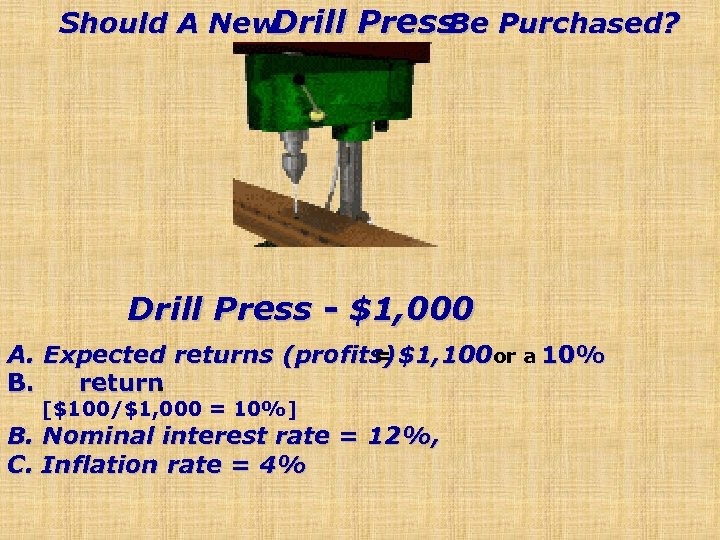 Should A New Drill Press Purchased? Be Drill Press - $1, 000 A. Expected returns (profits) $1, 100 or a 10% = B. return. [$100/$1, 000 = 10%] B. Nominal interest rate = 12%, C. Inflation rate = 4%
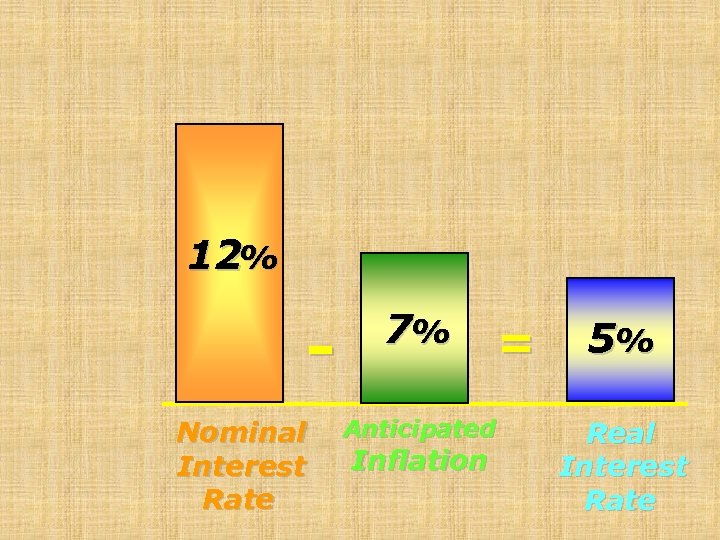 12% Nominal Interest Rate 7% = Anticipated Inflation 5% Real Interest Rate
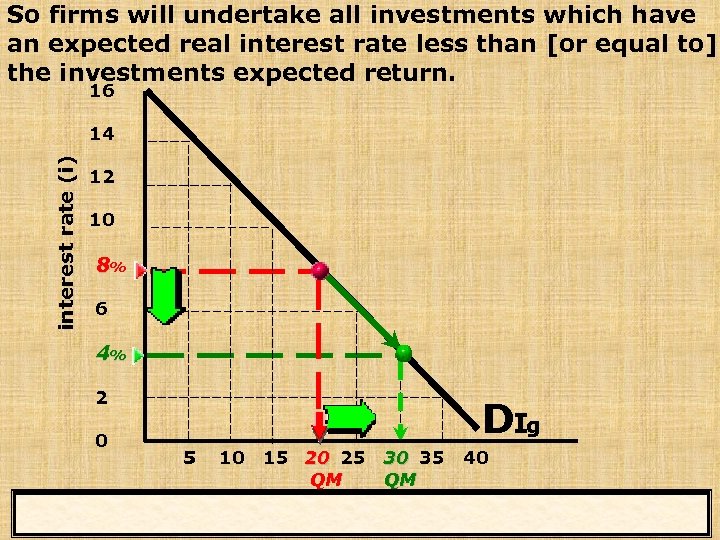 So firms will undertake all investments which have an expected real interest rate less than [or equal to] the investments expected return. 16 interest rate (i) 14 12 10 8% 6 4% 2 0 DIg 5 10 15 20 25 30 35 QM QM 40
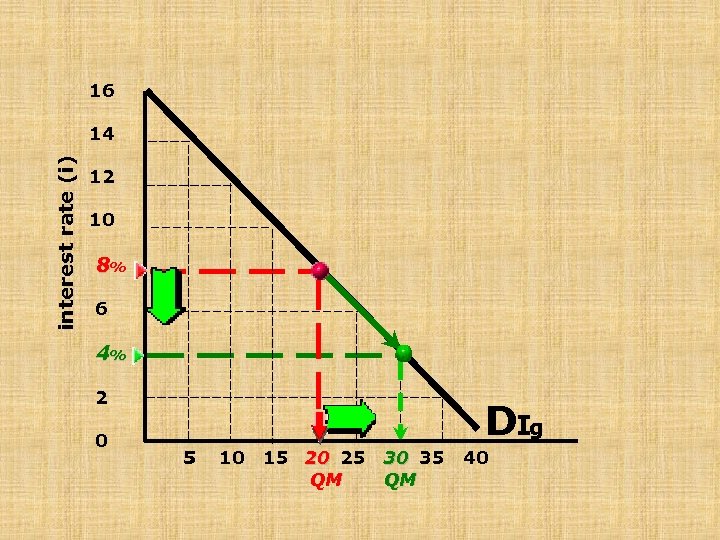 16 interest rate (i) 14 12 10 8% 6 4% 2 0 DIg 5 10 15 20 25 30 35 QM QM 40
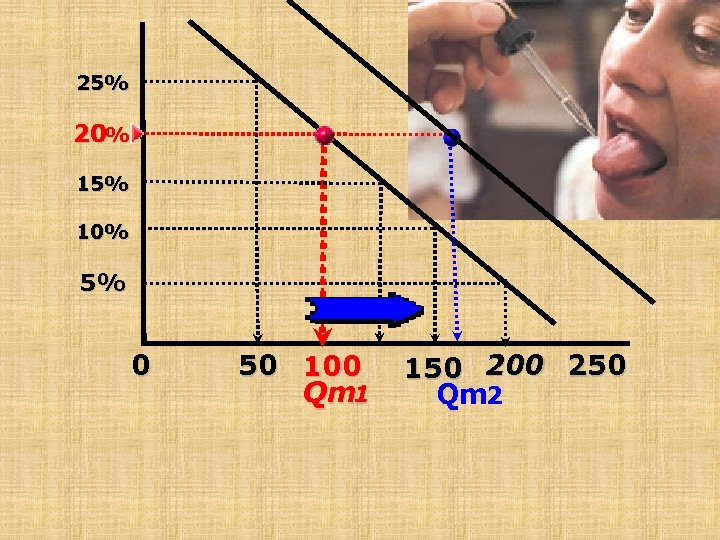 25% 20% 15% 10% 5% 0 50 100 Qm 1 150 200 250 Qm 2

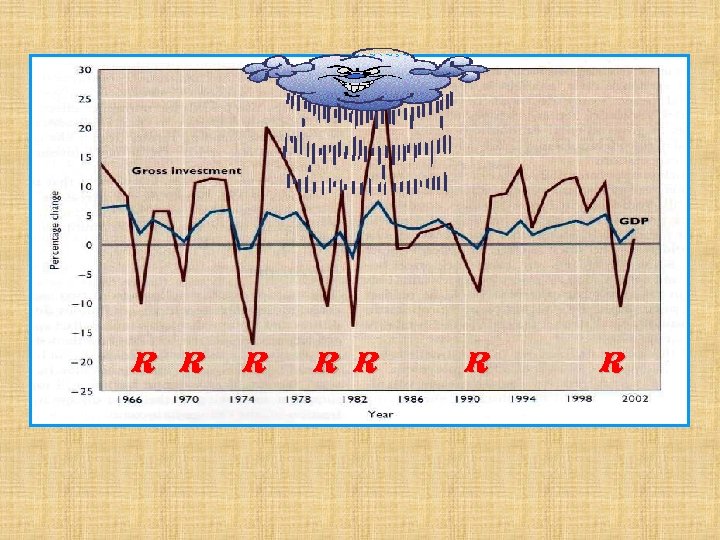 R R R R
 • Durability of Capital; some machines are more durable than other. The more durable them capital the less need for replacing it.
 • Irregularity of innovations; new products and processes stimulate investment but they occur irregularly.
 • Expectations; pessimism about future profits will cause firms to keep older equipment and avoid investment.
 o
o
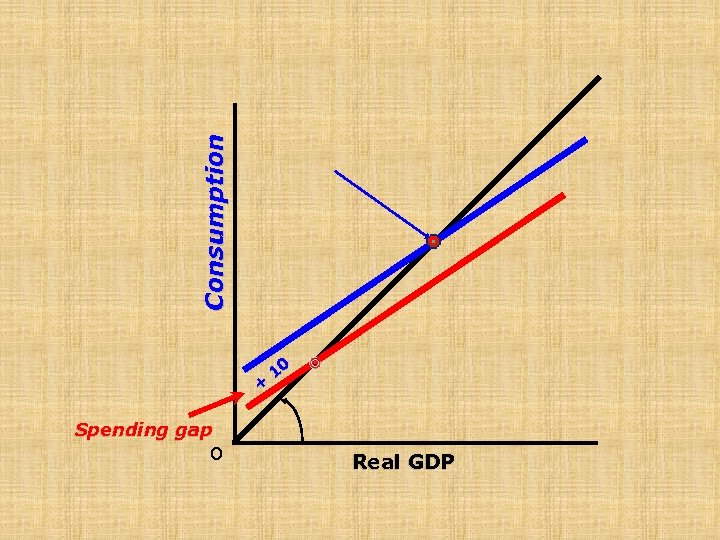 Consumption + 10 Spending gap o Real GDP
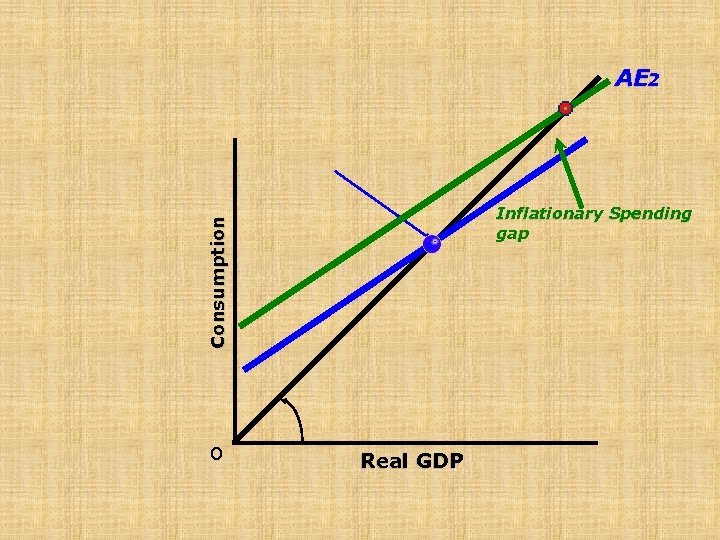 AE 2 Consumption Inflationary Spending gap o Real GDP