 Скачать презентацию The adoption of Landcare approaches for sustainable livelihoods
44dcbd343da79e7ac06b9750f0c3cd9f.ppt
- Количество слайдов: 24



The adoption of Landcare approaches for sustainable livelihoods in Bangladesh Shaikh Tanveer Hossain 1 & Kamal Melvani 2 1 Friends In Village Development Bangladesh (FIVDB), Bangladesh 2 Neo Synthesis Research Center (NSRC), Sri Lanka
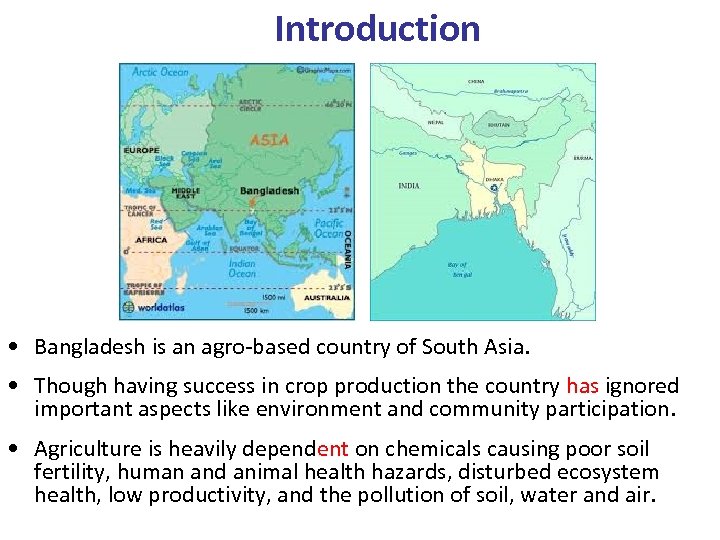
Introduction • Bangladesh is an agro-based country of South Asia. • Though having success in crop production the country has ignored important aspects like environment and community participation. • Agriculture is heavily dependent on chemicals causing poor soil fertility, human and animal health hazards, disturbed ecosystem health, low productivity, and the pollution of soil, water and air.
Introduction • Food security is also challenged by climate change, land degradation and natural disasters. • Adapting to, and mitigating, the effects of climate change is a key to future sustainable development. • ‘Home garden’ cultivation is vital to the day to day food security of rural households. But such practices are not yet based on an integrated and holistic approach. • Farmers cannot increase profit margins due to their lack of knowledge and understanding about how to cultivate their land more effectively in a planned and sustainable way.
• Agriculture in Asia is characterized by small holders of farmland having average size of less than 2 hectares (80% of total farms). The agricultural production of these small farms is presently feeding one-third of total world population. • Asian smallholders are facing several challenges arising from a range of economic, demographic, structural, technological and institutional factors including industrialization and urbanization. • Shrinking size of farms, rural-urban migration, environmental degradation, evolution and adoption of genetically modified crops, climate change and its impact may emerge as a future threat for Asian countries.
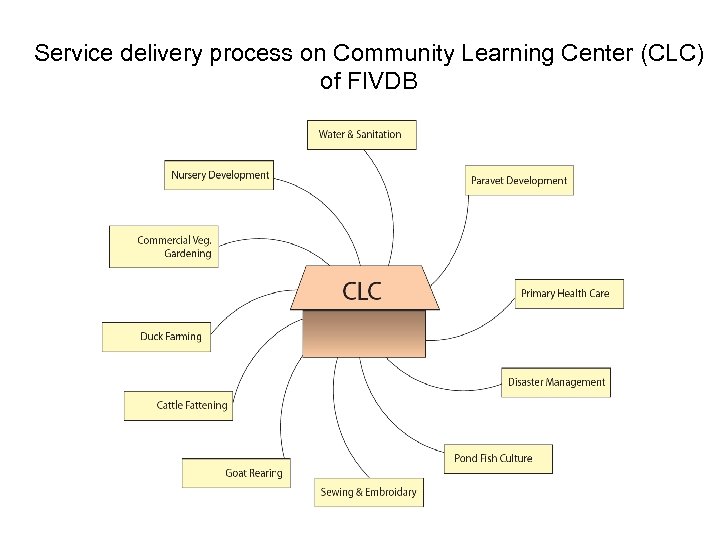
Service delivery process on Community Learning Center (CLC) of FIVDB
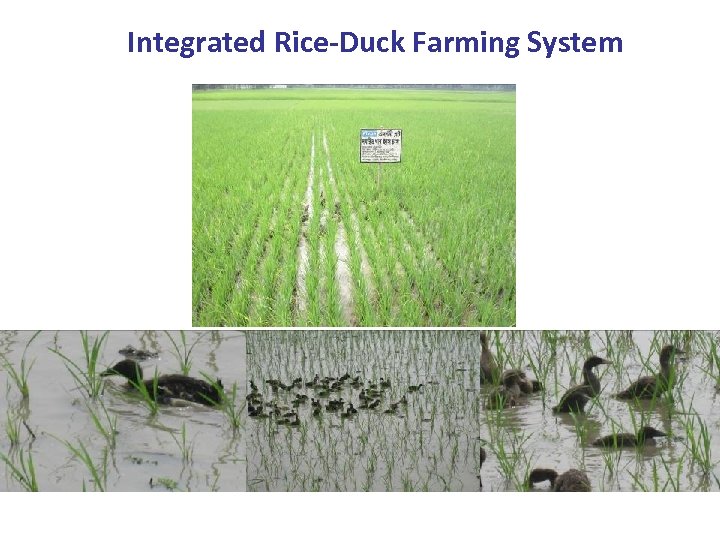
Integrated Rice-Duck Farming System <>
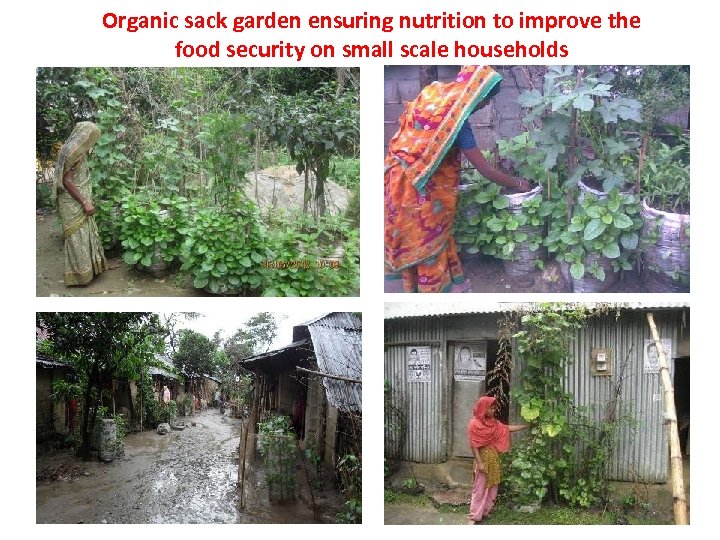
Organic sack garden ensuring nutrition to improve the food security on small scale households
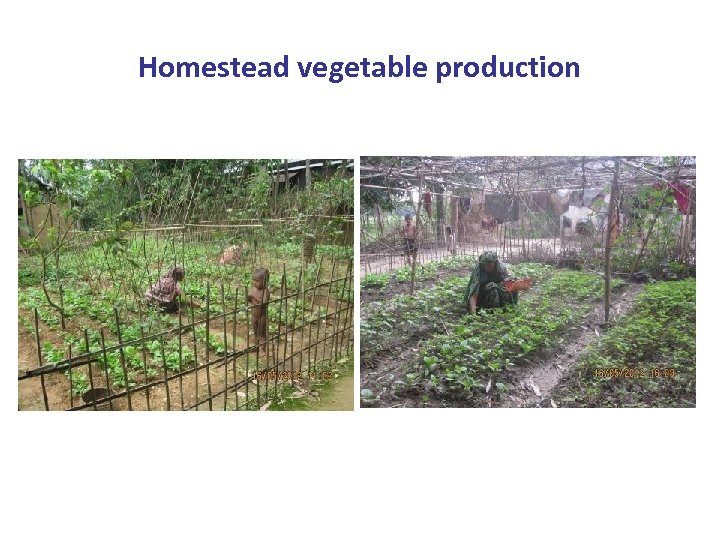
Homestead vegetable production
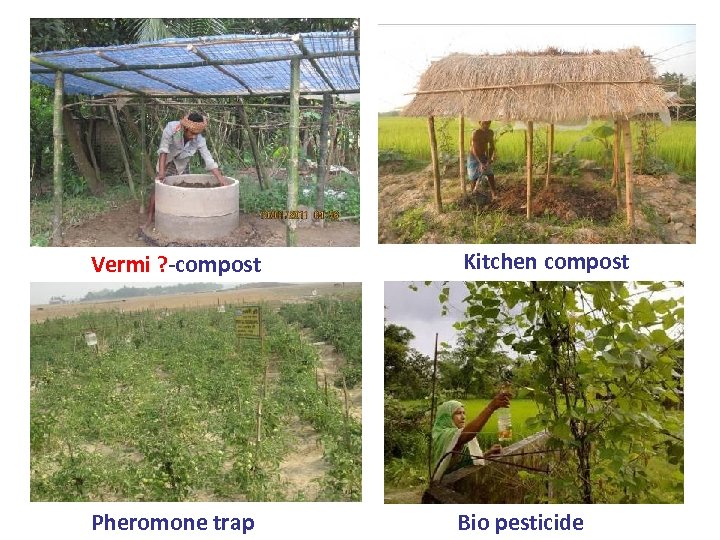
Vermi ? -compost Kitchen compost Pheromone trap Bio pesticide
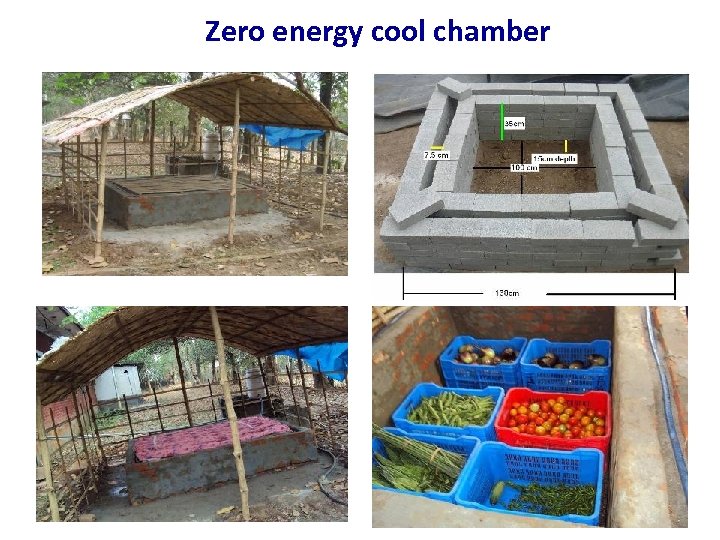
Zero energy cool chamber
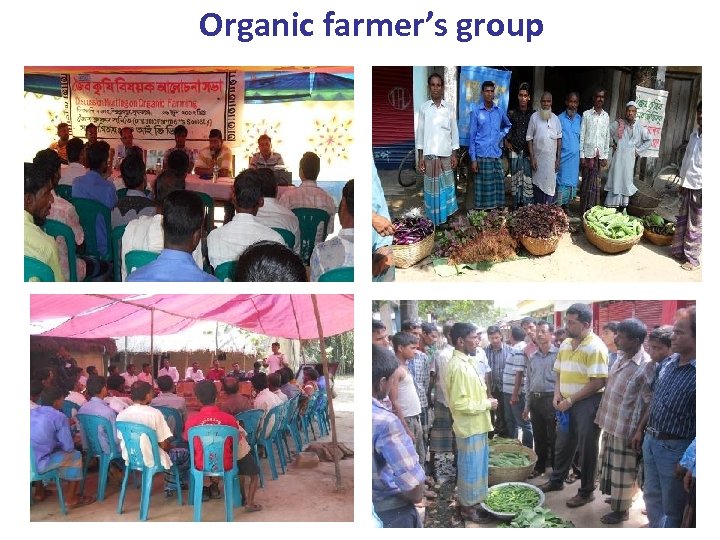
Organic farmer’s group
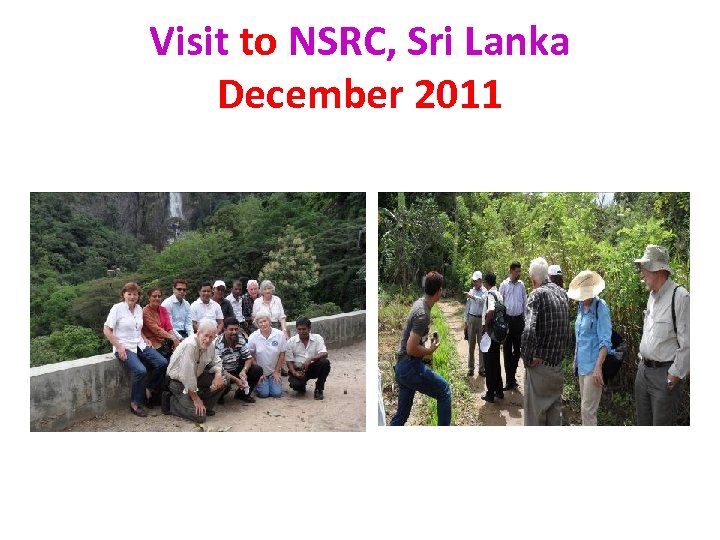
Visit to NSRC, Sri Lanka December 2011
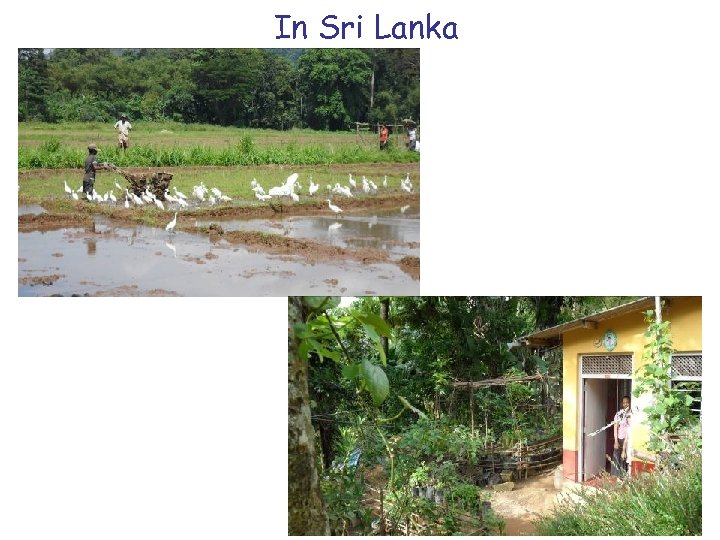
In Sri Lanka
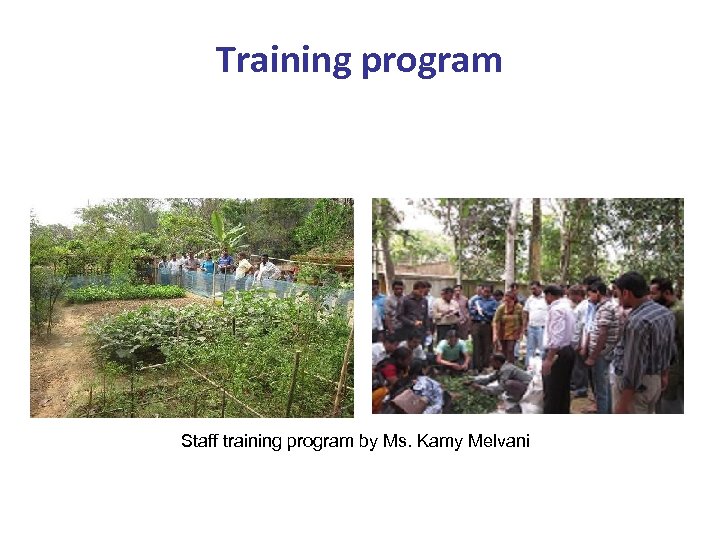
Training program Staff training program by Ms. Kamy Melvani
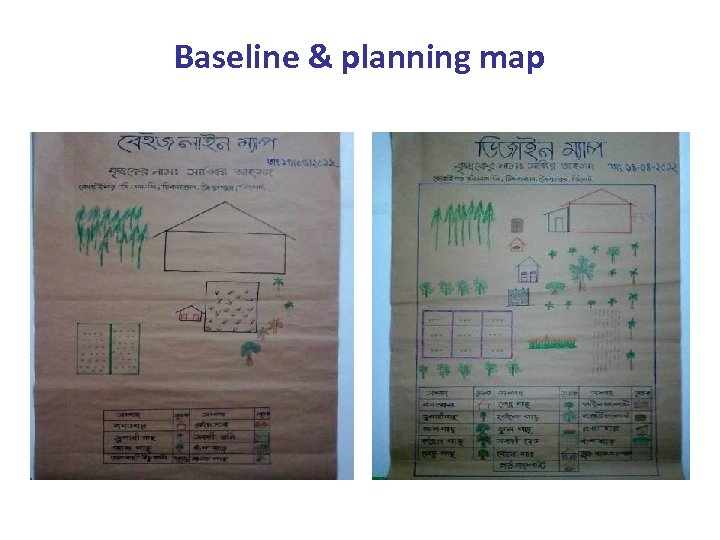
Baseline & planning map
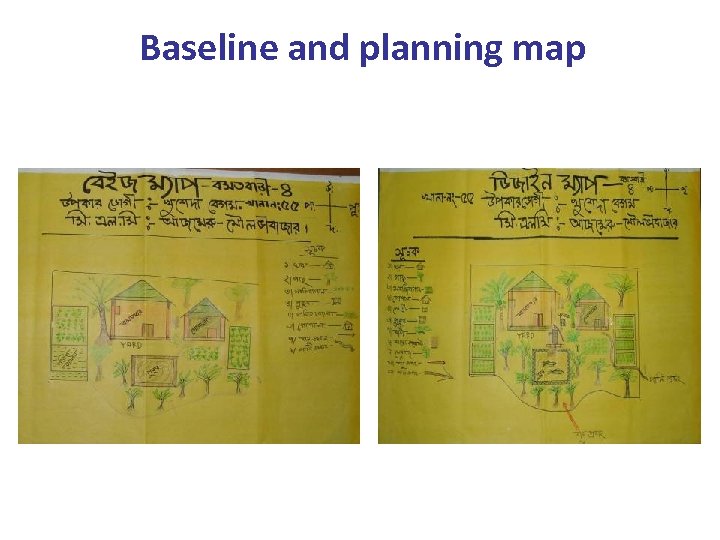
Baseline and planning map
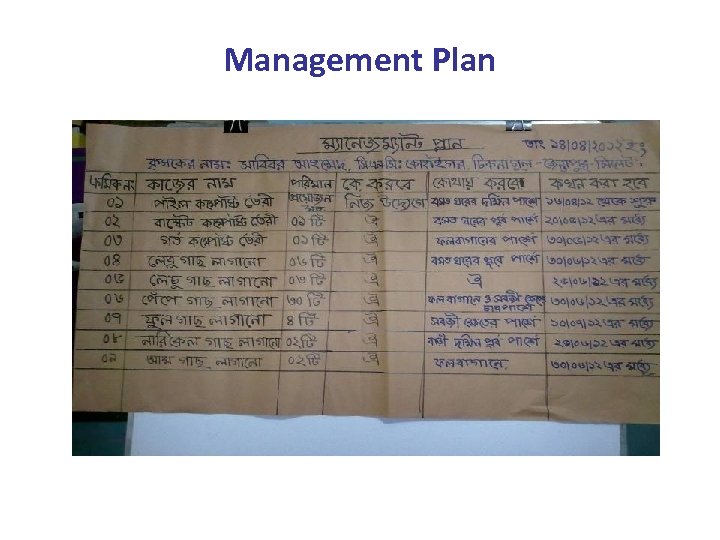
Management Plan
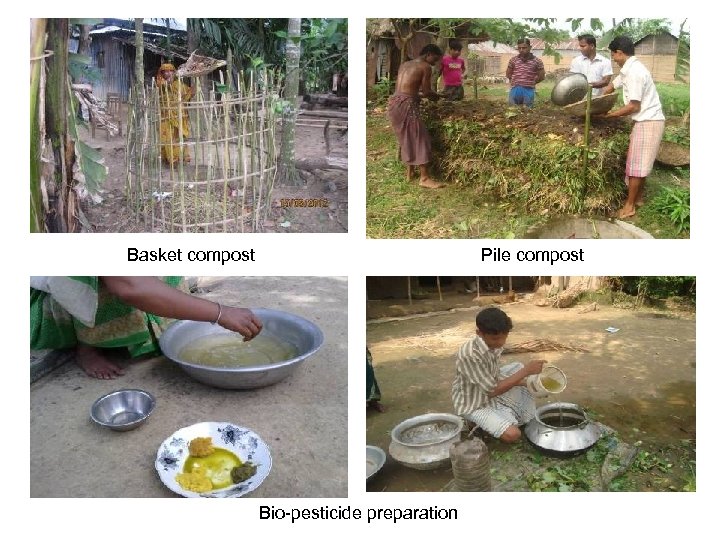
Basket compost Pile compost Bio-pesticide preparation
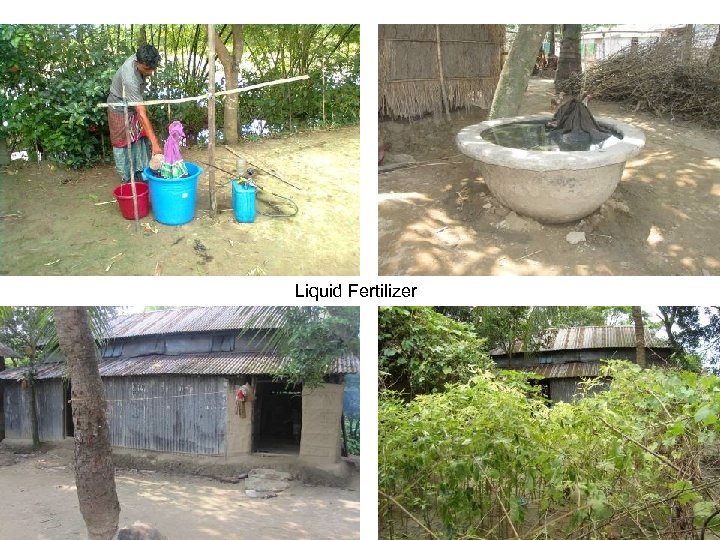
Liquid Fertilizer
Issues & opportunities for Landcare in Bangladesh • Diversified land type and ecosystem • Watershed nature • Land degradation & sedimentation • Dynamic livelihood • Vulnerable to climate change and food security • Environment and natural disaster • Biodiversity
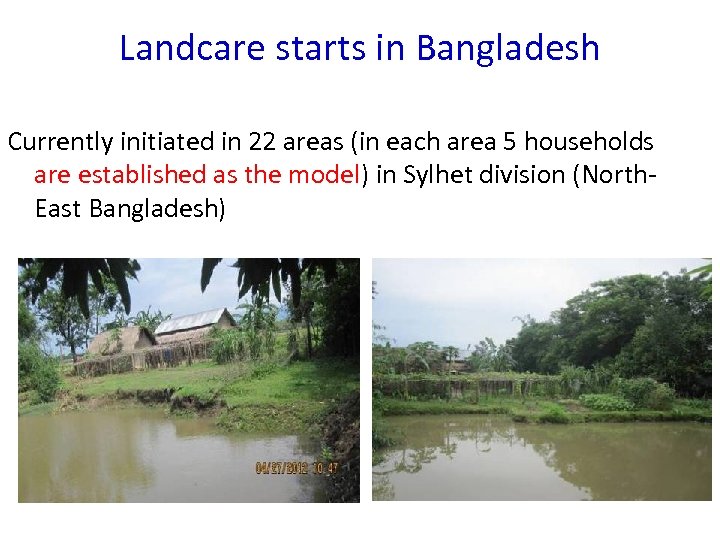
Landcare starts in Bangladesh Currently initiated in 22 areas (in each area 5 households are established as the model) in Sylhet division (North. East Bangladesh)
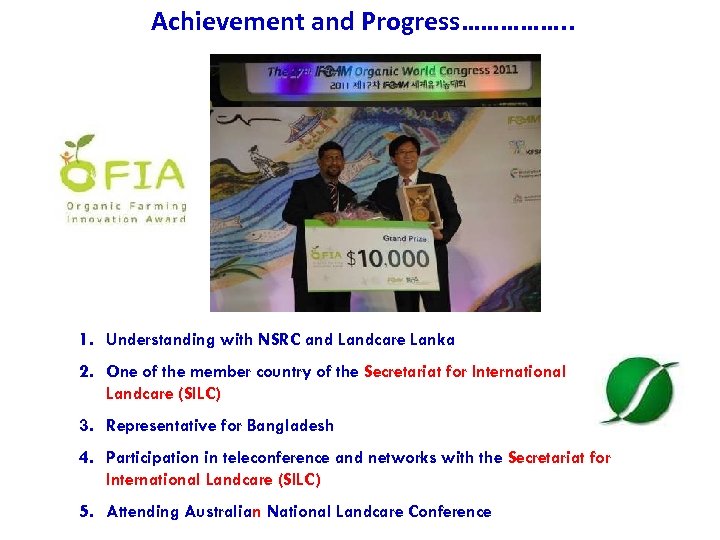
Achievement and Progress……………. . 1. Understanding with NSRC and Landcare Lanka 2. One of the member country of the Secretariat for International Landcare (SILC) 3. Representative for Bangladesh 4. Participation in teleconference and networks with the Secretariat for International Landcare (SILC) 5. Attending Australian National Landcare Conference
Recommendation • Include the Landcare issues in the Government agricultural extension policy and curriculum in the agricultural related institutes and universities. • Establish “Landcare - Bangladesh ” • Capacity building – training, master class, workshop etc. & awareness raising program – print & electronic media, meeting etc. • Active participation in the emerging South Asian Landcare Network. • Collaboration and support from SILC & other Landcare agencies
Let us work for livelihoods improvement & environmental sustainability
Скачать презентацию The adoption of Landcare approaches for sustainable livelihoods
44dcbd343da79e7ac06b9750f0c3cd9f.ppt