


 Скачать презентацию The 28 th of JANUARY CHAPTER ELECTRICITY AND
Lesson 19 ppt.pptx
- Количество слайдов: 78
 The 28 th of JANUARY CHAPTER: ELECTRICITY AND MAGNETISM TOPIC: CAPACITORS AND DIELECTRICS. ELECTRIC CURRENT. Teacher: Ericson Guttierez

 • Capacitance. • Capacitors. • Parallel plate capacitors. • Combinations of capacitors. • Energy stored in a charged capacitor. • Dielectrics.
 • Electric current. • Electric resistance and Ohm’s law. • The resistance of a conductor. • Work done by an electric current.
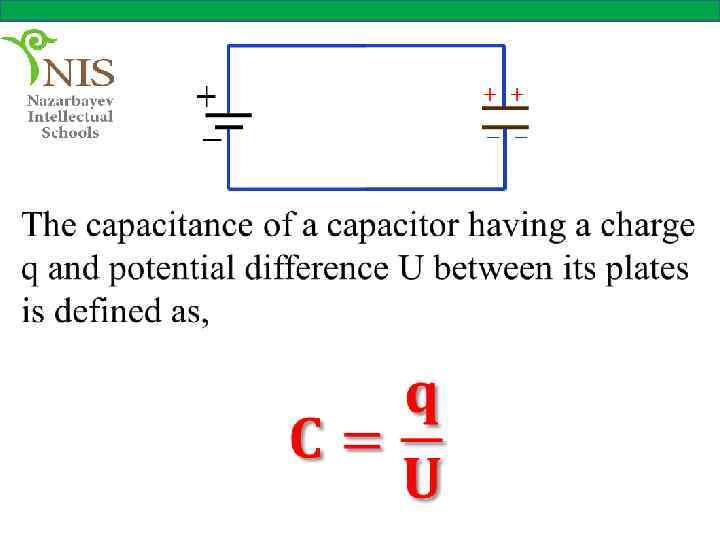
 CAPACITANCE The amount of charge that a conductor can store when a potential difference U is applied, is a measure of its capacitance. It is experimentally found that the amount of charge increases as the potential difference increases.
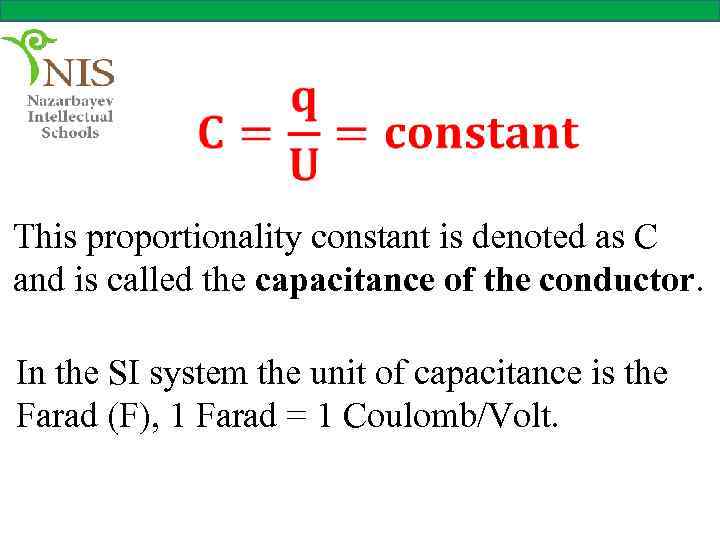 This proportionality constant is denoted as C and is called the capacitance of the conductor. In the SI system the unit of capacitance is the Farad (F), 1 Farad = 1 Coulomb/Volt.
 CAPACITORS A system consisting of two conductors with an insulating medium placed between them is called capacitor. Capacitors are devices which store electric charge. There are some common types of capacitors, parallel plate capacitors, cylindrical capacitors and concentric spheres.
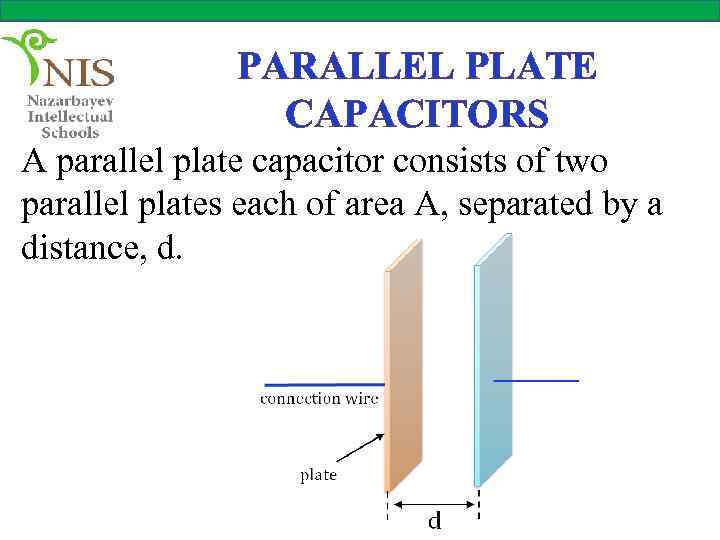 PARALLEL PLATE CAPACITORS A parallel plate capacitor consists of two parallel plates each of area A, separated by a distance, d.
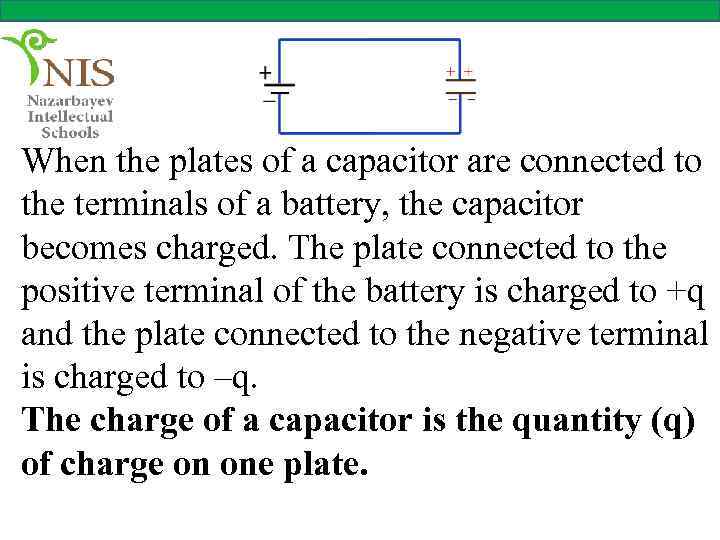 When the plates of a capacitor are connected to the terminals of a battery, the capacitor becomes charged. The plate connected to the positive terminal of the battery is charged to +q and the plate connected to the negative terminal is charged to –q. The charge of a capacitor is the quantity (q) of charge on one plate.
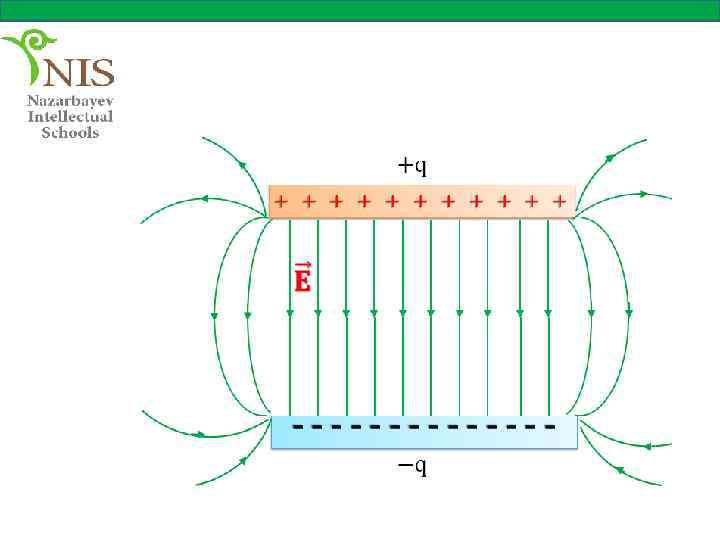
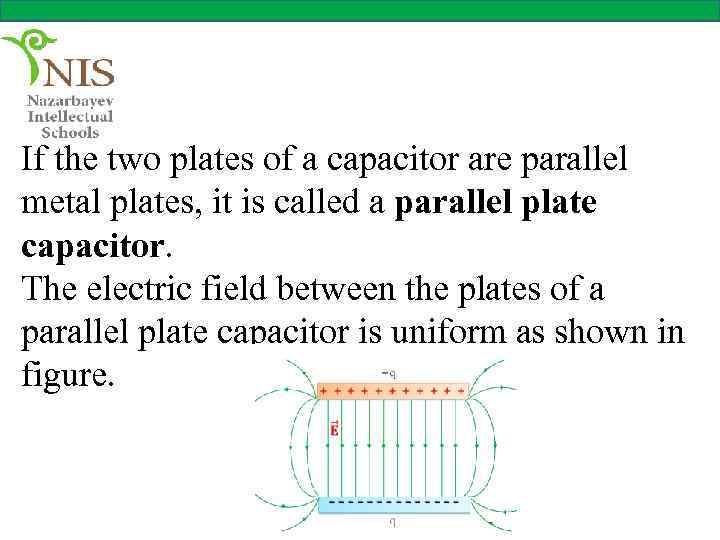 If the two plates of a capacitor are parallel metal plates, it is called a parallel plate capacitor. The electric field between the plates of a parallel plate capacitor is uniform as shown in figure.
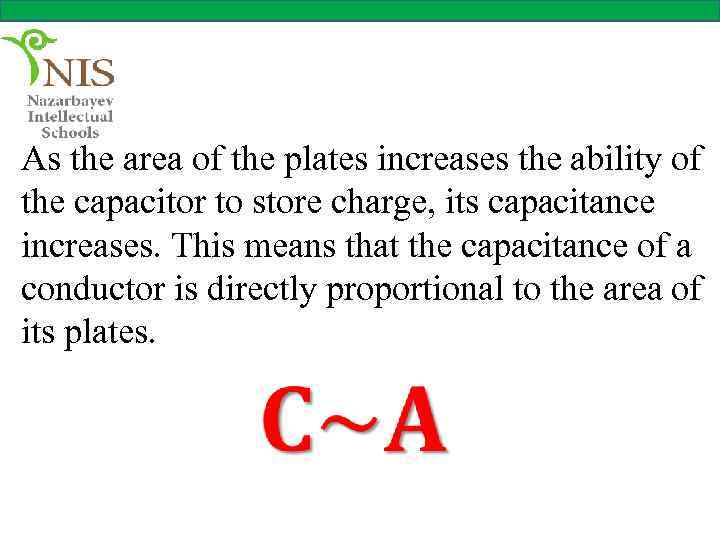 As the area of the plates increases the ability of the capacitor to store charge, its capacitance increases. This means that the capacitance of a conductor is directly proportional to the area of its plates.
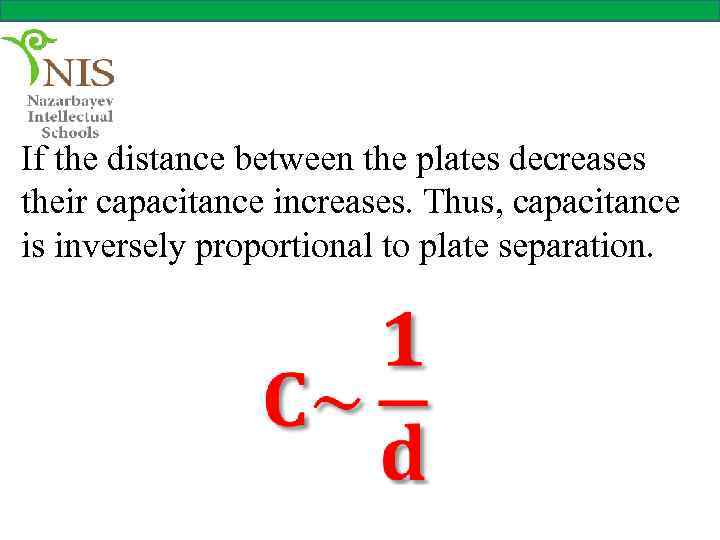 If the distance between the plates decreases their capacitance increases. Thus, capacitance is inversely proportional to plate separation.
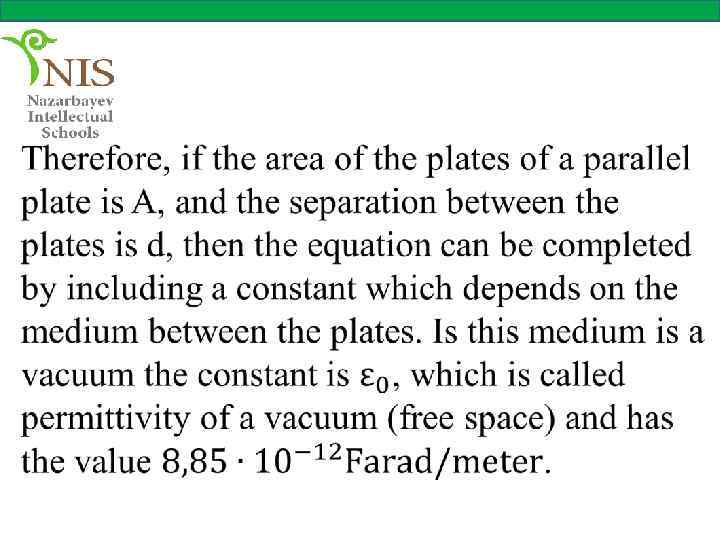
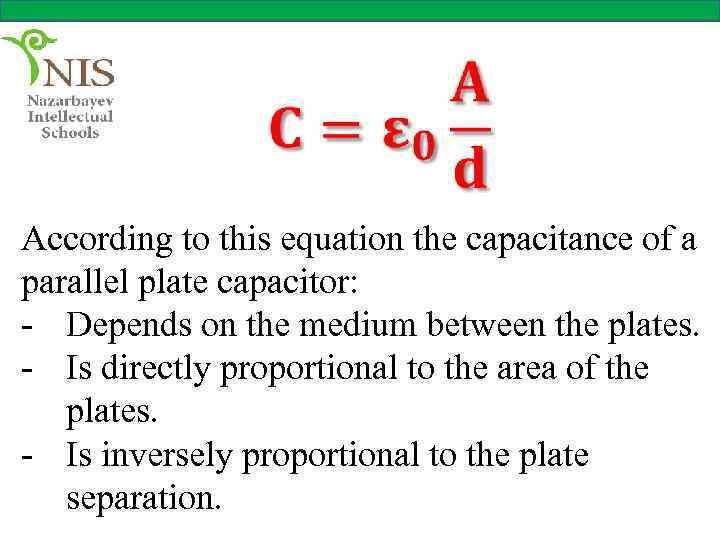 According to this equation the capacitance of a parallel plate capacitor: - Depends on the medium between the plates. - Is directly proportional to the area of the plates. - Is inversely proportional to the plate separation.
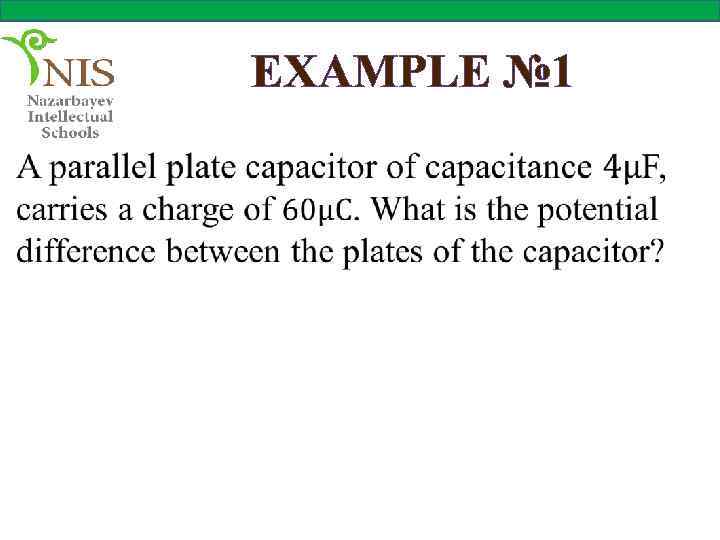 EXAMPLE № 1
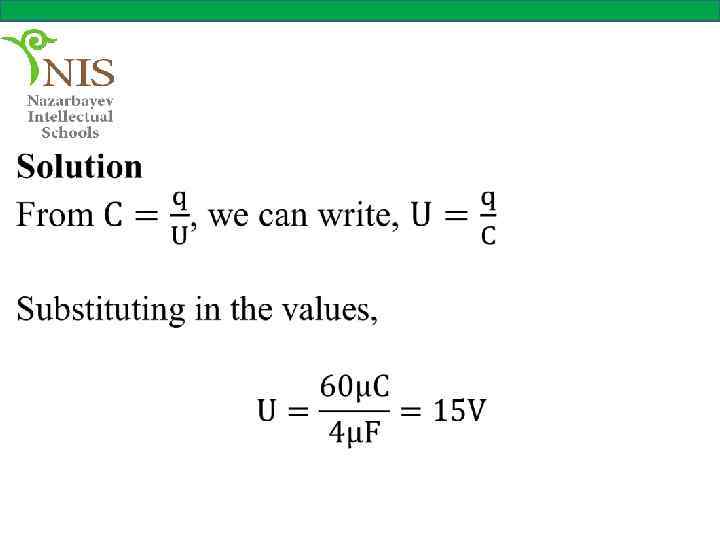
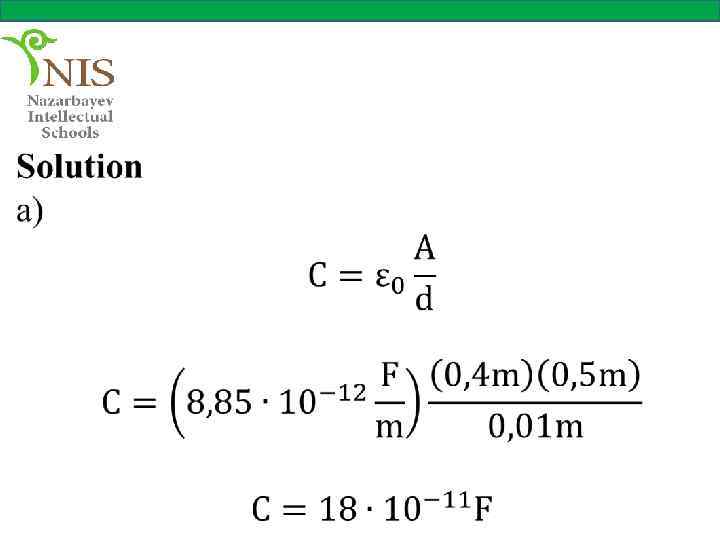
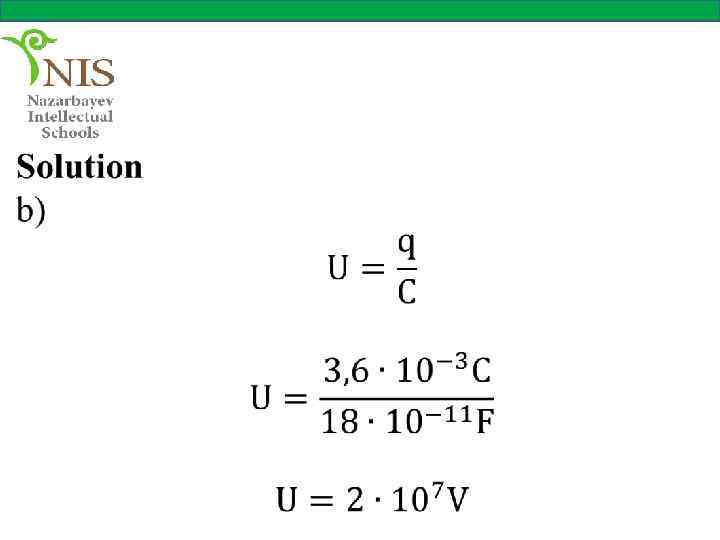
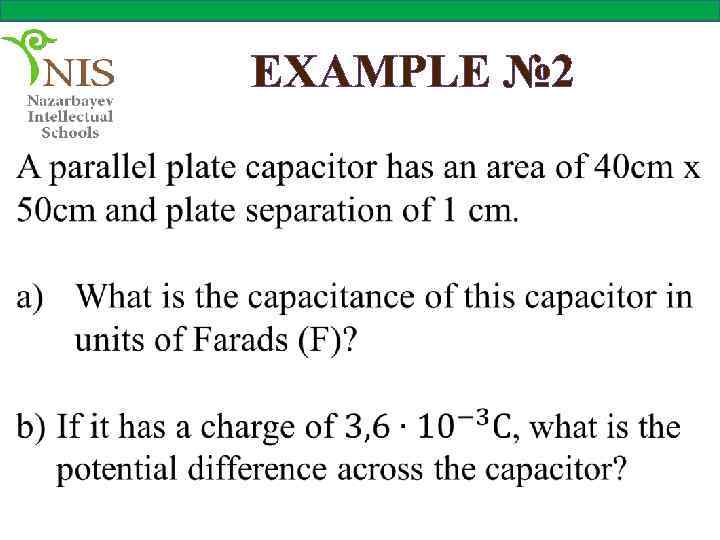 EXAMPLE № 2
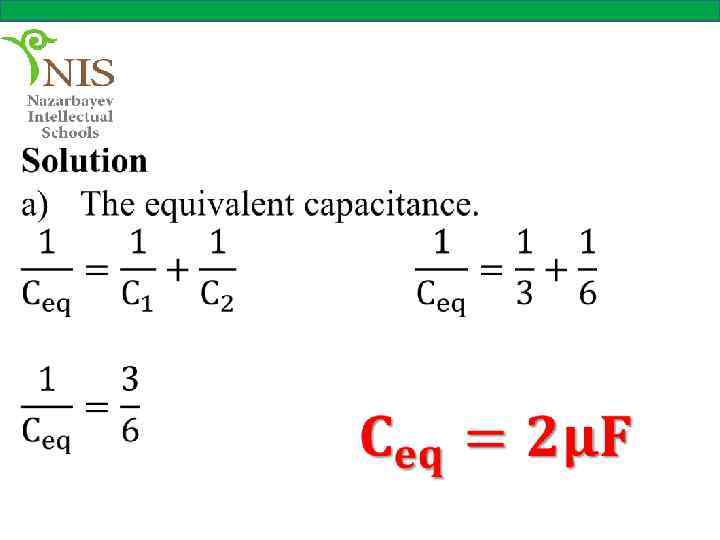
 COMBINATIONS OF CAPACITORS In an electric circuit, we may need capacitors of various capacitance values. However, capacitors only come in certain fixed values. The required capacitance value can be obtained by connecting capacitors in series and parallel.
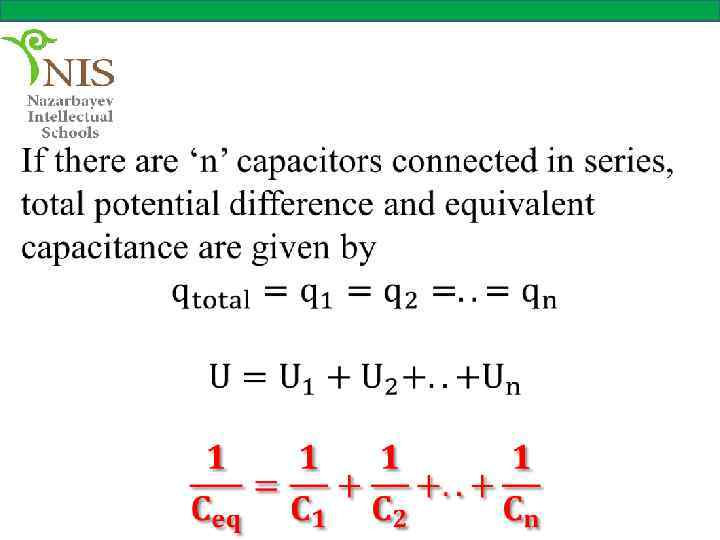
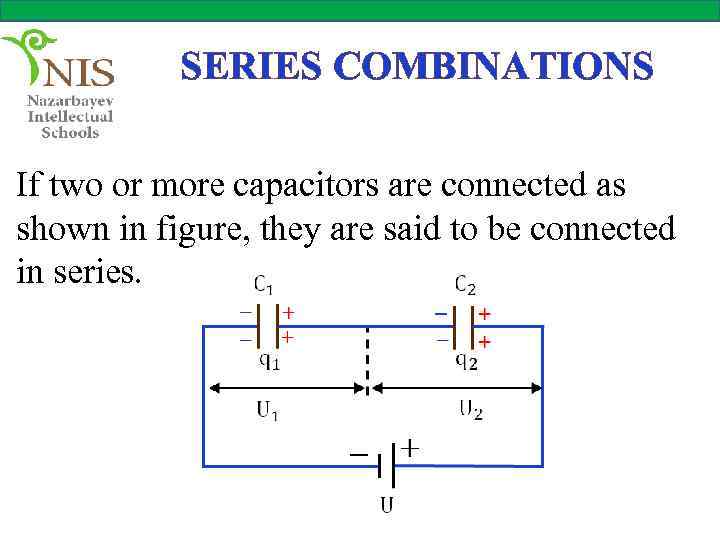 SERIES COMBINATIONS If two or more capacitors are connected as shown in figure, they are said to be connected in series.
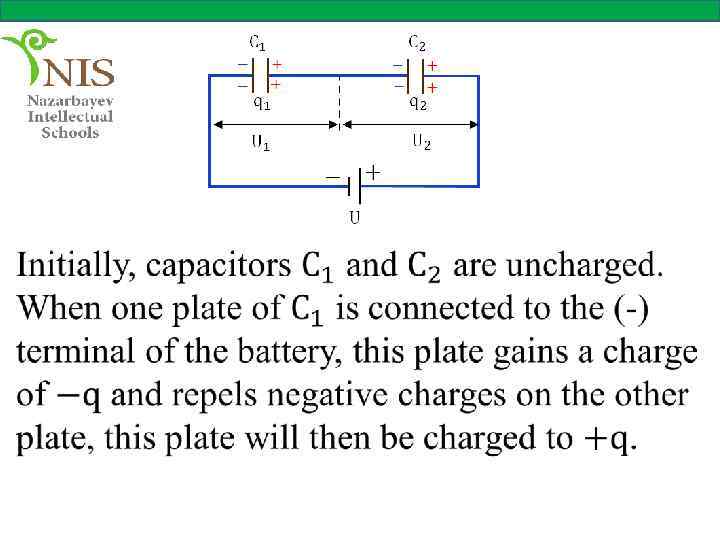
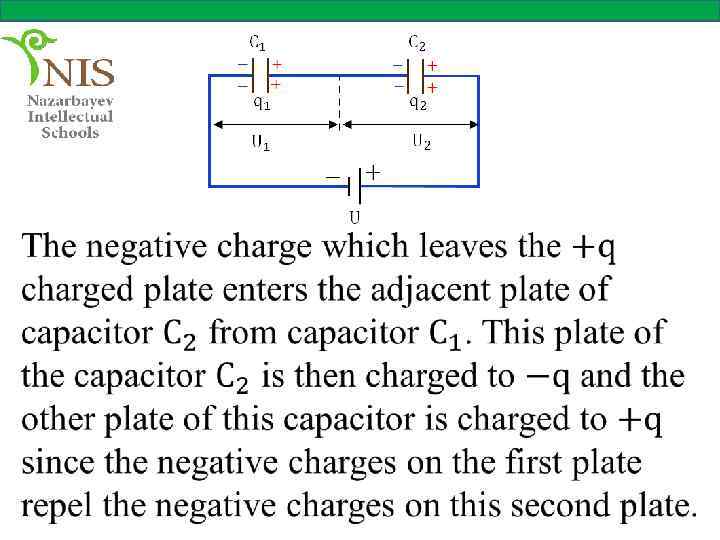
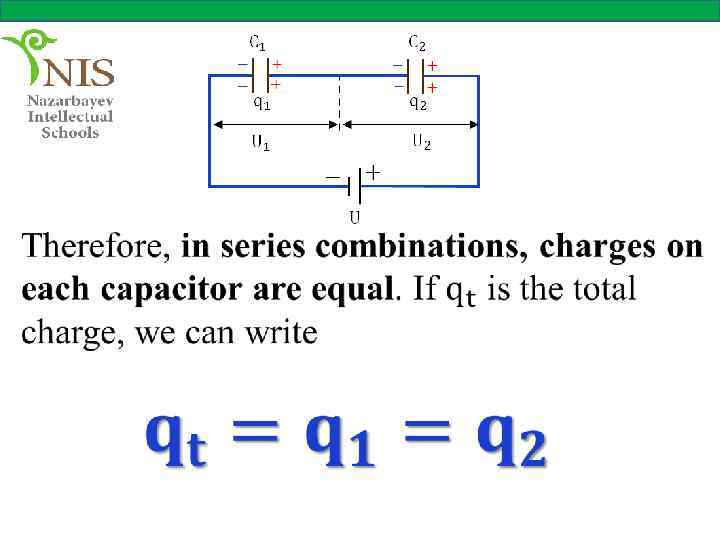
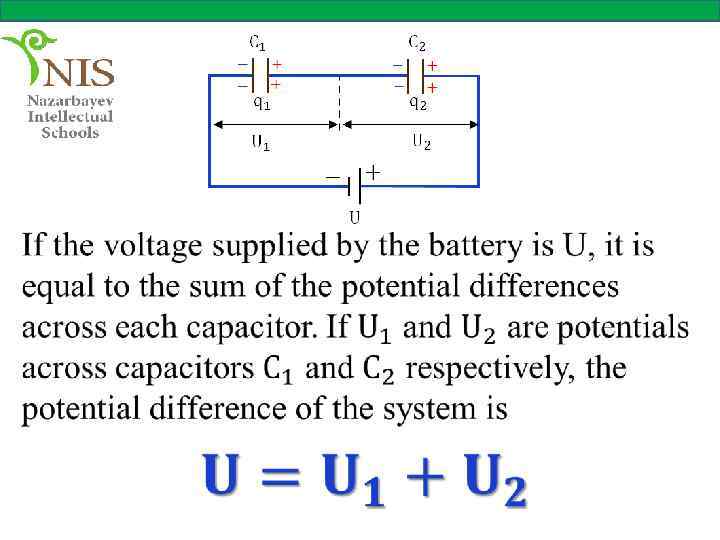
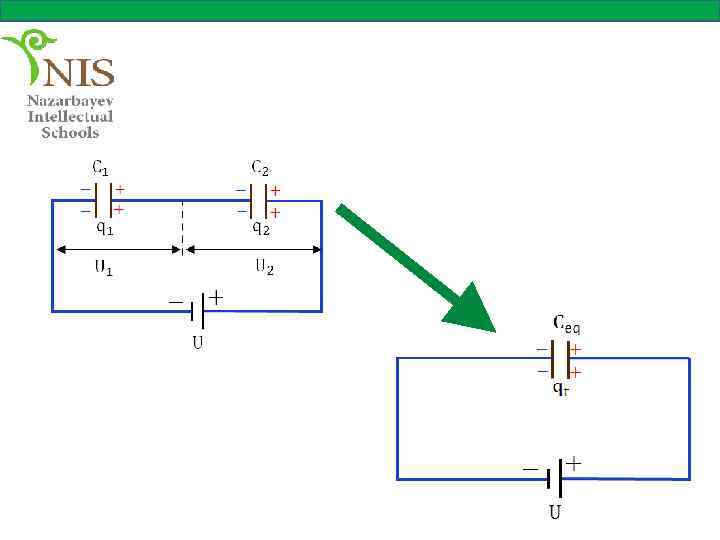
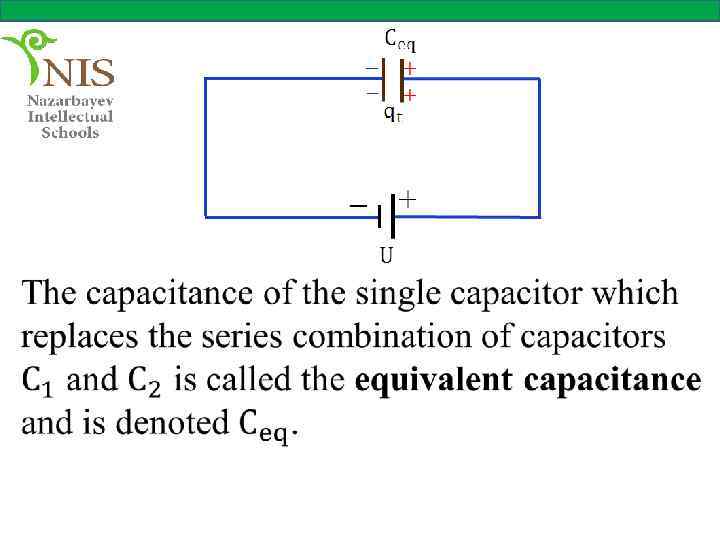
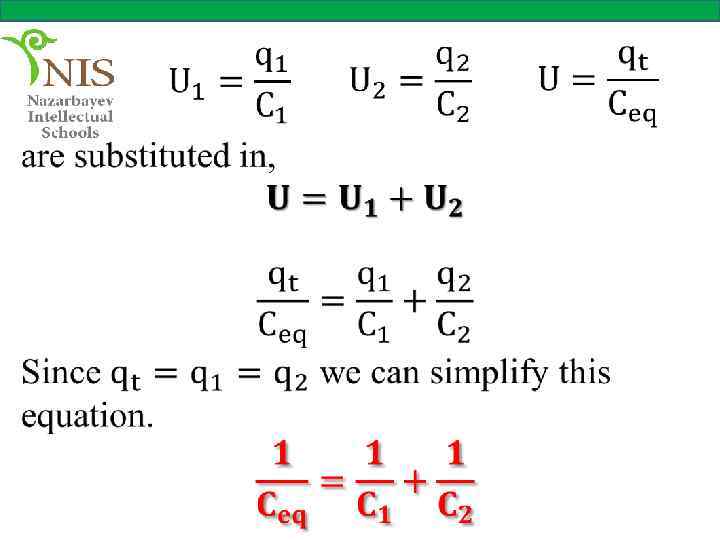
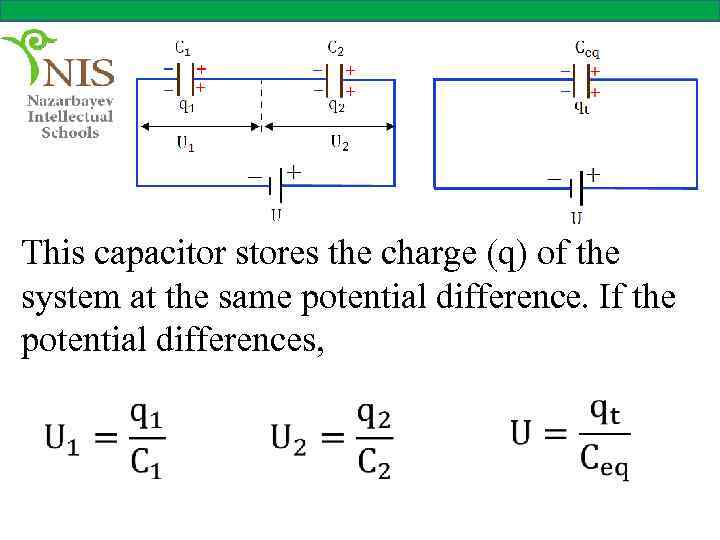 This capacitor stores the charge (q) of the system at the same potential difference. If the potential differences,
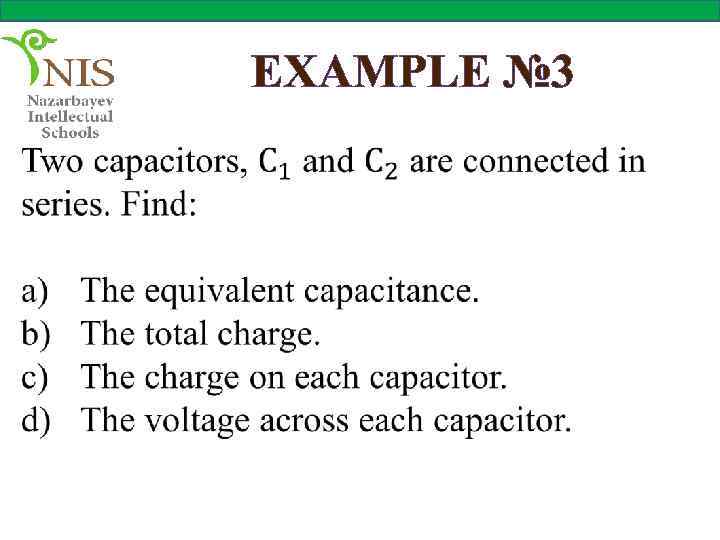 EXAMPLE № 3
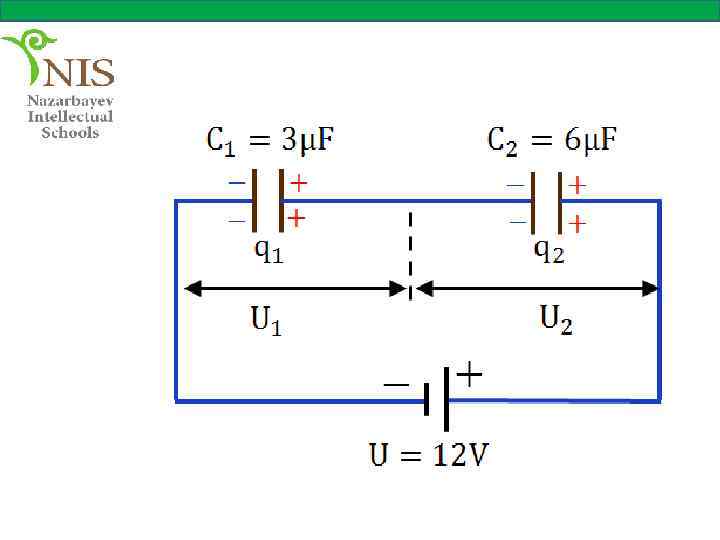
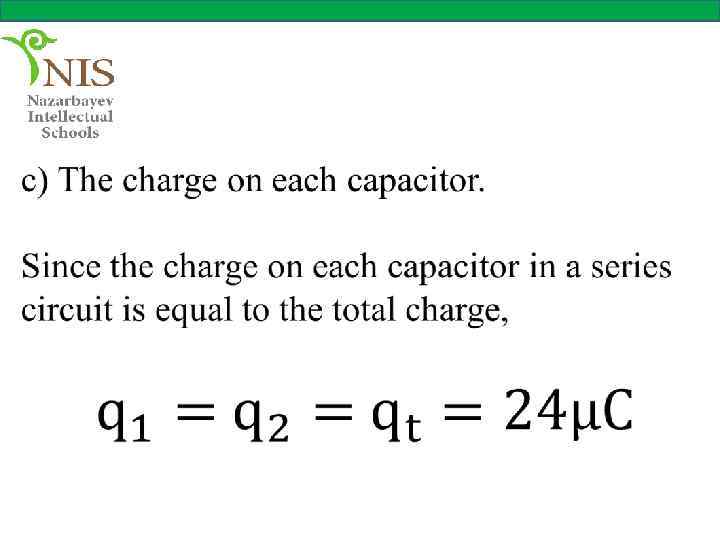
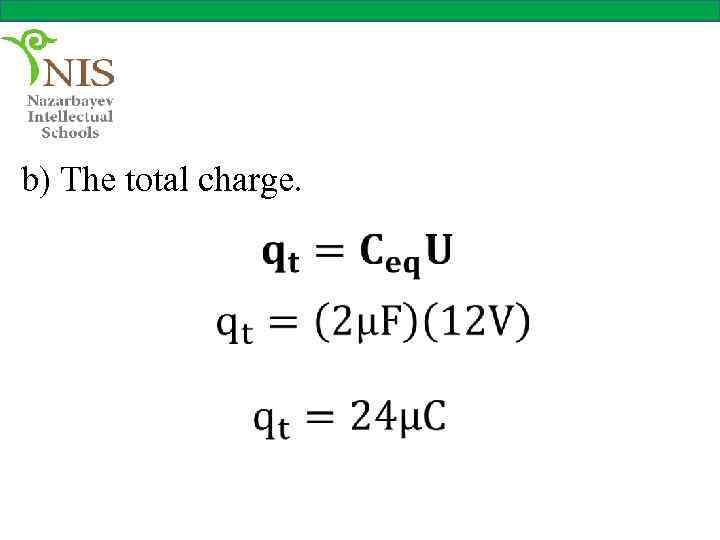 b) The total charge.
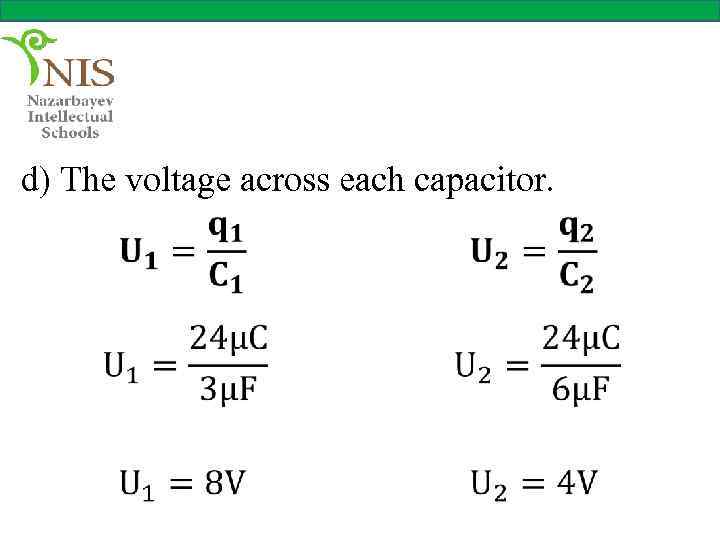 d) The voltage across each capacitor.
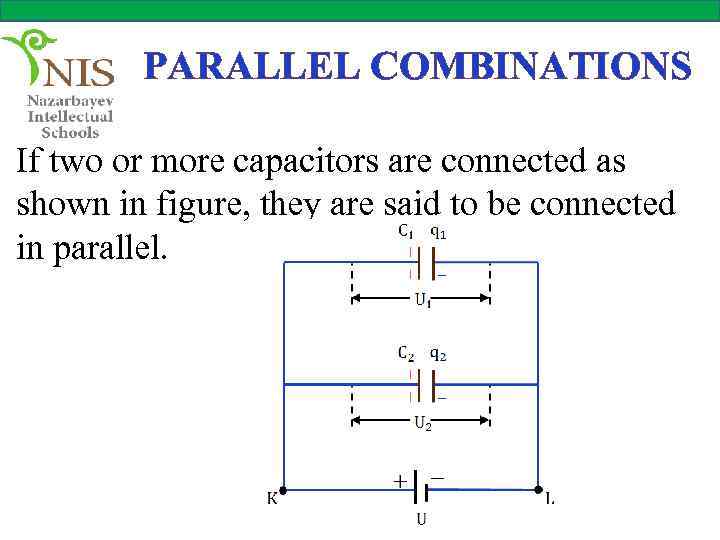 PARALLEL COMBINATIONS If two or more capacitors are connected as shown in figure, they are said to be connected in parallel.
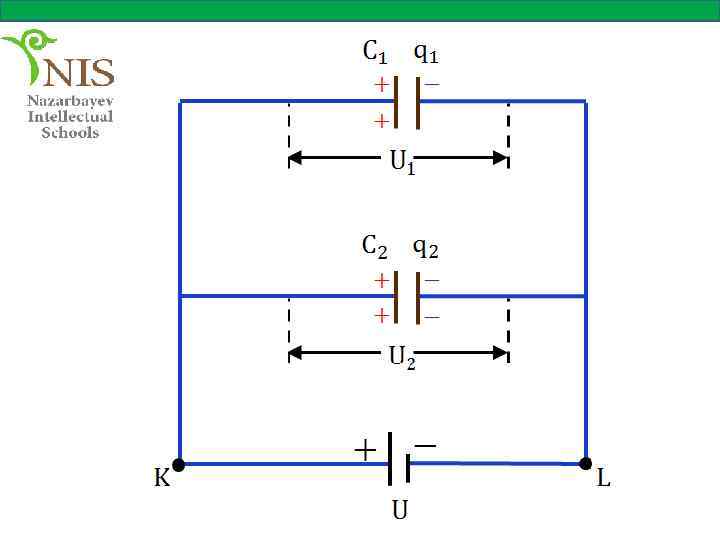

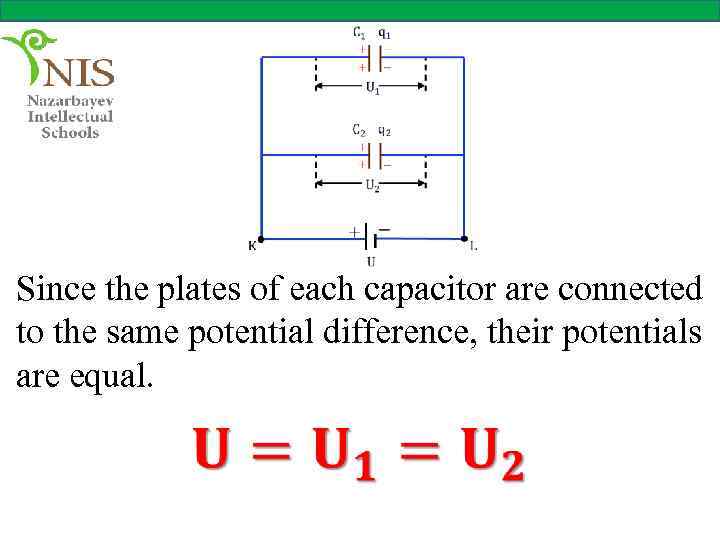 Since the plates of each capacitor are connected to the same potential difference, their potentials are equal.
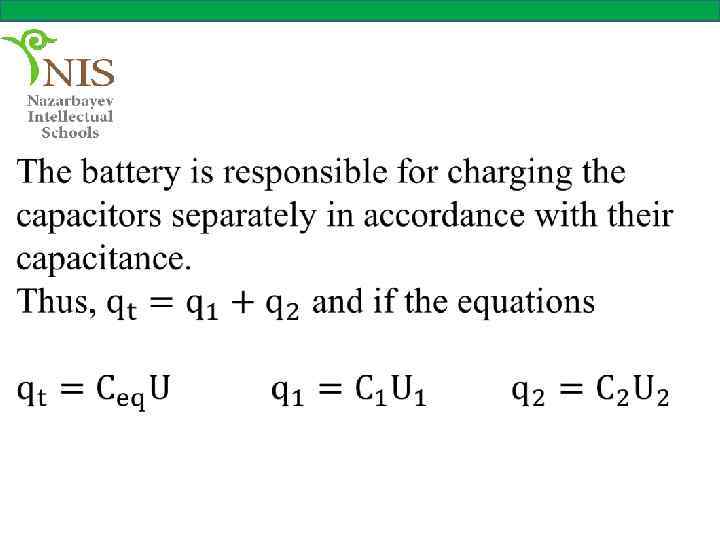
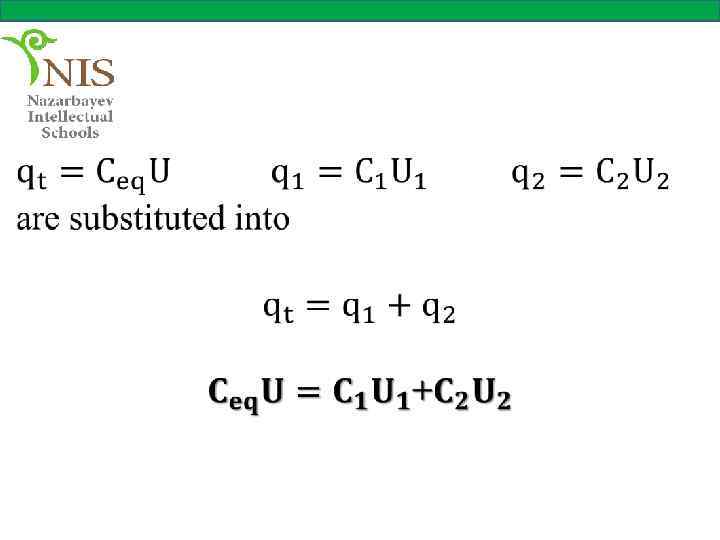
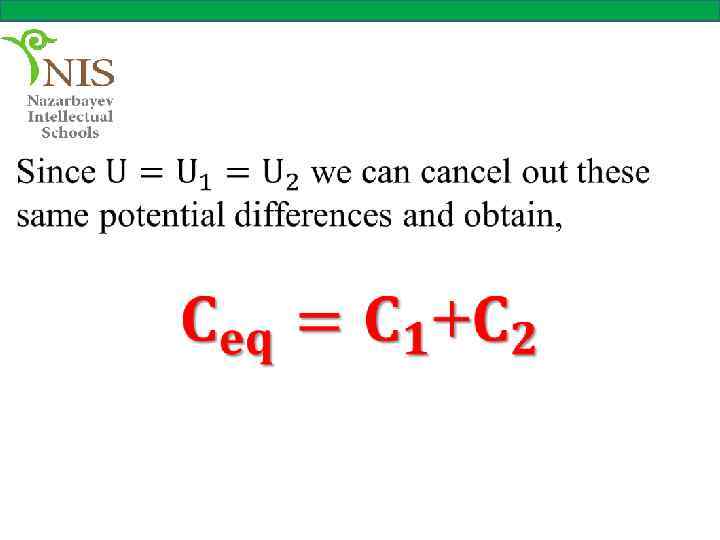
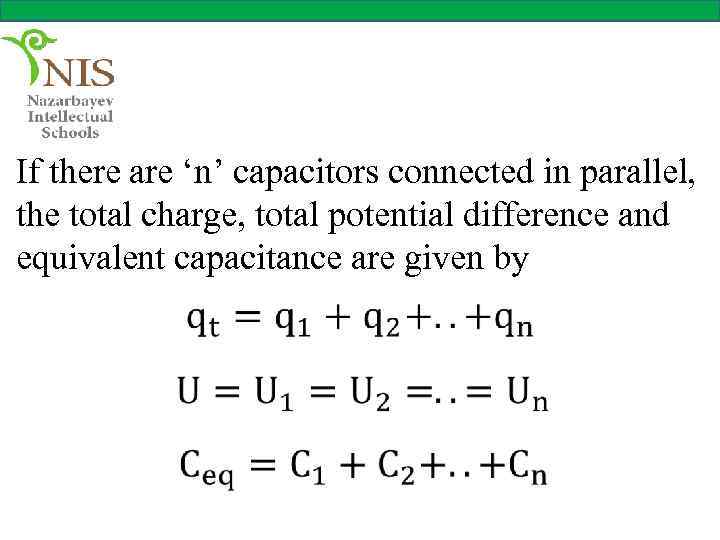 If there are ‘n’ capacitors connected in parallel, the total charge, total potential difference and equivalent capacitance are given by
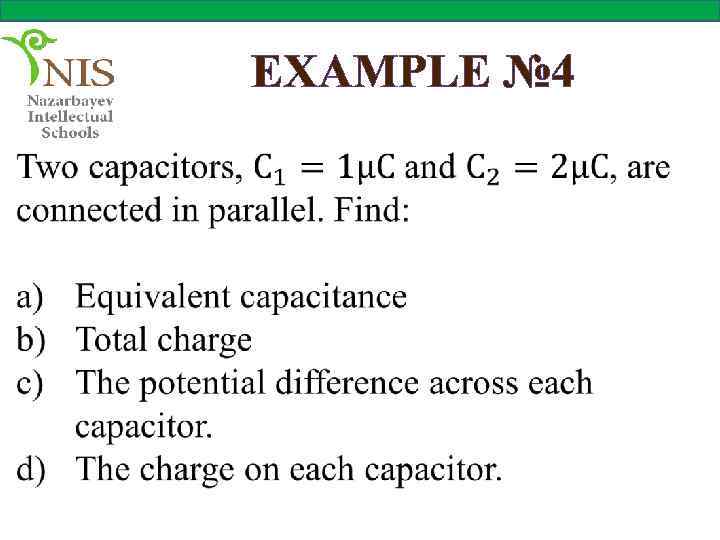 EXAMPLE № 4
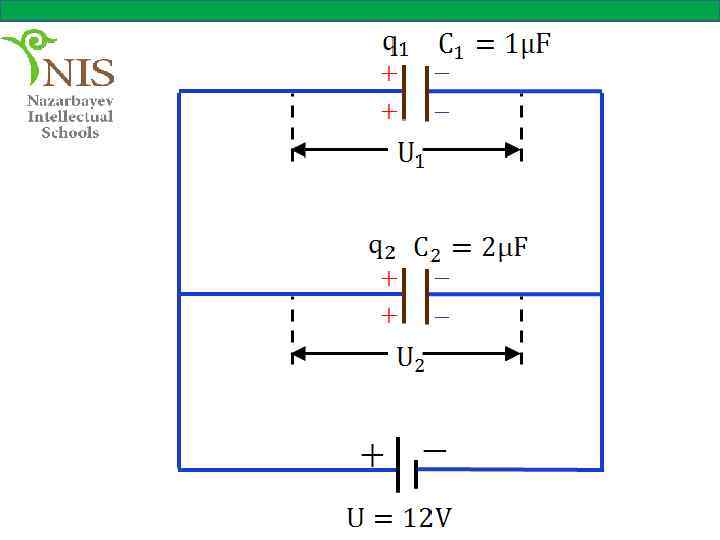
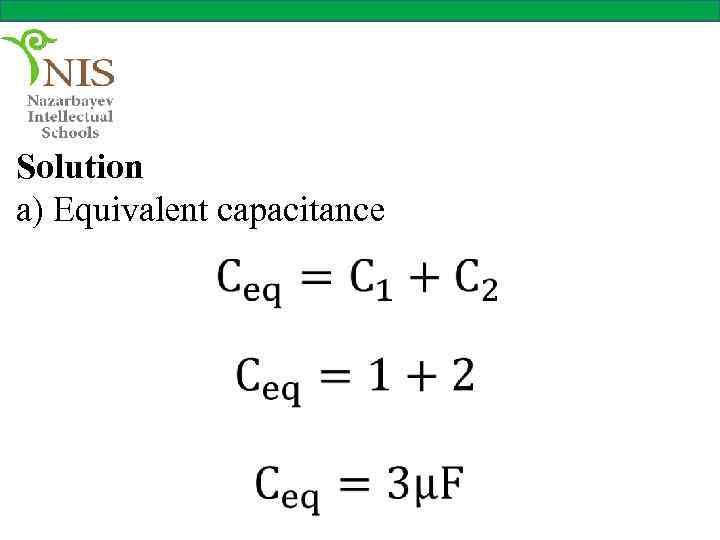 Solution a) Equivalent capacitance
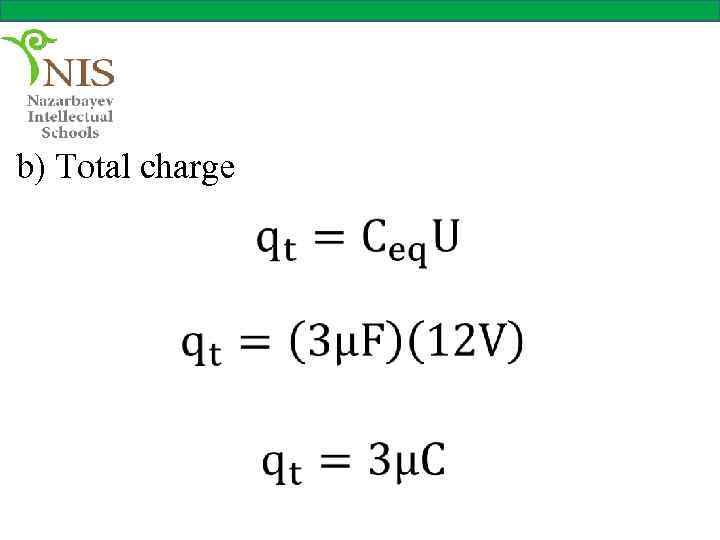 b) Total charge
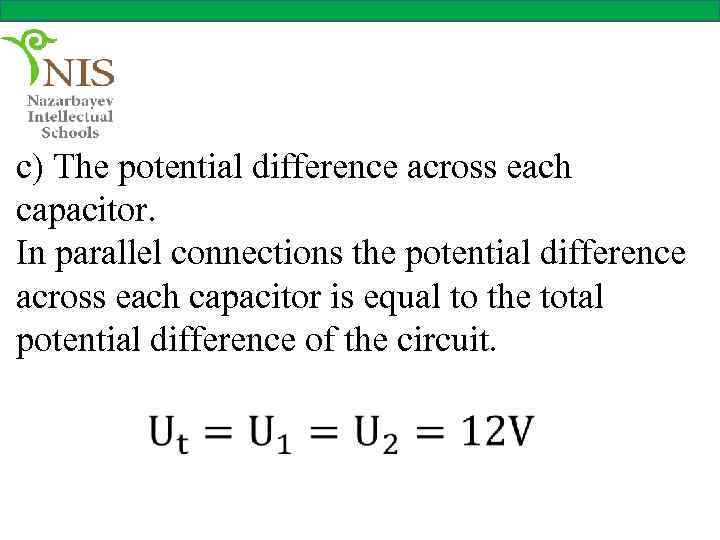 c) The potential difference across each capacitor. In parallel connections the potential difference across each capacitor is equal to the total potential difference of the circuit.
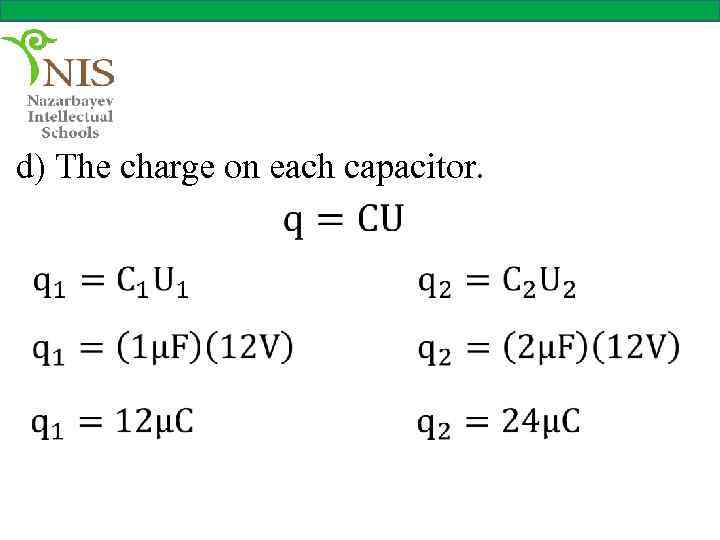 d) The charge on each capacitor.
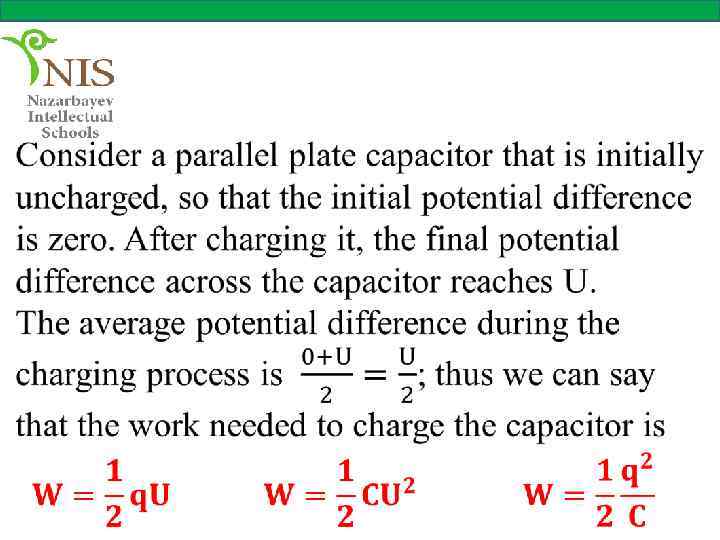
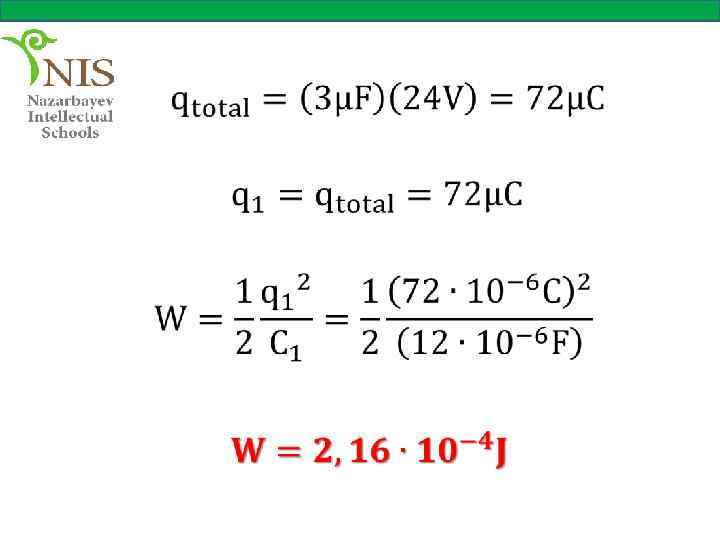
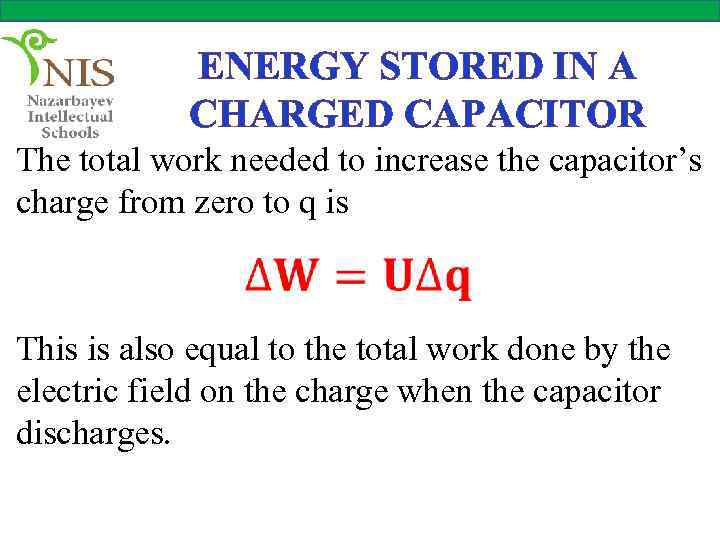 ENERGY STORED IN A CHARGED CAPACITOR The total work needed to increase the capacitor’s charge from zero to q is This is also equal to the total work done by the electric field on the charge when the capacitor discharges.
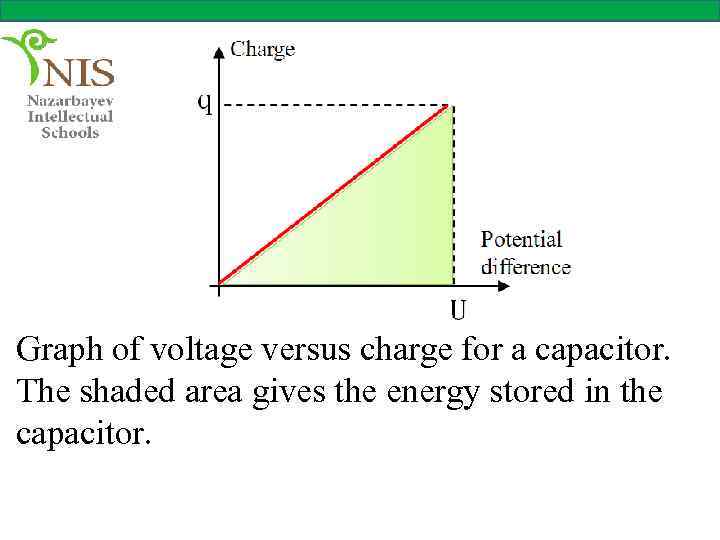 Graph of voltage versus charge for a capacitor. The shaded area gives the energy stored in the capacitor.
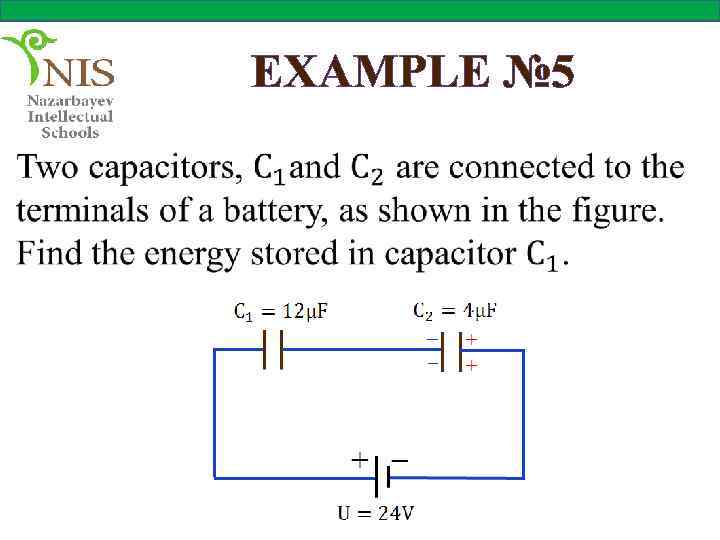 EXAMPLE № 5
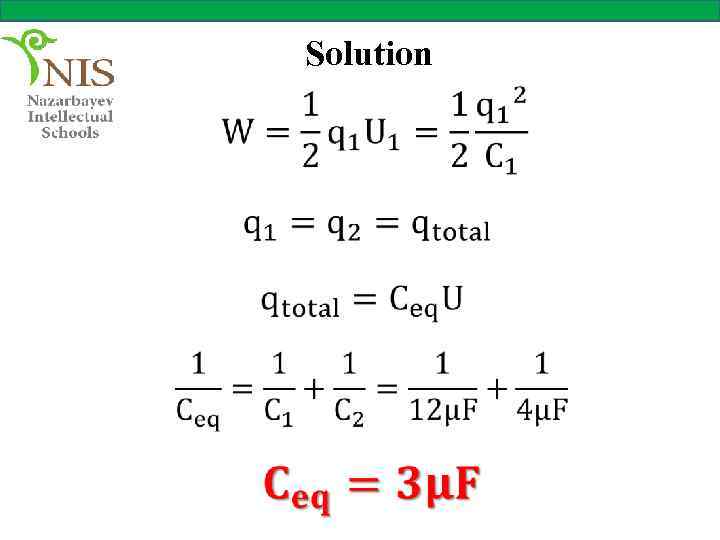 Solution
 DIELECTRICS Many materials, such as paper, plastic and glass, do not conduct electricity easily (under normal conditions). We call these materials insulators. Although, they do not conduct electricity, they change the external electric fields in which they are placed. Therefore, we may also call these insulating materials dielectrics. When a dielectric is placed between the plates of a capacitor, its capacitance increases.
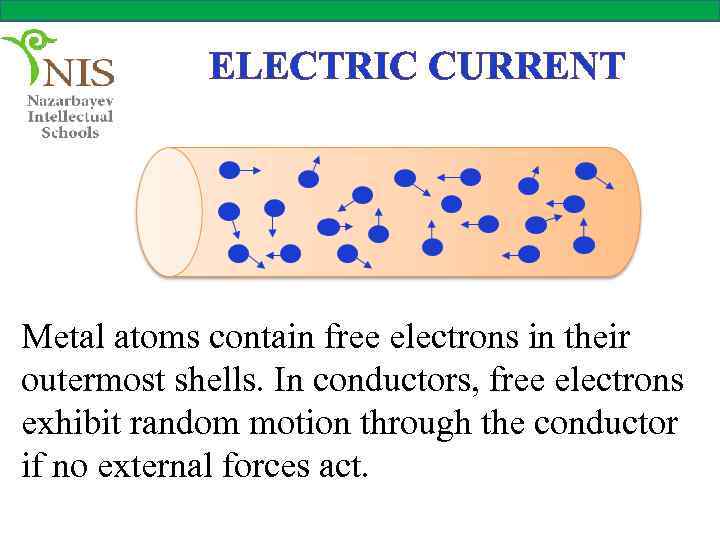 ELECTRIC CURRENT Metal atoms contain free electrons in their outermost shells. In conductors, free electrons exhibit random motion through the conductor if no external forces act.
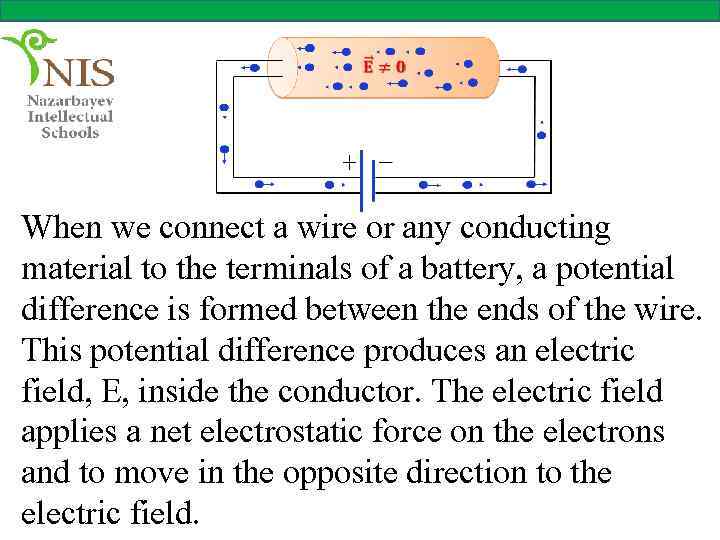 When we connect a wire or any conducting material to the terminals of a battery, a potential difference is formed between the ends of the wire. This potential difference produces an electric field, E, inside the conductor. The electric field applies a net electrostatic force on the electrons and to move in the opposite direction to the electric field.
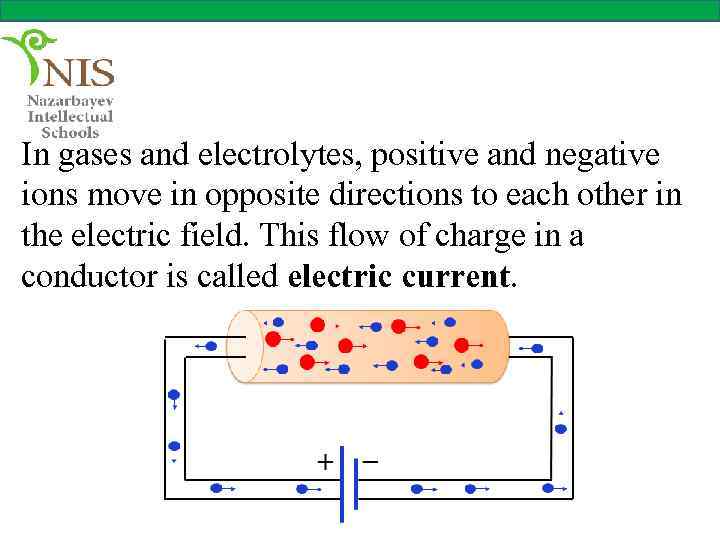 In gases and electrolytes, positive and negative ions move in opposite directions to each other in the electric field. This flow of charge in a conductor is called electric current.
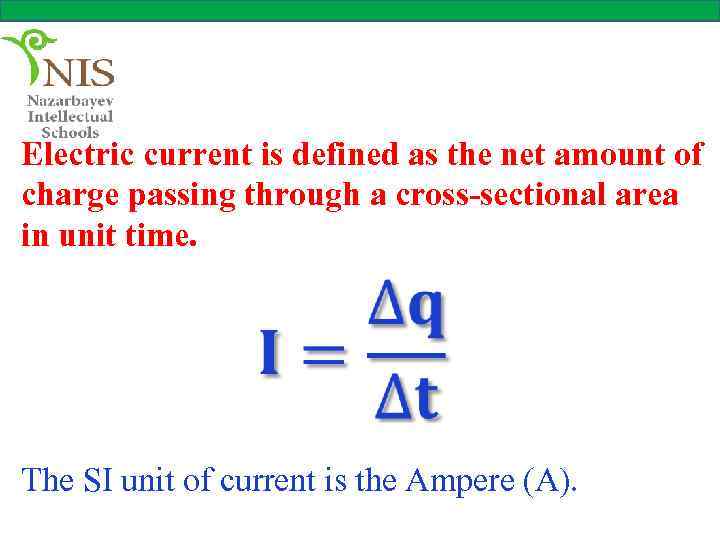 Electric current is defined as the net amount of charge passing through a cross-sectional area in unit time. The SI unit of current is the Ampere (A).
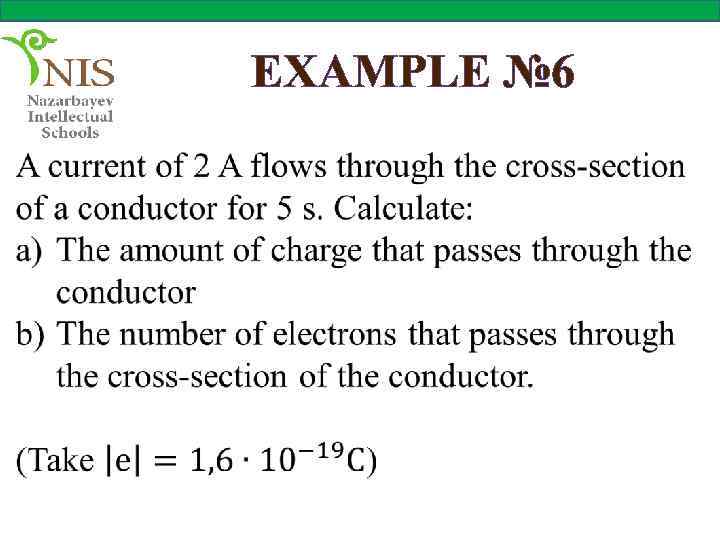 EXAMPLE № 6
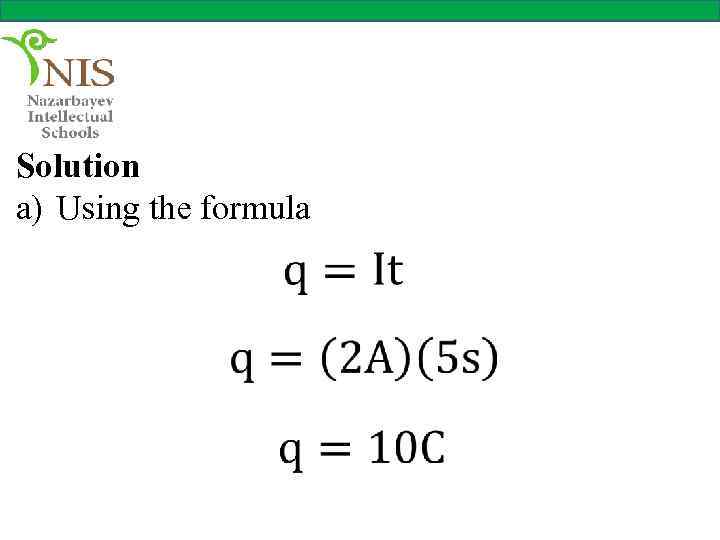 Solution a) Using the formula
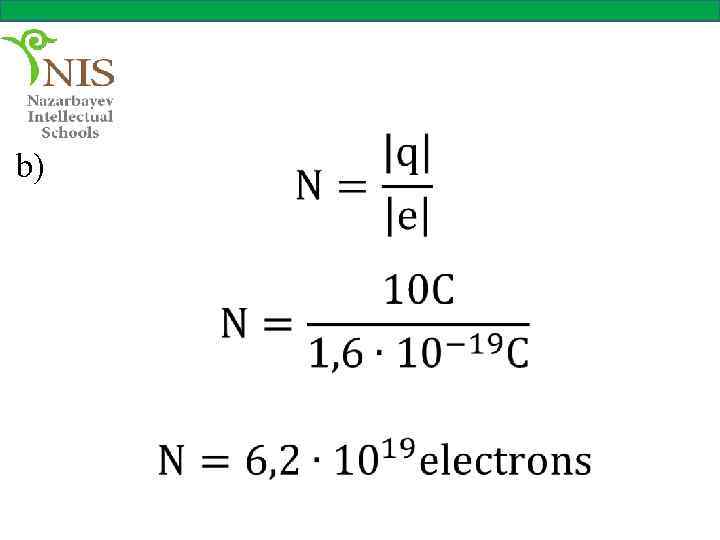 b)
b)
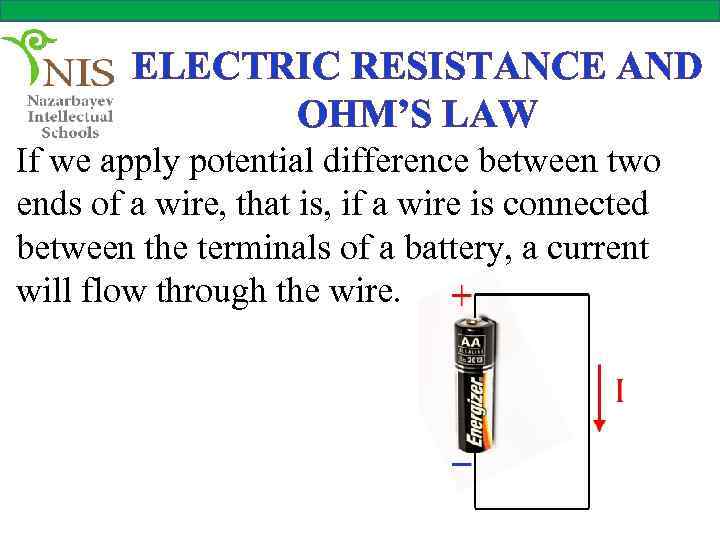 ELECTRIC RESISTANCE AND OHM’S LAW If we apply potential difference between two ends of a wire, that is, if a wire is connected between the terminals of a battery, a current will flow through the wire.
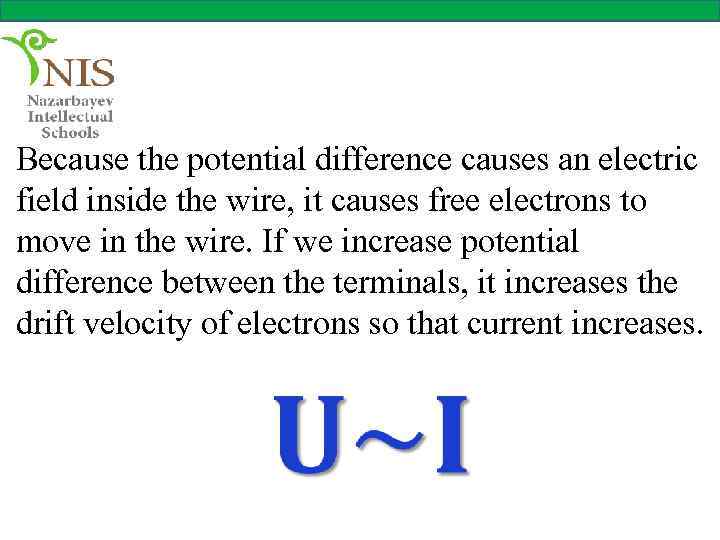 Because the potential difference causes an electric field inside the wire, it causes free electrons to move in the wire. If we increase potential difference between the terminals, it increases the drift velocity of electrons so that current increases.
 The degree of opposition to the flow of electrons is called the resistance of the wire. In terms of current and potential difference, resistance is defined as: Ratio of potential difference to current for a conductor.
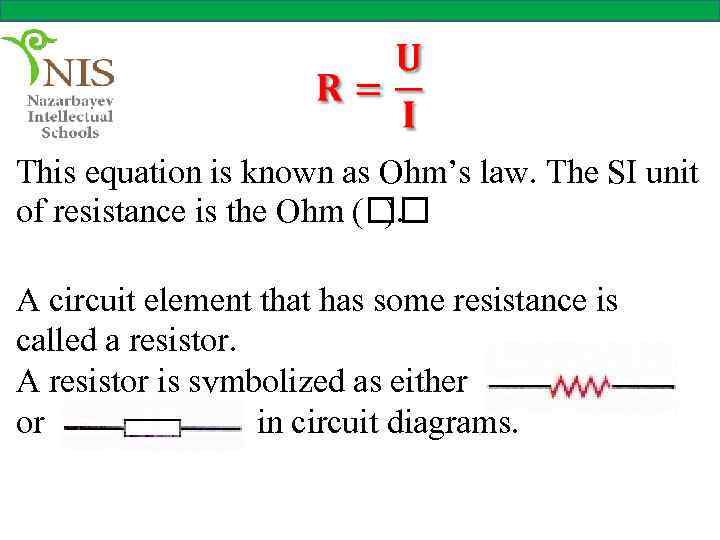 This equation is known as Ohm’s law. The SI unit of resistance is the Ohm ( ). A circuit element that has some resistance is called a resistor. A resistor is symbolized as either or in circuit diagrams.
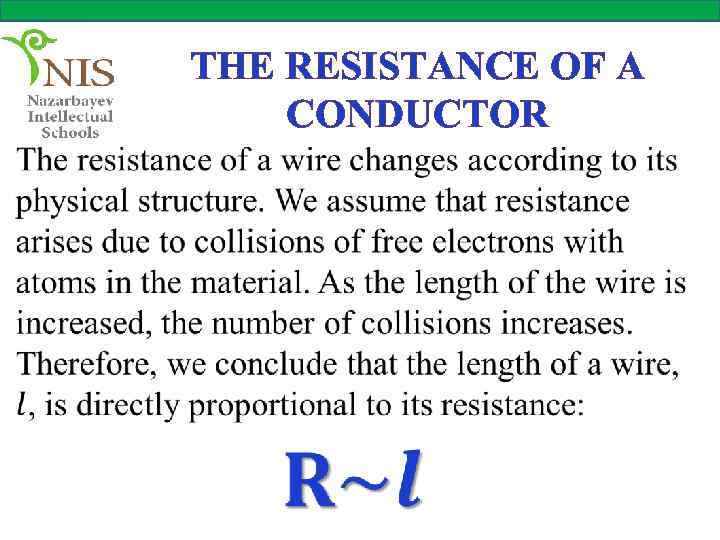 THE RESISTANCE OF A CONDUCTOR
 Resistance can be compared to traffic; In a traffic jam, as the road becomes wider, traffic flows easily. Similarly, as the cross-sectional area of the wire increases, electrons can flow more easily, since they are confronted with less resistance. Thus, resistance is inversely proportional to the cross-sectional area, A.
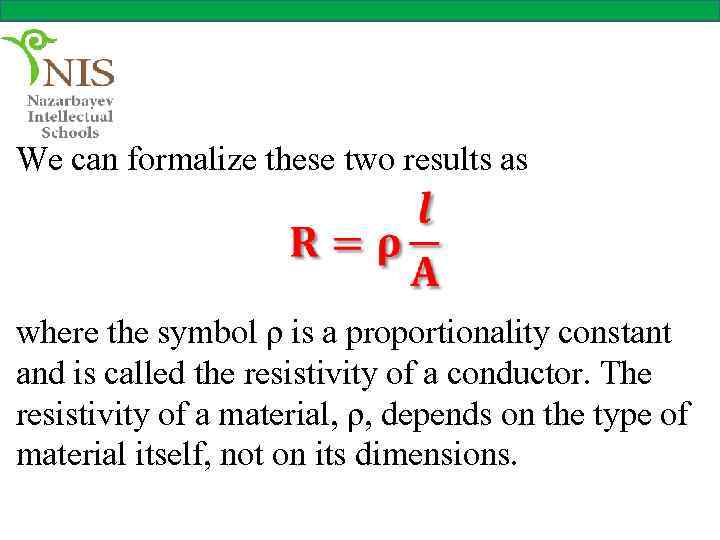 We can formalize these two results as where the symbol ρ is a proportionality constant and is called the resistivity of a conductor. The resistivity of a material, ρ, depends on the type of material itself, not on its dimensions.
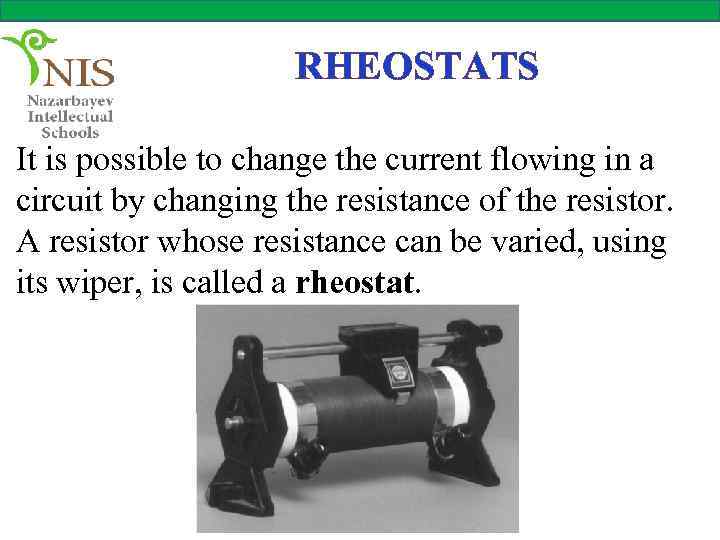 RHEOSTATS It is possible to change the current flowing in a circuit by changing the resistance of the resistor. A resistor whose resistance can be varied, using its wiper, is called a rheostat.
 INFORMATION ABOUT LESSON AND TEST BANK YOU CAN GET ON http: //moodle. nis. edu. kz
 HOMEWORK physicsniskokshetau@mail. ru
 LITERATURE Electricity and Magnetism, Zambak publishing, Ahmet Aki, Salim Gur
 THANK YOU FOR YOUR ATTENTION