


 Скачать презентацию Terence The Mother-in-law A man
c28fbfb578f02337be47501205c03a6e.ppt
- Количество слайдов: 29
 Terence The Mother-in-law
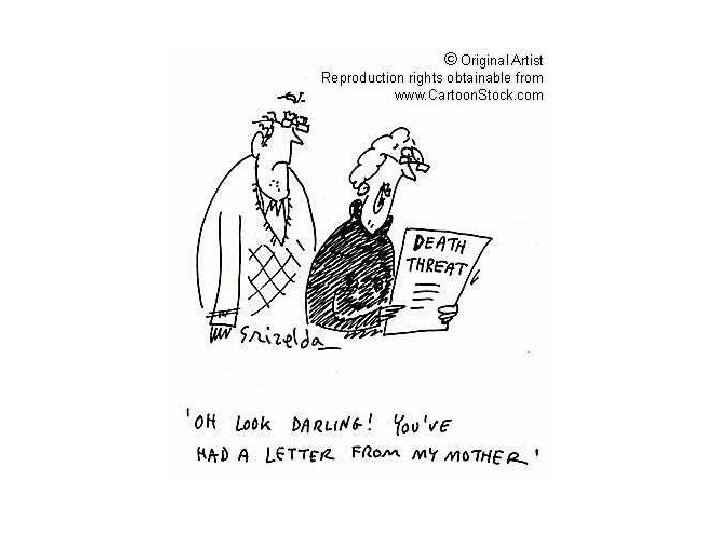
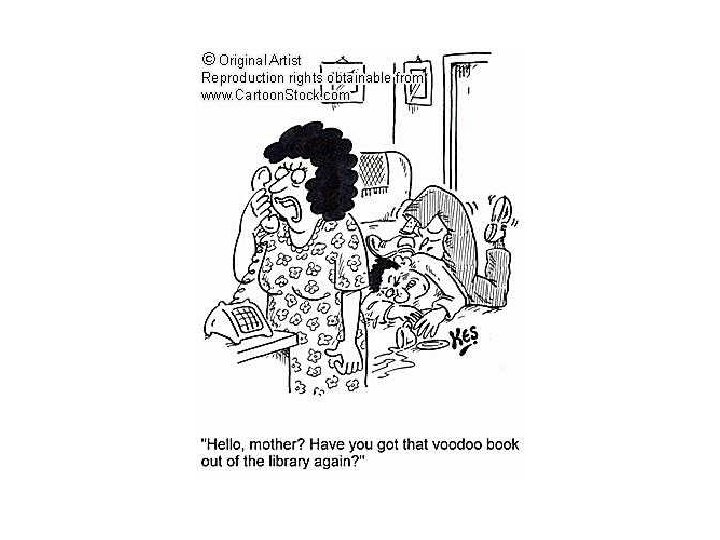
 • A man: "Your mother-in-law fell into my pond which has some crocodiles. ” • The other man - "The crocodiles are yours, so you'll have to save them".
 • Two men were in a pub. One says to his mate, "My MIL is an angel. " His friend replies, "You're lucky. Mine is still alive. "
 • Two cannibals were sitting down eating lunch. One says to the other, "You know, I just can't stand my mother-in-law. "The other one replies, "Just put her to the side and eat the mashed potatoes. "
 Mother-in-law • Prologue 1 and Prologue 2 • Apparently attest to two failures to stage the play in 165 and 160
 After the prologues… • Enter Philotis and Syra • Their conversation introduces theme of trust—in reverse. • Contrary to the standard complaints about feminine infidelity, • the two complain about male infidelity
 enter Parmeno the clever (? ) slave • The conversation between Philotis and the slave sketches the circumstances – Pamphilus is married Philumena force by his father – He was thinking of repudiating her, but finally developed an affection for his wife. – Then he left to take care of an inheritance – Meanwhile Philumena stopped talking to her mother in-law and left for her house
 enter Laches • he mistrusts his wife—Sostrata • Sostrata protests to no avail • Thus women do not trust men and men do not trust women… • Why?
 Enter Phidippus (Philumena’s father) • He tells Laches the girl refuses to return until her husband comes back • Laches immediately blames Sostrata • Sostrata claims her innocence • Who is right?
 Enter Pamphilus and Parmeno • Pamphilus discusses his feelings in considerable detail – He loved Bacchis (so men are flickle) – Now he loves his wife (so men love virtue) – He suspects his mother but feels loyal towards her (so men can be loyal to good women) – Upon hearing Philumena’s voice screaming in pain he enters her father’s house
 Enter Sostrata • She is genuinely worried about Philumena • (another proof that women can be trusted. . ) • Pamphilus joins his mother looking depressed • (so women cannot be trusted; Pamphilus has been betrayed by his virtuous wife. )
 alone • Pamphilus tells us – that Philumena gave birth – that she and her mother begged him to keep it secret – although hurt and betrayed, he will keep her secret (men are loyal, after all) – Now he appears to be noble and kind while his wife’s integrity appears somewhat questionable…
 Enter Parmeno and Sosia • Pamphilus sends Sosia to the Acropolis to cancel an appointment for him • The slave disappears and cannot provide us with a solution…
 Enter the two fathers • Pamphilus tells them he is aware of the alleged conflict and says that his loyalty goes to his mother • After he leaves the fathers quarrel • Both patriarchs go inside to vent their anger on their wives…
 So… • They do not trust or love their long-time spouses • But Pamphilus is at least showing affection towards his wife…
 Enter Myrrina • She fears her husband’s reaction • When Phidippus discovers the child • Myrrina tells him that Pamphilus is the father • Now he accuses her of hiding the birth in order to ruin her daughter’s marriage… • Myrrina seems indeed resentful because of Pamphilus’ affair with Bacchis
 Enter Sostrata… • She tells her son she would be happy to leave the city to encourage his wife to come back • Pamphilus refuses
 Enter Laches and Sostrata • planning to go to the country together • Laches heard Sostrata’s conversation and seems to have regained some respect for her, though he is still speaking of “putting up” with his wife • Pamphilus joins them to to protest against his mother’s departure
 Enter Phidippus • Phidippus claims that his wife was in fact to blame. • He announces the birth of their grandson • Pamphilus, to everyone’s surprise, does not want to raise the child… • Laches blames this on P’s relationship with Bacchis (he MUST blame a woman)
 enter Bacchis • (Laches arranged to speak with her) • Laches questions her about her relationship with Pamphilus • She tells him the truth • So this particular woman—a prostitute— seems loyal and trustworthy even when this is against her interest…
 Enter Phidippus • Bacchis swears to Phidippus that Pamphilus stopped seeing her. • She offers his her servants to put under torture… • She enters Phidippus’ house to talk to Philumena and her mother…
 Enter Parmeno • Bacchis sends him to Pamphilus with the news • The audience ONLY NOW learns that it was the noble Pamphilus who raped Philumena • Pamphilus is the father of Philumena’s baby • He raped her during a festival took a ring from her, then gave it to Bacchis • Myrrina recognized the ring…
 Enter Pamphilus • Talking to Parmeno • He can hardly believe his luck, but does not seem remorseful…
 Enter Bacchis • Pamphilus thanks her • for keeping the truth secret from his father • Parmeno notes that he was useless in this play
 In the end… • Terence present us with a play where… – The mother-in-law is a wonderful person – The prostitute is the most honest character in the play – The slave does not help his master to get his beloved – Conflicts result from dishonesty and mistrust…
 • The characters’ feelings are complex: – Perhaps Pamphilus kindness towards Philumena is dictated by the memory of the rape he committed? – Perhaps Phidippus chooses not to notice that the child could not possibly be Pamphilus’ for the sake of appearances? – Perhaps the old men blame their wives because they do not dare to face their problems?
 Is the Hecyra a palliata? • It has a predictable plot, but its characters are more than stock-types. • Unlike Plautus, it leaves us with questions and reflections on human nature, relationships, and ethics it is almost a new kind of comedy whose happy ending leaves you uncomfortable…