


 Скачать презентацию Teaching Japanese Goal-Oriented Method Miyuki Sawada NKNU Email
4e91cbd0bd7033bcfc57cae5e93ba3be.ppt
- Количество слайдов: 34
 Teaching Japanese: Goal-Oriented Method Miyuki Sawada NKNU Email: msawada 88@hotmail. com 1
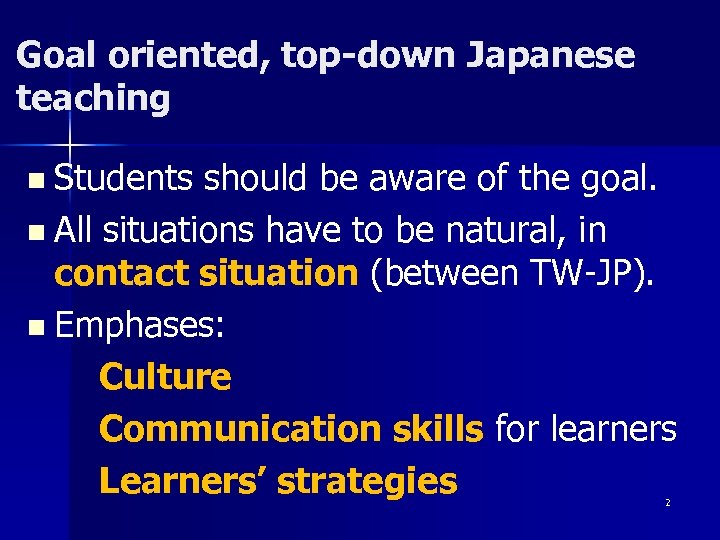 Goal oriented, top-down Japanese teaching n Students should be aware of the goal. n All situations have to be natural, in contact situation (between TW-JP). n Emphases: Culture Communication skills for learners Learners’ strategies 2
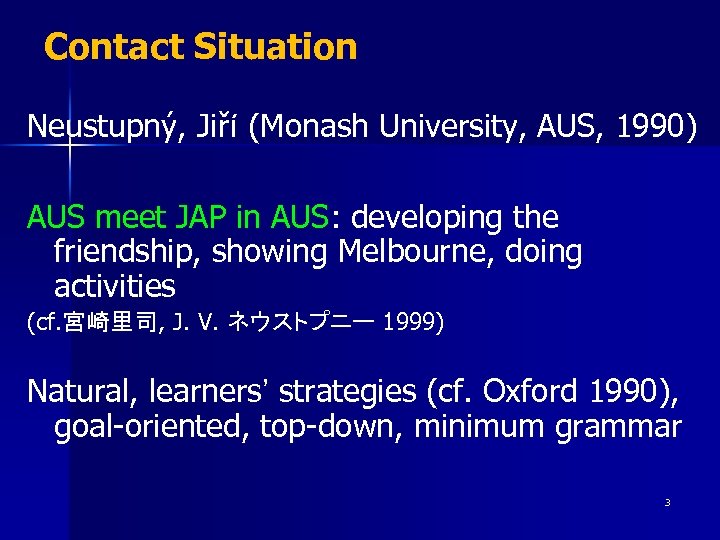 Contact Situation Neustupný, Jiří (Monash University, AUS, 1990) AUS meet JAP in AUS: developing the friendship, showing Melbourne, doing activities (cf. 宮崎里司, J. V. ネウストプニー 1999) Natural, learners’ strategies (cf. Oxford 1990), goal-oriented, top-down, minimum grammar 3
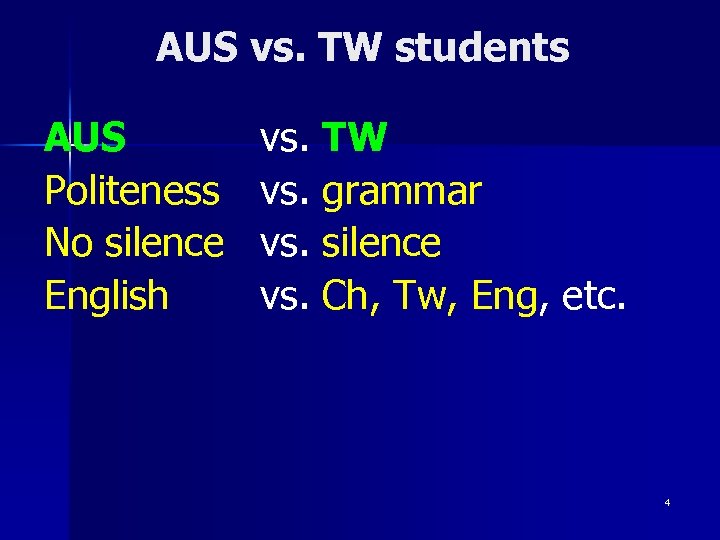 AUS vs. TW students AUS Politeness No silence English vs. TW vs. grammar vs. silence vs. Ch, Tw, Eng, etc. 4
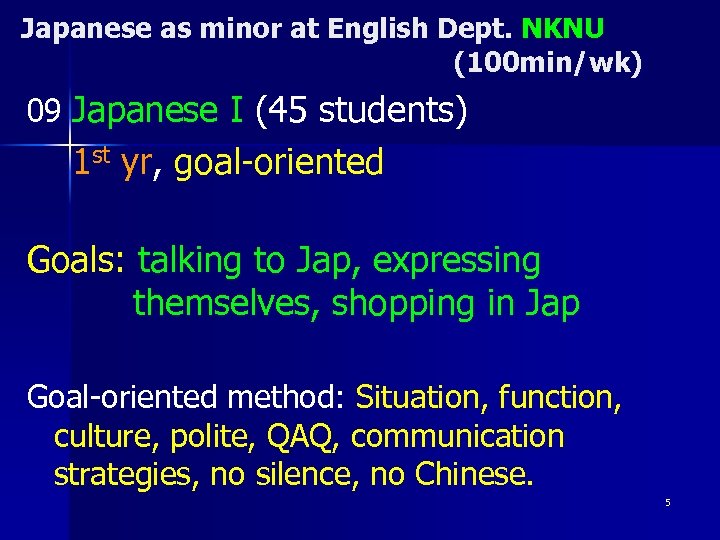 Japanese as minor at English Dept. NKNU (100 min/wk) 09 Japanese I (45 students) 1 st yr, goal-oriented Goals: talking to Jap, expressing themselves, shopping in Jap Goal-oriented method: Situation, function, culture, polite, QAQ, communication strategies, no silence, no Chinese. 5
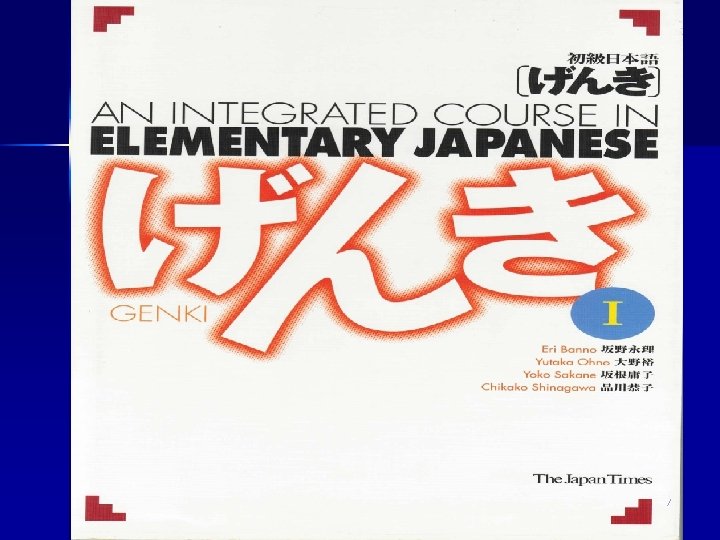
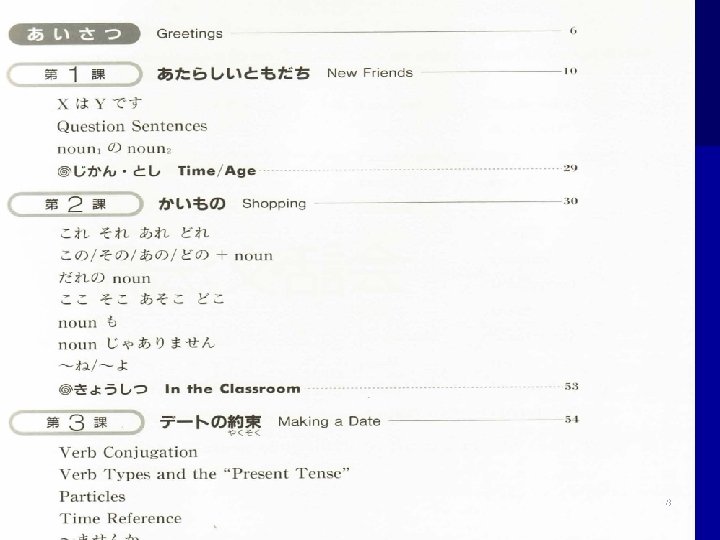
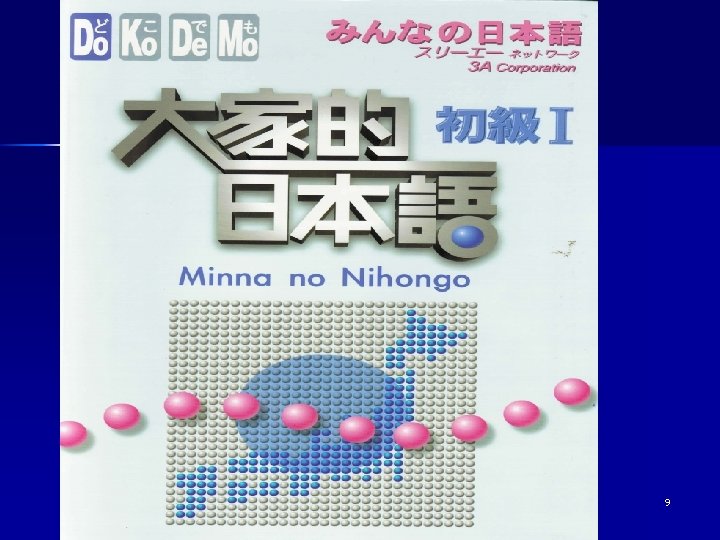
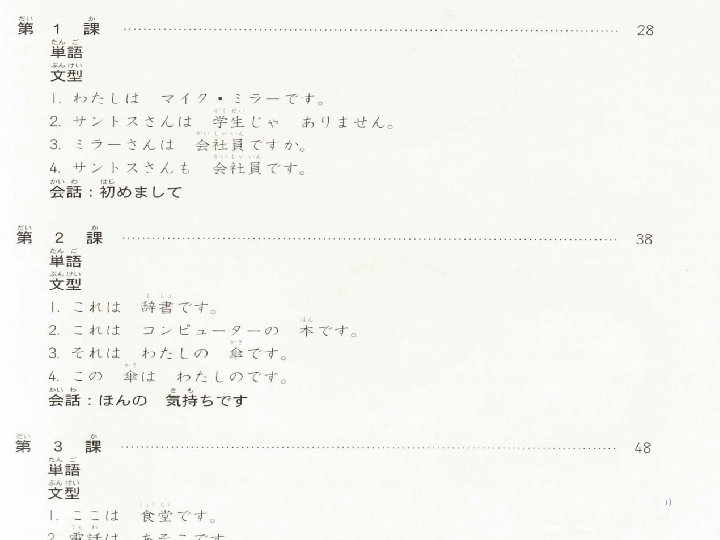
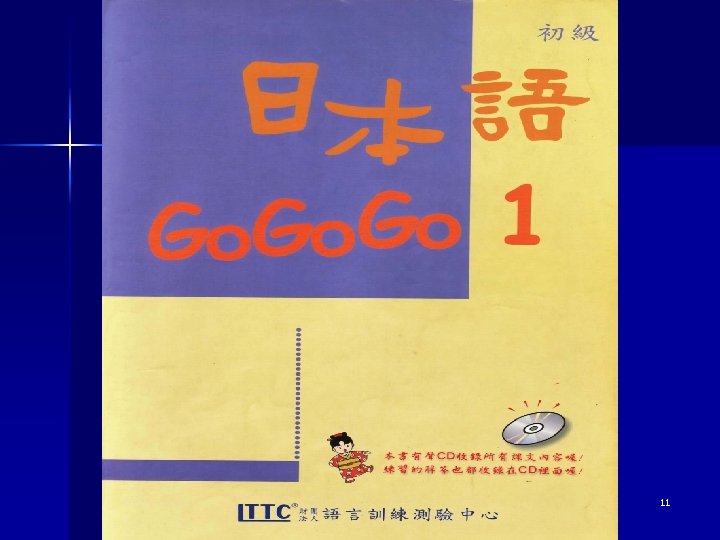
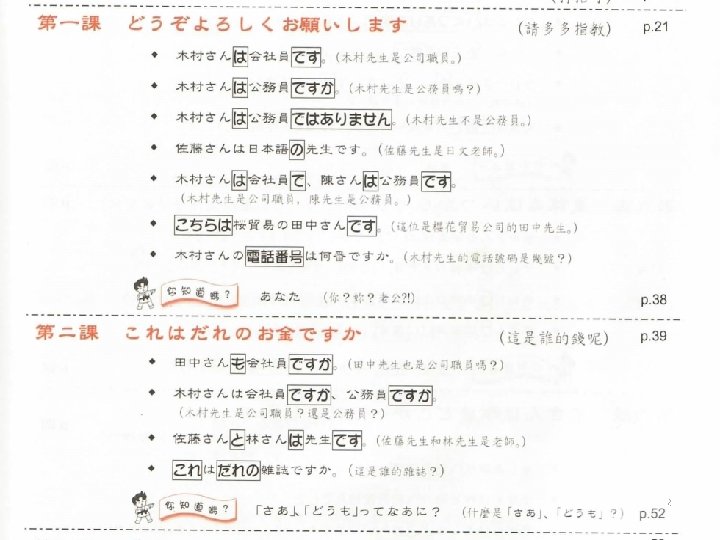
 Textbook 6
 7
7
 8
8
 9
9
 10
10
 11
11
 12
12
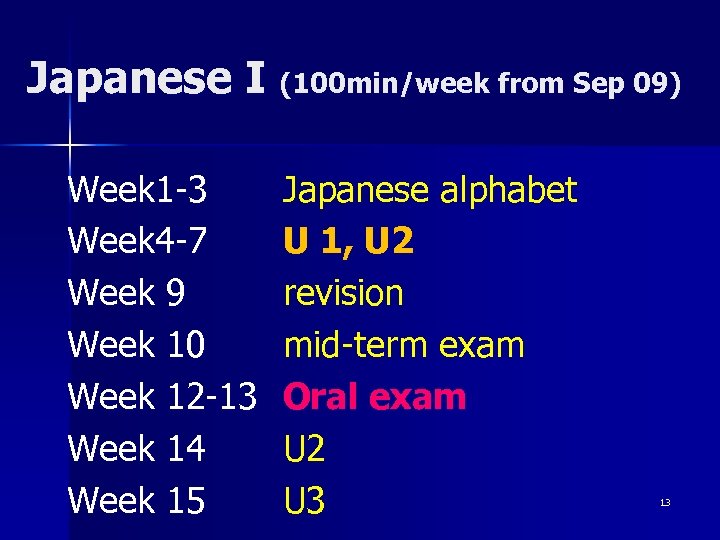 Japanese I (100 min/week from Sep 09) Week 1 -3 Week 4 -7 Week 9 Week 10 Week 12 -13 Week 14 Week 15 Japanese alphabet U 1, U 2 revision mid-term exam Oral exam U 2 U 3 13
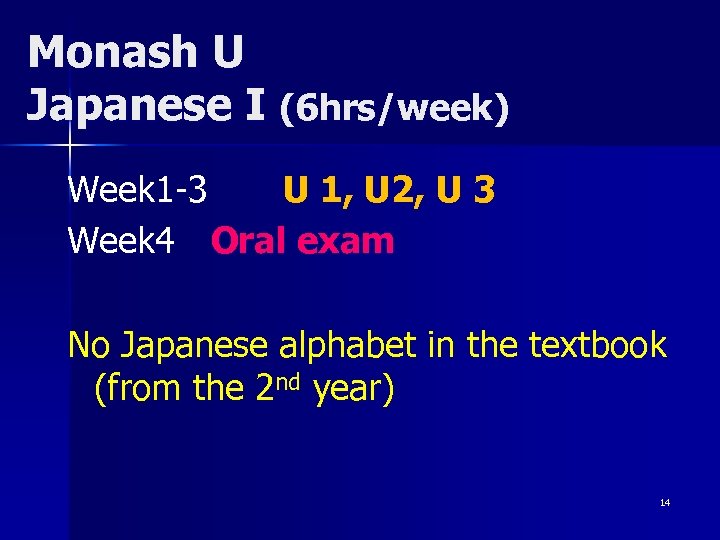 Monash U Japanese I (6 hrs/week) Week 1 -3 U 1, U 2, U 3 Week 4 Oral exam No Japanese alphabet in the textbook (from the 2 nd year) 14
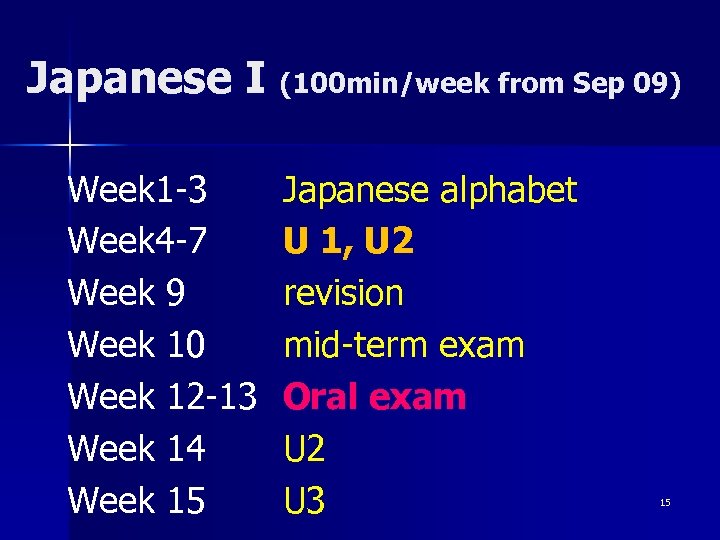 Japanese I (100 min/week from Sep 09) Week 1 -3 Week 4 -7 Week 9 Week 10 Week 12 -13 Week 14 Week 15 Japanese alphabet U 1, U 2 revision mid-term exam Oral exam U 2 U 3 15
 16
16
 17
17
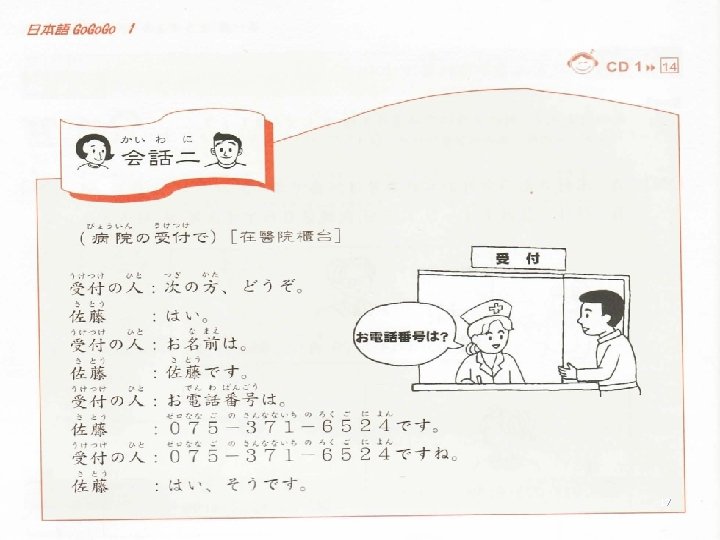
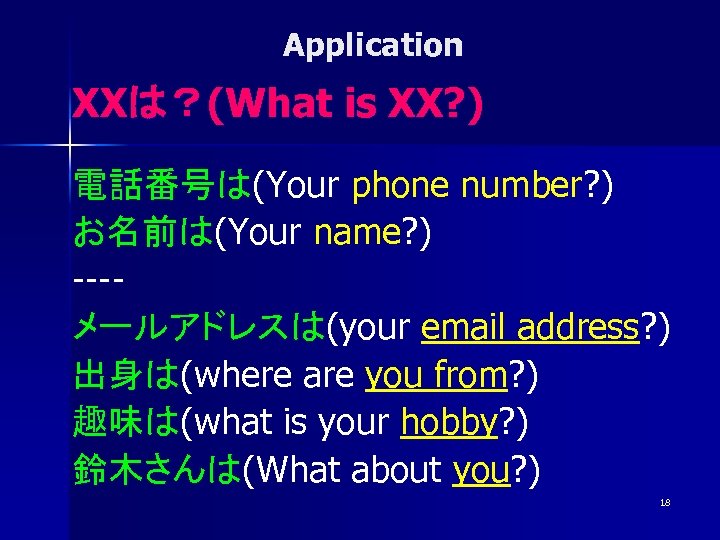 Application XXは?(What is XX? ) 電話番号は(Your phone number? ) お名前は(Your name? ) ---メールアドレスは(your email address? ) 出身は(where are you from? ) 趣味は(what is your hobby? ) 鈴木さんは(What about you? ) 18
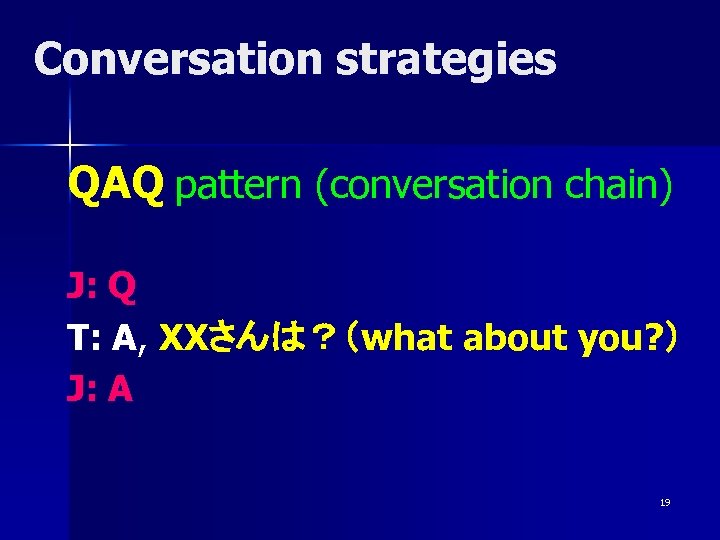 Conversation strategies QAQ pattern (conversation chain) J: Q T: A, XXさんは?(what about you? ) J: A 19
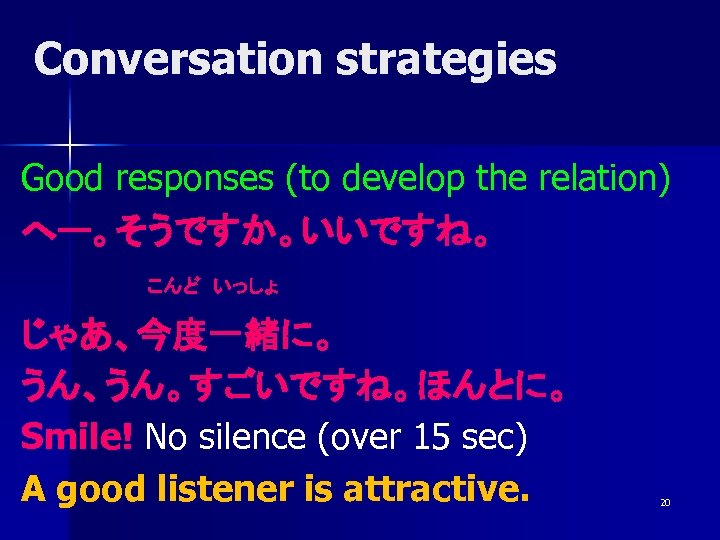 Conversation strategies Good responses (to develop the relation) へー。そうですか。いいですね。 こんど いっしょ じゃあ、今度一緒に。 うん、うん。すごいですね。ほんとに。 Smile! No silence (over 15 sec) A good listener is attractive. 20
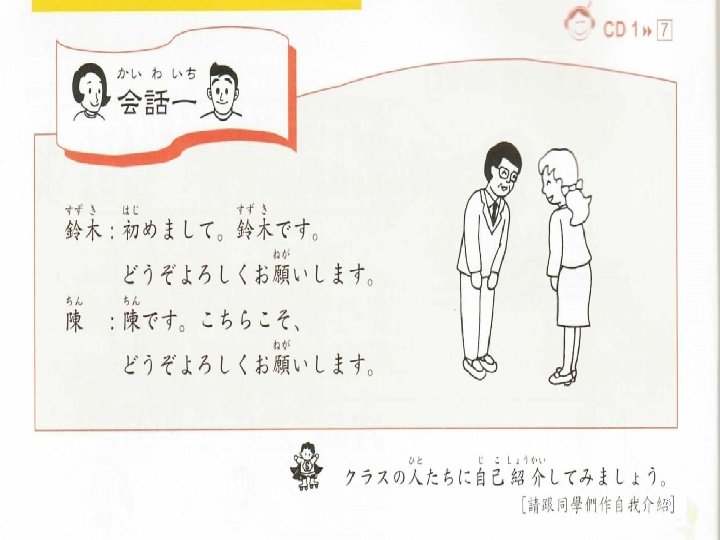
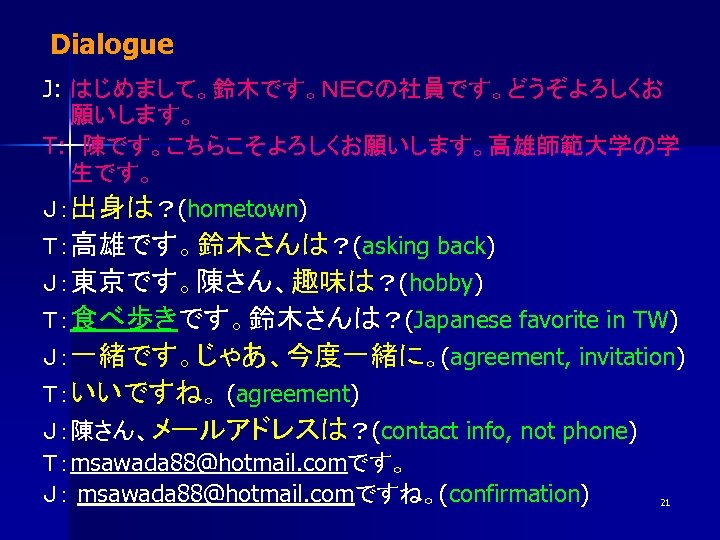 Dialogue J: はじめまして。鈴木です。NECの社員です。どうぞよろしくお 願いします。 T: 陳です。こちらこそよろしくお願いします。高雄師範大学の学 生です。 J:出身は?(hometown) T:高雄です。鈴木さんは?(asking back) J:東京です。陳さん、趣味は?(hobby) T:食べ歩きです。鈴木さんは?(Japanese favorite in TW) J:一緒です。じゃあ、今度一緒に。(agreement, invitation) T:いいですね。 (agreement) J:陳さん、メールアドレスは?(contact info, not phone) T:msawada 88@hotmail. comです。 J: msawada 88@hotmail. comですね。(confirmation) 21
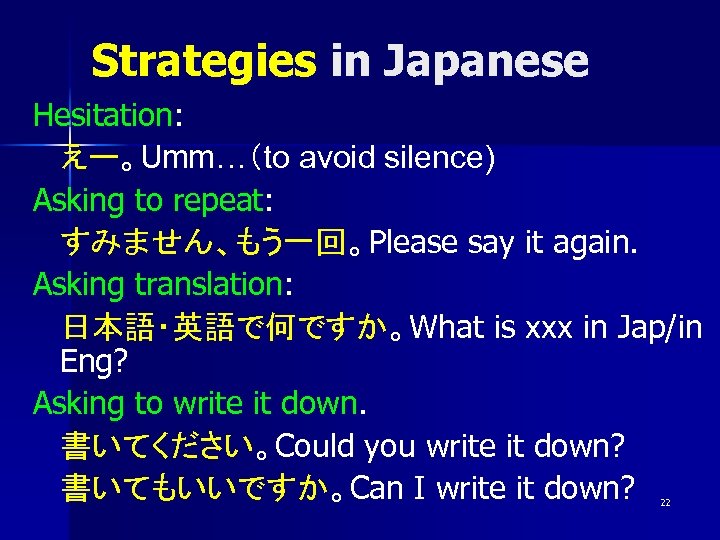 Strategies in Japanese Hesitation: えー。Umm…(to avoid silence) Asking to repeat: すみません、もう一回。Please say it again. Asking translation: 日本語・英語で何ですか。What is xxx in Jap/in Eng? Asking to write it down. 書いてください。Could you write it down? 書いてもいいですか。Can I write it down? 22
 Culture Issues > Grammar Bow In and Out うち、そと Numbers Be polite! 23
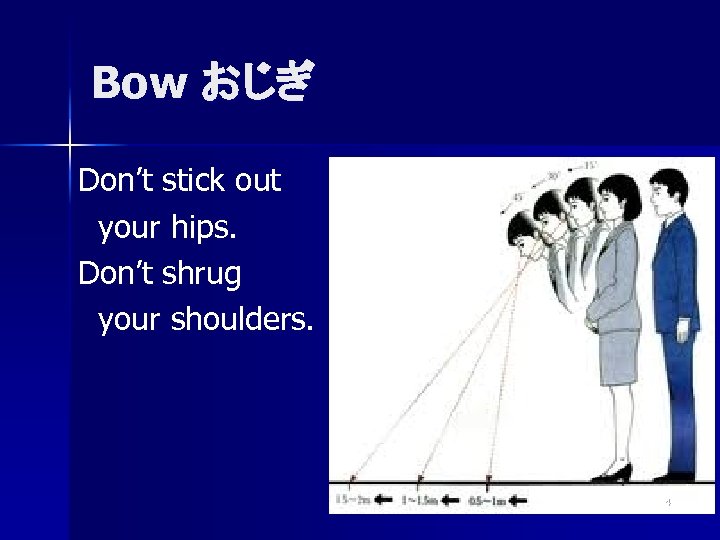 Bow おじぎ Don’t stick out your hips. Don’t shrug your shoulders. 24
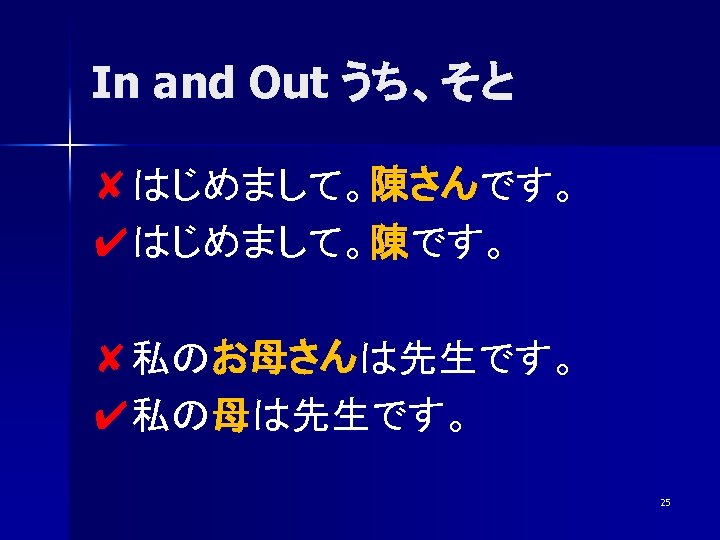 In and Out うち、そと ✘はじめまして。陳さんです。 ✔はじめまして。陳です。 ✘私のお母さんは先生です。 ✔私の母は先生です。 25
 Numbers 26
 Only One Q: A Japanese hair saloon ordered 1, 000 brushes. A factory in Taiwan made 1, 000 which were usable, but the saloon rejected 200. Why? A: One person needs one brush. Every one of them has to be perfect. QC is important. 27
 Two to Four weeks in advance Q: if you want to invite me for a Christmas party, when do you have to tell me? A: 2 -4 weeks in advance. Earlier is better. 28
 Ten minutes earlier Q: Suppose we meet up at 池袋 Station at 7 pm. What time do you have to turn up? A: 6: 50 pm. 29
 Five Minutes late Q: I invite you to come to my house at 2 pm. What time do you show up? A: 2: 05 pm. If you don’t turn up by 2: 10 pm, I think you get lost, I may phone you. 30
 Around 3 Q: When Japanese want to buy 3 apples, what will they say? A: It is not always the case, but they may say: Ringo-wo 3 tsu gurai kudasai. Apple-obje 3 around please ‘Please give me around 3 apples’ They don’t want to sound fussy. 31
 Don’t ask! Q: If you want to know my salary, age, weight, etc. who do you ask? A: Don’t ask me about numbers. We want to keep secrets. If you want to know about those, ask someone who knows me. 32
 おしまい 日本語学習を楽しんでください 33
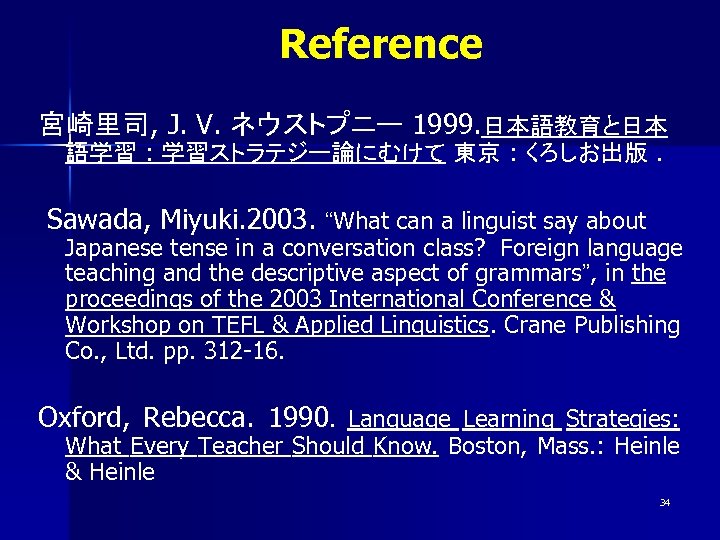 Reference 宮崎里司, J. V. ネウストプニー 1999. 日本語教育と日本 語学習 : 学習ストラテジー論にむけて 東京 : くろしお出版. Sawada, Miyuki. 2003. “What can a linguist say about Japanese tense in a conversation class? Foreign language teaching and the descriptive aspect of grammars”, in the proceedings of the 2003 International Conference & Workshop on TEFL & Applied Linguistics. Crane Publishing Co. , Ltd. pp. 312 -16. Oxford, Rebecca. 1990. Language Learning Strategies: What Every Teacher Should Know. Boston, Mass. : Heinle & Heinle 34