 Скачать презентацию TEACHING AND ENCOURAGING ENTREPRENEURSHIP AND INNOVATION Belarus Universities
037aea3404b1a595e06c5a1b86421bb7.ppt
- Количество слайдов: 64



TEACHING AND ENCOURAGING ENTREPRENEURSHIP AND INNOVATION Belarus Universities DR. KENT MILLINGTON OCTOBER 2012
TOPICS OF DISCUSSION • • • Innovation Opportunity Recognition Managing Innovation Technology Commercialization Developing New Business Model canvas
Entrepreneurship Risks and Rewards Risks: • • • Business Failure Unpredictable Business Conditions Long Hours Product/Service compete on Price only Imitation strategy
Entrepreneurship Risks and Rewards: • • • Financial Emotional – building a business Pride Recognition Flexibility Creativity
ENTREPRENEURSHIP: THE ART AND SCIENCE OF BUILDING VALUE ØART: CREATIVITY; ENERGY; FEEL; INSIGHT ØSCIENCE: ANALYSIS; DISCIPLINE; SYSTEMATIC APPROACH
ENTREPRENEURSHIP v. Identify a need or opportunity v. Create a solution - Innovation v. Implement solution to create value v. Harvest or other long-term strategy
Two Kinds of Entrepreneurship 1. Opportunity – based 2. Necessity – based Young people 25 -34 are dominant participants in entrepreneurship.
Two Important Considerations for Entrepreneurs • INNOVATION / CREATIVITY • OPPORTUNITY IDENTIFICATION
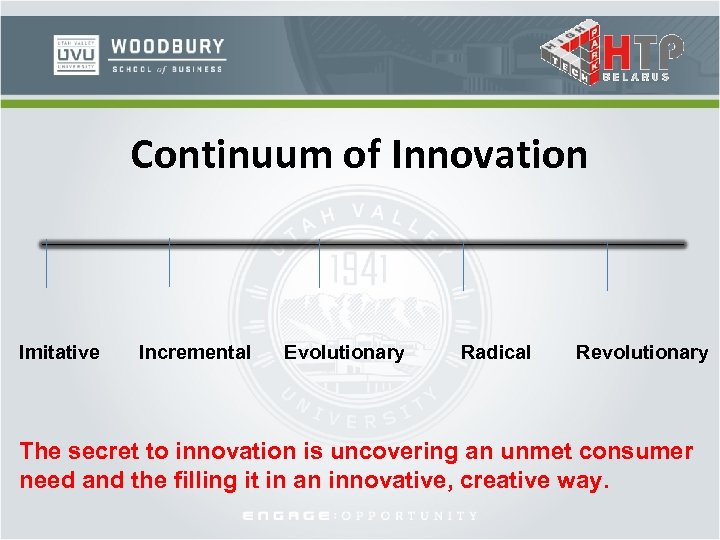
Continuum of Innovation Imitative Incremental Evolutionary Radical Revolutionary The secret to innovation is uncovering an unmet consumer need and the filling it in an innovative, creative way.
Continuum of Innovation Imitative: copies something well-known and accepted Incremental: small improvements; faster, better, cheaper Evolutionary: new to firm but not to world (i. e. , technologies in new places) Radical: technologies that give large performance improvements or lower costs Revolutionary: new to individual, firm, and the world Best Opportunities between Incremental and Radical
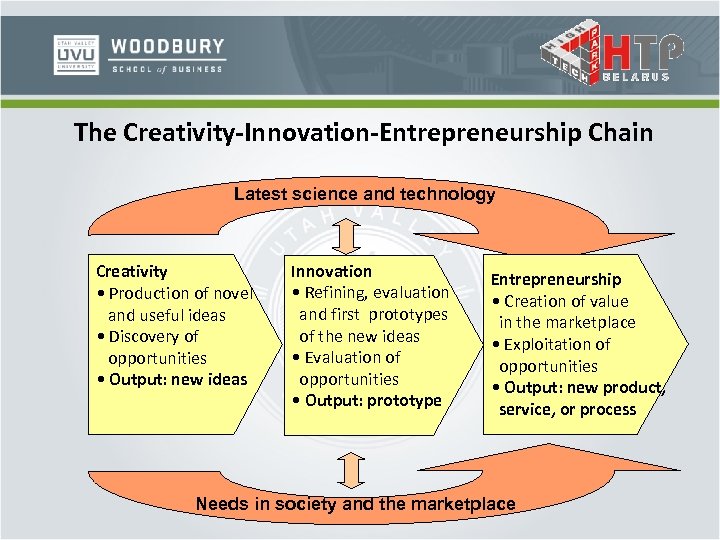
The Creativity-Innovation-Entrepreneurship Chain Latest science and technology Creativity • Production of novel and useful ideas • Discovery of opportunities • Output: new ideas Innovation • Refining, evaluation and first prototypes of the new ideas • Evaluation of opportunities • Output: prototype Entrepreneurship • Creation of value in the marketplace • Exploitation of opportunities • Output: new product, service, or process Needs in society and the marketplace
Types of Innovation 1. Product: early stage of product life cycle, innovations are frequent. As rate of product innovation decreases, process innovation increases. (What we make) 2. Process: makes manufacturing more efficient through automation, lowering costs. (How we make it) Product /Service innovation creates much more new wealth than process innovation!
Three Characteristics of Opportunity §Newness §Potential Economic Value §Perceived Desirability Opportunity implies something that has not existed or been available before, that can yield potential economic gains, and whose development is consistent with legal and/or moral standards of the society in which it occurs.
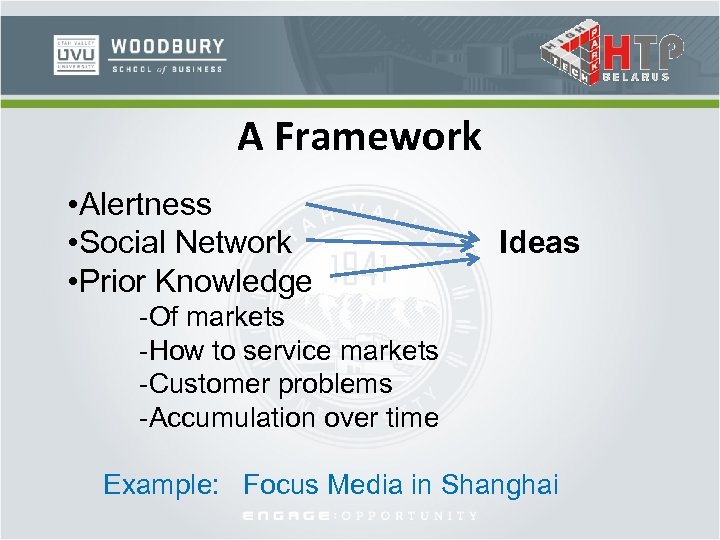
A Framework • Alertness • Social Network • Prior Knowledge Ideas -Of markets -How to service markets -Customer problems -Accumulation over time Example: Focus Media in Shanghai
Basic Propositions Concerning Opportunities Proposition 1: Opportunities emerge from changes in knowledge, technology, economic, political, social, and demographic conditions. Proposition 2: Recognition depends on previous experience which enables people to see links between previously unconnected changes, knowledge, or events.
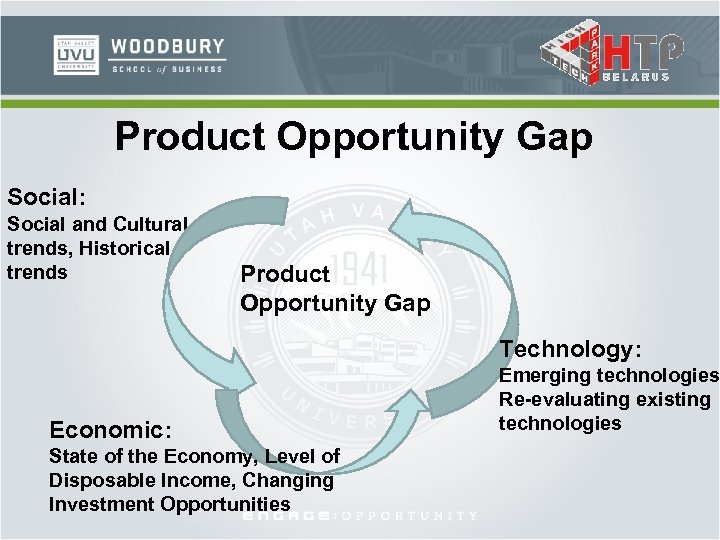
Product Opportunity Gap Social: Social and Cultural trends, Historical trends Product Opportunity Gap Technology: Economic: State of the Economy, Level of Disposable Income, Changing Investment Opportunities Emerging technologies Re-evaluating existing technologies
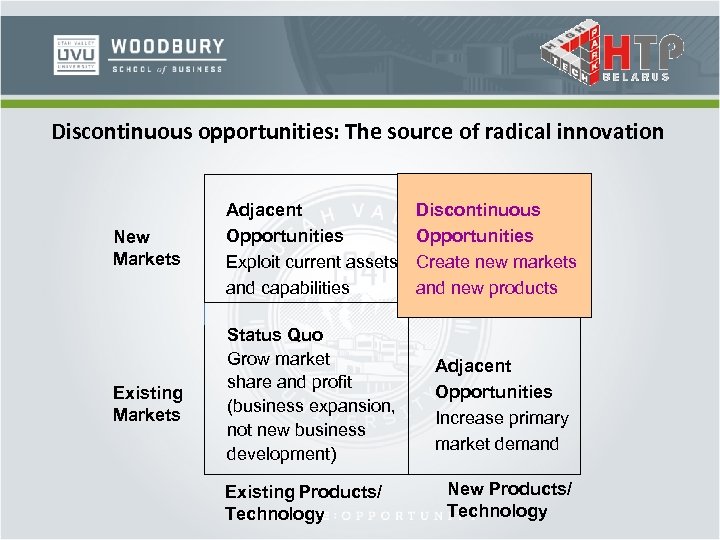
Discontinuous opportunities: The source of radical innovation New Markets Existing Markets Adjacent Opportunities Exploit current assets and capabilities Status Quo Grow market share and profit (business expansion, not new business development) Existing Products/ Technology Discontinuous Opportunities Create new markets and new products Adjacent Opportunities Increase primary market demand New Products/ Technology
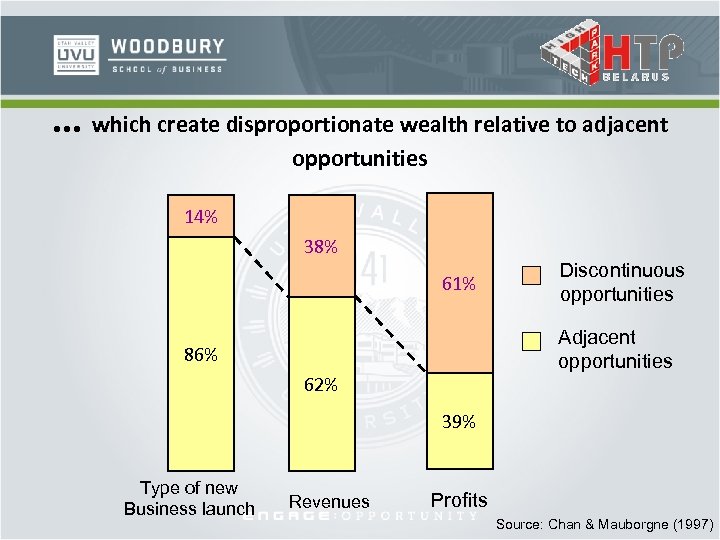
… which create disproportionate wealth relative to adjacent opportunities 14% 38% 61% Discontinuous opportunities Adjacent opportunities 86% 62% 39% Type of new Business launch Revenues Profits Source: Chan & Mauborgne (1997)
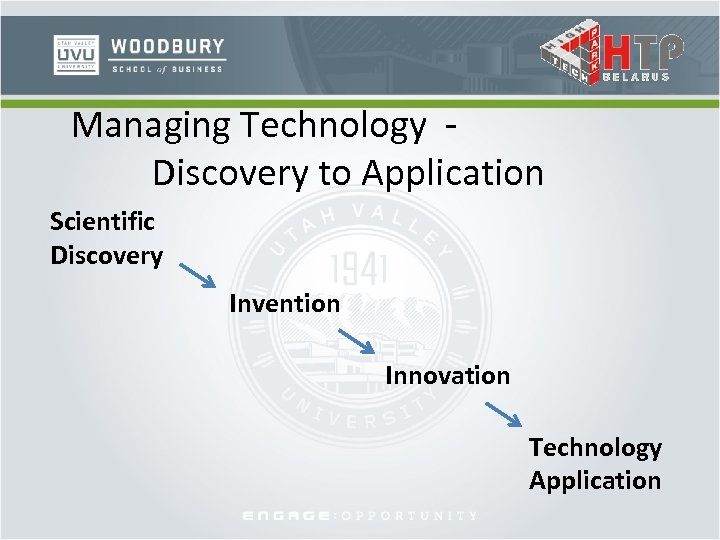
Managing Technology Discovery to Application Scientific Discovery Invention Innovation Technology Application
Sustaining vs. Disruptive Technologies Sustaining technologies focus on improvements of importance to existing customers. Existing companies best with incremental innovation. Disruptive technologies create a new value proposition, reach new markets and customers. New companies better at disruptive, radical innovation.
Creating Competitive Advantage • Competitive Advantage – Something that the firm does better than any of its competitors. – Goal: To have a sustainable competitive advantage • Requires that the advantage: – Must be valued by customers – Not easily duplicated by competitors
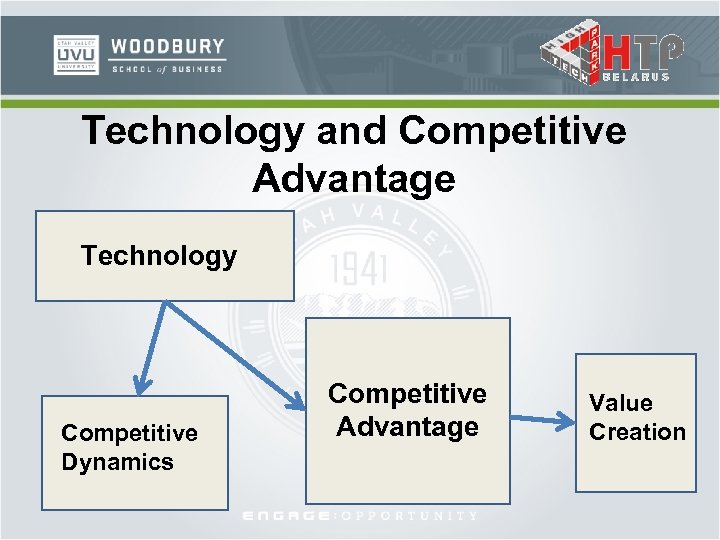
Technology and Competitive Advantage Technology Competitive Dynamics Competitive Advantage Value Creation
Major Strategic Questions • Should we create our own new technology and innovations internal to the firm? OR • Should we acquire technology from external sources like acquisition or strategic alliances?
Dimensions of Internal Innovation 1. Goal of internal innovation is for the firm to outperform its competition. 2. Internal innovation involves many individuals, capabilities, and resources. 3. Resources are critical to the innovation process. (Human, Physical, Financial)
Reasons for Using External Innovation: 1. The firm’s product line falling behind competitors. 2. A new competitor enters the market, which will change the dynamics of the industry. 3. The firm discovers its processes are not as efficient and/or effective as those of its competitors. 4. The firm believes its current products or processes are not going to be successful in the future. 5. Expansion into new markets and/or new products is achieved faster.
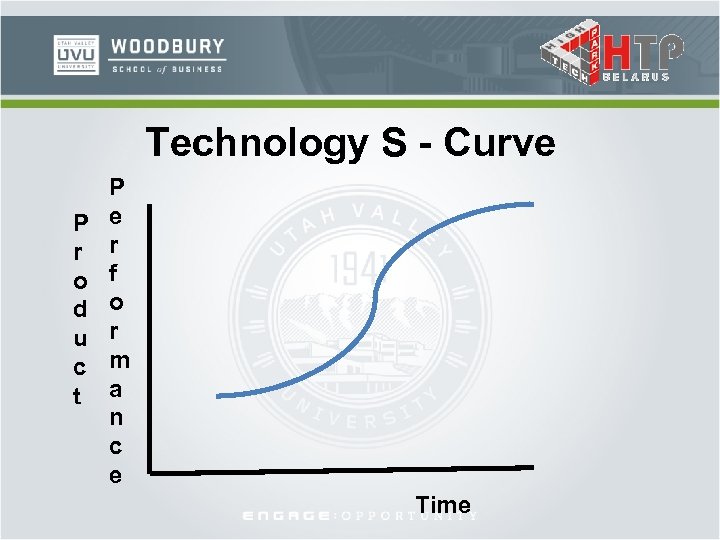
Technology S - Curve P r o d u c t P e r f o r m a n c e Time
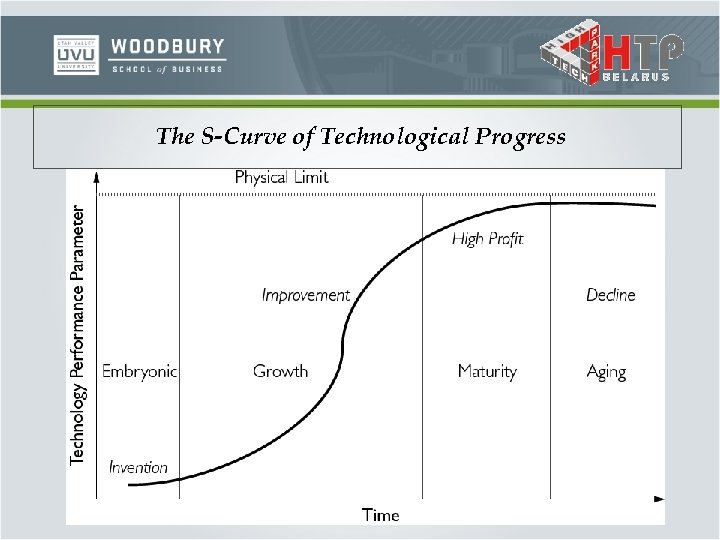
The S-Curve of Technological Progress
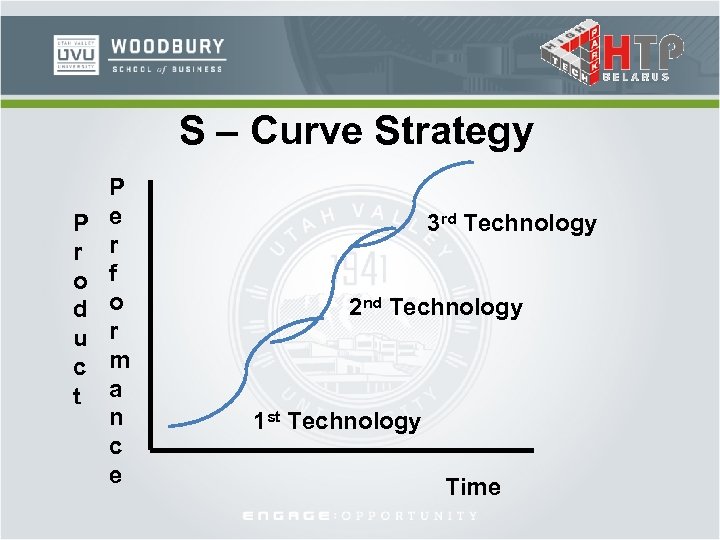
S – Curve Strategy P r o d u c t P e r f o r m a n c e 3 rd Technology 2 nd Technology 1 st Technology Time
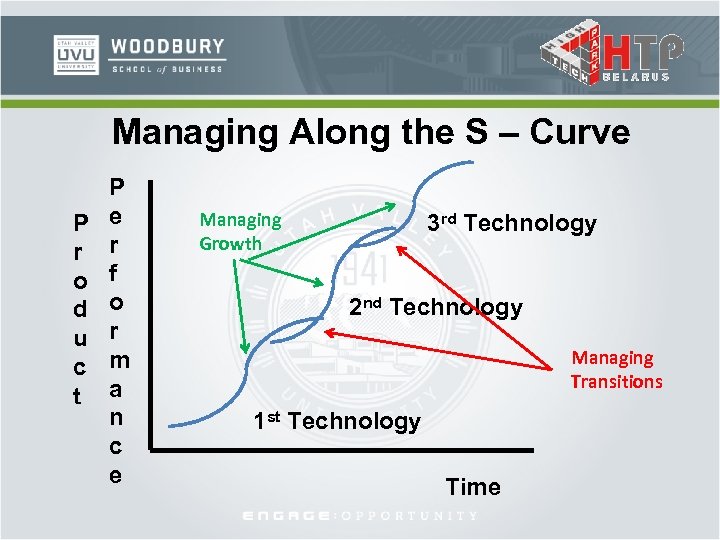
Managing Along the S – Curve P r o d u c t P e r f o r m a n c e Managing Growth 3 rd Technology 2 nd Technology Managing Transitions 1 st Technology Time
Management Implications • Technology shifts before investment recovery • Management focus often fragmented • Engineering strength often misused • Marketing becomes a problem introducing new technology over the old one • Difficult to manage the ROI in important technology.
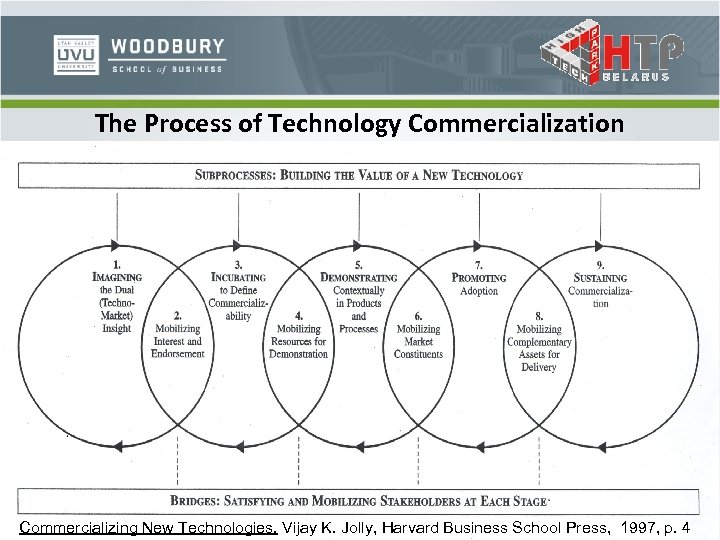
The Process of Technology Commercialization Commercializing New Technologies, Vijay K. Jolly, Harvard Business School Press, 1997, p. 4
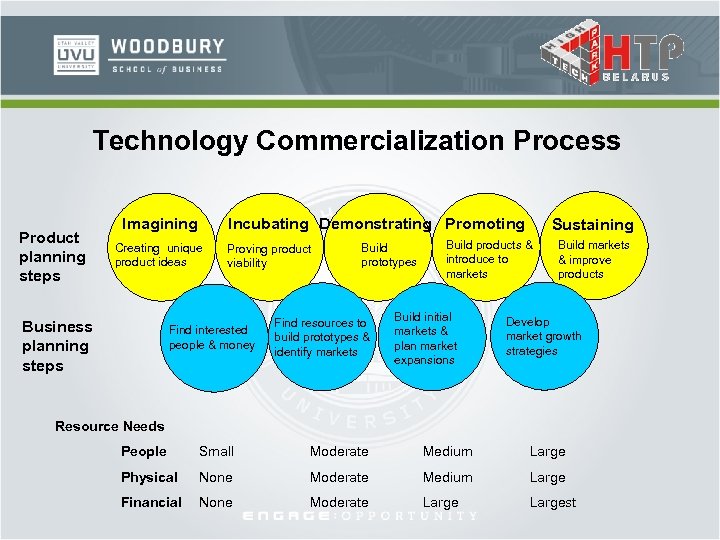
Technology Commercialization Process Product planning steps Imagining Incubating Demonstrating Promoting Creating unique product ideas Business planning steps Proving product viability Find interested people & money Build prototypes Find resources to build prototypes & identify markets Sustaining Build products & introduce to markets Build initial markets & plan market expansions Build markets & improve products Develop market growth strategies Resource Needs People Small Moderate Medium Large Physical None Moderate Medium Large Financial None Moderate Largest
Technology Assessment 1. 2. 3. 4. Understand Technology Discover Possible Uses of Technology Understand Markets for Uses Determine How to Deliver Value
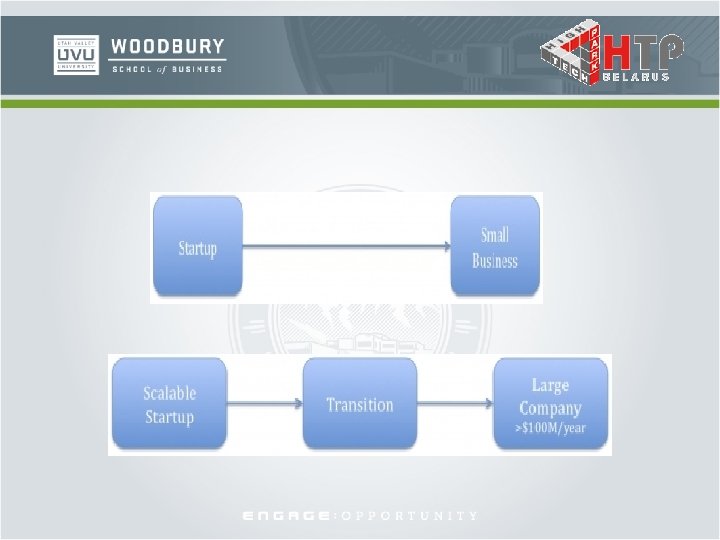
How Companies Develop 1. Small Business Entrepreneurship – 95%+ of business 2. Scalable Startup Entrepreneurship – receive most investment 3. Large Company Entrepreneurship – innovation as variants of existing core products; disruptive innovation difficult. 4. Social Entrepreneurship - innovation to solve social needs
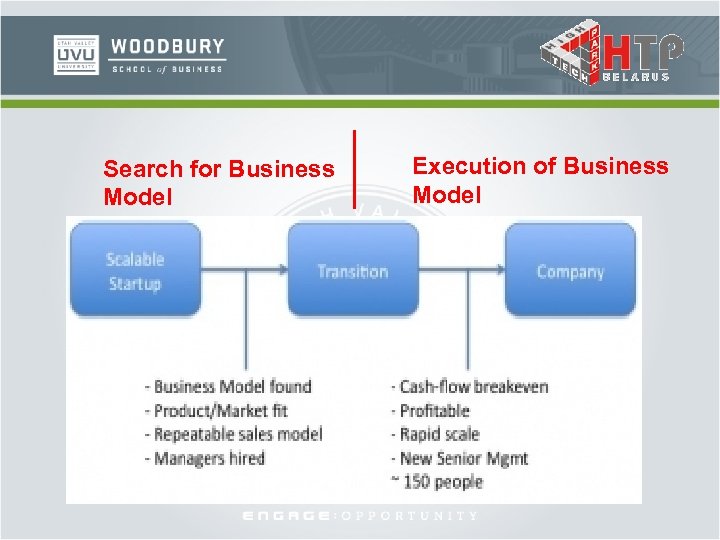
Search for Business Model Execution of Business Model
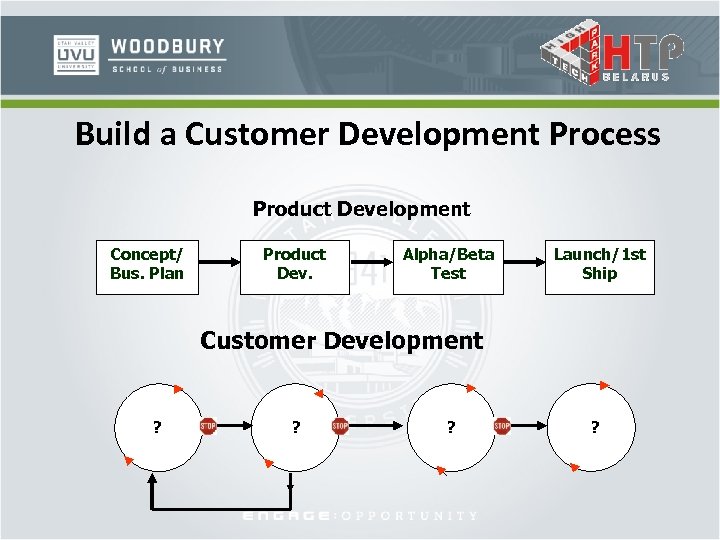
Build a Customer Development Process Product Development Concept/ Bus. Plan Product Dev. Alpha/Beta Test Launch/1 st Ship Customer Development ? ?
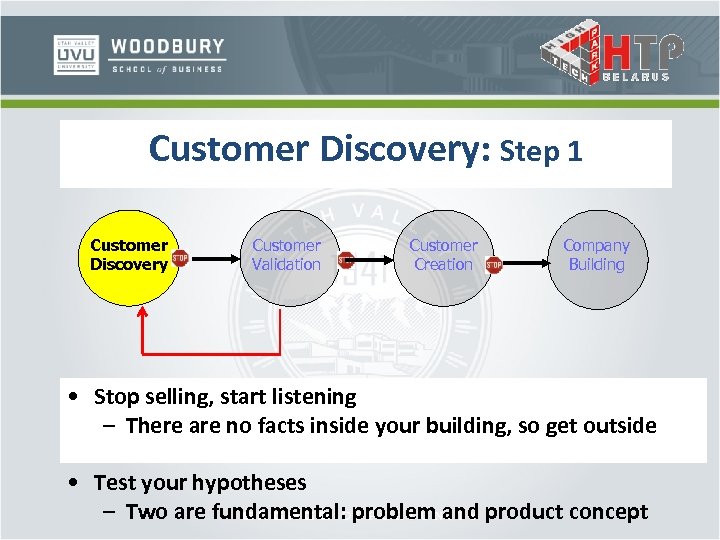
Customer Discovery: Step 1 Customer Discovery Customer Validation Customer Creation Company Building • Stop selling, start listening – There are no facts inside your building, so get outside • Test your hypotheses – Two are fundamental: problem and product concept
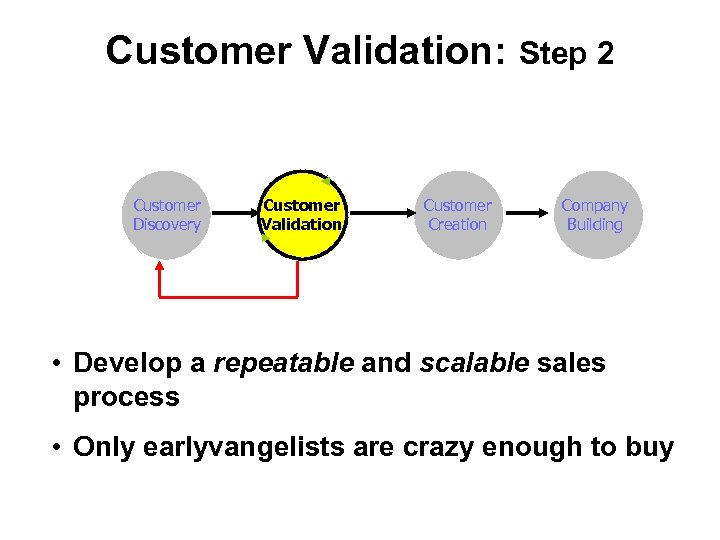
Customer Validation: Step 2 Customer Discovery Customer Validation Customer Creation Company Building • Develop a repeatable and scalable sales process • Only earlyvangelists are crazy enough to buy
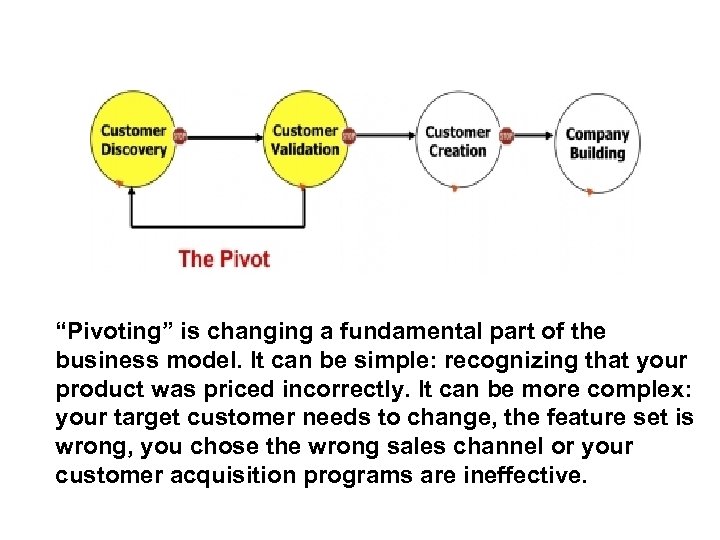
“Pivoting” is changing a fundamental part of the business model. It can be simple: recognizing that your product was priced incorrectly. It can be more complex: your target customer needs to change, the feature set is wrong, you chose the wrong sales channel or your customer acquisition programs are ineffective.
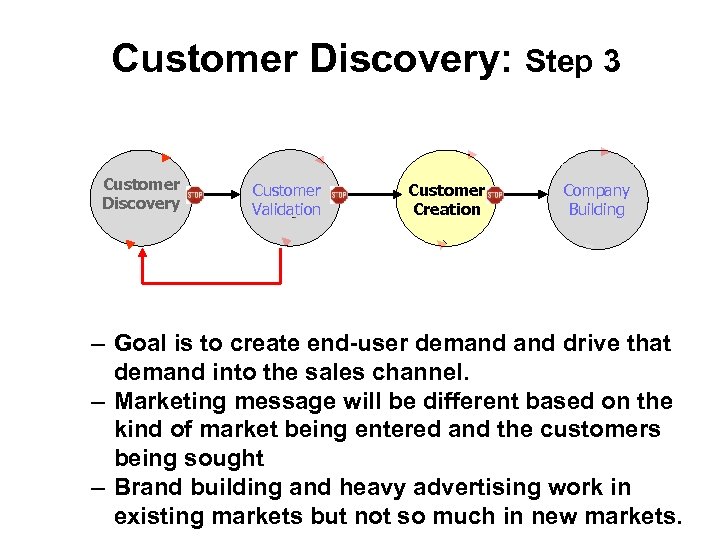
Customer Discovery: Step 3 Customer Discovery Customer Validation Customer Creation Company Building – Goal is to create end-user demand drive that demand into the sales channel. – Marketing message will be different based on the kind of market being entered and the customers being sought – Brand building and heavy advertising work in existing markets but not so much in new markets.
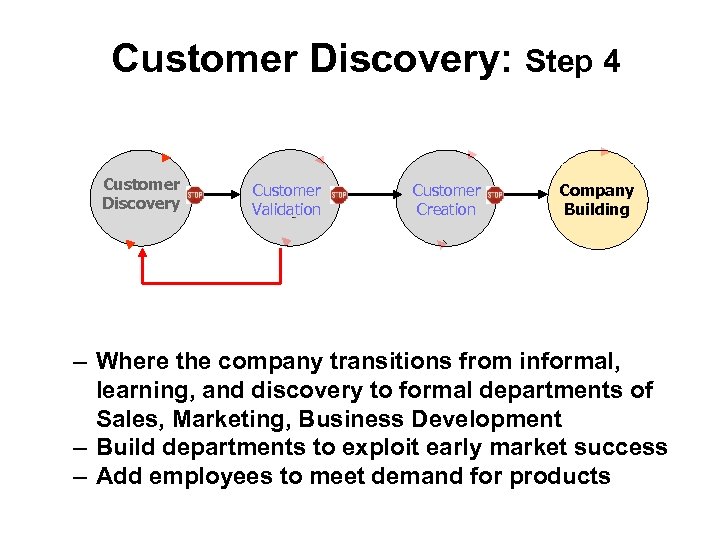
Customer Discovery: Step 4 Customer Discovery Customer Validation Customer Creation Company Building – Where the company transitions from informal, learning, and discovery to formal departments of Sales, Marketing, Business Development – Build departments to exploit early market success – Add employees to meet demand for products
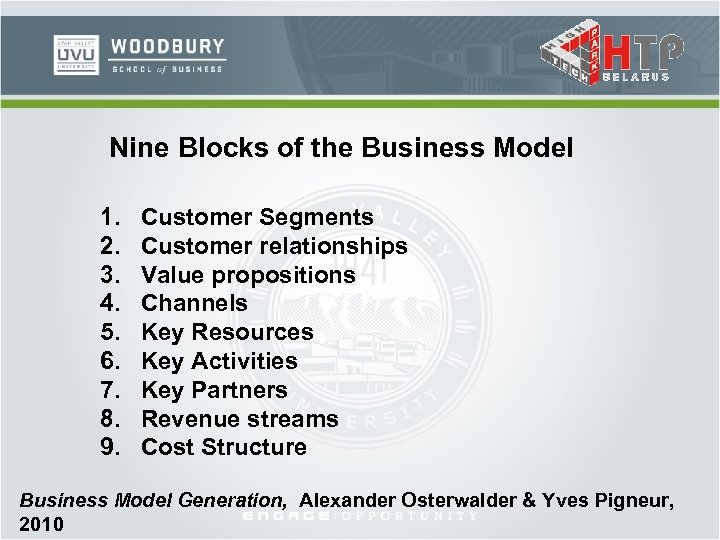
Nine Blocks of the Business Model 1. 2. 3. 4. 5. 6. 7. 8. 9. Customer Segments Customer relationships Value propositions Channels Key Resources Key Activities Key Partners Revenue streams Cost Structure Business Model Generation, Alexander Osterwalder & Yves Pigneur, 2010
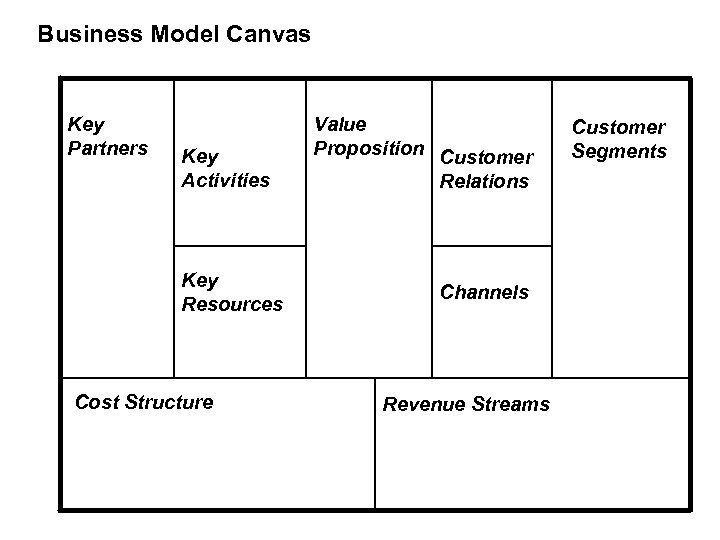
Business Model Canvas Key Partners Key Activities Key Resources Cost Structure Value Proposition Customer Relations Channels Revenue Streams Customer Segments
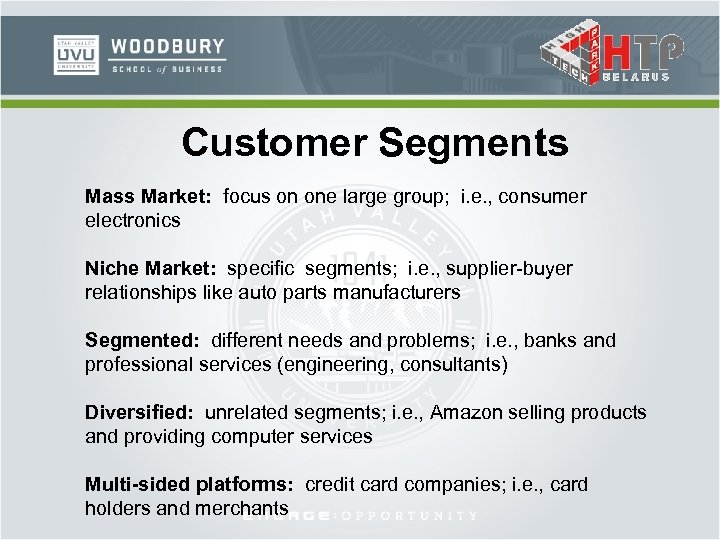
Customer Segments Mass Market: focus on one large group; i. e. , consumer electronics Niche Market: specific segments; i. e. , supplier-buyer relationships like auto parts manufacturers Segmented: different needs and problems; i. e. , banks and professional services (engineering, consultants) Diversified: unrelated segments; i. e. , Amazon selling products and providing computer services Multi-sided platforms: credit card companies; i. e. , card holders and merchants
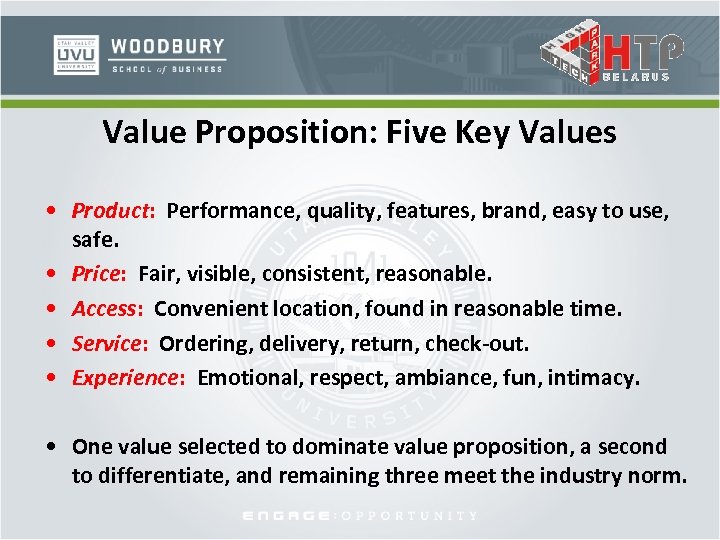
Value Proposition: Five Key Values • Product: Performance, quality, features, brand, easy to use, safe. • Price: Fair, visible, consistent, reasonable. • Access: Convenient location, found in reasonable time. • Service: Ordering, delivery, return, check-out. • Experience: Emotional, respect, ambiance, fun, intimacy. • One value selected to dominate value proposition, a second to differentiate, and remaining three meet the industry norm.
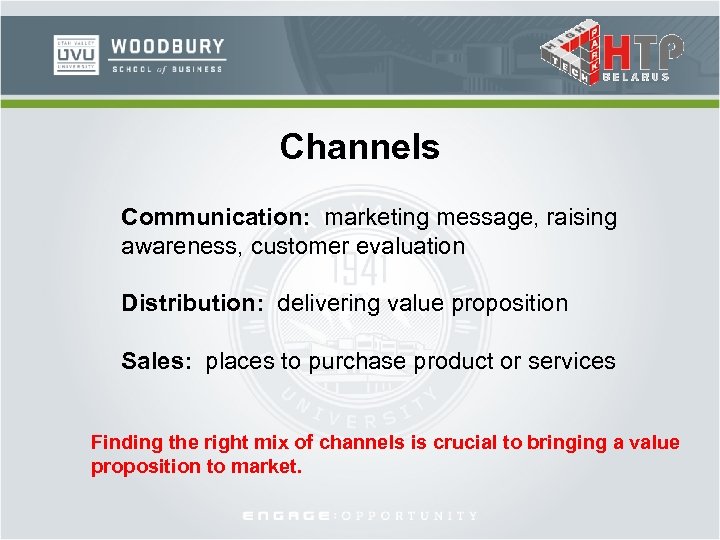
Channels Communication: marketing message, raising awareness, customer evaluation Distribution: delivering value proposition Sales: places to purchase product or services Finding the right mix of channels is crucial to bringing a value proposition to market.
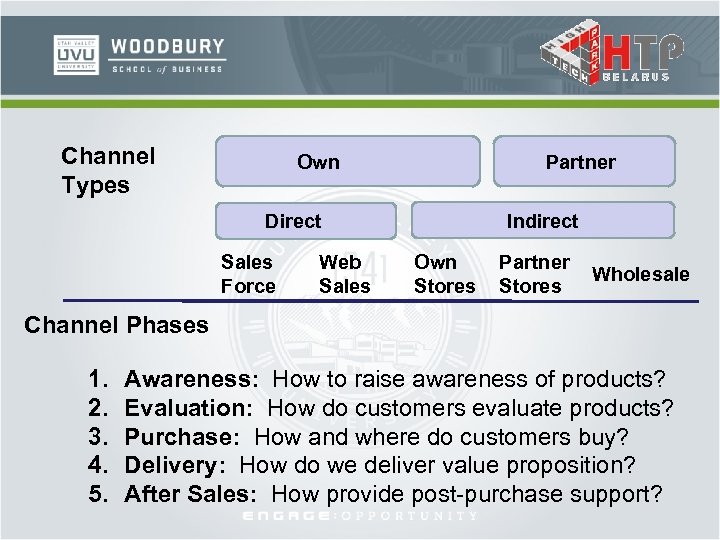
Channel Types Own Partner Direct Sales Force Web Sales Indirect Own Stores Partner Wholesale Stores Channel Phases 1. 2. 3. 4. 5. Awareness: How to raise awareness of products? Evaluation: How do customers evaluate products? Purchase: How and where do customers buy? Delivery: How do we deliver value proposition? After Sales: How provide post-purchase support?
Customer Relationships Motivations: Customer acquisition, customer retention, Boosting sales (upselling) Personal Assistance Dedicated Personal Assistance Self-service Automated service User communities Co-creation of innovative products
Key Resources Physical: facilities, buildings, equipment Human: especially for creative industries Financial: sources of funding Intellectual: patents, copyrights, partnerships, customer databases
Key Activities Production: designing, making, delivering Problem solving: consulting, services, hospitals Platform/network: software, networks, social media, brands, platform promotion
Key Partnerships Strategic alliances between non-competitors and financial sources Strategic partnerships with competitors Joint Ventures Buyer-supplier relationships to assure reliable supplies
Revenue Streams One-time customer purchases Recurring revenues Asset sales, Usage fee, Subscription fees, Lending/Renting/Leasing, Licensing Pricing considerations
Cost Structure Cost-driven model: minimize costs, low prices, maximum automation, extensive outsourcing, process innovation Value-driven model: value creation, premium values, personalized service, product innovation Economies of scale Economies of scope Fixed costs Variable costs
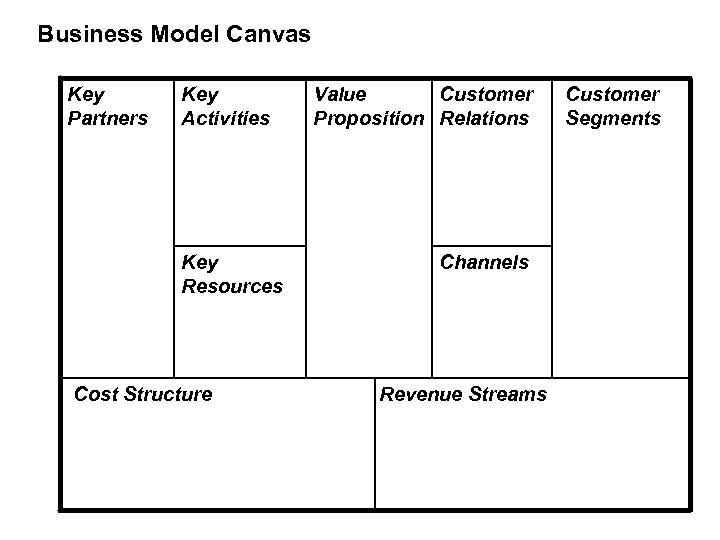
Business Model Canvas Key Partners Key Activities Key Resources Cost Structure Value Customer Proposition Relations Channels Revenue Streams Customer Segments
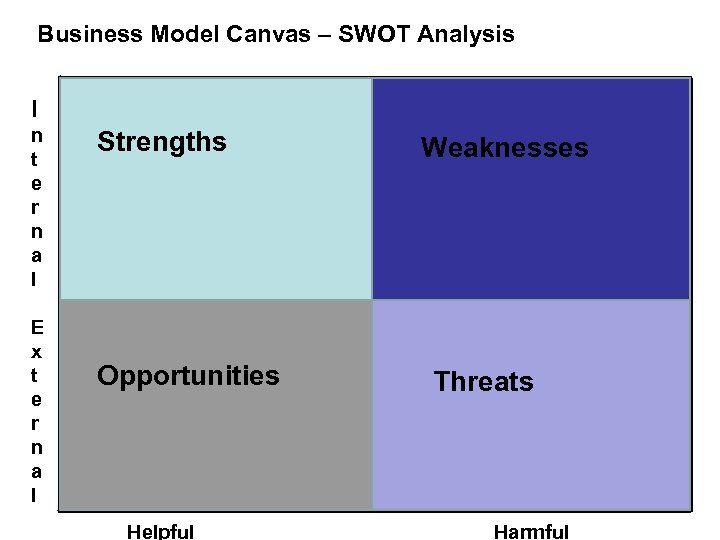
Business Model Canvas – SWOT Analysis I n t e r n a l E x t e r n a l KP KA VP CR Strengths Weaknesses C KR Opportunities C$ CS R$ Threats Helpful Harmful
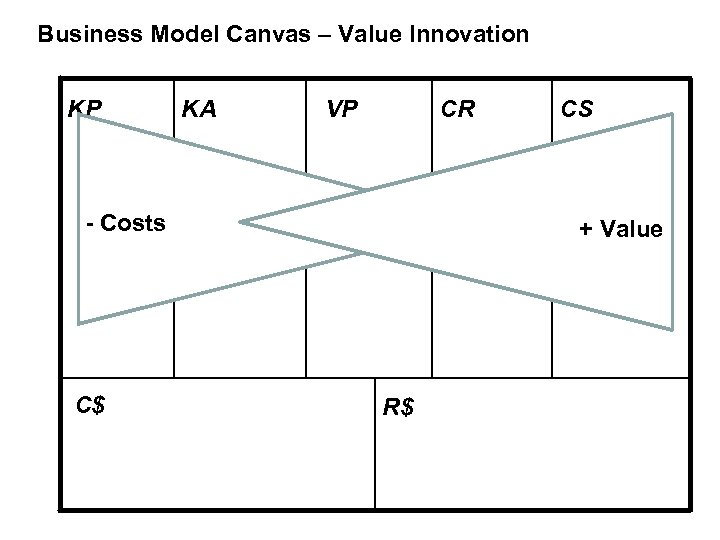
Business Model Canvas – Value Innovation KP KA VP CR - Costs + Value C KR C$ CS R$
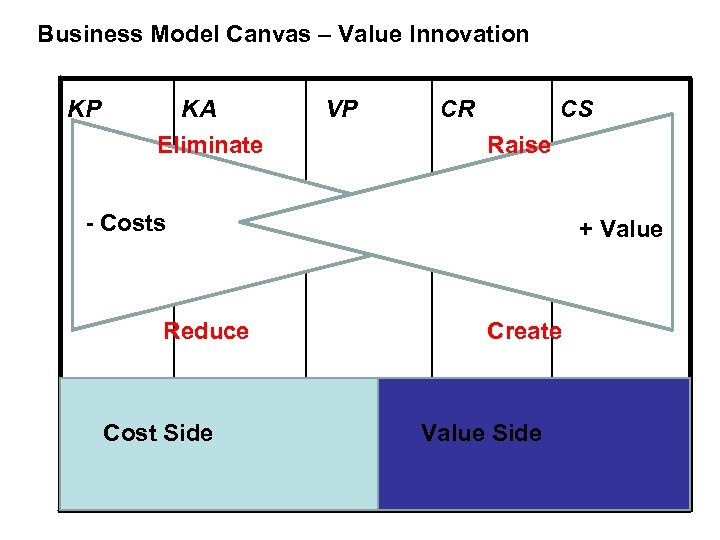
Business Model Canvas – Value Innovation KP KA VP CR Eliminate CS Raise - Costs + Value C KR Reduce C$ Cost Side Create R$ Value Side
Apple i. Pod/i. Tunes Business Model What about your Company? ?
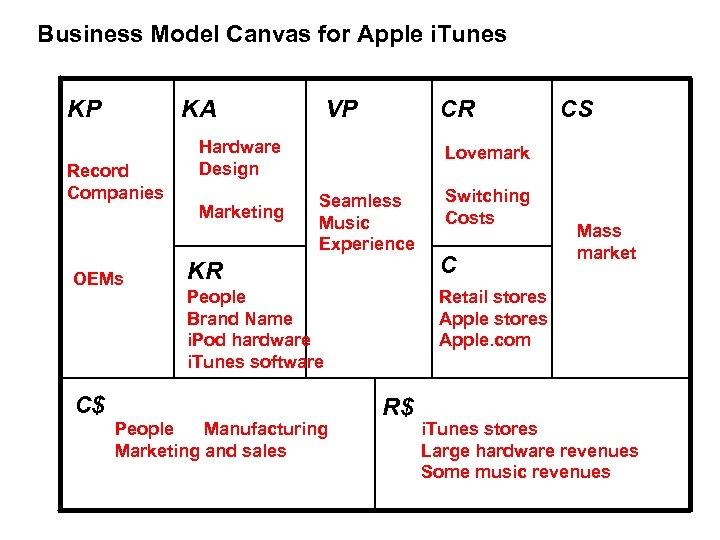
Business Model Canvas for Apple i. Tunes KP KA Record Companies OEMs VP CR Hardware Design Marketing CS Lovemark Seamless Music Experience Switching Costs KR C People Brand Name i. Pod hardware i. Tunes software Mass market Retail stores Apple stores Apple. com C$ People Manufacturing Marketing and sales R$ i. Tunes stores Large hardware revenues Some music revenues
ENCOURAGING ENTREPRENEURSHIP • • • Show to take part in the world Meet and know older entrepreneurs Access to technologies and capital Tax benefits and other incentives Entrepreneurship education
Дзякуй J. Kent Millington milliken@uvu. edu

 Скачать презентацию TEACHING AND ENCOURAGING ENTREPRENEURSHIP AND INNOVATION Belarus Universities
037aea3404b1a595e06c5a1b86421bb7.ppt