 Скачать презентацию Tangible Cherish Rag same origin rough
2015, July 17th Toys.pptx
- Количество слайдов: 17



Tangible
Cherish
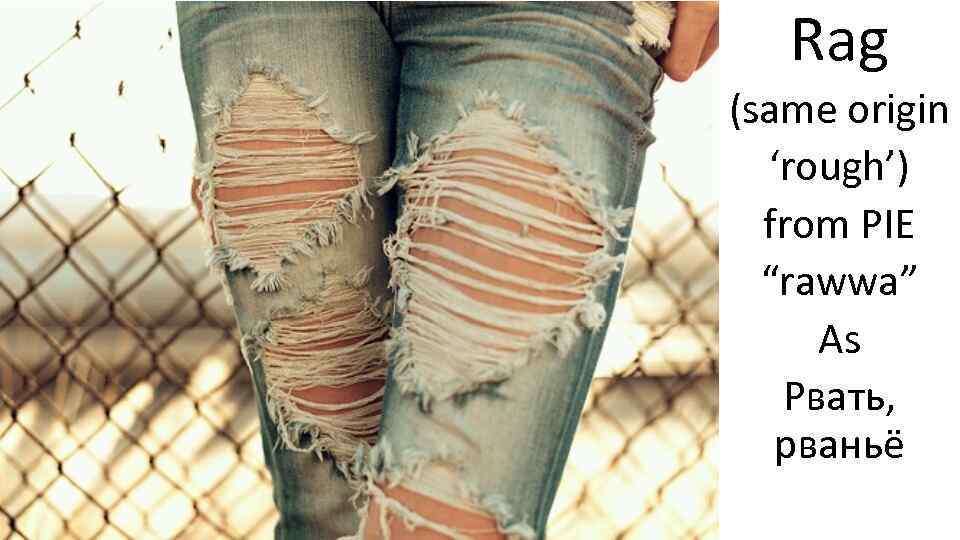
Rag (same origin ‘rough’) from PIE “rawwa” As Рвать, рваньё
Twiddle the Fiddle (imitation origin) Twiddle thumbs – do nothing
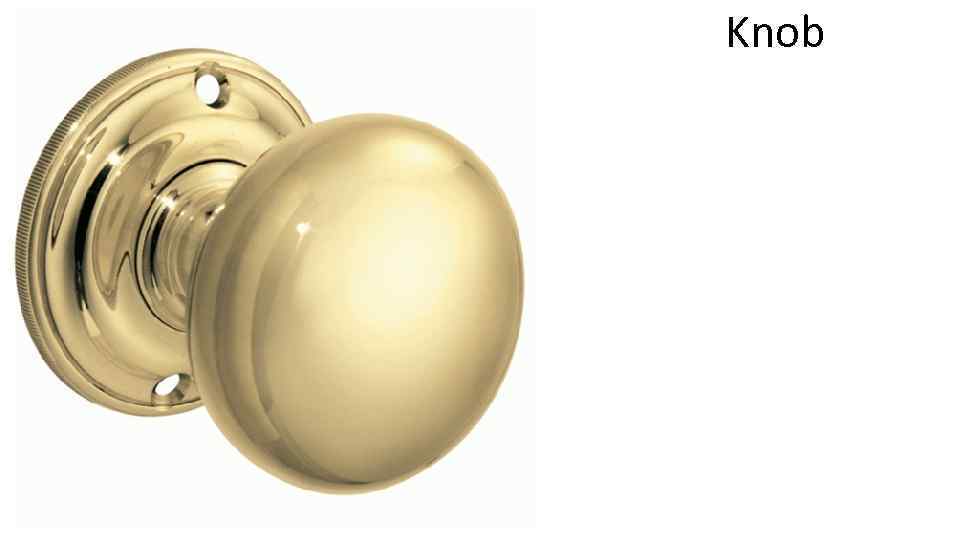
Knob
Why children become so attached to toys and comfort blankets Children become emotionally attached to cuddly toys, blankets and even smelly old scraps of material because they intuitively believe they possess a unique essence or life force, - psychologists said yesterday. In a study that will surprise few parents, it was found that children preferred their cherished comfort blankets or favorite raggedy bear over duplicates apparently identical in every way. The results suggested that even very young children invest in such objects intangible qualities that cannot be replicated. The study compared the reaction of the children to that of art enthusiasts who prefer an original to a copy that is identical in every way. Previous studies have shown that up to 70% of young children develop strong attachments to objects such as toys or blankets. The phenomenon tends to be confined to the western world, where children usually sleep apart from their
Bruce Hood, of the University of Bristol, and Paul Bloom of Yale University in the US, decided to try to find out why. Parents were asked to bring children aged three to six into a laboratory with their "attachment object" or if they had no such object, a toy or doll that they liked. To count as an attachment object, the child had to regularly sleep with it and have had it for at least a third of his or her life. The children were shown what they were told was a "copying machine" - in reality a conjuror's cabinet made up of two boxes. The doors of the two boxes were open and a green block put into one of them. Then the doors shut, an experimenter twiddled some knobs and the first box buzzed. A few moments later a buzz came from the second box. The doors of both boxes opened to reveal a green block in both of them - the experimenter had slipped an identical block into the second box. Then the experimenter asked the children if they would let the objects they had brought in be copied. They could choose if they wanted the new one or the old one back. All children with "non-attachment" objects allowed them to be copied, and almost two-thirds of them decided to keep the "new" object (in fact, it was their own object).
Of the 22 children who did have attachment objects, four stubbornly refused to allow them to be copied at all. Of the 18 who did let their precious items be copied, only five wanted to have the "duplicate". At the end, all children were shown how the illusion worked so they knew they had their original item back. Prof Hood said the experiment showed that children believe that in addition to the physical properties of their objects, there was some other quality to them that cannot be copied. He said: "If there was a machine which copied a favorite object in every way down to atomic level, we would still prefer the original. It has an essence to it. This experiment suggests this is an intuitive process. "We anthropomorphize objects, look at them almost as if they have feelings. The children know these objects are not alive but they believe in them as if they are. " While the tendency to sleep with a comfort blanket is thought to be largely a western trait, Prof Hood said believing objects had an essence was not. Some eastern beliefs center on all things having a life force and some cultures find it difficult to live in other people's homes because they feel there is something intangible left of the previous people in them.
1. Would you let your most favorite toy be copied (and renewed)? 2. Why do you think people give so much sentimental value to the things they own? 3. Are you a sentimental person? Is it hard for you to let the old toys or things go and replace them with new ones? 4. Where are most of your childhood toys and books now? Do you ever miss them? 5. If your grandma gave you a doll or some family jewelry that had a very sentimental meaning for her, would you play with it or wear it? 6. If you celebrated the New Year with your friends and one of them bought some silly toy for you all, would you keep it? 7. When you traveled as a child (to a summer camp, for example) have you ever missed your toys or other things? 8. Why do kids like toys?
9. What’s the best toy shop you know of? 10. What’s the greatest toy ever invented? 11. What do you think about educational toys? What part of toys should be for education in toddler years? 12. Why do scientists often test young children for important things like own opinion or sentiments? 13. Why so many adults are playing toys these days? Do you think it is normal? Sam Levenson said "The simplest toy, one which even the youngest child can operate, is called a grandparent. " Do you agree? Tom Robbins said "the brain is an educational toy”. What does this mean? Do you agree? Bill Gates said about the Internet: "Nice toy, but what a waste of time. " What do you think he meant? Do you agree? Desmond Morris said "Life is like a very short visit to a toyshop between birth and death. " Do you agree?

Tangible

Tangible

Tangible

Tangible

Tangible

Tangible

Tangible
Скачать презентацию Tangible Cherish Rag same origin rough
2015, July 17th Toys.pptx