 Скачать презентацию Talk overview My background Ways
f55b2de0af146e56ec8ce6e62ee5e333.ppt
- Количество слайдов: 44



Talk overview • • • My background Ways I tried to start Bootstrapping - Zen of Sudoku Building and selling your casual game The next phase
Definitions • • • Core - “hardcore” games Casual - “games for everyone” Portal – Web site that sells games Bootstrapping – Building yourself Ichthyology - Scientific study of fishes
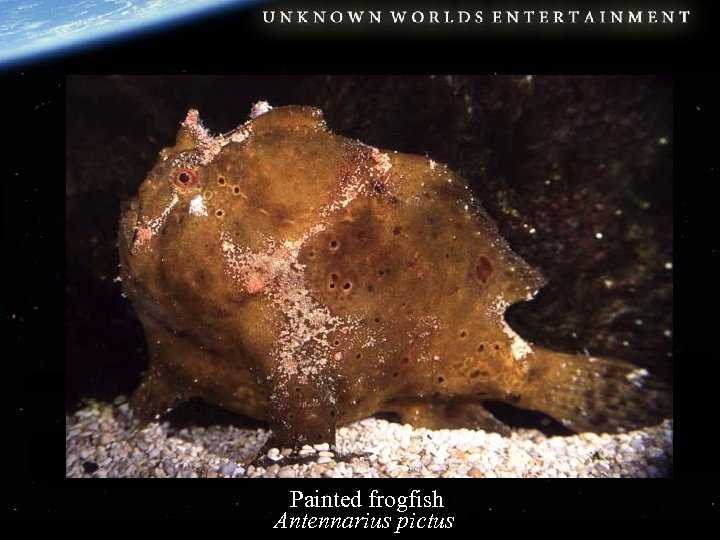
Painted frogfish Antennarius pictus
Caveats • This is just my experience • Talk proposal 6 months ago • I'm not saying this is the best way –. . . and I'm not sure I would do this again – Knowledge is power • Casual getting more competitive • Read the IGDA Casual Games whitepaper – http: //www. igda. org/casual
Myself • Charlie Cleveland – Game Director, Unknown Worlds Entertainment (founded 2001) – San Francisco start-up with roots in core – Two full-time founders, 5 -10 distributed collaborators – Our goal: unite the world through play
Natural Selection • Wanted to make real-time strategy/firstperson shooter hybrid – Marines vs. Aliens online team game • Released as “total conversion” on Half-life engine in 2002 – Distributed team of 10, 18 months to v 1. 0 – 65, 000 lines of C++ – Budget = $30, 000 U. S. • Played for 1. 5+ billion player-minutes • Plan to build IP and establish reputation • Money will come somehow
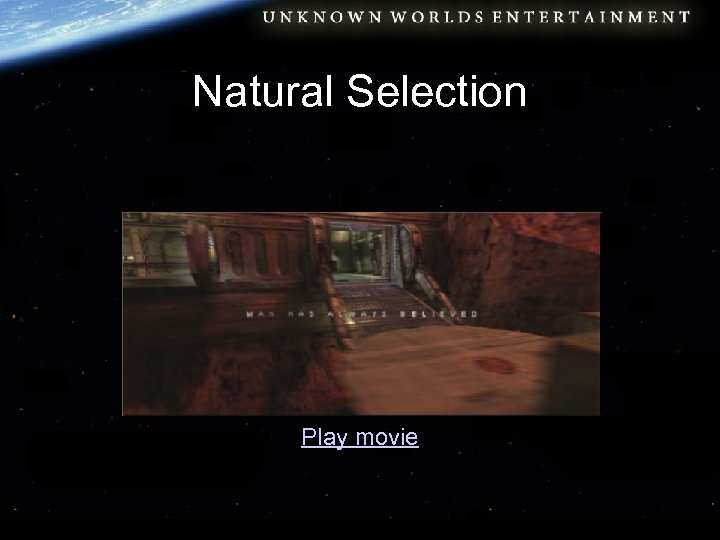
Natural Selection Play movie
What went right? • Built good IP • Learned how to make online RTS/FPS • Learned how to hire and run a distributed team • Player donations ($22 k/year)
What didn't • Pretty much everything after release • Supported game for years instead of figuring out how to grow business • Thought it would be easy to: – Get investors – Hire team – Make a game – Make $
Starting through investment • • • First thing I tried, thought it was slam-dunk Takes about a minimum of six months Hard to convince Most expensive way to get $ Investors never say “no”
Things not to say to investors • “Our team is mostly college kids in other time zones” • “Why would I want to sell the company? ” • “Profit isn't our goal – we want to unite the world. ”
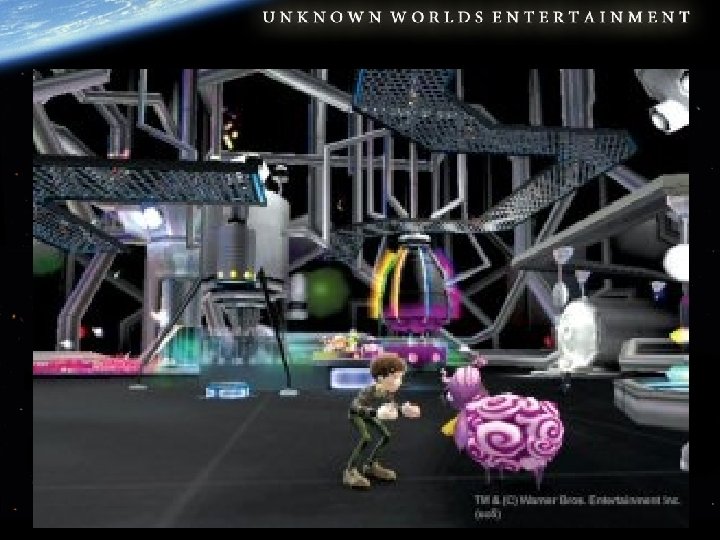
Bootstrapping through contracting • • • Gearbox, Demiurge, etc. did it Need a team Good business development Other people's projects Can pigeon-hole you Got one game deal: 39% metacritic
Realization “If you don't get what you want, it is a sure sign that you did not seriously want it. ” - Rudyard Kipling
Making games • Our talent/passion is making our own games –. . . not pitching –. . . business plans –. . . working on other boring games –. . . convincing others to let you
Bootstrapping "Our main business is not to see what lies dimly at a distance but to do what lies clearly at hand. " Thomas Carlyle (1795 – 1881) • Most game companies of yesteryear were able to bootstrap - casual approximates yesteryear • You won't need team, contacts, much business development • Not just for “trivial” or “small” companies
Sony's vision • In 1945 Japan: – “To establish a place of work where engineers can feel the joy of technological innovation, be aware of their mission to society, and work to their heart's content. ” – “To apply advanced technology to the life of the general public. ” – “To pursue dynamic activities in technology and production for the reconstruction of Japan and the elevation of the nation's culture. ”
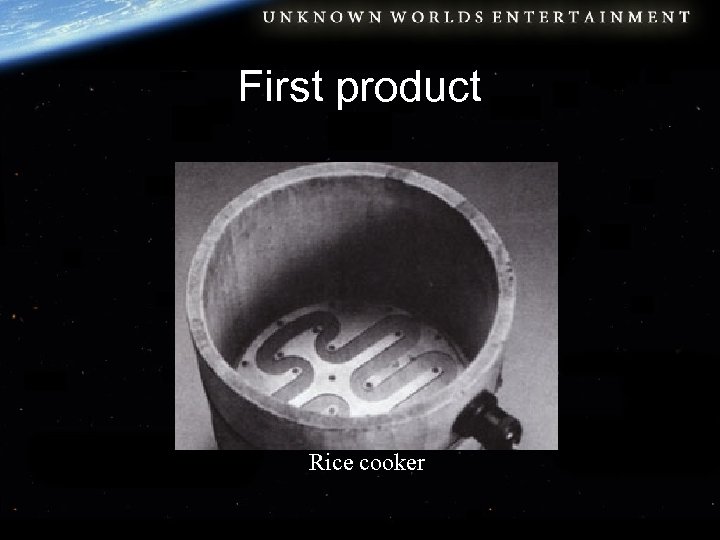
First product Rice cooker
Bootstrapping Rule #1: Cash flow, not profit • Cash flow – Aim for short development cycle – Short payment terms (45 days) – Recurring revenue – Piggy-back on product/service with large install base if possible – Retail takes too long
Profit • Profit – good, but cash flow better – Building audience – Market share – Branding – Infrastructure – Contract negotiation
Bootstrapping Rule #2: Don't plan, do • Doors open and close, business models shift, opportunities come and go • Can't predict success • You have nothing to lose • Games (should be) small and quick • So start building
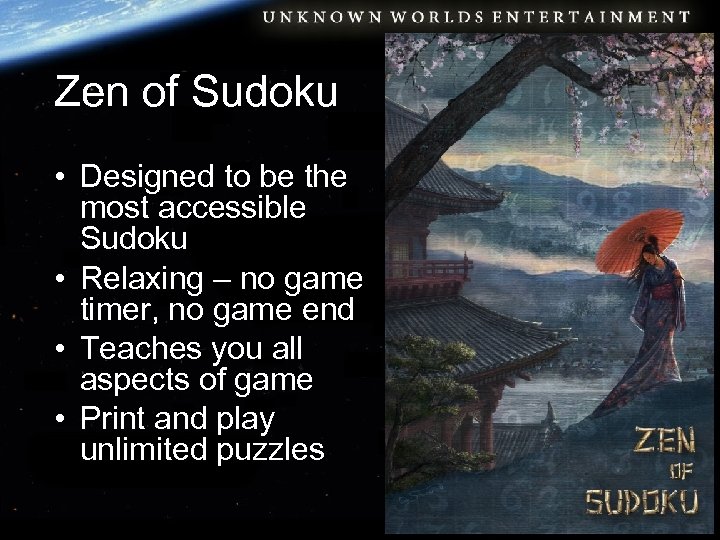
Zen of Sudoku • Designed to be the most accessible Sudoku • Relaxing – no game timer, no game end • Teaches you all aspects of game • Print and play unlimited puzzles
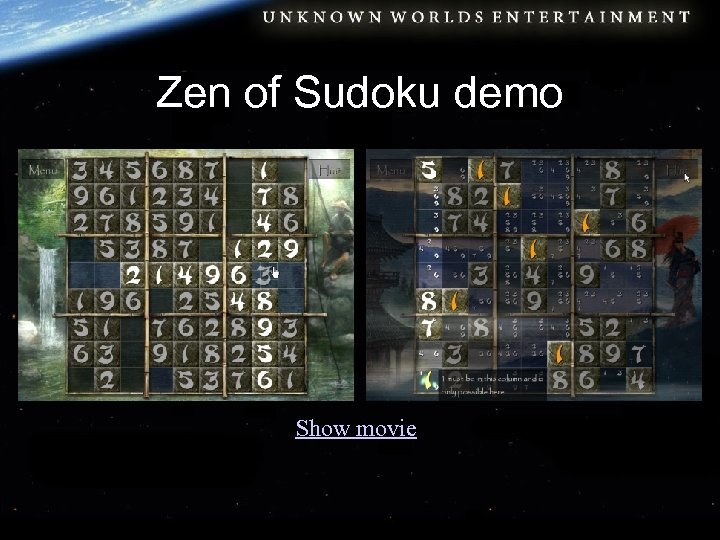
Zen of Sudoku demo Show movie
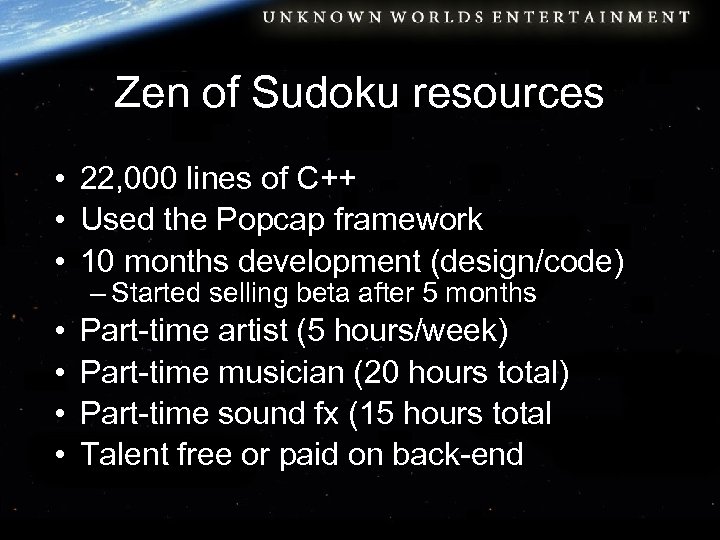
Zen of Sudoku resources • 22, 000 lines of C++ • Used the Popcap framework • 10 months development (design/code) – Started selling beta after 5 months • • Part-time artist (5 hours/week) Part-time musician (20 hours total) Part-time sound fx (15 hours total Talent free or paid on back-end
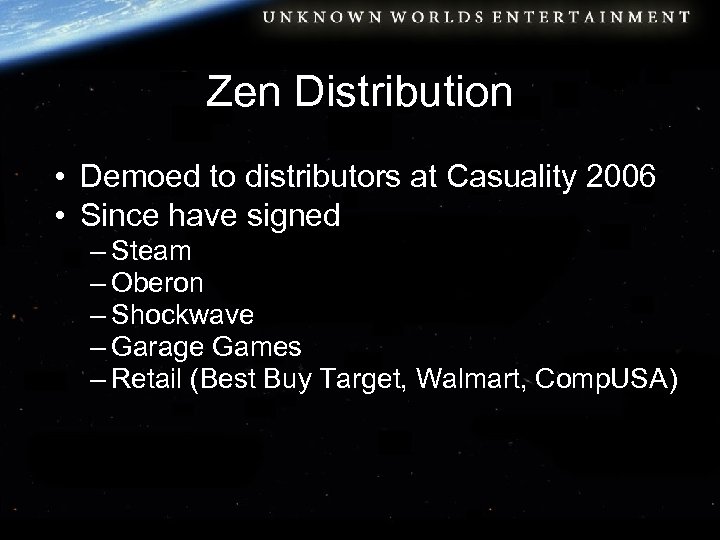
Zen Distribution • Demoed to distributors at Casuality 2006 • Since have signed – Steam – Oberon – Shockwave – Garage Games – Retail (Best Buy Target, Walmart, Comp. USA)
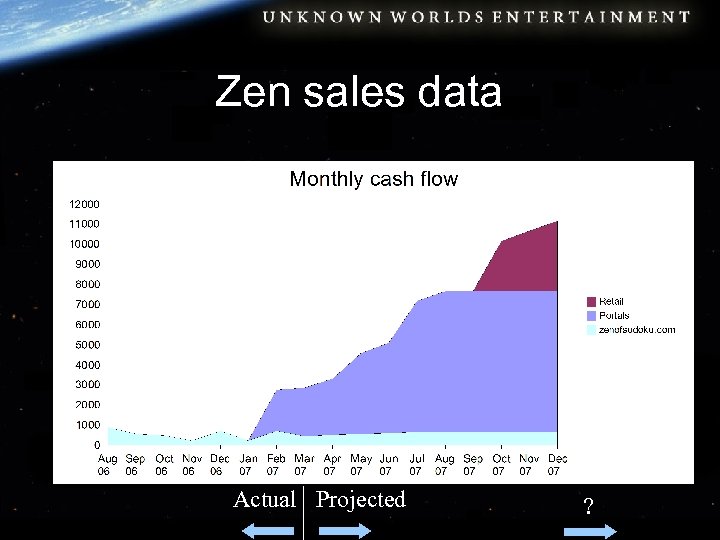
Zen sales data Actual Projected ?
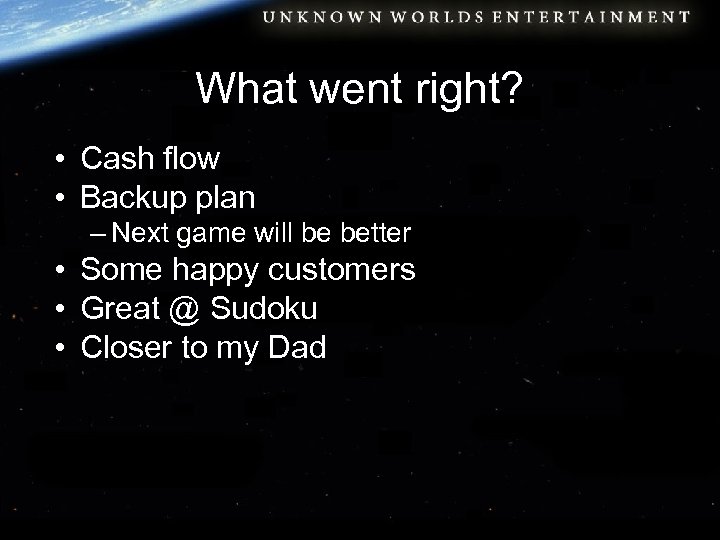
What went right? • Cash flow • Backup plan – Next game will be better • Some happy customers • Great @ Sudoku • Closer to my Dad
What didn't • • • Not that much cash flow Sudoku theme Money slower than expected Development longer than expected Audience factors out of your control – Your game may not sell depending on other games you can't plan on
Design parameters • • • Most important decision you will make Familiar, but with a twist Include “progress” elements Theme Accessibility - mouse buttons, keyboard Software rendering
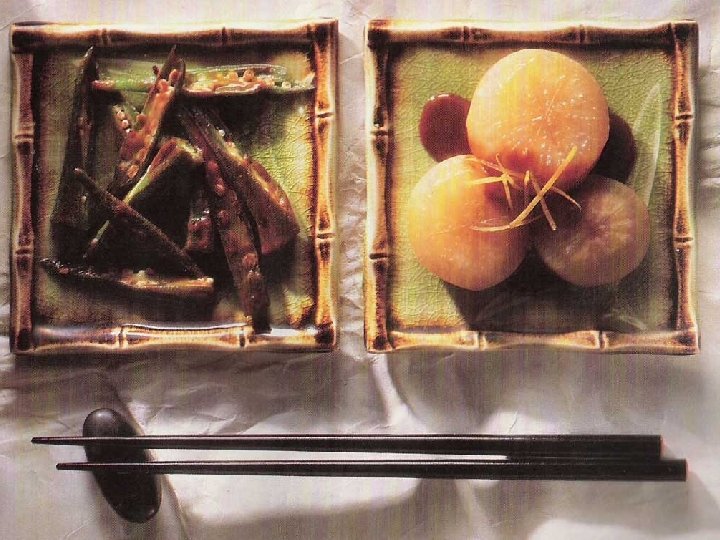
Choosing a project
Technology • Popcap engine is great – Free – Simple (36, 000 lines C++) – Software rendering support – Good community support – User-interface code tedious – Portals used to it – Requires BASS license of ~$200 – Windows/download only – http: //developer. popcap. com
Flash/Zinc • Flash/Zinc very promising – Development time down to ~3 months – For games without a lot of action/redraw – Probably still need to program – Free Mac/Flash versions – Flash Pro 8 + Zinc = $1, 000 – http: //www. multidmedia. com/
Build options • Make sure it's easy to build versions for portals – Different intro/logo screens – Make easy to remove external URLs
Distribution • Main approaches – Shop game to every portal yourself – Shop game to portal who will then shop for you – Sell game/IP outright – License source for re-branding • Don't take exclusive distribution deals • More the better • ~25 -50% royalties + ad revenue
Distribution methods • Easy to get deals! • Casuality – Next one is July 17 th-19 th in Seattle – http: //www. casualconnect. org/ • Minna Mingle • Sending game via e-mail works too
What have you achieved? • • Your own company and IP QA process Customers! A team that can work together Valuable game knowledge Cash flow. . . solvency? Possibility of a hit
Now what? • Make a sequel, or a new casual game – You know the technology, process, workflow – You understand casual much better – You have contacts, partners – You can negotiate better royalties – Mac, palm, i. Pod. . . but real work
Natural Selection 2 • Making Natural Selection 2 on Half-life 2 engine • For digital distribution on Steam • Will probably come back to “casual” in some form • The lessons learned are applicable to “core” games (pacing, attention, learning curve, theme)
Takeaway • Not sure if this is a success story or not – I bet my 2 nd casual game would sell 2 x and be done in 4 -6 months • Keep development time down – Less chance of competitors clogging up distro – Less time to cash flow – Use Flash • Take bigger risk
More takeaway • It's not just about money – Ability to design fun game with constraints – Assembled a team and learned to run it – Intellectual property – Business development experience • Once you can do something small at very high quality, you can scale it up
Questions? • Please fill out your evaluation forms • charlie@unknownworlds. com • Presentation will be available at: http: //www. unknownworlds. com/blog • . . . and good luck!
Appendix • • • IGDA Casual Games white paper (2006) Art of the Start – Guy Kawasaki The Bootstrapper's Bible – Seth Godin Bootstrapping in the age of blockbuster budgets – Al Reed, GDC 2006 Built to Last – James Collins, Jerry Porras Micro-ISV – Bob Walsh Blue Ocean Strategy – W. Chan Kim and Renee Mauborgne Angel Financing – Gerald A. Benjamin + Joel B. Margulis The Experience Economy – B. Pine and James Gilmore
Скачать презентацию Talk overview My background Ways
f55b2de0af146e56ec8ce6e62ee5e333.ppt